This article systematically analyzes practical tips for selecting automotive paints, providing a comprehensive explanation of paint types, performance indicators, color stability, environmental standards, and application compatibility, to help users make informed choices in automotive refinishing and full-vehicle spraying, thereby improving coating quality and service life.
I. The Importance of Automotive Paint in Overall Vehicle Quality
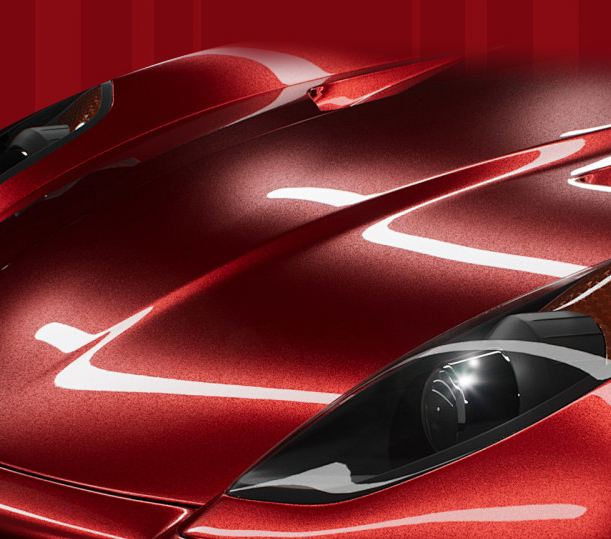
Automotive paint not only determines a vehicle's aesthetic appearance, but also directly affects the body's weather resistance, corrosion protection, and overall value. High-quality automotive paint can maintain stable performance under prolonged sunlight exposure, rain, temperature fluctuations, and road environments, preventing fading, chalking, and paint film delamination. Therefore, mastering the techniques for selecting automotive paint is a critical step that cannot be overlooked in vehicle manufacturing, repair, and refurbishment processes.
II. Analysis of Common Automotive Paint Types
Currently, automotive paints on the market are mainly divided into the following categories:
1. Acrylic automotive paint
Acrylic automotive paint has good gloss and color expression, is relatively easy to apply, and is suitable for ordinary touch-ups and full-vehicle spraying.
2. Polyurethane Automotive Paint
The polyurethane system automotive paint is known for its high hardness and high wear resistance. The paint film is dense and has strong chemical corrosion resistance, making it a common choice in high-end automotive painting.
3. Water-based Automotive Paint
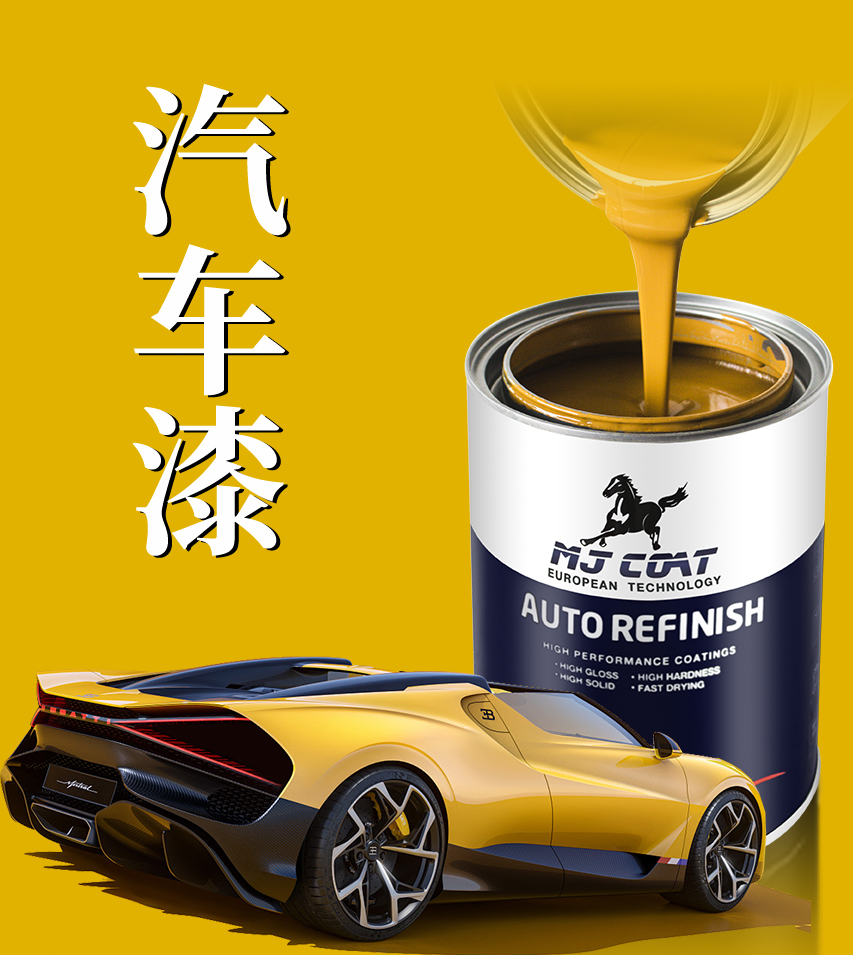
With the continuous improvement of environmental regulations, eco-friendly automotive paints are gradually becoming the mainstream. Water-based automotive paint offers the advantage of low VOC emissions, and while ensuring spraying results, it better aligns with modern green manufacturing concepts.
III. Select the appropriate automotive paint based on the application scenario
Performance requirements for automotive paints vary significantly across different application scenarios:
- Full vehicle painting: More emphasis is placed on color consistency, gloss, and aging resistance.
- Local repair: Emphasis on adhesion, color difference control, and construction compatibility
- Commercial vehicles: Emphasis on wear resistance, corrosion resistance, and long-term stability
In the selection of automotive refinish paints, the focus should be on their compatibility with the original factory finish to minimize visual discrepancies.
IV. Tips for Selecting Automotive Paint Colors and Visual Effects
Color is a core factor affecting a vehicle's exterior appearance. Common paint finish effects include:
- Solid color paint: Uniform color, low repair cost
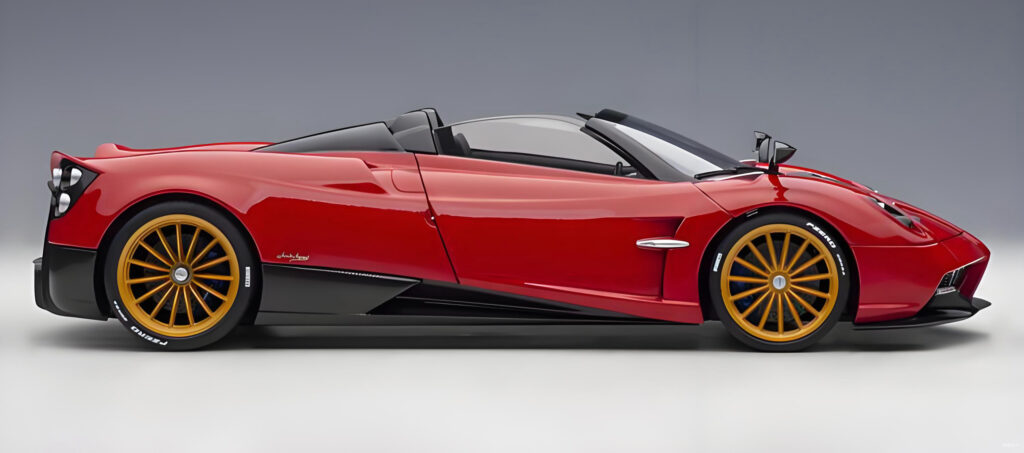
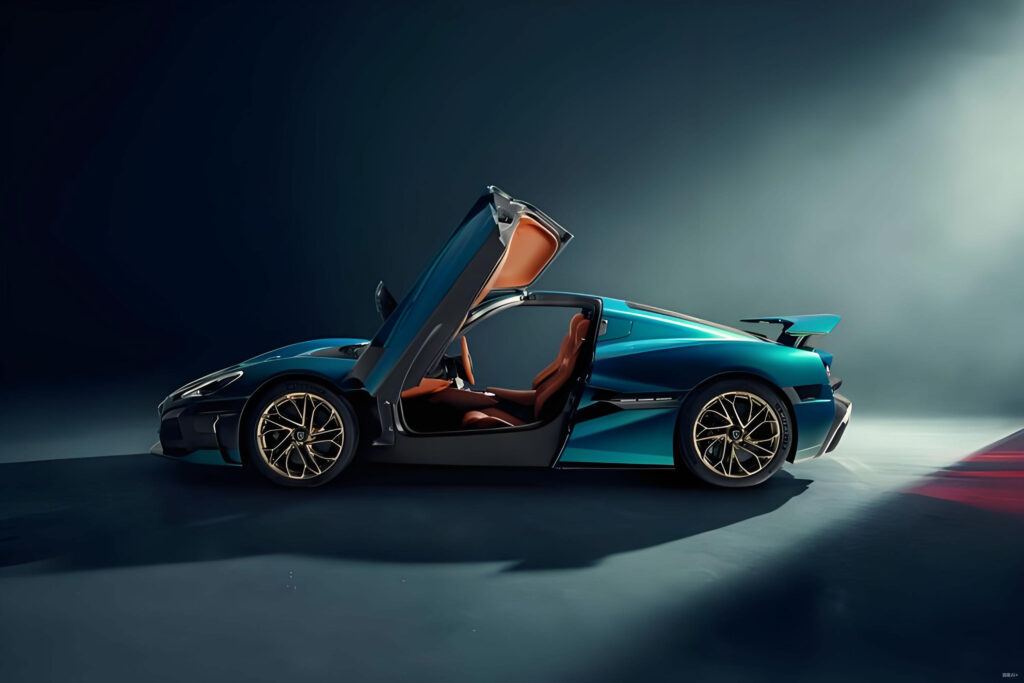
- Metallic paint: Contains metallic particles, strong sense of depth, enhances vehicle texture
- Pearl paint: Rich light refraction effect, more three-dimensional visual presentation
When selecting metallic or pearlescent coatings, particular attention should be paid to the uniformity of metallic flake distribution and the transparency of the paint film.
V. Detailed Explanation of Automotive Paint Performance Indicators
To assess the quality of automotive paint, one can start from the following key properties:
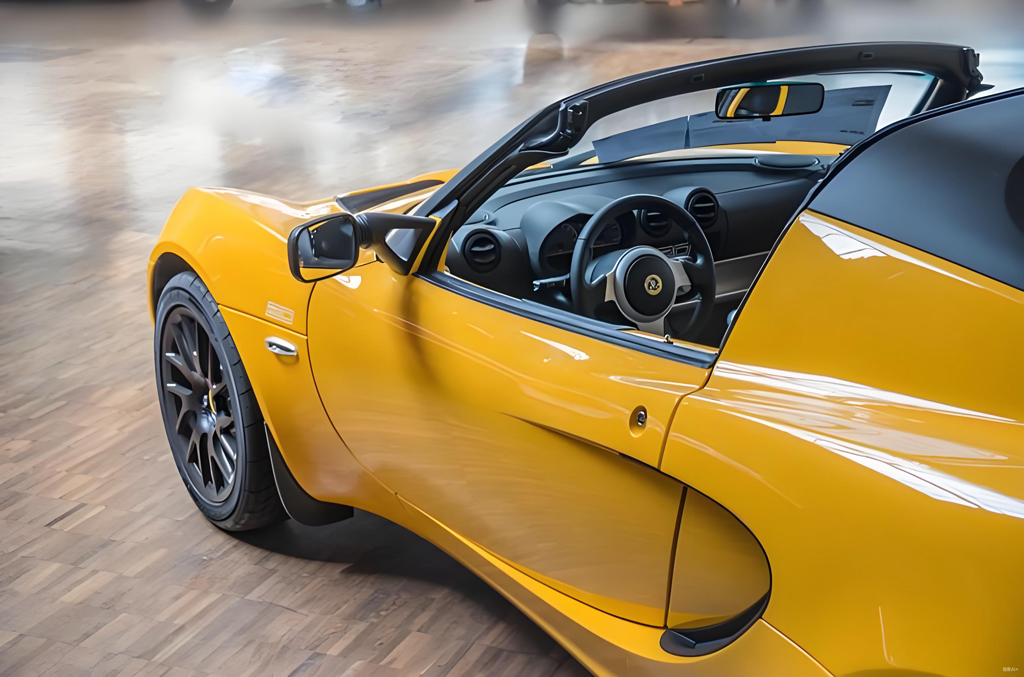
- Adhesion: Determines whether the paint film is firm
- Balance of Hardness and Flexibility: Prevent cracking and scratching
- Weather resistance: Long-term UV resistance
- Chemical resistance: Resistant to oil stains, acid rain, and cleaner erosion
High-performance automotive paints generally exhibit more stable performance in these metrics.
VI. Environmental and Safety Factors Cannot Be Ignored
Environmentally friendly automotive paints have become an industry trend. Choosing low-VOC, low-odor, heavy-metal-free automotive coatings not only benefits the health of applicators but also meets long-term market and regulatory requirements.
VII. Impact of Construction Adaptability on Final Results
Even the highest-quality automotive paint requires suitable application conditions to achieve its optimal performance. The temperature and humidity of the spraying environment, the atomization effect of the spray gun, and the quality of substrate preparation all directly affect the final paint finish.

VIII. Rational Trade-off Between Cost and Cost-Effectiveness
When selecting automotive paint, one should not simply pursue low prices. Taking into account the paint's service life, maintenance costs, and rework probability often yields greater long-term value.
FAQ Frequently Asked Questions
Q1: Can automotive refinish paint and OEM paint be used interchangeably?
A: Not entirely. Automotive refinish paint places more emphasis on color difference control, while OEM paint focuses more on overall consistency.
Q2: Is water-based automotive paint less durable than solvent-based paint?
A: High-quality water-based automotive paint has reached or even surpassed traditional solvent-based systems in terms of weather resistance and adhesion.
Q3: Is metallic paint more difficult to apply?
A: Metallic paint requires higher uniformity in application, but it can significantly enhance the texture of the paint surface.