—Technical Basis for the Formation of High-Reflective Surfaces
The high-reflective effect of mirror coatings originates from their unique coating structure and film-forming mechanism. This paper systematically analyzes the core layer composition and film-forming principles of mirror coatings to facilitate understanding of the technical foundation of high-quality mirror effects.
I. Technical Positioning of Mirror Coatings in Plastic Appearance Applications
Mirror coating is a surface treatment technology aimed at extremely high reflectivity and imaging clarity, widely used in plastic products with extremely high requirements for appearance quality. Its technical core does not lie in material thickness, but in the precise control of the coating structure.
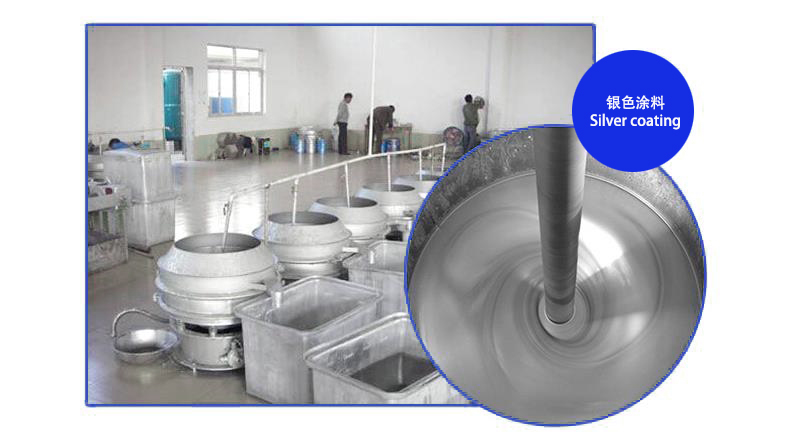
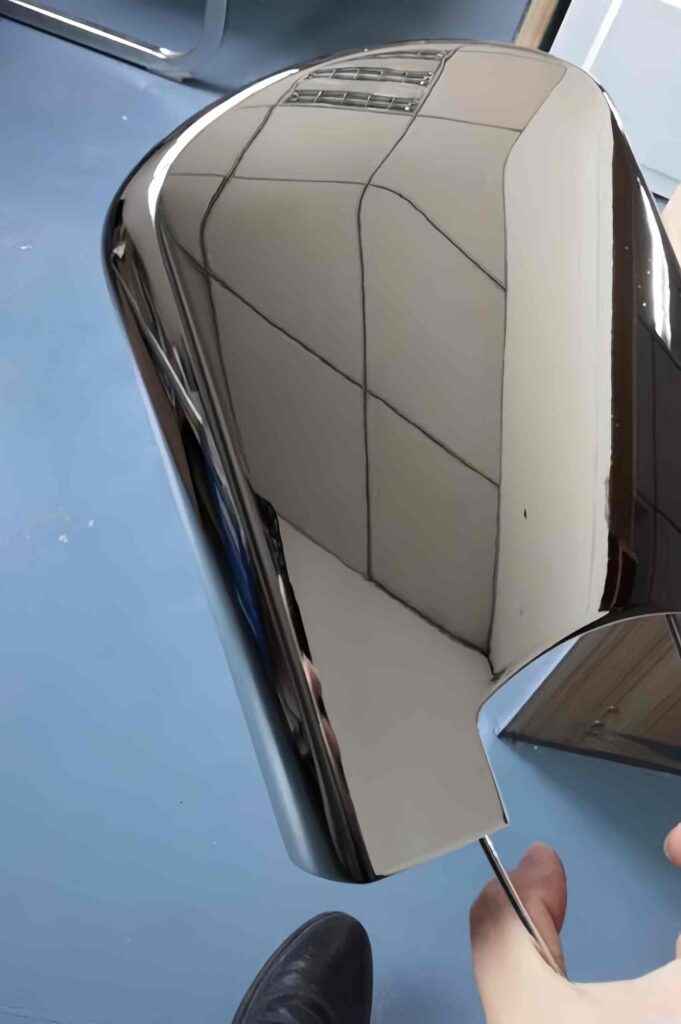
II. Basic Structural Composition of Mirror Coatings
A typical mirror coating usually consists of the following core layers:
1. Substrate layer
The substrate is the plastic product itself, and its surface flatness and stability determine the upper limit of the mirror effect.
2. Base leveling coat
This layer is used to correct micro-defects of the substrate and provide a highly smooth film-forming base.
3. High-reflectance functional layer
This is the core layer for forming the mirror effect, achieving clear imaging through high reflectivity.
4. Transparent protective layer
Used to protect the reflective layer and to finely control the final gloss and visual effect.
III. Analysis of the Film Formation Mechanism of Mirror Coatings
The film-forming process of a mirror coating is essentially a highly controlled leveling and curing process. After application, the coating forms a continuous, dense, and smooth film through surface tension, thereby achieving ideal optical reflection performance.
IV. Relationship between Coating Flatness and Reflective Properties
Mirror effects are extremely sensitive to surface flatness. Microscopic irregularities cause light scattering and reduce image clarity. Therefore, the coating structure must maintain a high degree of uniformity at the microscopic scale.
V. Influence of Material Properties on Film Formation Quality
Mirror coating materials must possess good leveling, film-forming stability, and optical transparency. These properties collectively determine whether the mirror coating can maintain a high-reflectance and high-gloss state over the long term.
VI. The Role of Process Conditions in the Film Formation Process
Construction environment, application method, and curing conditions all affect the film-forming quality of mirror coatings. Stable process conditions help form a continuous, defect-free mirror coating film.
VII. Significance of Structural Stability of Mirror Coatings
Structurally stable mirror coatings not only deliver excellent initial visual effects but also maintain appearance consistency during long-term use, meeting the requirements of high-end plastic products for quality stability.
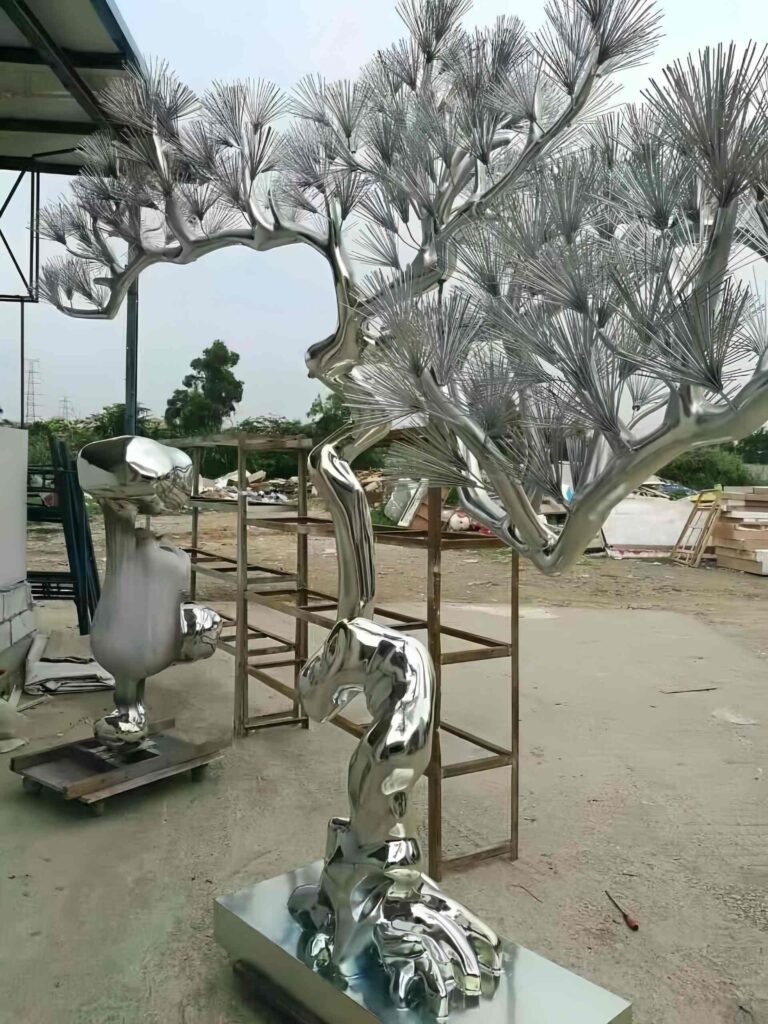
VIII. Conclusion
The high-quality performance of mirror coatings stems from their scientifically rational coating structure and precise film-forming control. A deeper understanding of the core structure and film-forming principles enables better achievement of stable, pure mirror-like appearance effects.
The following content will further explore the key factors affecting the stability of mirror coatings.