
In industrial protection and flooring projects, “epoxy or polyurethane?” is the most frequently asked — and most frequently answered incorrectly — question. Many teams decide by habit: epoxy for every floor, polyurethane for every outdoor job. The result is either outdoor epoxy that yellows and chalking, or low-temperature polyurethane that stays soft and wears poorly. Epoxy and polyurethane are not “which is better” — they are “which is more suitable.” They follow two different chemical routes (epoxy: epoxide ring-opening amination; polyurethane: isocyanate-hydroxyl addition), so their performance profiles are naturally complementary. This article gives a system-level decision framework: break down the mechanism differences first, then score six dimensions — medium, weathering, temperature, load, movement, schedule — and finally land on a scenario-based selection table and a composite system. The goal is to turn selection from “by feel” into “by matrix.”
As a technical supplier of industrial protective coatings, kexinMaterials supplies both epoxy and polyurethane systems. This article takes no side; it only gives executable conclusions by service condition, for engineers and purchasers to benchmark.
1. Mechanism Differences Define the Performance Profile
Epoxy: The epoxide groups (—CH—CH—) of epoxy resin (e.g., bisphenol A) open under amine hardeners and add with amine hydrogen, forming a three-dimensional crosslinked network built on ether bonds, hydroxyl groups, and benzene rings. Characteristics: strong adhesion, high crosslink density, excellent chemical resistance (especially alkali and water), low shrinkage — but the aromatic structure makes it UV-poor, brittle, and almost unable to follow movement.
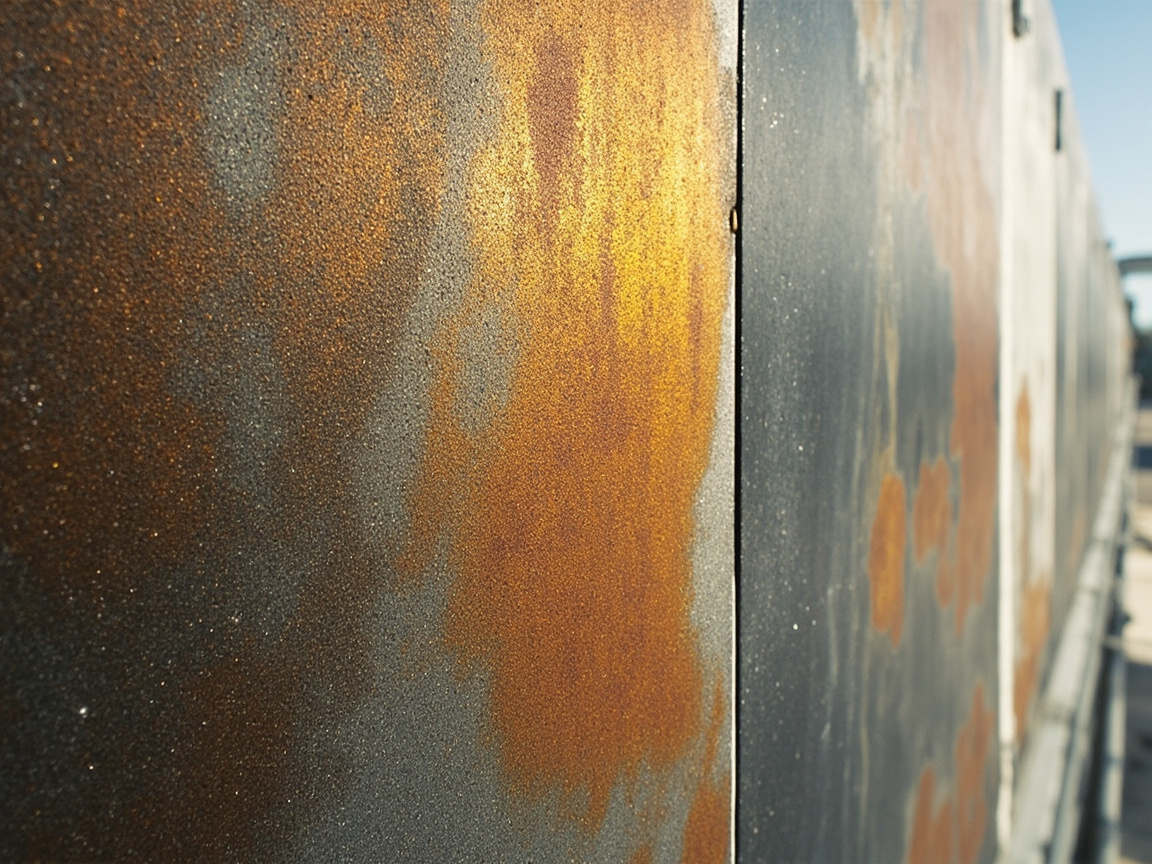
Polyurethane: Polyisocyanate (—NCO) adds with polyol (—OH) to form urethane bonds (—NH—COO—). By choosing isocyanate type (aliphatic HDI/IPDI vs aromatic TDI/MDI) and exploiting soft-hard segment microphase separation, you can tune weathering, elasticity, and abrasion. Characteristics: extremely wide tunability — from hard-brittle to highly elastic; outstanding abrasion and elasticity; aliphatic PU is weather-stable and non-yellowing, but its alkali and high-temperature resistance are generally inferior to epoxy.
One-line profile: epoxy is strong in adhesion + chemical resistance + rigidity; polyurethane is strong in weathering + elasticity + abrasion. Selection is simply about which side the service condition needs more.
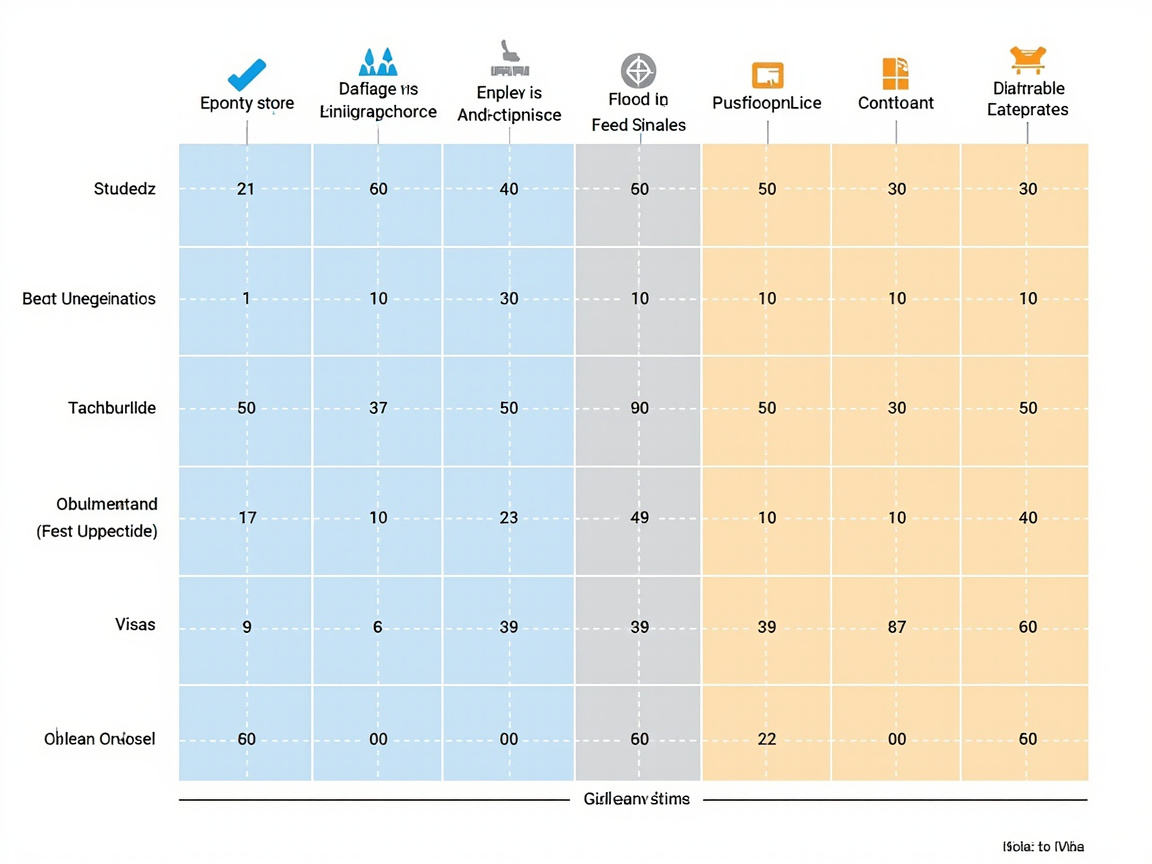
2. The Six-Dimension Decision Framework
Break selection into six quantifiable dimensions and judge each.
1. Medium (chemical exposure)
- Long-term contact with strong alkali, solvent oil, salt spray, or acid-alkali alternation: prefer epoxy (ether bond resists alkali; dense barrier).
- Atmospheric exposure, rain, mild chemicals only: polyurethane is sufficient and weathers better.
- Strong oxidizing acids, high-temperature severe corrosion: both need upgrading (phenolic epoxy, vinyl ester, lining — see kexinMaterials chemical-resistant epoxy).
2. Weathering / UV
- Outdoor, skylights, direct sun: must use aliphatic polyurethane (HDI/IPDI); outdoor epoxy will yellow and chalk. See aliphatic vs aromatic polyurethane and PU varnish yellowing resistance.
- Indoor, underground, in-tank: weathering is non-critical; epoxy is more cost-effective.
3. Temperature
- Medium temperature (≤ 80–100 °C depending on system) with thermal cycling: epoxy (especially phenolic epoxy) is more stable.
- Ambient temperature with low-temperature flexibility need: polyurethane (especially polyether type) is better.
- Low-temperature application: both have low-temperature hardeners (see epoxy curing agent selection).
4. Load / abrasion
- Heavy forklift, steel wheels, high-frequency traffic: epoxy self-leveling/mortar excels in wear and compression; PU elastic topcoat resists impact but has slightly lower compression resistance.
- Pedestrian, light load: either works; PU feels more resilient.
5. Movement / elasticity
- Expansion joints, cracks, vibration damping: polyurethane elastic layer (elongation can reach several hundred percent) or elastic epoxy (see elastic epoxy joint treatment); rigid epoxy does not follow movement.
6. Schedule / odor
- Fast schedule, low odor: waterborne or high-solid systems; both epoxy and PU have waterborne versions (see epoxy-polyurethane floor elastic coating).
3. Scenario-Based Selection Table
Give conclusions directly by common conditions:
| Condition | Recommended |
|---|---|
| Outdoor / UV exposure | Aliphatic PU topcoat (mandatory) |
| Strong alkali / solvent / salt spray | Epoxy primer (preferred) |
| Expansion joints / cracks / damping | Elastic epoxy or PU elastic layer |
| Heavy, high-frequency load | Epoxy self-leveling / mortar |
| Severe corrosion beyond boundary | Upgraded epoxy (phenolic / vinyl ester / lining) |
| Low-odor / low-VOC requirement | Waterborne or high-solid |
| Fast schedule | Fast-cure / high-solid; check pot life |
4. Composite Systems Beat Going Alone
The optimal solution is often a “epoxy base + polyurethane top” composite that exploits each material’s strengths:
- Corrosion protection (ISO 12944-5 logic): zinc-rich epoxy primer (cathodic protection) + micaceous iron oxide epoxy intermediate (lamellar barrier) + aliphatic PU topcoat (weathering & decoration). This is the classic three-layer heavy-duty system: base and intermediate give strong adhesion and chemical resistance; top gives weather stability without yellowing.
- Flooring: epoxy primer + epoxy leveling/self-leveling + aliphatic PU topcoat (outdoor) or epoxy topcoat (indoor); joints handled with elastic epoxy/PU.
Interlayer compatibility is a prerequisite. Same-manufacturer,compatible-verified systems carry the lowest risk; mixing across systems must be validated with a small sample first (check for lifting, and whether adhesion meets GB/T 5210 pull-off).
5. Common Selection Mistakes
- Mistake 1: Using ordinary epoxy outdoors. Yellowing and chalking within months; switch to aliphatic PU top.
- Mistake 2: Using ordinary PU in strong alkali. PU ester bonds resist alkali less than epoxy; choose epoxy for long-term alkali.
- Mistake 3: Sealing large movement joints with rigid epoxy. It will crack; use elastic epoxy/PU.
- Mistake 4: Looking only at unit price. Low epoxy price but short outdoor life can raise life-cycle cost; calculate by whole life.
- Mistake 5: Ignoring VOC and schedule. Indoor/food plants need low odor and low VOC; choose waterborne or high-solid (reference GB 30981-2020 and GB 50325).
6. Decision Checklist
- Outdoor / UV exposure? Yes → topcoat must be aliphatic PU.
- Strong alkali / solvent / salt spray? Yes → base layer prefer epoxy.
- Expansion joints / cracks / damping? Yes → add elastic epoxy or PU elastic layer.
- Heavy high-frequency load? Yes → epoxy self-leveling / mortar for load bearing.
- Severe corrosion beyond boundary? Yes → upgrade epoxy (phenolic / vinyl ester / lining).
- Low odor / low VOC? Yes → waterborne or high-solid system.
- Fast schedule? Yes → choose fast-cure / high-solid, verify pot life.
The more “yes” answers, the more you should go composite: “epoxy base/intermediate + PU top” or “epoxy load-bearing + elastic joint.”
7. Standards and Test Correlation
- Weathering: ISO 11341 / GB/T 1865 xenon-arc; aliphatic PU retained gloss and color far better than epoxy.
- Salt spray: ISO 9227 (equivalent ASTM B117).
- Adhesion: GB/T 5210 pull-off.
- Abrasion: GB/T 1768.
- Hardness: GB/T 6739 pencil.
- Flexibility / elongation: GB/T 528 / ASTM D412.
- VOC: GB 30981-2020, GB 50325.
Anchoring “selection conclusions” to these measurable indicators gives engineering acceptance a basis.
8. Cost and Life vs Budget Trade-off
Low unit price is not low cost. Ordinary epoxy used outdoors chalks and requires rework within years; life-cycle cost can exceed aliphatic PU. High-solid / solvent-free costs more per unit but saves process steps and meets low-VOC compliance — often better overall. Reverse-engineer materials from design life (e.g., ISO 12944 durability grade 5–15 years) to avoid paying repair from saved material cost.
FAQ
Q: Can I just use epoxy everywhere to save cost?
A: No. Epoxy yellows and chalks under outdoor UV, and it is brittle under movement. Use epoxy for indoor/chemical/load roles and aliphatic PU for outdoor topcoats; composite systems are usually the best value.
Q: Is polyurethane always better for outdoors?
A: Only aliphatic PU (HDI/IPDI) is weather-stable. Aromatic PU (TDI/MDI) also yellows outdoors and must be avoided for exterior topcoats.
Q: How do I verify cross-system compatibility?
A: Make a 1–2 m² sample, cure fully, then test for lifting and adhesion by GB/T 5210 pull-off and accelerated weathering before large-area application.
Q: What VOC rules apply to indoor floors?
A: GB 30981-2020 and GB 50325 set limits; choose waterborne or high-solid epoxy/PU and confirm with supplier test reports.
Q: Which standard frames the heavy-duty system?
A: ISO 12944 (corrosivity categories and system selection) plus GB/T 5210 / GB/T 1768 for acceptance; see the kexinMaterials corrosion protection series.
kexinMaterials recommends sorting the service condition (medium, temperature, load, movement, weathering, schedule) on key projects first, then assigning “primer / intermediate / top” roles between epoxy and polyurethane, and if necessary making a 1–2 m² sample validated through one service cycle before rollout.