Carbon fiber, due to its lightweight, high strength, and excellent corrosion resistance, is widely used in automobiles, aerospace, sports equipment, and other fields. However, in order to maintain its aesthetics and durability in outdoor or high-temperature environments, painting protection on the carbon fiber surface is crucial. This article introduces a carbon fiber painting process that can simultaneously possess high temperature resistance, UV resistance, and scratch resistance.
I. Preparatory Work: Surface Sanding and Dust Removal
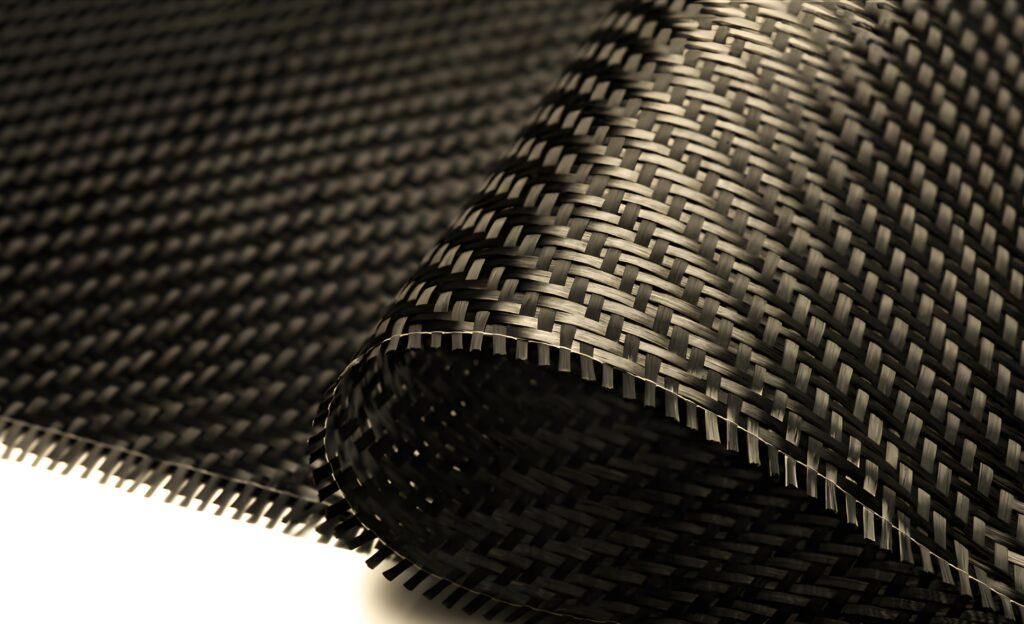
Surface preparation before painting is a critical step. First, use fine sandpaper to uniformly sand the carbon fiber surface to remove burrs and the oxide layer, creating a fine anchoring texture that facilitates strong adhesion of the paint film. After sanding, use a clean lint-free cloth or an air spray gun to thoroughly remove dust and oil, ensuring the surface is clean and dry.
II. First Coat of Clearcoat Application
After surface treatment is completed, application of the first clearcoat layer begins. A high-temperature clearcoat specifically designed for carbon fiber is selected, whose resin system should withstand a thermal load of at least 200°C or above. During spraying, maintain a spray gun distance of approximately 15–20 cm and move at a constant speed to avoid excessive film thickness that could cause sagging.
III. Constant-Temperature Baking and Curing
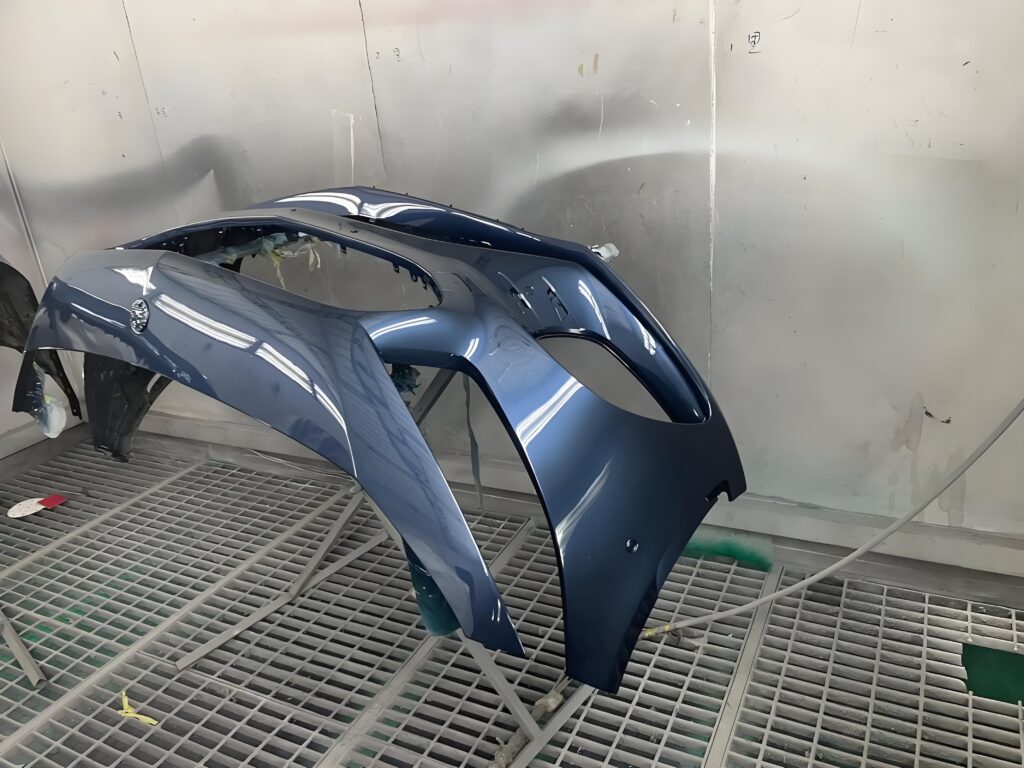
After spraying the first coat, place the workpiece in an oven and bake at 60°C for about 120 minutes to allow the varnish to fully cure. This process makes the paint film structure more compact, improves heat resistance and adhesion, and reduces the formation of internal bubbles or pinholes in the coating.
IV. Second Coating to Enhance Gloss and Leveling
After the first layer has cured, a second coat of paint can be applied. The second spraying not only increases film thickness but also improves gloss and surface smoothness. To achieve a mirror finish, the solvent ratio may be appropriately increased to make the atomized paint particles finer. After the second layer is sprayed, bake again at 60°C for 120 minutes to ensure complete curing.
5. Optional third coat may be applied to enhance protective performance.
If the product needs to be used in extreme environments, a third layer of varnish spraying can be added. This layer can be mixed with a small amount of nano-titanium dioxide or UV absorber to further improve UV resistance. For surfaces with high scratch resistance requirements, wear-resistant additives can also be added or a fluorocarbon varnish system can be used to achieve excellent wear-resistant results.

VI. Precautions and Quality Inspection
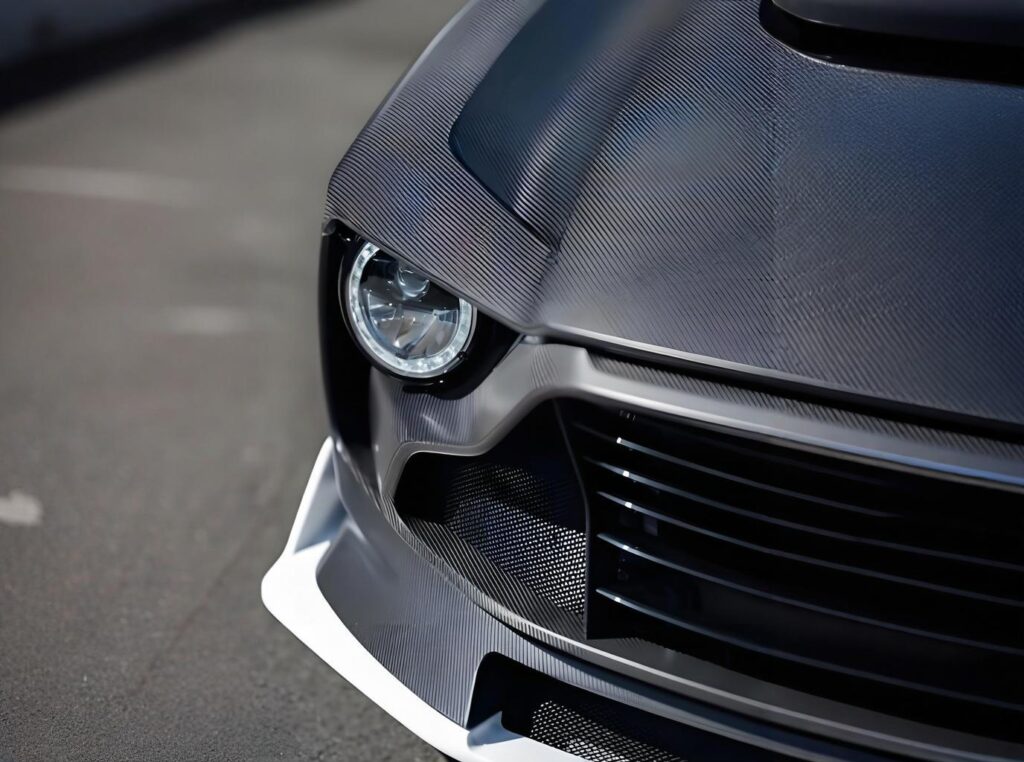
A certain interval should be maintained between each spraying, or the next process should be carried out after complete curing, to avoid poor interlayer adhesion. The finished paint surface should be smooth and free of particles, and pass the temperature resistance test (≥200℃), UV aging test (≥500 hours) and hardness test (≥2H).
VII. Conclusion
Through scientific painting processes and high-performance formulations, carbon fiber products can not only achieve excellent surface gloss, but also maintain stable performance over the long term in high-temperature, intense-light, and frictional environments. This coating process is suitable for various applications such as automotive carbon fiber shells, drone components, and sports equipment.