Introduction: Warehousing is not "just finding a building to pile things up" — it is the "blood transfusion station" for a coatings plant's heart.
The core of a coatings factory is not the reactors, but the warehousing. (1) Insufficient storage leads to raw material shortages, causing a total production halt—daily losses exceeding tens of thousands to hundreds of thousands, plus delivery delays that erode customer trust; no material means empty reactors. (2) The finished goods warehouse is overstocked; why does the workshop stop? Because filled drums have nowhere to go, forcing the workshop to shut down—this shows that the finished goods warehouse is the "reservoir" of production operations. (3) The hazardous chemicals warehouse catches fire or explodes; there is no "second factory"—this means permanent closure, even criminal liability. Hazardous material storage is non-negotiable—100% compliance. Warehousing and logistics are not "support departments" or "logistics units"—they are the "main arteries" of the supply chain. Raw materials are the heart, pumped to reaction, finished products return to warehouse, then delivered to customers; any link suffering an "infarction" kills the entire factory.
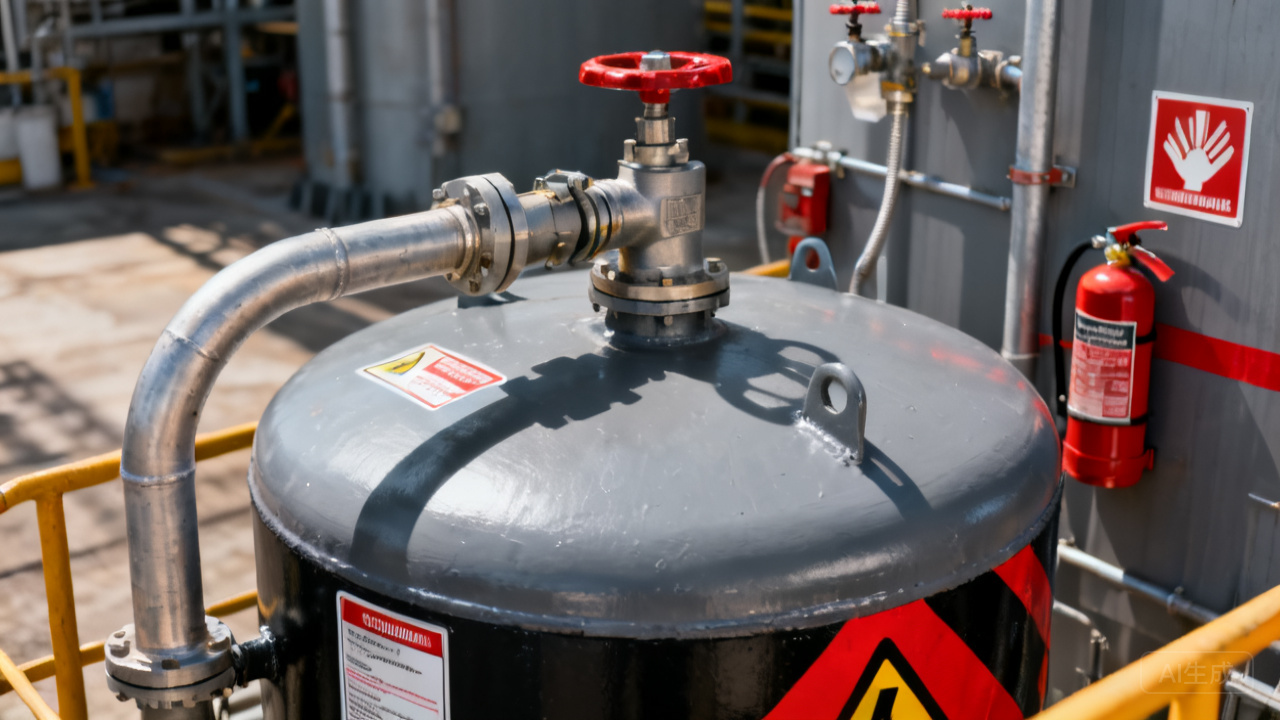
Coatings factory warehousing and logistics management——Storage safety requirements (fireproof/explosion-proof/ventilation/static electricity) for "hazardous chemicals" (Class 3——flammable liquids——UN1263) based on raw materials and finished products——Through nitrogen blanketing/heat preservation/anti-oxidation of raw material tanks——Ensure raw material quality——FIFO/barcode WMS for finished product warehouse——Achieve accurate inventory and prevent expiration——Combined with ADR/IMDG regulations for hazardous chemical transport——From factory to customer——'Safe storage——Precise delivery——Worry-free quality' complete supply chain closed loop.
I. Control Core of the Four Major Warehousing and Logistics Modules
| Module | Core Equipment/System | Key Parameters | Compliance Requirements | Safety Accident Risks |
|---|---|---|---|---|
| Raw Material Storage Tank Area | Carbon Steel/Stainless Steel Tanks——Nitrogen Blanketing System | Volume——>7 days usage/Nitrogen purity>99.5%/——O₂<0.5% | GB 50160/Petrochemical——Fire Separation Distance——Bunding——Lightning Protection | Solvent vapor——encountering static spark or lightning strike——Fire/Explosion |
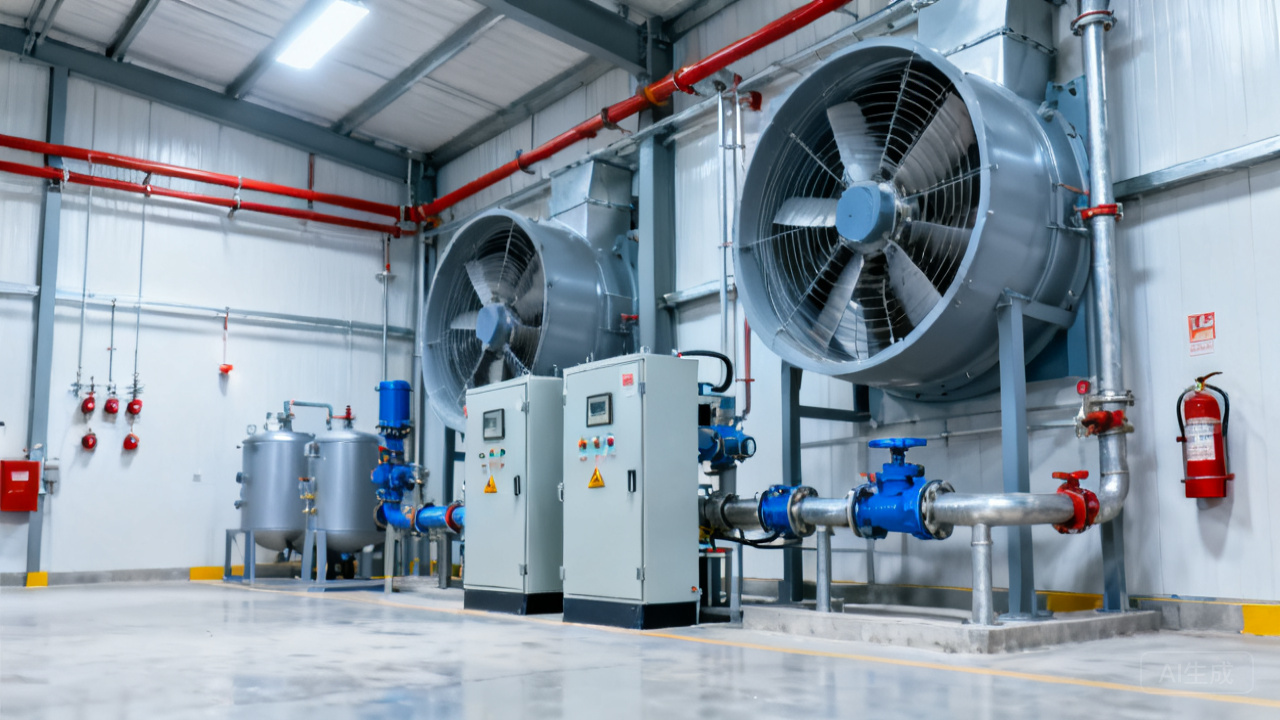
| Hazardous Chemical Warehouse (Class A) | Fans/Combustible Gas Detection/Bunding | Ventilation>6 times/h/Combustible gas<25%LEL——Alarm | GB 18265/Hazardous Chemicals——Storage——Firefighting——Explosion-proof——Fireproof | Leakage——Evaporation——encountering fire——Deflagration——Fire——Entire building——Destroyed |
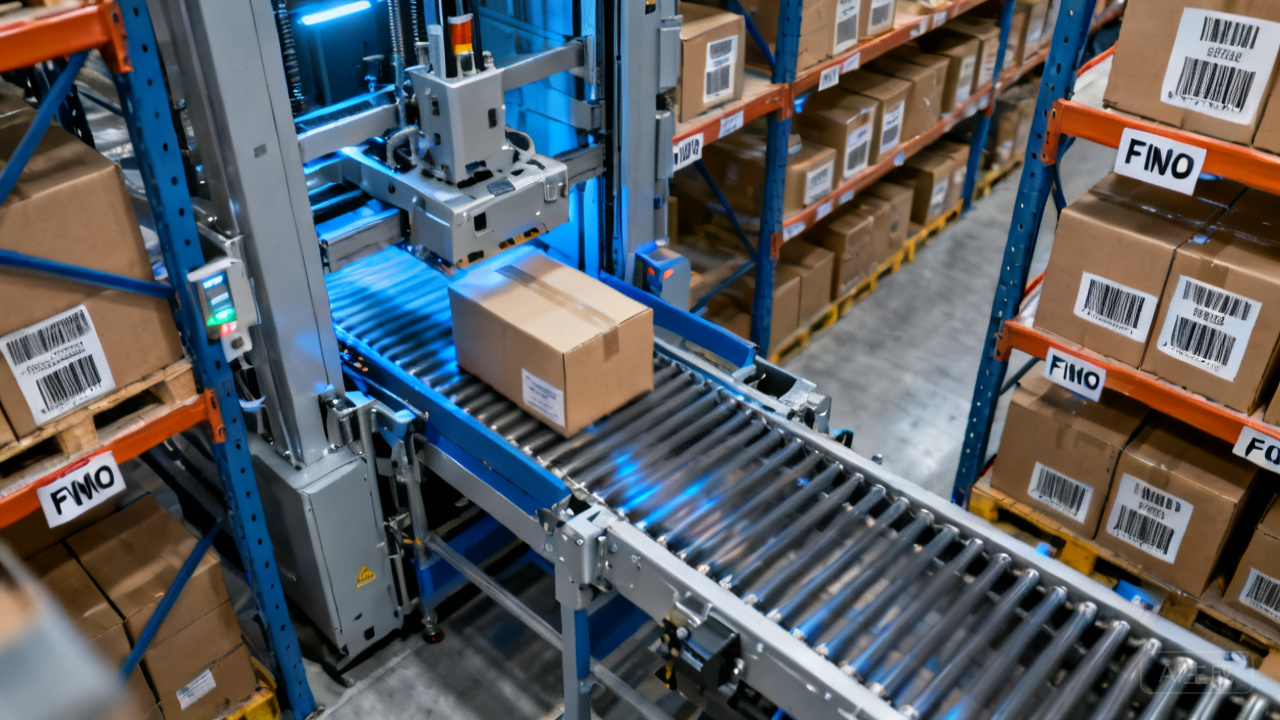
| Finished Product Warehouse | WMS/Barcode/Forklift/Stacker——ASRS | Pallet——usually>500-3000——Automation=Cost | No special——’First in first out——Inventory accuracy>99.5%’—— | Paper drum collapse——large incoming collapse——Injury |
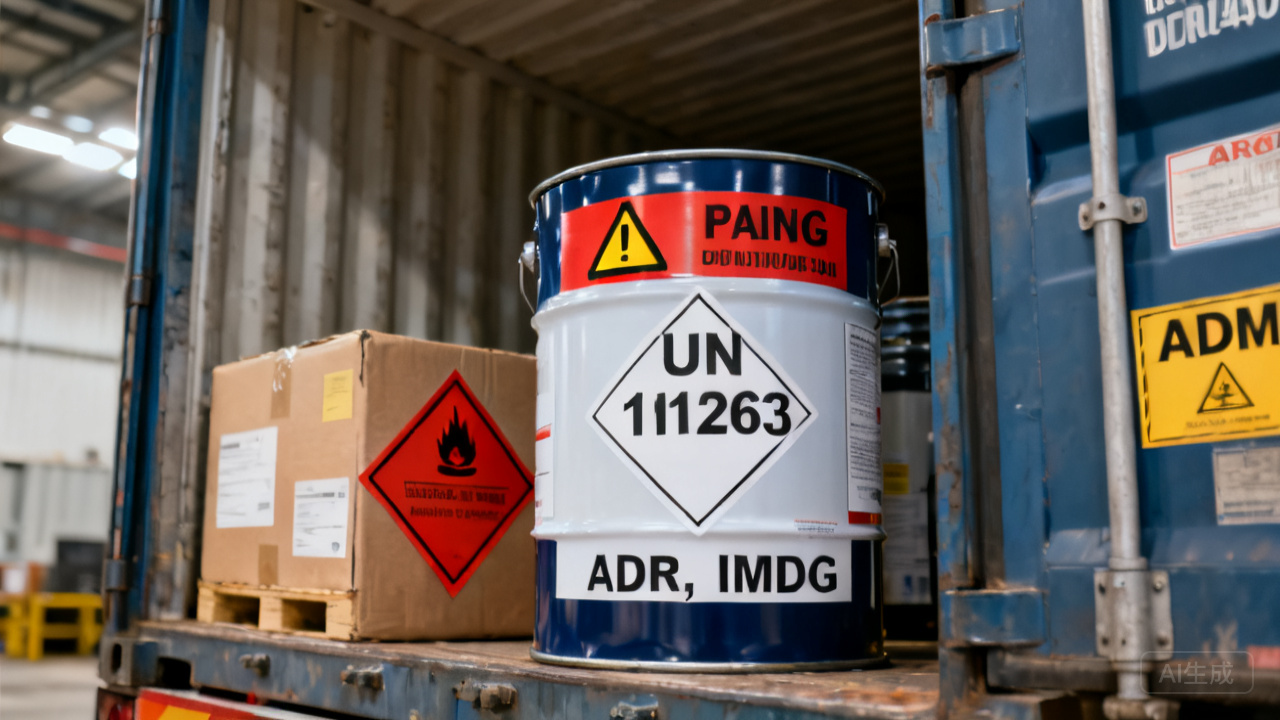
| Distribution Logistics | Hazardous Goods Vehicle——ADR/IMDG——Compliant Declaration | UN1263——Class 3——PG III——Exemption/Limited Quantity | GB——Road Hazardous Goods——ADR/IMDG——Transport——Driver——Escort | Transport——Collision——Solvent drum rupture——Solvent——On road——Flows into——River——Environmental——Disaster |
FAQ
Q1: The "nitrogen blanketing" purity of the solvent storage tank is 99.5%—why can't it be higher?
The upper space above the liquid level in the tank—filled with "nitrogen—not vacuum—not air—reduces O₂—prevents combustion—prevents oxidation—prevents moisture"; nitrogen—purity 99.5%—meaning O₂10%—for flammable solvents—to explode—generally requires >10% O₂ + concentration between upper and lower explosion limits—O₂99.5%—(1) cost—high purity >(99.9-99.99%)—energy consumption >high—for nitrogen generator/liquid nitrogen—energy consumption—liquid nitrogen—>1 yuan/m³; 99.5%" low cost—local nitrogen generation—PSA—>recovery—solvent storage tank—only needs—99.5—while laboratory glove boxes need—99.999%" (2) nitrogen—less—does not affect (at—dry—moisture-proof—high quality—99.5/dry—already—control >99.5%+0.5% O₂" high—insufficient—safe—sufficient—economic" is the golden purity.
Q2: Ventilation of hazardous chemical warehouse - air changes >6 times/h - how to calculate fan airflow and negative pressure?
Air change = warehouse volume - 60×6= - m³" 6 times per hour - (replace all air 6 times)" Airflow Q = warehouse volume Vc × (6/h)/3600 - and maintain slight negative pressure (fan - exhaust > supply - approx >10% - ensure "in case of leakage - volatile solvent vapor" does not escape - is drawn away by fan - discharged to atmosphere - high-altitude emission)"
; fan - must be explosion-proof (Ex - explosion-proof/ - motor explosion-proof - driven by compressed air - no electric spark). Combustible gas detection (Lower Explosion Limit - LEL - 25%) - at >25% LEL - i.e. - solvent concentration in air > minimum explosion lower limit concentration ÷ 4" alarm - interlock - close warehouse door - start forced exhaust - notify fire department".
Q3: Automated Storage and Retrieval System (ASRS)——For paint finished products, why is the "four-way shuttle + stacker crane" a new-generation high-bay warehouse?
ASRS——stacker crane——aisle=in >8-15m high racking "runs" out——retrieve/place pallets——storage depth——single——("single——high——but each stacker crane——occupies one aisle width——racking space utilization——shallow" wastes that aisle's——this——rack face——given to stacker crane——as passage——cannot store")——new-type "four-way shuttle" cart——can move freely——forward/backward/left/right——on each level——no aisle needed——full rack density——no storage waste——every cell on every level——can be stored——shuttle——retrieves——places——delivered to——lifting——transferred to——outbound station at stacker crane mouth——full space——full density——nothing wasted——inventory density is >2 times——traditional aisle"——meanwhile each level can have >5 shuttles——access capacity——>aisle——3-5 times——"lights-out + fully automatic" unmanned——efficiency + density——double advantage——this is the new-generation paint finished product automated warehouse——best selection for new plants".
Q4: How can coatings compliantly enjoy the "save 50%" freight through the hazardous chemicals transport "Limited Quantity" (LQ——Limited Quantity) exemption?
ADR Chapter 3.4 "Limited Quantity" (LQ——each inner packaging——liquid——<5L——total gross weight——<30kg "combination packaging" uses "sturdy outer box" and affixes——"LQ" mark with UN number——exempt from——most ADR provisions (no need for——hazmat vehicle——no need for——driver to hold hazmat certificate——no need for——shipping——hazmat——transport certificate" transported as ordinary goods——freight——more than 50% cheaper than hazmat vehicle)
——This is the "1L/5L/can——coatings——small packaging——great convenience for e-commerce and express delivery——huge cost savings——and legal". But——LQ——does not apply to 20L/200L——"each inner packaging <5L——limit——only——4 cans of 5L = 20kg + outer box gross weight <30kg----non-hazmat——legal——large can——20L——not valid".
Q5: Factory "barreled finished product - warehousing - picking - loading" standard process not exceeding 4h - otherwise "warehouse overflow"?
Finished product - filling - capping - labeling - palletizing (pallet -> 8-24 barrels) - forklift - transport to - finished goods warehouse - WMS assignment - location - put into storage -> location. Shipment - order - WMS - FIFO automatically issued to - pickers (RF - handheld - barcode - read - pallet position) - forklift - pick - move to - staging area - check - load - invoice - exit. Whole process - standard "filling completed - to - leave factory -> 4h" if time > 8h "indicates 'few forklifts - insufficient handling manpower - crowded warehouse - overlapping paths -' (system's - efficiency bottleneck) - need to - analyze - bottleneck - add equipment (AGV - unmanned forklift - or - increase area)" 4h - is baseline - fully automatic - 2h - barely - acceptable - > 8h - means warehouse - full - need to expand or outsource - otherwise - customer urges goods - dissatisfaction".
Q6: How to calculate the "bund" in the solvent tank farm—the minimum capacity to prevent fire spread in the tank area?
Bund—tank farm—around—low concrete wall—to containone fully leaked largest tank + fire water
total volume "1×largest single tank + V_fire (>&30min fire water—spray—foam=bund >0.8m high—approx.=tank area×0.8m)"—ensure—leakage—does not overflow—does not flow into sewer—ignited "fire" fire bund—water+foam—extinguish—this is the tank farm's "last physical defense line—high—(0.8m—1.2m—safe)" bund—must have—rainwater outlet—normally closed (with gate) and—connected to—accident pool "leakage—flows into—accident pool—>50m³—retreat for treatment—not discharged—otherwise—environmental incident—penalty—several times—court".
Q7: Warehouse—FIFO (First In First Out)—What if manual operation does not enforce "barcode enforcement"?
In WMS—batch number + production date—upon inbound, "bound" to—each drum—unique barcode—1 drum—1 barcode "WMS computer—automatically—by "earliest production date" FIFO—assigns to picking RF terminal—picking location—manual—must—scan—barcode—at—RF "specified location—take—specified drum—otherwise—RF—does not allow—operation—continues—locked—no way" This is "barcode-enforced FIFO—cannot be manipulated by human—'manual—is—following computer instructions—when'—once computer—assigns—old batch—new batch never assigned—until old batch cleared—FIFO" precise—irreversible—no human judgment needed—only listen to—RF instructions—execute—no errors".
Q8: IMDG——Sea Freight——Coating——UN1263——Not Declared——Detected——Fine——Container Detention——Delay——Cost >100k?
Container——Sea Freight——At Booking——Shipper Must Honestly Declare——(1)Coating——UN1263——Class 3——Packing Group III——Total——What”Hazardous Declaration and Dangerous Goods Packing Certificate Required——Only Then Can Load and Ship——Cannot Conceal as General Cargo”If Detected——(X-ray——or——Open Inspection)The Container——Deemed——Dangerous Goods Misdeclaration——Full Container——Detained”Container Detention——Turns to——Delay——Customer——Claim——Shipping Company——Fine——Blacklisted——Cannot Book””Misdeclaration——Violation Cost——At Least >100k——Worst——Goods Destroyed——Loss >Hundreds of Thousands——Reputation Bankruptcy”No Shortcut——Compliance——Declaration——Is the Optimal——Path”.
Q9: Tank insulation—why does water vapor—condense and "sink into solvent" becoming "invisible water at the bottom—harmful" hydrolysis—is the "quality killer"?
Day-night temperature difference—tank wall temperature fluctuation—gas space above solvent—water vapor—condenses—water droplets—run down the wall—flow into the bottom of the solvent—because water is heavier than—most solvents—accumulates into an "invisible—water layer—sinking at the bottom—a little bit of "water—is a catalyst for polyester hydrolysis"—one drop of water—destroys—the quality of the entire tank—adhesion drops to zero"—in tank design—add—(1) insulation—reduce—thermal fluctuation—(2) tank—equip "drain port—at the very bottom—regularly—drain"—bottom drainage—monthly—release—visibly—if water—is discharged—'no water'—is—safe".
Q10: Emergency response for safety accidents—what "scenario" drill frequencies must the "emergency plan" of a coating factory include?
Emergency plan—at least—(1) Solvent tank farm—lightning strike—1 tank—ignition—entire tank farm—major fire—foam—cooling—evacuation—reporting—>1 time/year; (2) Hazardous chemical warehouse—drum rupture—leakage—solvent—vapor—large amount—flammable—ventilation—containment—bund—total—sand/oil absorbent pad—(3) Transportation—on road—200L drum—overturn—break—leakage—large amount—contamination—road surface—soil—and river—emergency stop loss "block—pump—collect—send—incinerate—(4) Finished goods warehouse—paper drum—large collapse—person suffocation—danger—>1 time/year drill (all—part-time—personnel)".
Related Reading
Summary
Coatings plant — warehousing — logistics management — (raw material tanks — nitrogen blanketing — insulation — anti-oxidation for quality preservation — hazardous chemicals warehouse — ventilation — explosion-proof — bund wall — daily operations — finished goods — fully automatic — WMS — barcode FIFO — lights-out — fast — distribution — ADR — IMDG — LQ — compliance — > safety first — cost saving — through proven methods). Kexin New Materials — for new coatings plants — provides "warehousing — equipment — layout — informatization — complete — warehousing — worry-free — safe — efficient — optimal cost" supply chain value addition from in-plant — to — customer.