Introduction: The Success or Failure of Coating Application—Determined by the Spreading of a Drop of Paint on the Substrate
The first step of coating application—coating droplets contacting the substrate—whether they spread into a film or retract into beads—is determined by the surface tension difference between the coating and the substrate. When the coating's surface tension is lower than the substrate's critical surface tension, the coating spreads spontaneously and wets well; otherwise, the coating retracts and forms craters/pinholes/fish eyes. This is the most fundamental yet most overlooked physical principle in coating application—surface tension is the wetting passport of the coating.
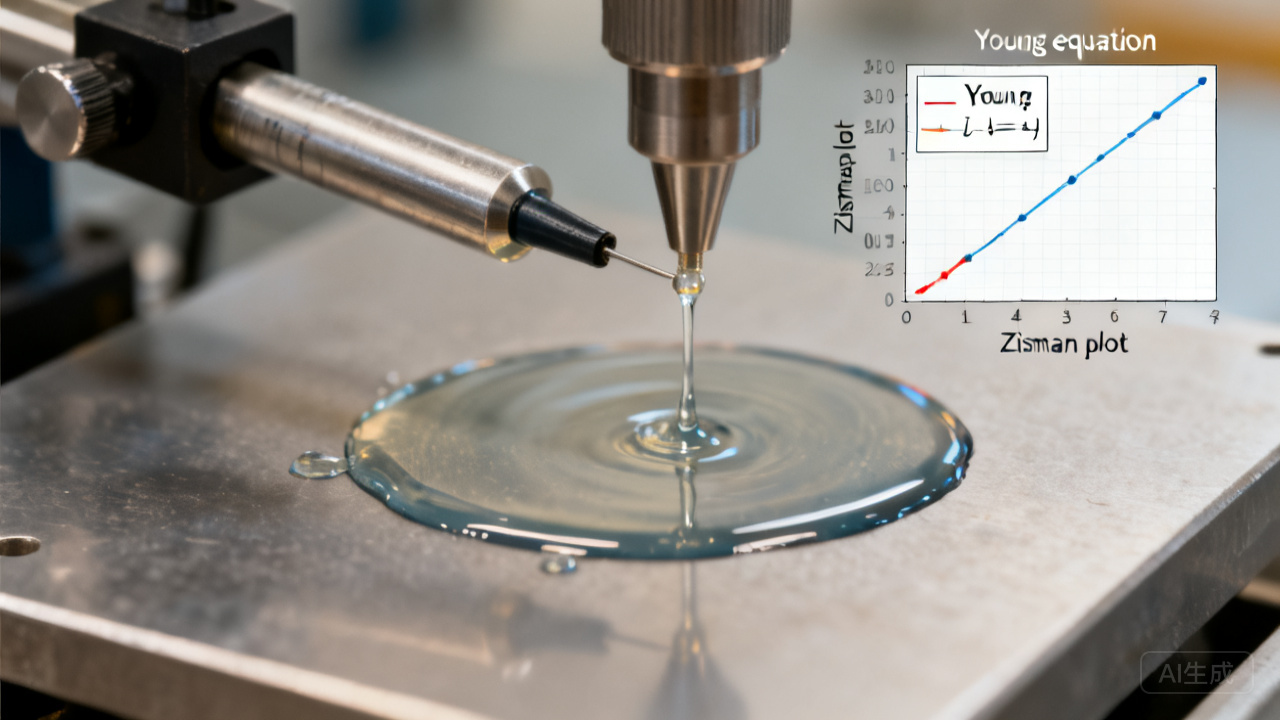
The theory of coating surface tension and wetting is based on Young's equation (γ_SV=γ_SL+γ_LV×cosθ) and Zisman's concept of critical surface tension (γ_c)—when the coating liquid surface tension (γ_LV) is less than the substrate critical surface tension (γ_c)—the contact angle θ→0—the coating completely wets and spreads. This theory guides the selection of wetting agents/leveling agents (reducing the coating γ_LV to < substrate γ_c) and surface treatment processes (increasing the substrate γ_c).
I. Surface Tension Data of Common Substrates and Coatings
| Material | Surface Tension / Critical Surface Tension (mN/m) | Wetting Requirement |
|---|---|---|
| Steel (clean) | >100 (high surface energy) | Almost all coatings can wet it |
| Aluminum (clean) | >80 | >99% of coatings can wet it |
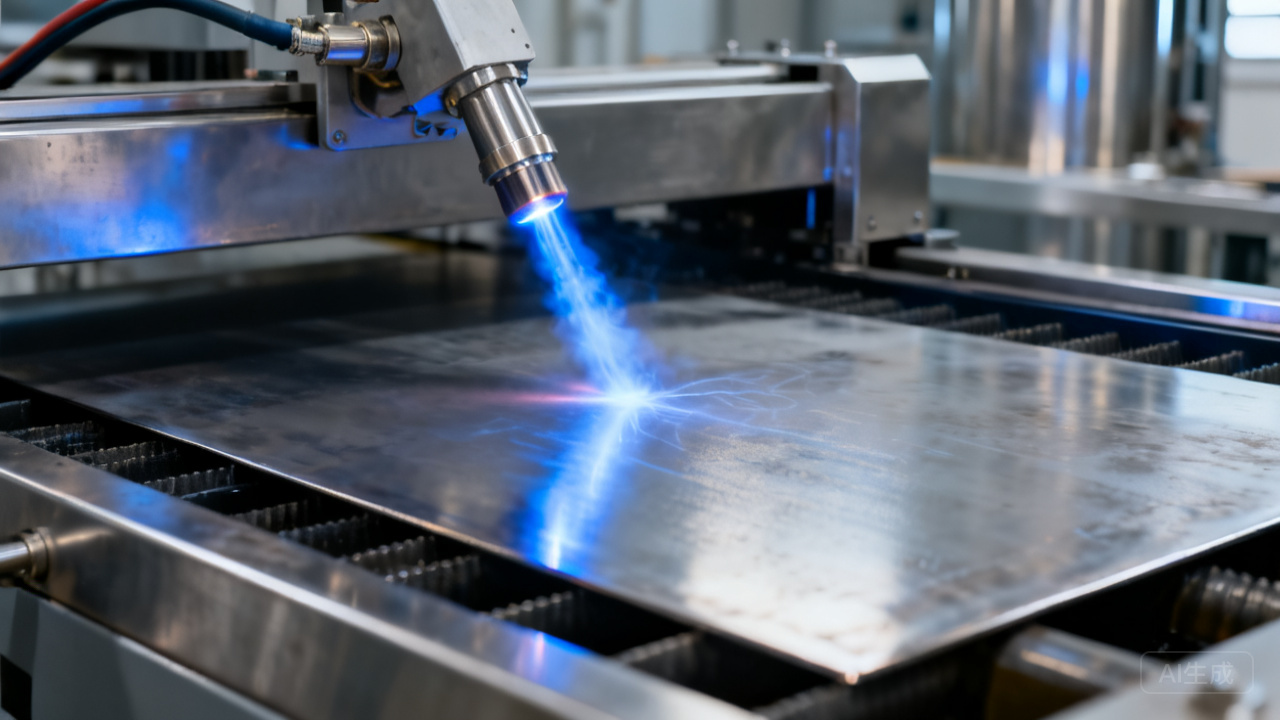
| PP (Polypropylene) | 29-31 (extremely low — untreated) | Requires CPO primer or flame/corona treatment to >38 |
| ABS | 35-42 | Most coatings can wet it |
| PC (Polycarbonate) | 38-45 | Most coatings can wet it — note ESC stress cracking |
| Solvent-based coating (typical) | 25-30 (low surface tension) | Can wet most plastics |
| Water-based coating (typical) | 35-45 (high surface tension) | Requires wetting agent to reduce below <30 to wet plastics |
FAQ
Q1: Young's Equation—Why does the contact angle θ of a paint droplet on a substrate determine everything?Young's equation γ_SV=γ_SL+γ_LV×cosθ describes the force balance at the solid-vapor-liquid three-phase interface. θ<90°—partial wetting of the paint (acceptable); θ90°—paint does not wet—retracts into beads (unacceptable). Methods to reduce θ: lower the paint's γ_LV (add polyether siloxane wetting agent—can reduce γ_LV from >35 to <25 mN/m); increase substrate surface energy (corona/plasma/flame treatment—raise plastic γ_c from 50).
Q2: Cratering — Why can a single drop of low-surface-tension contaminant push away all the surrounding coating?A drop of low-surface-tension contaminant (such as silicone oil — γ<20 mN/m) lands on the coating surface — the surface tension of the coating around the contaminant is higher than that of the contaminant — the surface tension gradient drives the coating to escape outward from the contaminant — forming a ring-shaped depression around the contaminant — this is cratering. A silicone oil drop with a diameter 2–5 mm — magnified >50 times. Prevention: strict workshop cleaning — eliminate silicone oil/lubricating oil mist — use molecular defoamer (polyether-modified siloxane) to replace pure silicone oil defoamer.
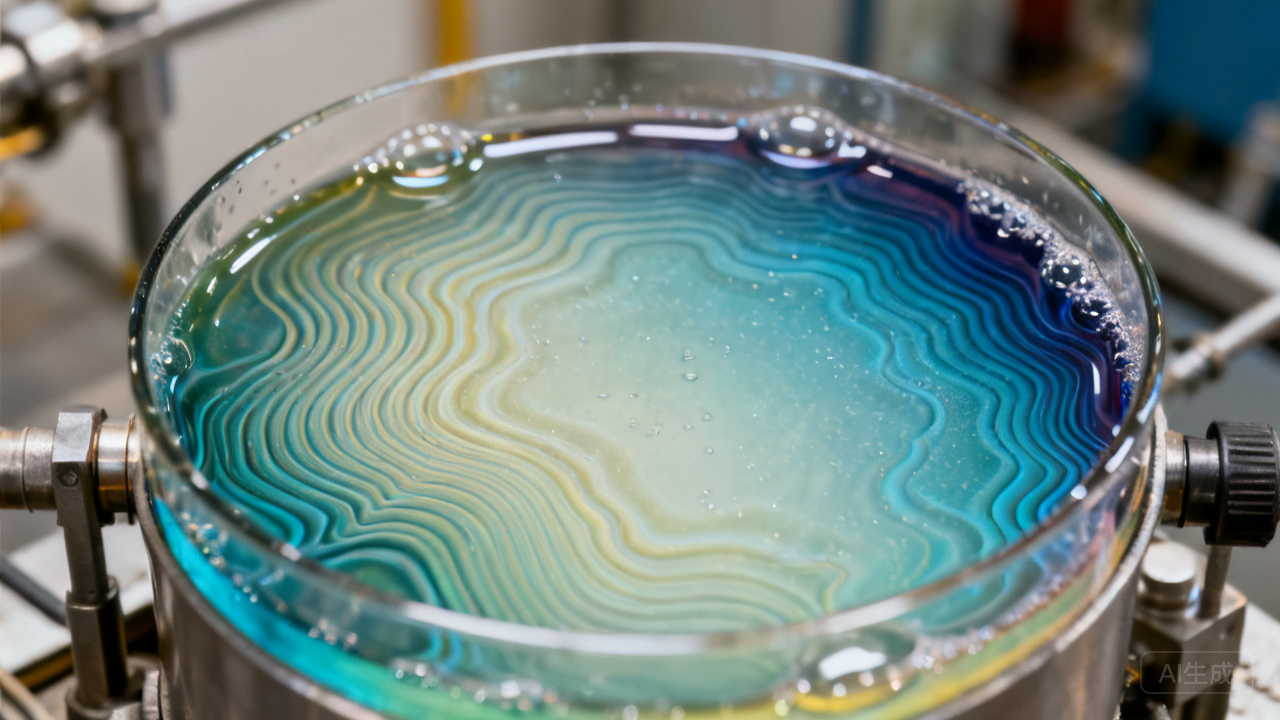
Q3: Bénard cells — why do hexagonal patterns appear on the paint surface as it dries?During paint drying — solvent evaporates from the surface — surface temperature drops — surface tension rises (lower temperature means higher surface tension). The surface tension difference between the surface and the underlying layer drives fluid flow from low surface tension regions to high surface tension regions — forming hexagonal convection vortices — this is the Bénard cell. Paint rises at the vortex center — paint sinks at the vortex edges — pigment particles accumulate at the vortex edges — forming hexagonal patterns. Suppression: add leveling agents (polyether siloxane) — homogenize surface tension — eliminate surface tension gradients — smooth out the convection driving force.
Related Reading
Summary
Coating surface tension and wetting theory form the physical basis for understanding coating spreading, leveling, and defects (cratering/Bénard cells/orange peel). Wetting agents (reducing coating γ_LV below substrate γ_c) and leveling agents (homogenizing surface tension gradients) are essential additives for coating application. Kexin New Materials provides wetting and leveling additive screening and surface tension measurement—enabling your coatings to spread like silk and finish as smooth as a mirror.