Introduction: The Protection Paradox of Concrete "Artificial Stone"
Concrete (cement + aggregate + water/hydration products) is the most widely used man-made material on Earth (>30 billion tons/year)
——yet it has an inherent "protective paradox": (1) The high alkalinity of concrete (pH>12.5/rebar is "passivated" and does not corrode in alkaline environments)
is the "chemical armor" that protects the internal rebar; (2) but concrete is porous
(capillary pores >10nm–100μm)——CO₂ in the air infiltrates through the pores——reacts with Ca(OH)₂ (carbonation) pH drops from >12.5 to <9——the rebar's "chemical armor" is "dissolved" by carbonation
——the rebar begins to corrode (Fe→Fe²⁺)——rust expands in volume (>3 times)——concrete cracks "loss of alkalinity = death of concrete". The core mission of concrete protective coatings is "to prevent the intrusion of CO₂ and water——maintain the high alkalinity of concrete——protect the rebar"
.
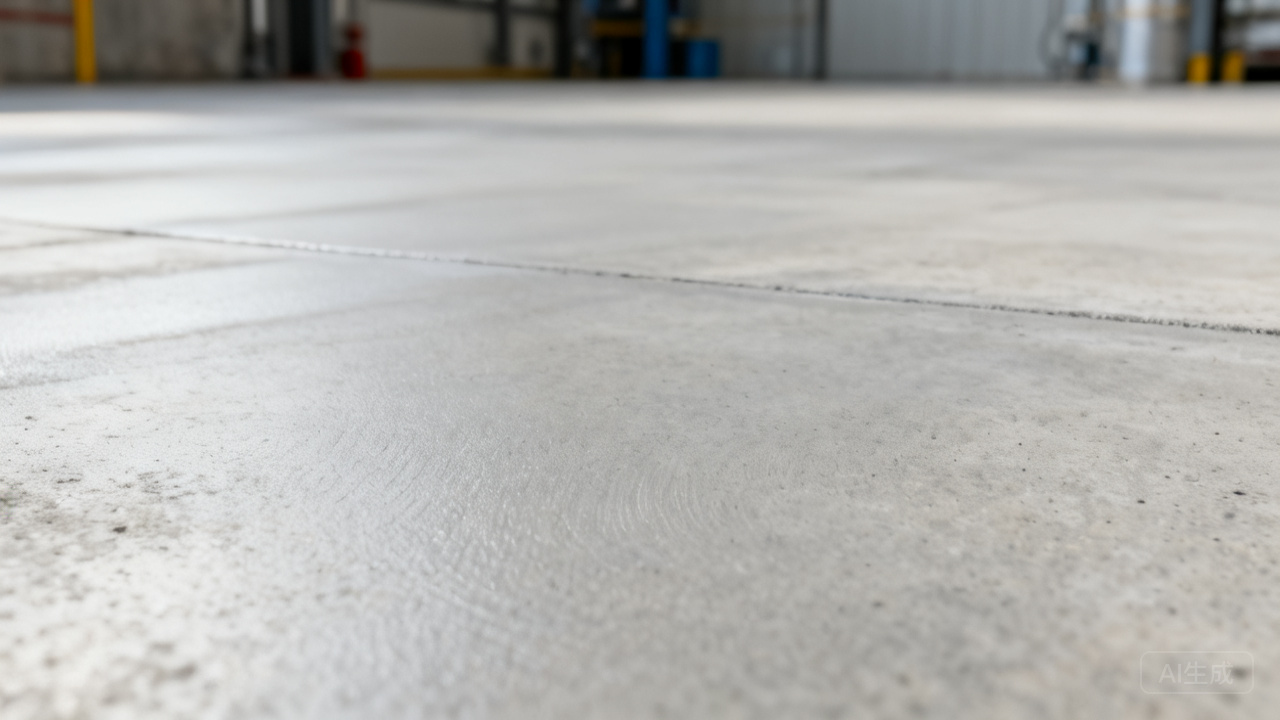
I. Comparison of Three Concrete Protection Strategies
| Strategy | Representative Products | Penetration/Film Thickness | Protection Mechanism | Advantages | Disadvantages |
|---|---|---|---|---|---|
| Penetrating type (silane/siloxane impregnation) | Isobutyltriethoxysilane/octyltriethoxysilane | Penetration >2-5mm | Si-OH condenses with Si-OH on concrete capillary pore walls → Si-O-Si hydrophobic layer — water contact angle >100° | Does not alter concrete appearance (colorless and transparent)/breathable (water vapor can escape) | Not wear-resistant (no film)/needs re-impregnation every 3-5 years |
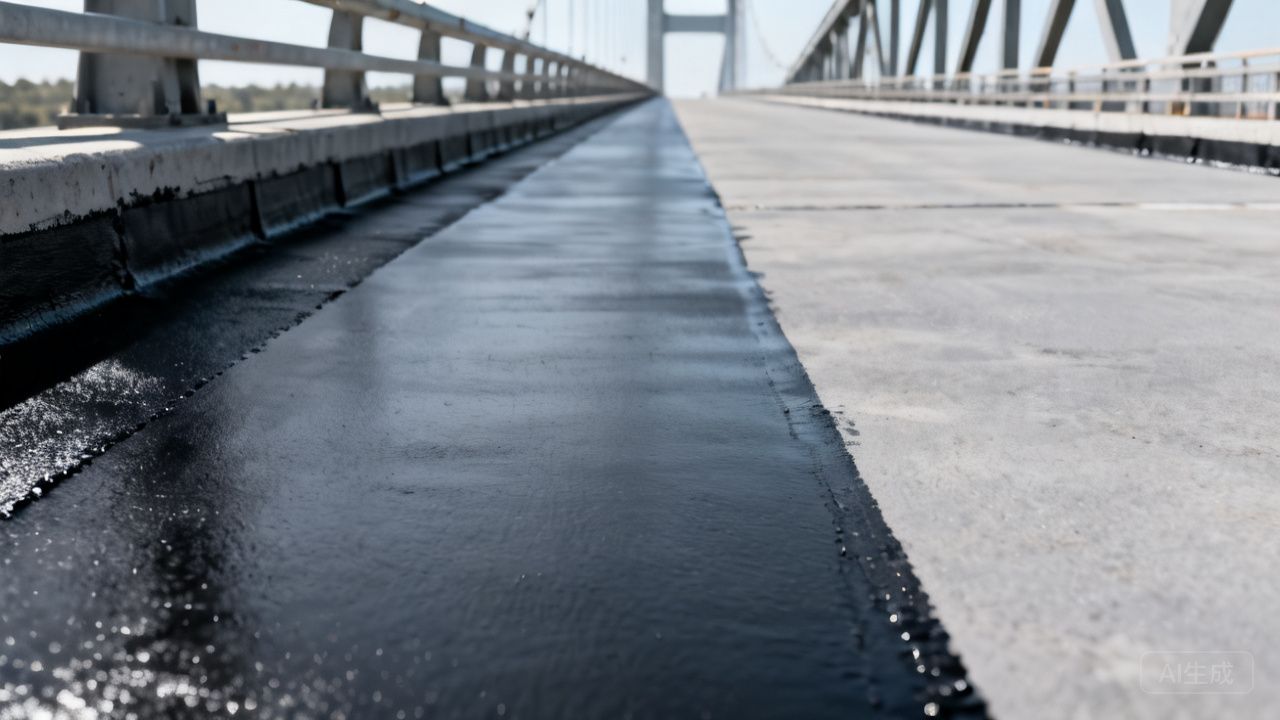
| Film-forming type (epoxy/PU/acrylic) | Epoxy primer + PU/acrylic topcoat | 200-500μm DFT | Completely seals concrete surface — blocks CO₂ and water penetration | Anti-corrosion + wear-resistant + aesthetic/lifespan >10-15 years | Alters appearance/not breathable (water vapor accumulation → coating blistering) |
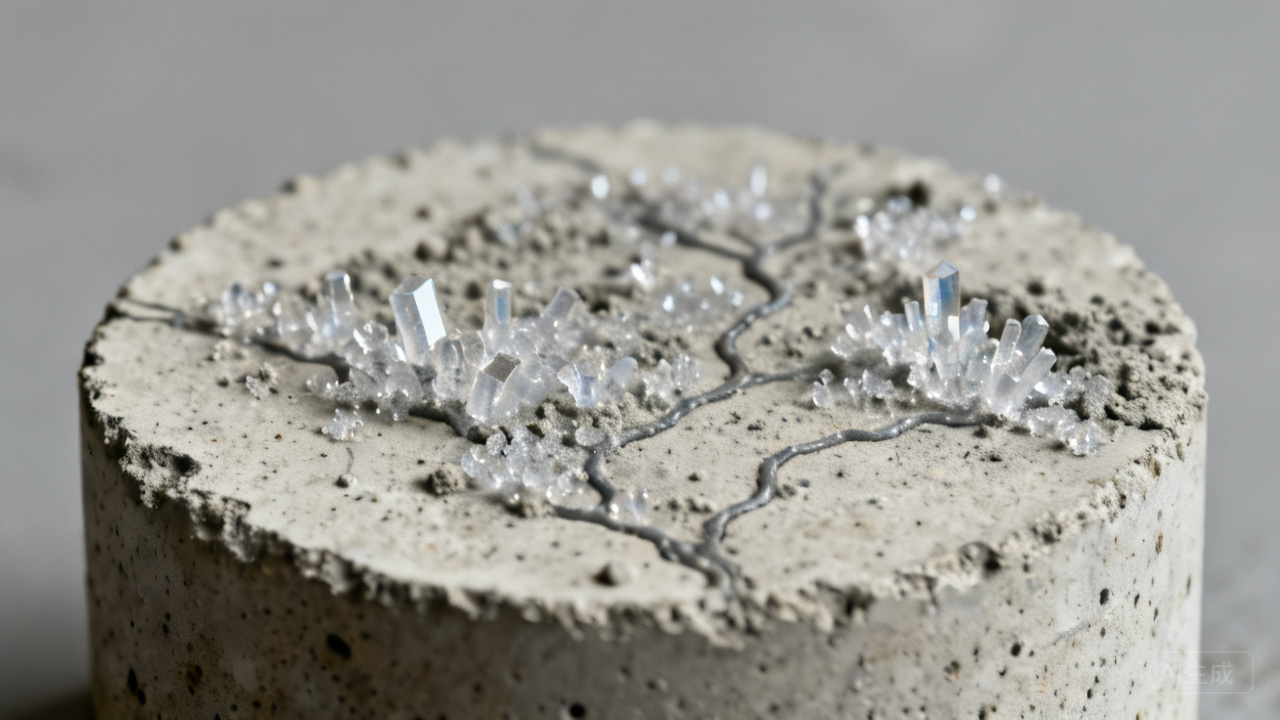
| Reactive type (cementitious crystalline waterproofing) | Cementitious capillary crystalline waterproofing coating (CCCW) | Application >1.5kg/m² | Active chemicals penetrate into concrete — react with Ca(OH)₂ + water → form insoluble needle-like crystals — fill capillary pores | "Self-healing" of micro-cracks <0.4mm/permanent (crystals insoluble) | Only for water-facing side (requires water to drive reaction)/weak penetration into old concrete |
FAQ
Q1: Why does silane impregnation "not seal pores—only repel water"?
Silane (Si(OR)₃—small molecule/molecular weight 10nm)—condenses with Si-OH on capillary pore walls—forms a monomolecular hydrophobic film (non-blocking film)
—water contact angle >100°—liquid water cannot enter (repelled by the hydrophobic layer) but water vapor (gaseous) can still pass through—the concrete's "breathing" function is maintained. The "non-pore-sealing" design of silane impregnation preserves the concrete's breathability
—prevents the "water vapor accumulation—blistering" problem of film-forming coatings—this is the core advantage of the penetrative type.
Q2: Why is "blistering" of film-forming coatings on concrete more than 10 times severe than on steel?
Concrete's internal moisture content >2-5% + continuous absorption of water vapor from underground/soil
——film-forming coating (0.01g/m²·day)→accumulates at coating/concrete interface——water vapor pressure——coating is "lifted" and blisters
。Steel substrate——no internal water (steel does not absorb water)no water vapor accumulation under coating
——blistering risk much lower than concrete. Film-forming coatings for concrete——must have substrate moisture content <4% (CM method) + primer (epoxy sealer——low viscosity/penetrates into concrete micropores——"locks" water vapor inside concrete)
。
Q3: How does the "self-healing" of cementitious crystalline waterproofing (CCCW) work?
The active chemical substances (sodium silicate/sodium carbonate/complex salts) in CCCW
——dissolve upon contact with water and penetrate into concrete micro-cracks with the water (<0.4mm)
——react with Ca(OH)₂ (cement hydration product) in the concrete——forming insoluble calcium silicate/calcium carbonate needle-like crystals
——crystal growth fills the micro-cracks
——the cracks "self-heal". This reaction requires water to drive it
——dry cracks——CCCW does not react——therefore CCCW is suitable for the water-facing side (frequently exposed to water)
——not suitable for the back side (dry).
Related Reading
Summary
Three strategies for concrete protection—penetrating type (silane—hydrophobic—non-pore-blocking/breathable), film-forming type (epoxy/PU/acrylic—fully sealed—aesthetic + wear-resistant), and reactive type (CCCW—crystalline self-healing of micro-cracks <0.4 mm)—each have their applicable scenarios. Kexin New Materials provides customers with a full range of concrete protection coating products and technical support for scheme design.