In heavy-duty anti-corrosion systems, zinc-rich epoxy primer is almost the "standard primer for C4 and above corrosion environments". Its uniqueness does not lie in "the film blocking water", but in the dense zinc powder particles in the film acting like an "electrochemical armor"—when the steel substrate is scratched or the coating is locally damaged, the zinc sacrifices itself first to protect the iron underneath from rusting. This "cathodic protection" is what fundamentally distinguishes zinc-rich primer from ordinary anti-rust primer. But "zinc-rich" does not mean "the more zinc the better"; it involves critical zinc powder content, conductive network, surface treatment, and compatibility logic. This article explains zinc-rich epoxy primer thoroughly, from electrochemical mechanism to engineering selection.
As a heavy-duty anti-corrosion system supplier, Kexin New Materials (kexinMaterials) uses zinc-rich epoxy primer as the first line of defense in high-corrosion environments in bridge, storage tank, and offshore platform systems, and sets zinc content and film thickness according to ISO 12944 and the project's corrosion grade to ensure cathodic protection and barrier work synergistically. The mechanism and selection criteria in this article also come from these frontline practices.
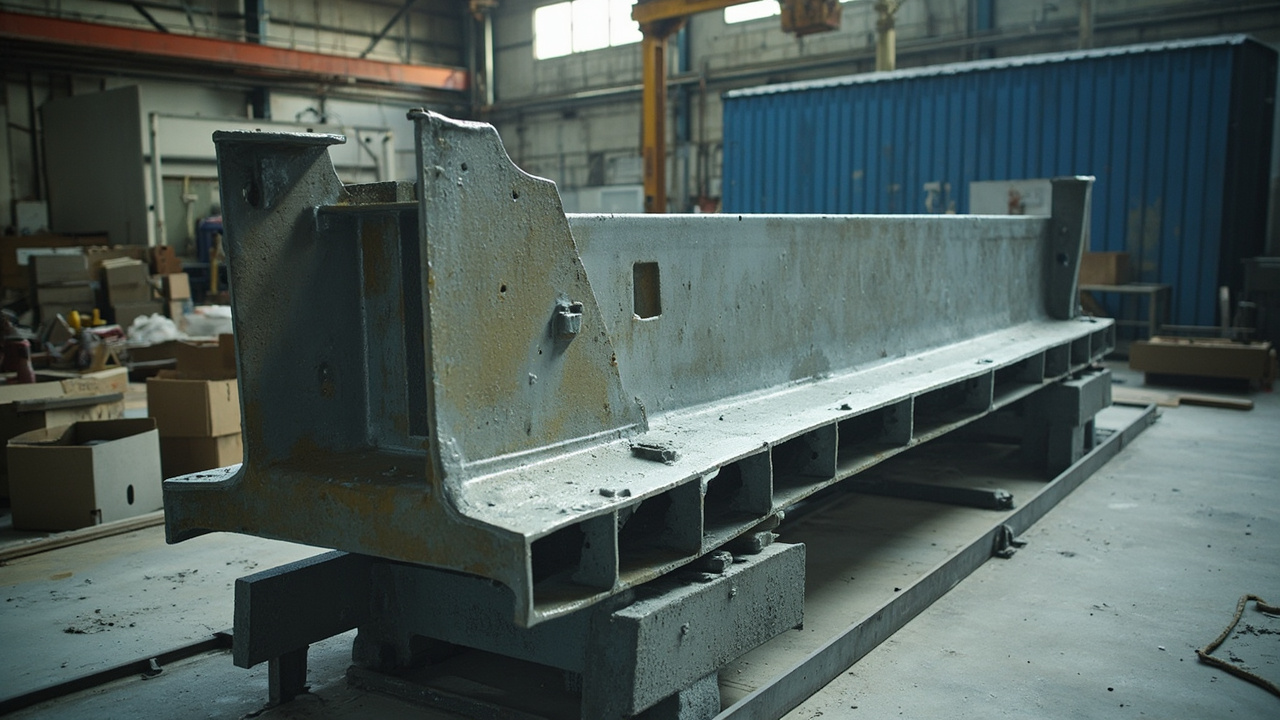
I. What is zinc-rich epoxy primer
Zinc-rich epoxy primer is a two-component cured heavy-duty anti-corrosion primer with epoxy resin as the film former and a large amount of metallic zinc powder (flake or spherical) as the main filler. The mass fraction of zinc powder in its dry film is usually very high (according to the definition of zinc-rich primer in ISO 12944-5, the dry film zinc powder mass content often needs to be ≥ 80% level to be called "zinc-rich/zinc dust primer", subject to the standard and product TDS). It is this high proportion of zinc powder that gives it both "barrier" and "cathodic protection" functions.
Compared with inorganic zinc-rich (ethyl silicate type), epoxy zinc-rich is more tolerant of surface treatment and application window, has better flexibility, and is well matched with epoxy intermediate coat and polyurethane topcoat, so it is the most widely used in steel structure heavy-duty anti-corrosion.
II. Cathodic protection mechanism: why zinc "dies for iron"
Steel in seawater and humid atmosphere forms micro-cells, where iron dissolves as anode and rusts. The electrode potential of zinc is more negative (more active) than that of iron. When the zinc-rich paint film is electrically connected to steel and an electrolyte (water film) is present, zinc preferentially loses electrons and is oxidized:
Anode (zinc): Zn → Zn²⁺ + 2e⁻ Cathode (iron): O₂ + 2H₂O + 4e⁻ → 4OH⁻
Electrons flow from zinc through the conductive zinc powder network to the damaged point of iron, keeping iron as "cathode" and uncorroded—this is sacrificial anode protection. Even if the paint film has minor damage, zinc forms a protective ring around it, delaying rust spot expansion. This is exactly why "rust does not spread" after zinc-rich primer is scratched.
III. Critical zinc powder content and conductive network
The premise of cathodic protection is that zinc powder particles contact each other and are connected to steel, forming a continuous conductive path. When zinc content is too low, zinc particles are separated by resin and the network is broken, cathodic protection fails and only ordinary barrier effect remains. Therefore there is a "critical zinc powder content": below it, "zinc-rich" is undeserved.
Engineering implications:
- Dry film zinc powder mass content must reach the threshold required by standard/TDS (commonly ≥ 80% level, according to ISO 12944-5 definition of zinc-containing primer);
- Excessive resin reduces conductivity; balance between "film forming" and "conductivity" is necessary;
- Zinc powder morphology (flake easier to overlap into network) and particle size distribution affect network density.
To clarify: high zinc content enhances protection, but too high makes the film porous, reduces adhesion, and increases welding fume, so it is not the higher the better, but "reach the critical value and leave a safety margin".

IV. Synergy of barrier and cathodic protection
Zinc-rich primer does not rely only on electrochemistry. The intact film itself is also a barrier: dense epoxy network plus zinc powder layer prolongs water and oxygen permeation path. The two work together:
- Intact area: mainly barrier, preventing medium from contacting steel;
- Damaged area: zinc sacrifices, cathodic protection as backup.
But there is a time dimension: zinc is gradually consumed during protection, and cathodic protection attenuates over time, eventually relying on the upper barrier system (epoxy micaceous iron oxide intermediate coat, polyurethane topcoat) to maintain service life. Therefore zinc-rich primer can hardly be used alone on atmospheric exposure surfaces; it must be paired with intermediate coat and topcoat—using zinc-rich as top layer alone will powder and fail due to zinc consumption.
V. Surface treatment and compatibility principles
Zinc-rich primer has strict requirements for surface treatment:
- Cleanliness: usually Sa 2.5 (near white), stringent environment Sa 3 (according to ISO 8501-1 / GB/T 8923). For surface treatment details see this batch's Coating surface treatment Sa2.5 and blasting grades;
- Roughness: medium (G) to coarse (R) grade, beneficial for anchoring and conductive contact;
- Desalination: marine/chemical plant areas must control soluble salts to avoid osmotic blistering under coating.
Compatibility layers (according to ISO 12944-5, typical for C4 and above):
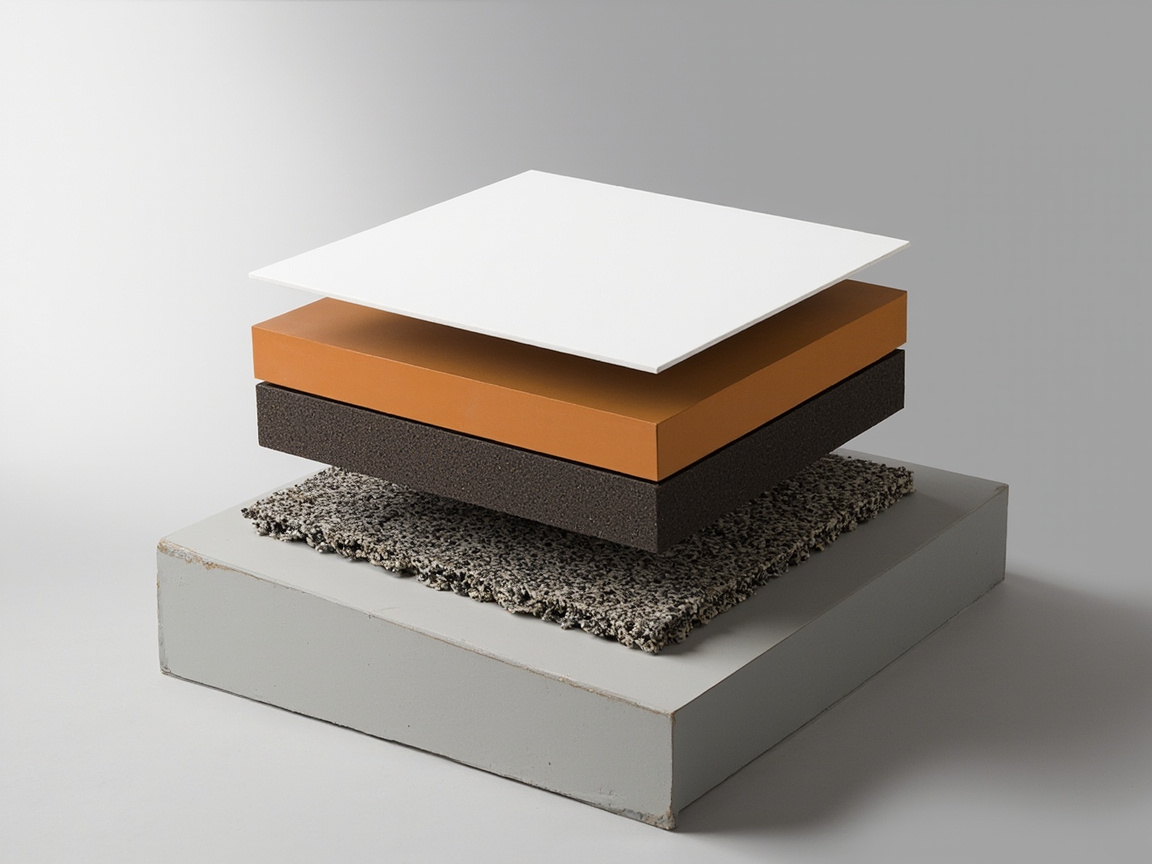
| Layer | Function | Common type |
|---|---|---|
| Primer | Cathodic protection + adhesion | Zinc-rich epoxy primer (zinc ≥ critical) |
| Intermediate coat | Thickening barrier | Epoxy micaceous iron oxide intermediate coat (see Micaceous iron oxide intermediate coat barrier mechanism) |
| Topcoat | Weathering resistance and aesthetics | Aliphatic polyurethane (see Aliphatic polyurethane topcoat weather resistance) |
Kexin New Materials (kexinMaterials) in sea-crossing bridge systems often adopts the three-layer system of "zinc-rich epoxy + epoxy micaceous iron oxide + aliphatic polyurethane", setting each layer's DFT according to corrosion grade (C4/C5/CX), so that cathodic protection, barrier, and weathering resistance have clear division of labor.
VI. Key application parameters
Two-component zinc-rich epoxy application must note:
- Mixing ratio: strictly per TDS (common base:hardener such as 10:1 or 8:1 by mass), error causes non-curing;
- Pot life: zinc reacts with amine and filler is heavy, viscosity rises fast, must mix and use immediately;
- Film thickness: single coat DFT often 60–80 µm, too thick easily cracks and zinc settles; total primer thickness per system;
- Environment: substrate temperature 3℃ above dew point, humidity ≤ 80–85%, zinc-rich easily absorbs moisture and whitens;
- Recoat: recoat interval with intermediate coat per TDS, beyond which need abrading.
Special note: before applying intermediate coat over zinc-rich primer, surface may have "zinc salt" (basic zinc carbonate) powder layer, must remove dust or lightly treat, otherwise interlayer adhesion is affected.
VII. Failure judgment and common misconceptions
- Misconception 1: More zinc means more anti-corrosion. Too high instead causes porosity, poor adhesion, large welding fume;
- Misconception 2: Zinc-rich can be used alone. Exposure surface used alone powders due to zinc consumption, must be paired;
- Misconception 3: No rust after scratch for sure. Cathodic protection has range and life, large damage still needs repair;
- Misconception 4: Surface treatment can be relaxed. Below Sa2.5, both conductive network and adhesion are compromised.
Failure judgment: if film massively powders, rust spots spread rapidly, interlayer peeling, should check whether zinc content meets standard, and whether surface treatment and compatibility are correct, rather than simply thickening.
VIII. Trade-off with water-based epoxy zinc-rich
In VOC strictly controlled areas, water-based epoxy zinc-rich (see this batch's Water-based epoxy zinc-rich primer) can reduce emissions, but conductive network and process window are more sensitive. Selection should weigh between GB 30981 limits (see Industrial coating VOC limit regulations (GB 30981)) and protection reliability; critical structures still prioritize mature solvent-based systems.
IX. Trade-off between epoxy zinc-rich and inorganic zinc-rich
Zinc-rich primers are divided into epoxy (organic) and inorganic (ethyl silicate) types. Inorganic zinc-rich is heat-resistant, high-hardness, and extremely firmly bonded to steel, but brittle, sensitive to surface treatment (often requires Sa3) and application humidity, and not easy to overcoat certain topcoats; epoxy zinc-rich is flexible, wide compatibility, better humidity tolerance, and is the mainstream for steel structure heavy-duty anti-corrosion. Selection principle: high temperature or wear-resistant bare substrates may consider inorganic zinc-rich; conventional bridges, tanks, plant systems prioritize epoxy zinc-rich, sealed with epoxy micaceous iron oxide intermediate coat and polyurethane topcoat. Both satisfy the "cathodic protection" mechanism; the difference lies in film former and application tolerance, not the protection principle itself.
X. Thermal Effects of Welding and Cutting
When welding or cutting coated steel structures, the zinc and resin in the zinc-rich primer generate smoke and dust upon heating, and zinc compounds and amine vapors are harmful to health, requiring local fume extraction and personnel protection. At the same time, high temperature will damage the coating; a "non-coating zone" should be reserved on both sides of the weld, or re-treatment and touch-up coating should be performed after welding. The engineering drawings should mark the no-weld coating zones and touch-up process to avoid fume accumulation and post-weld missed coating. For large components, it is preferable to apply coating first, then assemble and weld, and then perform surface treatment and matching on the weld zone to ensure continuous overall anti-corrosion.
XI. Details of Recoating and Intercoat Compatibility
Before applying the intermediate coat over the zinc-rich primer, a basic zinc carbonate powder layer (zinc salt) may form on the surface, which will weaken intercoat adhesion if not treated. Methods include light sanding, dust removal, or special treatment agents. The recoating interval must strictly follow the TDS: too early easily causes lifting, too late requires roughening. The intermediate coat commonly uses epoxy micaceous iron oxide (see shielding mechanism of micaceous iron oxide intermediate coat) to increase shielding thickness, and the topcoat uses aliphatic polyurethane (see weather resistance of aliphatic polyurethane topcoat). The three-layer sequence and DFT allocation should be written into the specification for supervision and acceptance accordingly.
XII. Salt Spray and Cyclic Corrosion Verification
The reliability of zinc-rich primer is supported by tests: neutral salt spray (NSS, GB/T 1771 / ASTM B117) observes spread at the scribe; cyclic corrosion (e.g., ISO 12944-9 or PROHESION) is closer to real wet-dry alternation; pull-off adhesion (GB/T 5210 / ISO 4624) verifies bonding. In evaluation, do not only look at "no blistering", but more importantly at the extent of the zinc protection ring at the scratch and the area of red rust. These tests are evidence for selection; the manufacturer's TDS should provide corresponding data, and important projects may sample and send to third-party for retesting.
XIII. Application Boundaries and Failure Warning
Zinc-rich primer is not omnipotent: in strong acids and alkalis, the zinc itself will be rapidly consumed, and such media should use chemical-resistant epoxy or lining; in long-term immersion in sterile neutral fresh water, cathodic protection is effective but requires sufficient zinc content. Failure warning signals include: large-area white rust powdering on the surface, rapid expansion of red rust at scratches, intercoat blistering and peeling. When these occur, zinc content, surface treatment, and compatibility should be checked, rather than simply increasing thickness. A reasonable design is to let the zinc-rich primer undertake "early cathodic protection + adhesion", and leave the long-term life to the upper shielding system.
XIV. Influence of Zinc Powder Morphology (Flake and Spherical)
The zinc powder in epoxy zinc-rich primer can be spherical or flake. Spherical zinc powder has low cost and good flowability, but requires higher content to form a continuous conductive network; flake zinc powder is easier to overlap into a network, can reach critical conductivity at slightly lower content, and has better shielding and slower settling. When selecting, do not only look at the zinc content percentage, but also at the zinc powder morphology and particle size distribution—two products both labeled "dry film zinc 80%" may differ in conductivity and protection performance. The manufacturer's TDS usually states the zinc powder type and recommended film thickness, which should be combined with compatibility verification rather than just looking at the numbers.
XV. Storage Stability and Zinc Settling Control
Due to the high specific gravity of zinc powder, zinc-rich primer easily settles and cakes during storage, affecting construction uniformity and conductive network. Control measures: add anti-settling agent and thixotropic agent in the formulation; fully grind and disperse before leaving the factory; avoid long-term static storage and high temperature during transportation and storage; thoroughly stir evenly before construction, using mechanical stirring if necessary. For products with slight settling, thorough stirring can restore them; if a hard sediment has formed, they must not be used. "Spray immediately after opening" without stirring on site is a common hidden mistake and should be emphasized in the work instruction as a pre-stirring step.
XVI. Differences from Water-based Epoxy Zinc-rich
Water-based epoxy zinc-rich uses water-dispersed epoxy as the base, with lower VOC, meeting the strict limits of GB 30981, suitable for poorly ventilated and strict environmental zones; however, its conductive network formation and curing are more sensitive to temperature and humidity, prone to problems in low temperature and high humidity, and early water resistance and adhesion establishment are slow. Solvent-based epoxy zinc-rich has tolerant process and stable performance, and remains the mainstream for critical structures. Both have the same cathodic protection principle, differing in carrier and application window. For indoor or maintenance scenarios with high emission pressure, water-based can be prioritized; for marine and bridge main bodies, mature solvent-based systems should still be preferred.
XVII. Typical Usage in Tanks and Bridges
The dry film thickness and zinc content of epoxy zinc-rich primer determine the protection life. Bridge systems commonly use a single coat of 60–80 µm zinc-rich primer, overcoated with epoxy micaceous iron oxide and polyurethane; tank exteriors are similar; buried or splash zones may increase primer film thickness and zinc content to enhance cathodic protection margin. More thickness is not always better: too thick easily cracks, causes zinc settling, and raises cost. The reasonable approach is to determine DFT according to the corrosion and durability grade of ISO 12944, then calculate the theoretical spreading rate and consumption per square meter, and write into budget and acceptance.
XVIII. Discussion on Cathodic Protection "Effective Radius"
The protection of zinc-rich primer at scratches has a spatial range: zinc supplies power to the damage point through the network, but the current decays at too far a damage point, weakening protection. It is often said in engineering that its "self-healing" range is limited, and one cannot expect the primer to protect large-area exposed steel. Therefore, the compatibility design must still ensure film integrity and few pinholes; cathodic protection is only a local bottom-line defense. Understanding this boundary can avoid the misjudgment of "having zinc-rich means all is well", and still emphasize surface treatment and thick-film shielding.
XIX. Standards and Testing Summary
Core standards related to zinc-rich primer: ISO 12944-5 (definitions and compatibility of zinc-containing primers, corresponding to GB/T 30790.5), ISO 8501-1 (surface treatment, corresponding to GB/T 8923), GB/T 1771 and ASTM B117 (salt spray), GB/T 5210 / ISO 4624 (pull-off adhesion), zinc content determination (chemical method or XRF semi-quantitative). Selection and acceptance should reference these standards, turning "zinc-rich" from a marketing term into a verifiable technical indicator, reducing inferior substitution and disputes.
XX. Storage and Shelf Life of Zinc-rich Primer
The base and hardener of epoxy zinc-rich primer should be packed separately, stored in a cool and dry place, avoiding high temperature and freezing. The zinc powder in the base will slowly settle; even if not hard-settled beyond the shelf life, the conductive network and dispersion may change, and performance declines. Procurement should batch incoming goods according to project usage to avoid long-term inventory; verify production date and shelf life upon arrival, using old batches first. Unused components after opening must be sealed against moisture, especially the hardener which must not absorb moisture. Writing "first-in-first-out" and batch records into the storage system is a basic link to ensure qualified coating upon application, often overlooked by small projects.
XXI. Comparison with Cold Spray Zinc and Galvanizing
In addition to epoxy zinc-rich coating, cold spray zinc (zinc spraying) or hot-dip galvanizing can be used on site to provide cathodic protection. Cold spray zinc sprays pure zinc onto the surface to form a zinc layer, with the same protection principle, adjustable thickness, suitable for large components and maintenance; hot-dip galvanizing immerses steel into molten zinc, with thick and durable coating, but limited by workpiece size and deformation. The advantage of epoxy zinc-rich is flexible construction, compatible coating system, and low cost. The three can be combined: coating epoxy zinc-rich on galvanized parts requires attention to the interface to avoid peeling between the double zinc layers. Selection should be based on comprehensive judgment of component size, working conditions, and life, rather than a single preference.
XXII. Special Considerations in Marine Splash Zone
The marine splash zone has wet-dry alternation, sufficient oxygenation, and high chloride ion concentration, being the most severe part of steel corrosion. Zinc-rich primer here needs both cathodic protection and impact/wear resistance. In combination, a high DFT system of "epoxy zinc-rich plus epoxy micaceous iron oxide plus polyurethane or polysiloxane" is often used, with thickness increased if necessary. But the splash zone has frequent mechanical damage; after scratching, the zinc protection ring is limited, requiring structural cathodic protection as a double defense. Design should follow the offshore structure requirements of ISO 12944-9, listing the splash zone as the highest protection grade, rather than treating it equally with general atmospheric zones, otherwise large-area rust will appear in a few years.
XXIII. Common Construction Defects and Correction
High-frequency defects in zinc-rich primer construction: uneven mixing causing partial non-curing, requiring mechanical stirring and ratio recheck; uneven film thickness causing local too-thin loss of protection or too-thick cracking, controlled by wet film comb; coating on rebounding rust of substrate causing intercoat rust, requiring re-treatment; exceeding recoating interval without roughening causing peeling, strictly follow the window; unremoved zinc salt causing poor topcoat adhesion, light sanding and dust removal. Defects mostly lie in "person, environment, ratio" three aspects, preventable by process cards and first-piece confirmation. A first-piece sample should be set on site, and full promotion after qualification, to avoid batch mistakes.
XXIV. Principles of Cathodic Protection Collaborative Design
Zinc-rich primer is not mutually exclusive with impressed current or sacrificial anodes. For tank interiors and buried pipelines, coating is primary and electrochemistry is supplementary: the coating reduces the required protection current to extremely low, and anodes or impressed current only need to supplement defects, greatly extending system life. Design notes: the zinc-rich primer itself already contains zinc, and coordination with impressed current must avoid "over-protection" hydrogen evolution damaging the coating; coordination with aluminum sacrificial anodes requires potential matching. Writing both protections into the overall anti-corrosion plan is a common practice for long-life facilities and also conforms to the system thinking of ISO 12944.
XXV. Experience Summary from Engineering Practice
From a large number of bridge and tank projects, epoxy zinc-rich primer performs stably, but the prerequisite for success almost always points to the same fact: surface treatment in place, accurate ratio, complete compatibility. In all cases of early failure, retrospective review can mostly find one of insufficient treatment grade, mixing ratio drift, or missing topcoat. Conversely, projects strictly constructed according to the system can remain intact long-term even in splash zones and industrial areas. These experiences show that zinc-rich primer does not rely on a single high performance, but on system coordination; omission of any link will weaken the overall effect.
XXVI. Temperature Management Details for Winter Construction
Low temperature will significantly slow the curing reaction, and if not managed properly, softness and insufficient adhesion are likely. The practical approach is to check the weather forecast in advance and choose to construct in concentrated periods with higher average daily temperature; properly preheat the substrate but avoid local overheating; select low-temperature curing type hardener; extend the minimum recoating interval and extend curing maintenance time before putting into use. A small-area trial coating can be done on site first to confirm normal surface dry and hardness before full-scale deployment. Temperature management seems trivial, but is the watershed of winter construction quality, worthy of a dedicated work guideline.
XXVII. Common Mismatches in Coating Compatibility
The most common mismatches in compatibility design include: direct exposure use over zinc-rich primer, causing zinc consumption powdering; intermediate coat incompatible with primer, causing lifting; topcoat with insufficient weather resistance, causing short-term gloss loss and discoloration; unreasonable dry film thickness distribution of each layer, total thickness not meeting standard. The root of mismatch is mostly piecing together by experience rather than selecting by standard. The correct approach is to select the system based on the protection environment grade, according to the three-layer division of primer, intermediate, and topcoat, and write the model and film thickness of each coat, giving construction and supervision clear basis and reducing risks from random combination.
XXVIII. Methods to Prevent Quality Disputes
Once early rust appears on zinc-rich primer, it often triggers responsibility disputes between the construction party and the material party. The most effective way to prevent disputes is process evidence: blast grade compared with reference block and signed by both parties; mixing ratio recorded by metering equipment; real-time environmental condition monitoring; first-piece sample confirmation; post-completion adhesion and thickness testing archived. When all key links are supported by data and images, responsibility definition is clear, and also forces all parties to standardize operations. Moving quality management forward is more valuable than post-hoc argument, and is also the basic requirement of mature project management.
XXIX. Appearance Discrimination of Zinc-rich Coating
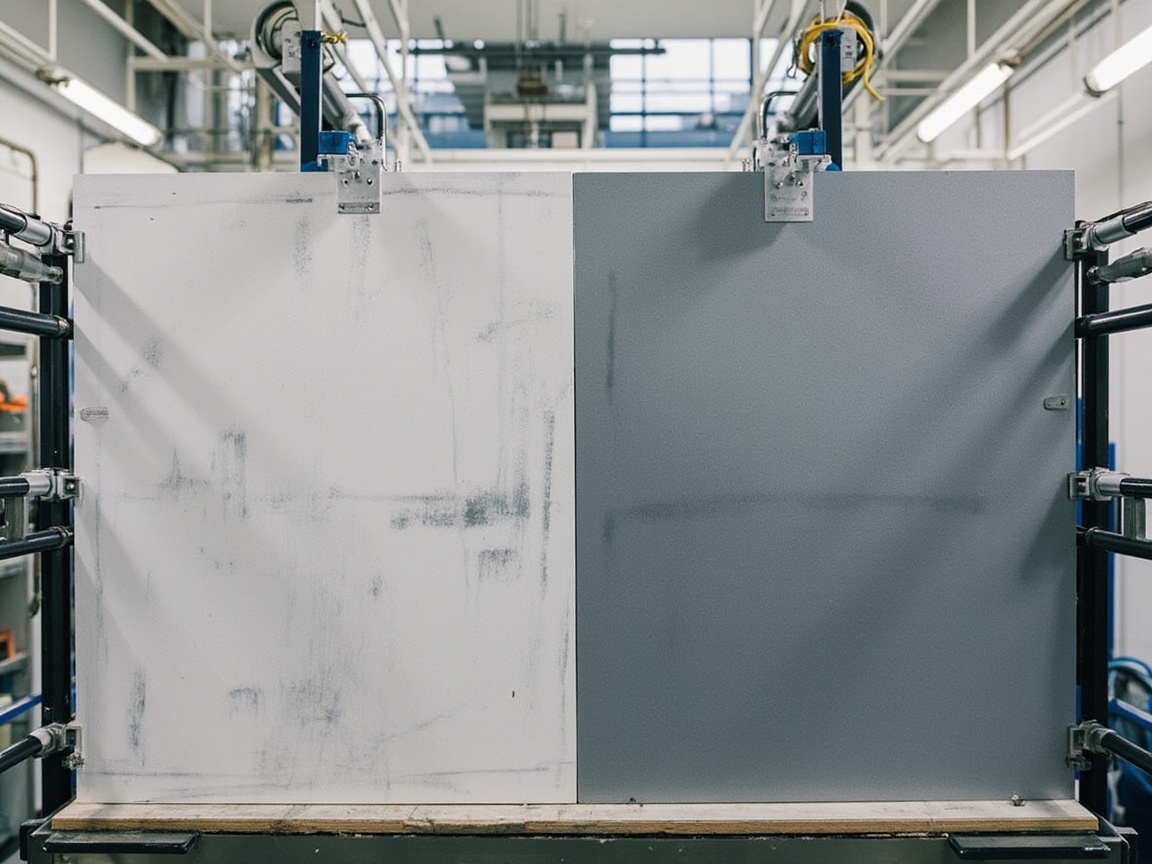
Construction and acceptance personnel can make a preliminary judgment of the status of zinc-rich primer by appearance: normally cured shows a uniform dull metallic gray color with good adhesion; if white powdery substances appear on the surface, it is mostly zinc salts or amine blooming, which must be treated before overcoating; if it is tacky and not dry, it is mostly incorrect mixing ratio or excessive ambient humidity; if large-area peeling occurs, the adhesion has failed. Visual judgment cannot replace instrument testing, but can quickly identify abnormalities and stop losses in time. Making a comparison chart of common appearance phenomena helps on-site personnel build intuitive judgment, and together with formal testing forms a dual guarantee.
30. Integration with the Overall Anti-Corrosion Strategy
Epoxy zinc-rich primer is not an isolated product, but a link in the overall anti-corrosion strategy. It undertakes cathodic protection and adhesion at the bottom layer, connects upward to the barrier of the intermediate coat and the weather resistance of the topcoat, connects outward to structural cathodic protection, and connects inward to the quality of surface preparation. Only by understanding this position can we avoid deifying or using it in isolation. Mature anti-corrosion management treats materials, construction, environment, and maintenance as a system, allowing each layer to perform its own function and reinforce each other. Only under such a system perspective can the protective potential of zinc-rich primer be fully released.
31. Unified Answers to Common Questions
For the most common types of questions encountered in engineering, unified responses can be given: the core value of zinc-rich primer lies in cathodic protection and adhesion, not simple rust prevention; the zinc content must reach the critical level and form a conductive network, not the more the better; it cannot be exposed alone for a long time and must be paired with intermediate coat and topcoat; surface preparation needs to reach near-white grade and control roughness and salt; in winter, low-temperature curing must be selected and environmental thresholds met; after scratching, protection has a range limit, and large damage still needs repair. Forming these key points into a concise Q&A card and distributing it to the design and construction parties can reduce a large amount of repetitive misjudgment and keep the coating system on the right track from the beginning.
Common Questions
Common Questions
Q: Why can epoxy zinc-rich primer provide "cathodic protection"?
A: The high proportion of zinc powder in the paint film forms a conductive network and connects with the steel. The electrode potential of zinc is more negative than that of iron. In the presence of an electrolyte, zinc oxidizes and sacrifices preferentially, and electrons flow to the damaged points of the iron to keep it cathodic and uncorroded, which is sacrificial anode protection.
Q: Is higher zinc powder content always better?
A: No. It needs to reach the critical content to form a conductive network (common dry film zinc mass ≥ 80% level, according to ISO 12944-5), but too high will make the paint film porous, reduce adhesion, and increase welding fume. A safety margin above the critical level is sufficient.
Q: Can zinc-rich primer be used alone as a topcoat?
A: Not recommended. Zinc will powder as it is consumed by protection and fail under long-term exposure; it must be paired with epoxy intermediate coat and polyurethane/polysiloxane topcoat to form a complete system.
Q: How high is the surface preparation requirement?
A: Usually Sa2.5 (near-white), and Sa3 in harsh environments (according to ISO 8501-1 / GB/T 8923), with control of roughness and soluble salts; insufficient preparation will weaken the conductive network and adhesion.
Q: Will it never rust after scratching?
A: Cathodic protection has a range of action and service life; it can form a protection ring for minor damage to delay rust spread, but large damage still needs timely repair, and cannot rely on the primer to cover indefinitely.
Q: How to choose between epoxy zinc-rich and solvent-free epoxy?
A: Zinc-rich provides cathodic protection and is often used as primer; solvent-free epoxy provides thick-film barrier and is often used for tank linings, etc. The two can be divided or combined in the same system, depending on the corrosion environment and location.
Q: Why treat zinc salts before overcoating on zinc-rich primer?
A: The zinc-rich surface easily generates a basic zinc carbonate powdery layer (zinc salt). If not dusted or lightly treated, it will affect the interlayer adhesion with the intermediate coat and cause peeling.
Q: Can epoxy zinc-rich be constructed in winter?
A: Yes, but low-temperature curing hardener must be selected, and the substrate temperature must be at least 3°C above the dew point with qualified humidity, to avoid amine blooming and poor curing.
Q: How to verify zinc content?
A: Detect dry film zinc content according to TDS and standard methods (such as chemical method or XRF semi-quantitative), and rely on the manufacturer's test report; cannot judge merely by the name "zinc-rich".
Q: Difference from water-based epoxy zinc-rich?
A: The water-based system has lower VOC and meets the strict limits of GB 30981, but the conductive network and application window are more sensitive; critical structures often prioritize mature solvent-based systems, and water-based is considered only in strict emission zones.
Further Reading
- Coating Surface Preparation Sa2.5 and Blast Cleaning Grades
- Micaceous Iron Oxide Intermediate Coat Barrier Mechanism
- Industrial Coating VOC Limit Regulations (GB 30981)
- Solvent-Free Epoxy Heavy Anti-Corrosion Coating
- Alkyd Anti-Rust Paint: Iron Red/Gray Anti-Rust, Application Characteristics and Limitations