Wood is prone to scratches and plastic to abrasion; these two types of substrates are everywhere in daily life, yet have long been the "weak spots" of conventional coatings: wood is porous and expands/contracts, while plastic has low surface energy and is hard to adhere to—traditional coatings either lack hardness or peel off at a touch. The emergence of nano coating offers a new approach for cross-substrate painting—through hardening with nanoparticles such as nano SiO₂, low-surface-energy regulation, and adhesion treatment, the same type of material can take hold on both wood and plastic surfaces. This article focuses on the two major scenarios of wood and plastic, breaking down mechanisms, metrics, application, compatibility, and failure troubleshooting, and provides a substrate compatibility comparison table to help readers build the judgment ability of "applying the right coating to the right material." All values cited are from public research archives and national standards for easy verification.
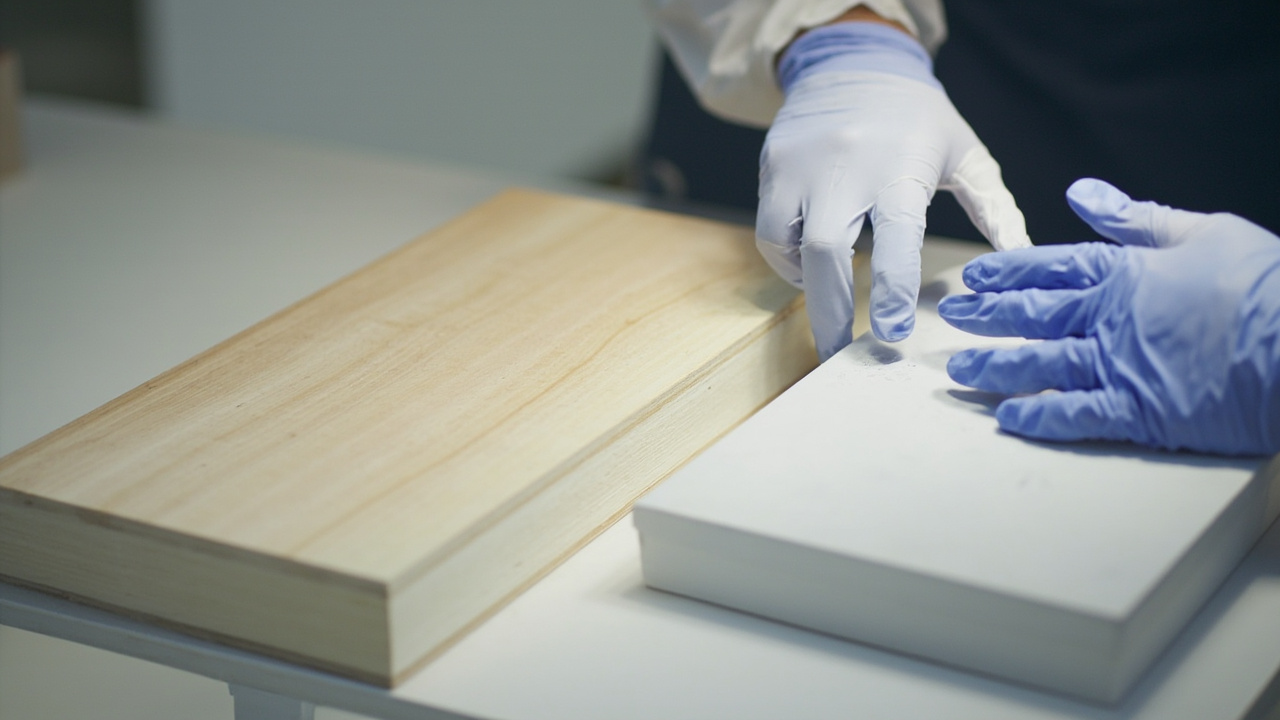
I. Why wood and plastic need a "nano" approach
To clarify the value of nano coating on wood and plastic, we must first acknowledge that these two substrates are completely different from traditional metal and walls. The research archive defines the general nature of nano coating as: at least one phase with dimensions in the 1–100 nm range, common particles include TiO₂, SiO₂, ZnO, Ag, Cu, CaCO₃, with effects from small-size effect, surface effect (high specific surface area), and quantum-size effect (Archive V.1). Introducing these particles into wood/plastic coatings precisely addresses their respective pain points.
The pain point of wood is soft surface, many pores, and expansion/contraction with humidity. Ordinary wood coating hardness is mostly in the B–HB range (refer to pencil hardness GB/T 6739, Archive I); a key scratch leaves a mark, and wood vessels easily absorb coating unevenly. After introducing nano SiO₂, particles can fill pores and form a rigid network in the film, improving surface hardness and abrasion resistance; meanwhile nano-scale fillers improve sealing and reduce excessive penetration of coating liquid.
The pain point of plastic is the opposite—the surface is too "slippery." Polyolefins such as polypropylene (PP) and polyethylene (PE) have extremely low surface energy; conventional coatings hardly wet and adhere, often "seemingly coated but peel off when bent." The role of nano coating here is twofold: first, nano fillers (e.g., SiO₂, TiO₂, clay platelets) improve film abrasion resistance and barrier property (Archive V.5 notes nano SiO₂/TiO₂/clay platelets can reduce water/oxygen permeability); second, it must be paired with adhesion treatment to rewrite the low-surface-energy interface into a curable, anchorable interface.
From a cross-substrate engineering perspective, the practice of Kexin New Materials (kexinMaterials) shows that nano painting for wood and plastic cannot use the same formula; the core difference lies in the "substrate interface"—wood is open-porous and needs sealing, plastic is dense-low-energy and needs activation, so formula design must follow separate tracks.
II. Nano SiO₂ hardening mechanism and wood compatibility
Nano SiO₂ is the most commonly chosen particle for wood hardening. Its small size and high specific surface area allow it to build physical crosslinking points after dispersion in resin, improving film density and surface scratch resistance. According to research archives (V.5), nano SiO₂ combined with epoxy/polyurethane can improve barrier property and reduce medium penetration; this hardening logic also holds in wood water-based or UV-curing systems.
The wood coating system itself has a mature science. For resin selection of wood coating, sealing primer and topcoat matching, and sanding rhythm, refer systematically to The scientific system of waterborne wood coating. Overlaying nano SiO₂ on this framework achieves "hardness improvement without sacrificing flexibility"—wood expands/contracts with temperature and humidity, so the film cannot be blindly hard or it will crack. Thus nano addition must be balanced: too little shows no obvious hardening, too much increases brittleness and reduces adhesion.
A citable physical metric comes from YC-8703 hydrophobic self-cleaning nano composite ceramic coating (Archive V.2): its hardness reaches 6–7H (pencil hardness GB/T 6739), bond strength with substrate > 4 MPa, and applicable substrates explicitly include wood. Although YC-8703 is positioned as a ceramic composite multi-substrate system, it proves nano modification can achieve hardness and bond strength on wood far above ordinary wood coating, providing a realistic reference for wood nano coating design.
For performance evaluation, wood nano coating should also focus on: cross-cut adhesion (GB/T 9286, grade 0/1 is excellent, Archive I), pencil hardness (GB/T 6739), abrasion (Taber, GB/T 1768). Abrasion is measured in mg/1000 rev (Archive I); high-frequency contact surfaces like wood desktops and floors should be emphasized. Gloss control of wood coating (GB/T 9754, 60° gloss high-gloss ≥85 GU) also affects final appearance; open-coat and closed-coat have different tolerance to nano fillers.
It must be separately emphasized that the dispersion process of nano SiO₂ is key to whether wood hardening is realized. Research archives (V.1) list "agglomeration" as the primary challenge of nano coating: nano particles easily agglomerate due to high surface energy and must be controlled via surface modification, dispersants, and ultrasonic processes. On the wood site, if using two-component or adjustable coating, add nano slurry with high-speed dispersion or ultrasonic premix first, then slowly blend into main coating to avoid local high concentration clumping; if no dispersion equipment on site, strongly recommend purchasing pre-dispersed stable single-component nano systems (such as YC-8703 type finished products, Archive V.2), leaving dispersion risk at the factory not the site. Addition amount also needs gradient small tests: too little no hard surface, too much brittle film and affects wood's conformity to humidity expansion.
From scale understanding, the reinforcement of nano SiO₂ is directly related to its particle size: when particle size falls in 1–100 nm (nano definition of Archive V.1), specific surface area increases sharply, contact interface per mass with resin far exceeds micron fillers, thus achieving higher reinforcement with less addition; but if size distribution is too broad with micron agglomerates, local stress concentration weakens the film. This is why archives list particle size distribution / Zeta potential (DLS, Archive V.6) as the first choice for nano coating characterization—it speaks more than the three words "contains nano." When selecting nano SiO₂ slurry for wood, require supplier to provide size distribution report and write D50, D90 into technical agreement, avoiding vague "nano-grade" delivery.
Wood coating also divides into open-coat and closed-coat routes, with different compatibility of nano modification. Open-coat retains wood vessel texture, thin film, visible pores; excessive nano SiO₂ clogs vessels and changes appearance, so open systems should use low addition, emphasize abrasion not filling; closed-coat seeks mirror full seal, nano fillers can fully exert hardening and dense sealing. Engineering often uses "open-coat + low nano" for grain-showing furniture, "closed-coat + medium nano" for high-abrasion surfaces like countertops and floors. Also, wood extractives (oils, tannins) interfere with adhesion; hardwoods (e.g., teak, oak) should be pre-treated with solvent or special primer to remove extractives, otherwise even the hardest nano surface will blister in sheets—this step cannot be omitted on dark hardwoods. Worth noting, hardness improvement of nano wood coating should not cost the "warm touch of wood"; high-end furniture often keeps some open touch, so nano addition and clear coat process must match product positioning, not blindly chase high hardness.
In application, wood nano coating should value three steps: ① sanding and dust removal, open vessels and remove extractives; ② one pass of sealing primer, control nano fillers from over-absorbing into wood; ③ thin multi-pass topcoat, avoid thick-film stress cracking. Environmental control per general painting specs: temperature 5–35℃, relative humidity ≤80%, substrate temperature >3℃ above dew point (Archive II.5).
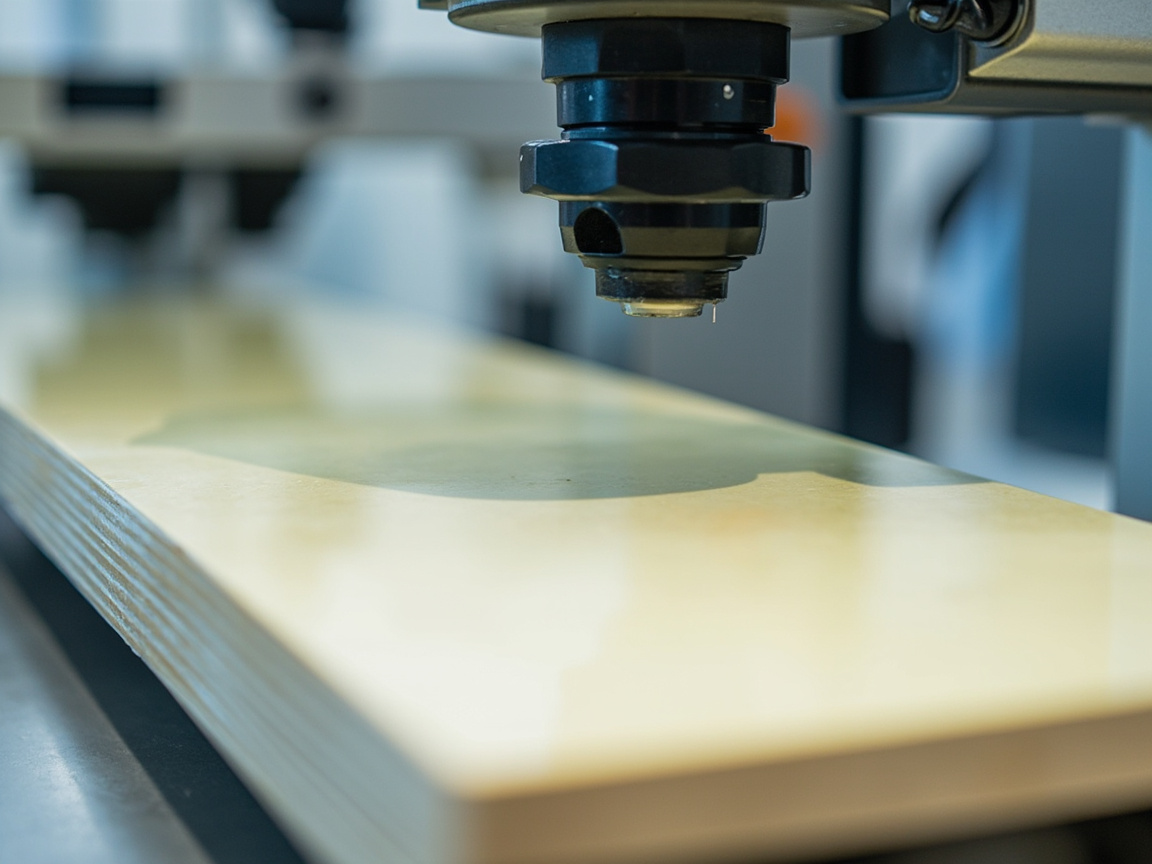
III. Plastic low surface energy and adhesion treatment
Plastic is the most demanding part of cross-substrate painting. Low surface energy means liquid coating has large contact angle and poor spreading on it; after curing the interface relies only on weak van der Waals force, easily peeling as a whole. Research archives give no specific plastic treatment values, but in the nano application scope clearly state plastic masterbatch can load nano Ag/ZnO antibacterial (Archive V.4), indirectly showing plastic as carrier of nano functional fillers is a mature direction; but to firmly hang a "coating film" on plastic parts, the interface must be actively rewritten.
Common industry practices are three types of adhesion treatment:
- Flame treatment: sweep plastic surface with oxidizing flame to introduce polar oxygen-containing groups, raising surface energy;
- Plasma treatment (plasma / corona): activate surface under low or atmospheric pressure, uniform effect, suitable for complex parts;
- Primer (primer / adhesion promoter): apply a primer specialized for low-surface-energy substrates before painting to build an anchorable transition layer.
The physical essence of all three treatments is "introduce polar groups or rough micro-structure on plastic surface," thereby raising interface energy for wettability and anchoring. Flame treatment suits flat large parts, highest efficiency but uniformity depends on operation; plasma/corona suits complex parts and continuous lines, uniform and stable but high equipment investment; primer is easiest, least line modification, but adds an interface and needs verification of interlayer compatibility with nano topcoat. Engineering often uses "treatment + primer" double insurance, especially for extremely hard-to-adhere PP/PE, single method often insufficient. Regardless, paint soon after treatment to avoid activated surface decay in air—this is the most overlooked beat-management point in plastic nano painting. Practice can also use dyne pen to quickly estimate if plastic surface energy reaches paintable threshold, as a cheap gate before line-up, avoiding hidden failure of "looks treated but actually not up to standard."
After proper treatment, apply nano abrasion-resistant topcoat—through nano SiO₂/TiO₂ fillers improve Taber abrasion (per GB/T 1768 / ASTM D4060, abrasion in mg/1000 rev, Archive I), significantly extending anti-scratch life of plastic parts (e.g., appliance housings, electronic device covers, automotive interior plastic parts).
It must be emphasized that the resin system of plastic nano coating must be close in thermal expansion coefficient to substrate and friendly (or treated) to low-surface-energy interface. If plastic parts need welding or bonding later, also evaluate nano coating impact on subsequent processes. For system selection logic in industrial scenarios, extend reference to Key points for waterborne industrial coating selection, where substrate treatment and matching design ideas also apply to plastic parts.
Different plastics also differ in adhesion difficulty: non-polar polyolefins (PP, PE) hardest, need strong treatment; polar ABS, PC, PMMA relatively easy, but PC prone to stress cracking by some solvents, avoid strong solvents in selection. Engineering often judges by "plastic family + use" dual basis, not generalized.
To facilitate material selection on the plastic side, a supplementary table of plastic families and their compatibility with nano coating is provided:
| Plastic Type | Surface Energy / Adhesion Difficulty | Recommended Pretreatment | Nano Coating Notes (Source) |
|---|---|---|---|
| PP / PE (polyolefin) | Very low, most difficult | Flame or plasma strong treatment + primer | Direct coating with conventional methods prohibited; interface must be activated |
| ABS | Medium, relatively easy | Sanding / primer sufficient | General solvent resistance; select low-solvent system |
| PC (polycarbonate) | Medium | Primer | Avoid strong solvents; prevent stress cracking |
| PMMA (acrylic) | Medium-high | Primer / plasma | For transparent parts, note yellowing and light transmittance |
| PVC | Low | Primer | Plasticizer migration may affect adhesion |
This table can be used in conjunction with the main compatibility table in Chapter 3: the main table looks at the big logic of "wood / plastic / metal", while this table looks at the internal subdivision of "plastic", together forming a complete judgment chain for plastic nano coating. Wear resistance evaluation remains uniformly based on Taber (GB/T 1768, Archive 1), and samples should be retained for comparison before and after treatment.
IV. Substrate Compatibility Comparison Table
To visually present the differences in nano paint application between wood and plastic (with metal included for comparison), the following table lists them side by side across four dimensions: surface characteristics, modification focus, key indicators/processes, and precautions. Quantifiable indicators are all derived from the research archives.
| Substrate | Surface Characteristics | Nano Modification Focus | Key Indicators / Process (Source) | Precautions |
|---|---|---|---|---|
| Wood (wood material) | Porous, expands/contracts with humidity, contains extractives | Nano SiO₂ hardening + pore sealing | Hardness up to 6–7H, bond strength >4 MPa (YC-8703, Archive 5.2); cross-cut adhesion grade 0/1 is excellent (GB/T 9286, Archive 1) | Control expansion/contraction to prevent cracking; nano addition amount needs to balance brittleness |
| Plastic (PP/PE etc.) | Low surface energy, difficult to wet and adhere | Adhesion treatment + nano wear resistance | Wear resistance evaluated by Taber GB/T 1768 (Archive 1); interface must be activated by flame/plasma/primer | Resin must match thermal expansion coefficient; direct coating with conventional paint prohibited |
| Metal (reference) | High surface energy, easy to adhere | Hydrophobic ceramic shielding | YC-8703 hydrophobic angle approx. 110°, hardness 6–7H, temperature resistance -50~400℃ (Archive 5.2) | Substrate sandblasting Sa2.5 or above (46-mesh white corundum optimal) |
As seen from the table, the nano paint solutions for wood and plastic hardly overlap: wood focuses on "sealing and hardening", while plastic focuses on "activating and abrading". Directly copying the mature hydrophobic ceramic logic from metal to plastic often fails due to interface failure—this is precisely the most easily overlooked pitfall in cross-substrate compatibility.
V. Construction Key Points for Wood and Plastic Respectively
Wood Construction Process:
- Sand the bare blank to standard mesh, remove wood chips and oil stains; for hardwood, remove extractives first to avoid later bubbling;
- Apply sealing primer, thin and even, avoid excessive absorption of nano fillers into vessels; for open-paint systems, control low addition to preserve vessel texture;
- Topcoat in 2–3 thin passes, sand between layers per system requirements; for closed high-wear surfaces, moderately increase nano addition and add clear coat;
- Curing per dry-to-touch and full-cure rhythm (e.g., YC-8703 surface dry approx. 2h, hard dry 24h, 7-day ceramicization, Archive 5.2), avoid water and heavy pressure in early stage;
- Upon completion, do cross-cut (GB/T 9286) and Taber wear resistance spot check, retain same-batch samples for later comparison.
Plastic Construction Process:
- First determine plastic type and surface energy; PP/PE must undergo flame or plasma treatment;
- Apply primer if necessary to establish adhesion transition;
- Select low-surface-energy compatible or treated nano wear-resistant topcoat, thin multi-pass coating;
- After curing, do cross-cut (GB/T 9286) and Taber wear resistance spot check to confirm interface reliability;
- For parts requiring later welding/bonding, first verify coating compatibility with small samples.
Regarding the fundamental choice between water-based or solvent-based systems, before launching a wood-plastic cross-substrate project, you can combine the comparison framework of how to choose water-based paint vs. oil paint to make a decision based on environmental limits, substrate solvent resistance, and site conditions—for example, some plastics may be bitten by strong-solvent ink-type paint, in which case water-based or low-solvent nano systems are safer.
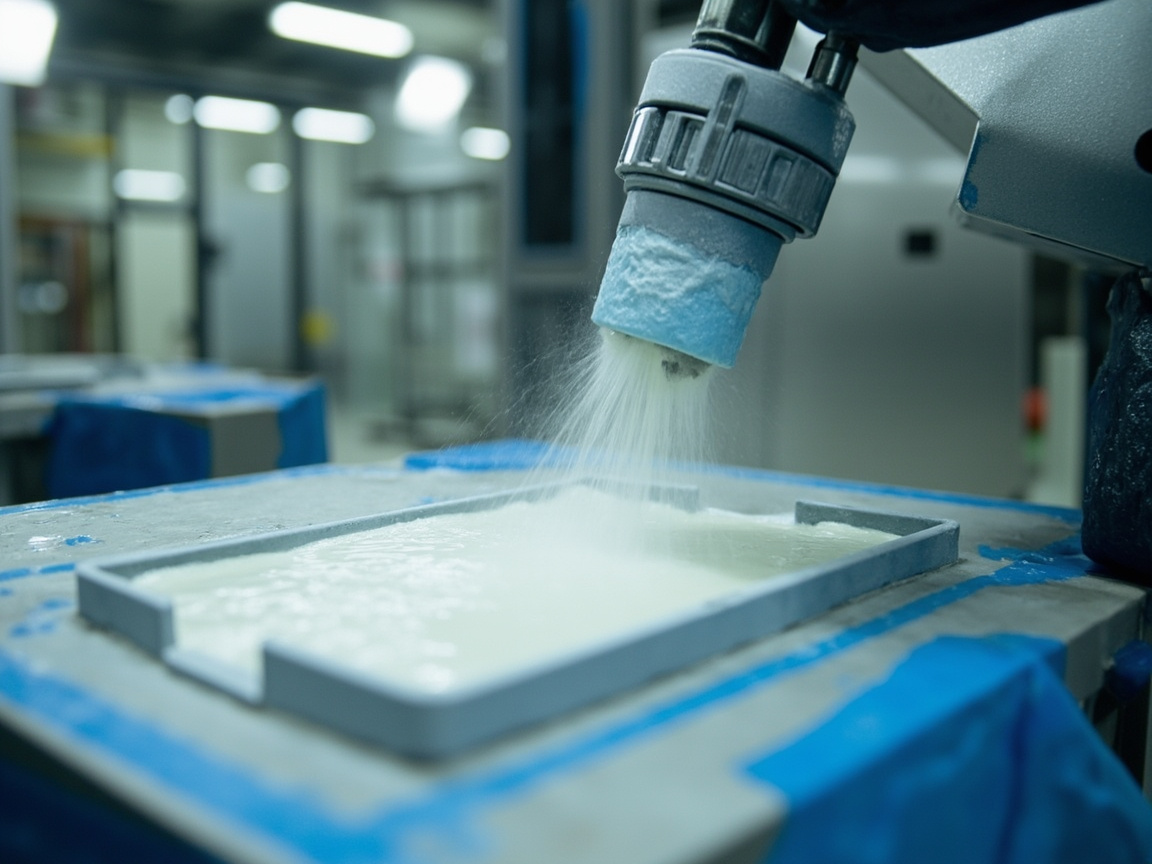
VI. Common Failures and Troubleshooting
Typical failure modes of cross-substrate nano paint are as follows:
- Wood cracking: Mostly caused by excessive nano addition leading to brittleness, or thick-coat stress concentration, or unreleased substrate expansion/contraction. Return to addition amount and thin multi-pass process.
- Poor wood adhesion: Missing sealing primer, extractives not cleaned, excessive moisture content. First locate via cross-cut (GB/T 9286), then add sealing process.
- Plastic full-sheet peeling: Coated without treating low surface energy. Must activate interface by flame/plasma/primer; do not coat conventional paint directly.
- Plastic wear resistance below standard: Resin mismatch or uneven nano dispersion. Check Taber (GB/T 1768) data, confirm filler dispersion stability.
- Overall weak nano performance: Particle agglomeration (Archive 5.1). When site lacks dispersion equipment, use pre-dispersed finished system instead.
- Wood blotching / uneven vessel paint absorption: Missing or uneven sealing primer. Add sealing process, and control consistent viscosity after adding nano slurry.
- Plastic part stress cracking after coating (especially PC): Selected system containing strong solvent. Switch to low-solvent or water-based nano system, and first do solvent compatibility test.
- Plastic surface orange peel / poor leveling: Surface energy still low after activation or improper spraying parameters. Recheck treatment intensity and atomization fineness, re-treat if necessary.
- Antibacterial wood/plastic part failure: Insufficient nano Ag/ZnO addition or deactivated by encapsulation (Archive 5.4). Retest inhibition rate per terminal standard, not just rely on claims.
VII. Selection Recommendations and Supporting Solutions
Cross-substrate nano paint selection can follow the principle of "interface first, performance later": first confirm whether the substrate interface can be anchored by the coating (wood sealing, plastic activation), then discuss functional indicators such as hardness, wear resistance, and hydrophobicity. For wood, prioritize pencil hardness (GB/T 6739), adhesion (GB/T 9286), and sealing; for plastic, prioritize adhesion treatment feasibility and Taber wear resistance (GB/T 1768), with hydrophobicity and antibacterial added per terminal needs.
It should be noted that the dispersion stability of nano particles is a common prerequisite for cross-substrate implementation. The research archive lists "agglomeration" as the primary challenge of nano coating (5.1): particles with high surface energy easily agglomerate, requiring surface modification, dispersants, and ultrasonic control. If wood/plastic sites lack dispersion equipment, prioritize single-component, pre-dispersed stable finished nano systems rather than self-mixing powder.
From a cost structure perspective, the material premium of wood-plastic nano coating mainly falls on two ends: nano fillers and pretreatment (flame/plasma/primer): the wood side saves on "less sanding and refinishing", the plastic side saves on "less replacement and reduced defects". For mass-production enterprises, if pretreatment goes on an automated line (e.g., online plasma), the per-piece marginal cost can be diluted by scale; at this point, the yield improvement brought by nano wear resistance often covers the line modification investment; for scattered workshops, the low-equipment-threshold route of "primer + pre-dispersed nano paint" is more suitable.
For cross-substrate projects on wood and plastic, Kexin New Materials (kexinMaterials) can provide one-stop support from interface treatment advice to nano modification formulas, especially with mature solutions in two scenarios: wear resistance of home appliance plastic parts and scratch resistance of wood hard surfaces. Before introduction, project parties are advised to first do dual verification of adhesion and wear resistance with small samples, then scale up construction to reduce rework risk from interface failure.
One item must be listed separately for safety: the research archive (5.7) points out that nano particles can be inhaled into the lungs, with potential inflammation/fibrosis risks; liquid formulations are usually inert after curing, but spraying dust and uncured slurry still require NIOSH particulate respirator protection, and avoid releasing nano powder to the environment. Wood sanding of old nano paint film and微量 dust generated by plastic plasma treatment should both be managed as particulate protection; do not relax site ventilation and mask requirements just because it is "already finished paint".
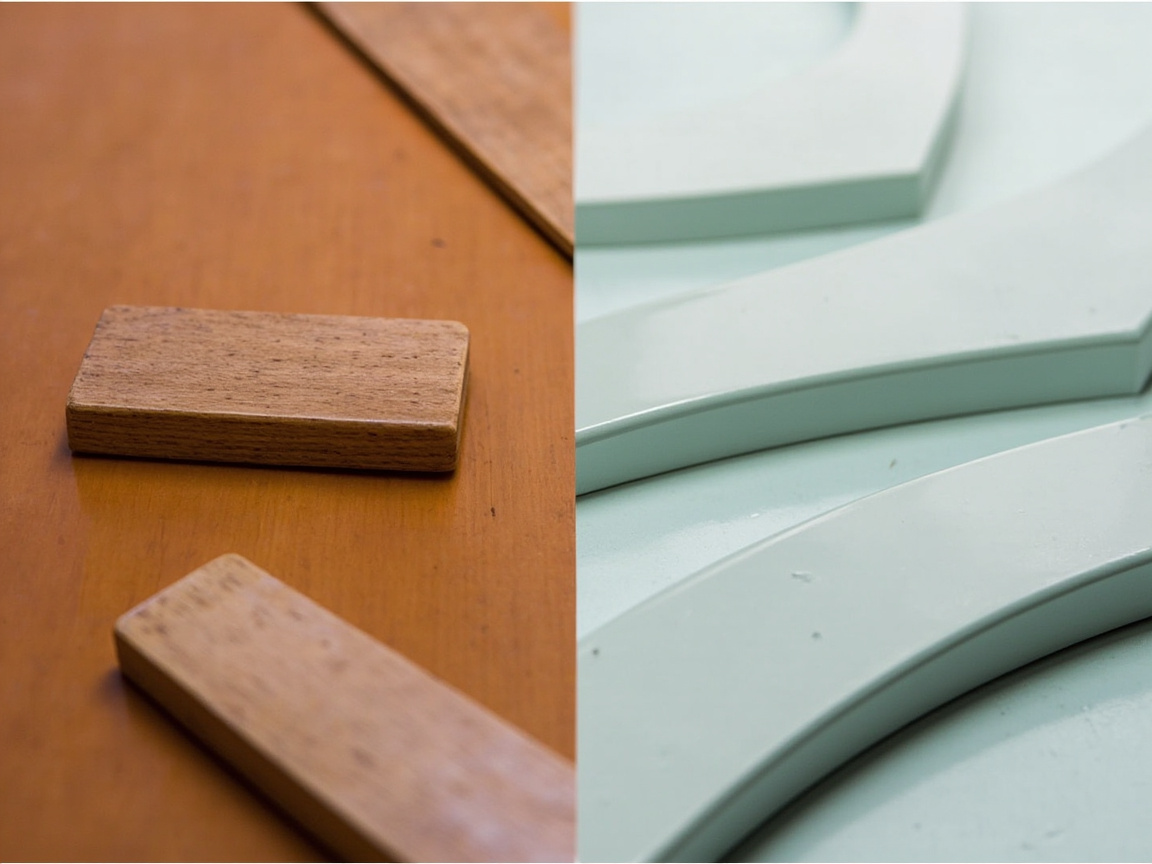
VIII. Engineering Acceptance and Third-Party Report Interpretation
Wood and plastic nano coating must also be accepted, and due to substrate differences, acceptance focuses differ.
Wood-side Acceptance Checklist:
- Cross-cut adhesion (GB/T 9286, grade 0/1 excellent, Archive 1);
- Pencil hardness (GB/T 6739): refer to YC-8703 level of 6–7H (Archive 5.2), judge per design target;
- Taber wear resistance (GB/T 1768): for high-frequency surfaces like desktops/floors, focus on wear loss mg/1000 rev;
- Sealing: observe whether the conduit over-absorbs paint, and whether there is color floating;
- Adhesion strength: if necessary, refer to the approach in YC-8703 with adhesion strength >4 MPa for random pull-off inspection (Archive V.2).
Plastic-side acceptance checklist:
- Cross-cut adhesion (GB/T 9286) must be compared before and after treatment to confirm the interface has been activated;
- Taber abrasion (GB/T 1768) to confirm the designed wear resistance is achieved;
- Compatibility with subsequent processes: if plastic parts require welding/bonding, first verify with a small sample whether the coating interferes;
- Low-surface-energy compatibility: confirm that the nano system used has matching pre-treatment for difficult-to-adhere substrates such as PP/PE.
When reading reports, also focus on three points: qualifications (CMA/CNAS), substrate consistency (abrasion tested on metal panels is not the same as on PP), sample condition (whether fully cured; YC-8703 requires 7 days for ceramization, Archive V.2). Archive (VI.6) also reminds that there is no single global mandatory standard for nano coatings yet; the referenced standards and thresholds should be specified in the contract to avoid disputes.
At the warranty level, for wood-plastic nano coating it is recommended to write the dual indicators of "adhesion + abrasion resistance" into the warranty clause, rather than merely stating "appearance qualified": the wood warranty period can be set with reference to the 7-day ceramization and adhesion strength >4 MPa curing logic of YC-8703-type (Archive V.2); for plastic parts, lock the Taber abrasion threshold together with the treatment process (flame/plasma parameters) to prevent the contractor from substituting "untreated" parts. For mass-produced items such as home appliances and electronic enclosures, the batch sampling ratio and the re-inspection–return process for non-conforming batches should also be agreed upon, to block interface risks before leaving the factory.
From a full life-cycle perspective, the premium of wood nano paint buys a longer scratch-free appearance cycle, reducing wood loss from refinishing and sanding; plastic nano wear resistance extends the "like-new" lifespan of home appliance/electronic enclosures, lowering replacement rates. Both shift costs from "frequent maintenance" to "done right the first time," which is especially cost-effective for mass-production enterprises.
IX. Frequently Asked Questions
Q: How high a hardness can nano paint achieve on wood?
A: According to nano composite ceramic systems such as YC-8703, hardness can reach 6–7H (pencil hardness GB/T 6739, Archive V.2), far above the B–HB range of ordinary wood coatings. However, wood cannot blindly pursue hardness; it needs to retain some flexibility to accommodate humidity expansion and contraction, otherwise it cracks easily, so the nano addition amount must be balanced.
Q: Why can't plastic be directly brushed with ordinary nano paint?
A: Polyolefins such as PP and PE have extremely low surface energy; liquid coatings hardly wet and adhere, and after curing rely only on weak van der Waals forces, making them very prone to flaking off entirely. Interface must first be modified by flame, plasma, or primer treatment, then apply nano wear-resistant topcoat (see Chapter 3 of the main text).
Q: Is the role of nano SiO₂ on wood and plastic the same?
A: The mechanism is similar (hardening, reducing penetration, Archive V.5), but the purpose differs: on wood it fills pores and hardens; on plastic it improves wear resistance. If adhesion treatment is not done on the plastic side, no amount of SiO₂ can save the interface—this is the biggest divide across substrates.
Q: How to test the wear resistance of nano coating on plastic parts?
A: According to the Taber abrasion method, per GB/T 1768 / ASTM D4060, abrasion loss is expressed in mg/1000 revolutions (Archive I). Plastic parts should be tested both before and after treatment for comparison, to confirm adhesion and wear resistance both meet standards.
Q: What is the most common mistake in wood nano paint construction?
A: One is thick coating causing stress cracking; two is skipping the sealing primer so nano fillers are absorbed by the wood and the hard surface fails to form; three is ignoring the temperature/humidity window (temperature 5–35℃, relative humidity ≤80%, substrate temperature at least 3℃ above dew point, Archive II.5).
Q: Can nano antibacterial (Ag/ZnO) be used on plastic?
A: Yes. Research archive (V.4) points out nano Ag/ZnO antibacterial can be used in plastic masterbatches, with inhibition rates against E. coli / S. aureus ≥99%; but when applied as a "coating," the low-surface-energy adhesion problem of plastic still must be solved—antibacterial and adhesion are two different things.
Q: Can wood and plastic use the same nano paint?
A: Not recommended. Wood focuses on sealing and hardening, plastic on interface activation and wear resistance; the formulation logic differs. Even the metal solution (e.g., YC-8703 hydrophobic angle 110°, 6–7H, Archive V.2) cannot be directly copied to plastic, otherwise interface failure occurs.
Q: Is it feasible to add nano powder on site by oneself?
A: High risk. Nano particles easily agglomerate (Archive V.1) and require surface modification, dispersants, and ultrasonic processing; ordinary construction conditions cannot guarantee dispersion stability. Prefer pre-dispersed finished systems for safety.
Q: Which plastics are most difficult for nano paint?
A: Non-polar polyolefins (PP, PE) are hardest to adhere to and require strong flame/plasma treatment; polar ABS, PC, PMMA are relatively easier to adhere, but PC is prone to stress cracking from strong solvents, so low-solvent systems should be selected, and treated separately by plastic family.
Q: What environmental indicators should wood nano paint be tested for?
A: Wood coatings mostly involve water-based systems; refer to the VOC framework of GB 18582-2020 limits of harmful substances in architectural coatings and the determination methods GB/T 23985/23986 (GC-MS) (Archive I); if isocyanate curing agent is included, ventilation and protection should also follow relevant safety specifications.
Summary: The underlying logic of nano coating for both wood and plastic is "solve the interface first, then add functionality"—wood relies on sealing and hardening, plastic on activation and wear resistance. Grasp this main thread, together with the standards checklist and acceptance criteria from earlier, and you can quickly identify truly implementable solutions among numerous "nano" claims, avoiding being misled by marketing jargon.
X. Further Reading
- The Science System of Water-based Wood Coatings —— A complete framework of wood coating resin selection, sealing primer and topcoat matching, and sanding rhythm; the foundation for wood-surface nano modification.
- UV Wood Coating Process —— A process route where UV curing and nano fillers synergistically enhance hardness; suitable for factory-scale wood mass production.
- Key Points for Water-based Industrial Coating Selection —— Substrate treatment and matching design ideas that can be transferred to nano coating of industrial substrates such as plastic parts.