Introduction: Occupational Health Risks Behind the "Beauty" of the Paint Shop
The chemical mixtures that painting workers are exposed to every day: isocyanates (hardener) + organic solvents (thinner) + heavy metal pigments (anti-corrosion primer) + dust (pigment and filler) — any single exposure may accumulate into chronic, irreversible occupational diseases: isocyanate-induced occupational asthma (lifelong/incurable), solvent-induced chronic toxic encephalopathy (memory decline/mood disorders), and Cr⁶⁺ lung cancer (less than 20% 5-year survival rate after diagnosis). The industrial hygiene engineering of the painting industry — the four-step closed loop from “hazard identification” → ”exposure assessment” → ”engineering controls (LEV/RPE)” → ”health surveillance” — is the ”last line of defense” to protect the health and lives of painting workers.

I. Toxicological Mechanisms and Exposure Limits of the Three Major Occupational Hazards
| Hazardous Substance | Target Organ | Occupational Disease | TLV-TWA(8h) | STEL(15min) | Monitoring Method |
|---|---|---|---|---|---|
| HDI/TDI Isocyanates | Respiratory tract/Lungs | Occupational asthma (lifelong) | 0.005ppm(HDI)/0.001ppm(TDI) | —(none/extremely low) | ISO 16702/HPLC/Derivatization |
| Toluene/Xylene | Central nervous system/Liver/Kidney | Chronic toxic encephalopathy | 20ppm(toluene)/100ppm(xylene) | — | Activated carbon tube + GC-FID |
| Cr⁶⁺ (Chromate) | Lungs/Nasal cavity | Lung cancer (confirmed carcinogen/IARC Group 1) | 0.0002mg/m³ | — | Filter membrane + IC/ICP-AES |
FAQ
Q1: The "sensitization" mechanism of isocyanate occupational asthma—why do symptoms persist even after exposure stops?Isocyanates are chemical sensitizers (Hapten/semi-antigen)—they react with lysine residues (-NH₂) of proteins in the body (e.g., albumin HSA) → form complete antigens → the immune system produces IgE antibodies → upon re-exposure, IgE-mediated immediate hypersensitivity reaction (bronchospasm → dyspnea). After sensitization—even if no longer exposed to isocyanates, the airway's hyperreactivity to other irritants (cigarette smoke/perfume/cold air) persists—occupational asthma is irreversible.
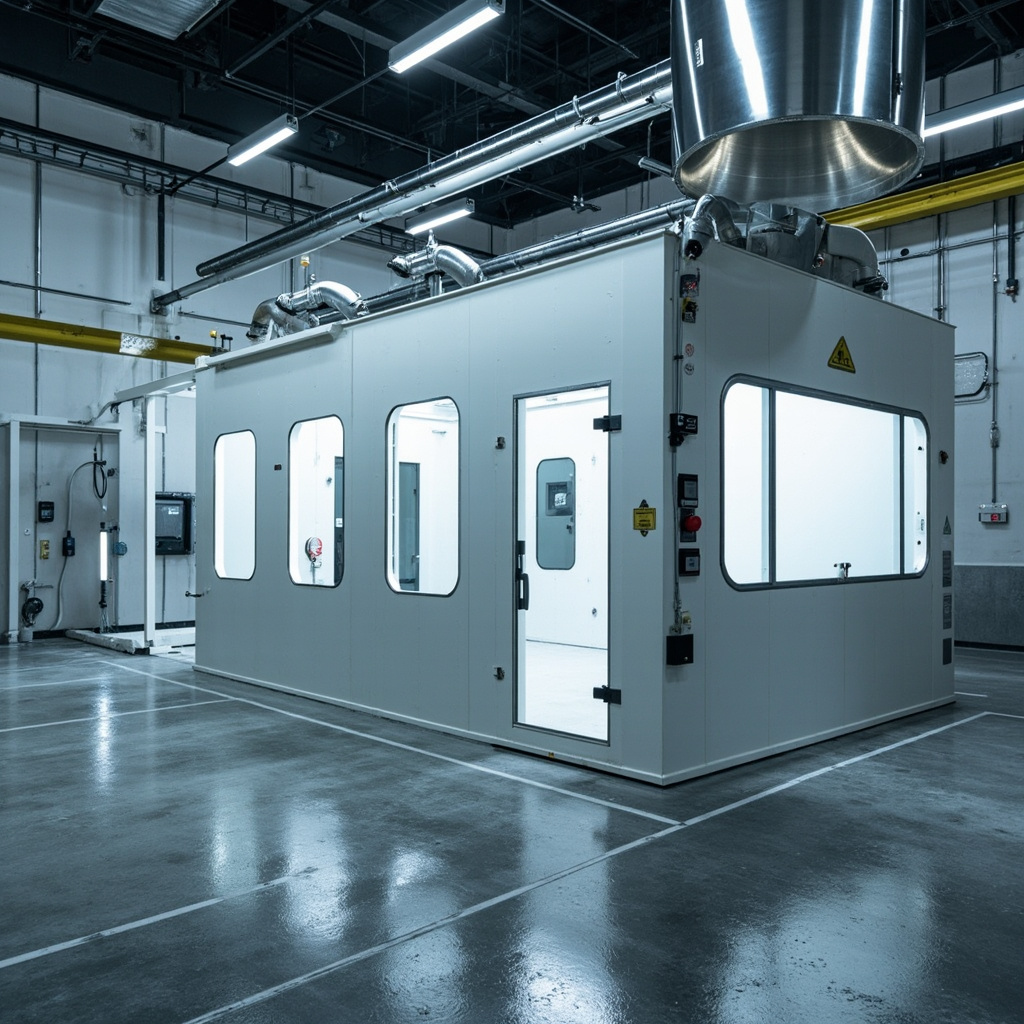
Q2: Is the "Capture Velocity" of LEV (Local Exhaust Ventilation) — 0.5m/s sufficient? The initial velocity of sprayed paint mist is >10m/s (airless spraying) — the paint mist decelerates in the air and at a distance >1m from the spray gun — the paint mist velocity ≈ ambient wind speed (0.1-0.5m/s). The capture velocity of LEV must be at the position of the dust/paint mist source (spray gun/workpiece surface) — >0.5m/s, which means — an exhaust hood must be installed at a distance <0.5m from the spray gun/workpiece — if the distance >0.5m — the capture velocity is insufficient — the paint mist and solvent vapor diffuse into the worker's breathing zone.
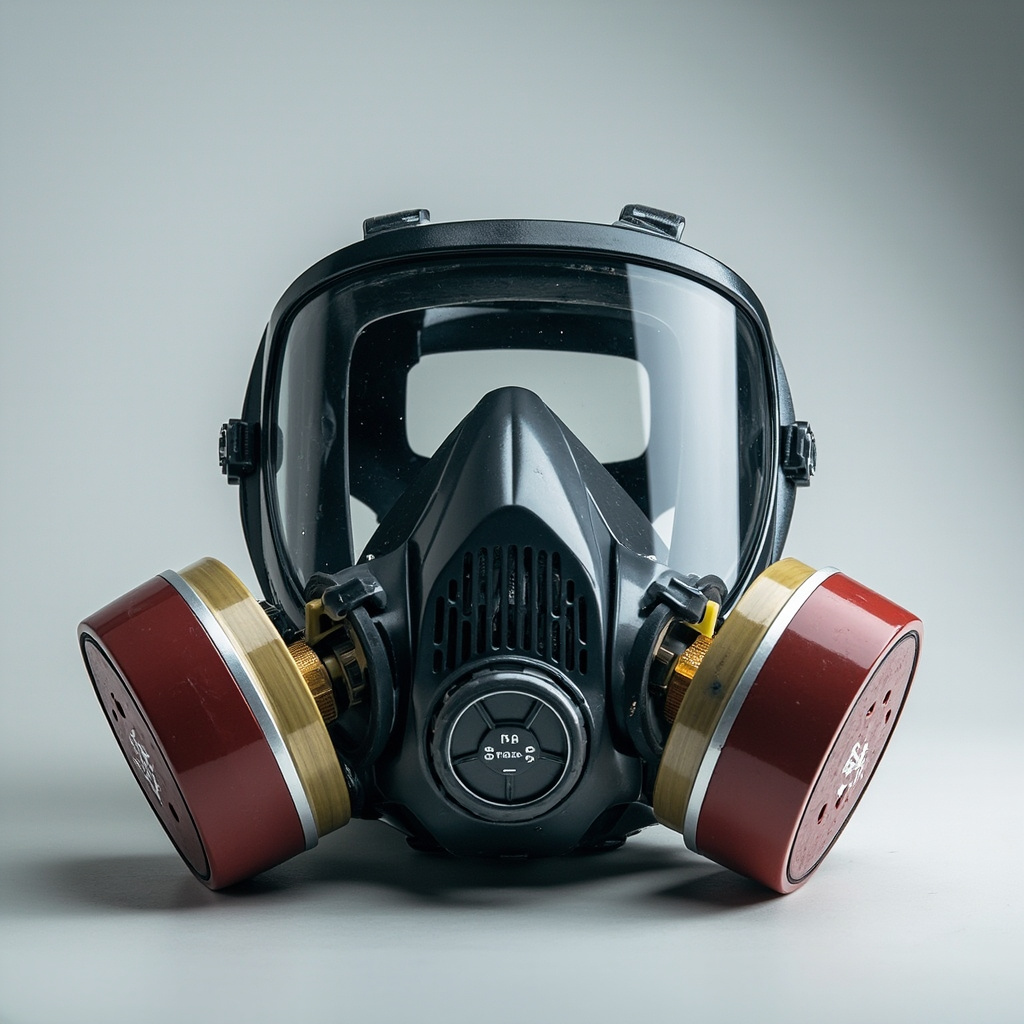
Q3: APF (Assigned Protection Factor) of RPE (Respiratory Protective Equipment) — Is an N95 mask enough?N95 (filtering facepiece) — APF=10 (theoretically reduces exposure concentration to 1/10) — only suitable for low-exposure scenarios (concentration 10×OEL — N95 is severely inadequate. Supplied Air Respirator (SAR) — APF=1000 (1/1000 exposure concentration) — delivers the operator's inhaled air from an external clean air source through a hose into the mask, completely isolated from the painting workshop air — is the only recommended RPE for the painting industry.
Q4: Biomonitoring of heavy metals (lead Pb/chromium Cr/cadmium Cd) in the bodies of painting workers?Blood lead (PbB)——<30μg/dL (GBZ)/<5μg/dL (ACGIH new standard)——the "gold standard" indicator for lead exposureMeasure once every 3-6 months. Urine chromium (Cr-U)——<10μg/g creatinine——indicator of hexavalent chromium exposure——reflects recent Cr⁶⁺ exposure (<3 days). Urine cadmium (Cd-U)——<5μg/g creatinine——renal accumulation indicator of cadmium reflecting long-term (>10 years) cumulative exposure. Biomonitoring result > action level (AL)——immediately remove the worker from the exposure post——conduct medical evaluation.
Q5: What are the special hazards of "reproductive toxicity" chemicals for female painting workers? Glycol ethers (EGME/EGEE/ethylene glycol monomethyl ether/ethyl ether) reproductive toxicity (teratogenic/miscarriage/male testicular atrophy) have been listed as SVHC (substances of very high concern) by EU REACH — the painting industry should prohibit the use of coatings and cleaning agents containing glycol ethers — replace with propylene glycol ethers (PGME/PGMEA/over 10 times lower toxicity). Benzene (C₆H₆) causes leukemia (IARC Group 1) has been completely banned in the coating industry — but trace benzene (<0.1%) may still be present in some low-price solvents and cleaning agents — strict monitoring is required.
Q6: The "noise" and "vibration" in the painting workshop are often overlooked occupational hazards? Spraying (>85dB/airless spraying >95dB)——long-term exposure to noise-induced deafness. The high-frequency vibration of handheld spray guns (>50Hz)——long-term "Hand-Arm Vibration Syndrome" (HAVS/white finger/vascular and peripheral nerve damage). Protection——(1) earplugs/earmuffs (must be worn above 85dB); (2) vibration——use vibration-damping spray gun handles + limit continuous spraying time (<2h/shift/rotation).
Q7: Legal requirements for "pre-employment medical examination" and "periodic in-service medical examination" in health surveillance?Pre-employment: baseline pulmonary function (FEV1/FVC) + chest X-ray + complete blood count + liver and kidney function to confirm the worker has no underlying respiratory / liver / kidney / hematologic diseases (since coating chemicals mainly damage these organs) — to establish a "personal health baseline". In-service — annually — pulmonary function (isocyanate exposure / annual pulmonary function decline >15% = reassignment) + heavy metal blood/urine (lead / chromium / cadmium) + neurological examination. Off-duty — same as in-service — to confirm no occupational disease at off-duty. Medical examination records archived >30 years (long latency of occupational diseases / may still be diagnosed years after leaving the post).
Q8: What are the additional hazards of "RTO regenerative thermal oxidation" of painting exhaust to operators?RTO (>800°C) decomposes VOCs—but incomplete oxidation may produce more toxic by-products such as chlorinated solvents (trichloroethylene/dichloromethane) generating phosgene (COCl₂/extremely toxic/World War I chemical weapon) + HCl in the RTO—the TLV of phosgene = 0.1 ppm (more than 20 times more toxic than HDI)—monitoring at the RTO outlet must cover phosgene and other unexpected by-products—not just CO/NOx/VOCs.
Q9: "Ergonomics" issues in the painting workshop?Spray painters——(1) Prolonged standing (>8h/day) + repetitive arm lifting (>1000 times/day) causing shoulder/neck/wrist tendon strain, known as "painter's shoulder/painter's wrist"; (2) Powered air-purifying respirator weight (>1.5kg including air supply hose)——prolonged load on neck muscles——cervical spine strain. Ergonomic improvements——height-adjustable workpiece racks + spray gun weight reduction/balanced jib arm + job rotation (change tasks every 2h).
Q10: The "digitalization" trend in occupational health for the painting industry — real-time exposure monitoring + early warning?Workers wear personal exposure monitors (PID detectors/gas sensors/dust sensors/wireless transmission) (1) Real-time display of current exposure concentration — audible/visual alarm when exceeding limits — immediate evacuation; (2) Data synced to phone/cloud — generates "personal exposure profile" for medical assessment and regulatory compliance; (3) Big data analysis — identifies "exposure hotspot areas/time periods" for targeted engineering control improvements. Digital monitoring of worker exposure is the cutting-edge practice in painting EHS, applied in 10 years.
Related Reading
Summary
The three major occupational health hazards in painting—isocyanates (occupational asthma / HP LC monitoring / ISO 16702), organic solvents (neurotoxicity / BEI biological monitoring), and heavy metals (lead, chromium, cadmium / blood and urine testing)—require a complete system combining LEV engineering controls (capture velocity >0.5 m/s) + RPE (SAR supplied-air respirators) + health surveillance (annual lung function + heavy metals). Kexin New Materials continues to invest in the R&D of waterborne, solvent-free, and low-toxicity coatings—reducing occupational hazards in the painting industry at the "source"—to provide customers with safe production and compliance support.