Introduction: When Temperature Exceeds the Limits of Organic Materials
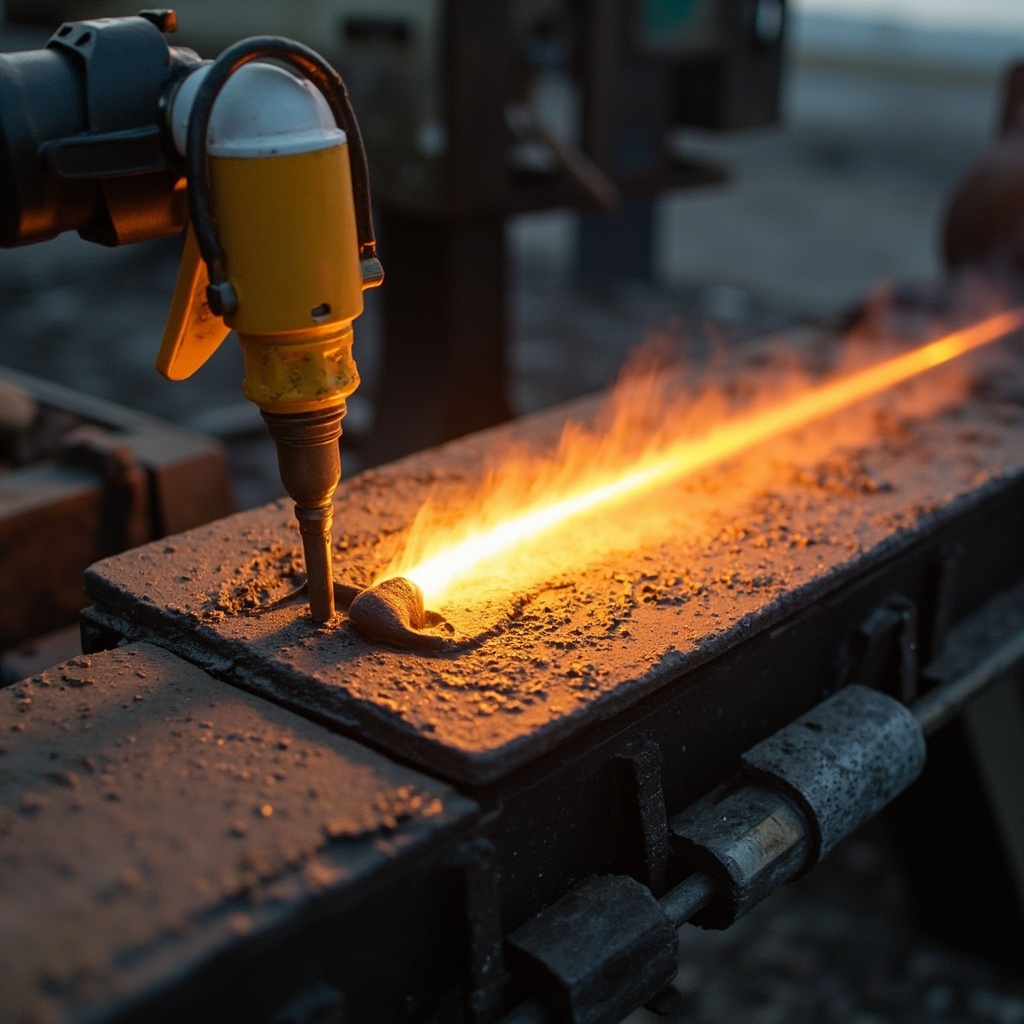
Ordinary organic coatings begin to decompose and fail at 200-300°C. In contrast, silicone heat-resistant coatings (based on methylphenyl silicone resin) can serve long-term under extreme temperatures of 400-800°C through the high bond energy of the siloxane backbone (Si-O-Si) (about 452 kJ/mol, far exceeding the C-C bond at about 348 kJ/mol) and the conversion to inorganic SiO₂ ceramic at high temperatures. The outer walls of metallurgical blast furnaces, automobile exhaust pipes, and industrial chimneys—these scenarios pose ultimate challenges in materials science to the heat resistance, oxidation resistance, and thermal cycling stability of coatings.
I. Types and Heat Resistance Classes of Silicone Resins
| Silicone resin type | Phenyl content (%) | Heat resistance (°C) | Features | Application scenarios |
|---|---|---|---|---|
| Pure methyl silicone resin | 0 | 250-350 | High hardness, poor flexibility, low cost | Household ovens, radiators |
| Methyl phenyl silicone resin (low phenyl) | 20-30 | 350-500 | Balanced hardness and toughness (recommended) | Industrial pipelines, boilers |
| Methyl phenyl silicone resin (medium phenyl) | 40-50 | 500-650 | Good flexibility, high heat resistance, higher cost | Exhaust pipes, chimneys |
| Methyl phenyl silicone resin (high phenyl) | 60-80 | 650-800 | Optimal heat resistance, high price (3-5 times) | Metallurgical blast furnaces, aerospace |
II. Overview of Technical Parameter Comparison
| Technical Indicator | Standard Requirement | Premium Level | Test Method |
|---|---|---|---|
| Adhesion | ≥3MPa | ≥5MPa | ISO 4624 Pull-off Method |
| Salt Spray Resistance | ≥500h | ≥1000h | ASTM B117 |
| Weathering (QUV) | ≥1000h gloss retention >50% | ≥3000h gloss retention >80% | ISO 16474-3 |
| VOC Content | Complies with GB standard | 50% below limit | GB/T 23985 |
| Application Window | 5-35°C | -10~40°C (wide temperature range) | TDS Recommended Conditions |
II. Three Key Elements of High-Temperature Failure Criteria
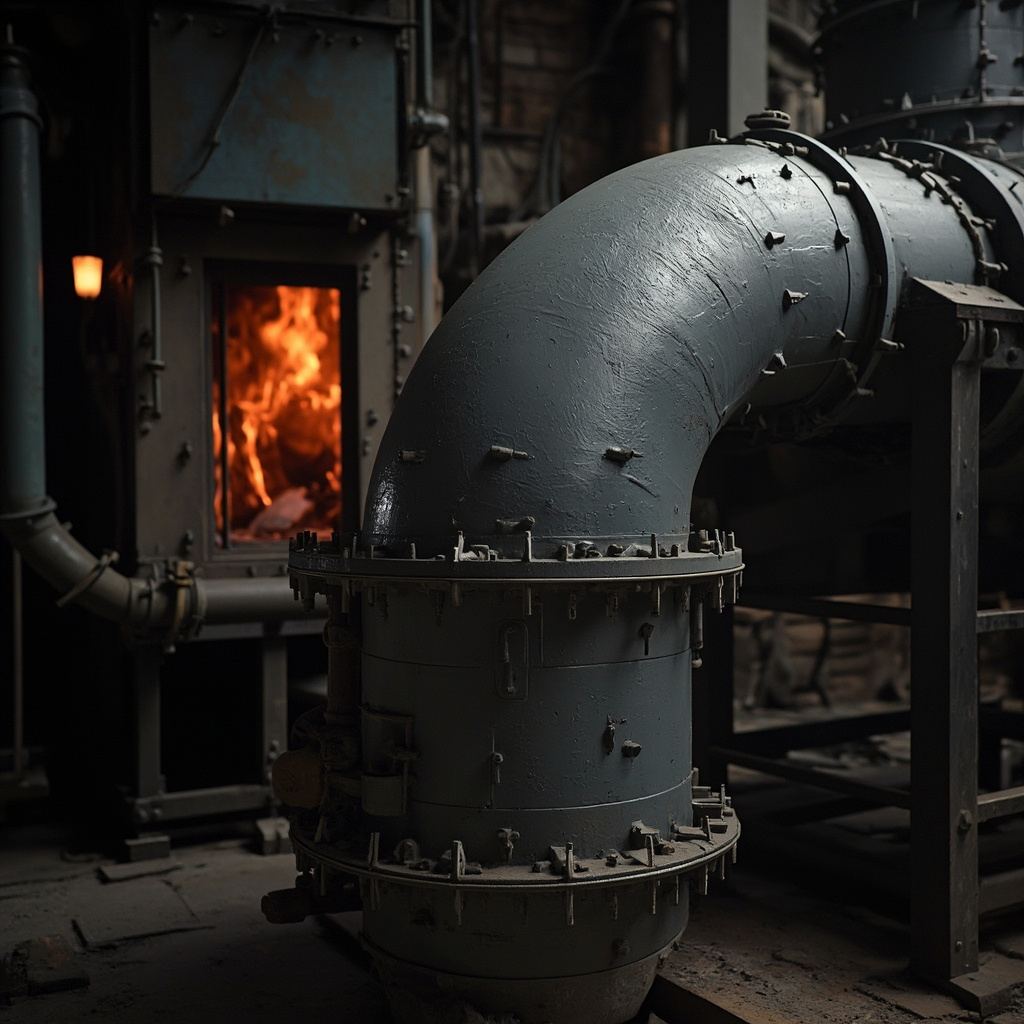
Color change (ΔE): Color change of the coating under high temperature is the earliest failure signal—white→yellow→brown→black (resin carbonization). Silicone resin begins thermo-oxidative discoloration at >400°C; pure white coatings can show ΔE >10 after 500°C/100h. Adding ceramic pigments (chrome oxide green Cr₂O₃ / cobalt blue CoAl₂O₄), which are themselves inorganic colors and withstand temperatures >800°C without discoloration, can significantly reduce the apparent color change of the coating.Weight loss (TGA): Thermogravimetric analysis shows that the organic side chains (methyl/phenyl) of silicone resin begin to thermally decompose and lose weight at 350-450°C (about 5%-15%), weight loss accelerates at 450-600°C (>20%), and the residue at >600°C is SiO₂ (about 30%-50% of the original resin weight).Cracking: Under high temperature, resin decomposition shrinkage + mismatch of thermal expansion coefficients between ceramic fillers / steel substrate generates thermal stress—cracking occurs when the internal stress in the coating > coating strength. Strategies to improve heat-crack resistance: add aluminum paste (flake aluminum powder oxidizes to form Al₂O₃ at high temperature while relieving internal stress), add mica powder or wollastonite fiber for toughening.
FAQ
Q1: How does silicone coating transform from an organic coating into inorganic ceramic at high temperatures?At high temperatures (>400°C) and in an oxygen-containing environment, the organic side chains of the silicone resin (-CH₃, -C₆H₅) are gradually removed by thermal oxidation, and the remaining Si-O-Si skeleton fuses with ceramic fillers to form a continuous inorganic SiO₂/silicate network. This transformation is progressive—at 400°C the coating is still in an organic-inorganic hybrid state (flexible), at 600°C most organic groups have decomposed (brittle and hard), and at 800°C it has essentially converted into an inorganic ceramic layer.
Q2: Why is aluminum powder widely used in heat-resistant coatings?Aluminum powder has three functions at high temperatures: (1) The lamellar arrangement of flake aluminum powder enhances the shielding effect of the coating; (2) When aluminum oxidizes to form Al₂O₃ at high temperatures, its volume expands (about 28%), compensating for the stress generated by resin shrinkage (mitigating cracking); (3) The Al₂O₃ layer reflects infrared thermal radiation, reducing the temperature of the substrate under the coating. The typical addition level of aluminum powder is 10%–20% (of resin solid content); excessive addition will increase the electrical conductivity of the coating (unsuitable for electrical insulation applications).
Q3: Can silicone coatings cure at room temperature?Traditional silicone coatings require baking curing at 180-250°C (condensation curing or peroxide curing), which limits their use to factory-prefabricated part coating. Room-Temperature-Vulcanized Silicone (RTV Silicone) developed in the 1990s catalyzes condensation curing at room temperature via titanate or tin catalysts—expanding the application scenarios of silicone coatings on large non-bakeable structural parts (such as on-site coated exhaust pipes and blast furnace exteriors). The heat resistance grade of RTV silicone is typically 50-100°C lower than that of bake-type, but its application convenience is extremely strong.
Q4: What is the "post-cure" of silicone coatings?Newly sprayed silicone coatings will further cross-link and cure and release small-molecule by-products during the first heating process—this post-cure process may produce smoke and a slight odor. For factory prefabricated parts, the standard process is to first surface-dry at low temperature (80-100°C/30min) after coating, and then complete the post-cure using the operating temperature (300-500°C) during the first operation of the equipment. For large structural parts coated on site, the first heating must be slow (<5°C/min) to avoid blistering caused by the accumulation of internal gas pressure in the coating.
Q5: Can heat-resistant coatings withstand rapid temperature changes (thermal shock)?This is the greatest technical challenge for heat-resistant coatings—dropping sharply from 600°C to room temperature (e.g., during blast furnace shutdown for maintenance), the thermal stress at the coating/substrate interface can reach 10–20 MPa, far exceeding the adhesion of ordinary-temperature coatings. Countermeasures: (1) Add aluminum powder (as mentioned above); (2) The designed coating thickness should not be too thick (a DFT of 200μm thick coating has better thermal shock resistance—thin coatings have a smaller absolute value of thermal stress); (3) Use silicone resin with a medium phenyl content (30–50%)—balancing heat resistance and flexibility.
Q6: Can inorganic zinc-rich primer be used as a heat-resistant primer?Yes, and it is widely used. Inorganic zinc-rich (ethyl silicate type) can withstand heat up to 400°C (the melting point of zinc is about 420°C; above this, the zinc powder melts and loses its cathodic protection function). The composite system of inorganic zinc-rich + organic silicone topcoat is the standard heat-resistant solution for petrochemical pipelines and equipment. For scenarios above 400°C, the primer should be switched to a pure organic silicone primer (containing aluminum powder and ceramic fillers) or no primer should be used (the risk of thermal expansion mismatch of the primer outweighs the benefit).
Q7: How does the adhesion of the heat-resistant coating change at high temperatures?Initial changes: From room temperature to 200°C — adhesion slightly increases (further cross-linking of the resin). 200-400°C — adhesion remains stable to slightly decreases. 400-600°C — adhesion drops significantly (decomposition of organic groups in the resin causes breakage of coating-substrate chemical bonds), and the coating relies on mechanical anchoring. >600°C — after the coating becomes ceramicized, the adhesion mechanism shifts from "chemical bonding" to "physical mechanical anchoring + sintering fusion", and adhesion may increase again.
Q8: What special restrictions apply to the selection of pigments and fillers in heat-resistant coatings?Key restrictions: (1) Heat-intolerant organic pigments are completely unusable (decompose at 300°C); (2) Certain inorganic pigments undergo crystal phase transitions at high temperatures causing color changes—e.g., the rutile→anatase transition of TiO₂ occurs at around 600°C, and yellow iron oxide dehydrates and turns red at >180°C; (3) Fillers containing crystal water (such as aluminum hydroxide Al(OH)₃) lose water at 200-300°C causing the coating to blister. It is recommended to use temperature-stable inorganic pigments (chrome oxide green/cobalt blue/titanium nickel yellow/iron oxide black) and anhydrous fillers (mica powder/wollastonite/fused silica powder).
Q9: What is the difference in coating technology routes between 600°C and 800°C?600°C——silicone resin route (medium-high phenyl) + aluminum powder + ceramic fillers can meet the requirements (silicone resin content constitutes the main body of the formulation). 800°C——silicone resin is almost completely decomposed, and the coating relies on the sintering of inorganic ceramic powders and residual SiO₂——a higher proportion (>50% PVC) of ceramic fillers + special sintering aids (such as low-melting-point glass powder/borax) are needed to promote sintering and fusion between ceramic particles at high temperature. The flexibility of the 800°C coating is extremely poor (elongation <0.5%) and it is unsuitable for scenarios with thermal expansion/vibration.
Q10: How do silicone heat-resistant coatings compete with inorganic zinc/ceramic coatings in high-temperature scenarios?Silicone (400-600°C): better flexibility, easy application, colorable, medium cost. Inorganic zinc (≤400°C): cathodic protection + heat resistance, application requires strict humidity control, low cost. Ceramic coating (600-1000°C): best heat resistance, but high brittleness, requires baking for application, high cost. In the 400-600°C temperature window, silicone is the optimal comprehensive solution; at 600°C and above, ceramic coating is the only choice.
Related Reading
Summary
Silicone heat-resistant coatings serve long-term at extreme temperatures of 400–800°C through the high bond energy of the siloxane backbone (Si–O–Si) and its conversion to SiO₂ ceramic at high temperature. Core formulation design boundaries include: phenyl content (30%–80%) determining the heat-resistance grade, aluminum powder (10%–20%) mitigating thermal stress cracking, ceramic pigments (chrome oxide green/cobalt blue) ensuring color stability, and PVC controlled at 30%–50% to balance shielding and internal stress. Room-temperature vulcanizing silicone (RTV) is a field-applicable heat-resistant solution for large structures. Kexin New Materials provides customized silicone heat-resistant coating formulations and high-temperature application technical support.