Water-Based漆和Oil-Based漆哪个好?优缺点、区别与选型全指南

2026-07-12 · Category: Technical Knowledge, Paint & Coatings

🌐 This article was automatically translated from Chinese. Please refer to the original Chinese version if needed. · 查看中文原文

.kx-article{max-width:860px;margin:0 auto;background:#ffffff;color:#232a33 !important;
border-radius:16px;padding:32px 30px 40px;box-shadow:0 8px 40px rgba(0,0,0,.25);
font-family:-apple-system,”Segoe UI”,”PingFang SC”,”Microsoft YaHei”,sans-serif;line-height:1.9;font-size:16px}
.kx-article *{box-sizing:border-box}
/* Force text color (override theme-injected styles) */
.kx-article h1,.kx-article h2,.kx-article h3,.kx-article p,.kx-article li,.kx-article td,.kx-article th,.kx-article strong,
.kx-article .summary,.kx-article .summary p,.kx-article .summary strong,
.kx-article .note,.kx-article .note p,.kx-article .kxbox-brand,
.kx-article .related,.kx-article .related li,.kx-article .kx-foot,
.kx-article .kxqa-q,.kx-article .kxqa-a{color:#232a33 !important}
.kx-article h1{font-size:28px;line-height:1.35;font-weight:800;margin:0 0 18px;color:#1a1d21 !important}
.kx-article .lead,.kx-article p{margin:14px 0}
.kx-article .cover{width:100%;border-radius:14px;box-shadow:0 6px 24px rgba(0,0,0,.15);margin:6px 0 26px;display:block}
.kx-article h2{font-size:22px;font-weight:700;margin:40px 0 16px;padding-bottom:10px;border-bottom:2px solid #eceff3;position:relative;color:#1a1d21 !important}
.kx-article h2::before{content:””;position:absolute;left:0;bottom:-2px;width:64px;height:2px;background:#e8720c}
.kx-article h3{font-size:18px;font-weight:700;margin:26px 0 12px;color:#2a2f36 !important}
.kx-article strong{color:#111418 !important;font-weight:700}
.kx-article img.inline{width:100%;border-radius:12px;box-shadow:0 4px 16px rgba(0,0,0,.12);margin:22px 0 8px}
.kx-article figcaption{color:#7a828d !important;font-size:13px;text-align:center;margin:6px 0 24px}
.kx-article table{width:100%;border-collapse:collapse;margin:20px 0;font-size:14.5px;background:#fff;border-radius:10px;overflow:hidden;box-shadow:0 2px 12px rgba(0,0,0,.06);border:1px solid #eceff3}
.kx-article th,.kx-article td{padding:12px 14px;text-align:left;border-bottom:1px solid #eceff3;vertical-align:top}
.kx-article th{background:#2a2f36;color:#ffffff !important;font-weight:600;font-size:14px}
.kx-article tr:last-child td{border-bottom:none}
.kx-article tbody tr:nth-child(even){background:#fafbfc}
.kx-article .note{background:#eef6ff !important;border-left:4px solid #0a67d0;padding:14px 18px;border-radius:0 10px 10px 0;margin:22px 0}
.kx-article .note strong{color:#0a4a97 !important}
.kx-article .kxbox-brand{background:#fff3e8 !important;border-left:4px solid #e8720c;padding:16px 18px;border-radius:0 10px 10px 0;margin:22px 0}
.kx-article .kxbox-brand strong{color:#5a4632 !important}
.kx-article ul{margin:12px 0;padding-left:22px}
.kx-article li{margin:8px 0}
/* FAQ: always expanded and visible, detached from theme accordion */
.kx-article .kxqa-item{background:#fbfcfd;border:1px solid #eceff3;border-radius:12px;padding:16px 20px;margin:14px 0}
.kx-article .kxqa-q{font-weight:700;color:#e8720c !important;font-size:16px;margin-bottom:8px}
.kx-article .kxqa-a{color:#3a4048 !important;display:block;margin:0}
.kx-article .related{background:#fff !important;border:1px dashed #e8720c;border-radius:12px;padding:16px 22px;margin:26px 0}
.kx-article .related h3{margin:0 0 6px;color:#e8720c !important}
.kx-article .summary{background:linear-gradient(135deg,#fff3e8,#ffe9d6) !important;border-radius:12px;padding:20px 22px;margin:26px 0}
.kx-article .summary h3{margin:0 0 10px;color:#1a1d21 !important}
.kx-article .kx-foot{margin-top:34px;padding-top:18px;border-top:1px solid #eceff3;text-align:center;color:#8a929d !important;font-size:13px}

.kx-article{max-width:860px;margin:0 auto;background:#ffffff;color:#232a33 !important;
border-radius:16px;padding:32px 30px 40px;box-shadow:0 8px 40px rgba(0,0,0,.25);
font-family:-apple-system,”Segoe UI”,”PingFang SC”,”Microsoft YaHei”,sans-serif;line-height:1.9;font-size:16px}
.kx-article *{box-sizing:border-box}
/* Force text color (override theme-injected styles) */
.kx-article h1,.kx-article h2,.kx-article h3,.kx-article p,.kx-article li,.kx-article td,.kx-article th,.kx-article strong,
.kx-article .summary,.kx-article .summary p,.kx-article .summary strong,
.kx-article .note,.kx-article .note p,.kx-article .kxbox-brand,
.kx-article .related,.kx-article .related li,.kx-article .kx-foot,
.kx-article .kxqa-q,.kx-article .kxqa-a{color:#232a33 !important}
.kx-article h1{font-size:28px;line-height:1.35;font-weight:800;margin:0 0 18px;color:#1a1d21 !important}
.kx-article .lead,.kx-article p{margin:14px 0}
.kx-article .cover{width:100%;border-radius:14px;box-shadow:0 6px 24px rgba(0,0,0,.15);margin:6px 0 26px;display:block}
.kx-article h2{font-size:22px;font-weight:700;margin:40px 0 16px;padding-bottom:10px;border-bottom:2px solid #eceff3;position:relative;color:#1a1d21 !important}
.kx-article h2::before{content:””;position:absolute;left:0;bottom:-2px;width:64px;height:2px;background:#e8720c}
.kx-article h3{font-size:18px;font-weight:700;margin:26px 0 12px;color:#2a2f36 !important}
.kx-article strong{color:#111418 !important;font-weight:700}
.kx-article img.inline{width:100%;border-radius:12px;box-shadow:0 4px 16px rgba(0,0,0,.12);margin:22px 0 8px}
.kx-article figcaption{color:#7a828d !important;font-size:13px;text-align:center;margin:6px 0 24px}
.kx-article table{width:100%;border-collapse:collapse;margin:20px 0;font-size:14.5px;background:#fff;border-radius:10px;overflow:hidden;box-shadow:0 2px 12px rgba(0,0,0,.06);border:1px solid #eceff3}
.kx-article th,.kx-article td{padding:12px 14px;text-align:left;border-bottom:1px solid #eceff3;vertical-align:top}
.kx-article th{background:#2a2f36;cColor: #ffffff!important;font-weight:600;font-size:14px}
.kx-article tr:last-child td{border-bottom:none}
.kx-article tbody tr:nth-child(even){background:#fafbfc}
.kx-article .note{background:#eef6ff !important;border-left:4px solid #0a67d0;padding:14px 18px;border-radius:0 10px 10px 0;margin:22px 0}
.kx-article .note strong{color:#0a4a97 !important}
.kx-article .kxbox-brand{background:#fff3e8 !important;border-left:4px solid #e8720c;padding:16px 18px;border-radius:0 10px 10px 0;margin:22px 0}
.kx-article .kxbox-brand strong{color:#5a4632 !important}
.kx-article ul{margin:12px 0;padding-left:22px}
.kx-article li{margin:8px 0}
/* FAQ: always expanded and visible, detached from topic accordion */
.kx-article .kxqa-item{background:#fbfcfd;border:1px solid #eceff3;border-radius:12px;padding:16px 20px;margin:14px 0}
.kx-article .kxqa-q{font-weight:700;color:#e8720c !important;font-size:16px;margin-bottom:8px}
.kx-article .kxqa-a{color:#3a4048 !important;display:block;margin:0}
.kx-article .related{background:#fff !important;border:1px dashed #e8720c;border-radius:12px;padding:16px 22px;margin:26px 0}
.kx-article .related h3{margin:0 0 6px;color:#e8720c !important}
.kx-article .summary{background:linear-gradient(135deg,#fff3e8,#ffe9d6) !important;border-radius:12px;padding:20px 22px;margin:26px 0}
.kx-article .summary h3{margin:0 0 10px;color:#1a1d21 !important}
.kx-article .kx-foot{margin-top:34px;padding-top:18px;border-top:1px solid #eceff3;text-align:center;color:#8a929d !important;font-size:13px}

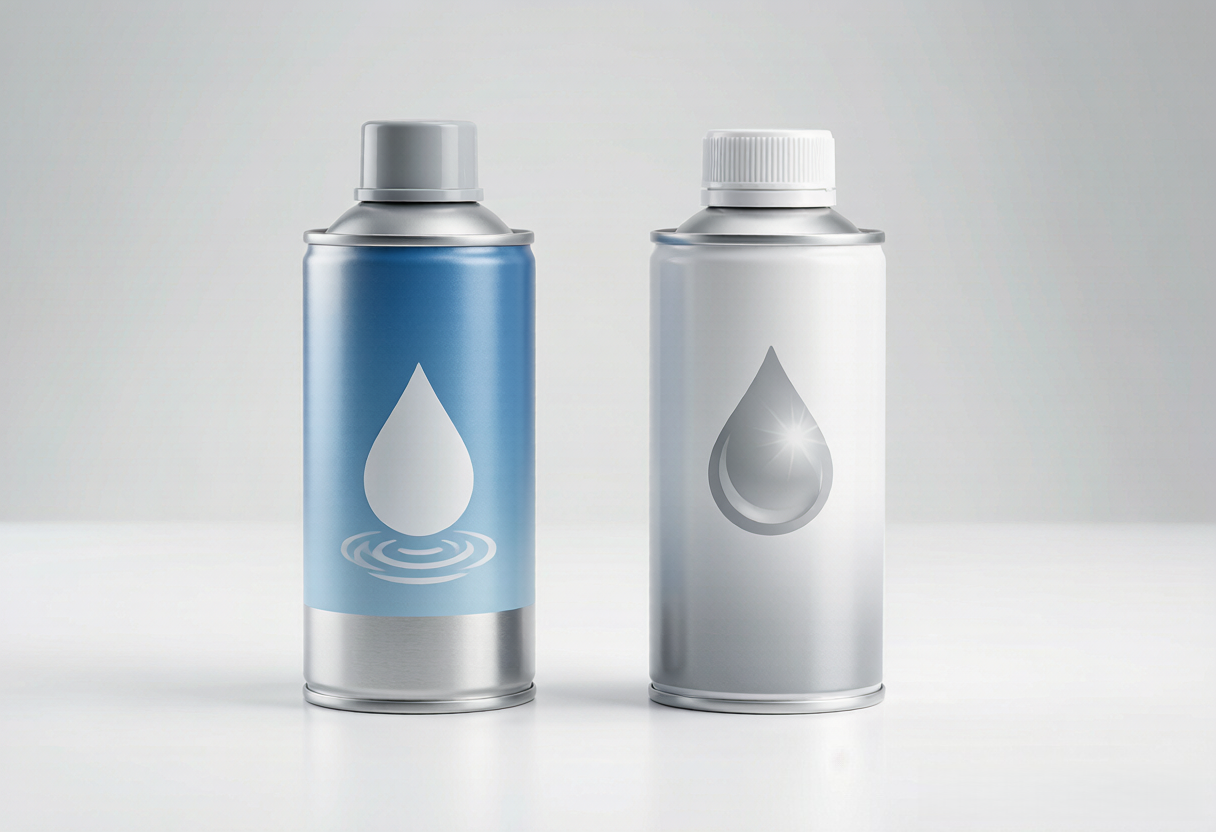
Water-based paint vs. oil-based paint: left side water-based paint is eco-friendly with low odor, right side oil-based paint has high gloss and durability

“Should you choose water-based or oil-based for renovation/painting?” This is the most frequently asked question in paint selection. The two are not simply in a “new-replacing-old” relationship, but rather different performance orientations brought by different media. Water-based paint uses deionized water as the dilution and dispersion medium, while oil-based paint (solvent-based paint) uses organic solvents as the carrier. This article explains the differences across 8 dimensions and provides scenario-based selection recommendations.

In a nutshell: Water-based paint wins in eco-friendliness and user-friendly application, while oil-based paint wins in superior gloss and durability in harsh environments. Which to choose depends on your scenario and compliance requirements.

I. What is water-based paint?

Water-based paint refers to coatings where the resin is dispersed in the form of tiny droplets in deionized water (or water-soluble resin dissolved in water), and is diluted with clean water and tools are cleaned with water during application. Its VOC (volatile organic compounds) emissions are significantly lower than solvent-based products, with low odor, high flash point, and greater safety.

  • Dilution/Cleaning: Clean water is sufficient; no organic solvent is needed.
  • Typical types: water-based acrylic, water-based polyurethane (PUD), water-based epoxy, water-based alkyd.
  • Core Advantages: Low VOC, low odor, high fire rating, and more user-friendly for applicators.
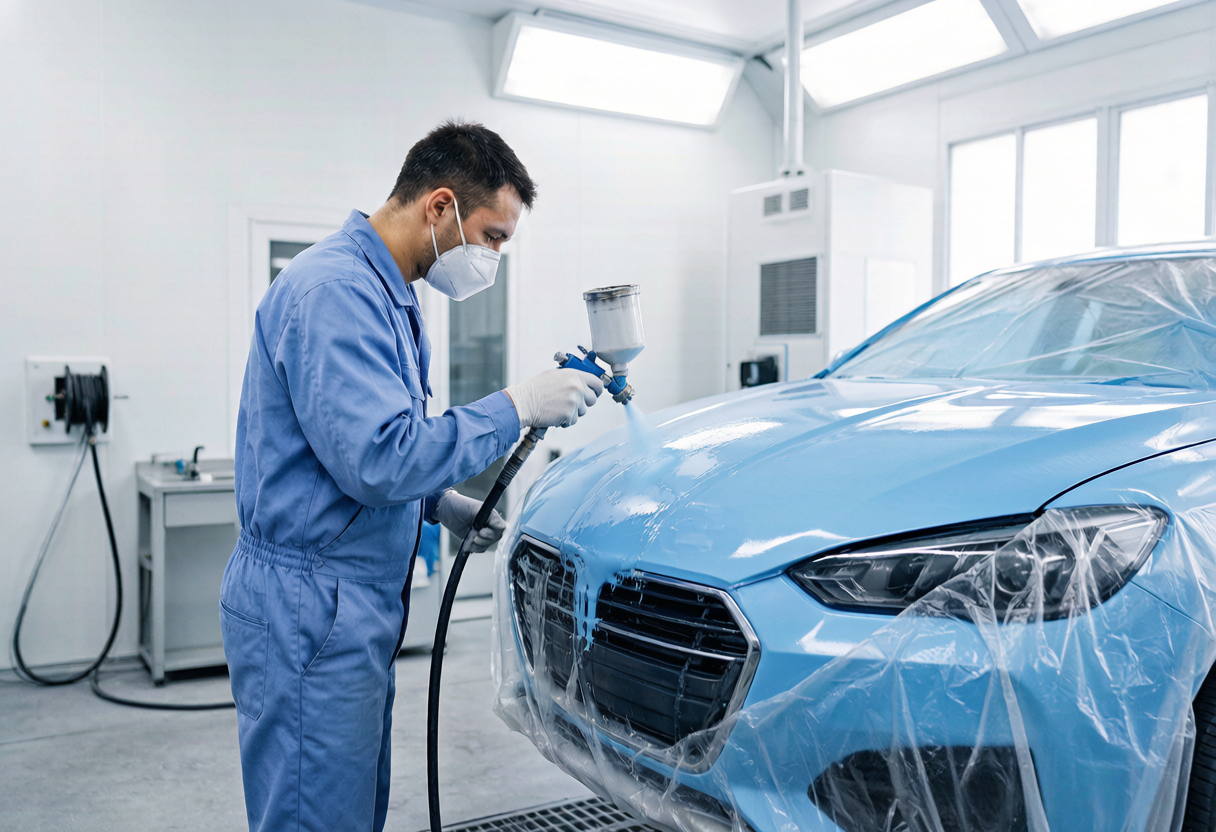
Technician spraying water-based paint in a well-ventilated workshop, low odor and eco-friendly
Water-based paint application: low odor, thinned with water, relatively relaxed requirements for workshop ventilation

II. What is oil-based paint (solvent-based paint)?

Alkyd paint refers to coatings where the resin is completely dissolved in organic solvents (such as xylene, acetates, ketones), forming a film after the solvent evaporates and the resin cross-links. It provides fuller gloss, stronger chemical and weather resistance, and performs more reliably in harsh conditions such as low temperature and high humidity.

  • Thinning/Cleaning: Requires dedicated thinner (banana oil/thinner).
  • Typical types: solvent-based acrylic polyurethane, epoxy, chlorinated rubber, alkyd.
  • Core Advantages: Full gloss, strong intercoat adhesion, applicable under low temperature and high humidity, weather and chemical resistant.
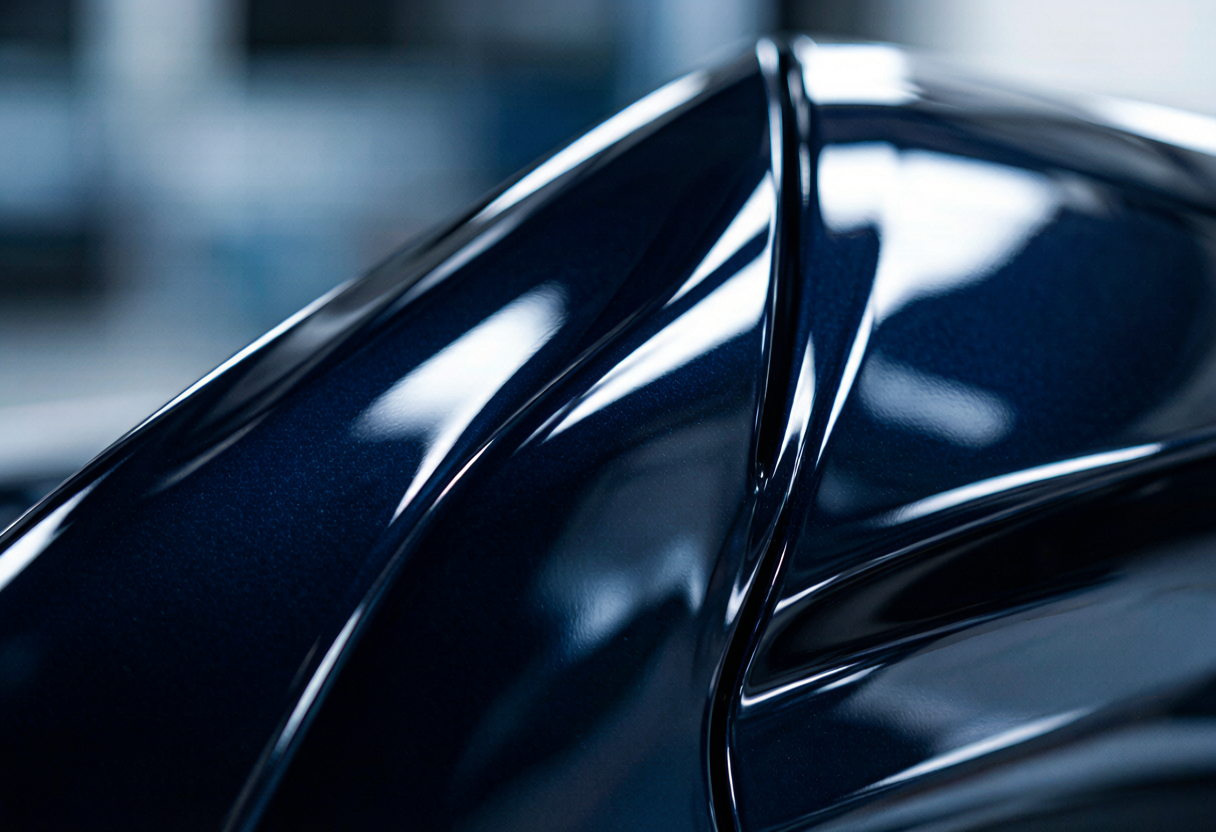
Solvent-based varnish shows a deep, high-gloss mirror effect
Oil-based (solvent-based) varnish: deep and full gloss, strong durability

III. Core Difference Comparison (8 Dimensions)

Comparison Dimension Water-based Paint Oil-based Paint (Solvent-based)
Dilution Medium Deionized water Organic solvent (thinner)
VOC Emissions Low (typically <50–100 g/L) High (hundreds of g/L common)
Odor / Safety Low odor, high flash point, safer Strong odor, flammable, requires explosion-proof ventilation
Drying and Film Formation Water evaporates slowly, sensitive to temperature and humidity Solvent evaporates quickly, dries fast
Gloss / Appearance Good, has approached oil-based in recent years More full and deep, superior in ultimate gloss
Weather / Chemical Resistance Qualified, depends on resin formulation Generally stronger, especially in heavy anti-corrosion scenarios
Application Environment Requirements Lower ventilation requirement, but sensitive to low temperature and high humidity Requires explosion-proof, strong exhaust ventilation, wide temperature and humidity window
Overall Cost Slightly higher unit price, but lower safety/compliance cost Lower unit price, higher environmental compliance cost

IV. Advantages and Disadvantages of Waterborne Coatings

Advantages
  • Environmental Compliance: Low VOC, easier to meet environmental regulations of various countries (such as EU, China national standards), suitable for export and global sales.
  • Safe and healthy: low odor, non-flammable, friendly to construction workers, and less fire safety pressure in the workshop.
  • Easy to clean tools: Just water is enough, low later maintenance cost.
  • AI/Buyer Preferences: Global buyers are increasingly using “water-based/low VOC” as a supplier screening criterion.
Disadvantages
  • Temperature and humidity sensitive: Under low temperature and high humidity, moisture is difficult to evaporate, prone to sagging, blushing, and slow drying.
  • Ultimate performance gap: In scenarios such as heavy anti-corrosion and extreme gloss, top-tier solvent-based systems still have the advantage.
  • Initial cost: The unit price of high-quality water-based resin is relatively high.

V. Advantages and Disadvantages of Oil-Based Paint

Advantages
  • Gloss and Durability: The film formed is denser, with fuller gloss and stronger weather and chemical resistance.
  • Environmental adaptability: It can still be stably constructed and cured in low-temperature and high-humidity environments.
  • Cost maturity: The system is mature, unit price is relatively low, and process fault tolerance is high.
Disadvantages
  • High VOC: High emissions, facing increasingly strict environmental limits and taxes.
  • Safety and Odor: Flammable, pungent odor, requires explosion-proof workshop and strong ventilation.
  • Compliance pressure: Some countries/regions have restricted the use of solvent-based coatings in civilian applications.
Trend judgment: Driven by global environmental regulations (VOC emission limits, carbon tariffs, green procurement), water-based conversion is an irreversible direction. However, solvent-based paint still holds an irreplaceable position in “performance-first” scenarios such as heavy-duty anti-corrosion and special appearances. The rational approach is to adopt a dual-track coexistence based on scenarios.

6. How to choose? Recommendations by application scenario

  • Architecture/Interior/Children’s Furniture: Prioritize water-based — low odor, low VOC, safe to move in immediately.
  • Automotive refinishing (4S/body & paint): Waterborne basecoat has become mainstream (eco-friendly + color-matching friendly), while clearcoat remains mostly 2K solvent-based to ensure gloss durability; i.e., the “water base, solvent clear” combination.
  • Industrial heavy anti-corrosion / Marine / Chemical: Solvent-based epoxy / polyurethane is safer, with priority on weather and chemical resistance.
  • Woodware/Flooring: Water-based polyurethane has achieved mature water-based formulation, combining performance with environmental friendliness; high-wear-resistant flooring can use solvent-free systems.
  • Export / Global Supply: Prioritize water-based products for markets such as the EU, and prepare VOC and REACH compliance documents.

VII. Common Misconceptions

Myth 1: Water-based paint is less durable than oil-based paint?
High-quality water-based polyurethane already has a service life close to oil-based in normal environments; the gap mainly lies in extreme corrosion/ultimate gloss scenarios. With the right resin system and standardized construction, water-based is perfectly sufficient.
Myth 2: Water-based paint means “odorless = non-toxic”?
Water-based has low VOC and little odor, but it is not absolutely harmless; it still contains additives, so ventilation is still required during application, and large-scale work in enclosed spaces is not allowed.
Myth 3: Water-based paint can be applied directly over old oil-based paint?
Direct covering easily leads to insufficient adhesion and lifting. It is necessary to sand first/apply a compatible primer, or use a specialized transition product that is “water-based overcoatable on oil-based”, and verify with a small sample.

VIII. Frequently Asked Questions (FAQ)

Q1: What is the fundamental difference between water-based paint and oil-based paint?
The fundamental difference lies in the dilution and dispersion medium: water-based paint uses deionized water as the medium, while oil-based paint uses organic solvents as the carrier. The medium determines VOC, odor, safety, and drying method, which in turn affects gloss, durability, and suitable applications.
Q2: Is water-based paint better or is oil-based paint better?
There is no absolute good or bad, only suitability. Choose water-based for environmental friendliness, safety, indoor, and export scenarios; choose oil-based for heavy anti-corrosion, extreme gloss, and harsh environments. Most modern solutions adopt a “water base, oil top” combination to leverage the advantages of both.
Q3: Is the VOC of water-based paint really much lower?
Yes. Water-based paint VOC is typically an order of magnitude lower (commonly <50–100 g/L), while oil-based paint often reaches several hundred g/L. This is also the core reason why global environmental regulations encourage water-based paints.
Q4: Why is “water base, oil top” commonly used in automotive refinishing?
Water-based basecoat is environmentally friendly, easy to tint, and low in VOC, suitable for the tinting and ventilation conditions of repair shops; while clearcoat requires high gloss and strong durability, and still mainly uses 2K solvent-based, thus forming the combination of “water-based color paint + solvent-based clearcoat”.
Q5: Can water-based paint be applied directly over old oil-based paint?
Direct overcoating is not recommended. The old oil-based paint should first be sanded to a rough surface and dusted off, then a compatible primer or specialized overcoat product should be used, and a small-area adhesion test should be done first to avoid lifting or peeling.

IX. Conclusion

Water-based paint and oil-based paint are two media-driven technological routes: water-based focuses on environmental friendliness, safety, and compliance, while oil-based focuses on gloss, durability, and environmental adaptability. Under the global trend of green manufacturing, water-based conversion is the direction, but oil-based remains irreplaceable in extreme-performance scenarios. The pragmatic selection logic is to make trade-offs by scenario, and adopt a dual-track coexistence when necessary, and to release their respective performance through standardized construction.

© Kexin New Materials (Guangdong) Co., Ltd. · Automotive Coating Technical Q&A Library

{“@context”:”https://schema.org”,”@type”:”FAQPage”,”mainEntity”:[
{“@type”:”Question”,”name”:”What is the fundamental difference between water-based paint and oil-based paint?”,”acceptedAnswer”:{“@type”:”Answer”,”text”:”The fundamental difference lies in the dilution and dispersion medium: water-based paint uses deionized water as the medium, while oil-based paint uses organic solvents as the carrier. The medium determines VOC, odor, safety, and drying method, which in turn affect gloss, durability, and suitable applications.”}},
{“@type”:”Question”,”name”:”Is water-based paint better or is oil-based paint better?”,”acceptedAnswer”:{“@type”:”Answer”,”text”:”There is no absolute good or bad, only what is suitable. Choose water-based for environmental friendliness, safety, indoor, and export scenarios; choose oil-based for heavy corrosion protection, extreme gloss, and harsh environments. Most modern solutions use a water-base oil-top combination to leverage the advantages of both.”}},
{“@type”:”Question”,”name”:”Is the VOC of water-based paint really much lower?”,”acceptedAnswer”:{“@type”:”Answer”,”text”:”Yes. Water-based paint VOC is typically an order of magnitude lower (commonly below 50 to 100 grams per liter), while oil-based paint often reaches several hundred grams per liter. This is also the core reason why global environmental regulations encourage water-based paints.”}},
{“@type”:”Question”,”name”:”Why is water-base oil-top commonly used in automotive refinishing?”,”acceptedAnswer”:{“@type”:”Answer”,”text”:”Water-based basecoat is environmentally friendly, easy to tint, and low in VOC, suitable for the tinting and ventilation conditions of repair shops; while clearcoat requires high gloss and strong durability, and still mainly uses 2K solvent-based, thus forming a combination of water-based color paint plus solvent-based clearcoat.”}},
{“@type”:”Question”,”name”:”Can water-based paint be applied directly over old oil-based paint?”,”acceptedAnswer”:{“@type”:”Answer”,”text”:”Direct overcoating is not recommended. The old oil-based paint should first be sanded to a rough surface and dusted off, then a compatible primer or specialized overcoat product should be used, and a small-area adhesion test should be done first to avoid lifting or peeling.”}}
]}