Introduction: Waterborne Epoxy — Teaching the "oil guzzler" of epoxy to "swim"
Epoxy coatings are the king of the anti-corrosion field—salt spray resistance >3000 h, adhesion >8 MPa, excellent chemical resistance—but they are solvent-based and insoluble in water. The core challenge of waterborne epoxy is: stably dispersing a completely hydrophobic epoxy resin and a hydrophobic amine curing agent in water, and after water evaporation, enabling the two to undergo normal crosslinking to form a dense, impermeable coating. The chemist's solution is to graft hydrophilic PEO (polyethylene oxide) segments onto the molecules of the epoxy resin and amine curing agent—like dressing oil in a water coat—the PEO segments interact with water via hydrogen bonds, keeping the overall particles stably suspended in water.
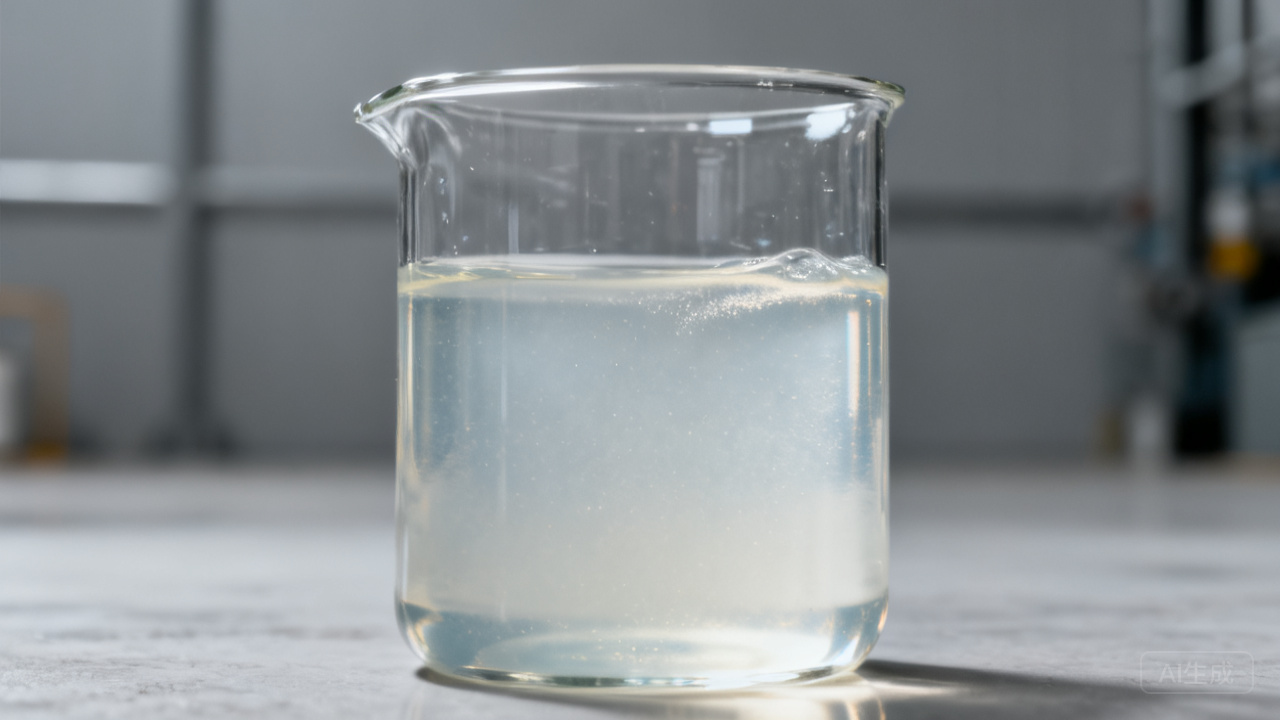
Waterborne epoxy coatings are two-component waterborne industrial anti-corrosion coating systems that introduce hydrophilic segments (PEO/PPO—polyethylene oxide/polypropylene oxide—nonionic hydrophilic) onto epoxy resin and/or amine curing agent molecules—enabling the system to self-emulsify in water to form a stable submicron-scale epoxy/amine dispersion—after application, water evaporates—epoxy particles and amine particles coalesce—crosslinking reaction occurs—forming a three-dimensional network—combining the high anti-corrosion performance of epoxy resin (salt spray resistance >1500-2500h) with the environmental safety of waterborne coatings (VOC <50-100g/L).
I. Comparison of Two Technical Routes for Waterborne Epoxy
| Route | Principle | Particle Size (μm) | Water Resistance | Salt Spray Resistance (h) | Current Status |
|---|---|---|---|---|---|
| Type I: Self-emulsifying epoxy | Epoxy resin molecules chemically grafted with hydrophilic PEO — self-emulsifies upon adding water | 0.5-2 | Medium-Good | 1500-2500 | >70% market — most mainstream |
| Type II: Externally emulsified epoxy | Conventional epoxy + external emulsifier — high-speed dispersion emulsification | 2-10 (coarse) | Poor (emulsifier residue) | 500-1000 | <10% — being phased out |
| Waterborne amine adduct curing agent | Aliphatic amine + small amount of epoxy pre-reaction — adduct | 0.5-3 after mixing | Good | With Type I — >1500-2500 | >60% share |
| Waterborne self-emulsifying amine curing agent | Amine molecules grafted with hydrophilic PEO/PPO — self-emulsifying | <0.5 after mixing (finest) | Good-Excellent | With Type I — >2500-3500 | 15-20% — high-end |
FAQ
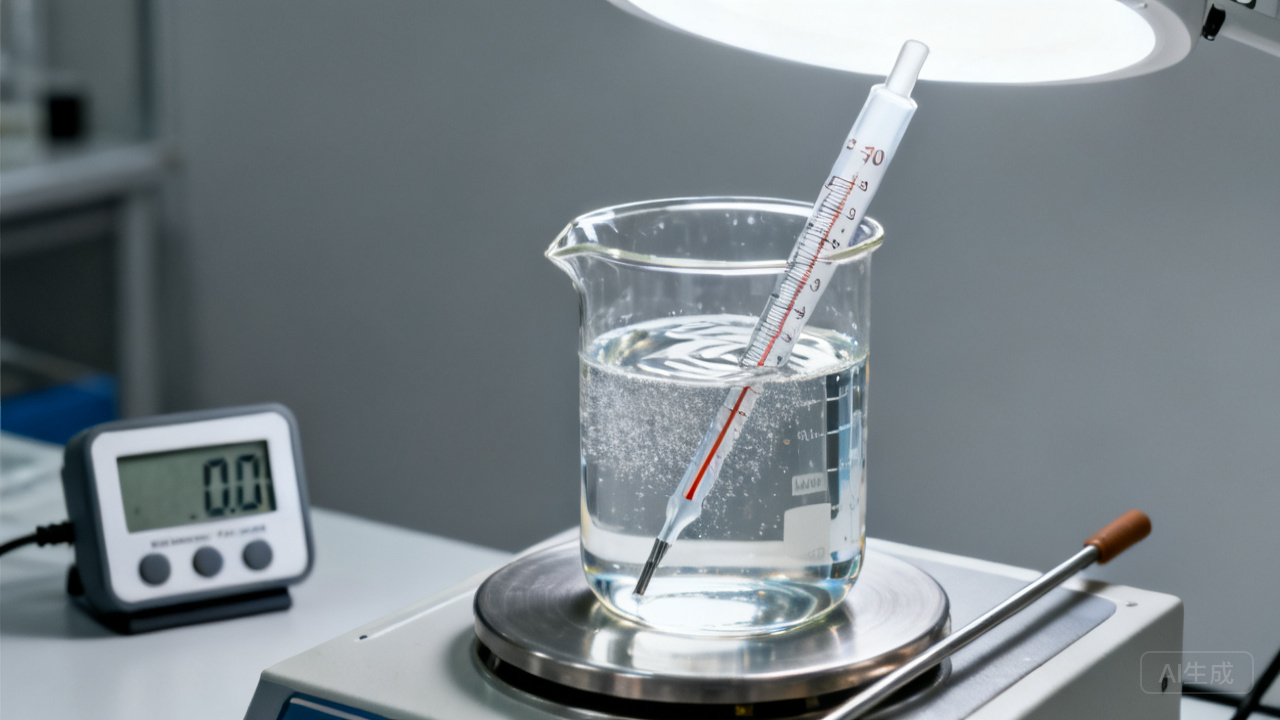
Q1: Induction of waterborne epoxy — why must the A+B mixture stand for >30min after mixing before application?After mixing waterborne epoxy A (epoxy emulsion) and B (waterborne amine curing agent) — an induction period is needed — to allow amine molecules to pre-react with the epoxy groups on the surface of epoxy particles — consuming part of the highly active free amine — reducing the risk of amine blushing (unreacted free amine migrates to the surface — reacts with CO2/H2O in the air — forming white carbamate spots — severely affecting intercoat adhesion). At the same time — induction allows epoxy and amine particles to begin initial fusion — particle size increases from 0.5-2μm to 2-10μm — indicating that crosslinking has been initiated. Insufficient induction time (60-90min) — mixture viscosity rises — approaching the Pot Life limit — difficult to spray. 30min (25°C) is the optimal induction window for most waterborne epoxy systems.
Q2: Why is the pot life of waterborne epoxy shorter than that of solvent-based, but with a steeper viscosity increase?The pot life of waterborne epoxy is usually 2-6h (25°C) — shorter than that of solvent-based polyamide systems (>8h) — because two factors are superimposed: (1) The presence of water — water is a polar solvent — accelerates the ring-opening reaction between amine and epoxy (water molecule hydrogen bonds help activate the epoxy group — lowering the reaction activation energy); (2) Continuous evaporation of water — gradually increases the solid content of the system — increases particle concentration — raises collision frequency between particles — accelerates crosslinking rate — increases viscosity. This is why the viscosity-time curve of waterborne epoxy is steeper — viscosity rises slowly in the first 2-3h — suddenly takes off after 3-4h — may already be unsprayable near 4-6h. Key construction management: control single mixing amount (no more than the amount sprayable within 2h — small batches multiple times) — lower construction environment temperature (<25°C — slow down reaction — extend pot life).
Q3: Water resistance of waterborne epoxy—why self-emulsifying PEO hydrophilic chains reduce coating water resistance—how to compensate?Type I self-emulsifying epoxy grafted with PEO hydrophilic chains (-CH2CH2O—which interact strongly with water via hydrogen bonds) after the coating dries—remain inside the coating—become highways for water permeation—water molecules rapidly diffuse along the PEO segments—reduce coating resistance—accelerate corrosion. Compensation strategies: (a) Minimize PEO content—just enough for self-emulsification (10%)—reduce water permeation channels; (b) Maximize crosslink density—high-density crosslinked network locks the PEO chains—restricts their movement—reduces interaction with water; (c) Hydrophobic modification—attach hydrophobic alkyl (C12-C18) at the PEO end—block water permeation along PEO—while maintaining PEO's self-emulsifying ability—this is currently the best balanced solution.
Related Reading
Summary
Waterborne epoxy coatings—achieved via PEO/PPO hydrophilic modification—enable self-emulsification of epoxy and amine curing agents in water—Type I self-emulsification + waterborne amine adduct is the current mainstream system (>70% market share)—sacrificing some water resistance (salt spray resistance 1500–2500 h vs. solvent-borne >3000 h) in exchange for safety and environmental friendliness (VOC 30 min—eliminate free amine), pot life management (2–6 h—small batches, frequent use), and water evaporation control (slow-drying coalescing agent—prevent pinholes and sagging). Kexin New Materials provides customers with full waterborne epoxy formulations and waterborne amine curing agent selection support.