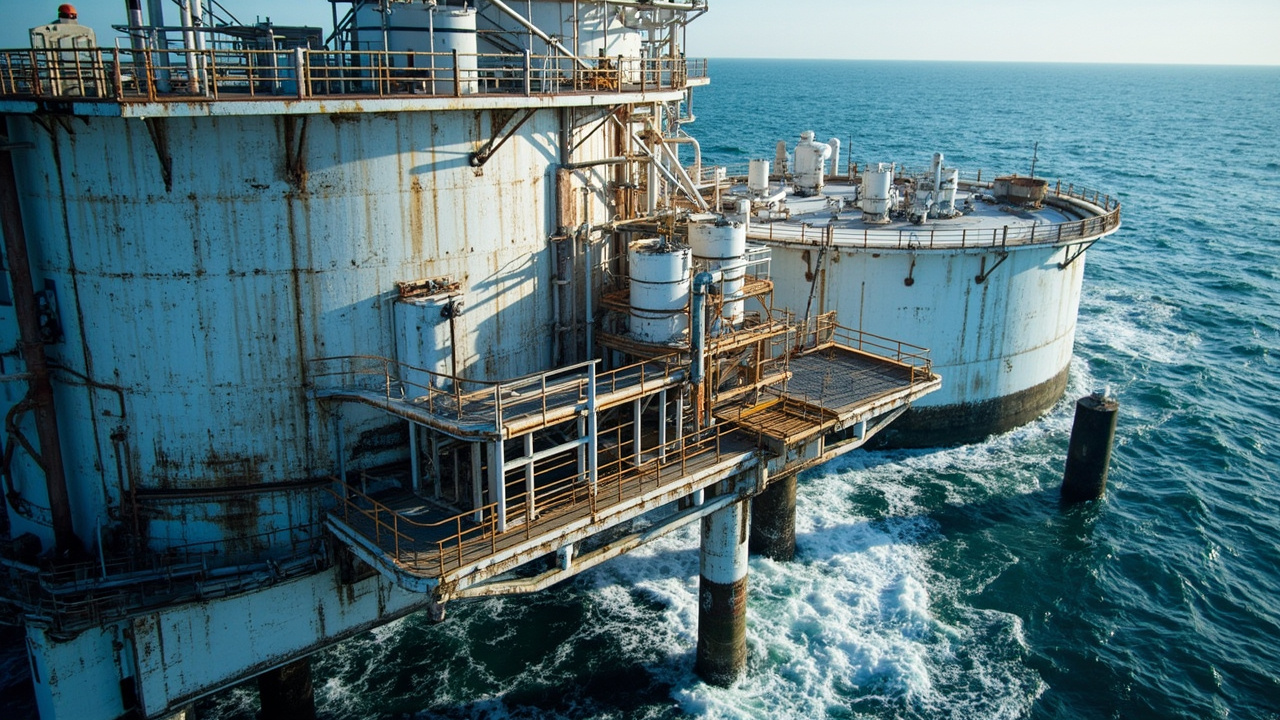
"Use water-based if possible, avoid oil-based" — this is the most popular slogan under recent environmental policies and procurement trends. But as coating professionals, we must tell a hard truth: Water-based is a trend, but not a panacea; in some harsh working conditions, oil-based (solvent-based) systems remain a more reliable, even the only feasible choice. Blindly pursuing "water-based" for the sake of "water-based" may push projects toward early failure, rework, and safety hazards. This article stands from the "opposing perspective" to sort out the boundaries and exceptions of water-based substitution: which extreme chemical resistance, heavy anti-corrosion, outdoor exposure, extremely low temperature, and special decorative scenarios should still use oil-based, and provides a balanced conclusion — not opposing water-based, but advocating "use the right system in the right working condition".
As a supplier of water-based wood and industrial coating systems, Kexin New Materials (kexinMaterials) also has mature solutions for water-based and its supporting solvent-based systems, so it can more objectively view "when oil-based should be used". If you are evaluating the system selection for a certain workpiece, you can first learn about our industrial paint product system, and compare according to corrosion grade and working condition. Below we clarify the boundaries.
I. Conclusion First: Water-Based Is Not the End Point for All Working Conditions
Three main judgment lines:
- Water-based can already cover most conventional working conditions: indoor wood, general industrial protection, architectural walls, ordinary equipment — water-based systems are already sufficient in performance and environmental compliance, and more compliant.
- Oil-based still dominates in "extreme working conditions": heavy anti-corrosion, strong chemical resistance, deep sea/chemical immersion, extremely low temperature construction, outdoor long-cycle maintenance-free decoration — solvent-based systems are more reliable with dense film layers and process tolerance.
- Balanced conclusion: Selection should be based on the three dimensions of "working condition severity + environmental threshold + service life requirement", rather than simply "water-based priority". Oil-based is a supplement and boundary to water-based, not an opposite.
In one sentence: Water-based solves "most", oil-based holds "the most severe". A mature coating strategy is to use both, not a one-size-fits-all approach.
II. Boundary 1: Extreme Chemical Media Resistance (Strong Acid, Strong Alkali, Strong Solvent)
Water-based resins (even water-based epoxy, water-based polyurethane) are still slightly inferior to similar high-quality solvent-based systems in film density and solvent swelling resistance. In the following scenarios, oil-based is more stable:
- Chemical storage tank interior, acid/alkali pools, electroplating lines: long-term contact with strong acid, strong alkali, organic solvents requires extremely high crosslink density and swelling resistance of the paint film; solvent-based epoxy/phenolic/polyurethane are more reliable.
- Oil storage tanks, oil pipeline interiors: oil resistance, hydrocarbon swelling resistance; solvent-based epoxy coal tar, solvent-free epoxy are more mature.
- Laboratory countertops, pharmaceutical factory floors: frequent contact with reagents; oil-based epoxy self-leveling is more stable in tolerance.
Core reason: Solvent-based systems can form extremely dense, highly crosslinked film layers without water interference, and can be made into solvent-free/ultra-high solid content thick films, with stronger media penetration resistance. Water-based systems have risks of swelling and decreased adhesion under strong solvent immersion. This is why the "invisible inside" of chemical plants often relies more on oil-based than the "visible outside".
III. Boundary 2: Heavy Anti-Corrosion and Long-Term Protection (C4/C5, Immersion Zone)
According to ISO 12944 corrosion grades, C4 (high), C5 (very high), Im (immersion) environments have extremely high requirements for coating systems:
| Environment Grade | Typical Scenario | Can Water-Based Handle It | Oil-Based Priority |
|---|---|---|---|
| C3 Medium | Indoor industry, urban atmosphere | Yes (water-based epoxy + PU) | Low |
| C4 High | Chemical atmosphere, coastal | Partially, requires high-end配套 | Medium |
| C5 Very High | Offshore platforms, extreme salt spray | Limited, oil-based more stable | High |
| Im Immersion | Underwater, buried, liquid tanks | Mainly oil-based/solvent-free | Extremely High |
In C5 and immersion zones, oil-based/solvent-free systems such as solvent-free epoxy, solvent-based polyurethane, and epoxy coal tar remain mainstream due to thick film, density, and cathodic disbondment resistance. Although water-based is progressing in such long-term heavy anti-corrosion, the engineering verification cycle and reliability accumulation are still inferior to oil-based. For heavy anti-corrosion selection, refer to our heavy anti-corrosion product system, where solvent-based配套 remains the backbone in extreme environments.
IV. Boundary 3: Outdoor Long-Cycle Exposure and Gloss/Color Retention
In the previous comparison of alkyd and polyurethane, it was mentioned: traditional (aromatic) polyurethane yellows easily outdoors, while long-oil alkyd is weather-resistant. But more critically — some outdoor extreme decorative and weather-resistant needs still give oil-based systems an advantage:
- Outdoor high-decoration gloss retention (aliphatic polyurethane): aliphatic solvent-based PU has the longest verification in outdoor gloss/color retention and chalking resistance, suitable for high-decoration long-life needs of bridges, wind power, signs and signage.
- Thick-film weather-resistant fluorocarbon/polysiloxane: solvent-based fluorocarbon and polysiloxane coatings remain the high-end outdoor first choice for ultra-long weather resistance (15–20 years).
- High-temperature working condition topcoat: temperature-resistant oil-based silicone paint (silicone heat-resistant paint) can work long-term at 200–600℃, which water-based systems cannot reach.
For building exterior walls, water-based exterior wall paint has been widely used, but for super high-rise and ultra-long-life decoration in harsh climates, solvent-based fluorocarbon is still often chosen. Refer to exterior wall paint products for related exterior wall systems.
V. Boundary 4: Extremely Low Temperature and High Humidity Construction
Water-based paint relies on water evaporation and latex/resin fusion to form film, sensitive to temperature and humidity:
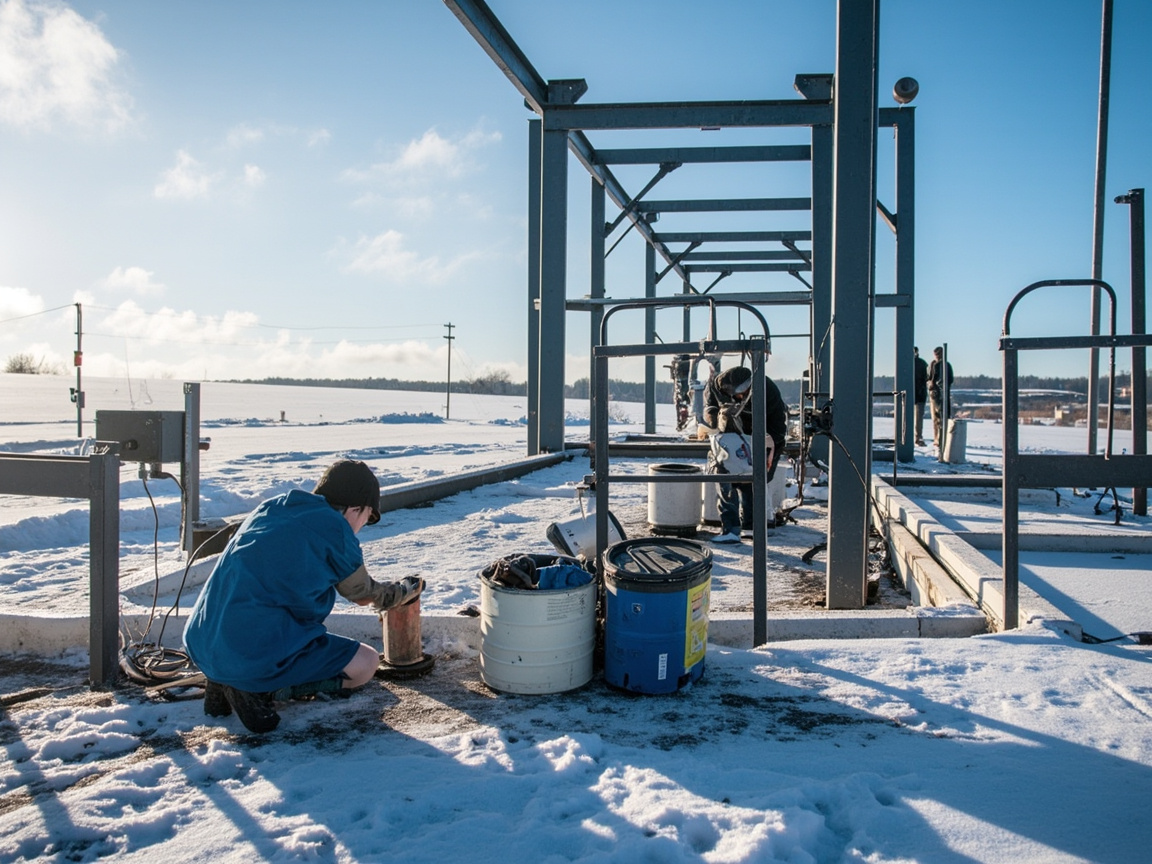
- Low temperature (< 5℃): water evaporation is extremely slow, emulsion may freeze-thaw and break, poor film formation and adhesion. Oil-based relies on solvent volatilization, can be constructed at 0℃ or even lower (with winter thinner).
- High humidity/rainy season: water-based paint has slow surface drying, easy flash rust (metal), easy whitening; oil-based is relatively less affected by humidity.
- Urgent work and poor site conditions: outdoor emergency repair, sites without thermal insulation and dehumidification equipment — oil-based construction has higher tolerance.
This means: outdoor construction in severe winter in the north, emergency repair under time pressure, sites without temperature and humidity control — oil-based is still a pragmatic choice. Of course, this must be weighed against VOC compliance.
VI. Boundary 5: Special Decorative and Functional Coatings
Some special effects and functions are still difficult for water-based to fully replace:
- Extremely high gloss mirror/piano effect: traditional polyester (PE), two-component polyurethane have the deepest accumulation in ultimate full high gloss, still used in some high-end furniture.
- Wood dark transparent grain/open coat: some solvent-based systems are more natural in wood infiltration and grain display.
- Metallic flake/special pigment dispersion: aluminum powder, pearlescent are more stable in solvent-based dispersion; water-based easily has orientation and stability problems.
- High-temperature, wear-resistant, conductive/insulating functional layers: most functional coatings are still mainly solvent-based.
These are not "water-based cannot do it", but "oil-based is more stable at the same cost and maturity", belonging to the exception zone of decoration and function.
VII. Boundary 6: Closed/Internal Working Conditions Without Compliance Pressure
In the following "invisible, not external, low compliance pressure" scenarios, oil-based economy is prominent:
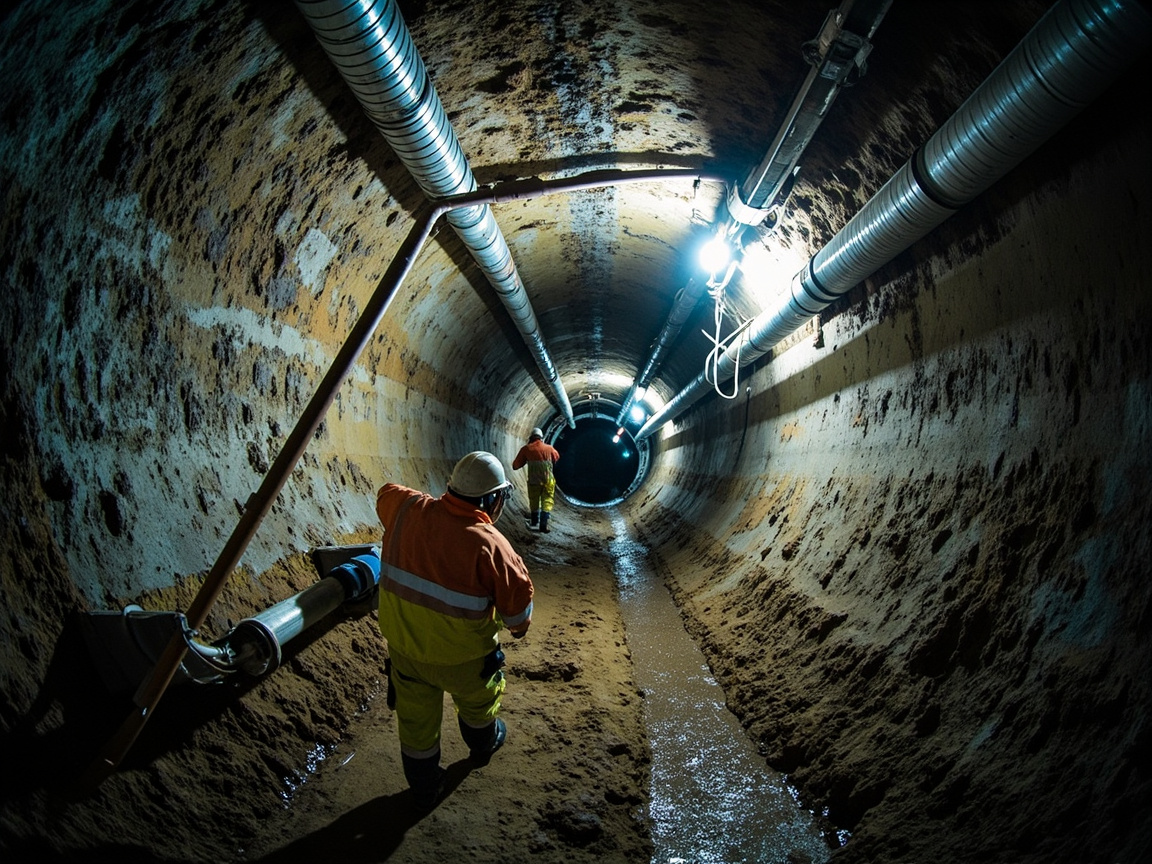
- Underground pipe galleries, buried steel pipe interiors: invisible, focus on protection life; solvent-free/solvent-based epoxy is more reliable.
- Equipment cavities, interlayers: poor ventilation but no need to display externally; oil-based construction is tolerant.
- Disposable/short-life temporary structures: using oil-based to reduce cost is reasonable.
But note: even for internal working conditions, if involving personnel health (toxicity of confined space construction) and waste treatment, water-based or high solid content alternatives should still be evaluated.
VIII. Environmental Compliance Perspective: Oil-Based Is Not Unusable, But Should Be Used Compliantly
Emphasizing "when to use oil-based" does not mean encouraging high pollution. The compliance path for oil-based systems is already mature:
- High solid content (high solids): by increasing solid content and reducing solvent, VOC is pressed close to water-based level while retaining oil-based grade performance, a compromise mainstream for heavy anti-corrosion.
- Solvent-free system: 100% solid content, zero/extremely low VOC, used in extreme environments such as immersion and burial, with both oil-based grade performance and compliance.
- GB 30981 and Ten-ring: Industrial paint VOC is subject to mandatory limits under GB 30981; procurement should request test reports; the "Ten-ring" mark is stricter on VOC and hazardous substances. Even when choosing solvent-based, products that meet the limits should be procured within the limits.
- Process control: Solvent-based construction should be equipped with explosion-proof ventilation and VOC incineration/adsorption treatment to control the emission end.
Conclusion: Using within the solvent-based boundary should be complianced through the "high-solid/solvent-free + compliant products + process control" trio, rather than simply rejected. This does not contradict "water-based priority"; it is a compliant combination under different working conditions.
Nine. Quick reference for engineering scenarios: which specific projects should stick to solvent-based
To put abstract boundaries into specific projects, here is a pragmatic quick-reference table:
| Specific project | Recommended system | Reason |
|---|---|---|
| Offshore platforms, sea-crossing bridges | Solvent-based/solvent-free epoxy + PU | C5, immersion, ultra-long life |
| Chemical storage tank interior | Solvent-free epoxy/phenolic | Strong medium corrosion resistance |
| Oil pipeline interior | Solvent-free epoxy | Resistant to hydrocarbon swelling |
| Exhaust pipes/furnace bodies above 200℃ | Silicone heat-resistant paint | Temperature resistance |
| Outdoor emergency repair in severe northern winter | Solvent-based (winter grade) | Low-temperature film formation |
| High-end piano/mirror furniture | PE/two-component PU | Ultimate decoration |
| Urban indoor furniture | Water-based PU | Environmentally sufficient |
| General industrial equipment C3 | Water-based epoxy + PU | Water-based is competent |
The logic in the table is consistent: Visible, conventional, controllable use water-based; invisible, extreme, long-life stick to solvent-based.
Ten. Hybrid strategy: not either-or, but "layered correct use"
Mature projects often adopt a hybrid/layered strategy rather than purely solvent-based or water-based:
- Heavy anti-corrosion primer + water-based topcoat: Use solvent-free epoxy primer in immersion or C5 environments, and consider water-based or solvent-based topcoat above, adjusted by visibility and compliance.
- Solvent-based transition + water-based topcoat: For old oil-to-water conversion, or substrates requiring ultimate adhesion, use solvent-based/epoxy transition at the base, and water-based at the topcoat to reduce VOC (see old paint renovation topic).
- High-solid compromise: If you don't want traditional high-VOC solvent-based but need solvent-based-grade performance, choose high-solid solvent-based as an intermediate route.
- Zoned selection: Use solvent-based fluorocarbon for harsh exterior of buildings, water-based for visible interior, assigned by exposure level.
This idea of "zoning by working condition, selecting system by layer" is more professional than a one-size-fits-all approach and better fits engineering reality.

Eleven. Trend judgment: will the boundary of solvent-based shrink in the future
Objectively, the "territory" of solvent-based is gradually shrinking, but will not disappear:
- Shrinking parts: Conventional industrial protection, architecture, wood coating fields, water-based/high-solid continuously replace solvent-based, solvent-based share declines.
- Held parts: Extreme working conditions such as immersion, C5, ultra-high temperature, ultra-low temperature construction, ultimate decoration, solvent-based (and solvent-free) remains irreplaceable in the foreseeable future.
- Evolving form: Traditional high-VOC solvent-based will evolve toward "high-solid/solvent-free", solvent-based exists in a more compliant form rather than withdrawing entirely.
Therefore, the pragmatic selection view is: Promote water-based with a developmental perspective, guard the boundary with an engineering perspective. The two coexist long-term.
Twelve. Coordination with Kexin New Materials
Kexin New Materials (kexinMaterials) does both water-based and its supporting solvent-based and high-solid systems, so it can provide solutions from the perspective of "working condition adaptation" rather than "single category":
- Severe corrosion/immersion zone: Provide solvent-free epoxy, solvent-based polyurethane and other heavy anti-corrosion systems, prioritizing life;
- General industry and wood: Mainly promote water-based epoxy, water-based polyurethane, balancing environmental and performance;
- Hybrid projects: Provide oil/water/high-solid combination process cards by "primer—intermediate—topcoat" layers.
When selecting, it is recommended to provide five pieces of information: "corrosion grade (ISO 12944), temperature range, medium contact, visibility/compliance requirements, construction conditions (temperature, humidity, equipment)", and let the technical team judge which parts should guard the solvent-based boundary and which can safely go water-based, rather than being led astray by the slogan "water-based priority".
Thirteen. Common misconceptions
Misconception 1: Water-based is omnipotent, all solvent-based should be eliminated. Wrong. Extreme chemical resistance, heavy anti-corrosion immersion, ultra-long weather resistance, very high temperature, very low temperature construction, special decoration and other working conditions, solvent-based is still more reliable; elimination should be by working condition rather than by category.
Misconception 2: Solvent-based is definitely more durable. Wrong. On conventional indoor wood, general industrial protection, quality water-based systems already match lifespan and are more eco-friendly; solvent-based only excels in the "most harsh" sections.
Misconception 3: Forcibly construct outdoors in severe winter for water-based. Wrong. Under low temperature and high humidity, water-based film formation is poor and adhesion is weak; using solvent-based (with winter thinner) is actually more stable, should be weighed against compliance.
Misconception 4: High decoration must be water-based to be advanced. Wrong. Mirror piano effect, special metallic flake currently more mature in solvent-based; decoration exception zone should be based on effect and life.
Misconception 5: Eco-friendly means "all water-based". Wrong. High-solid, solvent-free are also low-VOC routes, often overlapping with solvent-based technology in heavy anti-corrosion; eco-friendly does not equal single water-based.
Misconception 6: Invisible interior parts should also forcibly go water-based. Need to weigh: interior heavy anti-corrosion life priority, can choose solvent-free/solvent-based; but if involving confined construction toxicity and waste paint treatment, alternative should still be evaluated.
Fourteen. Selection decision checklist and procurement practice
Here is a checkable decision checklist to help judge "when solvent-based should still be used":
- [ ] Long-term contact with strong acid/strong alkali/strong solvent? → Solvent-based priority
- [ ] Belong to C5 or immersion (Im) environment? → Solvent-based/solvent-free priority
- [ ] Require outdoor 15+ years ultra-long weather-resistant decoration? → Solvent-based fluorocarbon/polysiloxane
- [ ] Working temperature > 200℃? → Solvent-based silicone heat-resistant paint
- [ ] Construction temperature < 5℃ or site without temperature/humidity control? → Solvent-based more tolerant
- [ ] Pursue ultimate mirror/special metallic flake decoration? → Solvent-based more mature
- [ ] None of above, and value VOC and compliance? → Water-based priority
If any item is checked, enter the "solvent-based boundary zone", should seriously evaluate solvent-based/solvent-free solutions rather than water-based for the sake of water-based. In procurement and bidding, it is recommended to write "working condition grading + compliance limits + verification period" into technical documents, to avoid engineering risks caused by one-size-fits-all "water-based priority"; for solvent-based parts, clearly require high-solid/solvent-free and GB 30981 compliance, holding the eco-friendly bottom line.
Fifteen. Limitations and risks of solvent-based systems (balanced perspective)
This article advocates "guarding the solvent-based boundary", but absolutely does not beautify solvent-based. It also has obvious shortcomings that must be weighed in selection:
- VOC and compliance pressure: Traditional solvent-based has high VOC, subject to mandatory limits such as GB 30981, procurement and construction treatment costs rise.
- Construction toxicity and fire: Organic solvents are flammable, explosive, strongly irritating, require explosion-proof ventilation and protection, high risk in confined spaces.
- Health and environment: Solvent volatilization affects construction worker health, increases carbon emissions and ozone formation.
- Cost trend: With environmental tax and treatment investment rising, the comprehensive cost advantage of traditional high-VOC solvent-based is narrowing.
Precisely for this reason, "using solvent-based" should be a working-condition-driven rational choice, not habit or laziness. Using within the boundary and compliancing it with high-solid/solvent-free and process control is the correct balanced posture.
Sixteen. Industry-specific boundary examples: automotive/marine/bridge/furniture
Putting boundaries into industries is more intuitive:
| Industry | Water-based parts | Still solvent-based/solvent-free parts | Reason |
|---|---|---|---|
| Automotive | Intermediate coat, topcoat (partially water-based) | Engine compartment, chassis armor | Extreme temperature and corrosion resistance |
| Marine | Superstructure water-based | Ballast tank, below waterline | Immersion, C5 |
| Bridge | General steel structure water-based | Sea-crossing section, ultra-long weather-resistant topcoat | C5, ultra-long life |
| Furniture | Mainstream water-based for indoor wood | High-end mirror / open-grain finish | Ultimate decoration |
| Wind power | Partial water-based for towers | Blade topcoat, offshore foundations | Super weather-resistant, immersion |
It can be seen that every industry follows a pattern of "water-based as the mainstay, paint as a supplementary boundary" rather than all-or-nothing.
17. The Three Questions Decision-Makers Ask Most Often
- Q: The leadership requires full water-based, but the working conditions truly require paint. What to do? A: Persuade with "condition grading + compliance达标" — list the parts that must use paint separately, require high-solid / solvent-free and compliance with GB 30981, thus upholding both the engineering bottom line and the environmental bottom line.
- Q: Limited budget, can we use cheap paint entirely? A: For conventional visible areas, water-based is more compliant and not necessarily higher in long-term cost; use paint only in extreme conditions to avoid cutting corners across the board and burying hazards.
- Q: How to prove to clients that the selection is reasonable? A: Provide four bases: corrosion grade, temperature, medium, and compliance, along with samples and test data, turning "experience judgment" into a "condition evidence chain".
18. Safety and Occupational Health Key Points for Paint Application
When using paint within the boundary, safety must be the top priority:
- Explosion-proof and ventilation: Solvents are flammable and explosive; construction sites must forbid open flames, equip explosion-proof electrical appliances and mechanical ventilation, and keep solvent vapor concentration under control.
- Personal protection: Applicators must wear防毒 masks, solvent-resistant gloves, and goggles to avoid skin and respiratory contact.
- Confined spaces: Work in tanks, pipe galleries, etc. requires forced ventilation, gas detection, and dedicated supervision; solo operation is prohibited.
- Fire management: Equip the site with fire extinguishers; solvent drums must be sealed and stored away from heat sources; waste solvent must be collected in dedicated drums.
- Health records: Personnel with long-term exposure must undergo regular occupational health examinations, with pre-job and in-job physical checks implemented.
Safety is the bottom line for using paint within the boundary. A compliant paint scheme = compliant products + process control + rigorous safety management; none of the three can be omitted.
19. Looking at the Overall Account of Paint and Water-Based from the Full Life Cycle
Stepping out of "unit price" to see the overall account allows more rational judgment of the boundary:
- One-time investment: Traditional high-VOC paint materials often have the lowest unit price, but require supporting explosion-proof, ventilation, and VOC treatment equipment.
- Operation and maintenance cost: Under extreme conditions, paint has long life and zero maintenance, making it more economical overall; under conventional conditions, water-based life is already comparable and more compliant.
- Risk cost: Paint application carries higher risks of toxicity, fire, and environmental penalties, which must be counted as hidden costs.
- Residual value and social cost: Low-VOC schemes have lower external costs in carbon emissions and health, and are the direction encouraged by policy in the long run.
The balanced conclusion is: Within the paint boundary, choose compliant paint of high-solid / solvent-free and fully implement safety and control; outside the boundary, firmly use water-based. This yields the optimal overall account and best fits the dual rationality of engineering and environmental protection.
20. Final Reminders for Selectors
Returning to the opening statement: Water-based solves most, paint holds the most stringent. A truly professional coating decision is not about labeling "water-based priority" or "paint reliable", but breaking down the working conditions into six dimensions — corrosion grade, temperature, medium, visibility, compliance, and construction conditions — and checking them against the boundary one by one. When you can clearly state "why this part must use paint, and why that part can safely use water-based", selection is no longer a slogan but a defensible engineering judgment. Write this judgment into the technical specification, so that the client, contractor, and supplier can dialogue on the same evidence chain, avoiding later disputes over "why was it chosen back then". This is also the underlying logic of Kexin New Materials' "condition grading, combined oil-water use" adhered to in multiple projects: not偏废 to cater to slogans, but selecting based solely on engineering truth and data.
FAQ
1. Should water-based replace paint in all working conditions?
No. Water-based already covers most conventional conditions (indoor wood, general industrial protection, building exterior walls), but in harsh scenarios such as strong chemical resistance, heavy anti-corrosion immersion, ultra-long weather resistance, extremely high temperature, extremely low temperature application, and special decoration, paint remains more reliable.
2. Which chemical-resistant scenarios still must use paint?
Inner walls of chemical storage tanks, acid-alkali pools, electroplating lines, and oil pipeline inner walls that are in long-term contact with strong acids, strong alkalis, and organic solvents require extremely high cross-link density and swelling resistance; solvent-based epoxy / phenolic / polyurethane are more stable.
3. Why is paint still used for heavy anti-corrosion C5 and immersion zones?
Such environments demand extremely high film density, cathodic disbondment resistance, and thick-film reliability; solvent-free epoxy and solvent-based polyurethane have the deepest accumulation and longest verification, while water-based is still catching up in long-term heavy anti-corrosion.
4. Should outdoor sun-exposed decoration choose water-based or paint?
For conventional building exterior walls, water-based is already mainstream; but for high-decoration scenarios requiring 15–20 years of ultra-long weather-resistant gloss retention (bridges, wind power, signage), paint fluorocarbon, aliphatic PU, and polysiloxane are more mature.
5. Can water-based paint be applied outdoors in winter?
Below 5℃, water-based has poor film formation, is prone to freeze-thaw breaking emulsion, and has weak adhesion; at this time, paint (with winter thinner) has higher application tolerance. It should be weighed against VOC compliance rather than forcing water-based.
6. What paint for high-temperature conditions (>200℃)?
Water-based systems hardly withstand high temperature; paint silicone heat-resistant paint can work long-term at 200–600℃, which is the practical choice for such conditions.
7. Can special decorative effects (mirror, metallic flash) be done with water-based?
Partially yes, but traditional PE and two-component PU have deeper accumulation in ultimate full high gloss and aluminum powder pearlescent orientation stability; high-end decoration still mostly uses mature-category paint.
8. Is there an "intermediate route that is neither paint nor traditional water-based"?
Yes. High-solid and solvent-free systems are an intermediate route with low VOC while retaining paint-grade performance, often used in heavy anti-corrosion; a layered hybrid strategy of "paint primer + water-based topcoat" can also be adopted.
9. Can Kexin New Materials help judge whether to use paint or water-based?
Kexin New Materials (kexinMaterials) possesses both water-based and its supporting solvent-based / high-solid systems, and can provide a layered scheme of "which parts hold the paint boundary, which can be water-based" based on corrosion grade, temperature, medium, compliance, and construction conditions.
10. Will the paint boundary be completely eaten up by water-based in the future?
No. Water-based continues to replace in conventional fields, but extreme conditions such as immersion, C5, ultra-high temperature, ultra-low temperature application, and ultimate decoration will remain irreplaceable by paint (and solvent-free) in the foreseeable future; traditional high-VOC paint will evolve toward high-solid / solvent-free.
Further Reading
- Water-Based Epoxy vs Solvent-Based Coatings: Performance, Application and Applicable Boundaries: Understand from a comparative perspective what water-based epoxy can replace and where it still yields to solvent-based at the boundary.
- Green Transition of Industrial Coating: Path, Boundary and Compromise of Oil-to-Water: Place "when to use paint" into the broader green transition, understanding hybrid strategy and phased replacement.
- How to Select Water-Based Industrial Coatings under Oil-to-Water: Resin Systems and Applicable Conditions: From a positive angle, give the conditions water-based can cover, complementing the "paint boundary" of this article.
- Alkyd Anti-Rust Primer: Iron Red / Gray Anti-Rust, Application Characteristics and Limitations
- Aliphatic and Aromatic Polyurethane Topcoat: Weather Resistance, Gloss and Yellowing Comparison