With the growing demand for high-performance coatings in construction, home decoration, and industrial sectors, nano paints have gradually become a focal point of the industry due to their excellent functionality. Nanotechnology imparts coatings with higher density and stability, enabling superior anti-corrosion, weather resistance, anti-fouling, and antibacterial properties that traditional paints cannot match. Understanding the core characteristics of nano paints and mastering scientific selection principles for nano coatings are of great significance for both enterprise users and end consumers seeking to improve coating quality.
1. Core Features of Nano Paint
1. Super Weather Resistance
Nanostructured particles exhibit higher surface activity and better UV stability, enabling nano-coatings to maintain a longer service life in outdoor applications. Whether in high-temperature, rain-and-snow, or intense UV environments, nano-coatings can preserve excellent color stability and surface integrity. Such weather-resistant coatings are especially suitable for building facades, metal enclosures, and equipment protection in exposed environments.
2. Self-cleaning and anti-fouling properties
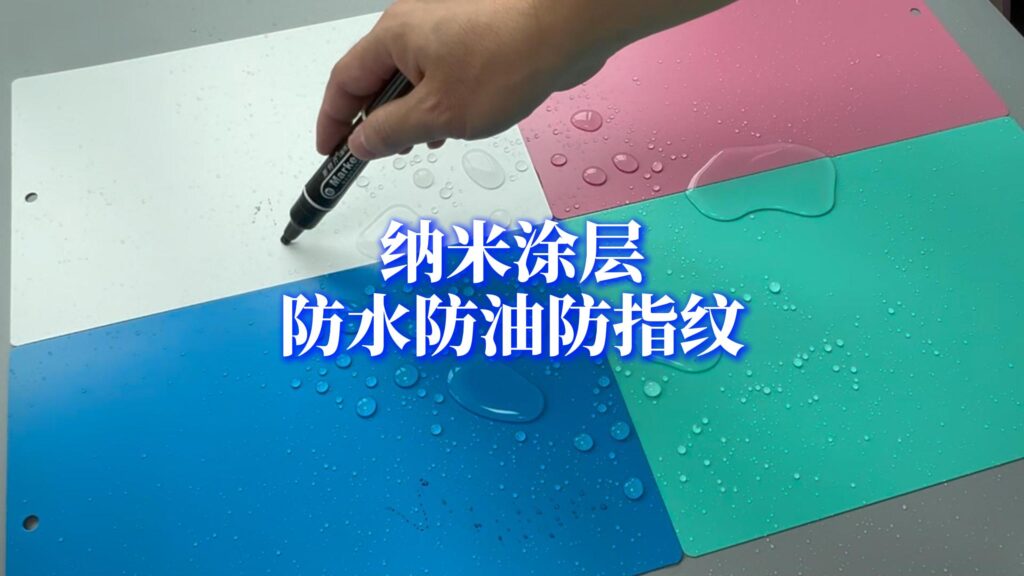
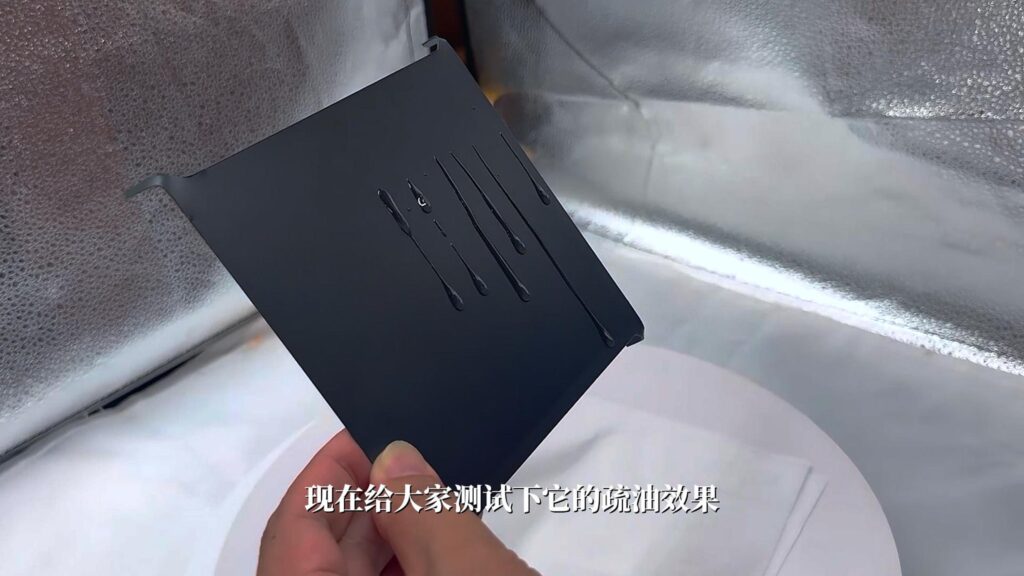
Hydrophobic and oleophobic particles added to nano coatings form a low-surface-energy nano film that can automatically carry away dust and stains under rainwater washing, producing a self-cleaning behavior similar to the "lotus leaf effect." This self-cleaning coating offers significant advantages in glass curtain walls, exterior wall painting, and home decoration, maintaining a clean surface over the long term and reducing cleaning and maintenance costs.
3. Higher density and corrosion resistance
Nanoparticles fill the micropores of conventional coating systems, making the coating structure denser and effectively blocking the intrusion of moisture, salts, and chemical media. For environments such as steel structures, mechanical equipment, and marine engineering, nano paints can significantly extend the corrosion cycle of metal substrates, serving as a highly efficient anti-corrosion coating solution.
4. Strong Adhesion and Wear Resistance
Nanotechnology enhances coating hardness and reduces damage caused by daily friction. Nano-coatings exhibit excellent wear resistance on wooden doors, stair handrails, machinery housings, and similar surfaces. In addition, strong adhesion enables the coating to perform stably on various substrates such as metal, plastic, and glass, minimizing peeling and cracking.
5. More flexible functional extensions
Nanocoatings can achieve various properties such as antibacterial, antimold, radiation-resistant, thermal insulation, and flame-retardant performance by incorporating different functional particles. For example, nano-titanium dioxide exhibits a photocatalytic effect, which can decompose organic stains and purify the air. This makes nano-paint an important development direction for new functional coating systems.
II. Application Fields of Nanocoatings
- Building exterior walls and curtain wall systems: Enhance weather resistance and self-cleaning capability.
- Industrial Equipment Protection: Enhances anti-corrosion and chemical corrosion resistance performance.
- Home decoration field: wall stain resistance, cabinet wear resistance, floor scratch resistance.
- Vehicle surfaces: Anti-fouling and anti-corrosion protection for automobiles, ships, and rail equipment.
- Electronic product protective layer: Enhances hardness, anti-fingerprint and wear resistance.
- Medical and Public Scenarios: Apply antibacterial nano-coatings to enhance hygiene levels.
3. How to choose a nano coating?
1. Define the application environment
Outdoor weather resistance → Choose weather-resistant coatings
Kitchen, school, medical → Prioritize antibacterial, eco-friendly nano-coatings
Metal equipment → Choose anti-corrosion coatings or chemical-resistant systems
Selecting functional coatings based on the application scenario is key to enhancing performance.
2. Focus on core components and nanoparticle types
Common nanomaterials include:
- Nano silica (anti-fouling, self-cleaning)
- Nano titanium dioxide (antibacterial, photocatalytic)
- Nano zinc oxide (UV-resistant)
- Nano alumina (enhances hardness)
Different particles provide completely different properties, and the coating system should be determined based on actual requirements.
3. View the physical and chemical property data of the coating
For example:
- adhesion grade
- weathering resistance hours
- Salt spray test results
- Whether the surface contact angle meets the hydrophobic requirement
These indicators directly determine the actual service life and quality of the nano-coating.
4. Is the construction support facilities complete
High-quality nano coatings require dedicated primers, application tools, and standardized procedures to ensure optimal coating performance, which is especially critical for metal or complex substrates.
5. Brand Reliability and Professional Support
Choosing a factory or brand with R&D capability, production strength, and technical guidance can better ensure stable application performance.

Summary
Leveraging their weather resistance, self-cleaning, corrosion resistance, wear resistance, and multifunctionality, nano coatings have become the mainstream direction in high-end painting fields. When selecting nano coatings, users should make a comprehensive judgment based on multiple aspects such as performance requirements, material types, test data, and brand strength, so as to achieve long-term and reliable protection.