Polyurethane varnish (PU Varnish) is the most common transparent protective clear coat for wood, floor, steel structures, and automotive topcoats. Its core value is "transparent + high gloss + weather resistance"—it must let the substrate's grain and color show through, while not yellowing or losing gloss over time. However, users are often misled by "never yellowing" marketing when purchasing—in fact, whether polyurethane varnish yellows depends fundamentally on whether the curing agent is aliphatic or aromatic, whether the formulation contains a UV stabilization system, and whether the service environment involves long-term exposure. Many projects mistakenly apply indoor aromatic varnish outdoors, and after a few years the entire surface yellows; the root cause is a failure to understand the yellowing mechanism.
As a technical supplier of industrial protective coatings, Kexin New Materials (kexinMaterials) has accumulated extensive data on yellowing-resistant formulations and配套 of polyurethane varnish. This article will systematically break down the key technologies for yellowing resistance of polyurethane varnish—from the chemical nature of yellowing, aliphatic curing agent selection, UV stabilization systems, gloss retention testing, to selection pitfalls—helping you turn "non-yellowing" from a slogan into a verifiable metric.
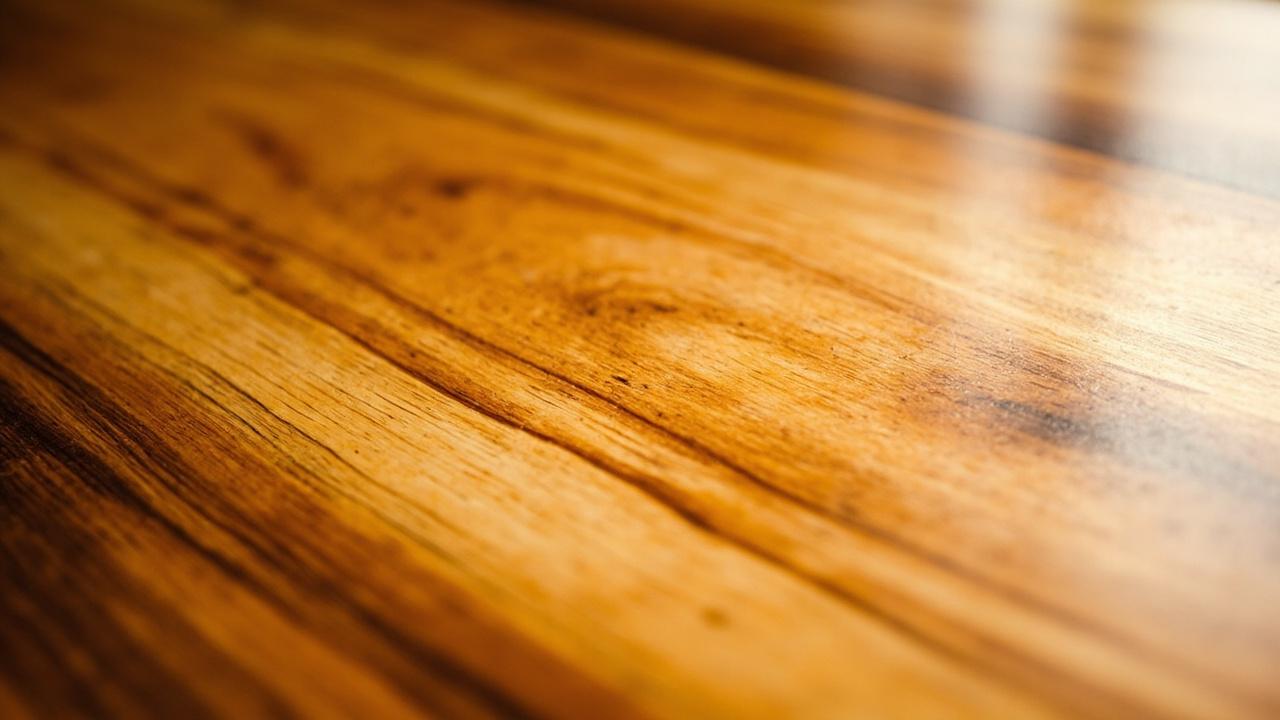
I. Why Polyurethane Varnish "Yellows"
The yellowing of polyurethane varnish is a phenomenon in which molecules undergo chemical degradation under the action of light, heat, and oxygen, generating conjugated chromophores (causing the film to appear yellow). The sources are mainly three types:
First, the isocyanate type determines the stability of the base color. Aromatic isocyanates (TDI, MDI) contain benzene rings in their molecules; under UV irradiation, the benzene rings oxidize to form quinone structures, azo, conjugated double bonds, and other chromophores, manifesting macroscopically as yellowing and chalking. In contrast, aliphatic (HDI) and cycloaliphatic (IPDI, HMDI) contain no easily oxidized aromatic conjugated rings, have stable structures, and exhibit excellent long-term outdoor gloss and color retention. This is the primary root of the yellowing difference.
Second, oxidation of resin and additives. Some polyester polyols contain easily oxidized unsaturated bonds or residual catalysts (amines) that also yellow under thermal oxidation; cheap plasticizers and driers may likewise cause yellowing. Quality formulations use yellowing-resistant polyester or polyether polyols and control residual catalysts.
Third, environmental synergy. High temperature, high humidity, strong UV, and pollutants (NOx, SOx) accelerate yellowing. Indoor low-light environments see very slow yellowing of aromatic varnish, but once moved to a window side or outdoors, the difference appears immediately.
According to the accelerated aging methods of ISO 4892 (Plastics—Laboratory light sources exposure) and GB/T 1865 (Paints and varnishes—Artificial weathering), quality aliphatic PU varnish shows high gloss retention and small Δb (yellowing index) change after thousands of hours of xenon lamp/QUV aging; whereas aromatic systems often yellow noticeably within hundreds of hours.
II. Aliphatic Curing Agents: The Roles of HDI and IPDI
Polyurethane varnish is a two-component system: the main paint contains hydroxyl resin (acrylic, polyester, polyether-modified hydroxyl acrylate, etc.), and the curing agent contains polyisocyanate. Yellowing-resistant varnish curing agents are almost invariably aliphatic/cycloaliphatic:
- HDI (Hexamethylene diisocyanate) trimer: Aliphatic straight chain, excellent weather resistance and flexibility, the mainstream for wood and automotive varnish. According to industry data, HDI-type varnish excels in gloss and color retention, but HDI vapor is a respiratory sensitizer; protection is required during application (per GBZ 2.1 and OSHA PEL).
- IPDI (Isophorone diisocyanate): Cycloaliphatic, slightly higher hardness and chemical resistance, also good weather resistance, commonly used in industrial and wood applications.
- HMDI (Hydrogenated MDI): Cycloaliphatic, balanced flexibility and weather resistance.
In contrast, TDI/MDI aromatic curing agents are low-cost and high-hardness but severely yellow, suitable only for indoor or non-exposed industrial primers and intermediate coats, and never for transparent topcoat outdoors.
For an in-depth comparison of the two isocyanate types, refer to this batch's article Aliphatic and Aromatic Polyurethane.
III. UV Stabilization System: The Varnish's "Sunscreen"
Relying on aliphatic curing agents alone is not enough; quality yellowing-resistant varnish also adds a UV stabilization system, equivalent to applying sunscreen to the film:
- UV Absorber (UVA, e.g., benzotriazole, triazine): Absorbs 300–400 nm UV, dissipates as heat, preventing UV from entering the film and breaking chemical bonds. Per formulation experience, UVA is concentrated on the film surface and depletes fast, requiring synergy with HALS.
- Hindered Amine Light Stabilizer (HALS): Captures free radicals, breaks the oxidation chain, and suppresses degradation. HALS does not absorb UV but provides long-term stability; combined with UVA it is standard practice for weather-resistant varnish.
- Antioxidant: Suppresses thermal-oxidative degradation, reducing yellowing from storage and application heat.
These additives manifest in GB/T 1865 xenon aging and ISO 11341 as slower gloss loss and smaller Δb. It must be noted: additives "slow down" rather than "eliminate" yellowing; any organic coating will slowly age outdoors over time, but the aliphatic + UVA + HALS system postpones yellowing to an engineering-acceptable range (usually several years or more).
IV. Test Methods for Gloss Retention and Yellowing
Quantifying "yellowing resistance" relies on standard tests:
- Xenon arc aging (GB/T 1865 / ISO 11341): Simulates full-spectrum daylight, measuring post-aging gloss retention (60° gloss, per GB/T 9754 / ISO 2813) and color difference (ΔE, Δb, per GB/T 11186 / ISO 7724).
- QUV (UV fluorescent, per ISO 4892-3 / ASTM G154): Accelerates UV-band aging, quickly distinguishing aliphatic from aromatic.
- Yellowing index Δb: The transparent nature of varnish makes Δb (yellow-blue axis color difference) more sensitive to yellowing than ΔE.
- Natural exposure (Florida / Hainan, etc.): Field long-term verification; multi-year data is most authoritative but long-cycle.
Per public TDS experience, quality aliphatic PU varnish often has > 80% gloss retention after 1000 h xenon aging, with very small Δb change; aromatic systems show sharp gloss drop and significant positive Δb shift (yellowing) within hundreds of hours. When selecting, require the supplier to provide corresponding aging reports rather than verbal "non-yellowing" promises.
V. Yellowing-Resistance Differences in Wood and Floor Varnish
Different substrates have different sensitivity to yellowing:
Wood varnish: Light-colored woods (white oak, maple, pine) are extremely sensitive to yellowing; once the varnish yellows the whole furniture looks old, so aliphatic + light stabilization system is mandatory. Dark woods (walnut, teak) tolerate yellowing better, but yellowing-resistant formulations are still recommended for long-term appearance.
Floor varnish: Indoor epoxy/PU floors are mostly pigmented systems, where yellowing has little impact; but transparent topcoat or light-colored self-leveling using the wrong curing agent will yellow and darken over time. Outdoor floor topcoat must use aliphatic PU.
Steel structure / automotive clear coat: Transparent or natural-color clear coat outdoors long-term, aliphatic is the baseline; automotive varnish is especially HDI aliphatic standard (see the HDI analysis in the whitelist 2K Polyurethane Varnish).
VI. Influence of Application and Storage on Yellowing
Yellowing is not only in formulation, but also in application and storage:
- Incorrect ratio: Insufficient curing agent leads to incomplete resin crosslinking, free components easily oxidize and yellow; excess results in residual —NCO reacting with moisture to form amines that yellow. Strict ratio see this batch's Two-Component Coating Mixing Ratio.
- High ambient humidity: —NCO meets water to generate amine by-products, yellowing and losing gloss of the film. Application humidity should be ≤ 70%.
- Drier/amine residues: Some amine curing agents (e.g., polyamide) themselves yellow easily, should be avoided in outdoor transparent topcoat.
- Storage: Varnish and curing agent stored away from light, cool, sealed and moisture-proof; aromatic curing agent may darken after long storage, check before use.
- Baking temperature: Over-baking (uncontrolled plate temperature) causes resin thermal degradation yellowing; temperature control is key.
VII. Performance Balance of Yellowing-Resistant Varnish
Yellowing resistance often comes at the cost of some performance, requiring balance:
| Dimension | Aliphatic PU Varnish | Aromatic PU Varnish |
|---|---|---|
| Yellowing resistance | Excellent | Poor (easily yellows) |
| Weather gloss retention | Excellent | Poor |
| Hardness/chemical resist | Good | Excellent (some) |
| Cost | Higher | Low |
| Application | Outdoor/transparent/light-color | Indoor/non-exposed/dark-color |
Aliphatic varnish excels in flexibility and gloss retention; aromatic excels in hardness and cost but yellows. For transparent topcoat outdoor scenarios, yellowing resistance has the highest priority, and aliphatic should be selected.
VIII. Yellowing Resistance vs. Water-Based Polyurethane Varnish
Water-based PU varnish uses water as medium, low VOC, safer (friendly per GB 30981 indoor limits). Its yellowing resistance also depends on isocyanate type: water-based aliphatic PU varnish has excellent yellowing resistance; some one-component water-based PU (self-crosslinking) contains no free —NCO, with lower yellowing risk but slightly inferior resistance. Water-based systems are more sensitive to temperature and humidity during application; coalescing agents and drying window affect final weather resistance, requiring balance between green and performance.
IX. Selection Pitfall Checklist
- Outdoor / light-colored / transparent → must use aliphatic (HDI/IPDI) + UVA+HALS;
- Require suppliers to provide xenon lamp / QUV aging reports and Δb data, not verbal promises;
- Strict two-component mixing ratio and pot life, moisture-proof construction;
- Indoor non-exposed-to-sunlight may choose aromatic to reduce cost, but transparent light-colored still recommended aliphatic;
- VOC and indoor: prioritize water-based aliphatic PU, compliant with GB 30981, GB 50325;
- Acceptance: gloss retention, Δb, adhesion, hardness tested per standards.
Kexin New Materials (kexinMaterials) mainly promotes aliphatic HDI systems for wood and floor transparent clear coats, and standardizes UVA+HALS light stabilization packages, treating yellowing resistance as a hard formulation indicator and providing aging data, to prevent customers from failing on light-colored projects.
X. Common Defects and Troubleshooting
| Defect | Main Cause | Countermeasure |
|---|---|---|
| Yellowing | Aromatic curing agent / UV exposure | Switch to aliphatic, add light stabilizer |
| Loss of gloss | Aging / wrong ratio / high humidity | Control ratio, moisture-proof, weather-resistant system |
| Stickiness | Wrong ratio / NCO consumed by water | Strict ratio, moisture-proof |
| Cracking | Excessive film thickness / hard and brittle | Control thickness, choose flexible system |
XI. Applications of Polyurethane Varnish Beyond Wood and Floor
Besides wood and floor, aliphatic PU varnish is widely used for automotive OEM and refinish paint clear coats (see 2K polyurethane varnish technology), wind turbine blade leading-edge protection, rail transit vehicle decorative clear coats, and plastic part UV-curable varnish. Common logic: transparent, gloss and color retention, weather resistance, scratch resistance. Different substrates have different requirements for adhesion and flexibility; automotive clear coat emphasizes leveling and gloss, blade varnish emphasizes elasticity and rain erosion resistance, plastic varnish emphasizes adhesion and low shrinkage.
XII. Balance Between Gloss Retention and Scratch Resistance of Varnish
High gloss relies on good leveling and low surface defects; but hard and glossy varnish easily shows scratches. Scratch resistance depends on increasing crosslink density and introducing nano-SiO₂, silicone and other additives, yet may sacrifice flexibility and recoatability. In engineering, select gloss and hardness according to substrate abrasion level, and evaluate per GB/T 6739 pencil hardness, GB/T 9279 scratch test. Once transparent varnish is scratched, repair requires overall recoat or local polishing, so prevention is better than cure.
XIII. Storage and Construction Anti-Yellowing Discipline for Varnish
Storage: aliphatic curing agent (HDI/IPDI) must be sealed, moisture-proof, cool, used up quickly after opening; stored separately from main agent to prevent accidental mixing. Construction: strictly weigh by equivalent ratio (NCO/OH about 1.0–1.1), control ambient humidity within allowable range (generally relative humidity <85%, see TDS for details), avoid condensation and free water; tools clean and free of amine contamination; avoid high-temperature baking during curing to prevent thermal degradation. Any moisture exposure or ratio error will bury hidden risks of yellowing and gloss loss.
XIV. Yellowing Resistance and Limitations of Water-Based Polyurethane Varnish
Water-based aliphatic PU is also yellowing resistant; single-component self-crosslinking type has no free —NCO, lower yellowing risk and smaller VOC, suitable for indoor wood and floor; but water and chemical resistance and crosslink density are usually lower than two-component solvent-based, so 2K system is still selected for heavy-duty scenarios. For selection, check VOC per GB 30981, and determine type by usage environment.
XV. Relationship Between Film Thickness and Gloss of Varnish
Varnish film thickness directly affects gloss and fullness: too thin reveals substrate and uneven gloss; too thick sags, slow surface dry and easily picks up dust. Aliphatic PU clear coat single pass DFT often 30–60 µm, apply two passes if needed. Film thickness must be back-calculated from volume solids, and verified by thickness measurement per GB/T 13452.2. "Transparent" of clear varnish does not mean "thin"; sufficient film thickness ensures weather resistance and scratch resistance.
XVI. Compatibility Taboos Between Varnish and Substrate
Varnish directly over alkaline substrate (e.g., unsealed cement) will whiten due to alkali migration and poor adhesion, so sealing primer is required first. Hard varnish over soft substrate (some plastics, elastic PU) easily cracks, so flexible matching system or elastic transition layer must be selected. Wood must control moisture content, otherwise blistering under varnish. Substrate judgment is the prerequisite for varnish success.
XVII. Repair Strategy After Varnish Aging
Outdoor varnish aging manifests as gloss loss, yellowing (aromatic), chalking or scratching. Slight gloss loss can be restored by polishing; yellowing (aromatic) is irreversible and must be recoated; chalking must be sanded to sound layer then coated with aliphatic. Before repair, do adhesion test; if interlayer is weak, full rework is required. Use same-type aliphatic system for repair to avoid secondary errors.
XVIII. Environmental Regulations and Future Trends of Varnish
With GB 30981-2020 and VOC charges in various regions, solvent-based varnish is transforming to high-solid, water-based, UV-curable. UV-curable PU acrylate is efficient, near zero VOC, suitable for flat parts; water-based aliphatic PU suitable for complex parts and indoor. Trend is to maintain weather resistance under low VOC, and selection should keep up with regulations and process capability.
XIX. Differences Between Automotive Refinish and OEM Varnish
OEM paint is baked at high temperature, more complete crosslinking and higher resistance; refinish paint cures at room temperature, limited by construction conditions. Both use aliphatic HDI system for gloss and color retention, but baked type has higher performance ceiling. Refinish must match OEM gloss and interlayers to avoid visible patch boundaries. Understanding the difference helps set reasonable acceptance expectations.
XX. Revisiting Balance Between Hardness and Flexibility of Varnish
Hard varnish resists scratches but cracks easily, flexible varnish resists impact but scratches easily. Balance relies on resin selection and crosslink density: automotive clear coat偏向 hard high gloss, plastic parts偏向 flexible bend-resistant. Select hardness by substrate deformation, and quantify per GB/T 6739, GB/T 9279. There is no universal hardness, only hardness matching working conditions.
XXI. Environmental Control Checklist for Varnish Construction
Temperature 15–30℃, relative humidity <85% (see TDS), dust-free and no condensation, substrate clean and dry. High humidity is the primary cause of PU varnish bubbling and yellowing, so dehumidify or switch to moisture-curing type. Spray pressure and atomization affect leveling and gloss. Posting environmental control checklist on wall is the prerequisite for first-time pass of varnish.
XXII. Cost Structure Analysis of Varnish
Varnish cost = resin (aliphatic HDI expensive) + light stabilizer + construction loss + rework risk. Saving on curing agent type may lose on yellowing rework. Spend where needed for transparent / outdoor / light-colored scenarios, save for indoor dark colors. Transparent cost structure helps owners understand price difference reasonableness.
XXIII. Selection Principles of Light Stabilizers for Varnish
UVA absorbs UV, HALS captures free radicals, the two are synergistic. Aliphatic system still needs combination, otherwise long-term aging is irreversible. Selection by substrate exposure intensity: high addition for strong outdoor UV, low for indoor. Excess light stabilizer affects leveling and recoat, so balance per TDS.
XXIV. Interlayer Stress Between Varnish and Primer
Hard varnish over soft primer easily cracks due to shrinkage stress, especially wood and plastic. Design with transition layer or flexible varnish to match deformation. Interlayer stress is invisible failure source of transparent clear coat; selection must see whole coating modulus gradient, not just topcoat.
XXV. Shelf Life and Performance Decay of Varnish
Unopened varnish has shelf life; beyond that curing agent viscosity rises, —NCO drops, affecting crosslinking. Store cool and moisture-proof, first-in first-out. Use up quickly after opening, remaining nitrogen-filled and moisture-isolated. For overdue material, do small sample verification before use to avoid whole batch performance drop.
XXVI. Construction Tools and Cleaning of Varnish
Spray gun, roller, scraper must be dedicated and cleaned immediately, residual cured material causes particles and craters. Two-component spray gun flush mixing head after each use to prevent gel. Tool management is invisible link of varnish appearance quality, often overlooked but greatly affects.
XXVII. Packaging and Transportation Points of Varnish
Varnish two-component separately packed, transported avoiding light and heat, curing agent moisture-sensitive must be strictly sealed. Anti-freeze in winter, anti-high-temperature in summer, transport compliant with hazardous chemical management. Packaging and transportation affect arrival quality, often overlooked but directly related to construction success. Upon arrival, first check batch number and shelf life before use.
XXVIII. Chemical Resistance Boundary of Varnish
Aliphatic polyurethane varnish has excellent weather resistance, but chemical resistance is not its strength. For strong alkali, strong solvent and high-temperature media, varnish is still limited; parts contacting media should still use epoxy or lining mainly. Understand chemical resistance boundary, avoid misusing transparent clear coat in corrosive environment. Division of weather resistance and chemical resistance is basic common sense of配套 design, not to be confused.
XXIX. Storage Stability Data of Varnish
Unopened varnish has nominal shelf life; beyond that curing agent viscosity rises, effective content drops, affecting final crosslinking. Store cool and moisture-proof, first-in first-out. Use up quickly after opening, remaining components nitrogen-filled and moisture-isolated. Upon arrival first check batch number and shelf life, overdue material do small sample verification before use, avoid whole batch performance drop.
XXX. Re-emphasizing Three Elements of Varnish Construction Environment
Temperature, humidity, cleanliness are three elements of varnish construction. Temperature controls leveling and surface dry, high humidity causes bubbling and yellowing, cleanliness determines appearance. Three elements often overlooked but decide success; should be posted as checklist. If environment not up to standard, rather stop work than construct with defects, otherwise rework cost far exceeds schedule loss.
XXXI. Industry Application Map of Varnish
Wood, automotive OEM and refinish, plastic parts, wind turbine blade leading edge, rail transit vehicles all widely use aliphatic PU varnish. Each scenario has different focus: wood emphasizes clarity, automotive emphasizes leveling and gloss, blade emphasizes elasticity and rain erosion resistance. Map shows application diversity, also indicates substrate difference determines formulation difference, not one-size-fits-all.
XXXII. Gloss Level Selection of Varnish
Varnish by gloss divided into high gloss, semi-gloss, matte. High gloss strong decoration but shows scratches, matte subtle but easily hides dirt. Select by substrate abrasion and aesthetics. Gloss level should be set at design stage, and keep sample for comparison. Gloss is first visual indicator of varnish, wrong selection causes later complaints and rework.
XXXIII. Recoat Interval Window of Varnish
Varnish recoat must be within applicable interval: too short solvent retention, too long to ensure interlayer, must scuff. Interval window determined by formulation and environment, written into process card. Missed window recoat easily interlayer peeling, invisible failure source of transparent clear coat. Strict on-site time interval record is traceable guarantee of recoat quality.
XXXIV. Defect Diagnosis Process of Varnish
Varnish defects first classify: gloss loss, yellowing, orange peel, crater, bubble, scratch. Each type corresponds to different cause: yellowing mostly aromatic or moisture, bubble mostly high humidity, orange peel mostly poor atomization. Establish diagnosis process, infer cause from appearance, avoid blind rework. Accurate diagnosis enables correct repair, reduce material and labor waste.
XXXV. Supplier Audit Checklist of Varnish
Audit see: isocyanate type declaration, —NCO content, solids, weather resistance report, VOC test, TDS and MSDS complete. Checklist audit prevents inferior substitution. Key items require xenon lamp aging gloss retention data, not verbal promise. Supplier capability determines final varnish performance, audit is indispensable link.
XXXVI. Construction Tool Management of Varnish
Spray guns, rollers, and scrapers must be dedicated and cleaned immediately; residual cured material causes particles and craters. For two-component spray guns, flush the mixing head after each use to prevent gelling. Tool management is an invisible link to the appearance quality of varnish—often overlooked yet hugely impactful. Establish a tool ledger and cleaning system, and assign management responsibilities to specific people. Clean tools mean clean paint films; details determine the level of quality.37. Market Selection Recommendations for Varnish
When selecting varnish, look at four things: isocyanate type, weather resistance report, VOC test, and supplier service. The market is mixed; low prices are mostly aromatic or low solid content. It is recommended to check item by item against the framework in this article, rather than comparing unit prices. Write the selection basis into the technical agreement, which protects yourself and promotes supplier transparency. Rational selection means fewer disputes and more peace of mind later.
38. On-site Quality Control Points for Varnish
Three key points for on-site control: substrate clean and dry, ambient temperature and humidity up to standard, and mixing ratio and pot life controlled. If these three points are met, the first-pass qualification rate of varnish is high. Write the control points as a checklist and sign off on each step. On-site control is the key to implementing standards into the process, more important than post-hoc repair. Strict control means less rework, benefiting both cost and reputation—a standard action of mature construction.
39. Technical Service Value of Varnish
Quality suppliers provide mixing guidance, fault diagnosis, and aging data interpretation. Technical service transforms material potential into on-site performance and reduces trial and error. Service is an invisible asset in varnish procurement and should be evaluated together during selection. Write service capability into the technical agreement so there is support when problems arise later. Service value is often overlooked, yet it is one of the important guarantees for long-term reliability.
40. Equivalent Conversion and Addition Upper Limit of UV Absorbers for Varnish
Light stabilizers do not make coatings more weather-resistant the more you add. UVA (benzotriazole, triazine types) has an optimal concentration window in the film; excess will precipitate due to self-aggregation or migration to the surface, affecting leveling and recoatability, and even reducing transparency. Based on the idea of GB/T 1865 xenon lamp aging comparison tests, the UVA mass fraction in typical aliphatic PU varnish is mostly controlled at 1%–3%, and HALS at 0.5%–2%, adjusted with UV exposure intensity: upper limit for strong outdoor UV, lower limit for weak indoor light. Before addition, confirm the compatibility of the additive with resin and curing agent to avoid consumption by reaction with —NCO. A reasonably formulated light stabilization package is the engineering guarantee for long-term gloss and color retention of varnish, causing Δb to drift slowly rather than change abruptly; merely piling up quantity is counterproductive. During selection, require the supplier to explicitly state the light stabilization system composition in the TDS, so as to verify whether the addition amount matches the exposure level. For transparent light-colored wood and outdoor clear coats, the addition amount of the light stabilization package should also be linked to film thickness: the thinner the film, the deeper UV penetration at the same UVA concentration, and the faster gloss loss. Therefore, thin clear coat layers must correspondingly increase the addition ratio or the number of coats to bring the effective absorbed dose to the design value. Designing "film thickness + light stabilizer dose" as a joint variable can keep Δb within the acceptance threshold; looking at any single parameter alone will be distorted.
Common Questions
Q: What is the root cause of yellowing of polyurethane varnish?
A: Mainly the curing agent type: aromatic (TDI/MDI) contains benzene rings, which oxidize under UV to form chromophores and yellow; aliphatic (HDI/IPDI) has no conjugated aromatic ring and is stable without yellowing. Secondly, resin oxidation and environmental UV/heat/oxygen also promote yellowing.
Q: Why must outdoor transparent varnish use aliphatic?
A: Strong outdoor UV rapidly excites aromatic benzene ring oxidation, yellowing and chalking; aliphatic structure is stable in gloss and color retention, with huge differences per ISO 11341 aging tests. Once a transparent topcoat yellows it is irreversible, so outdoor must use aliphatic.
Q: How to choose between HDI and IPDI curing agents?
A: Both resist yellowing. HDI has superior flexibility and weather resistance, mainstream for wood and automotive; IPDI alicyclic has slightly higher hardness and chemical resistance. Both can be used for outdoor transparent clear coats; specifics depend on hardness and flexibility needs.
Q: Does adding UV absorber mean absolutely no yellowing?
A: No. UVA+HALS is "sunscreen", greatly delaying yellowing rather than eliminating it. Any organic coating will slowly age under long-term outdoor exposure; aliphatic + light stabilization postpones yellowing to engineering-acceptable years.
Q: How to quantify the yellowing resistance of varnish?
A: Use xenon lamp aging (GB/T 1865), QUV (ISO 4892-3) to measure gloss retention and Δb yellowing index; Δb is most sensitive for transparent varnish. Require suppliers to provide aging reports rather than verbal promises.
Q: Can aromatic varnish be used for indoor light-colored wood?
A: Not recommended. Light-colored wood is extremely sensitive to yellowing; aromatic will slowly turn yellow and look old even indoors by windows. Transparent light colors should use aliphatic + light stabilization system.
Q: Can improper construction also cause yellowing?
A: Yes. Wrong ratio causing incomplete crosslinking, high humidity making —NCO react with water to form amines that yellow, over-baking thermal degradation, and residual amine curing agent can all cause yellowing. Strict ratio, moisture-proofing, and temperature control are needed.
Q: How is the yellowing resistance of water-based polyurethane varnish?
A: Depends on isocyanate type; water-based aliphatic PU is also yellowing resistant; single-component self-crosslinking water-based PU has no free —NCO, lower yellowing risk but slightly inferior resistance. Lower VOC, greener.
Q: Is aliphatic varnish much more expensive than aromatic worth it?
A: For outdoor/transparent/light-colored scenarios it is worth it; yellowing is an irreversible appearance disaster, rework cost far exceeds material price difference; for pure indoor dark non-exposed scenarios aromatic can be used to reduce cost.
Q: What yellowing resistance indicators are checked for varnish acceptance?
A: Focus on post-aging gloss retention (GB/T 9754), Δb/ΔE color difference (GB/T 11186), adhesion (GB/T 9286), hardness (GB/T 6739) and VOC compliance (GB 30981).
Further Reading
- Aliphatic and Aromatic Polyurethane: In-depth on the weather resistance and yellowing chemical nature of these two isocyanate types, the underlying support for the mechanism in this article.
- Two-component Coating Mixing Ratio: Learn how mixing discipline avoids yellowing and gloss loss from incomplete curing.
- 2K Polyurethane Varnish Technology: Analyze HDI curing agent, film thickness and VOC from an automotive varnish perspective, cross-validating yellowing resistance logic.
Further Reading
- Epoxy Curing Agent Selection: Mechanisms and Working Condition Matching of Amines, Polyamides and Aliphatic Amines
- Polyurethane Floor Elastic Coating: Engineering Logic of Flexibility, Weather Resistance and Impact Resistance
- Epoxy Zinc-rich Primer Technical Analysis: Zinc Content, Solid Content and Cathodic Protection Mechanism