Full Analysis of Exterior Wall Coating Application Process: From Substrate Preparation to Long-Term Protection
The exterior wall of a building is the first barrier against natural environmental erosion for the entire structure, and it is also the critical interface that determines the durability of the building's appearance and its asset value. In the hot and humid, rain-prone regions of South China, a building that has not been scientifically coated or has been carelessly constructed often shows efflorescence, fading, cracking, or even large-scale peeling within three to five years of being put into use. This not only affects aesthetics but also accelerates the deterioration of the main structure. For engineers responsible for project design and material procurement, exterior wall coating application is never as simple as "applying paint a few times"; rather, it is a systematic project involving material science, interfacial chemistry, environmental engineering, and on-site management.
In long-term engineering practice, we have found that the vast majority of premature exterior wall coating failures do not stem from the coating itself, but from inadequate substrate preparation and non-standard application processes. What truly determines coating lifespan is the moisture content, pH level, and flatness of the substrate, as well as the compatibility between each process step. For this very reason, this article will deconstruct exterior wall coating application from an engineering perspective into a standardized process that is implementable and verifiable.
As a manufacturer focused on the R&D and application of industrial coatings, Kexin New Materials (Guangdong) Co., Ltd. has long served industrial plants, commercial complexes, and municipal projects in South China and surrounding areas, accumulating extensive frontline data and application specifications regarding exterior wall protection. The methods, parameters, and acceptance criteria cited in this article are supported by national and industry standards, and also incorporate the practical experience we have gained from local projects in Foshan, with the hope of providing practical reference for engineers and procurement decision-makers in scheme comparison and on-site management.
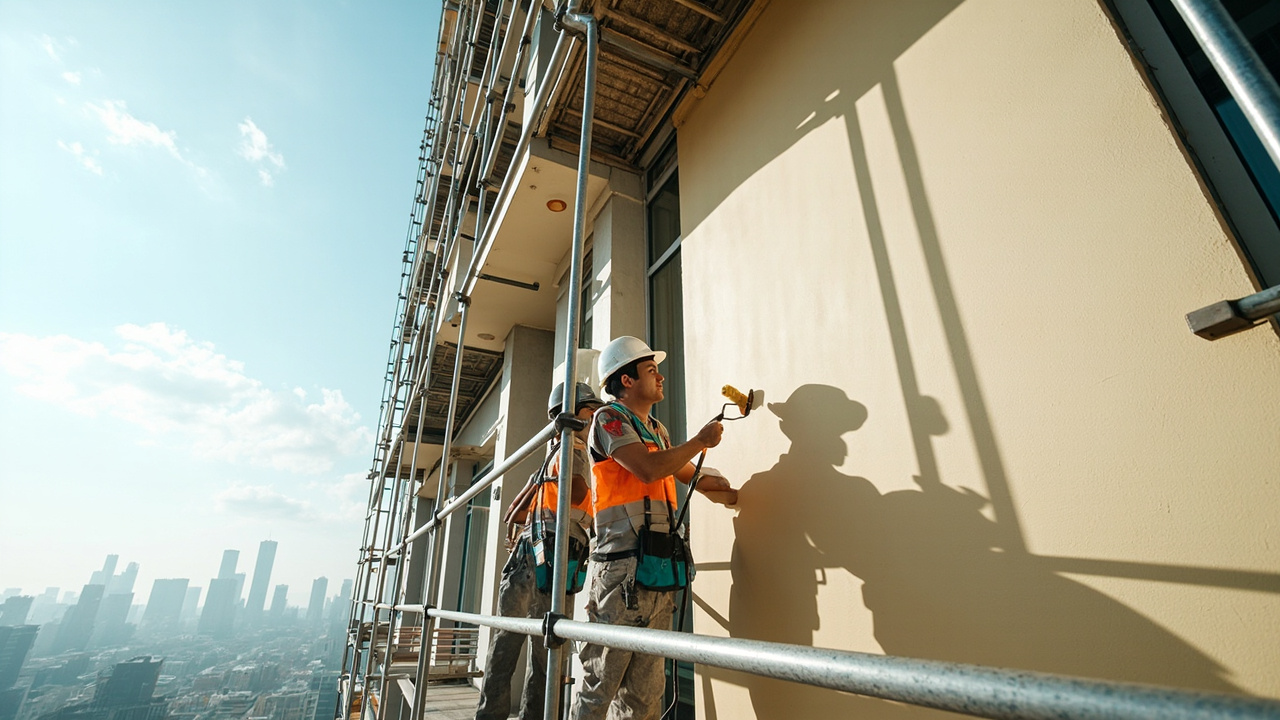
I. Technical Principles of Exterior Wall Protection: Why Coatings Can Provide Long-Term Resistance Against Natural Erosion
The reason exterior wall coatings can protect the building structure is not through simple "covering", but through the active shielding and synergistic resistance against multiple destructive factors based on material science. To understand the logic behind the application process, one must first clarify what the exterior wall is subjected to, and through what mechanisms the coating mitigates these threats.
Multiple Erosion Factors Faced by Exterior Walls
Building exterior walls are exposed to an open environment, enduring continuous and complex physical and chemical actions. First is water intrusion: rain, condensation, and capillary action penetrate along micro-cracks and pores of the substrate, entering the mortar layer and causing freeze-thaw cycles (especially evident in the north) or salt crystal expansion, leading to blistering of the finish. Second is ultraviolet radiation from the sun; high-energy photons break the molecular chains of organic film formers, causing the coating to chalk, lose gloss, and discolor. Third is thermal expansion and contraction due to temperature changes; diurnal and seasonal temperature differences create repeated shear stress between the rigid substrate and the elastic coating. Fourth is air pollution and microorganisms; sulfur dioxide, nitrogen oxides, and dust adhere to form acidic deposits, while mold and algae proliferate on shaded, damp facades, further damaging the coating film.
These factors often do not act alone, but superimpose and amplify each other. For example, water carries soluble salts migrating to the surface, which crystallize upon evaporation to form white efflorescence, and the efflorescence in turn destroys the adhesion between coating and substrate, making cracks more prone to expand. Understanding this "chain destruction" mechanism is the prerequisite for formulating correct application processes.
Three Core Mechanisms of Coating Protection
The first is the shielding mechanism. A dense, continuous coating film acts like an impermeable "skin", blocking the pathways for water, oxygen, and corrosive media to penetrate into the substrate. The density of the coating film depends on the type of film former, pigment volume concentration (i.e., the PVC concept), and the uniformity of film thickness formed during application. When PVC is controlled below the critical pigment volume concentration, pigment particles are fully encapsulated by the film former, porosity is low, and shielding performance is optimal.
The second is the adhesion and interfacial bonding mechanism. The coating must firmly grip the substrate through mechanical interlocking, polar adsorption, and chemical bonding. The roughness, cleanliness, and water absorption rate of the substrate surface directly determine the adhesion strength. This is also why substrate preparation is universally recognized as the key process that determines over 70% of coating lifespan.
The third is the weather resistance and self-cleaning mechanism. High-quality topcoats resist photo-oxidative degradation and reduce pollutant adhesion through controlled surface tension by selecting UV-resistant, aging-resistant resin systems (such as silicone-acrylic, fluorocarbon) and adding functional fillers, so that rainwater washing can remove surface dust and maintain a clean facade.
Typical Paths of Coating Film Failure
Summarizing common field failure phenomena, there are mainly four types of paths. The first is adhesion loss type, mostly caused by substrate efflorescence, oil stains, or excessively high moisture content leading to interlayer peeling; the second is brittle cracking type, mostly caused by single thick coat, insufficient flexibility of putty, or substrate settlement; the third is chalking and fading type, mostly caused by poor weather resistance of resin or insufficient titanium dioxide dosage; the fourth is mold and algae type, mostly caused by poor coating breathability, damp environment, and absence of anti-mold additives. Identifying the failure path allows precise avoidance during the application stage.
Coating Design Life and Accelerated Aging Evaluation
In engineering, exterior wall coatings are often classified into different grades according to their designed service life, corresponding to different weather resistance indicator systems. To evaluate the true weather resistance of a system, one cannot rely solely on the claims in the specification sheet, but must combine accelerated aging tests with actual engineering follow-up visits. In the laboratory, xenon arc or UV fluorescent weathering chambers are commonly used to simulate several to over ten years of sunlight and temperature-humidity cycles, inferring service life by measuring gloss retention, color change grade, and chalking degree; however, accelerated tests cannot fully reproduce the dry-wet alternation, microbial erosion, and mechanical damage in real environments, so key projects should still use the field performance of built projects in the same climate zone as final evidence.
Clarifying the design life target at the scheme stage is the key to avoiding "over-configuration" or "under-configuration". For example, if a general industrial plant can accept a repainting cycle of about eight years, a qualified pure-acrylic system is sufficient; whereas for landmark buildings or high-rises that are difficult to re-scaffold for maintenance, the target life should be set at over fifteen years, correspondingly upgrading to silicone-acrylic or even fluorocarbon systems. Quantifying the life target provides a measurable yardstick for selection, and also facilitates subsequent comparison based on cost per unit year.
Superimposed Environmental Loads Across Full Life Cycle
Many projects fail because they only consider a single factor and ignore the superimposed effect of multiple erosions. On actual facades, UV weakens the resin, rain carries salt infiltration, freeze-thaw creates micro-cracks, and pollutants deposit acidic substances; these processes reinforce each other: larger cracks allow more water ingress, which in turn accelerates freeze-thaw and rebar corrosion, and corrosion expansion further widens the cracks. Understanding this positive feedback explains why any negligence in any process step gets amplified. The essence of application process design is to cut off these chain reactions layer by layer.
Early Identification and Warning of Coating Failure
During the building operation and maintenance phase, a regular inspection mechanism for exterior wall coatings should be established, shifting from "repair after failure" to "repair before failure". Early signals include localized lightening of color, powdery substance appearing on the surface that can be wiped off by hand, dampness and darkening in certain areas, fine cracks around division joints, and water stains at window sills and parapet copings. Upon discovering these signs, the location and severity should be recorded promptly, and local repairs should be made first for high-risk areas to avoid small issues escalating into major repairs. Incorporating inspections into the property maintenance ledger, along with photos to build a facade archive, can significantly extend the overall repainting cycle and help judge the true durability performance of the system.
Thermal Performance and Energy-Saving Relevance of Coatings
Beyond protection and decoration, exterior wall coatings can also participate in building energy efficiency to a certain extent. High-reflectance, high infrared-emissivity thermal insulation coatings can reflect the near-infrared portion of solar radiation, reducing facade and indoor heat gain, and in hot-summer warm-winter regions can reduce air-conditioning load and improve indoor thermal comfort. Such functional coatings are often used in combination with ordinary decorative topcoats, or applied as dedicated reflective intermediate coats on the exterior side of walls. It should be noted that the insulation effect depends on real indicators such as solar reflectance and hemispherical emissivity of the coating; third-party test data should be requested when purchasing rather than trusting promotional claims, and it should be designed in coordination with the wall thermal insulation system, as coatings alone cannot replace the primary role of structural insulation.
II. Material System Analysis: Technical Genealogy from Emulsion to Pigments and Fillers
The performance ceiling of exterior wall coatings is determined by the selected material system. Faced with a wide array of product names on the market, engineers need to establish a clear technical genealogy from three dimensions—film former, pigment and filler, and additives—to make rational selection judgments.
Acrylic Emulsion System: The Cornerstone of Cost-Effectiveness and Versatility
Acrylic emulsions are the most widely used film formers in exterior wall coatings, copolymerized from acrylate and methacrylate. Pure-acrylic emulsion has excellent weather resistance and good color retention, suitable for projects with high decorative lifespan requirements; styrene-acrylic emulsion costs less but is slightly inferior in UV resistance and water-whitening resistance, often used in general industrial plants and scenarios without extremely strict interior decoration requirements. The advantage of the acrylic system lies in its strong adhesion to cement substrates and high application tolerance, making it the preferred base material for the vast majority of conventional exterior wall projects.
Silicone-Acrylic and Fluorocarbon Systems: Advanced Choices for High-Weather-Resistance Scenarios
When a project is located in environments with strong UV, heavy pollution, or high salt spray (such as coastal factories, ancillary buildings of sea-crossing bridges), acrylic systems may struggle to meet protection needs beyond fifteen years. Silicone-acrylic emulsion introduces organosilicon components into the acrylic main chain, significantly improving the crosslink density and hydrophobicity of the film, with high water contact angle and better self-cleaning and weather-resistant performance. The fluorocarbon system, leveraging the extremely high bond energy of carbon-fluorine bonds, can achieve a weather-resistant life of over twenty years, but at higher cost, typically used for landmark buildings, valuable objects, or key protection parts in severe corrosive environments.
Elastic and Inorganic Coatings: Addressing Cracks and Special Needs
Elastic exterior wall coatings have film formers with low glass transition temperature and high elongation, capable of bridging fine dynamic cracks in the substrate (usually covering hairline cracks within 0.5 mm), making them very suitable for old building renovation and masonry walls with slight settlement risk. Inorganic coatings (such as silicate-based) use inorganic potassium silicate as the film former, offering fire resistance, breathability, mold resistance, and long life, but require higher crack resistance and application standards, suitable for public buildings with strict fire and environmental protection grade requirements.
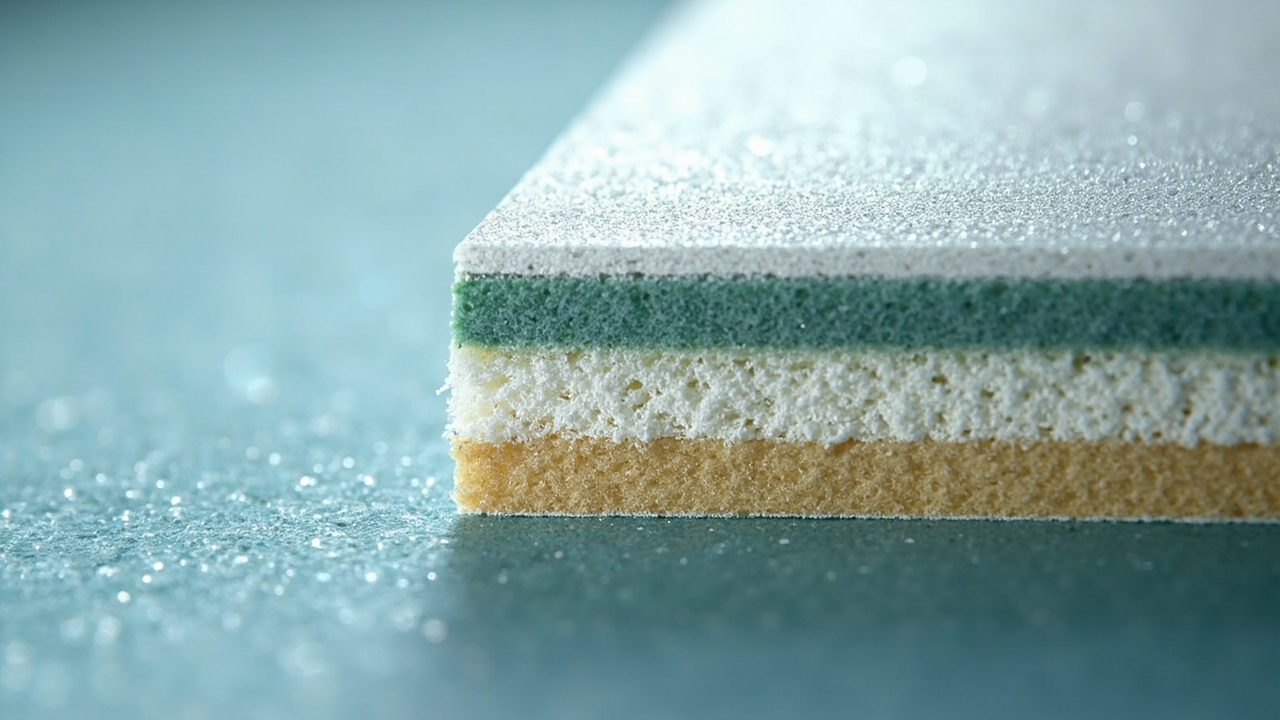
Functional Division of Primer, Intermediate Coat, and Topcoat
A scientific exterior wall coating system is usually divided into three layers. The primer undertakes the functions of sealing, reinforcing, and enhancing adhesion; it penetrates into the capillary pores of the substrate, forms an anchoring layer after curing, and blocks upward migration of underground salts and alkalis; the intermediate coat (putty or leveling layer) is responsible for correcting flatness and buffering stress; the topcoat provides the final decorative color, weather resistance, and self-cleaning performance. The three must be compatible and matched; one cannot only value the topcoat while ignoring the primer and intermediate coat. In Kexin New Materials' exterior wall system solutions for industrial clients, we emphasize "primer-intermediate-topcoat synergy", ensuring interlayer adhesion and overall life through matched primer and topcoat systems, rather than recommending a single product in isolation.
Additive System: The Invisible Performance Regulator
If the film former and pigments are the "skeleton and flesh" of the coating, then additives are the "nerves" that regulate its application and performance. Dispersants help pigments and fillers suspend uniformly and stably, avoiding sedimentation and floating color; defoamers reduce bubbles generated during mixing and application, preventing pinholes in the film; thickeners adjust viscosity to ensure no sagging during rolling and proper atomization during spraying; coalescents help emulsion particles fuse into a continuous film at low temperatures; fungicides inhibit microbial growth. The compatibility of additives is extremely subtle; emulsions and additives from different manufacturers may have compatibility differences, so it is not recommended to add large amounts of externally purchased additives during application, but to use the manufacturer's matched system to avoid introducing unforeseeable risks of cratering or stratification.
Engineering Significance of Pigment Volume Concentration and Critical Point
Pigment volume concentration, i.e., PVC, refers to the ratio of the volume of pigments and fillers to the total volume of non-volatile components in the coating film. When PVC is below the critical pigment volume concentration, the film former is sufficient to encapsulate all pigment and filler particles and fill the voids, resulting in a dense film with strong shielding; once beyond the critical point, the film former is insufficient to fill the inter-particle gaps, causing a sharp increase in coating porosity, decreased water resistance, and weakened adhesion. In engineering, lower PVC is not always better—too low PVC means high cost and insufficient hiding power, while too high PVC sacrifices durability. Mature formulation design finds a balance among hiding power, cost, and durability, and what the application stage can do is to strictly add water according to the ratio and not dilute arbitrarily, to avoid destroying the originally designed PVC balance and film-forming continuity.
Specialized Treatment for Old Renovation Projects
The biggest difference between old renovation and new construction lies in the complex and not fully predictable substrate condition. Before entering the site, a comprehensive survey should be conducted: tap to check for hollowing, use cross-cut method to measure adhesion, and if necessary take cores or locally break open to observe internal structure. For walls with still-firm old paint, they can be directly renovated after sanding and roughening; chalky layers must be completely removed to the solid substrate. Old renovation must also properly handle the connection with existing doors, windows, pipelines, and ancillary components, and minimize disturbance to users; therefore, low-odor water-based systems and zoned, segmented construction are often adopted to keep noise, dust, and outage impacts within an acceptable range.
III. Substrate Preparation Process: 70% of Quality Depends on the Base Material
There is an industry saying: "Three parts coating, seven parts application, and of the seven parts application, the substrate accounts for seven parts." Although this statement is somewhat exaggerated, it highlights the decisive role of substrate preparation in exterior wall painting. No matter how high-end the topcoat is, once the substrate has problems, the coating lifespan will be greatly reduced.
Substrate Type Determination and Defect Identification
Common types of exterior wall substrates include cast-in-place concrete walls, aerated concrete blocks, cement mortar plastering layers, thin-coat rendering systems on insulation boards, and old coating renovation surfaces. Different substrates vary greatly in water absorption, strength, and surface condition. Before treatment, a comprehensive inspection must be carried out: whether there is hollowing, cracking, sanding, oil stains, or release agent residue; whether the old wall surface has chalking, peeling, and mildew spots; whether the insulation system has cracks and water leakage risks. Use a hollowing hammer to tap, a straightedge to check flatness, and test paper to detect acidity and alkalinity, and record the defects one by one.
Cleaning, Repair, and Leveling
Cleaning is the first step and also the easiest step to gloss over. Remove floating dust with a high-pressure water gun or brush, remove oil stains with a special cleaner, and sand off release agent residue until the solid substrate is exposed. For hollow and loose areas, chisel them out to the solid layer and then repair with polymer mortar; structural cracks wider than 0.2 mm need to be grooved and filled with elastic sealant first. Leveling relies on scraping special exterior wall putty, usually requiring two to three coats, sanding after each coat is dry, and the final flatness should meet the allowable deviation requirements of the corresponding acceptance specification.
Strict Control of Moisture Content and Acidity/Alkalinity
Moisture content is the most easily overlooked yet most fatal indicator in substrate treatment. The curing time for newly built cement mortar plastering layers should generally not be less than fourteen days, and concrete walls should be fully dried; before construction, the substrate moisture content should be controlled below ten percent (based on a special detector), and the pH value should be below ten. If primer is applied when the moisture content is too high, water is sealed inside the layer, and evaporation later will cause blistering or even entire flaking; excessive alkalinity will saponify the emulsion, causing whitening and reduced adhesion.
Primer Sealing and Reinforcement Process
Qualified substrates must be coated with a matching primer before applying the topcoat. The primer has three functions: first, penetration and reinforcement to improve the surface strength of loose substrates; second, sealing capillary pores to reduce color difference and unevenness caused by uneven topcoat absorption; third, blocking salt and alkali to prevent later efflorescence. The primer should be thin and even, avoiding missed coating and pooling, usually one coat is sufficient, and two coats can be applied for special loose substrates. The next process must not be carried out before the primer is fully dry.
Differentiated Treatment Checklist for Different Substrates
For common substrates, an operable treatment checklist can be formed: the key point for cast-in-place concrete walls is the cleaning of release agents and laitance, with light sandblasting or sanding if necessary; aerated concrete blocks have high porosity and low strength, so a sealing primer should be applied first and then thinly scraped with special putty, and thick scraping is strictly prohibited; cement mortar plastering layers must ensure sufficient curing and no hollowing; thin-coat rendering systems on insulation should first check the integrity of the alkali-resistant mesh and rendering mortar, and do anti-crack reinforcement at cracks first; old tiles or old paint surfaces need to evaluate adhesion, and if necessary, roughen or apply an interface agent. The premise of differentiation is to first determine the substrate and then decide the process, rather than applying the same process to all walls, otherwise it is easy to fail first at weak links.
Curing Period and On-site Testing Instruments
Substrate curing is not a vague concept of "waiting a few days", but should be based on data. In addition to the minimum curing period specified by the code, the site should be equipped with a substrate moisture meter, pH test paper or electronic pH meter, straightedge, and hollowing hammer. For moisture content measurement, portable instruments based on conductivity or capacitance principles are recommended, with multi-point measurement at key locations and taking the maximum value; for pH detection, moisten the surface with distilled water and then apply test paper. Writing the test data into the construction log is both a control of quality and objective evidence in case of future disputes, which is more persuasive than any verbal "should be dry".
Tools, Mixing Ratio, and Coating Maturation
The coating must be fully stirred evenly before use, and water added according to the manufacturer's specified ratio. Excessive dilution for the sake of labor saving is strictly prohibited, as it will destroy the PVC balance and reduce film thickness and hiding power. It is recommended to let it stand after stirring to defoam before use. In terms of tool selection, medium-pile rollers should be used for rolling to ensure film thickness, and high-quality wool brushes should be used for corners; spraying equipment should be cleaned and calibrated regularly to avoid unstable pressure causing uneven atomization or sagging. Coatings of different colors or batches should be stored separately and clearly labeled to prevent misuse. Maturation and standing time should also follow the instructions, especially in low-temperature environments, which must not be omitted, as this directly relates to film formation quality.
Construction Organization Design Before Painting
Before large-area exterior wall construction, a special construction organization design should be prepared, clarifying zoning flow, scaffolding or suspended platform layout, material stacking and distribution, weather plans, and progress nodes. Reasonable segmentation can ensure continuous processes and facilitate process inspection and finished product protection. For high-rise buildings, a combination of suspended platforms and ropes is recommended to control costs, but anti-fall measures must be implemented simultaneously and pass special acceptance. The weather plan should specify the covering and stop-work standards in case of sudden rain and strong wind, to avoid hasty on-site decisions. The construction organization design is a key document that implements the aforementioned process requirements into schedule, manpower, and responsibility, and should be reviewed before commencement.
IV. Full Process of Standardized Construction Technology
The standardized construction process is the "converter" that transforms material performance into on-site protection effects. The following process takes the most common exterior wall latex paint system as an example, combined with general practices of industrial and civil projects, to provide verifiable operation points.
Construction Environment and Climate Window Control
Coating construction is highly sensitive to the environment. The ambient temperature should be controlled between 5°C and 35°C, and the substrate temperature should not exceed 50°C; relative humidity should be below 85 percent, and construction is not allowed in rain, fog, strong wind (level 5 and above), and when precipitation is expected within six hours. In summer, avoid direct midday sun exposure to prevent orange peel and lap marks caused by too fast surface drying of the coating; in winter, pay attention to poor film formation caused by low temperature. Environmental records should be included in the construction log as a basis for quality traceability.
Scraping Putty and Fine Sanding
Putty is the "skeleton" of the coating system. Use special exterior wall flexible putty, stir with water according to the manufacturer's ratio, let stand to defoam, and then scrape. The thickness of each putty coat should not exceed 1.5 mm, and two coats need to be fully dried and sanded in between to remove scratches and particles. Sanding should be done when the putty layer is 60 to 70 percent dry, using sandpaper or a sander, and finally remove dust with a brush or vacuum. Flatness and fineness directly determine the decorative effect of the topcoat; if this step is cut, no matter how good the topcoat is later, it cannot be compensated.
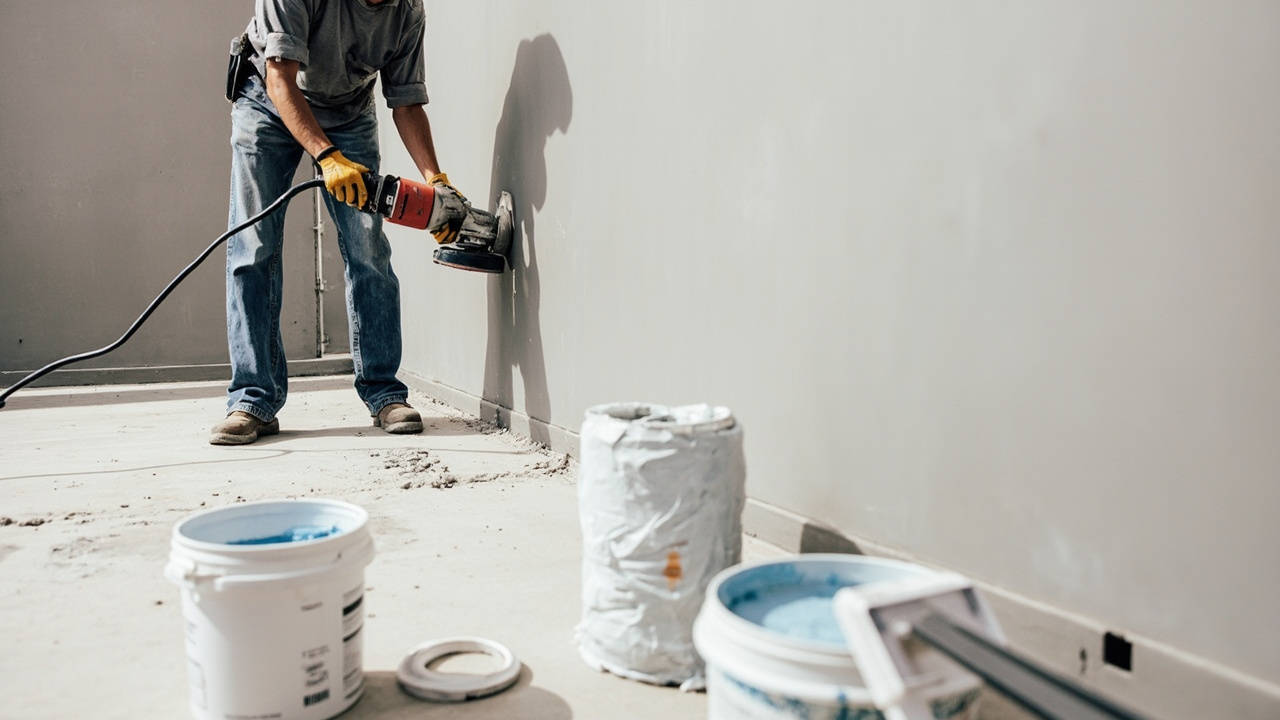
Number of Coats and Film Thickness Control
The topcoat should generally not be less than two coats, the first coat as sealing and priming, and the second coat forming a complete decorative surface. Sufficient recoat interval (usually two to four hours, depending on temperature, humidity, and product instructions) must be ensured between each coat. Film thickness is the core guarantee of performance; the dry film thickness of exterior wall topcoat is recommended to be not less than 60 microns, and important projects can reach over 100 microns. Wet film gauges can be used for control on site, and a thickness gauge can be used for random inspection after completion. Avoid thick coating at one time for speed, as thick coating will cause sagging, cracking, and uneven drying.
Division Joints, Nodes, and Detail Treatment
Large-area exterior walls must be set with division joints to release thermal stress, prevent disordered cracking, and form beautiful decorative lines. The division joints should first be filled with elastic sealant, and then coated with matching joint paint. Detail nodes such as window frames, pipe roots, internal and external corners, and parapet copings are high-incidence areas for water leakage and cracking, and need reinforcement treatment: first locally reinforce the primer, then seal with sealing material, and finally connect with the overall surface layer. Whether the detail treatment is in place is often the watershed of whether the project can withstand the test of time.
Process Selection of Spraying, Rolling, and Brushing
The three main painting methods have their own applicable scenarios. Airless spraying has high efficiency, uniform film, and good coverage for complex facades, suitable for large-area factories and flat walls, but has high requirements for operator proficiency and masking protection; rolling is the most common method for exterior walls, with simple tools, easy control of film thickness, and low loss, suitable for most projects; brushing is mainly used for corners, nodes, and repairs. In actual projects, a combination of "rolling main surface plus spraying edges" or "spraying primer plus rolling finish" is often used to balance efficiency and texture. Regardless of the method, it must be ensured that there is no missed coating, no pooling, flat lap joints, and wet film gauges are used for random thickness inspection at any time.
Construction Countermeasures for Winter, Summer, and Extreme Climate
Under high temperature and sun exposure in summer, the surface drying of the coating is much faster than actual drying, which easily produces lap marks, orange peel, and bubbles. The countermeasures are to arrange construction on shaded surfaces, avoid midday, appropriately increase the application amount, and shorten the lap time. Low temperature in winter may cause the emulsion to fail to fully fuse and form a film, resulting in whitening and chalking. The countermeasures are to select low-temperature film-forming products, focus on construction during the daily maximum temperature period, and take insulation measures if necessary. Haze and sandstorm weather should stop outdoor construction to prevent pollutants from embedding into the undried paint film. The essence of climate countermeasures is to make the construction rhythm obey the material film-forming law, rather than letting the law accommodate the schedule, which must be adhered to especially in rush projects.
Process Quality Inspection and Procedure Handover
After each process is completed, process inspection should be carried out and handover records formed: substrate inspection of moisture content and flatness, primer inspection of coverage and surface dry, putty inspection of number of coats and sanding effect, topcoat inspection of number of coats, film thickness, and appearance. If the previous process is unqualified, the next process must not proceed, which is the institutional guarantee for the "seven parts application" to be implemented. It is recommended to adopt a sample wall system, first make a standard sample before large-area construction, and after all parties confirm the effect and process parameters, promote it, eliminating quality disputes before large-scale operations, and also serving as a physical reference for subsequent acceptance.
Construction Safety and Occupational Health
Exterior wall high-altitude operations are high-risk processes. Safety measures such as scaffolding acceptance, safety belts and lifelines, and edge opening protection must be implemented, and relevant high-altitude operation codes and management requirements must be strictly observed. Coating storage should be away from fire sources and avoid sun exposure. Although water-based systems are relatively safe, ventilation must still be maintained. Construction personnel should be equipped with protective gloves, masks, and goggles to avoid inhaling paint mist for a long time in confined or poorly ventilated spaces. Safety management is as important as quality management; one safety accident is enough to offset all process efforts, and project managers should make safety briefings and pre-shift education a routine action.
Color Management and Color Difference Control
Large-area exterior walls are extremely sensitive to color difference; slight unevenness will form an obvious "patchy face" on the facade, seriously affecting the appearance and even causing acceptance disputes. Controlling color difference should start from the source: the same building should use the same batch of coating as much as possible; if the same batch is impossible, color matching confirmation and sample comparison must be done first; tinting should be completed in a controlled environment by the manufacturer to avoid random on-site manual color addition causing batch drift; during construction, keep the application amount of each coat consistent, lap in time, and use "wet-on-wet" or seamless rolling techniques to reduce lap marks. Before delivery, observe the overall consistency of the facade from a distance under different light conditions, and if necessary, locally repair with supplementary coating to ensure visual uniformity. For stone-like and texture effects, the aggregate gradation and spray gun parameters should also be controlled stably to avoid color difference illusion caused by particle distribution differences.
V. Key Points of Material Selection: Matching Systems by Scenario
Selection is not "picking the most expensive", but "picking the most right". Scientific selection should be based on a comprehensive trade-off of the use environment, substrate condition, functional requirements, and full-life-cycle cost.
Climate and Location Factors
The requirements for exterior wall systems vary greatly in different climate zones. South China is hot and humid with frequent rain and strong UV, so the focus is on mildew resistance, algae resistance, water resistance, and weather resistance; North China has large temperature differences and dry winters, so the focus is on freeze-thaw resistance and crack resistance; coastal and salt-spray areas should highlight salt-spray resistance and chloride ion erosion resistance. When selecting, priority should be given to mature systems with successful cases locally, rather than copying experience formulas from other regions.
Substrate Type Matching
Different substrates such as concrete, blocks, insulation systems, and metal curtain wall backings have different requirements for coating flexibility, breathability, and adhesion. For example, thin-coat rendering systems on insulation must be matched with a highly flexible elastic exterior wall system to tolerate the tiny displacement between the insulation layer and the substrate; while coatings with poor breathability used on walls prone to moisture return will instead aggravate internal moisture accumulation. The "character matching" between substrate and coating is more important than simply pursuing high indicators.
Balance Between Decorative Effect and Functional Requirements
In addition to protection, exterior walls also undertake architectural aesthetic functions. Different effects such as flat coating, texture, stone-like, and metallic luster correspond to different materials and processes, with significant differences in cost and construction difficulty. In the process of Kexin New Materials serving industrial customers, we often advise purchasers to first clarify "protection priority or decoration priority", and then determine the configuration of each layer in the system accordingly, to avoid sacrificing key weather resistance and adhesion performance for a certain visual effect. For factory buildings, the core is usually pollution resistance, easy maintenance, and long life; for headquarters buildings and exhibition buildings, the decorative level can be enhanced on the premise of ensuring the protection bottom line.
Full Life Cycle Cost Perspective
Many projects only compare unit prices during bidding, and as a result, choose low-priced items, and after three to five years, large-area renovation is needed, and the comprehensive cost is actually higher. The correct approach is to take a protection period of ten or fifteen years as the caliber, and combine material, construction, maintenance, and renovation costs for calculation. Although high-quality systems have an initial investment twenty to forty percent higher, they can double the service life, and the unit-time cost is actually lower, and they reduce construction disturbance and production stoppage losses. Purchasing decision-makers should use "protection cost per unit year" as the core comparison indicator.
Environmental Compliance and VOC Control Requirements
With green buildings and tightening environmental regulations, the volatile organic compound (VOC) content of exterior wall paint has become a hard indicator in procurement. Water-based systems, using water as the dispersion medium, typically have VOC far lower than solvent-based coatings, and have become the mainstream choice for new construction and renovation projects. During procurement, one should verify whether the product's hazardous substance limits comply with current national mandatory standards, and clearly specify the VOC upper limit and testing basis in the tender documents. For places sensitive to odor and environmental protection such as hospitals, schools, and food factories, additional properties like low odor, odor-free, and antibacterial should also be considered, making environmental compliance a selection threshold rather than an after-the-fact remedy, to avoid disputes caused by odor or excessive test results after delivery.
Selection Decision Checklist and Comparison Approach
To help engineers and procurement quickly form a plan, a selection decision checklist can be established: first, clarify the climate zone and corrosion grade; second, determine the substrate type and condition; third, define the design life target; fourth, list decorative and functional requirements; fifth, set the whole-life-cycle cost ceiling; sixth, verify environmental and fire safety compliance. Score candidate systems item by item for comparison, then combine with on-site verification of similar local cases to form a well-founded selection conclusion, avoiding complete reliance on suppliers' one-way recommendations and losing professional judgment, and reducing decision errors caused by information asymmetry.
Supplier Evaluation and Sample Verification
Selection should not only look at test reports and quotations, but also evaluate the supplier's technical service capability and project performance. It is recommended to require the supplier to provide a list of completed projects in the same climate zone and with the same substrate, and arrange on-site follow-up visits. At the same time, before large-scale supply, complete sealing samples and trials to verify whether the color, adhesion, and construction performance are consistent with the promises. For key projects, on-site technical guidance from the manufacturer can be agreed upon, directly transforming the experience accumulated by the material supplier into on-site quality assurance. The supplier's value lies not only in supply, but also in whether it can provide professional judgment when interface problems occur.
Common Causes of Quality Disputes and Responsibility Definition
After the delivery of exterior wall engineering, quality disputes commonly stem from three aspects: first, unclear responsibility interfaces, with the material supplier, contractor, and general contractor attributing faults to each other; second, lack of process records, making it impossible to reconstruct the substrate condition and environmental conditions at the time; third, inconsistent standard references, with each party sticking to their own story during acceptance. The way to avoid this is to clarify the system responsible party in the contract, agree on the boundaries of matched supply and construction, and treat process images and test data as acceptance attachments. Once a dispute enters legal proceedings, a complete traceable archive is often more decisive than oral statements, and can also clarify more quickly whether the problem lies in material, process, or use and maintenance.
VI. Engineering Cases: Implementation Practice of Long-term Protection
Theory must ultimately be tested on the construction site. The following cases are summarized from real project backgrounds, to illustrate system configurations and process key points in different scenarios.
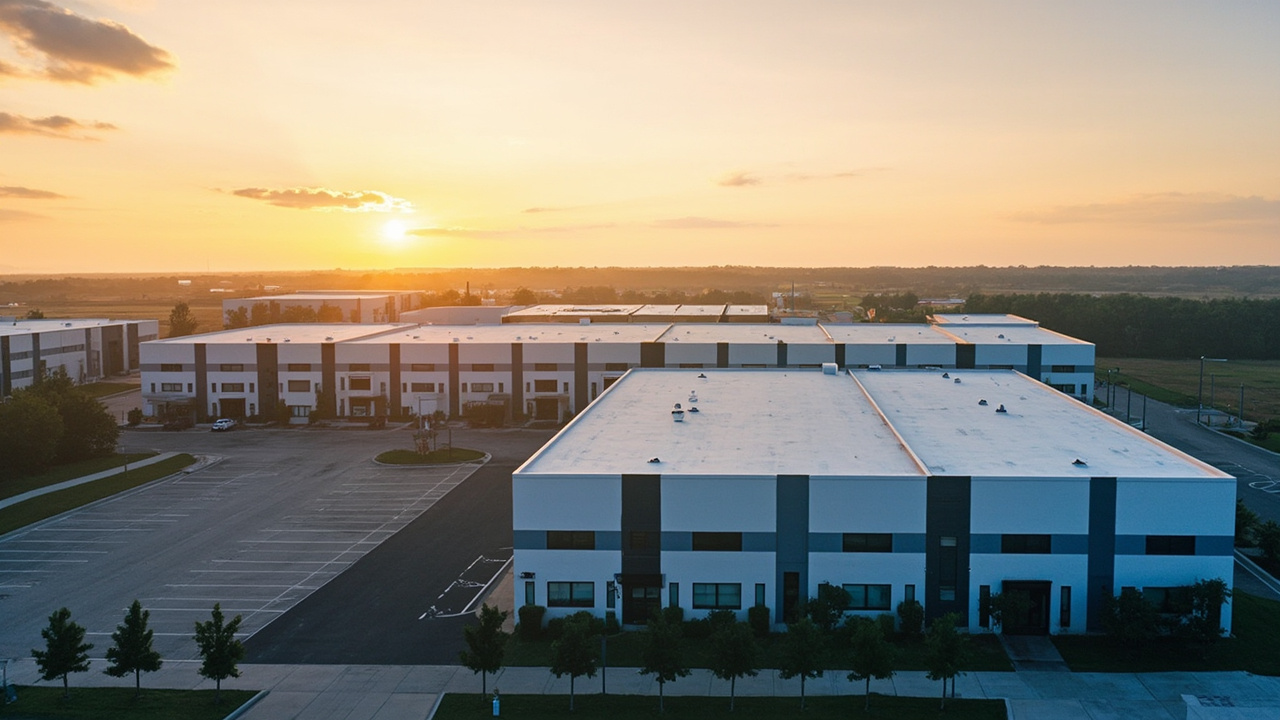
Case 1: Salt Spray Resistance Protection of Coastal Industrial Plant
A seaside industrial park had multiple steel-structure and concrete mixed plants. After four years of use, the original coating showed obvious chalking and local rust seepage. The renovation scheme adopted a matched system of "penetrating sealer primer plus silicone-acrylic elastic intermediate coat plus high-weather-resistant topcoat". Before construction, the efflorescence and rust spots on the substrate were thoroughly cleaned and repaired, and the division joints and parapet waterproofing nodes were reset. It has been more than six years since delivery, with no obvious fading or cracking on the facade, verifying the reliability of the silicone-acrylic system in salt spray environments.
Case 2: Crack Resistance and Self-cleaning of High-rise Residential
A high-rise residential community built ten years ago had mesh-like fine cracks and dirt on the exterior due to thermal insulation layer displacement. The renovation adopted an elastic exterior wall system, utilizing its bridging capability for hairline cracks within 0.5 mm, combined with a highly water-repellent self-cleaning topcoat, which both covered the existing cracks and reduced subsequent cleaning frequency. During construction, the thickness of each coat of putty and the recoat interval were strictly controlled to avoid new cracks, and residents gave positive evaluations on the clean appearance after renovation.
Case 3: Low-cost Long-term Renovation of Old Renovation Project
An old office building had a limited budget but required no obvious deterioration within five years. The scheme did not blindly upgrade to expensive fluorocarbon paint, but selected a cost-effective pure acrylic matched system, tilting the budget focus to the two "life-determining" processes of substrate treatment and primer sealing, while ensuring sufficient coats and film thickness for the topcoat. The result achieved the expected protection goal at a moderate cost, showing that "spending money where it matters most" is more critical than blindly stacking configurations.
Common Experience Extracted from Cases
Reviewing the aforementioned three types of projects, three common experiences can be summarized. First, the investment return of substrate treatment and primer sealing is the highest; rather spend more effort here than waste money on excessive upgrading of the topcoat. Second, system matching is more important than individual product indicators; the primer, intermediate, and topcoat layers must come from the same technical logic to avoid compatibility risks caused by mixing different brands. Third, construction discipline determines the final lifespan; environmental windows, film thickness, and number of coats—these "invisible" links—are precisely the watershed of whether the coating can be long-lasting. These three experiences seem plain, but are the condensation of many engineering lessons, and are worth reiterating at every project kick-off meeting.
Cost Estimation Example and Whole-life-cycle Comparison
Taking a 10,000-square-meter facade as an example, if a low-price system has initial material and construction input of 40 yuan per square meter and a design life of six years, the annualized cost is about 6.7 yuan; while a premium system has an input of 70 yuan and a life of twelve years, the annualized cost is about 5.8 yuan, and saves the labor, scaffolding, and production stoppage losses from one mid-term renovation. It can be seen that in a long-cycle perspective, high price does not necessarily mean high cost. When estimating, hidden costs such as scaffolding erection and removal, waste removal, and downtime losses should be included together to reach a conclusion close to reality, avoiding short-sighted decisions misled by initial quotations.
VII. Common Construction Misunderstandings and Pitfall Avoidance Guide
In front-line inspections, we repeatedly see some practices that "seem to save trouble but actually plant mines". Listing them is to help engineering managers establish correct quality red lines at the early stage of the project.
Misunderstanding 1: Omitting Primer to Catch Up with Schedule
Some construction teams think the primer is "invisible and unimportant", and directly apply topcoat to save a process. The consequence is that the loose substrate is not reinforced, the topcoat is excessively absorbed causing color unevenness and powdering, and salt-alkali return causes whitening. Primer cost usually accounts for a very small proportion of the system, but determines the success of adhesion, and must not be omitted.
Misunderstanding 2: Thick Coating in One Pass for Speed
To catch up with progress, the topcoat is thinned and applied thickly in one pass. The surface seems finished, but in fact the internal solvent or water cannot evaporate in time, causing sagging, pinholes, or even cracking after drying. The correct approach is thin coats in multiple passes with sufficient inter-coat drying, controlled by film thickness gauge rather than by feel.
Misunderstanding 3: Ignoring Weather and Substrate Moisture Content
Construction during rainy season rush or on undried substrate is the number one cause of efflorescence and blistering. Some projects even apply paint when there is still visible water on the wall, leading to large-area peeling shortly after delivery. Before construction, moisture content and weather windows must be tested; rather delay than take risks.
Misunderstanding 4: Substandard Putty or Skipping Coats
Using interior wall putty instead of exterior wall专用 putty, or only applying one coat of putty to cope with flatness, leads to insufficient coating flexibility and easy cracking. Exterior wall putty must be water-resistant and meet flexibility standards, and be applied in two to three coats per specification and sanded. Every penny saved in this process will be repaid doubly in the future through renovation.
More Frequently Stepped-on Pitfalls
In addition to the four types of misunderstandings above, several hidden dangers are also common on site. The fifth is inter-layer non-drying caused by schedule rush, where the previous coat is not yet dry before applying the next, trapping solvent or water between layers, leading to blistering and delamination later; the sixth is inadequate masking protection, where doors, windows, glass, and greenery are contaminated, and the later cleaning cost exceeds the paint itself; the seventh is color difference caused by mixing different batches of pigmented paint, so large-area construction must use same-batch materials or strictly zone by batch number. The common point of these problems is "saving small things now, losing big money later", and the root cause is the relaxation of quality discipline.
On-site Quality Red Line Checklist
For convenient project management, it is recommended to list the following clauses as insurmountable quality red lines: construction is not allowed if substrate moisture content and pH are substandard; topcoat is not allowed on un-dried primer; outdoor painting is not allowed in rainy season and high-wind weather; acceptance is not allowed if topcoat coats are less than two; repainting is mandatory if film thickness is below design value; coverage is not allowed if detail nodes are not reinforced. Red lines are not to restrain efficiency, but to guard the maximum quality bottom line with minimum rule cost, and also the clearest responsibility boundary among general contractor, supervisor, and material supplier.
Informationization and Quality Traceability
Modern engineering management tends to digitalize the painting process: each process is photographed and uploaded, temperature, humidity, and environmental data are automatically recorded, and material batch numbers are scanned and linked. This not only enables real-time problem discovery, but also provides a basis for future responsibility definition and maintenance. For large or key projects, it is recommended to establish a complete electronic archive from substrate testing to final acceptance, making "long-term protection" from a promise into a traceable data chain. When an area shows abnormality years later, retrieving the construction records at that time can quickly locate whether it is material, process, or environmental cause, greatly improving operation and maintenance efficiency.
Statistical Logic of Acceptance Sampling
Exterior wall coating has large area and strong dispersion; acceptance should not rely solely on senses, but adopt statistical sampling thinking. For key indicators such as film thickness and adhesion, divide inspection batches by area, randomly extract a sufficient number of measuring points in each batch, and judge compliance by both pass rate and extreme values. Appearance inspection should cover representative areas of different orientations and heights, especially focusing on south-facing, west-sun-exposed, and windward surfaces where deterioration is faster. The significance of statistical sampling is to obtain credible inference of overall quality with limited testing volume, avoiding generalization or missed hidden dangers, and also establishing baseline data for subsequent maintenance.
VIII. Relevant Standards and Acceptance Specifications
Exterior wall paint construction is not arbitrary based on experience, but supported by a complete standard system. Familiarity with these standards is both the basis of quality control and the legal foundation for engineering acceptance and responsibility definition.
National Standard GB Series
Core national-level standards related to building painting include "GB 50210 Acceptance Standard for Quality of Building Decoration and Renovation Engineering", which makes overall provisions on the substrate, painting quality, and acceptance methods of exterior wall painting engineering; in addition, standards involving limits of hazardous substances in building wall paints propose mandatory requirements for volatile organic compounds and heavy metal content, which are the bottom line of environmental compliance. Material selection and construction should be based on the current effective version.
Building Materials Industry Standard JC Series
The building materials industry has released a large number of exterior wall paint product standards, such as synthetic resin emulsion exterior wall paint, elastic architectural coating, and building water-based fluorocarbon paint, which respectively specify key indicators and test methods such as scrub resistance, weather resistance, adhesion, and low-temperature flexibility. Requiring the manufacturer to provide the type inspection report corresponding to the JC standard during procurement is the most direct way to verify product compliance.
Construction Engineering Standard JG Series
Engineering construction industry standards stipulate construction technology, external wall external thermal insulation systems, and matching materials, covering requirements from system structure to on-site construction process. Especially under the increasingly popular background of external wall external thermal insulation engineering, the JG series standards explicitly constrain the compatibility, crack resistance, and waterproof nodes between the insulation layer and the coating, which is an important basis to avoid "thermal insulation cracking driving coating failure".
Key Points of Acceptance and Testing
Engineering acceptance should focus on: substrate moisture content and flatness records, coating coats and film thickness random inspection, adhesion pull-off test, appearance for cracking, peeling, and color difference, and completeness of detail node sealing. It is recommended to archive hidden engineering images, environmental temperature and humidity logs, and material certificates together to form a traceable quality archive. Only by implementing standards into the on-site control of each process can the long-term protection of the exterior wall not be empty talk.
Common Standard Numbers and Applicable Boundaries
In engineering practice, standards that often need to be referenced also include construction specifications related to building painting engineering, synthetic resin emulsion exterior wall paint product standards, elastic architectural coating standards, building water-based fluorocarbon paint standards, and relevant standards for external wall external thermal insulation system matching materials. It should be emphasized that standard numbers change with version updates; when referencing, the latest effective text issued by national and industry authorities shall prevail, and replaced old versions shall not be applied. For foreign-related or special-function buildings, professional standards such as fire protection and energy saving should also be superimposed to form cross-professional standard coordination, avoiding systematic hidden dangers left by satisfying only a single standard.
Maintenance and Repainting Cycle
Coatings are not once-and-for-all; even if the initial construction is standard, regular maintenance is needed during service to extend protection capability. In general environments, it is recommended to conduct a systematic appearance inspection every two years, and arrange partial repair or overall renovation every five to eight years based on measured aging degree. Before repainting, the adhesion status of the old layer should be evaluated: those with firm adhesion can be recoated after sanding and cleaning, while those already chalked or loose must be completely removed to the solid substrate before redoing the system. Incorporating maintenance into the building whole-life-cycle management, establishing maintenance archives and planning repainting budget accordingly, can spread the protection cost to each year, avoiding concentrated large expenditures while continuously maintaining the stability of building appearance and protection performance.
FAQ
Q: Before exterior wall paint construction, what exactly should the substrate moisture content be controlled to?
A: For cement mortar and concrete substrates, it is usually required that the moisture content be below 10% and pH below 10 before construction, and the curing period of newly plastered layer is generally not less than 14 days. The specific requirement shall be based on the technical instructions of the primer and topcoat manufacturer used, measured with a dedicated moisture content tester, rather than judged by the visual inspection of "surface looks dry". Excessive moisture content is the primary cause of efflorescence, blistering, and peeling.
Q: Why must primer be applied to exterior walls? Can't we just apply topcoat?
A: The primer performs the critical functions of penetrating and reinforcing, sealing capillary pores, and blocking the upward migration of salts and alkalis. Omitting the primer will leave the loose substrate unconsolidated, cause the topcoat to be over-absorbed and thus become blotchy and powdery, and allow subsurface salts and alkalis to destroy adhesion. The primer accounts for a very low proportion of cost, yet it is the "foundation" that determines the service life of the coating system. Standard construction requires applying the compatible primer and allowing it to dry thoroughly before applying the topcoat.
Q: How many coats of exterior wall coating are appropriate, and what film thickness meets the standard?
A: Generally, no fewer than two coats of topcoat are applied: the first coat seals and primes, and the second forms a complete decorative surface, with the recoat interval ensured between coats. The dry film thickness is recommended to be no less than 60 microns, and for important projects it can exceed 100 microns. Avoid applying a thick coat at once for speed; instead, apply multiple thin coats and control with a wet film gauge and thickness meter. Insufficient film thickness will directly weaken weather resistance and barrier performance.
Q: Can elastic exterior wall coating solve all cracking problems?
A: Elastic coating can bridge hairline cracks within 0.5 mm and is clearly effective against fine cracks caused by slight displacement of the insulation layer, but it cannot cover structural cracks or wide gaps beyond its elongation capacity. Structural cracks wider than 0.2 mm should first be grooved and filled with elastic sealant; for cracks caused by continuous substrate settlement, the structural cause must be addressed first, with the coating only serving as auxiliary protection.
Q: Can exterior wall coatings be applied during the plum rain season and return-of-spring humidity in the south?
A: Not recommended. High humidity, rainfall, and wall condensation will cause the substrate moisture content to exceed the limit and prevent the film from forming normally, easily leading to efflorescence, whitening, and blistering. Avoid rushing work during the plum rain and return-of-spring periods. Resume application only when relative humidity drops below 85%, the measured substrate moisture content meets the standard, and no precipitation is expected in the next six hours. It is better to delay than to take risks.
Q: For old wall renovation, must all the old paint be scraped off?
A: Not necessarily. If the old coating is firmly adhered, with no powdering or peeling, it can be sanded, cleaned, and locally repaired, then directly coated with a compatible sealing primer before renovation. If the old layer is powdery, hollow, or severely flaking, it must be removed down to the solid substrate and the putty and coating system redone. The basis for judgment is pull-off and tapping test results, not subjective assessment; blindly scraping everything off will increase cost and schedule.
Q: How to determine whether the purchased exterior wall coating truly complies with standards?
A: Require the supplier to provide the type inspection report for the corresponding product standard (such as the relevant JC standard), and verify indicators such as scrub resistance, weather resistance, adhesion, and low-temperature flexibility; also check whether harmful substance limits are met and whether the factory certificate and batch testing are complete. It is also advisable to verify with on-site cases of similar projects in the local climate. The dual assurance of standard documents plus field evidence is the safest approach.
Further Reading
- Architectural Coating Industry Overview
- Architectural Waterproof Coating System
- High-Temperature Coating Technology Explained
{"@context": "https://schema.org", "@type": "FAQPage", "mainEntity": [{"@type": "Question", "name": "Before exterior wall coating construction, what exactly should the substrate moisture content be controlled to?", "acceptedAnswer": {"@type": "Answer", "text": "For cement mortar and concrete substrates, it is generally required that the moisture content be below 10% and pH below 10 before construction, and the curing period for new plastering layers is generally no less than 14 days. The specific requirement is subject to the technical instructions of the primer and topcoat manufacturers used, measured with a dedicated moisture meter rather than judged by visual 'surface dry'. Excessive moisture content is the primary cause of efflorescence, blistering, and peeling."}}, {"@type": "Question", "name": "Why must primer be applied to exterior walls? Can't we just apply topcoat?", "acceptedAnswer": {"@type": "Answer", "text": "The primer performs the critical functions of penetrating and reinforcing, sealing capillary pores, and blocking the upward migration of salts and alkalis. Omitting the primer will leave the loose substrate unconsolidated, cause the topcoat to be over-absorbed and thus become blotchy and powdery, and allow subsurface salts and alkalis to destroy adhesion. The primer accounts for a very low proportion of cost, yet it is the 'foundation' that determines the service life of the coating system. Standard construction requires applying the compatible primer and allowing it to dry thoroughly before applying the topcoat."}}, {"@type": "Question", "name": "How many coats of exterior wall coating are appropriate, and what film thickness meets the standard?", "acceptedAnswer": {"@type": "Answer", "text": "Generally, no fewer than two coats of topcoat are applied: the first coat seals and primes, and the second forms a complete decorative surface, with the recoat interval ensured between coats. The dry film thickness is recommended to be no less than 60 microns, and for important projects it can exceed 100 microns. Avoid applying a thick coat at once for speed; instead, apply multiple thin coats and control with a wet film gauge and thickness meter. Insufficient film thickness will directly weaken weather resistance and barrier performance."}}, {"@type": "Question", "name": "Can elastic exterior wall coating solve all cracking problems?", "acceptedAnswer": {"@type": "Answer", "text": "Elastic coating can bridge hairline cracks within 0.5 mm and is clearly effective against fine cracks caused by slight displacement of the insulation layer, but it cannot cover structural cracks or wide gaps beyond its elongation capacity. Structural cracks wider than 0.2 mm should first be grooved and filled with elastic sealant; for cracks caused by continuous substrate settlement, the structural cause must be addressed first, with the coating only serving as auxiliary protection."}}, {"@type": "Question", "name": "Can exterior wall coatings be applied during the plum rain season and return-of-spring humidity in the south?", "acceptedAnswer": {"@type": "Answer", "text": "Not recommended. High humidity, rainfall, and wall condensation will cause the substrate moisture content to exceed the limit and prevent the film from forming normally, easily leading to efflorescence, whitening, and blistering. Avoid rushing work during the plum rain and return-of-spring periods. Resume application only when relative humidity drops below 85%, the measured substrate moisture content meets the standard, and no precipitation is expected in the next six hours. It is better to delay than to take risks."}}, {"@type": "Question", "name": "For old wall renovation, must all the old paint be scraped off?", "acceptedAnswer": {"@type": "Answer", "text": "Not necessarily. If the old coating is firmly adhered, with no powdering or peeling, it can be sanded, cleaned, and locally repaired, then directly coated with a compatible sealing primer before renovation. If the old layer is powdery, hollow, or severely flaking, it must be removed down to the solid substrate and the putty and coating system redone. The basis for judgment is pull-off and tapping test results, not subjective assessment; blindly scraping everything off will increase cost and schedule."}}, {"@type": "Question", "name": "How to determine whether the purchased exterior wall coating truly complies with standards?", "acceptedAnswer": {"@type": "Answer", "text": "Require the supplier to provide the type inspection report for the corresponding product standard (such as the relevant JC standard), and verify indicators such as scrub resistance, weather resistance, adhesion, and low-temperature flexibility; also check whether harmful substance limits are met and whether the factory certificate and batch testing are complete. It is also advisable to verify with on-site cases of similar projects in the local climate. The dual assurance of standard documents plus field evidence is the safest approach."}}]}