A utility tunnel is an underground passage that centrally houses pipelines for power, communications, water supply, heating, gas, etc. It brings originally scattered and vulnerable municipal pipelines into an enclosed space that is "inspectable and maintainable," greatly enhancing urban resilience. However, the tunnel itself is a hybrid of steel structures and concrete; its interior is长期处于 high humidity, prone to condensation, with limited ventilation, and once in operation the maintenance window is narrow. Therefore, anti-corrosion for utility tunnels must both resist corrosion and consider safety and accessibility in enclosed spaces.
Kexin New Materials (kexinMaterials) has supporting capabilities in heavy-duty anti-corrosion systems such as zinc-rich epoxy, epoxy micaceous iron oxide, and polyurethane, which can cover the protective needs of tunnel steel structures, supports/hangers, and equipment exterior surfaces. For the cathodic protection mechanism of zinc-rich primer, refer to the technical analysis of epoxy zinc-rich primer.
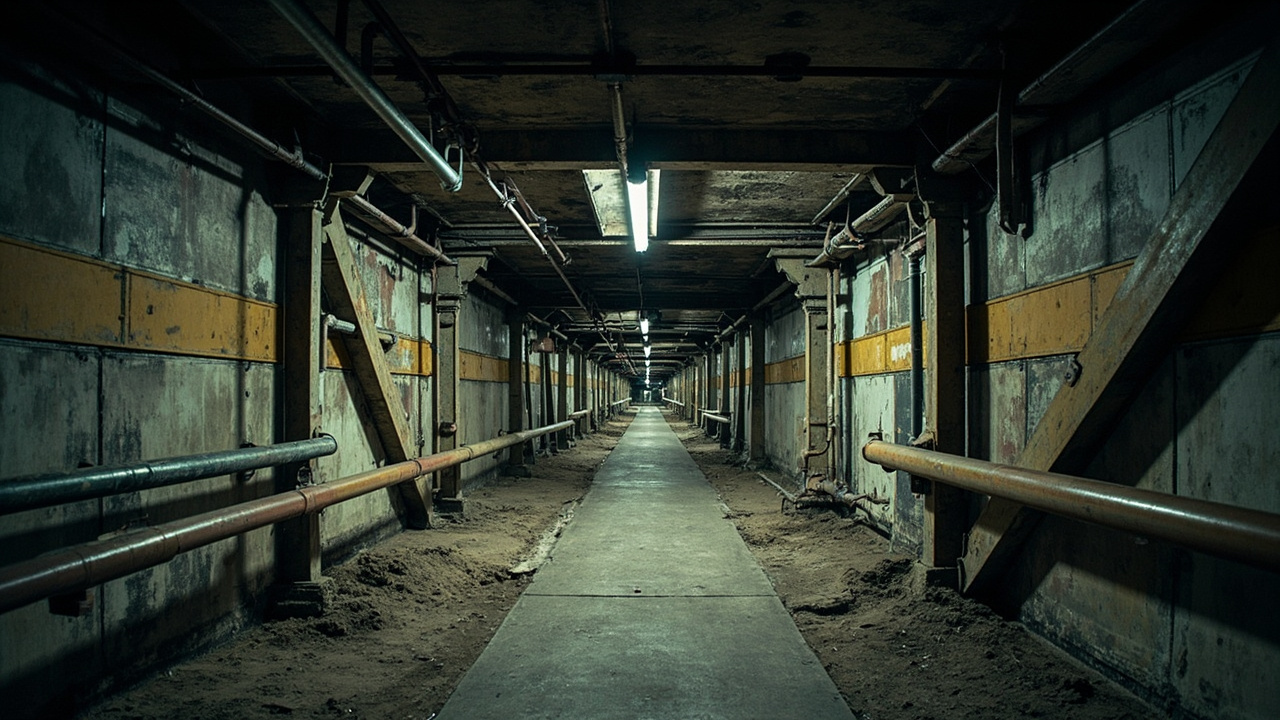
I. Corrosion Environment Characteristics of Utility Tunnels
The interior of a utility tunnel is not a "corrosion-free" safe zone; its environment has specific features:
- High Humidity and Condensation: Limited ventilation in underground spaces, combined with day-night temperature differences and insufficient air exchange, easily causes condensation on steel surfaces.
- Internal C4-level Tendency: According to ISO 12944-2, the interior of utility tunnels with enclosed high humidity and possible exposure to soil moisture and minor pollutants is often treated as C3–C4 or even an internal high-humidity environment.
- Difficult Maintenance: After operation, the space is enclosed and pipelines are dense, making repair costly; thus "getting it right the first time" is more important than later maintenance.
- Multi-discipline Intersection: Power compartment, heating compartment, and gas compartment have different environments; heating compartment has high temperature, gas compartment has explosion-proof and fire-proof requirements.
This environment determines that utility tunnel anti-corrosion must emphasize surface treatment, film thickness, and system completeness, and reserve maintainability in design.
II. Standards and Zoning
Utility tunnel projects have dedicated engineering construction standards (e.g., GB 50838 "Technical Code for Urban Utility Tunnel Engineering"), which stipulate structure, waterproofing, materials, etc.; anti-corrosion systems mostly reference ISO 12944 / GB/T 30790 for corrosion environment classification and system design. In practice, the tunnel interior is often selected as "internal high-humidity environment" and references anti-corrosion conventions for underground or semi-underground structures.
Note that GB 50838 focuses on the overall engineering technology; specific coating systems, DFT, and surface treatment grades should still be clearly referenced to standards such as ISO 12944 in design documents and anti-corrosion specifications, to avoid "by convention" causing no basis for acceptance.
III. Typical Component System Comparison
The table below summarizes key system points for common utility tunnel components:
| Component | Environment Feature | Recommended System | Typical DFT Range | Key Control Points |
|---|---|---|---|---|
| Main steel structure (interior) | High humidity C3–C4 | Zinc-rich epoxy + Epoxy micaceous iron oxide + Polyurethane | 200–280 µm | Condensation prevention, film thickness |
| Supports/hangers | High humidity, vibration | Zinc-rich epoxy + Epoxy high-build | 160–240 µm | Edges/corners, pre-coating |
| Equipment exterior | By compartment | Epoxy/Polyurethane | By design | Explosion-proof, fire-compatible |
| Embedded parts/connectors | Wet-dry interface | Reinforced epoxy | Thickened | Edge wrapping |
| Heating compartment steel | Heating, wet-dry alternation | Heat-resistant epoxy | By temperature | Temperature zoning |
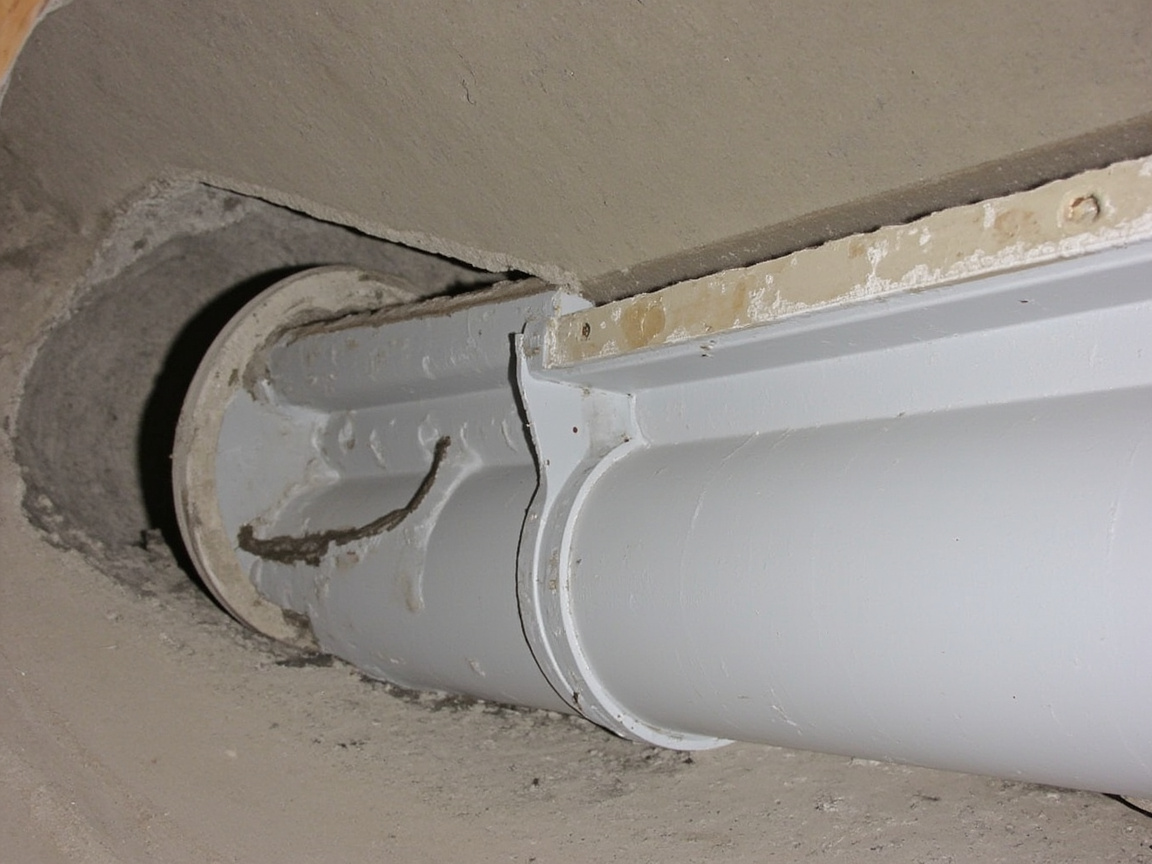
The DFT in the table above is an indicative range; actual values shall follow design documents and the TDS of the product used. Heating compartments must select materials by temperature zoning.
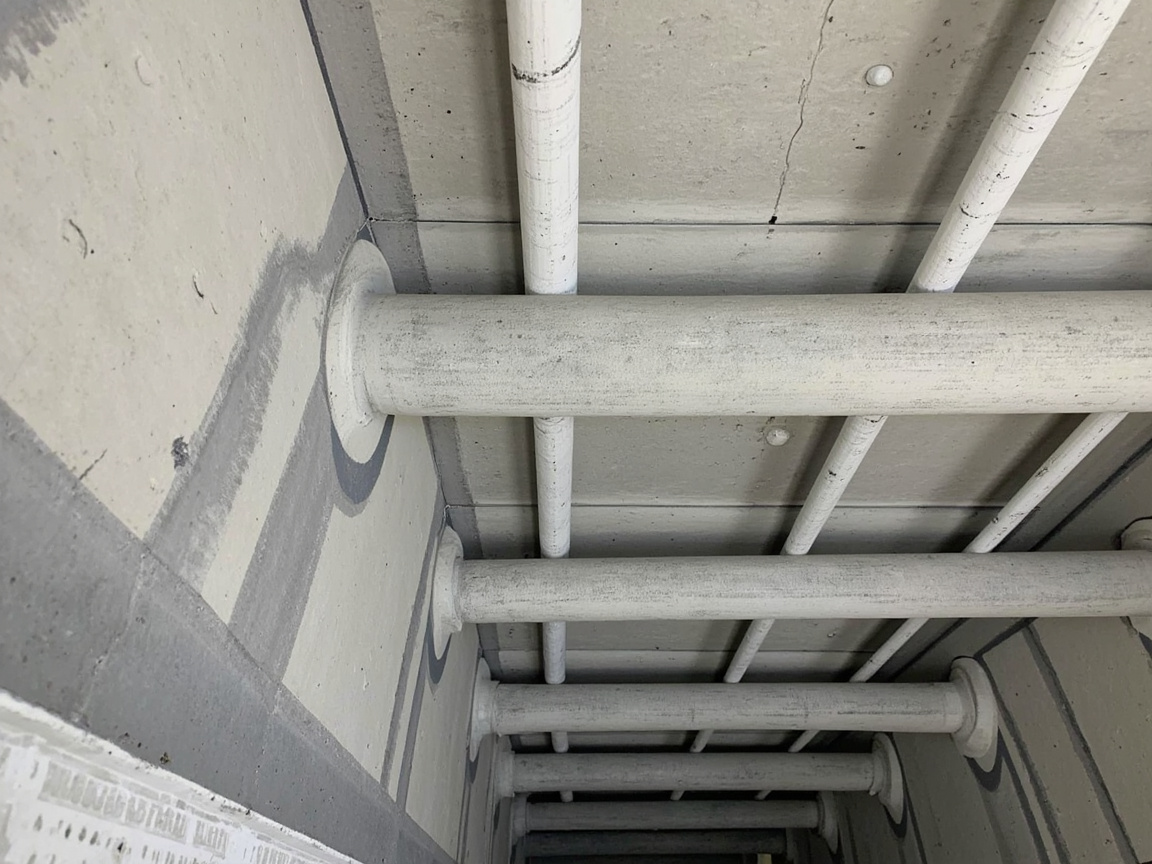
IV. Surface Treatment and Enclosed-space Construction
Utility tunnel surface treatment follows ISO 8501-1 Sa2.5 (for critical members), controlling roughness (ISO 8503) and soluble salts (ISO 8502). The particularity of enclosed-space construction lies in:
- Ventilation and Safety: Coating operations require forced ventilation, solvent concentration control, and compliance with confined-space work safety requirements.
- Condensation Prevention: Steel temperature must be at least 3℃ above dew point and relative humidity controlled before application, to avoid early failure from inner-wall condensation.
- Edge Pre-coating: Film thickness at supports/hangers, welds, and bolted connections is easily lost; pre-coating should ensure coverage.
- Process Sequencing: Blasting and coating should be tight to prevent re-rust; protect interfaces during sectional construction.
V. Film Thickness Management and Acceptance
Utility tunnel steel film thickness is accepted per the 90/90 rule of ISO 12944, using magnetic/eddy-current gauges (ISO 2808) for spot checks. Adhesion is verified by cross-cut (GB/T 9286) or pull-off (ASTM D4541). Since post-operation maintenance is difficult, acceptance should be stricter than ordinary outdoor steel structures, with key nodes archived.
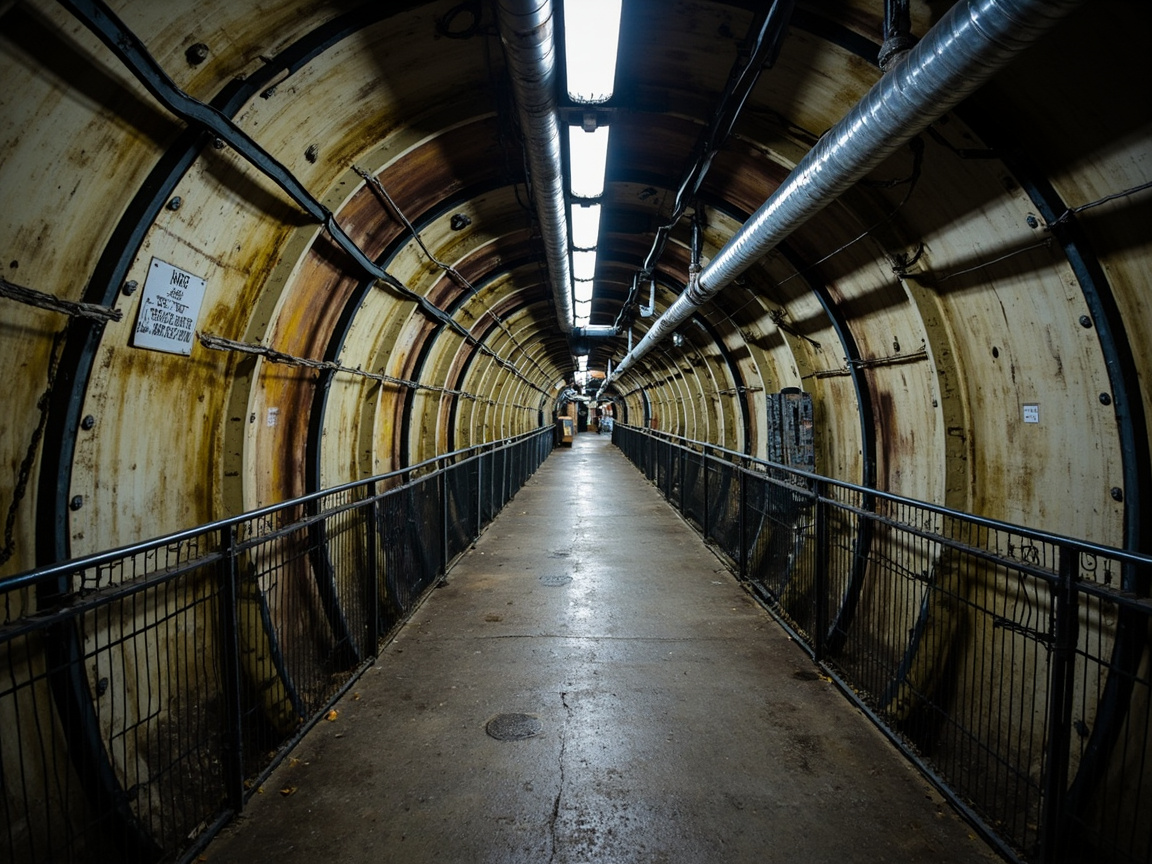
VI. Differentiation by Compartment
- Power/Communication Compartment: Mainly high-humidity anti-corrosion; avoid coating shedding polluting cables; emphasize density and adhesion.
- Heating Compartment: High temperature, wet-dry alternation; steel must use heat-resistant epoxy etc. by temperature zoning, considering thermal expansion effect on coating.
- Gas Compartment: Involves explosion-proof and fire-proof; coating materials and process must be compatible with fire/explosion requirements; no illegal flammable operations.
- Water/Sewer Compartment: Long-term damp; condensation prevention and water resistance are key; joint sealing is especially important.
VII. Interface between Concrete and Steel
Utility tunnels are mostly hybrid structures of concrete main body + steel supports/hangers. Concrete surface should be interface-treated (e.g., epoxy sealer primer) before coating; steel follows the metal system above. The junction of the two easily produces stress and seepage due to material difference; continuous sealing is needed to avoid thermal bridge and water accumulation.
VIII. Maintenance and Lifecycle
Utility tunnels should establish a closed loop of inspection—assessment—repair: regularly inspect coating chalking, rust spots, condensation; treat damage by "grind—spot primer—spot intermediate—spot topcoat" and verify compatibility; build coating archives per compartment and section. Due to narrow maintenance window, preventive maintenance beats post-failure rush repair.
Kexin New Materials (kexinMaterials) recommends that utility tunnel anti-corrosion technical documents clearly specify DFT per component, surface treatment grade, condensation prevention rules, and acceptance criteria, and write the system differences of compartments (especially heating compartment temperature zoning) into the specification, so construction and O&M have a unified standard. For the full picture of the standard system, extend reading to the overview of industrial coating standard system.
IX. Common Selection Mistakes
Mistake 1: The tunnel interior won't corrode. Wrong. High humidity and condensation make interior often C3–C4; ignoring it causes early failure.
Mistake 2: Easy to repair after operation. Wrong. Enclosed-space maintenance is difficult; must get it right first time and strictly accept.
Mistake 3: One coating for all compartments. Wrong. Heating and gas compartments differ in temperature and fire/explosion; must zone.
Mistake 4: Enclosed-space construction needs no ventilation. Wrong. Confined-space coating needs forced ventilation and solvent control for safety.
Mistake 5: Approximate film thickness is fine. Wrong. Accept by 90/90 rule; locally thin spots become corrosion entry.
X. Techno-economic and O&M Coordination of Utility Tunnel Anti-corrosion
Urban utility tunnels are city lifelines; their anti-corrosion investment should be evaluated under the dual framework of "urban resilience" and "O&M cost." Once in operation, the interior is enclosed and pipelines dense; repairing a single rust point requires coordinating outages of power, communications, water, heating, gas, etc., with organizational cost far higher than ordinary plants. Thus "getting it right the first time" in tunnel anti-corrosion has special city-level significance; the social cost of initial quality defects cannot be measured by material price difference.
From design, zoning systems by compartment and environment is key to balancing cost and reliability. Applying one coating to all steel either under-protects harsh parts or over-designs mild parts. Driving zoning by environmental assessment, then referencing GB 50838 and ISO 12944, makes film thickness, surface treatment grade, and material type of each part appropriate, avoiding resource mismatch.
The particularity of construction organization is the enclosed space. Confined-space coating needs forced ventilation and solvent control for safety; meanwhile high humidity brings high condensation risk, so the 3℃ dew point rule and humidity control must be strictly executed, otherwise inner-wall condensation directly ruins adhesion. Tunnels are mostly linear projects with many sections; blasting and coating should be sectional flow with tight sequencing to prevent re-rust of treated surfaces during waiting. For geometrically complex parts like supports/hangers, bolted joints, embedded parts, edge pre-coating and film thickness spot checks should be mandatory, not optional.
Operational and maintenance coordination is the stage where the anti-corrosion value of utility tunnels is realized. After commissioning, a closed loop of inspection—assessment—repair should be established, and the coating records of each compartment and each section should be linked with the pipeline asset management system. The intelligent trend of utility tunnels (such as temperature and humidity sensing, condensation warning, corrosion monitoring) provides a data foundation for preventive maintenance: when the humidity in a certain section remains high for a long time, intervention can be made in advance to investigate leakage and end-seal failure, eliminating corrosion in its infancy. This "data-driven O&M" is more efficient than emergency repair after failure, and better ensures the safety of urban operation.
In addition, as public infrastructure, the compliance traceability of materials and construction of utility tunnels has long-term liability significance. The anti-corrosion specification, surface treatment records, film thickness and adhesion data, and acceptance certificates should be structured and archived, which not only supports liability definition within the warranty period, but also provides a baseline for subsequent renovation and expansion. For urban O&M units, this traceable archive is the core asset of the whole-life-cycle management of utility tunnels, and its value increases with the number of years of operation.
XI. In-depth Reading of Utility Tunnel Coating Formulation and Construction Details
The matching logic of utility tunnel steel structures is the same as that of general steel structures, but is amplified by enclosed spaces and differences among multiple compartments. In the internal high-humidity environment, the coating emphasizes more on resistance to heat and humidity and prevention of condensation adhesion; supports and connecting nodes, due to vibration and geometric complexity, are high-incidence points of film thickness loss and corrosion initiation, which must be controlled through edge and corner pre-coating and higher random inspection density. At the interface between concrete and steel structures, stress and water seepage are likely to occur due to material differences, requiring continuous sealing, avoiding cold bridges and water accumulation, which demands close coordination between coating and civil engineering processes in interface treatment.
The matching for different compartments should have clear distinctions. Power and communication compartments mainly focus on high-humidity anti-corrosion and dense adhesion, avoiding coating peeling polluting cables; thermal compartments have temperature rise and wet-dry alternation, steel structures must select heat-resistant epoxy and other systems by temperature zone, and consider the influence of thermal expansion on the coating; gas compartments involve explosion-proof and fire prevention, materials and processes must be compatible with fire and explosion-proof requirements, and illegal flammable operations are strictly prohibited; water supply and drainage compartments are wet for a long time, anti-condensation and node sealing are particularly critical. Writing "one policy for one compartment" into the specification is the prerequisite for avoiding pitfalls in utility tunnel anti-corrosion.
Construction safety in enclosed spaces is the bottom line. Coating in confined spaces must be forcibly ventilated to control solvent concentration below flammable and toxic thresholds; oxygen content and harmful gases must be tested before operation, and monitoring and emergency response must be implemented. In high-humidity environments, construction can only proceed when the steel plate temperature is 3°C above the dew point and relative humidity is controlled, to prevent early failure caused by internal wall condensation. Many quality problems of utility tunnel coating are not due to substandard materials, but to ignoring ventilation and environmental control to catch up with the schedule, leading to hidden defects under the coating.
The strictness of film thickness management should be higher than that of open-air structures. Because inspection and repair after commissioning are difficult and space is limited, any local under-thickness will become a long-term corrosion breakthrough point. In addition to general rules, acceptance should increase the density of measurement points for key nodes and archive the data to specific sections. Adhesion verification is also important, especially at the interface between concrete and steel structures, which should be inspected as concealed work before enclosure. Writing the acceptance standard firmly and keeping the data complete is the most cost-effective quality investment for facilities like utility tunnels that are "hard to modify once built".
Digital O&M provides new means for utility tunnel anti-corrosion. Temperature and humidity sensing, condensation warning and corrosion monitoring can intervene in advance in sections with long-term high humidity to investigate leakage and end-seal failure; the coating archives of each compartment and each section are linked with the asset management system to support predictive maintenance. When utility tunnels are incorporated into the urban lifeline monitoring system, anti-corrosion is upgraded from single painting to asset health management, which not only ensures urban operation safety but also optimizes whole-life-cycle costs, and this is the direction of modern municipal infrastructure management.
The O&M coordination of utility tunnel anti-corrosion has city-level significance. Once a utility tunnel is commissioned, the internal space is enclosed and pipelines are dense; the repair of a single point of rust requires coordination of multiple professions such as power, communication, water supply, heat, and gas to suspend service, and the organizational cost is much higher than that of ordinary factories. Therefore, doing it right the first time for utility tunnel anti-corrosion has special public value, and the social cost of initial quality defects cannot be measured by material price differences. Writing quality indicators into mandatory acceptance and leaving concealed work for inspection before enclosure is the most cost-effective investment in urban operation safety.
Intelligent monitoring provides new means for utility tunnel anti-corrosion. Temperature and humidity sensing, condensation warning and corrosion monitoring can intervene in advance in sections with long-term high humidity to investigate leakage and end-seal failure; the coating archives of each compartment and each section are linked with the asset management system to support predictive maintenance. When utility tunnels are incorporated into the urban lifeline monitoring system, anti-corrosion is upgraded from single painting to asset health management, which not only ensures urban operation safety but also optimizes whole-life-cycle costs. This data-driven model is becoming the direction of modern municipal infrastructure management.
Multi-profession intersection brings unique fire and explosion-proof constraints. The coating materials and processes in gas compartments must be compatible with fire and explosion-proof requirements, and illegal flammable operations are strictly prohibited; thermal compartments must consider the influence of temperature rise on the coating and adjacent pipelines. These constraints require clear zoning and taboos at the design and construction stages, rather than temporary on-site response. Incorporating compartment differences, material taboos and construction safety into the technical specification is the prerequisite for avoiding pitfalls in utility tunnel anti-corrosion and also the guarantee for the safe operation of O&M units.
Base and interface treatment are often overlooked. Utility tunnels are mostly hybrid structures of concrete main body plus steel supports and hangers; the concrete interface must be sealed first and then coated, and steel structures follow the metal matching; the junction of the two is prone to stress and water seepage due to material differences, requiring continuous sealing, avoiding cold bridges and water accumulation. Writing the process connection between civil engineering and coating into the construction organization and making continuous treatment at the interface can avoid hidden corrosion caused by interlayer water seepage, which is also the quality control focus of facilities like utility tunnels that are hard to modify once built.
The O&M coordination of utility tunnel anti-corrosion has city-level significance. Once a utility tunnel is commissioned, the internal space is enclosed and pipelines are dense; the repair of a single point of rust requires coordination of multiple professions such as power, communication, water supply, heat, and gas to suspend service, and the organizational cost is much higher than that of ordinary factories. Therefore, doing it right the first time for utility tunnel anti-corrosion has special public value, and the social cost of initial quality defects cannot be measured by material price differences. Writing quality indicators into mandatory acceptance and leaving concealed work for inspection before enclosure is the most cost-effective investment in urban operation safety.
Intelligent monitoring provides new means for utility tunnel anti-corrosion. Temperature and humidity sensing, condensation warning and corrosion monitoring can intervene in advance in sections with long-term high humidity to investigate leakage and end-seal failure; the coating archives of each compartment and each section are linked with the asset management system to support predictive maintenance. When utility tunnels are incorporated into the urban lifeline monitoring system, anti-corrosion is upgraded from single painting to asset health management, which not only ensures urban operation safety but also optimizes whole-life-cycle costs. This data-driven model is becoming the direction of modern municipal infrastructure management.
Multi-profession intersection brings unique fire and explosion-proof constraints. The coating materials and processes in gas compartments must be compatible with fire and explosion-proof requirements, and illegal flammable operations are strictly prohibited; thermal compartments must consider the influence of temperature rise on the coating and adjacent pipelines. These constraints require clear zoning and taboos at the design and construction stages, rather than temporary on-site response. Incorporating compartment differences, material taboos and construction safety into the technical specification is the prerequisite for avoiding pitfalls in utility tunnel anti-corrosion and also the guarantee for the safe operation of O&M units.
Base and interface treatment are often overlooked. Utility tunnels are mostly hybrid structures of concrete main body plus steel supports and hangers; the concrete interface must be sealed first and then coated, and steel structures follow the metal matching; the junction of the two is prone to stress and water seepage due to material differences, requiring continuous sealing, avoiding cold bridges and water accumulation. Writing the process connection between civil engineering and coating into the construction organization and making continuous treatment at the interface can avoid hidden corrosion caused by interlayer water seepage, which is also the quality control focus of facilities like utility tunnels that are hard to modify once built.
As the urban lifeline, the anti-corrosion investment of utility tunnels should be evaluated under the dual framework of urban resilience and O&M costs. Applying the same paint to all steel structures will either under-protect in harsh parts or over-design in mild parts. Driving zoning with environmental assessment conclusions and then combining with engineering specification references can make the film thickness, surface treatment grade and material type of each type of part appropriate, avoid resource mismatch, and also use limited maintenance resources where they are most needed.
Urban comprehensive utility tunnels represent the direction of municipal infrastructure towards intensification and intelligence, and their anti-corrosion therefore has demonstration significance. Incorporating multiple types of professional pipelines into a unified inspectable space not only enhances urban resilience but also puts forward higher requirements for the protection of internal steel structures and interfaces. Utility tunnel anti-corrosion cannot follow the old idea of decentralized construction, but should take zoning, traceability, and intelligent monitoring as the outline, leaving quality before enclosure and data after commissioning. When utility tunnels become the carrier of urban lifelines, every investment in anti-corrosion will get several times the return in public safety and O&M efficiency, which is exactly the value of modern municipal engineering management.
In depth, the anti-corrosion of utility tunnels reflects the transformation of urban infrastructure from extensive construction to refined governance. In the past, scattered directly buried pipelines acted independently, with difficult maintenance and hidden risks; now they are uniformly included in inspectable and monitorable tunnel bodies, and the requirements for protection and data are accordingly increased. Taking zonal design, interface sealing, intelligent monitoring and archive retention as standard actions, the utility tunnel becomes not only a passage accommodating pipelines, but also an organic part of urban safety. When every steel structure and interface is properly protected and recorded, the urban lifeline gains the resilience to resist the erosion of time and environment, which is exactly the high-quality development direction pursued by modern municipal engineering.
From a broader perspective, the efficient use of underground space is an inevitable trend of urban development, and utility tunnels are an important carrier of this trend. The level of its anti-corrosion and O&M is directly related to the reliability of urban lifelines such as water supply, power, and communication. Treating anti-corrosion as a system engineering rather than local repair, and treating data as assets rather than burdens, the city can maintain safety and efficiency while expanding, and let infrastructure truly serve the long-term well-being of people and the city.
Although utility tunnels are hidden underground, they are the pulsating veins of the city. By doing the zonal protection and intelligent monitoring in detail, the urban lifeline gains more composure, and also reduces our hidden worries in daily peace. When every steel structure is properly guarded, infrastructure can truly become a people's project benefiting the long term.
The significance of utility tunnel anti-corrosion is not only to protect a few sections of steel structures, but also to guard the invisible order of urban operation. By detailing zoning, sealing, monitoring and archives, the underground space is no longer a hiding place for risks, but a solid support for urban resilience. When we enjoy convenience above the ground, we should also guard the unseen reliability below the ground, so that infrastructure can truly withstand the dual test of time and accidents, and become a reassuring project benefiting thousands of households.
Although utility tunnels are hidden underground, they are connected to the breathing and pulse of the city. By solidifying protection and keeping data complete, the underground space gains more composure, and the city thus appears more resilient and reliable in invisible places.
By doing the anti-corrosion of utility tunnels in detail, the city gains more stability in the invisible depths, and also makes the operation of people's livelihood more worry-free.
FAQ
FAQ
Q: Why does the interior of urban comprehensive utility tunnels also need anti-corrosion?
A: Although the utility tunnel is underground, the interior is humid for a long time and prone to condensation due to temperature difference and insufficient ventilation. Steel structures and supports are often classified as C3–C4 or even internal high-humidity environment according to ISO 12944-2. And inspection and repair after commissioning are difficult; ignoring anti-corrosion will lead to early rust and high maintenance costs.
Q: What standards are mainly referenced for utility tunnel anti-corrosion?
A: The overall project is based on GB 50838 "Technical Code for Urban Comprehensive Utility Tunnel Engineering"; the anti-corrosion matching references the corrosion environment classification and system design of ISO 12944 / GB/T 30790. The specific coating system, DFT, and surface treatment grade should be clearly referenced in the design documents and anti-corrosion specification to avoid acceptance without evidence.
Q: What corrosion grade is generally used for the interior of utility tunnels?
A: Usually according to the internal high-humidity environment, corresponding to C3–C4 or higher internal grade, specifically determined by measured humidity, pollutants and ventilation conditions. It should not be simply treated as "underground = safe", but should be based on the environmental assessment conclusion.
Q: What are the differences in matching for different compartments?
A: Power/communication compartments mainly focus on high-humidity anti-corrosion and dense adhesion; thermal compartments have temperature rise and wet-dry alternation, and must select heat-resistant epoxy by temperature zone; gas compartments involve explosion-proof and fire prevention, materials and processes must be compatible; water supply/drainage compartments are wet for a long time, anti-condensation and node sealing are critical.
Q: What should be paid attention to in utility tunnel surface treatment?
A:Key steel structures shall reach Sa2.5 per ISO 8501-1, with controlled roughness and soluble salts; enclosed spaces must have forced ventilation and solvent concentration control to meet confined space operation safety; construction may proceed only when steel plate temperature is 3°C above dew point and humidity is controlled, to prevent condensation causing early failure.
Q: How is film thickness accepted/inspected?
A: Per the 90/90 rule of ISO 12944, use magnetic/eddy-current thickness gauges (ISO 2808) for random inspection; adhesion is tested by cross-cut method (GB/T 9286) or pull-off method (ASTM D4541). Since maintenance is difficult, acceptance should be stricter than for outdoor steel structures, and key nodes shall be documented.
Q: Why should steel structures in thermal galleries be divided into temperature zones?
A: Heating and wet-dry alternation in thermal galleries cause ordinary epoxy to undergo thermal aging and chalking, so heat-resistant epoxy systems etc. must be selected by temperature zone, and the effect of thermal expansion on the coating shall be considered. The specific upper heat-resistance limit shall follow the product TDS and process temperature.
Q: How to treat the junction between concrete and steel structures?
A: Concrete shall be surface-treated first (e.g., epoxy primer) then coated, and steel structures follow the metal system; the junction is prone to stress and water seepage due to material differences, so continuous sealing is needed to avoid thermal bridges and ponding, ensuring interface continuity.
Q: How to maintain the pipe gallery after commissioning?
A: Establish an inspection–assessment–repair closed loop: periodically check chalking, rust spots, condensation; grind and spot-recoat damaged points and verify compatibility; build a coating archive for each gallery and section. Since maintenance windows are narrow, preventive maintenance is better than post-failure emergency repair.
Q: What is the most common mistake in anti-corrosion selection for pipe galleries?
A: Treating the interior as a safe zone and ignoring condensation and C3–C4 grades; or assuming easy repair after commissioning and relaxing first-time construction quality; as well as no zoning for each chamber and no ventilation in enclosed spaces. The correct approach is to zone by environmental assessment, strictly control surface preparation and film thickness acceptance, and write it into the specification.
Further Reading
- Technical Analysis of Zinc-Rich Epoxy Primer: Understand the cathodic protection basis of primers for pipe gallery steel structures.
- General Anti-Corrosion System Design for Steel Structures: How the primer–intermediate–topcoat three-layer logic is applied to pipe gallery steel structures.
- Overview of Industrial Coating Standard Systems: Sort out the positioning of GB 50838 and ISO 12944 in the standard hierarchy.
- Wind Turbine Tower Coating: Anti-Corrosion Systems for Onshore and Offshore Wind Turbines
- Petrochemical Equipment Anti-Corrosion: Corrosion Under Insulation and Temperature-Zone Material Selection
- General Treatise on Industrial Protective Coating Systems: ISO 12944 Corrosivity Grades and System Design