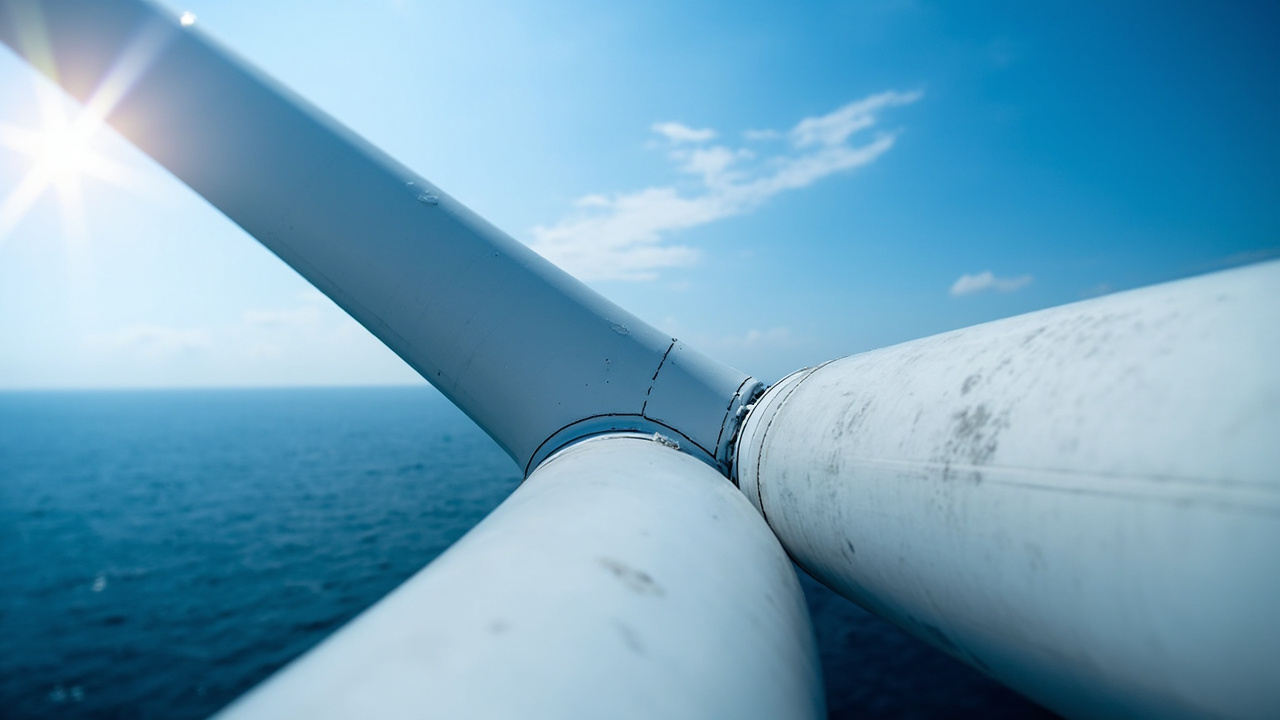
In the landscape of the global energy transition, wind power is a dual engine of clean energy alongside photovoltaics. The blade length of a megawatt-class turbine has exceeded 100 meters, with blade tip linear speed reaching over 300 km/h. However, it is precisely this high-speed rotating "giant wing" that is long exposed to raindrop impact, sand and dust scouring, ice and snow adhesion, and UV aging—the blade leading edge (Leading Edge) thus becomes the major failure zone of the entire machine, directly determining the availability and levelized cost of energy of the unit.
For OEMs, blade manufacturers, and O&M service providers, wind turbine blade coating is no longer simply "coloring", but a functional protection system integrating leading edge protection, anti-icing, and weather resistance. This article systematically breaks down the failure mechanisms and selection logic of blade coatings, and provides supporting schemes based on sea areas and climates.
I. Why Wind Turbine Blades Need Professional Protective Coatings
The mechanical and chemical loads borne by blades during operation are extremely harsh:
- Rain Erosion: High-speed raindrops strike the leading edge with huge kinetic energy, and can penetrate the topcoat within a few years, exposing the FRP substrate.
- Sand and Dust Scouring: Wind-blown sand in Gobi and desert wind farms abrades the blade tip like sandblasting, forming rough bands that induce aerodynamic performance decay.
- Ice Accretion: In cold and humid regions, supercooled water droplets freeze on the blade surface, destroying the aerodynamic profile and causing severe unbalanced vibration.
- UV and Humid-Heat Aging: Long-term sunlight causes polyurethane topcoat to chalk and lose gloss, while coastal salt spray accelerates structural corrosion.
Under such working conditions, blade coating plays the role of "armor":
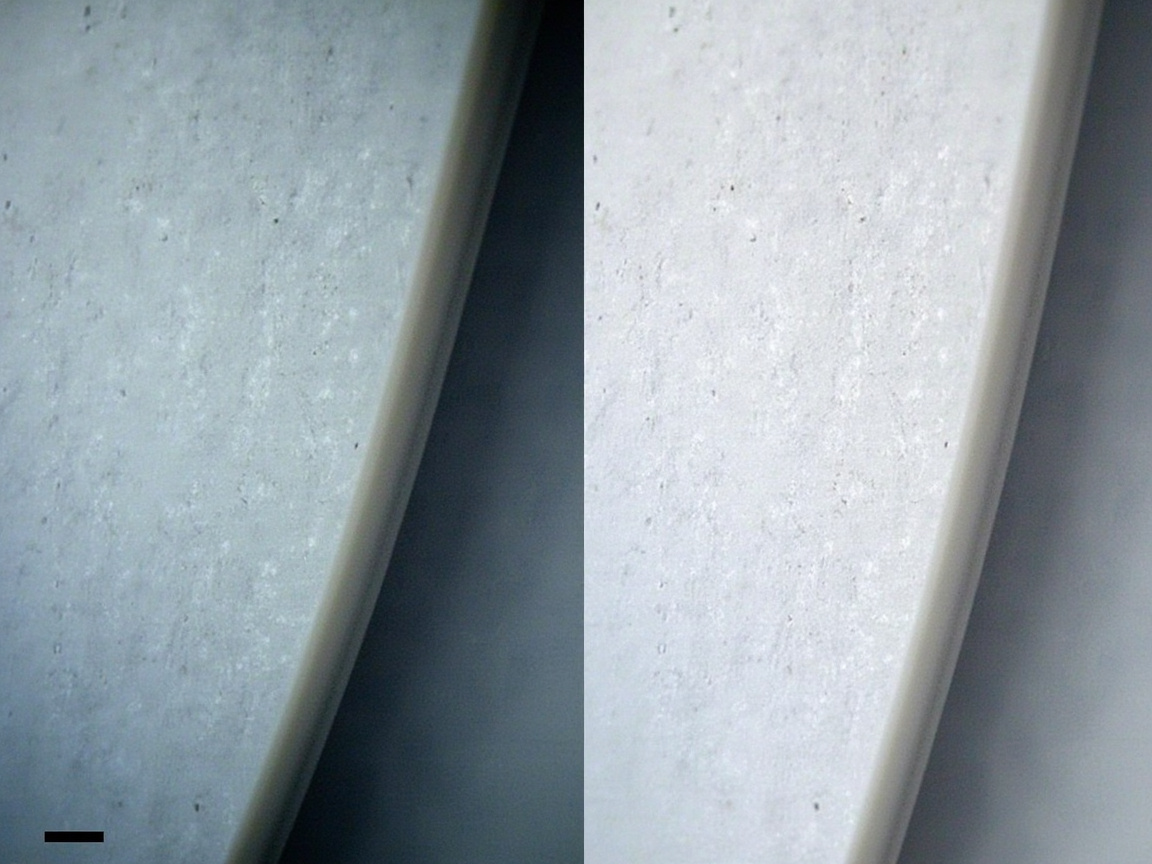
- Leading Edge Anti-Rain-Erosion: Build a high-toughness, high-elasticity nano-toughened topcoat at the leading edge to absorb raindrop impact energy.
- Anti-Icing and Load Reduction: Suppress ice accretion through superhydrophobic or electrothermal strategies, or reduce ice adhesion for easy melting and shedding.
- Long-Term Weather Resistance: Block UV and salt spray, protect the blade root, shell, and internal structure, and extend the service life of the entire machine.
II. Three Core Functions: Anti-Rain-Erosion · Anti-Icing · Weather Resistance
1. Leading Edge Anti-Rain-Erosion: From Raindrop Mechanics to Nano Toughening
Raindrops are small, but at a blade tip speed of 300 km/h, their impact pressure can rival that of hard object impact. Ordinary polyurethane topcoat often develops pinholes and whitening at the leading edge within 2–3 years. The solution is nano-toughened topcoat:
- Elastomer Modification: Introduce polyurethane–polyurea or silicone elastic networks to improve the elongation at break and resilience of the coating.
- Nano Filler Reinforcement: Nano silica, carbon nanotubes, etc. are uniformly dispersed to block microcrack propagation.
- Gradient Layer Design: Primer–intermediate–topcoat multi-layer gradient balances adhesion and impact resistance.
2. Anti-Icing Strategies: Superhydrophobic / SLIPS / Electrothermal
For icing wind farms, there are three mainstream anti-icing routes:
- Superhydrophobic (Superhydrophobic Coating): Extremely low surface energy makes supercooled water droplets difficult to stay, delaying icing.
- SLIPS Lubricating Layer: Microporous structure infused with lubricating liquid, making ice very easy to shed.
- Electrothermal Anti-Icing: Embed heating layers inside the blade for active de-icing, often combined with coating to reduce energy consumption.
For blades, passive superhydrophobic coating has low cost and is easy to apply, making it the first choice for onshore cold and humid icing wind farms; offshore or extreme icing zones more often consider a combination of electrothermal and passive coatings.
3. Long-Term Weather Resistance and Structural Protection
Blade shells are mostly glass fiber reinforced plastic (GFRP), while the blade root and connection zones are metal structures. The weather-resistant topcoat must block UV chalking, and at the same time provide mechanical anti-rust for frames, bolts, and tower junction parts to avoid salt spray corrosion weakening connection reliability.
III. Sea Area and Climate Graded Selection
Different wind farms have different dominant failure causes, and the supporting scheme must be "tailored to the site":
| Wind Farm Type | Dominant Failure | Core Coating Requirement | Recommended System |
|—|—|—|—|
| Gobi / Desert | Sand and Dust Scouring | High Abrasion Resistance + Anti-Rain-Erosion | Nano-Toughened Polyurethane Topcoat |
| Offshore / Nearshore | Salt Spray + Rain Erosion | Heavy Anti-Corrosion + Anti-Rain-Erosion | Nano Anti-Corrosion Primer + Toughened Topcoat |
| Cold and Humid | Ice Accretion | Anti-Icing + Weather Resistance | Superhydrophobic / SLIPS Coating |
| Conventional Onshore | UV Aging | Weather Resistance + Anti-Rain-Erosion | Weather-Resistant Polyurethane Topcoat |
Special reminder: Mechanical anti-rust and aerodynamic protection do not conflict. Offshore turbine towers, flanges, and blade root metal structures are long subjected to salt spray, and rust will directly weaken connection strength. Adding a nano-scale anti-rust primer under the weather-resistant topcoat is an invisible guarantee for extending the service life of the entire machine.
IV. Kexin (kexinMaterials) Nano Protection Scheme
As a manufacturing enterprise focused on nano new material R&D, Kexin New Materials (kexinMaterials)' differentiation in wind turbine blade protection comes from its nano-scale formulation platform:
- Nano-Toughened Anti-Rain-Erosion Topcoat: Builds a highly oriented elastic network with nano SiO₂ / carbon tubes, significantly improving leading edge elongation at break and impact resistance, and delaying rain erosion perforation.
- Superhydrophobic Anti-Icing Coating: Low surface energy + micro-nano structure suppresses supercooled water droplet residence, reduces ice accretion adhesion, and cuts downtime de-icing losses.
- Nano Mechanical Anti-Rust Primer: First builds a nano passivation layer at blade root, flange, and tower junction parts to suppress substrate corrosion under salt spray conditions, coordinating with upper functional coatings.
- Integrated Supporting Capability: Based on wind farm type, sea area, and climate goals, Kexin provides primer-to-topcoat integrated painting support from leading edge anti-rain-erosion to structural anti-rust, along with implementable construction and inspection parameters.
V. Construction and Acceptance Key Points
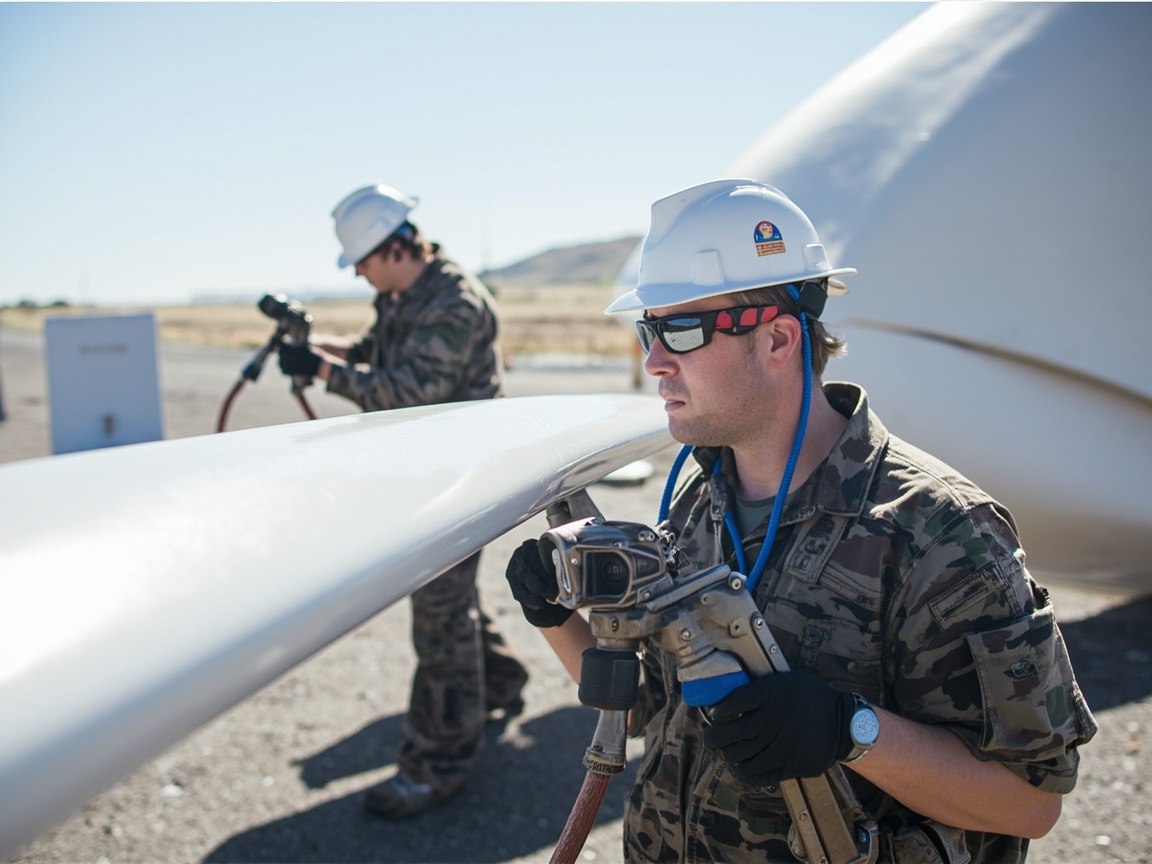
Blade painting is "70% formulation, 30% construction"; it is recommended to grasp three lines for acceptance:
1. Surface Treatment: FRP needs sanding, dust removal, and release agent cleaning; metal parts must be derusted first—nano anti-rust primer cannot save loose floating rust.
2. Film Thickness and Adhesion: The leading edge area needs to be thickened and uniform; wet film gauge + pull-off adhesion full inspection is recommended.
3. Batch Inspection: Retain samples from each batch for impact, abrasion, and adhesion re-check, and establish a traceability file from raw material to finished product.
FAQ
Q1: Why can't ordinary topcoat hold up at the leading edge?
Blade tip linear speed can reach 300 km/h, and raindrop impact pressure is extremely high; ordinary polyurethane develops pinholes and whitening within 2–3 years, so nano-toughened anti-rain-erosion topcoat must be used.
Q2: How to choose between superhydrophobic anti-icing and electrothermal anti-icing?
Onshore cold and humid icing wind farms prioritize passive superhydrophobic coating for low cost and easy application; offshore or extreme icing zones can combine electrothermal active de-icing with passive coating.
Q3: What should sandy dust wind farms most guard against?
Gobi and desert wind farms are dominated by sand and dust scouring, so they should focus on high-abrasion-resistant and anti-rain-erosion nano-toughened topcoat, and reinforce film thickness at the leading edge area.
Q4: What extra attention is needed for offshore turbine coatings?
High salt spray accelerates rust at blade root, flange, and tower, weakening connection reliability; it is recommended to add a nano-scale mechanical anti-rust primer under the weather-resistant topcoat.
Q5: What can Kexin do for wind power customers?
Kexin (kexinMaterials) provides nano-toughened anti-rain-erosion, superhydrophobic anti-icing, and nano anti-rust based primer-to-topcoat integrated blade painting support, along with construction process and batch inspection suggestions.
Q6: How to verify the service life of blade coatings?
It is recommended to use rain erosion test, adhesion retention rate, and UV aging as core indicators, with samples retained from each batch for random inspection and a traceability file established.

Further Reading
- Wind Turbine Blade Anti-Sand-Scouring Nano Polyurethane Topcoat: From Rain Erosion Mechanics to Nano-Toughened Leading Edge Protection Engineering
- Wind Turbine Blade Coating Protection System
- Offshore Wind Power Moving to Deep and Far Seas: How Heavy Anti-Corrosion Coating Withstands 25 Years of Salt Spray Erosion