"High-temperature coating" sounds like a kind of paint, but in fact it spans multiple technical routes such as silicone-modified, silicone, ceramic, and inorganic silicate systems, with operating temperatures ranging from 200℃ all the way up to above 1000℃. The requirements for heat resistance, thermal conductivity, thermal insulation, and media resistance vary completely across different scenarios: motor housings need to be heat-resistant, insulating, and aesthetically pleasing; automotive exhaust pipes need to resist thermal shock without peeling; boiler exteriors need heat resistance plus anti-corrosion; metallurgical equipment faces direct high-temperature oxidation and thermal shock. This article breaks high-temperature coating down into four major scenarios based on real working conditions, explaining selection and implementation one by one.
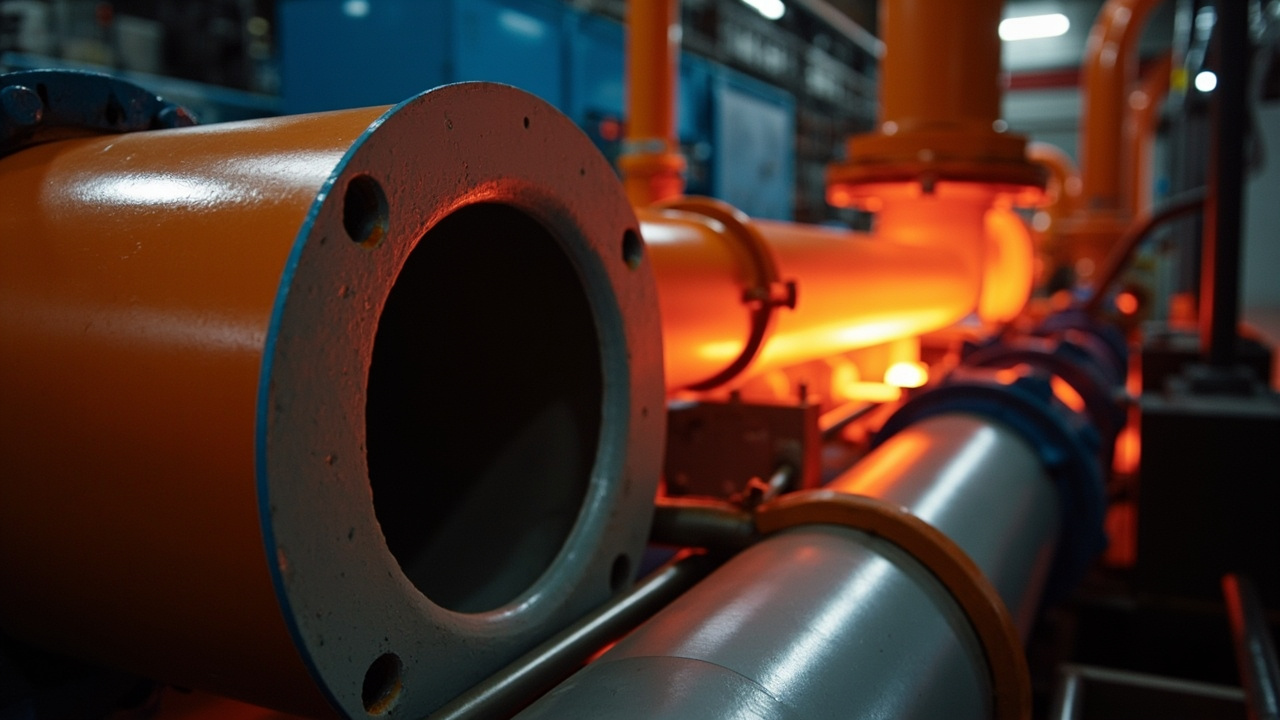
I. First Define the Temperature Range: The Starting Point for Material Selection
The first step in selecting a high-temperature coating is always "maximum operating temperature + thermal cycling mode". Temperature ranges roughly correspond to different systems:
- 200–400℃: Mainly silicone-modified systems, balancing color and decoration, commonly used for motors, engine covers, and heating equipment.
- 400–800℃: Silicone/high-temperature-stable silicone + heat-resistant pigments, or with ceramic fillers, used for exhaust pipes, mufflers, and boiler outer layers.
- 800–1200℃ and above: Ceramic coatings, inorganic silicates, or special cermet systems, used for metallurgy, chimneys, incineration, and extreme parts of heat exchange.
For finer temperature grading and pitfalls, see How to Select High-Temperature Coating: Working Condition Grading from 200℃ to 1200℃ and Pitfall Avoidance.
II. Scenario 1: Motor and Electrical Equipment Housings
The heat resistance needs of motor, inverter, and electrical cabinet housings are typically "long-term 100–200℃ periodic temperature rise", with core demands being:
- Heat-resistant without yellowing or chalking, maintaining markings and appearance;
- Coordinated with insulation system, not contaminating areas around windings;
- Certain decoration and weather resistance, outdoor motors also need UV resistance.
Such scenarios mostly use silicone-modified heat-resistant paint or water-based temperature-resistant topcoat. The key to application is surface degreasing and thin multi-coat application, avoiding thick films cracking under thermal expansion. For the full technical picture, refer to Complete Analysis of High-Temperature Coating Technology: Heat-Resistant Protection from Silicone to Ceramic Coatings.
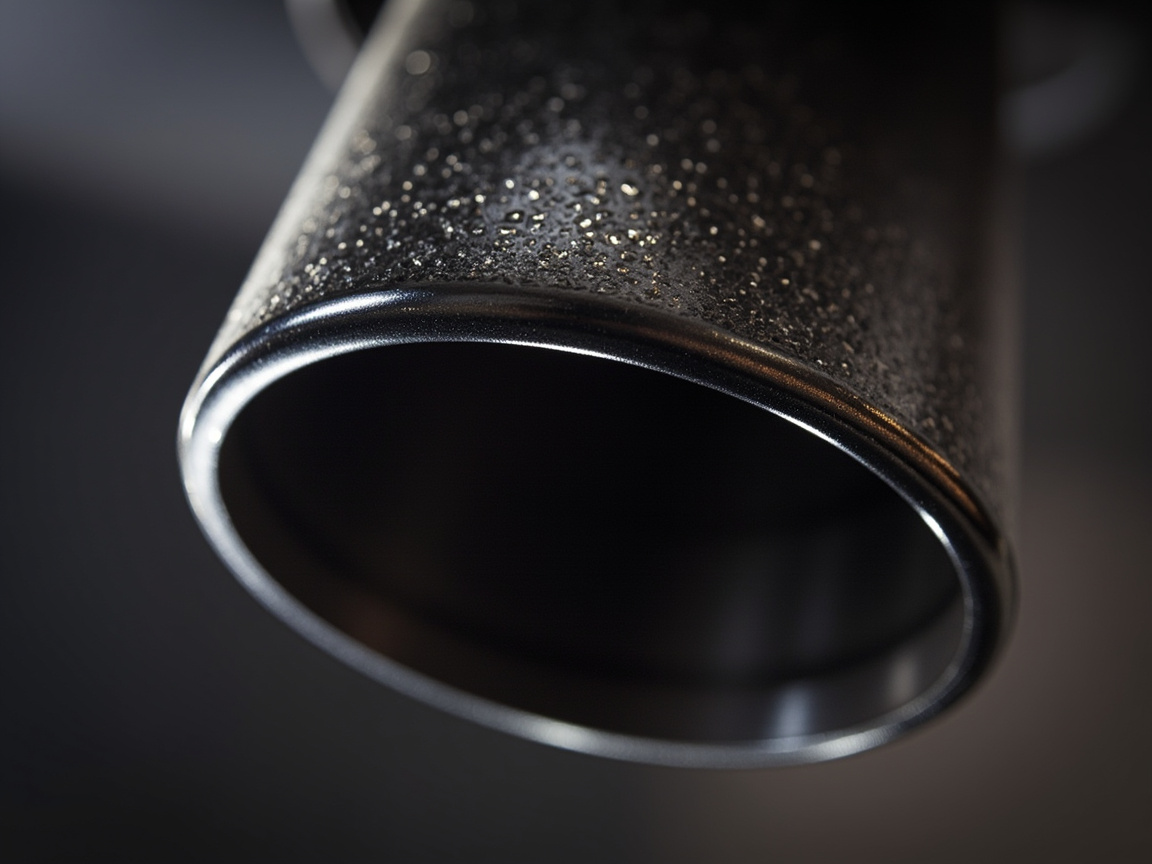
III. Scenario 2: Exhaust Systems and Mufflers
Exhaust pipes and mufflers of automobiles, construction machinery, and generator sets are the most typical "thermal shock scenarios" for high-temperature coating: from cold start to over a thousand degrees Celsius, repeated rapid cooling and heating within minutes, ordinary paint will quickly peel off. Key points:
- Thermal shock resistance prioritized over maximum temperature resistance: Withstanding cold–hot cycles is more important than nominal temperature resistance.
- Ceramic fillers enhance thermal barrier: Coatings with ceramic microspheres form a thermal barrier, reducing substrate temperature rise.
- Thin and firm adhesion: Exhaust components vibrate heavily; the coating needs to match the metal's thermal expansion coefficient to avoid thermal fatigue delamination.
For 1000℃-level exhaust pipes, there is already a topic such as Exhaust Pipe 1000℃ High-Temperature Nano Ceramic Paint: From Thermal Barrier Coating Mechanism to Engineering Practice of Automotive Exhaust System Protection as a selection reference.
IV. Scenario 3: Boiler and Thermal Pipeline Exteriors
Boiler, heat exchanger, and steam pipeline exteriors are长期处于 medium-high temperature with accompanying heat loss and exterior oxidation. Coatings in this scenario often undertake the triple role of "heat resistance + anti-corrosion + thermal insulation":
- Integrated heat-resistant anti-corrosion: The exterior must resist high-temperature oxidation and prevent atmospheric corrosion and moisture from insulation layers.
- Insulation and energy reduction: Reflective or ceramic insulating coatings can lower exterior temperature and reduce heat loss.
- Inspectable and maintainable: The coating should facilitate inspection and local repair during boiler shutdown periods.
For similar needs such as chemical plant reactors, refer to Chemical Plant Reactor Exterior Wall Insulating Anti-Corrosion Nano Paint: Integrated Coating Solution from Thermal Management to Chemical Safety.
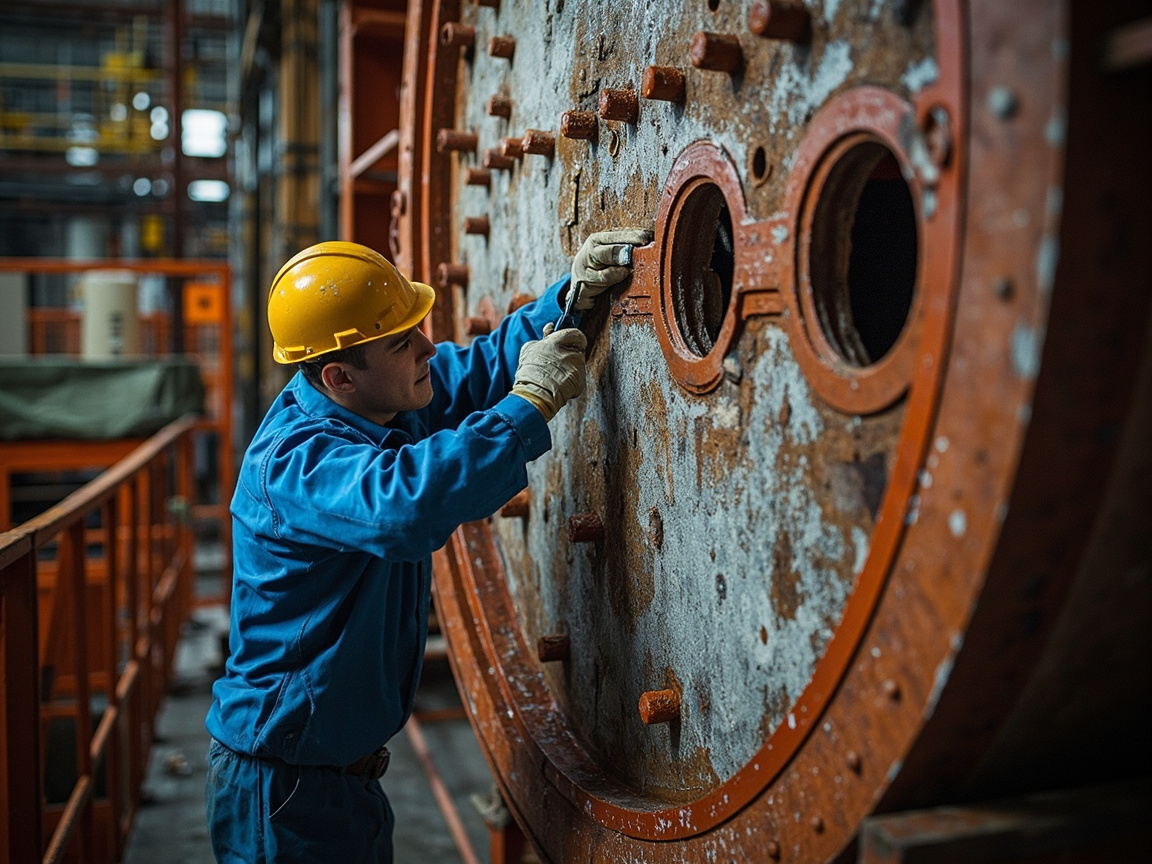
V. Scenario 4: Metallurgy and High-Temperature Industrial Equipment
Metallurgical furnace bodies, flues, sintering, and smelting equipment face direct high-temperature oxidation, thermal shock, and partial media erosion, belonging to the "extreme zone" of high-temperature coating. Implementation points:
- Leave margin on temperature upper limit: Labeled temperature resistance should be higher than actual peak rather than average.
- Resist thermal cycle fatigue: Thermal expansion and contraction from furnace start-stop is the main failure source.
- Coordinate with lining: Coatings often serve as metal shell protection, working with refractory lining rather than replacing each other.
For acid-resistant ceramic solutions for high-temperature chimneys in smelters, see Smelter High-Temperature Chimney Acid-Resistant Nano Ceramic Coating: From Hot Corrosion Mechanism to Long-Term Protection of Industrial Chimneys.
VI. Common Issues: Adhesion, Thermal Shock, and Application
The four scenarios share three iron rules:
1. Substrate treatment: Steel surface degreasing and derusting; high-temperature parts with scale need thorough treatment, otherwise entire sheets peel under thermal cycling.
2. Film thickness and coats: High-temperature coatings should be thinly applied in multiple coats; a single overly thick layer easily cracks under rapid cooling and heating.
3. Curing system: Some systems require stepwise heating curing to let the coating complete final cross-linking at high temperature; never run at full load before low-temperature curing is done.
VII. The Other Side of Inorganic Silicate High-Temperature Resistance
Besides silicone and ceramic routes, inorganic silicate systems are known for high temperature resistance, non-combustibility, and strong bonding with metal, often used in higher temperature or inorganic-required scenarios. Their technical core in temperature resistance and anti-corrosion is seen in Waterborne Silicate Coating: Technical Core of Inorganic Zinc-Rich and High-Temperature Anti-Corrosion, which is very reference-worthy for parts needing both heat resistance and rust prevention.
VIII. Kexin New Materials' Heat-Resistant Protection Layout
Kexin New Materials (Guangdong) Co., Ltd. builds a high-temperature coating product family around "heat resistance+": silicone-modified heat-resistant paint covers the medium-temperature segment of motor and equipment housings; ceramic-modified heat-resistant systems target exhaust and muffler thermal shock scenarios; insulating anti-corrosion配套 is used for boiler and thermal pipeline exteriors. For overseas high-temperature industrial projects, Kexin provides selection tables and application heating curves divided by temperature segments under the kexinMaterials brand, helping customers turn "nominal temperature resistance" into "real working condition lifespan".
IX. Frequently Asked Questions (FAQ)
How high a temperature can high-temperature coating withstand?
There is no unified upper limit, depending on the system: silicone-modified about 200–400℃, silicone/ceramic-modified can reach 800℃ level, ceramic and inorganic silicate systems can exceed 1000℃. Selection should look at real peak temperature rather than average.
Why is thermal shock resistance especially emphasized for exhaust pipes?
The exhaust system goes from cold start to high temperature in just minutes, with repeated rapid cooling and heating; ordinary paint suffers thermal fatigue peeling. The key indicator is thermal cycle resistance, not purely nominal temperature resistance.
What heat-resistant paint is suitable for motor housings?
Mostly 100–200℃ periodic temperature rise; silicone-modified heat-resistant paint or water-based temperature-resistant topcoat is suitable, with the focus on no yellowing, no chalking, and coordination with the insulation system.
Besides heat resistance, what else is needed for boiler exterior coating?
Also anti-corrosion and thermal insulation: the exterior is长期 heated with moisture and oxidation; reflective/ceramic insulating coatings can also lower exterior temperature and reduce heat loss.
What is the easiest point to fail in high-temperature coating application?
One is substrate scale/oil not thoroughly removed causing thermal cycle peeling; two is single-layer over-thickness cracking; three is not stepwise heating curing as required. Thin multi-coat and strict pre-treatment are the core.
Which high-temperature parts are inorganic silicate systems suitable for?
Suitable for scenarios requiring high temperature resistance, non-combustibility, or strong bonding with metal, often complementing silicone systems in temperature resistance and workability, used for higher temperature or inorganic-attribute parts.
Further Reading
- How to Select High-Temperature Coating: Working Condition Grading from 200℃ to 1200℃ and Pitfall Avoidance
- Complete Analysis of High-Temperature Coating Technology: Heat-Resistant Protection from Silicone to Ceramic Coatings
- Waterborne Silicate Coating: Technical Core of Inorganic Zinc-Rich and High-Temperature Anti-Corrosion