In the fiercely competitive industrial manufacturing and construction sectors, time is undoubtedly the most valuable asset. Every extra hour a device sits idle in the paint booth, or every extra day a construction project waits for recoating, means lost profits. However, choosing coatings based solely on "speed" is a dangerous gamble. PZSSS is committed to helping you find the perfect balance between construction speed and long-lasting performance.

1. In-depth Analysis of Drying Science: Physical Drying vs Chemical Curing Not all paints dry the same way. Whether to choose fast-drying or slow-drying often depends on the technical type of the resin:
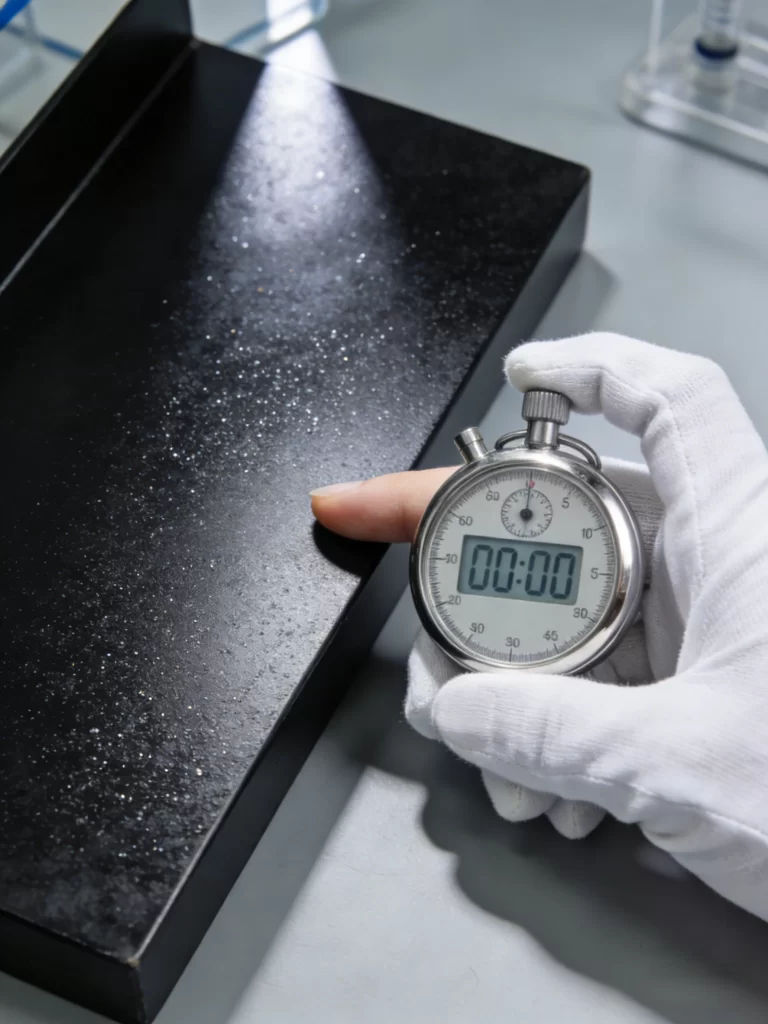
- Physical drying (very fast): Commonly seen in acrylic paints or chlorinated rubber paints. The paint dries as the solvent evaporates. This method is very fast, but generally has lower chemical resistance.
- Chemically cured (controllable): Epoxy and polyurethane systems rely on chemical reactions between two components (A and B). Although traditionally slower, PZSSS rapid curing technology now enables these heavy-duty anti-corrosion coatings to harden in an extremely short time.
2. Core Value Brought by Fast-Drying Systems to Enterprises Why are more and more factories shifting to using PZSSS Fast-Drying Series?
- Improve production throughput: If the paint drying time is reduced from 8 hours to 2 hours, the number of workpieces you process per day will increase fourfold.
- Reduce paint defects: The faster the paint reaches the "surface dry" state, the less chance there is for dust and insects in the air to damage the paint film surface.
- Shorten recoat interval: You can complete the application of primer, intermediate coat, and topcoat within a single shift, greatly saving labor costs and scaffolding rental fees.
3. When is "slow drying" actually better? Speed is not the only criterion. In certain specific scenarios, a slower drying time actually offers technical advantages:
- Construction in high-temperature environments: Under extreme high temperatures, paint that dries too quickly will exhibit "dry spray" phenomenon, leaving a rough texture like sandpaper. Slower solvent release allows the paint film sufficient time to level out, forming a mirror-like finish.
- Large-area application: When coating large storage tanks, a slower drying time ensures "wet-on-wet" overlap, preventing visible lap marks and ensuring a seamless, uniform appearance.

4. Professional Advice: How to Increase Speed While Ensuring Quality
- Enhance air circulation: Use industrial fans to carry solvent vapors away from the surface. Remember, it is not just about heating the air, but more importantly about keeping the air moving.
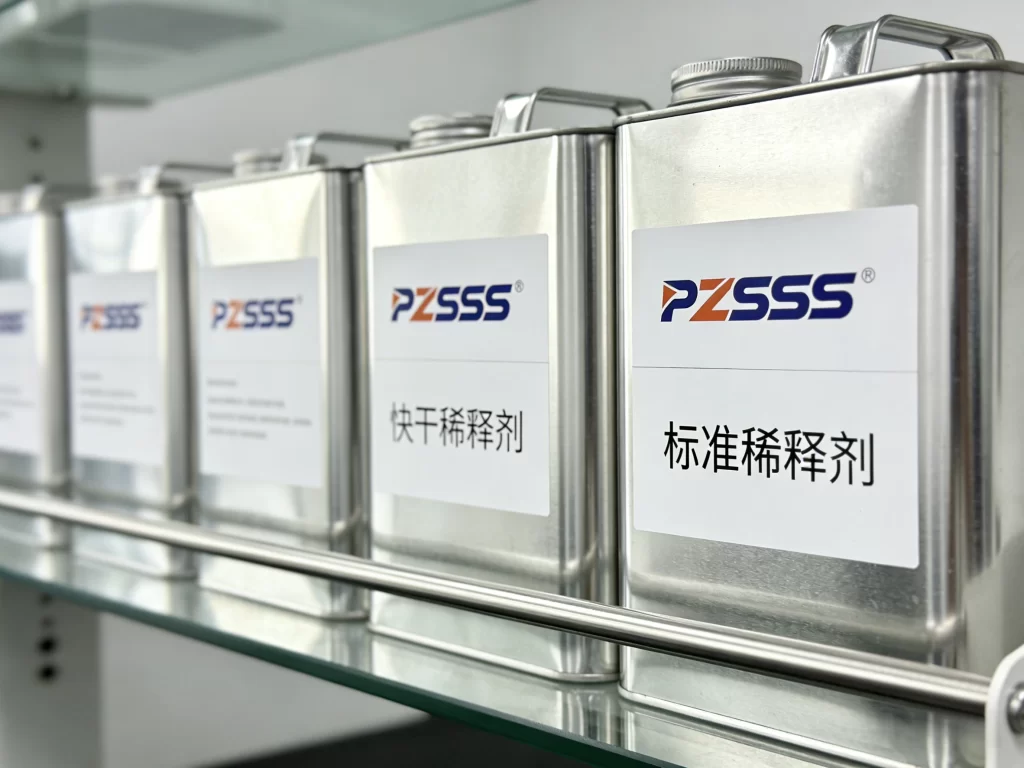
- Correct use of thinner: Be sure to use with PZSSS dedicated fast-drying thinner, which is specially designed to accelerate solvent evaporation.
- Thin coats applied in multiple layers: Two quickly-drying thin coats will always outperform one thick coat that takes days to dry.