Hydrogen energy is regarded as one of the "ultimate clean energies" for achieving carbon neutrality, yet its storage and transportation impose extremely stringent demands on materials. High-pressure gaseous hydrogen storage (35 MPa and 70 MPa), liquid hydrogen (approximately −253 °C), and long-distance hydrogen pipelines all keep steel, valves, and compressors in a prolonged "hydrogen-exposed" state. The permeation of hydrogen atoms into metals, hydrogen embrittlement (HE), and hydrogen-induced cracking (HIC) are the most critical material risks for the industry; meanwhile, the external surfaces of equipment must also withstand multiple forms of attack such as atmospheric corrosion, coastal salt spray, and industrial sulfides. The anti-corrosion coating for hydrogen energy storage and transportation equipment must therefore both "prevent external corrosion" to extend the substrate life and "avoid exacerbating internal hydrogen damage," while being strongly coupled with material selection and welding heat treatment—this is what fundamentally distinguishes it from ordinary pressure vessel anti-corrosion.
As a technical supplier of industrial protective coating, Kexin New Materials (kexinMaterials) has accumulated extensive frontline data on the supporting painting of hydrogen-exposed equipment. This article systematically explains hydrogen energy storage and transportation anti-corrosion in depth—from hydrogen damage mechanisms, external anti-corrosion, material compatibility, coating selection to standards and acceptance—to help station constructors, equipment manufacturers, and anti-corrosion designers establish a complete understanding.
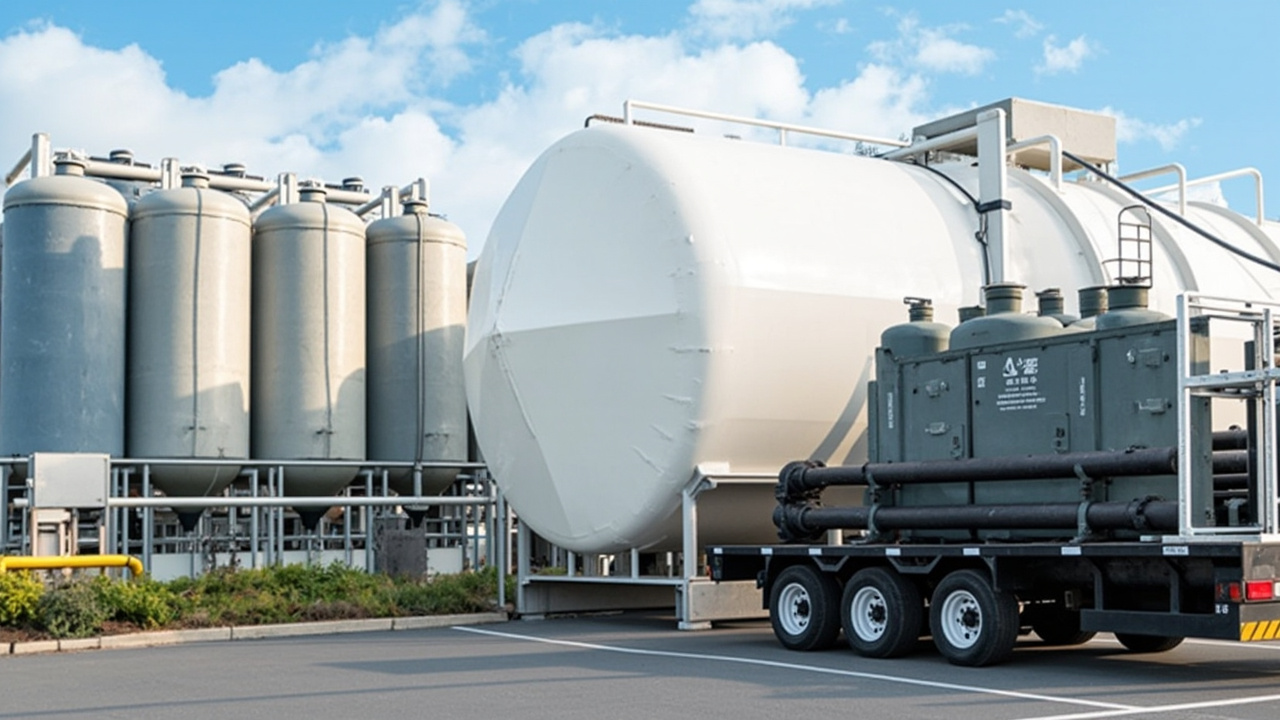
I. The Threat of Hydrogen to Materials: Hydrogen Embrittlement and Hydrogen-Induced Cracking
Hydrogen is chemically inert under normal temperature and pressure, but atomic hydrogen (H) is extremely small and can penetrate the metal lattice and accumulate at defects, thereby inducing a series of damages:
First, hydrogen embrittlement (Hydrogen Embrittlement). Atomic hydrogen accumulates at grain boundaries and dislocations, reducing material toughness and potentially causing sudden brittle fracture under stress. High-strength steel with tensile strength above 1000 MPa is particularly sensitive to this, which is why hydrogen storage cylinder valve bodies and high-pressure pipe fittings must strictly control hardness and heat treatment.
Second, hydrogen-induced cracking (HIC). Hydrogen atoms combine into hydrogen molecules (H₂) at inclusions or defects, generating internal pressure that causes the steel plate to crack and delaminate along the rolling direction, commonly seen in pipeline steel and closely related to sulfide inclusions.
Third, sulfide stress cracking (SSC). If the environment contains wet hydrogen sulfide (H₂S), the risk rises sharply, and material selection must control hardness and microstructure per NACE MR0175 / ISO 15156.
Fourth, high temperature hydrogen attack (High Temperature Hydrogen Attack). At higher temperatures and hydrogen partial pressures (e.g., reforming, hydrogenation units), hydrogen reacts with carbon in steel to form methane, causing decarburization and permanent damage. This mechanism belongs to the high-temperature hydrogen-exposed category, different from ambient-temperature storage at stations, but is likewise a boundary that hydrogen equipment design must heed.
For hydrogen storage equipment, the key understanding is: external coatings cannot manage lattice penetration; the real lever against hydrogen embrittlement is material selection, heat treatment, and cathodic protection potential control; the role of the coating is to manage "external atmospheric corrosion," extend substrate life, and itself must not introduce additional hydrogen sources (e.g., avoid cathodic protection over-protection causing hydrogen evolution). Treating the coating as a "magic anti-hydrogen-embrittlement tool" is the biggest cognitive misconception.
From a metallurgical mechanism perspective, hydrogen behavior in steel can be understood through a "diffusion and trapping" framework. After entering the lattice, hydrogen atoms are not uniformly distributed but are captured by micro-defects such as dislocations, grain boundaries, carbide interfaces, and inclusions—these locations are called hydrogen traps. Traps are divided into reversible and irreversible types: dislocations and grain boundaries are reversible traps, where hydrogen can re-migrate and enrich at crack tips driven by stress, directly participating in the embrittlement process; irreversible traps such as coarse inclusion interfaces "lock" hydrogen, which may instead reduce the diffusible hydrogen concentration. The real danger is diffusible hydrogen—it can migrate toward stress concentration zones along with dislocation motion, and once local hydrogen concentration reaches a critical value, cracking initiates. This explains two engineering rules: first, the higher the steel strength, the lower the critical hydrogen concentration, so high-strength steel with tensile strength above about 1000 MPa requires extra caution in hydrogen-exposed environments; the industry generally tends to select moderately strong, microstructurally uniform materials and sacrifice some wall thickness; second, hydrogen embrittlement is a typical delayed fracture—after loading, it often undergoes a latency of hours to months before occurring; passing factory inspection does not mean service safety, and material-level hydrogen compatibility testing must be relied upon for verification—internationally, steel hydrogen embrittlement resistance is assessed per ISO 11114-4, and domestically GB/T 34542.2 "Hydrogen storage and transportation system—Part 2: Test method for compatibility of metallic materials with hydrogen environment" can be used to conduct mechanical tests under hydrogen-exposed conditions.
There is also an important lesson in the material spectrum: austenitic stainless steel (e.g., 316L), due to its face-centered cubic structure with low hydrogen diffusion coefficient and large toughness reserve, has significantly better hydrogen embrittlement resistance than martensitic steel and high-strength ferritic steel, hence it is widely used in high-pressure hydrogen valves and instrument tubing; however, deformation-induced martensite from heavy cold working of austenitic steel weakens this advantage, so austenitic components for hydrogen service also have control requirements on cold work amount and solution state. These metallurgical details all occur beneath the coating and form the basis for understanding the division of labor that "coating manages outside, material manages inside."
II. External Corrosion Environment: Different from Conventional Pressure Vessels
Hydrogen stations and hydrogen transmission facilities are mostly arranged outdoors or near the coast, and the external corrosion environment is composite:
Coastal and northern de-icing salt environments: high chloride ion concentration, corrosion grade can reach C4 to C5 per ISO 12944-2; salt spray and de-icing salt impose high requirements on coating salt spray resistance and weather resistance.
Industrial zone environment: presence of sulfur dioxide, wet hydrogen sulfide, etc.; wet hydrogen sulfide may also affect the material body via seal leakage, compounding SSC risk.
Low-temperature environment: liquid hydrogen pipelines and tanks operate in the cryogenic range below about −196 °C; the coating must withstand deep cold and thermal shock, ordinary epoxy may embrittle and crack under deep cold.
UV and aging: station equipment is exposed to sunlight year-round; the topcoat must be weather-resistant, otherwise after chalking and gloss loss the barrier layer fails prematurely.
Therefore, the external coating of hydrogen storage equipment still follows the "heavy anti-corrosion + weather resistance" main line, with additional deep-cold resistance for low-temperature sections; internal hydrogen-exposed damage is entirely solved by material and heat treatment, which painting cannot replace.
III. External Heavy Anti-Corrosion Coating System
Referring to the ISO 12944 series and common pressure vessel painting specifications, hydrogen storage tanks, tube trailer shells, and station steel structures commonly use a three-layer "primer + intermediate coat + topcoat" system:
Primer: zinc-rich epoxy (provides sacrificial protection) or zinc phosphate epoxy (suitable for cases where zinc is unsuitable or the weld heat-affected zone is sensitive).
Intermediate coat: epoxy micaceous iron oxide (MIO), relying on flake shielding to extend the media path and improve overall barrier efficiency.
Topcoat: aliphatic polyurethane (weather-resistant, gloss and color retention) or fluorocarbon (ultra-high weather resistance, self-cleaning), used to resist UV and atmospheric aging.
For low-temperature parts (liquid hydrogen pipelines and tanks), coatings that remain flexible below −196 °C must be selected; ordinary epoxy easily embrittles and cracks under deep cold, so flexible modified epoxy or modified polyurethane should be preferred, with thermal shock evaluation (refer to GB/T 2423.22 temperature cycling or IEC 60068-2-14 related methods). For the selection logic of the ISO 12944 system, see extended reading ISO 12944 Anti-Corrosion Painting System Selection Guide.
The root cause of deep-cold section coating failure is the superposition of thermal stress and glass transition. The coating and steel have different thermal expansion coefficients; from ambient temperature down to the liquid hydrogen temperature zone, the shrinkage difference continuously accumulates shear stress at the interface; meanwhile, after the coating temperature drops below the glass transition temperature it enters the glassy state, molecular chain segments are frozen and lose plastic deformation capability, and stress cannot be relaxed through creep, but can only be released by cracking or delamination. Therefore, the formulation idea for deep-cold-resistant coatings is "low modulus at low temperature, high elongation at break, and thermal expansion as matched to steel as possible": reduce low-temperature modulus through flexible segment modification, toughen via elastomer micro-domains to blunt crack propagation, and control the maximum film thickness to reduce shrinkage stress per unit area. Besides temperature cycling, verification should also include adhesion comparison after deep-cold immersion and cold impact tests, assessing the retention rate of cross-cut and pull-off adhesion. A common engineering lesson: a system with good ambient-temperature salt spray data was directly applied to the deep-cold section, and large-area crazing was found in the first winter maintenance—deep-cold performance must be evaluated separately and cannot be extrapolated from ambient-temperature data.
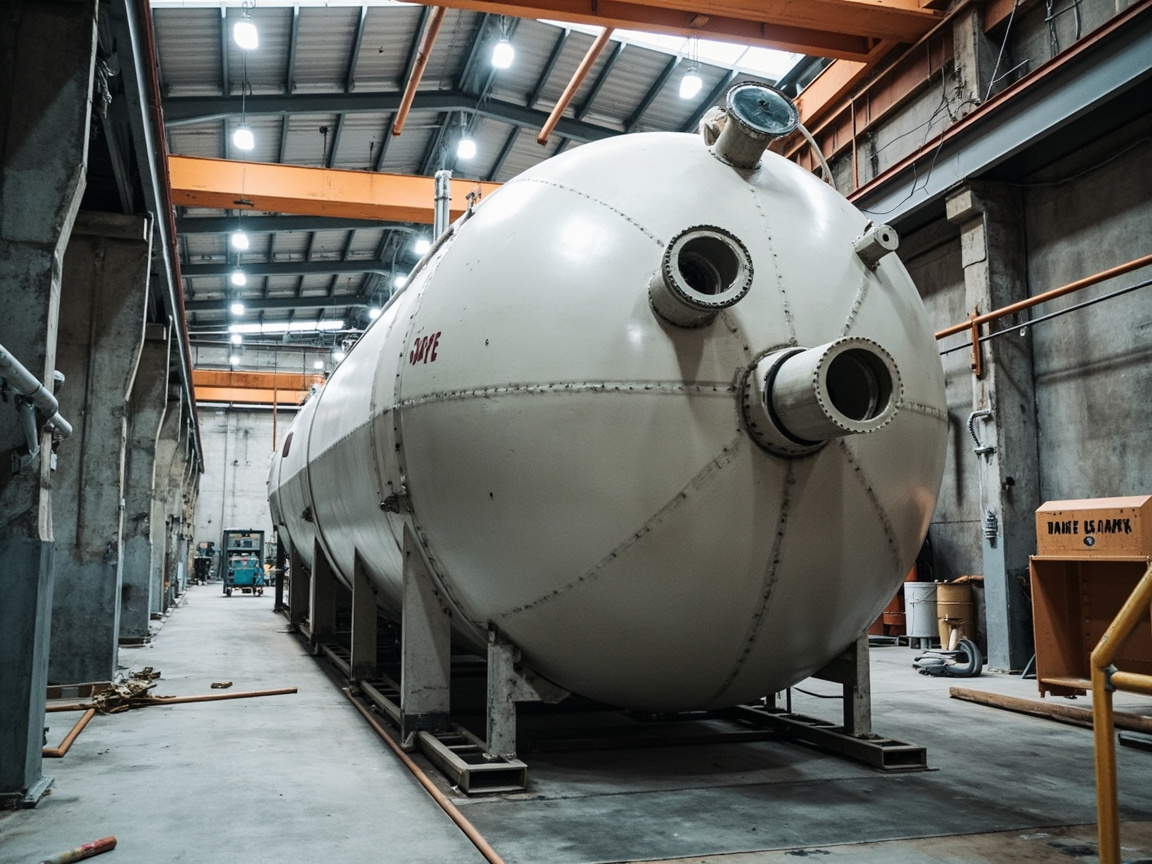
IV. Coating Selection Comparison Table (External)
List the systems and film thicknesses for different parts in a table for easy engineering reference:
| Equipment part | Typical environment | Recommended system | Design film thickness (DFT) | Special requirement |
|---|---|---|---|---|
| Station hydrogen storage tank (ambient temp high pressure) | C4–C5 atmosphere | Zinc-rich + MIO + polyurethane | 240–280 μm | Weather-resistant, salt spray resistant |
| Tube trailer | Road vibration, outdoor | Zinc-rich + MIO + polyurethane | 240–280 μm | Vibration resistant, stone-chip resistant |
| Liquid hydrogen pipeline / tank | Approx. −253℃ deep cold | Modified epoxy / modified polyurethane | 200–260 μm | Deep-cold resistant, thermal shock resistant |
| Compressor skid | Oil, vibration | Epoxy coating | 200–240 μm | Oil resistant, flexible |
| Coastal hydrogen refueling station | C5 high corrosion | Zinc-rich + MIO + fluorocarbon | 280–320 μm | Ultra-high weather resistant, salt spray resistant |
The film thicknesses in the table are common engineering design ranges; in practice, they should be based on corrosion grade, design life, and manufacturer TDS, and verified by random inspection with a magnetic thickness gauge per GB/T 4956. It must be specifically noted: the film thickness and system of the deep-cold section are high-failure-incidence areas, and adhesion and crack resistance must be verified under simulated thermal cycling; the ambient-temperature system cannot be simply copied.
V. Material Compatibility: The Real Key Beyond the Coating
It must be repeatedly emphasized: the service life of hydrogen equipment depends more on the material system than the external paint film. Common industry practices include:
High-pressure hydrogen storage cylinder: liner uses 6061 aluminum alloy or 35CrMo steel, with outer carbon fiber winding forming Type III (metal liner) or Type IV (plastic liner) composite cylinders; the metal liner must have HIC/SSC resistance and undergo hydrogen compatibility testing, assessed per standards such as ISO 11114-1 "Gas cylinders—Compatibility of materials with gases."
Hydrogen transmission pipelines: Use HIC-resistant pipeline steel (low carbon, low inclusions, calcium-treated clean steel), and control hardness per NACE MR0175 / ISO 15156; the hardness of the weld heat-affected zone is often required not to exceed 22 HRC (Rockwell C scale) to prevent SSC.Valves and compressors: Use hydrogen-embrittlement-resistant alloys, such as properly heat-treated 17-4PH precipitation-hardening stainless steel, Inconel and other nickel-based alloys, and avoid ordinary high-strength steel at sensitive locations.
The responsibility of the coating is to provide external protection after the material and weld heat treatment are determined; one must never expect the paint film to "prevent hydrogen embrittlement." This division of labor is clearer in hydrogen equipment than in any other anti-corrosion scenario.
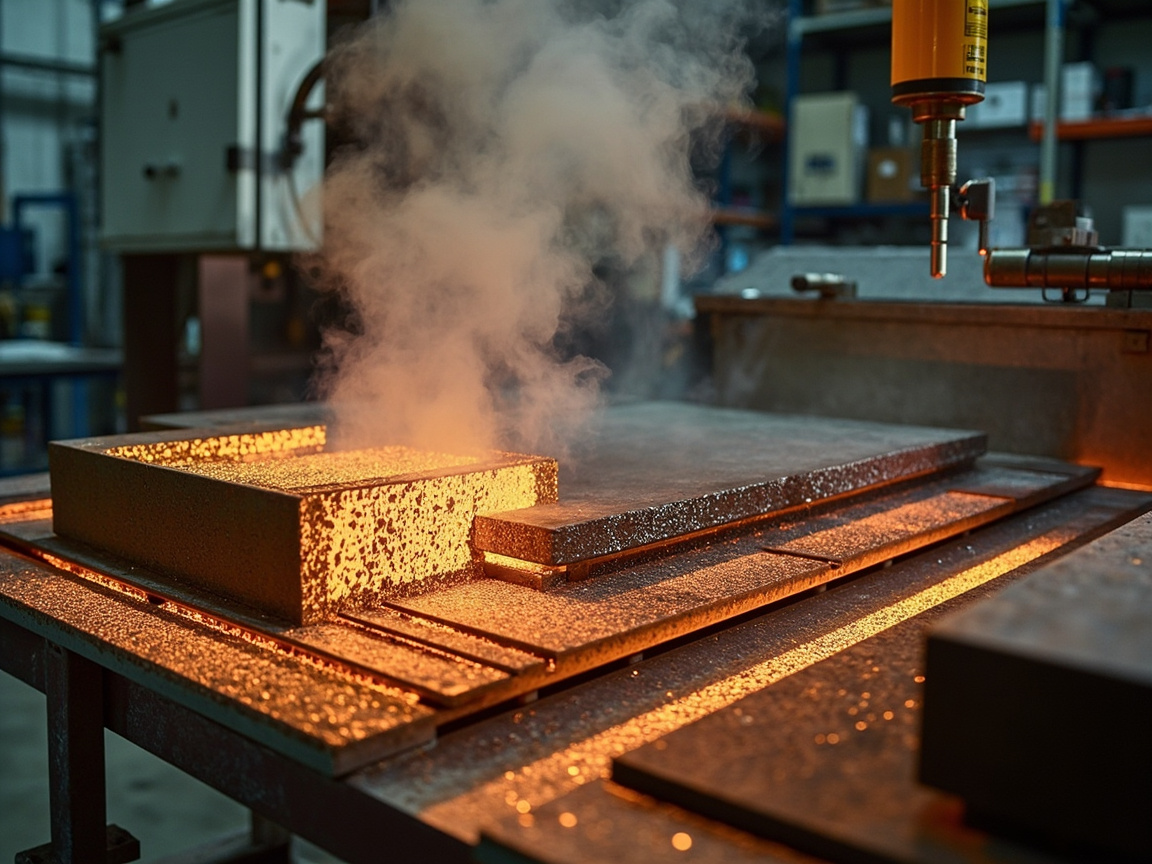
VI. Coordination of Cathodic Protection and Coating
Buried hydrogen transmission pipelines typically adopt the dual protection of "coating + cathodic protection (CP)." But here lies a trap specific to hydrogen equipment: if cathodic protection is over-protected (potential too negative), a hydrogen evolution reaction occurs on the steel surface, and atomic hydrogen permeation instead induces hydrogen embrittlement. Therefore, for high-strength, hydrogen-exposed sensitive pipe sections, the upper limit of cathodic protection potential must be strictly controlled (refer to relevant NACE standards and ISO 15589, etc.), and high-quality coatings should be used to reduce protection current demand and lower hydrogen evolution risk. This is the key difference between anti-corrosion for hydrogen equipment and ordinary pipeline anti-corrosion, and also a detail easily overlooked in many designs.
In addition, aboveground equipment within the station mostly uses pure coating protection and does not involve impressed current cathodic protection, but coating integrity is equally important—any pinhole or missed coating will become a local corrosion and stress concentration point, and should be zero-tolerance around hydrogen-exposed equipment. In practice, low-voltage wet sponge or spark testing can be used at the completion stage for comprehensive leak detection, eliminating defects before commissioning; this one-hour inspection often saves several times the excavation and shutdown costs later.
VII. Key Points of Construction and Acceptance
The coating construction of hydrogen storage and transportation equipment is in line with ordinary heavy-duty anti-corrosion, but due to high service risk, process control needs to be stricter:
Pre-treatment: Blast steel surface to Sa2.5 (GB/T 8923.1), control roughness to ensure anchoring; stainless steel and aluminum alloy treated per corresponding standards.
Post-weld treatment: Post-weld heat treatment (PWHT) to eliminate residual stress and reduce heat-affected zone hardness is a key step to reduce hydrogen embrittlement risk, and must be completed and recorded before coating.
Environmental control: Construction temperature 5 to 40 °C, relative humidity not higher than 85%, substrate temperature at least 3 °C above dew point (refer to ISO 12944-7).
Film thickness control: Measured by magnetic thickness gauge per GB/T 4956; pre-coat welds, edges, and inner corners to avoid insufficient film thickness.
Leak detection: Internal pressure equipment can be confirmed free of pinholes by spark leak testing, especially at cryogenic and high-pressure boundaries.
Additional assessment for mobile equipment: For road transport equipment such as tube bundle trailers, the topcoat should pass stone impact resistance test (refer to ASTM D3170 or common automotive gravel impact methods) to evaluate flying stone damage resistance; the bottom and wheel arch areas may add stone-impact-resistant intermediate coat or local thickening; fasteners and strapping band contact areas are high-incidence zones for coating wear, and replaceable wear-resistant pad design is preferable, with visual inspection of these areas during maintenance and timely repair to prevent local rust from developing into fatigue sources under vibration stress.
Identification: Hydrogen equipment has safety color and identification specifications; coating construction must not cover safety signs, and the coating itself should preferably be non-combustible and low-smoke.
Kexin New Materials (kexinMaterials) adheres to the principle of "material compatibility first, coating system follow-up" in supporting hydrogen energy equipment, providing weather-resistant heavy-duty anti-corrosion systems for station storage tanks and tube bundle vehicles, and offering cryogenic-resistant coating solutions for liquid hydrogen sections, together with coating window recommendations after weld heat treatment completion, to reduce on-site failure probability.
VIII. Protection Comparison with Energy Storage and Battery Enclosures
Hydrogen energy and electrochemical energy storage both belong to new energy equipment, but their protection focuses differ. Energy storage cabinets mostly face outdoor weathering, damp heat, and salt spray, referable to this batch of articles Outdoor Equipment Coating: External Protection of Energy Storage Cabinets; while battery enclosures require both external anti-corrosion and high-voltage insulation isolation, corresponding to Anti-corrosion and Insulating Coating for Battery Enclosures: Protection of Three-Electric Systems. Hydrogen equipment pushes "hydrogen-exposed material compatibility" to the forefront, and the coating only solves the external half. Understanding this difference avoids wrongly applying one formula to another type of equipment.
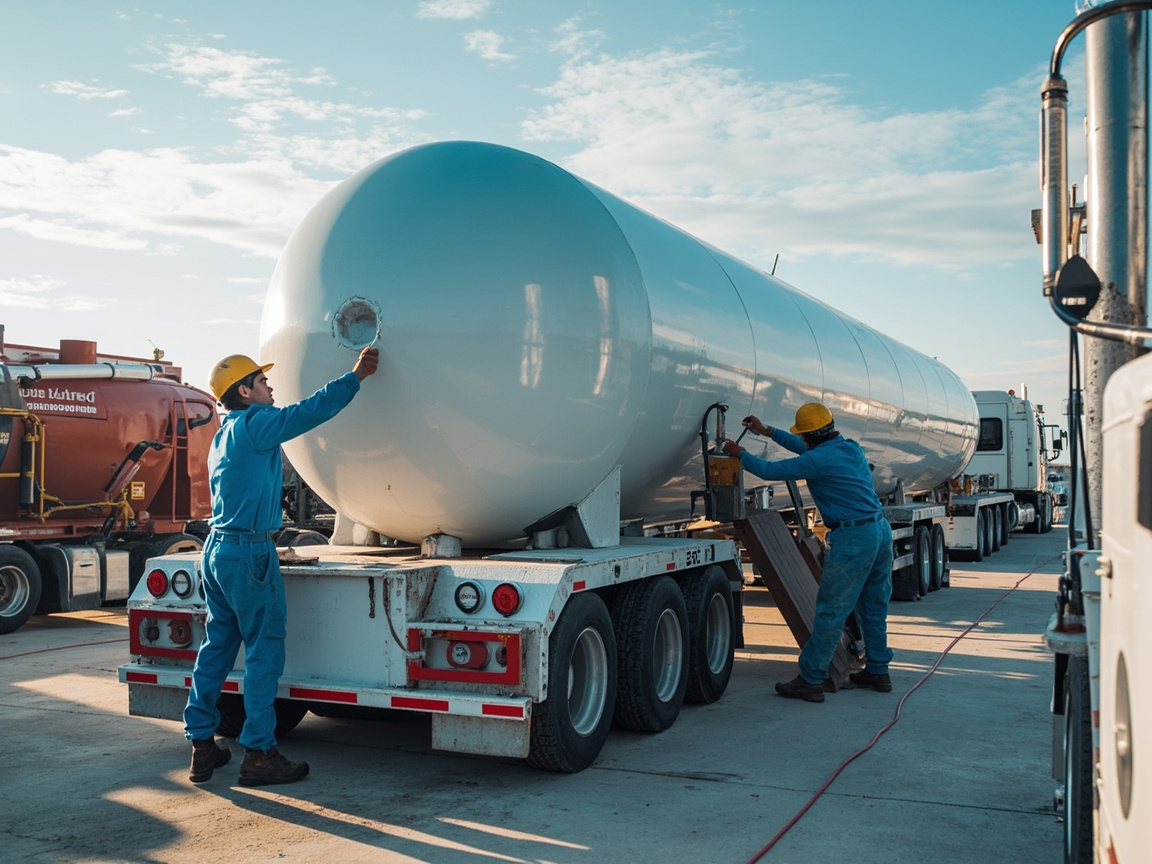
IX. Common Failures and Countermeasures
Organize high-frequency failure modes into a table for easy on-site troubleshooting:
| Failure Phenomenon | Main Cause | Countermeasure |
|---|---|---|
| External rust | Insufficient film thickness or mechanical damage | Thickening design, timely touch-up |
| Weld cracking | Hydrogen embrittlement or high heat-affected zone hardness | Post-weld heat treatment, hardness control |
| Cryogenic section delamination | Ordinary epoxy cryogenic embrittlement | Use cryogenic-modified system |
| Over-protection hydrogen evolution | Cathodic protection potential too negative | Strictly control potential upper limit, improve coating quality |
| Identification falling off | Coating covering safety mark | Reserve safety identification area |
X. In-depth Reading of Standard System: Specification Map for Hydrogen-exposed Equipment
Standards for hydrogen energy equipment span three levels: material, equipment, and station, and anti-corrosion designers should at least know what each level governs, so as to place coating documents in the correct position.
Equipment and pipeline level: ASME B31.12 is a dedicated specification for hydrogen transmission pipelines and piping, giving systematic requirements for material selection, design factors, and hydrogen compatibility, and is the most frequently cited document in international hydrogen pipeline engineering; domestic hydrogen transmission and hydrogen-blended pipeline projects should be executed in combination with HIC-resistant steel material selection requirements and relevant industry technical documents, and based on the hydrogen compatibility assessment data of pipe materials.
Station level: ISO 19880-1 specifies general safety requirements for gaseous hydrogen refueling stations; GB 50516 "Technical Code for Hydrogen Refueling Station" is the basic basis for domestic hydrogen refueling station design and construction, where provisions on equipment layout, fire separation distance, and safety facilities indirectly determine the coating operation window and later maintenance accessibility—stations laid out too densely make it hard to even erect scaffolding during recoating, and such issues should be considered together with anti-corrosion maintenance planning at the design stage.
Material compatibility level: ISO 11114-1 gives material selection principles for gas cylinder materials and gas compatibility, ISO 11114-4 specifies test methods for hydrogen-embrittlement-resistant steel; GB/T 34542.2 is the direct basis for domestic equipment to do metal material hydrogen compatibility assessment; wet hydrogen sulfide conditions return to the hardness and microstructure control framework of NACE MR0175 / ISO 15156.
External anti-corrosion level: ISO 12944 series (domestic counterpart GB/T 30790 series) is responsible for atmospheric corrosion grade classification and coating system design; salt spray per GB/T 10125, film thickness per GB/T 4956, adhesion per GB/T 9286 and GB/T 5210. Writing these "nets" clearly in layers in the design document avoids the mismatch of "thick coating report but missing material certificate pages" at acceptance—the safety short board of hydrogen equipment is never in the thickest stack of paper.
XI. Scenario Cases and Selection Decision
Case 1: Coastal hydrogen refueling station. High chloride ion deposition rate, corrosion grade assessed as C5, storage tanks and station steel structures use epoxy zinc-rich primer + epoxy micaceous iron intermediate paint + fluorocarbon paint, total dry film thickness designed for high durability and appropriately increased; all flange and bolt connection parts pre-coated and sealed, because crevice corrosion develops fastest in salt spray environment. The common lesson of such stations: if ordinary polyurethane is selected for topcoat, it visibly chalking and losing gloss in three to five years; switching to fluorocarbon significantly extends maintenance cycle, and life-cycle cost is actually lower.
Case 2: Inland industrial zone integrated energy station. Atmosphere contains sulfur dioxide, and the station has an electrolytic water hydrogen production unit, with local alkaline mist. The topcoat of equipment in alkaline mist area needs alkali resistance; epoxy topcoat is better than polyester; at the same time, the outer surface of the wet hydrogen pipeline in the hydrogen production unit has long-term condensation wetting, belonging to a local high-corrosion micro-environment, and should be treated with a system one grade higher than the overall station environment, rather than using one system table for the whole station throughout.
Case 3: Liquid hydrogen transfer area. Pipelines and valve boxes undergo frequent cryogenic cycles, use cryogenic-modified system and strictly control upper film thickness limit, with flexible transition at corners and support contact points; the normal-temperature standby pipelines in the same area do not need cryogenic system, and zoned grading system avoids overall cost out of control. Another easily overlooked issue in this area is the repeated wetting from frosting and defrosting cycles; the bottom of support structures is long-term wet, and should be separately strengthened at a higher grade and drainage design improved.
Selection decision is recommended in five steps: Step 1, determine station atmospheric corrosion grade per ISO 12944-2; Step 2, identify special micro-environments (cryogenic, alkaline mist, wet hydrogen sulfide, de-icing salt) and zone separately; Step 3, determine durability grade per design life and maintenance strategy, and back-calculate system and film thickness; Step 4, check that material-side documents (hydrogen compatibility test, hardness report, post-weld heat treatment record) are complete before scheduling coating plan, to avoid "paint waiting for steel" or "steel waiting for paint" downtime; Step 5, write the first comprehensive inspection time into the O&M document, usually first inspection two to three years after commissioning, then dynamically adjust the cycle based on inspection results. Zoning and grading, internal-external division, traceable records are the twelve-character key to hydrogen station anti-corrosion management.
In specific items of O&M inspection, it is recommended to establish a fixed form: visual inspection covers chalking, gloss loss, discoloration, blistering, cracking, peeling, and rust spots, with rating methods referable to ISO 4628 series rating charts for comparable conclusions among different inspectors; film thickness re-measurement selects fixed measurement point grid, comparing with completion data to obtain annual attenuation rate for predicting recoating time; key parts (welds, flanges, supports, cryogenic section corners, identification edges) are separately photographed and archived for successive comparison. For coastal stations, an additional special inspection should be added after typhoon or strong salt spray season. For local damage found in inspection, repair must grind to solid edge and restore layer by layer per original system, never "cover with a can of spray paint"—the lap quality of repair layer and original coating determines whether the same location will open again in the next inspection cycle. All inspection and repair records are incorporated into equipment archives, managed in parallel with pressure vessel periodic inspection records, making anti-corrosion status a explicit input to station safety assessment.
FAQ
Q: Can the coating prevent hydrogen from entering the metal and causing hydrogen embrittlement?
A:No. Atomic hydrogen is extremely small and can penetrate the metal lattice; a coating cannot control such lattice-level permeation. The real protection against hydrogen embrittlement relies on material selection (HIC-resistant steel, hydrogen-embrittlement-resistant alloys), heat treatment (PWHT to reduce hardness), hardness control, and cathodic protection potential control; the coating is only responsible for external atmospheric corrosion protection.
Q: Why are hydrogen transmission pipelines especially afraid of HIC and SSC?
A: The coexistence of wet hydrogen sulfide and hydrogen can induce hydrogen-induced cracking (lamination) and sulfide stress cracking. Materials must be selected in accordance with NACE MR0175 / ISO 15156, and hardness must be controlled (e.g., weld heat-affected zone not exceeding 22 HRC); at the same time, HIC-resistant clean steel must be used to reduce the risk to an acceptable level.
Q: Is the external coating of hydrogen storage tanks the same as that of general pressure vessels?
A: The external anti-corrosion approach is consistent (zinc-rich + micaceous iron oxide + polyurethane, referring to ISO 12944), but it needs to add weather resistance, salt spray resistance, and the deep-cryogenic requirement in the low-temperature section; the real difference lies inside the equipment—materials and welding heat treatment determine hydrogen service safety, which the coating cannot compensate for.
Q: What special requirements does the coating for liquid hydrogen equipment have?
A: At minus 253°C deep cryogenic conditions, ordinary epoxy easily becomes brittle and delaminates; flexible modified epoxy or modified polyurethane must be selected, and thermal shock qualification must be passed (refer to GB/T 2423.22 or IEC 60068-2-14); connections and corners also need focused qualification for resistance to cold shrinkage.
Q: How should cathodic protection and coating be coordinated for safety?
A: A high-quality coating reduces the current required for cathodic protection and lowers hydrogen evolution; however, the cathodic protection potential must not be too negative, otherwise hydrogen evolution on the steel surface induces hydrogen embrittlement. High-strength, hydrogen-sensitive pipeline sections especially must strictly control the upper potential limit; this is the key difference between hydrogen equipment and ordinary pipeline anti-corrosion.
Q: Do high-pressure hydrogen storage cylinders (Type III / IV) need an external coating?
A: The carbon fiber winding layer often has an external protective layer to prevent UV and mechanical damage, but it is not the traditional "anti-corrosion paint" concept; the hydrogen compatibility and anti-corrosion of the metal liner are already handled during manufacturing. The external protective layer focuses on UV and wear resistance, and should not be confused with pressure-bearing anti-corrosion coating.
Q: What corrosion grade must the coating of a hydrogen refueling station meet?
A: Outdoor stations mostly belong to C4 to C5 (ISO 12944-2); for coastal areas, thickened fluorocarbon paint is recommended, neutral salt spray per GB/T 10125 should reach over 1000 hours, and weather resistance and clear signage should also be considered.
Q: Why should heat treatment be done before painting after welding?
A: Post-weld heat treatment (PWHT) eliminates residual stress and reduces heat-affected zone hardness, significantly lowering hydrogen embrittlement risk; painting directly without treatment is only "superficial work", the cracking hazard remains, and this hazard is amplified in hydrogen service environments.
Q: Should safety colors be considered for painting hydrogen equipment?
A: Yes. Hydrogen equipment has safety sign and color code specifications; coating construction must not cover safety signs, and the coating itself should preferably be non-combustible and low-smoke, in line with the overall safety requirements of the station.
Q: How to accept/inspect the coating of hydrogen storage and transportation equipment?
A: Film thickness per GB/T 4956, cross-cut adhesion per GB/T 9286, neutral salt spray per GB/T 10125, weather resistance per ISO 16474 series; the cryogenic section additionally undergoes thermal shock; internally, material certificates, hardness reports, hydrogen compatibility tests, and PWHT records must be checked—both internal and external must be rigorous.
Q: Is the anti-corrosion of hydrogen-blended natural gas pipelines the same as that of pure hydrogen pipelines?
A: The external anti-corrosion approach is consistent (coating plus cathodic protection); the difference is on the material side: increased hydrogen blending ratio raises the hydrogen exposure level of the steel, and the allowable blending ratio and pressure fluctuation range must be determined based on the hydrogen compatibility evaluation results of the pipe material, while simultaneously reviewing the cathodic protection potential window to prevent over-protection hydrogen evolution from superimposing with internal hydrogen permeation.
Q: How to determine the maintenance cycle of hydrogen station coating?
A: It is recommended to conduct the first comprehensive inspection two to three years after commissioning, evaluating chalking, gloss loss, rust spots, and film thickness attenuation, and then determine the repainting cycle based on the inspection results; coastal and industrial areas should shorten the inspection interval. Local damage points should be repaired as soon as they are found; missed coating and pinholes around hydrogen service equipment should be zero-tolerance.
Further Reading
- Outdoor Equipment Coating for Energy Storage Cabinets: As outdoor station equipment, compares heavy-duty anti-corrosion system thinking and weather-resistant design.
- Anti-corrosion and Insulating Coating for Battery Enclosures: Protection of the Three-Electric System: Understand the overall protection logic of new energy equipment from the perspective of high-voltage insulation and anti-corrosion.
- ISO 12944 Anti-corrosion Coating System Selection Guide: Use the ISO 12944 framework to evaluate the external protection grade and system of hydrogen station equipment.
- Graphene Conductive Anti-corrosion Coating: In-depth Analysis of Flake Shielding and Conductive Mechanism
- Weather-resistant Anti-corrosion Coating for Photovoltaic Supports: Coating Assurance for 25-Year Outdoor Life
- Overview of Nano Coating: Nanoparticles, Mechanism of Action, and Definition Boundaries