In the "post-pandemic" era and against the backdrop of heightened public health awareness, antibacterial coating has moved from concept to necessity. The two categories of nano antibacterial materials with the greatest engineering value are nano silver (Ag) and nano zinc oxide (ZnO): silver can destroy microorganisms at extremely low concentrations and has lasting efficacy; ZnO offers antibacterial, UV-resistant, and certain photocatalytic capabilities, with low cost and high safety. Their mechanisms differ and complement each other, and they are often compounded into interior wall, medical, home appliance, and public facility coatings.
Kexin New Materials (kexinMaterials) has conducted systematic verification on Ag loading, ZnO particle size, and sustained-release encapsulation in the development of antibacterial functional coatings, ensuring both that the antibacterial rate requirement is met and that the risks of silver leaching and nano exposure are suppressed to within compliant limits. This article follows the effect framework of Overview and Classification of Nanomaterials, and can be read alongside Nano TiO₂ Photocatalytic Self-Cleaning for a comparison on "light-driven antibacterial".

I. Why Use "Nano"-scale Antibacterial Agents
Antibacterial agents are nothing new: inorganic silver-based, organic quaternary ammonium salts, copper-based, etc. have long been applied. The significance of nano-sizing lies in:
- Drastic increase in specific surface area (surface effect): equal mass of nano silver particles provides more Ag⁺ release sites, with higher activity;
- Particle size effect: smaller particles more easily approach microbial membranes, and some can enter the bacterial body;
- Uniform dispersion: nano-scale distributes more evenly in the coating, avoiding "local excess / local ineffectiveness" caused by macroscopic agglomeration;
- Synergy with functions: nano ZnO also resists UV, and nano Ag can synergize with TiO₂ photocatalysis.
But nano-sizing also amplifies bioaccessibility, making safety assessment more important. In other words, nano-sizing makes antibacterial agents more efficient, and also means release behavior needs more control—this is exactly what sustained-release encapsulation and carrier loading address.
II. Antibacterial Mechanism of Nano Silver (Ag)
Silver's antibacterial action is "multi-target", and widely accepted pathways include:
- Ag⁺ release and membrane damage: nano silver particles oxidize and leach Ag⁺ on the surface; Ag⁺ strongly binds to thiols (–SH), carboxyl, and phosphate groups on bacterial cell membranes/walls, destroying membrane permeability and potential, leading to leakage of contents.
- Intracellular enzyme inactivation: Ag⁺ binds to intracellular enzymes (especially sulfhydryl-containing respiratory enzymes, ATP synthase), blocking energy metabolism.
- DNA inhibition: Ag⁺ binds to DNA bases, interfering with replication and expression.
- Reactive oxygen species (ROS): nano silver can induce ROS in bacteria, oxidatively damaging biomacromolecules.
- Direct particle action: extremely small particles can physically attach to or even enter bacteria, causing mechanical/structural damage.
Key feature: silver antibacterial does not depend on light, belongs to the "sustained leaching type", and is effective even without light—this exactly compensates for the shortcoming of TiO₂ photocatalysis "ceasing without light". But Ag⁺ can also be precipitated and inactivated by Cl⁻, S²⁻, etc. in the environment, and excessive silver causes discoloration (gray-black) and cost issues, so controlled release and encapsulation are needed. Silver's release kinetics follow a pattern of initial burst then sustained release, so the coating thickness and carrier pore size directly determine the flatness of the antibacterial curve.
III. Antibacterial Mechanism of Nano Zinc Oxide (ZnO)
ZnO's antibacterial mechanism is more complex and partly depends on light:
- Zn²⁺ leaching: in weakly acidic/humid environments, Zn²⁺ leaches out, interfering with microbial metabolism (similar to metal ion toxicity).
- Photocatalytic ROS: nano ZnO has a band gap of about 3.2–3.3 eV (near-UV excitation), generating ·OH, O₂·⁻ and other reactive oxygen species to oxidize microbial components—similar to TiO₂ but usually slightly lower activity.
- H₂O₂ generation: ZnO surface can generate small amounts of H₂O₂ to participate in sterilization.
- Mechanical/contact damage: nano ZnO particles contact and destroy membrane structures.
- Synergistic UV resistance: ZnO is a highly efficient UV shielding agent, slowing coating photoaging and indirectly suppressing ecological changes of mold caused by light.
ZnO's advantages are low cost, relatively high safety (widely used in sunscreens and food contact evaluations), and UV resistance; its shortcomings are that antibacterial rate and broad-spectrum are usually weaker than silver, and the photocatalytic part also "weakens without light". Particle size significantly affects ZnO activity: too small easily agglomerates, too large lacks specific surface area; engineering commonly uses a 20–50 nm window validated by dispersion.
IV. Ag/ZnO Synergy and Composite Strategies
Engineering often composites the two, reasons:
- Mechanistic complementarity: Ag sustained ionic killing (no light), ZnO photocatalysis + ions + UV resistance (better with light), covering bright/dark scenarios;
- Reduce silver dosage: use ZnO to share part of the antibacterial load, lowering silver's discoloration and cost risks;
- Carrier sustained release: load Ag onto ZnO or SiO₂ carriers (e.g., mesoporous SiO₂ loaded with Ag via nano SiO₂ hydrophobic modification), achieving controlled sustained release and extended life;
- Core-shell structure: SiO₂@Ag, ZnO@Ag, etc. improve dispersion and stability.
Synergy is not simple addition: it must be tested by minimum inhibitory concentration (MIC) and minimum bactericidal concentration (MBC), and use fractional inhibitory concentration index (FICI) to judge synergy (FICI<0.5 usually judged as synergy). The formulation end should avoid coexistence of Ag with sulfur, chlorine-based bactericides, or reducing components causing inactivation. A successful synergistic compound is often a combination of "small amount of silver + appropriate zinc + sustained-release carrier", rather than simple physical mixing.
V. Antibacterial Performance Evaluation and Standards
The effect of antibacterial coating must be quantified by standard methods, avoiding "feels effective":
- Antibacterial rate: according to GB/T 21866 "Test method for antibacterial properties of antibacterial coatings (film)" or ISO 22196 (antibacterial properties of plastic surfaces, often referenced for coating films), inoculate E. coli, S. aureus, etc., count after culture to calculate antibacterial rate. National standard top grade often requires antibacterial rate ≥ 99% (specific bacteria).
- Anti-mold: according to GB/T 1741 "Test method for mold resistance of paint film" or ASTM G21, evaluate Aspergillus niger and other molds.
- Long-term efficacy: retest after aging/washing to verify sustained-release durability.
- Safety: skin irritation, cytotoxicity according to corresponding biological evaluations (e.g., ISO 10993 series for medical device related; coating end refers to GB/T related toxicological assessments).
It must be emphasized: "antibacterial rate 99%" must specify the bacterial strain, test method, and exposure time—talking about numbers without context is meaningless. Different bacteria (Gram-negative/positive, fungi) vary greatly in sensitivity. For example, E. coli is usually more easily inhibited by silver than S. aureus, while molds differ from bacteria in sensitivity to zinc oxide, so a qualified test report should list multi-strain results.

VI. Typical Applications in Coatings and Building Materials
- Medical and public health: hospital walls, operating rooms, waiting areas, requiring high antibacterial rate and anti-mold;
- Home appliances and kitchen/bath: refrigerator inner walls, washing machine tubs, tiles, sink coatings;
- Interior wall and children's spaces: low VOC antibacterial interior wall paint, balancing eco-friendliness and hygiene;
- Public facilities: elevators, handrails, bus shelters and other high-frequency contact surfaces;
- Textiles and building materials: can be compounded with fibers, boards.
When selecting, include "target antibacterial bacteria + environment (bright/dark, dry/wet) + duration + compliance (heavy metals, VOC)" into the technical specification. For humid environments (e.g., bathrooms), prioritize ZnO-containing formulations for anti-mold; for high-frequency contact but low-light corridor handrails, Ag's sustained ionic killing is more reliable.
VII. Comparison Table of Ag/ZnO and Other Antibacterial Routes
| Antibacterial agent | Mechanism | Light required | Cost | Discoloration risk | Broad-spectrum | Applicable scenario |
|---|---|---|---|---|---|---|
| Nano silver Ag | Ag⁺ multi-target + ROS | No (sustained) | High | Medium (excess gray-black) | High | Medical, high-frequency contact |
| Nano ZnO | Zn²⁺ + photocatalysis + UV shielding | Partial (photocatalytic part) | Low | Low | Medium-high | Interior wall, building materials, outdoor UV resistance |
| Nano TiO₂ | Photocatalytic ROS | Yes (ultraviolet) | Medium | Low | Medium | Self-cleaning + auxiliary antibacterial |
| Organic quaternary ammonium salt | Membrane disruption | No | Low | Low | Medium | General purpose, but restricted where easy leaching occurs |
| Copper-based | Cu²⁺ multi-target | No | Medium | Green discoloration | Medium-high | Special anti-corrosion and antibacterial |
VIII. Formulation and Sustained-Release Control
- Controlled-release encapsulation: Encapsulate Ag with SiO₂, clay, or polymer to slow burst release, extend service life, and reduce free nano-silver exposure;
- Carrier loading: Mesoporous SiO₂ loaded with Ag (Ag@mSiO₂), with pore-controlled release;
- Dispersion: Nano Ag/ZnO tends to agglomerate, requiring surface stabilization and good dispersion;
- Avoid deactivation: Keep away from sulfur, chlorine, and strong reducing agents; control system pH and ionic strength;
- Dosage window: Silver addition is often effective at only ppm level; excess is unhelpful and increases risk; ZnO can be determined by testing in the 0.5%–3% (mass) range.
Kexin New Materials (kexinMaterials) tends toward an antibacterial scheme combining "ZnO as primary, Ag as auxiliary, mesoporous SiO₂ sustained release". While ensuring antibacterial rate ≥ 99% (E. coli, S. aureus, GB/T 21866), it minimizes silver dosage, avoids discoloration, and provides post-aging antibacterial retention data. Relevant scale and dispersion state can be confirmed by nano material characterization methods.
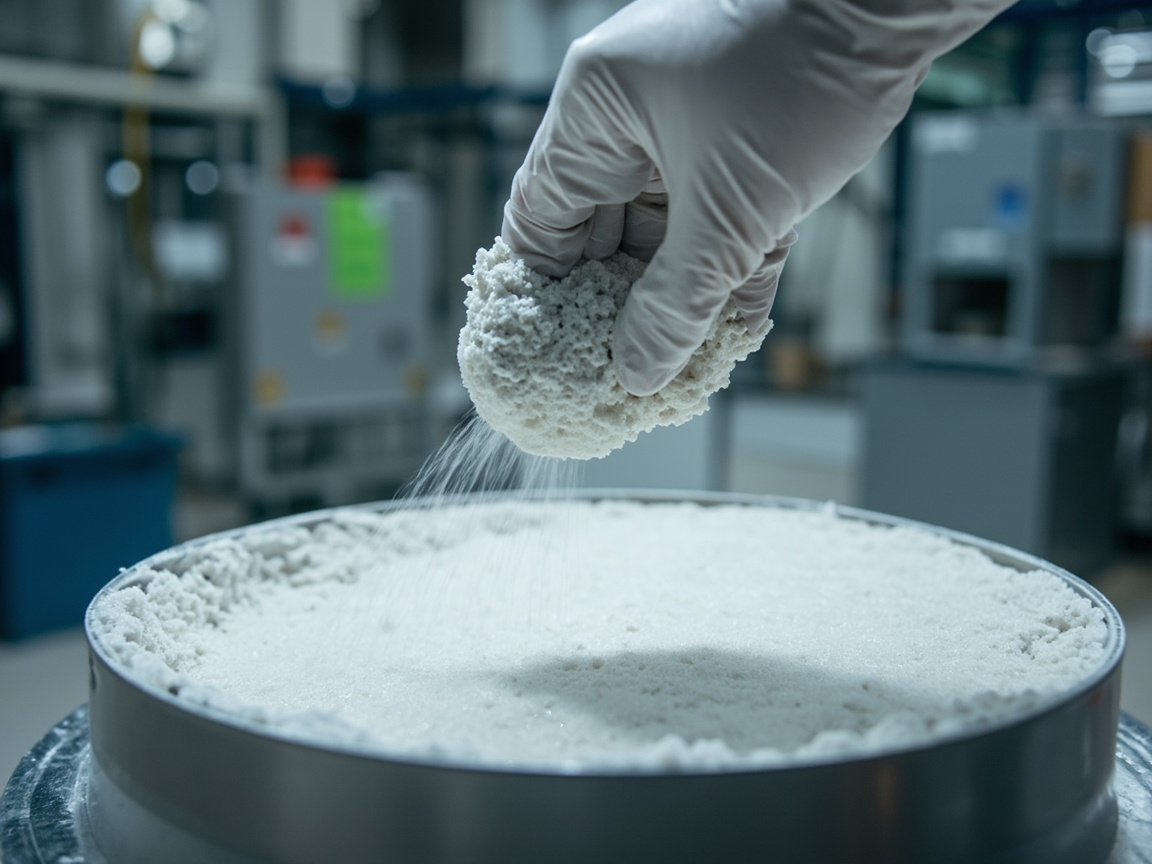
IX. Safety, Compliance, and Misconceptions
Safety side: Ag⁺ released from nano-silver is toxic to aquatic organisms, and emissions must be controlled; occupational inhalation of nano-powder requires protection. Compliance side: Antibacterial coating must still meet corresponding VOC/harmful substance limits (GB 30981-2020, GB 18582 and other interior wall standards), and antibacterial claims must have testing basis and cannot claim medical efficacy. Exported products also need to pay attention to REACH limits on silver and zinc release.
Common misconceptions:
Misconception 1: Higher antibacterial rate means safer. Wrong. High antibacterial rate may mean higher active ion release, requiring simultaneous assessment of ecological and cytotoxicity.
Misconception 2: Nano-silver kills without light, so just add it freely. Wrong. Excess silver causes discoloration, higher cost, and environmental risk, and can be deactivated by sulfur/chlorine; controlled release is necessary.
Misconception 3: Antibacterial = antimold = antiviral, all covered. Wrong. Different microorganisms have different sensitivities; antiviral requires specific verification and cannot be generalized.
Misconception 4: ZnO is just a cheap substitute. Wrong. ZnO also resists UV and photocatalysis; it is a multifunctional filler, not merely cost reduction.
Misconception 5: Nano antibacterial agents are effective in any coating. Wrong. Base compatibility, dispersion state, and applied film thickness all affect final antibacterial performance; it must be tested on the real paint film rather than only the powder.
XI. Mathematical Model and Measurement of Sustained-Release Kinetics
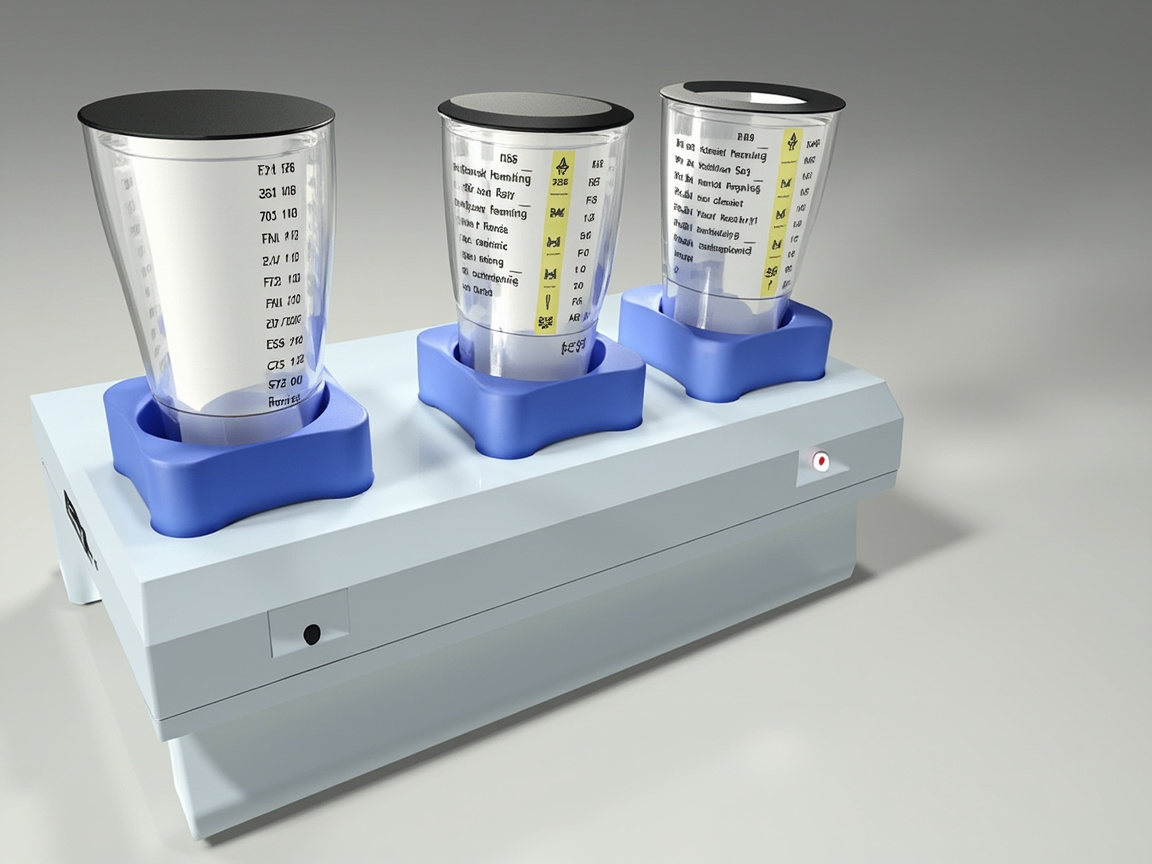
The core of sustained-release antibacterial agents is to release Ag⁺ or Zn²⁺ at a near-constant low rate, rather than burst release followed by rapid depletion. The commonly used first-order release model dM/dt = k(M∞−M) can roughly describe the change of cumulative release M with time t, where k is the release rate constant, affected by carrier pore size, coating thickness, ambient temperature, and medium pH. In practice, soak the coating panel in simulated body fluid or deionized water, take samples at regular intervals, and measure ion concentration by atomic absorption or ICP-MS to plot the release curve. The ideal curve should be "small initial burst, then long-term flat plateau"; the longer the plateau, the longer the antibacterial durability. Mesoporous silica-loaded silver has a significantly better plateau than bare silver particles due to pore confinement; polymer encapsulation controls release by swelling. Understanding the release curve turns "99% antibacterial rate" from a one-time result into a promised service life.
XII. Regulations, Ecological Risk, and Toxicological Assessment
Compliance of antibacterial coating goes far beyond VOC and heavy metal limits. Silver-containing systems must address chronic toxicity of silver ions to aquatic organisms; exports to the EU are bound by REACH registration and release limits on silver compounds; zinc-containing systems must watch total zinc emissions. At the toxicology assessment level, skin irritation, eye irritation, and cytotoxicity data should be provided; medical-grade applications also require ISO 10993 series biological evaluation. Importantly: antibacterial claims must be supported by test reports for corresponding strains and standards, and must not claim prevention or treatment of diseases, otherwise crossing advertising compliance red lines. Kexin New Materials incorporates ecological release and toxicology pre-assessment into the process before finalizing formulations, avoiding post-launch compliance risks from the source.
XIII. Scale-Up Key Points from Lab to Production
The biggest variables for nano antibacterial slurry from beaker to reactor are dispersion uniformity and batch consistency. During scale-up, fix: pre-dispersion speed and time, sand-milling passes and temperature, impregnation concentration and calcination conditions for carrier loading. Each batch of finished product is retested for antibacterial rate plus Zeta potential monitoring to ensure cross-batch fluctuation within acceptable range. For high-frequency contact public facility coatings, abrasion-resistant antibacterial rate tests should also be done, simulating handrails being repeatedly wiped, to confirm antibacterial retention before abrasive failure.
XIV. Formulation Orientation for Typical Application Scenarios
Different scenarios have different requirements for antibacterial agent combinations. Medical clean spaces emphasize high antibacterial rate and antimold, tending to Ag-primary, ZnO-auxiliary with sustained release; bathrooms and underground spaces are damp and mold-prone, tending to ZnO-primary with UV resistance and antimold; children's and home interior walls emphasize low toxicity and low release, tending to low silver plus ZnO with strict VOC control; home appliances and kitchen/bath focus on scrub resistance, tending to encapsulated silver against abrasive deactivation. This "scenario-defined formulation" approach is more engineering-oriented and easier to pass compliance than simply stacking high antibacterial rate.
XV. Boundary Division from Photocatalytic Antibacterial
Titanium dioxide's light-driven antibacterial and silver-zinc's continuous ionic antibacterial are often confused. The clear division is: choose silver-zinc in lightless environments, choose titanium dioxide where light is available and organic fouling decomposition is needed, choose composite in complex alternating light-dark environments. Avoid forcing one mechanism onto all scenarios, otherwise either fails without light or wastes with light. For real environments with both bacteria and fungi, antimold standard GB/T 1741 specific data is also needed; antibacterial rate cannot replace antimold rate.
XVI. Storage and Transportation Notes for Antibacterial Coating
Nano antibacterial slurry and finished coating have two key storage and transport points: one is to avoid long-term high-temperature storage causing premature release of sustained-release carriers and activity decay; most products recommend room-temperature dark storage; two is to prevent freezing, as water-based systems may break emulsion upon freeze-thaw, causing antibacterial particle agglomeration failure. Transportation must attach Safety Data Sheet; silver-containing systems must be declared compliantly per relevant hazardous and ecological classification, avoiding port detention due to missing nano-form information. Kexin New Materials attaches storage/transport conditions and SDS with each batch, reducing downstream misuse risk.
XVII. Construction Recommendations for Different Substrates
Different substrates have different requirements for antibacterial coating. Metal substrates (e.g., medical device housings) need degreasing and derusting first to ensure adhesion, then apply antibacterial topcoat; cement and putty substrates (interior walls) must control moisture and alkalinity to avoid high alkali destroying silver activity; plastic and glass substrates need adhesion promoter or primer to prevent antibacterial layer detachment. In application, spraying more easily obtains uniform thin film and stable antibacterial rate, while roller coating needs consistent back-and-forth passes. Regardless, final antibacterial rate should be retested on cured real paint film, not promised solely on powder data.
XVIII. Cost Trade-off with Photocatalytic Synergy
When a project needs both self-cleaning and antibacterial, facing the choice "add titanium dioxide or add silver-zinc". Rough cost order: ZnO lowest, TiO₂ middle, Ag highest. If environment has light and is mainly organic fouling, titanium dioxide is more economical; if environment has little light and is mainly microbial, silver-zinc is more reliable; if both, composite has highest cost but best overall performance. Decision should be based on "failure consequence" rather than unit price alone—medical and food contact surfaces have severe failure consequences, worth paying premium for silver durability.
XIX. Re-Analysis of Market Misconceptions
Three more common misconceptions. Misconception 6: Antibacterial coating can replace disinfection. Wrong. It is a passive barrier reducing surface microbial load, not replacing active disinfection, especially during epidemics. Misconception 7: Higher antibacterial rate means better coating. Wrong. High antibacterial rate with high release may sacrifice safety and durability; look for "meeting standard and stable". Misconception 8: Nano antibacterial is always stronger than organic antibacterial. Wrong. Organic quaternary ammonium salt is low-cost and simple in some scenarios; nano's advantage is durability and broad spectrum, not winning all scenarios.
XX. Future Antibacterial Nano Material Trends
Directions include: narrow-bandgap photocatalytic antibacterial (effective under visible light), stimulus-responsive release (triggered only near microorganisms), bio-based non-toxic antibacterial agents (e.g., modified chitosan nanoparticles), and antibacterial-self-healing dual-function coating. Regulation will also emphasize "release quantification" and "full-lifecycle ecological assessment". Products that win must be those solidly achieving antibacterial activity, safe release, and compliance data together.
XXI. Effect Verification Experiment Design for Antibacterial Coating
Rigorous antibacterial coating verification should cover three levels: one is lab antibacterial rate (GB/T 21866), specifying strain, inoculum, exposure time; two is antimold (GB/T 1741), for common molds like Aspergillus niger; three is retention after field or accelerated aging, confirming sustained-release system effective within service life. With all three data sets, responsible antibacterial promises can be made externally, not merely promoting on powder data. For medical and food contact surfaces, additional biological evaluation is required.
XXII. Collaboration Key Points with Downstream Constructors
Half of antibacterial coating effect is in formulation, half in construction. Constructors need to be informed: substrate moisture and alkalinity limits, pot life after mixing, recommended film thickness and passes, and curing conditions. Especially for silver systems, if constructor arbitrarily mixes sulfur or strong reducing materials, silver may deactivate and antibacterial rate drop sharply. Kexin New Materials attaches construction guidelines upon delivery, extending formulation-end sustained-release design to construction end, closed-loop guaranteeing final effect, avoiding "lab passes, field fails" gap.
XXIII. Publicity Boundaries for Antibacterial Function
Antibacterial coating publicity must hold two lines: one is not to claim medical prevention or treatment efficacy, two is antibacterial rate must attach strain and method. Using "reducing surface microbial load" as accurate expression is both compliant and credible. Over-promising is not only violating regulations but also backfires on brand in complaints; the industry should jointly maintain this boundary, letting antibacterial coating develop healthily in public health field.
XXIV. Storage Stability and Shelf Life of Antibacterial Coating
The stability of antibacterial slurry during storage directly affects final performance. Silver-based systems must prevent premature sustained release and activity decay caused by long-term high temperatures; water-based systems must be protected from freeze-thaw demulsification. It is recommended to retain samples from each batch for accelerated aging and expiry retesting, and to establish a shelf-life database. Kexin New Materials registers the production date and validity period for each batch of antibacterial slurry, and only after retesting at expiry and passing can it be extended for use, turning "nominal antibacterial" into a traceable commitment, avoiding the silent weakening of efficacy during storage.
25. Formulation Differences for Different Regions
In southern high-humidity and high-temperature regions, mold pressure is high, so formulations should emphasize ZnO and synergy with anti-mold; in northern dry and less rainy regions, bacteria and durability are more important, making silver-based long-lasting efficacy more critical; coastal high-salt-spray environments require combining antibacterial with anti-corrosion to avoid single-function shortcomings. This regional formulation thinking fits real usage environments better than a uniform national formulation, demonstrates greater professionalism, and reduces mismatches like "mold in the south, loss of efficacy in the north."
26. Third-Party Verification Practices for Antibacterial Coatings
Establishing a habit of "third-party sampling inspection per batch" is more convincing than a one-time submission. It is recommended to send outgoing antibacterial coatings to qualified laboratories for retesting of antibacterial rate and anti-mold at batch or fixed intervals, and to provide the report with the goods. For strongly regulated industries such as medical and food, this is almost an entry barrier. Kexin New Materials insists on batch sample retention and regular external inspection, turning self-declaration into an auditable evidence chain, reducing customer procurement risk and forcing internal quality stability.
27. Common Construction Errors and Avoidance
The most common causes of antibacterial failure on the construction side include: excessive substrate moisture content leading to silver-based passivation, mixing with sulfur-containing materials causing deactivation, insufficient film thickness causing the antibacterial layer to be worn away, and putting into use before the curing period is complete. The avoidance method is to write construction guidelines into the product manual and confirm via technical disclosure. No matter how good the formulation, construction errors nullify it, so the dual closed loop of "formulation plus construction" cannot be ignored; manufacturers and constructors must jointly be responsible for the final effect.
28. Green Trends in Antibacterial Coatings
Low release, low toxicity, and recyclability are becoming the mainstream direction for antibacterial coatings. Sustained-release systems with ZnO as the main and Ag as the auxiliary are favored due to lower environmental burden; bio-based antibacterial agents are also under exploration. Future winning products must achieve all three: activity, safety, and compliance. Incorporating green indicators into selection not only responds to tightening regulations but also meets customers' sustainability demands, representing a long-term correct technical route.
29. On-Site Monitoring and Re-Certification of Antibacterial Coatings
For long-term used antibacterial coatings, it is recommended to establish an on-site monitoring mechanism: periodically sample to measure surface antibacterial rate decay, and judge whether maintenance or repainting is needed based on usage frequency and environment. Medical and food scenarios especially should have a re-certification rhythm, avoiding "one test for life." Kexin New Materials opens batch data interfaces to major customers, supports quarterly retesting, turns antibacterial effect from a one-time promise into continuous service, and gives customers more confidence in long-term efficacy.
30. Technical Evolution Forecast of Antibacterial Nanomaterials
In the next three to five years, antibacterial nanomaterials will move from "single silver-zinc" to "multi-synergy": photocatalytic assistance, stimulus-responsive release, and bio-based substitution will develop in parallel. Regulations will also emphasize release quantification and ecological assessment. For enterprises, early deployment of sustained-release and low-release systems, and building dual capabilities in characterization and toxicology, are key to not being eliminated in the next round of compliance tightening. The mechanisms, synergies, and compliance framework described in this article lay the groundwork for this evolution, helping practitioners stay proactive amid changes.
FAQ
Q: Why is nano-silver strongly antibacterial?
A: Silver surface releases Ag⁺, which binds to thiol/carboxyl/phosphate groups on bacterial membranes to destroy them, inhibits respiratory enzymes, interferes with DNA, and can induce ROS. With multiple targets and sustained action (not light-dependent), it is broad-spectrum and highly effective.
Q: How do the antibacterial mechanisms of nano ZnO and nano Ag differ?
A: ZnO relies on Zn²⁺ release + photocatalytic ROS + UV resistance, partially dependent on light; Ag relies on sustained multi-target Ag⁺, effective even without light. The two mechanisms are complementary, often combined to cover light and dark scenarios.
Q: Why are Ag and ZnO often combined?
A: Ag is highly effective but expensive and prone to discoloration; ZnO is cheap, UV-resistant, and photocatalytically assists killing. Combination reduces silver usage, extends efficacy, covers light/dark environments, and often uses mesoporous SiO₂ to carry Ag for sustained release.
Q: How to rigorously understand "antibacterial rate 99%"?
A: The strain (e.g., E. coli, S. aureus), test method (GB/T 21866 / ISO 22196), and contact time must be specified. Numbers without context are meaningless; sensitivity varies greatly among strains.
Q: Can antibacterial coatings kill viruses?
A: Not necessarily. Antiviral claims require specific validation (specific enveloped/non-enveloped viruses) and cannot be generalized from "antibacterial." Claims must have corresponding testing.
Q: Will nano-silver coatings discolor?
A: Excessive or free silver in sulfur/chlorine environments easily forms silver sulfide/silver chloride causing gray-black. Controlled-release encapsulation, reduced silver content, and avoiding deactivating components can mitigate this.
Q: How to ensure long-lasting antibacterial effect?
A: Use sustained-release carriers (mesoporous SiO₂, polymer encapsulation) + retest antibacterial rate after aging/washing. Burst-release types are strong initially but decay fast; sustained release is more stable.
Q: Is dispersion important for nano-antibacterial agents?
A: Important. Nano Ag/ZnO easily agglomerate; un-dispersed causes local excess or ineffectiveness, and affects transparency and appearance. Surface stabilization + good dispersion are required.
Q: Which standards must antibacterial coatings comply with?
A: Antibacterial per GB/T 21866, anti-mold per GB/T 1741; finished products must also meet VOC/harmful substance limits (GB 30981-2020, GB 18582, etc.); safety refers to corresponding biological evaluation.
Q: How does Kexin New Materials make antibacterial coatings?
A: Kexin New Materials (kexinMaterials) adopts a combination of ZnO-primary, Ag-secondary, and mesoporous SiO₂ sustained release, ensuring antibacterial rate ≥ 99% (GB/T 21866, E. coli, S. aureus) and providing post-aging retention, avoiding excessive silver discoloration and environmental risks, and can form a light-dark complementary antibacterial system with nano TiO₂ photocatalytic self-cleaning.
Further Reading
- Nano TiO₂ Photocatalytic Self-Cleaning: Compare TiO₂'s "light-driven antibacterial" with Ag/ZnO's "sustained ionic antibacterial" to build complete antibacterial mechanism understanding.
- Nano SiO₂ Hydrophobic Modification: Learn how mesoporous SiO₂ acts as a sustained-release carrier for Ag, achieving controlled antibacterial.
- Nanomaterial Characterization Methods: Explain how to use TEM and Zeta potential to verify particle size and dispersion stability of antibacterial nanoparticles.
- Nanomaterial Safety and MSDS
- Industrial Paint Application: Airless Spray Parameters, Film Thickness Control and Coating Intervals