Nano titanium dioxide is one of the most miraculous yet easily mythologized nanomaterials in functional coatings. It is itself white and non-toxic titanium dioxide pigment (pigment-grade titanium dioxide is the most commonly used white pigment in coatings), but when the particle size is reduced to the nanoscale and the crystal form is controlled to anatase, it can generate strongly oxidative free radicals under UV excitation, decompose organic contaminants, kill some microorganisms, and due to photo-induced superhydrophilicity allow water films to spread and carry away dust—this is the core of photocatalytic self-cleaning coatings. Unlike nano silicon dioxide hydrophobic modification which follows the hydrophobic rolling-off route, titanium dioxide follows the photocatalytic decomposition plus photo-induced hydrophilic route, and the two are often used in combination.
Kexin New Materials (kexinMaterials), in the development of self-cleaning and anti-fouling coatings, has systematically screened the crystal form, particle size, and loading method of nano titanium dioxide to balance photocatalytic activity, weather resistance, and safety to the substrate. This article thoroughly explains the photocatalytic mechanism, crystal form selection, engineering boundaries, and standards, continuing the extension of quantum size effect from Overview and Classification of Nanomaterials.
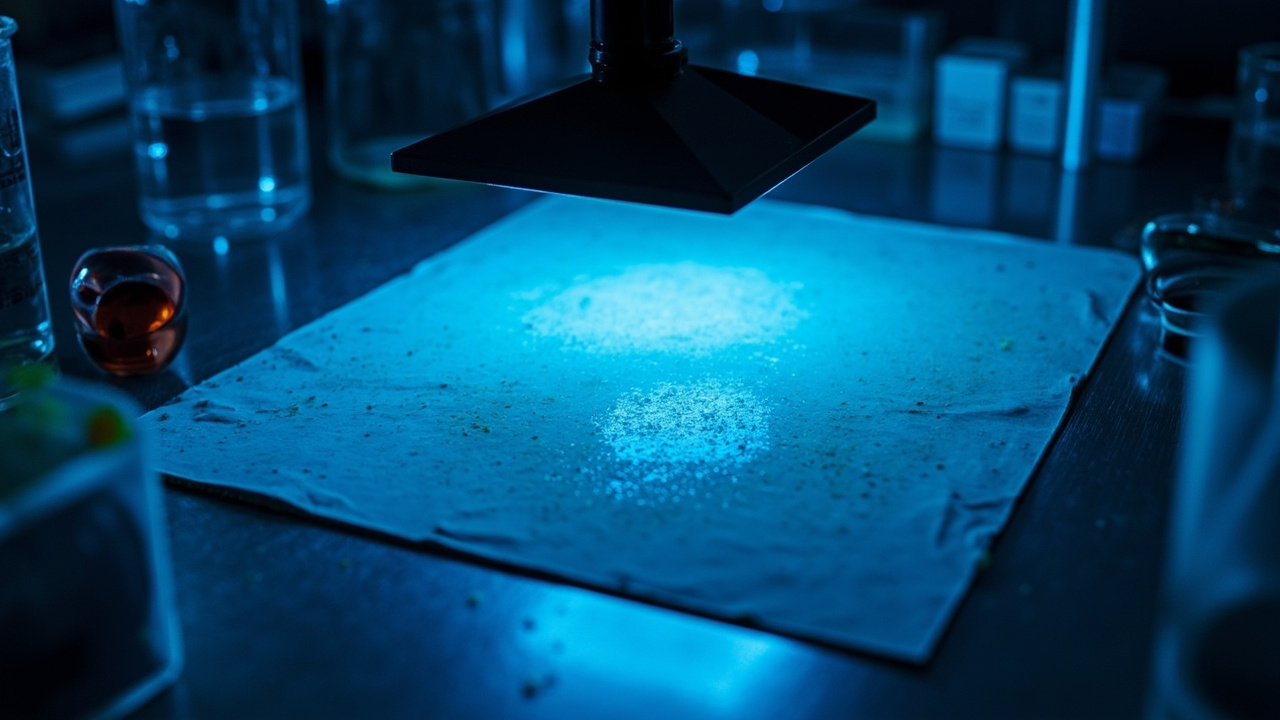
I. Crystal Forms of Nano Titanium Dioxide: Anatase, Rutile, and Brookite
Titanium dioxide has three natural crystal forms: anatase, rutile, and brookite. As a pigment, rutile, due to its high refractive index (about 2.7) and good weather resistance, is the mainstay of outdoor white pigments; but as a photocatalyst, anatase, with a band gap of about 3.2 eV and higher photogenerated carrier separation efficiency, has significantly better activity than rutile (rutile band gap about 3.0 eV, but high recombination rate). Brookite is unstable and rarely used.
Nanoscaling further amplifies the difference: when the particle size is as small as 10 to 30 nm, the specific surface area is large, surface defects are numerous, quantum confinement affects the energy band, and photocatalytic sites increase. But too small (less than 10 nm) will intensify electron-hole recombination and tend to agglomerate. In engineering, photocatalytic titanium dioxide is mostly 10 to 30 nm, mainly anatase, or anatase-rutile mixed crystal (using heterojunctions to promote carrier separation). In the mixed crystal, the anatase-rutile interface forms a type-II heterojunction, causing electrons to tend toward rutile and holes toward anatase, reducing recombination rate and improving quantum efficiency, which is a common strategy to balance activity and durability.
II. Photocatalytic Mechanism: From Photons to Free Radicals
The essence of photocatalytic self-cleaning is that titanium dioxide is photo-excited to produce electron-hole pairs, which then generate strongly oxidative species.
The first step is excitation: when the incident light energy is greater than or equal to the band gap (anatase about 3.2 eV, corresponding to wavelength ≤ 387 nm, near UV), valence band electrons jump to the conduction band, leaving holes. The second step is separation and migration: electrons and holes migrate to the surface, ideally participating in surface reactions; in reality they often recombine and deactivate by heat release—this is the core bottleneck of photocatalytic efficiency. The third step is surface redox reaction: holes directly oxidize surface-adsorbed water or hydroxyl groups to generate hydroxyl radicals; electrons reduce adsorbed oxygen to generate superoxide radicals, which then form hydrogen peroxide, hydroxyl radicals, etc. The fourth step is decomposition of organics: hydroxyl radicals and other reactive oxygen species non-selectively oxidize organic contaminants (grease, organics in dust, some microbial films), ultimately mineralizing into carbon dioxide and water.
It needs to be clarified: titanium dioxide photocatalysis depends on UV light (≤ 387 nm), which accounts for about 4% to 5% of the UV component of sunlight. Pure titanium dioxide has weak response to visible light—this is its biggest shortcoming. Improvement directions include nitrogen/sulfur doping, compounding with narrow-bandgap semiconductors (such as cadmium sulfide, graphitic carbon nitride), and noble metal (silver, gold) plasmonic sensitization to extend the response to visible light. But doping introduces new issues of cost, stability, and compliance, and often requires a trade-off between photocatalytic activity and long-term weather resistance.
III. Photo-induced Superhydrophilicity: The Second Pillar of Self-cleaning
In addition to decomposing contaminants, anatase titanium dioxide under UV irradiation also undergoes photo-induced superhydrophilicity: oxygen vacancies are generated on the surface, adsorbed water molecules dissociate and spread, and the water contact angle drops from hydrophobic (about 70 to 80 degrees, due to organic pollution) to less than 5 to 10 degrees, forming a uniform water film rather than water droplets. The uniform water film flows over the surface under gravity or breeze, carrying away the partially decomposed loose dust, achieving self-cleaning. This is the opposite wetting path from silica hydrophobic rolling-off—the former forms a film and spreads, the latter forms beads and rolls off, but both can remove dirt. The synergy and difference of the two paths can be compared with Nano SiO₂ Hydrophobic Modification. In engineering, titanium dioxide and hydrophobic silica can be introduced simultaneously in one coating, allowing the dual mechanism of "decomposition + rolling-off" to coexist.

IV. Antibacterial and Antiviral: Incidental Capability of Reactive Oxygen
Hydroxyl radicals and reactive oxygen produced by photocatalysis can also destroy the membrane structure and genetic material of bacteria and some viruses, giving titanium dioxide coatings antibacterial properties (often listed alongside silver or zinc oxide systems, see Nano Antibacterial Materials Ag/ZnO). It should be noted: titanium dioxide antibacterial depends on light and reactive oxygen concentration, and is limited in light-free environments; and unlike silver's ion-release sustained antibacterial mechanism, titanium dioxide is light-driven intermittent. In engineering, titanium dioxide is often compounded with silver to complement light and light-free scenarios. For viruses, enveloped viruses are usually more sensitive than non-enveloped viruses, but any antiviral claim requires dedicated testing and cannot be generalized from antibacterial data.
V. Applications in Engineering Coatings
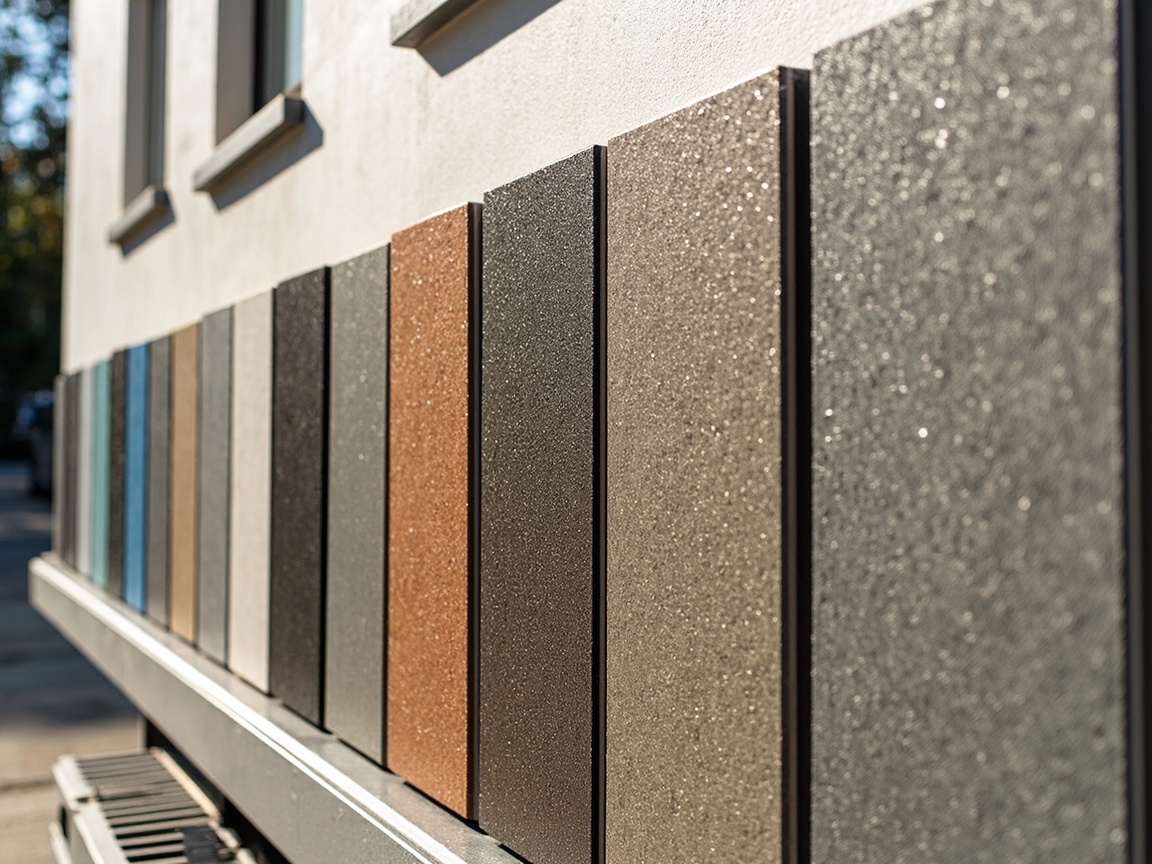
For building facades and curtain walls, adding nano titanium dioxide to exterior wall paint or transparent topcoat can decompose attached cooking fume and dust organics, combined with rainwater self-cleaning, maintaining appearance long-term and slowing mildew. Japan has applied photocatalytic exterior walls in large quantities, but the addition amount and binder compatibility must be controlled to avoid chalking.
For automotive and glass, adding titanium dioxide to automotive clear coat can resist surface contamination and ease car washing; glass (rearview mirror, windows) coated with titanium dioxide achieves anti-fog and anti-fouling. Different from the automotive ceramic nano coating route, titanium dioxide relies on photocatalysis rather than mere hydrophobicity.
For indoor air purification, loading titanium dioxide on porous carriers (such as coatings, boards, filters) decomposes formaldehyde, VOCs, and odors under UV or visible light—belonging to the field of environmental catalysis. Outdoor facilities such as tunnels and noise barriers also use photocatalytic coatings to degrade nitrogen oxides.
For anti-corrosion and antifouling, titanium dioxide can also serve as an inert white pigment and UV shielding agent, improving coating weather resistance and slowing resin photoaging; in marine antifouling, the photocatalytic surface inhibits microbial attachment.
VI. Engineering Boundaries: Don't Be Misled by Self-cleaning Rhetoric
Although photocatalytic titanium dioxide is good, it has clear boundaries that must be faced in selection:
UV dependence: activity drops sharply on cloudy days, indoors, and at night; claims of highly efficient visible-light self-cleaning need to be verified by doping and third-party data. Non-selective active radicals: hydroxyl radicals also attack the coating resin itself, potentially accelerating organic binder aging long-term—weather-resistant binders or coated/isolated titanium dioxide must be used. Chalking risk: improperly loaded nano titanium dioxide with weak resin bonding may self-destruct the coating via photocatalysis, causing chalking and gloss loss. Agglomeration and dispersion: nano titanium dioxide easily agglomerates and must be well dispersed and confirmed by characterization (see Nanomaterial Characterization Methods). Safety: nano titanium dioxide dust inhalation requires particulate matter protection; animal studies of large intake suggest controlling occupational exposure.
VII. Comparison Table of Crystal Forms and Loading Methods
Different crystal forms and loading strategies differ significantly in activity, weather resistance, and cost; refer to the table below for selection:
| Dimension | Anatase (nano) | Rutile (nano) | Mixed crystal | Doped or compounded |
|---|---|---|---|---|
| Photocatalytic activity | High | Lower | High (heterojunction enhancement) | High and visible-light responsive |
| Weather resistance | Medium | High | Medium-high | Depends on composite |
| UV dependence | Strong (≤387nm) | Strong | Strong | Partially visible-light |
| Cost | Medium | Low (pigment grade) | Medium | High |
| Typical use | Self-cleaning, purification | Pigment, UV shielding | Self-cleaning plus durability | Visible-light self-cleaning |
VIII. Formulation and Construction Key Points
Prioritize surface coating or chemical bonding for loading, avoiding direct incorporation of free nano powder causing chalking; sol-gel method can be used for in-situ loading on binder. Binder selection: choose photoaging-resistant resin (such as fluorocarbon, silicone-acrylic, aliphatic polyurethane) to slow hydroxyl radical attack on the organic phase. Excessive addition not only raises cost but also reduces transparency and thickens due to scattering and agglomeration; orthogonal tests are needed to determine the window, typical effective addition is often 0.x to a few wt%, depending on binder and use. Dispersion by high-speed dispersion plus sand milling, ensuring primary particle size 10 to 30 nm and no large agglomerates (Zeta potential monitoring). Acceptance per ISO 27448 (self-cleaning surface water contact angle), or relevant photocatalytic activity standards (such as ISO 10678 determination of photocatalytic material performance); weather resistance per GB/T 1865 (xenon lamp aging) or ISO 11341.
The self-cleaning topcoat launched by Kexin New Materials (kexinMaterials) uses anatase-rutile mixed crystal loaded on weather-resistant resin, and controls chemical anchoring of nano titanium dioxide to the binder, suppressing chalking while maintaining self-cleaning activity, suitable for easy-clean needs of building facades and outdoor equipment.
IX. Common Misconceptions
Misconception 1: Nano titanium dioxide is also strongly self-cleaning under visible light. Wrong. Pure anatase needs UV (≤387nm), a small proportion of sunlight; visible-light activity requires doping and third-party data.
Misconception 2: Self-cleaning means never dirty. Wrong. It slows organic stain adhesion and assists rainwater cleaning, but has limited effect on inorganic hard scale and dust accumulation, still requiring periodic maintenance.
Misconception 3: More added, cleaner. Wrong. Excess causes agglomeration, chalking, gloss loss, cost rise, and radicals attack own resin.
Misconception 4: Photocatalysis decomposes all pollutants including substrate. Right—radicals are non-selective, so weather-resistant binder and isolation must be selected, otherwise self-cleaning becomes self-destruction.
Misconception 5: Titanium dioxide and silver have the same antibacterial mechanism. Wrong. Titanium dioxide relies on light-driven reactive oxygen (intermittent), silver relies on ion release (sustained), they complement rather than replace each other.
X. Durability and Lifetime Evaluation
The lifespan of a self-cleaning coating cannot be judged only by its initial activity; more importantly, it depends on the retention rate after aging. It is recommended to conduct a complete set of evaluations: initial contact angle and degradation rate, contact angle recovery capability after 500 to 2000 hours of xenon-arc aging, reactive oxygen species yield decay, as well as the chalking and gloss loss grades of the paint film. Only products with high activity retention after aging are suitable for long-term outdoor use. This is also the key to distinguishing "lab demonstration" from "engineering-usable." In a measured case, a reasonably loaded mixed-crystal clear coat retained over 70% self-cleaning activity after 1000 hours of xenon-arc aging, while the freely blended control group had clearly chalked and lost gloss, confirming the decisive influence of the loading method.
XI. Specific Technical Routes for Visible-Light-Responsive Modification
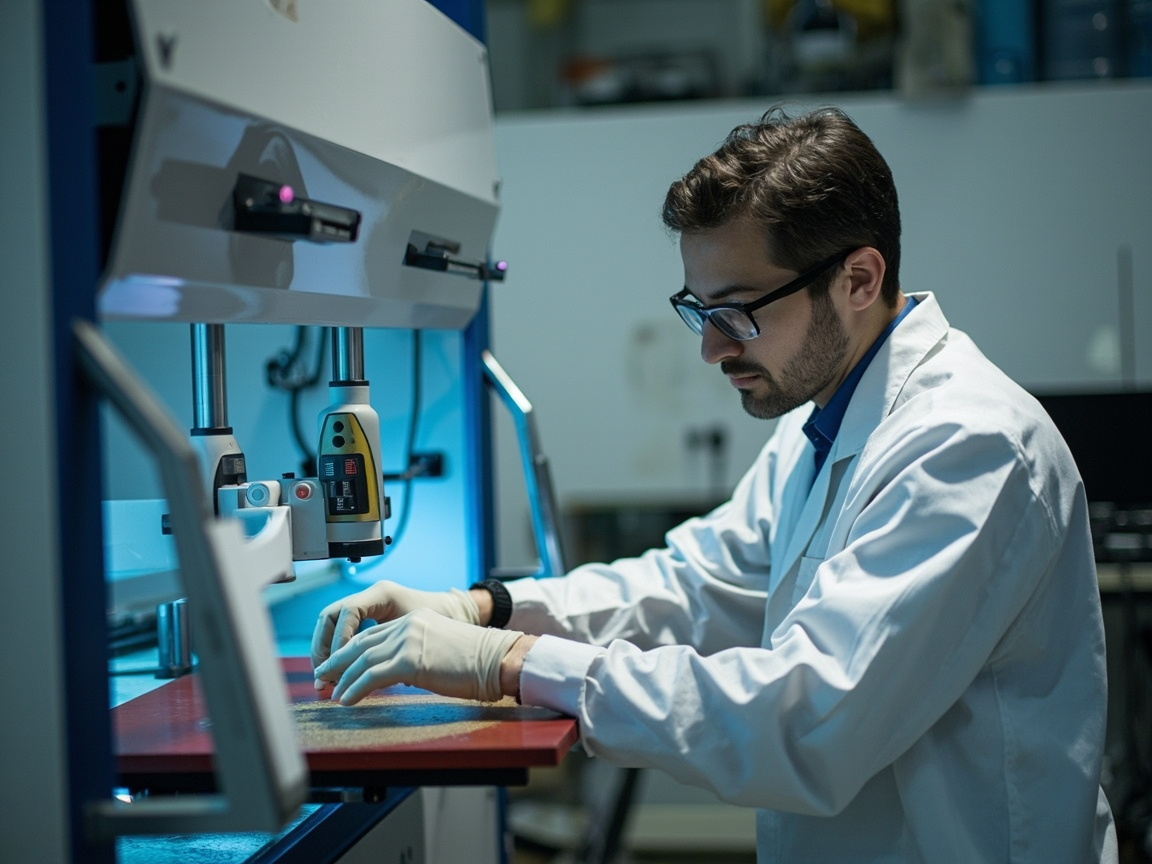
To overcome the shortcoming that pure anatase only responds to ultraviolet (about 4% to 5% of sunlight), there are mainly three types of visible-light activation routes in engineering. The first is non-metal doping, where nitrogen, sulfur, or carbon partially replaces lattice oxygen, introducing impurity energy levels into the band gap and red-shifting the absorption edge; nitrogen doping is the most mature, but excessive doping introduces defect recombination centers and instead reduces quantum efficiency. The second is narrow-bandgap semiconductor compositing, such as constructing heterojunctions with graphitic carbon nitride, cadmium sulfide, or graphene oxide to broaden spectral response; cadmium sulfide is effective but its cadmium content raises compliance and environmental concerns and requires coating isolation. The third is noble-metal plasmonic sensitization, loading silver or gold nanoparticles to enhance visible-light absorption and carrier injection via localized surface plasmon resonance; silver also assists antibacterial activity, serving dual purposes. All three routes require trade-offs between "improved visible-light activity" and "long-term weather resistance, cost, and compliance," and any claim should be accompanied by third-party spectral response and aging data.
XII. Interfacial Chemistry of Photocatalytic Coatings and Resin Binders
Indiscriminate radical attack means the resin binder is the "Achilles' heel" of photocatalytic coatings. There are three interfacial strategies to slow self-destruction: first, use photo-oxidation-resistant binders such as fluororesin, silicone-acrylic, or aliphatic polyurethane, whose C–F and Si–O bond energies are high and resistant to radicals; second, coat titanium dioxide with a thin layer of silica or alumina to physically isolate radicals from the organic phase; third, chemical anchoring, where nanoparticles are covalently linked to the resin via silane bridges to reduce free particles. The three strategies are often stacked. Note that coating slightly reduces photocatalytic activity, so the coating thickness and activity must be optimized experimentally.
XIII. Measured Data and Maintenance Expectations for Building Facades
The ultimate criterion for engineering usability is field performance. In a comparison on a street-facing shopfront curtain wall in East China, after one rainy season the photocatalytic clear coat showed significantly lower adhesion of cooking oil fume and dust than an adjacent ordinary fluorocarbon clear coat, and rainwater washing restored over 80% cleanliness; however, during long rainless dry and dusty seasons, low-pressure water flushing every quarter is still recommended as auxiliary maintenance. This shows that "self-cleaning" reduces maintenance frequency rather than being completely maintenance-free, and the boundaries must be stated honestly during selection communication to avoid customers misunderstanding it as "never gets dirty."
XIV. Functional Stacking Design of Photocatalysis and Antibacterial
The light-driven antibacterial action of titanium dioxide can complement the sustained antibacterial action of silver and zinc oxide in light-dark alternation. One approach is layered design: the bottom layer contains silver and zinc for sustained antibacterial activity, and the top layer contains titanium dioxide to assist in decomposing microbial films when light is present; another is blending, but note that silver may accelerate oxidation under light and titanium dioxide radicals may also attack the silver surface passivation layer, requiring carrier isolation to mitigate. Regardless of the approach, the final verification should be by antibacterial rate tests covering multiple strains and both light and dark states, not single-condition data.
XV. Practical Checklist for Standards and Third-Party Acceptance
In addition to the previously mentioned ISO 27448, ISO 10678, and GB/T 1865, photocatalytic coating acceptance often references JIS R 1703 (antibacterial performance of photocatalytic materials), ISO 22197 series (purification performance of photocatalytic materials), etc. In practice, it is recommended that suppliers provide: crystal form and particle size (XRD/TEM), initial and post-aging contact angle, initial and post-aging degradation rate, and weather resistance grade. Only with all four complete can it be considered a citable technical archive for self-cleaning coatings.
XVI. Construction Taboos for Photocatalytic Coatings
There are three hard taboos in constructing photocatalytic self-cleaning coatings. First, avoid direct pairing with easily yellowing, light-unstable binders without isolation, otherwise radicals will accelerate binder aging and chalking. Second, avoid blindly increasing addition level; excessive nano titanium dioxide both thickens and reduces transparency and deactivates via agglomeration, wasting material. Third, avoid claiming self-cleaning in sealed lightless environments—without UV excitation, photocatalytic activity is nearly zero. The correct approach is: choose weather-resistant binders, control the addition level window, use in the topcoat or transparent clear coat, and honestly explain the light dependence to customers.
XVII. Synergistic Formulation Example with Hydrophobic Silica
Using nano titanium dioxide and hydrophobic silica together in the same clear coat creates a "decompose plus roll-off" dual self-cleaning: titanium dioxide decomposes organic dirt and becomes photo-induced superhydrophilic under light to spread water, while hydrophobic silica makes residual water beads roll off more easily, carrying away loose dust. A feasible ratio is anatase-rutile mixed-crystal titanium dioxide at 0.5% to 1.5% by mass, and octyl-modified fumed silica at 0.5% to 2%, dispersed in fluorocarbon or silicone-acrylic varnish. The key is that both must be fully deagglomerated, otherwise they compete for interfaces and cause defects. This synergistic concept has been verified on multiple curtain wall samples and is more dirt-resistant than single-mechanism systems.
XVIII. Outlook on Future Visible-Light Photocatalysis
Visible-light photocatalysis is a shared focus of academia and industry. Beyond the aforementioned doping, compositing, and plasmonic routes, emerging directions include: large specific surface and tunable bandgap of 2D materials (e.g., few-layer carbon nitride), single-atom catalytic sites to improve atomic utilization, and photothermal synergy using near-infrared heating to promote reactions. However, industrial implementation remains constrained by "long-term weather resistance" and "cost"; it is expected that in the next three to five years the truly scaled-up systems will still be narrow-bandgap composite systems optimized via coating and binder improvements, rather than radical brand-new photocatalysts.
XIX. Cost and Value Assessment of Photocatalytic Coatings
Assessing photocatalytic self-cleaning coatings should not only count the material unit price. Its value comes from: reducing facade cleaning frequency, delaying appearance degradation, and lowering maintenance labor and water consumption. In hard-to-maintain scenarios such as high-rise curtain walls and bridges, such hidden benefits often exceed the filler premium. But the premise for value is that activity is maintained over the service life, so post-aging activity retention should be written into technical specifications more than initial activity, as the basis for acceptance and warranty.
XX. Quick Field Problem Troubleshooting
Common field problems include: clear coat turning white (mostly excess titanium dioxide or binder incompatibility), short-term gloss loss (radical attack on organic phase), and insignificant self-cleaning (insufficient light or low addition level). The troubleshooting sequence is: first confirm construction environment light and film thickness, then trace back addition level and binder selection, and finally use XRD/TEM to re-check raw materials. Attributing problems to measurable variables avoids repeated trial-and-error and blaming the material itself.
XXI. Quantifying Environmental Benefits of Photocatalytic Coatings
Beyond self-cleaning, photocatalytic titanium dioxide can also decompose air pollutants such as nitrogen oxides, offering some environmental gain in tunnels and street-facing facades. Quantification should measure pollutant degradation under real exposure conditions, not just strong-UV lab results. Including environmental benefits in a life-cycle assessment allows objective judgment of net benefit and avoids amplifying weak degradation amounts in promotion. For products claiming "air purification," field long-term monitoring data should support the claim, not a single demonstration.
XXII. Relevance of Photocatalysis and Building Energy Efficiency
The high solar reflectance and self-cleaning synergy of titanium dioxide coatings can reduce building surface heat absorption and dirt heat absorption, indirectly lowering air-conditioning load. In hot-summer regions, a clean light-colored facade has higher reflectance than a soiled one, with energy-saving significance over time. However, this effect requires integrated coating optical design and should not be isolatedly exaggerated; it is recommended to demonstrate via measured surface temperature comparison rather than principle inference alone. Building energy-saving claims on data withstands scrutiny by professional customers.
XXIII. Quality Release Criteria for Photocatalytic Coatings
It is recommended to write four items—"initial degradation rate, post-aging degradation rate retention, initial and post-aging contact angle, and chalking grade"—in parallel into the release standard. Any item failing means no release. This release criterion binding photocatalytic activity with durability better guarantees outdoor lifespan than looking only at initial activity, and facilitates customer acceptance and dispute arbitration; it is basic discipline for engineering implementation.
XXIV. Joint Acceptance Example of Photocatalysis and Antibacterial
In a hospital corridor project, anatase-rutile mixed-crystal titanium dioxide and low-level silver-zinc antibacterial agent were used together in the clear coat; antibacterial rate per GB/T 21866, self-cleaning contact angle per ISO 27448, and xenon-arc aging retest per GB/T 1865 were conducted. Results showed: initial antibacterial rate and self-cleaning both met standards; after 1000 hours aging, self-cleaning retention still exceeded 70% and antibacterial rate decay was within allowable range. This joint acceptance binds the two functions with durability, closer to real use than single initial-value tests, and is a worthy promotion paradigm, also showing photocatalysis and antibacterial can synergize without weakening each other.
XXV. Conclusion for Selection Engineers
Facing photocatalytic self-cleaning coatings, the engineer should ask not "is there nano titanium dioxide," but "what crystal form, what particle size, how is it loaded, and how much activity retains after aging." Asking these four questions well filters out most concept-marketed products. This article expands layer by layer from mechanism, crystal form, boundaries to acceptance, precisely to return the choice to verifiable engineering data rather than promotional rhetoric, letting photocatalysis truly serve durability and easy cleaning.
FAQ
Q: Why use anatase rather than more weather-resistant rutile for photocatalysis?
A: Anatase has a bandgap of about 3.2 eV and higher photogenerated electron-hole separation efficiency; its photocatalytic activity is significantly better than rutile (though rutile is more weather-resistant and has higher refractive index, mainly used as pigment). Engineering commonly uses anatase or anatase-rutile mixed crystal to balance activity and durability.
Q: What light does nano titanium dioxide self-cleaning rely on?
A: Mainly ultraviolet light (≤387nm, near-UV), about 4% to 5% of sunlight. Pure titanium dioxide responds weakly to visible light; visible-light self-cleaning requires nitrogen/silver doping or narrow-bandgap semiconductor compositing, and should be verified by third-party data.
Q: What is the chemical process of photocatalytic decomposition of dirt?
A: UV excitation generates electron-hole pairs; holes oxidize surface water or hydroxyl to generate hydroxyl radicals, electrons reduce oxygen to superoxide radicals and hydrogen peroxide; these reactive oxygens indiscriminately oxidize organics, ultimately mineralizing to carbon dioxide and water.
Q: Are photo-induced superhydrophilicity and silica hydrophobic self-cleaning contradictory?
A: Not contradictory; they are two different routes: titanium dioxide becomes superhydrophilic after light, forming film to spread and carry away dust; silica hydrophobic modification forms beads to roll off. They can be combined: decompose plus roll-off or spread-complementary decontamination.
Q: Will nano titanium dioxide damage the coating itself?
A: Possibly. Hydroxyl radicals indiscriminately attack organic resin; if nano titanium dioxide is improperly loaded and weakly bound, long-term chalking and gloss loss may occur. Weather-resistant binders and chemical anchoring are needed to suppress self-destruction.
Q: How does nano titanium dioxide differ from silver antibacterial?
A:Titanium dioxide generates reactive oxygen species via light (photo-driven, intermittent), while silver works through silver ion release (continuous, effective even without light). The two mechanisms are complementary and are often combined to cover both lit and unlit scenarios; see nano antibacterial material Ag/ZnO for details.
Q: How to determine whether a titanium dioxide self-cleaning coating is truly effective?
A: Check whether the following are provided: crystal phase and particle size (X-ray diffraction or TEM), photocatalytic activity (ISO 10678, etc.), self-cleaning water contact angle (ISO 27448), and activity retention after xenon-lamp aging. Merely labeling "nano" is insufficient evidence.
Q: Are there safety concerns with nano titanium dioxide?
A: Inhalation of nano titanium dioxide dust requires particulate matter protection; zoological studies suggest controlling occupational exposure. Use dust masks and ventilation during application.
Q: What happens if dispersion is poor?
A: Nano titanium dioxide tends to agglomerate; if not deagglomerated, active sites are buried, transparency drops, and defects increase. High-speed dispersion plus bead milling is required, and Zeta potential must be monitored.
Q: How does Kexin New Materials approach titanium dioxide self-cleaning?
A: Kexin New Materials (kexinMaterials) adopts anatase-rutile mixed crystals loaded on weather-resistant resin, with chemical anchoring to suppress chalking, balancing self-cleaning activity and durability, suitable for building facades and outdoor equipment easy-clean coatings, referencing nano material characterization methods for crystal phase and particle size verification.
Further Reading
- Nano SiO₂ hydrophobic modification: Comparing the hydrophobic rolling and titanium dioxide photocatalytic decomposition self-cleaning routes, to understand how to combine them.
- Nano material characterization methods: Explains how to use X-ray diffraction or TEM to confirm crystal phase and particle size, verifying the real scale of photocatalytic titanium dioxide.
- Nano antibacterial material Ag/ZnO: Contrasts the light-driven antibacterial action of titanium dioxide with the continuous antibacterial action of silver and zinc oxide, establishing a complete antibacterial selection logic.
- Building facade nano protection: coating systems for self-cleaning, superhydrophobicity and anti-fouling
- Nano particle dispersion stability: from agglomeration mechanism to engineering control of stable slurries
- Industrial paint application: airless spray parameters, film thickness control and recoat interval