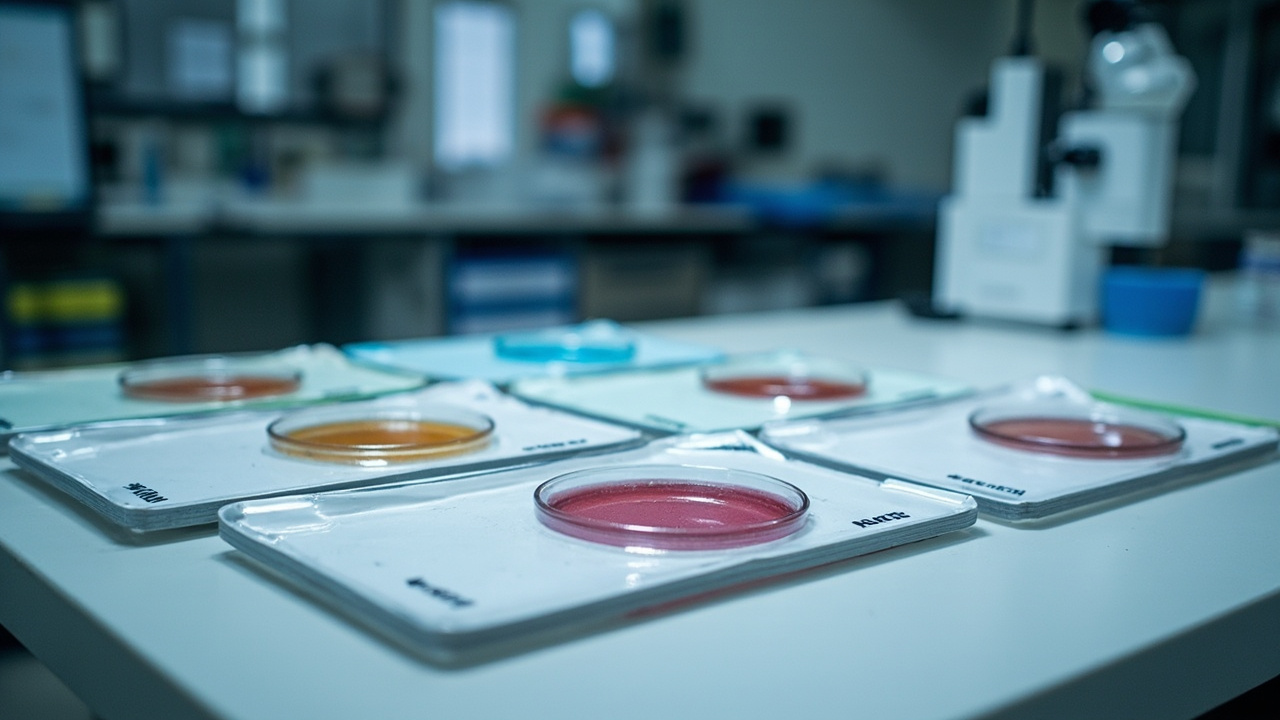
In the post-pandemic era, with growing attention to healthcare, food, and indoor air quality, "antibacterial coating" has shifted from a selling point to a mandatory specification for many engineering projects. However, market claims such as "99% antibacterial" and "long-lasting antibacterial" vary widely in quality. What truly needs to be understood is: what kills the microbes, which microbes are killed, how long the effect lasts, and whether harmful leaching occurs. The core of nano antibacterial coatings usually consists of nanoparticles such as silver (Ag), zinc oxide (ZnO), and titanium dioxide (TiO₂). They are small in size and have a large specific surface area, enabling significant microbial inhibition at very low addition levels. This article systematically breaks down this functional technology—from mechanisms, real inhibition rate data, durability, leaching risks, to testing standards (inhibition rate per GB/T)—and provides an antibacterial agent comparison table to help you avoid being misled by marketing jargon during selection.
As a supplier of functional coating systems, Kexin New Materials (kexinMaterials) provides verifiable nano solutions for antibacterial interior walls, medical scenarios, and plastic masterbatches. In the scenario and selection sections, this article offers recommendations based on real working conditions.
I. Why Antibacterial Coatings Need "Nano"
Traditional coatings themselves have no active antibacterial capability, at most relying on a dense film to physically block microbial adhesion. To make a coating "actively antibacterial," antibacterial active ingredients must be introduced into the film. The value of nano-sizing lies in:
- Drastic increase in specific surface area: For the same mass of antibacterial agent, nano-sizing greatly increases exposed active sites, improving contact efficiency with microbes;
- Low addition level: Antibacterial effects can be achieved at extremely low dosage, with minimal impact on film appearance, mechanics, and cost;
- Good dispersibility (after modification): Can be evenly distributed in the surface and interior of the film, forming continuous contact inhibition;
- Multiple modes of action: Silver ions disrupt membranes and enzymes, ZnO generates reactive oxygen species, TiO₂ photocatalytically degrades—mechanisms are complementary.
But nano-sizing also brings risks (see "leaching risk" later). Therefore, the essence of antibacterial coating design is balancing "high efficiency" and "safe controlled release".
II. Ag⁺ Antibacterial Mechanism: Disrupting Membranes and Enzymes
The research archive section "Nano Ag / ZnO Antibacterial" gives the core conclusion: Ag⁺ disrupts microbial cell membranes/enzymes; broad-spectrum antibacterial (E. coli / S. aureus inhibition rate can be ≥99%). The mechanism can be further broken down into multi-target actions:
2.1 Disrupting Cell Membrane Integrity
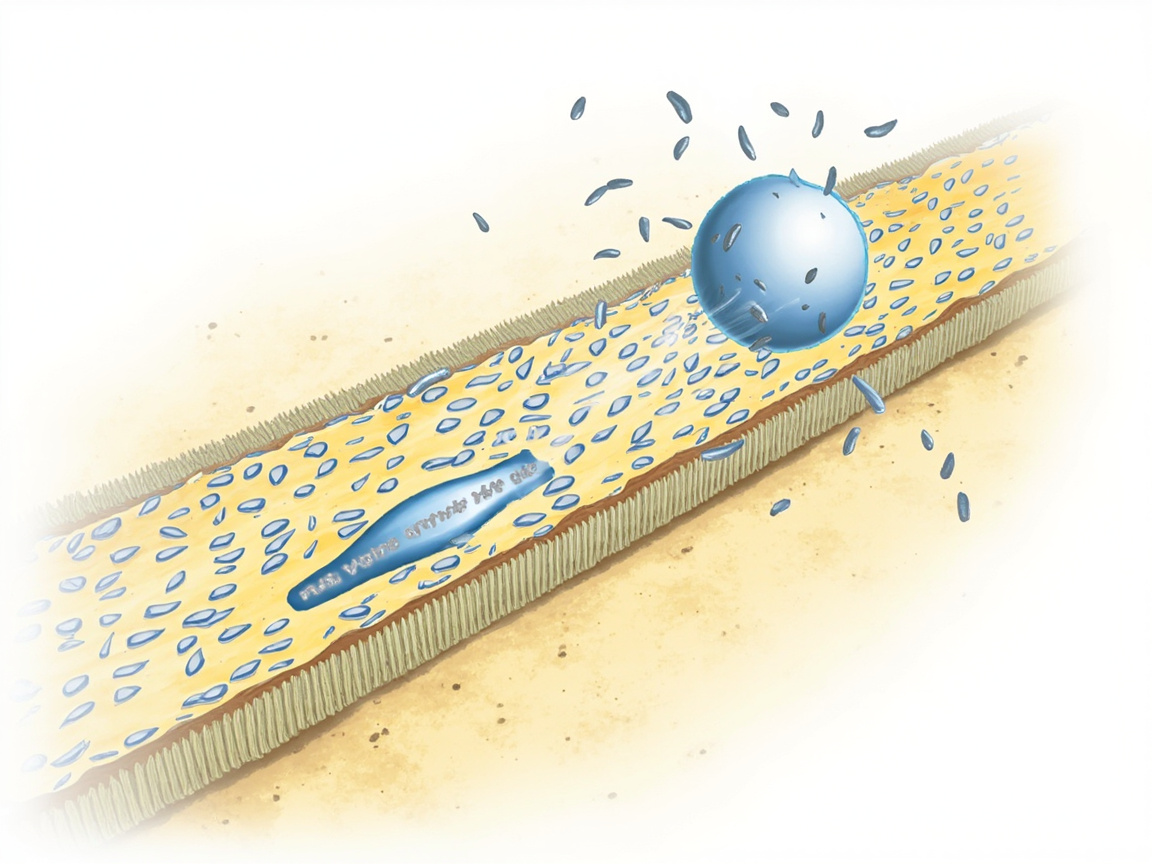
Silver ions (Ag⁺) are positively charged, while bacterial cell membranes are usually negatively charged (phospholipids and surface proteins). Ag⁺ binds to sulfhydryl (—SH), carboxyl, and other groups on the membrane, destroying its structure and causing leakage of intracellular substances (potassium ions, ATP, nucleic acids), leading to apoptosis.
2.2 Binding to Enzymes/Proteins, Inactivating Key Metabolism
Ag⁺ has a strong affinity for sulfur- and nitrogen-containing enzyme active centers (especially sulfhydryl groups), which can passivate respiratory chain enzymes, ATP synthase, etc., interrupting microbial energy metabolism. This "enzyme inactivation" mechanism makes silver less prone to rapidly inducing resistance like single-target drugs.
2.3 Generating Reactive Oxygen Species (ROS)
Some studies indicate that Ag nanoparticle surfaces can catalyze the generation of reactive oxygen species, oxidizing biomacromolecules and exacerbating microbial damage. This gives silver a "multi-mechanism synergy" antibacterial effect with strong broad-spectrum capability.
Silver's broad spectrum covers Gram-negative bacteria (e.g., E. coli), Gram-positive bacteria (e.g., Staphylococcus aureus), and some fungi. The archive explicitly states its "broad-spectrum antibacterial" property and gives the real range where E. coli / S. aureus inhibition rate can be ≥99%.
III. ZnO and TiO₂: Two Complementary Inorganic Antibacterial Routes
Besides silver, ZnO and TiO₂ are two other common nano antibacterial inorganic particles, with mechanisms different from silver and complementary to it.
3.1 Antibacterial Mechanism of Nano ZnO
- Reactive oxygen species (ROS) dominated: Nano ZnO can generate reactive oxygen species (·OH, O₂⁻) under visible/near-UV light, oxidatively destroying microbial membranes and DNA;
- Zn²⁺ leaching effect: A small amount of released zinc ions also participates in inhibition;
- Surface contact damage: Nanoparticles directly contact bacteria, causing mechanical membrane damage.
ZnO's advantages are lower cost than silver, relatively high safety, and UV shielding (anti-aging), commonly used in interior walls and plastic masterbatches. The archive lists it alongside Ag as a core nano antibacterial particle.
3.2 Photocatalytic Mechanism of Nano TiO₂
The research archive "Nano TiO₂ Self-Cleaning (Photocatalysis)" points out: UV excitation generates photogenerated electrons/holes → degrades organic pollutants (self-cleaning), antibacterial; and brings photo-induced superhydrophilicity. Its characteristics:
- Must be UV excited (limited UV proportion in natural light, even weaker under indoor fluorescent lamps), so pure TiO₂ antibacterial efficacy drops in dark indoor spaces;
- Can be loaded with silver/doped (e.g., nitrogen doping, compounded with Ag) to extend to visible light;
- Note: TiO₂ photocatalysis may catalyze aging of adjacent organic resins, requiring encapsulation treatment (per archive note).
3.3 Positioning Differences Among the Three
- Silver (Ag): Broad-spectrum, high-efficiency, low addition, but high cost and strict leaching control required; suitable for medical/high-demand interior walls;
- ZnO: Cost-effective, safe, UV-resistant; suitable for interior walls/plastic masterbatches in bulk;
- TiO₂: Self-cleaning + antibacterial, light-dependent; suitable for exterior walls/glass/scenarios needing organic foul degradation.
IV. Real Inhibition Rate Data: E. coli and S. aureus
The most convincing metric for antibacterial coatings is the inhibition rate (antibacterial rate). According to the research archive "Nano Ag / ZnO Antibacterial": E. coli / S. aureus inhibition rate can be ≥99%. This is a common threshold for "high-efficiency antibacterial" in engineering.
Required judgment discipline (per archive "Market and Standard Status" and general norms):
- Inhibition rate must specify test strain, test method, exposure time, film condition;
- "≥99%" usually applies to specific indicator strains (e.g., E. coli ATCC 25922, S. aureus ATCC 6538) under standardized contact conditions, and cannot be arbitrarily applied to all microorganisms;
- Antifungal (e.g., Aspergillus niger) requires separate mold-resistance standard evaluation; antibacterial ≠ antifungal.
V. Antibacterial Agent Comparison Table and Testing Standards
5.1 Antibacterial Agent Comparison Table
The table below compares key attributes of mainstream nano antibacterial agents (mechanism, spectrum, trigger conditions, durability, risks) for easy selection. Specific values are subject to third-party reports; this table is a mechanism and engineering attribute comparison.
| Comparison Dimension | Nano Silver (Ag / Ag⁺) | Nano Zinc Oxide (ZnO) | Nano Titanium Dioxide (TiO₂, Photocatalytic) |
|---|---|---|---|
| Main Antibacterial Mechanism | Ag⁺ disrupts membrane/enzyme, ROS | ROS oxidation, Zn²⁺, contact damage | UV photogenerated electron/hole degradation, superhydrophilicity |
| Antibacterial Spectrum | Broad-spectrum (bacteria, some fungi) | Relatively broad (mainly bacteria) | Bacteria + organic foul degradation (light needed) |
| Trigger Condition | No light needed, acts on contact | Visible/near-UV assisted | UV excitation needed (weak indoors) |
| Typical Inhibition Rate | E. coli / S. aureus ≥99% (per archive) | Medium-high, depends on formula | Depends on light intensity |
| Durability | Depends on silver release rate and carrier | Good, inherently stable | Good (photocatalysis self-cleans) |
| Main Risk | Silver ion leaching/discoloration (gray-black), cost | Low toxicity but excessive Zn leaching concern | May catalyze resin aging, needs encapsulation |
| Typical Use | Medical, high-demand interior walls, plastic masterbatches | Interior walls, plastic masterbatches, UV resistance | Exterior walls, glass, self-cleaning surfaces |
5.2 Testing Standard: Inhibition Rate per GB/T
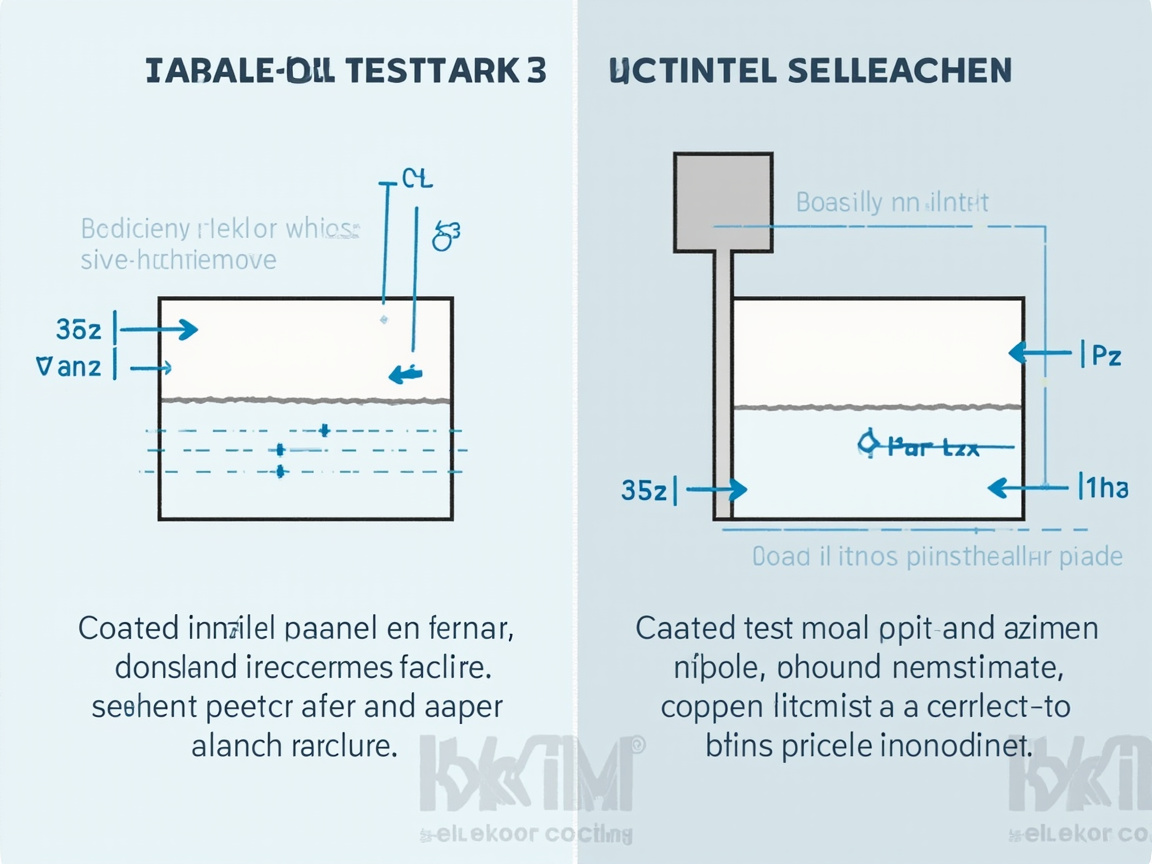
Antibacterial coatings have mature national standard methods for inhibition rate evaluation. Most commonly cited domestically is GB/T 21866-2008 "Test Method for Antibacterial Properties of Antibacterial Coatings (Film)", used to determine the antibacterial rate of films against bacteria (e.g., E. coli, Staphylococcus aureus); mold resistance often refers to GB/T 1741-2007 "Test Method for Mold Resistance of Film". Key points of testing include:
- Inoculate a certain amount of indicator bacteria on the film sample, incubate at constant temperature, then count surviving colonies;
- Antibacterial rate = (blank control colony count − sample colony count) / blank control colony count × 100%;
- Report must specify strain, incubation time, film preparation and curing status.
When purchasing, you should require the supplier to provide a third-party report issued in accordance with GB/T 21866, and verify the bacterial strains and batch, rather than merely looking at the "antibacterial" label.
5.3 Antibacterial Durability and Leaching Risk
These are the two points that functional coatings should be most questioned about, yet are often avoided:
- Durability (long-term effectiveness): Antibacterial efficacy depends on whether the active ingredient remains continuously accessible. If a silver-based system releases silver prematurely and in large amounts, the initial inhibition rate is high but it declines later; good carriers (such as zeolite, zirconium phosphate, mesoporous silica loading) can provide sustained release and extend the effective period. ZnO itself is stable, with better durability but absolute efficiency lower than silver.
- Leaching/migration risk: If the antibacterial agent is released uncontrollably into the environment or onto human contact surfaces, there are ecological and exposure concerns. Especially, silver ions can cause the coating to discolor (gray-black), affecting decorative appearance. Control measures include: carrier fixation, surface sealing, controlled addition levels, and selection of compliant masterbatches.
- Safety boundaries: After liquid curing it is usually inert; however, uncured slurry and dust require protection (per archival nano-safety data). Scenarios such as food contact and children's environments must meet corresponding compliance (e.g., SGS/FDA food-grade, RoHS/REACH).
6. Application Scenarios: Interior Walls, Medical, Plastic Masterbatches
The research archive "Nano Ag / ZnO Antibacterial" clearly states its use in interior walls, medical, and plastic masterbatches. The differing needs of these three scenarios determine the choice of antibacterial agent:
6.1 Interior Wall Coatings (Residential/Commercial/Schools)
- Needs: broad-spectrum inhibition, low odor, low leaching, good decorative properties;
- Recommendation: primarily ZnO or Ag-ZnO composite, low addition, balancing UV resistance and cost;
- Note: Control VOC per GB 18582-2020 "Limit of Harmful Substances in Architectural Wall Coatings" (water-based interior wall VOC ≤ 50–80 g/L); antibacterial does not exempt from environmental compliance.
6.2 Medical and Clean Spaces
- Needs: high efficiency, broad spectrum, traceable test reports, resistant to disinfection wiping;
- Recommendation: primarily Ag-based, with carrier sustained release to extend effective period, combined with easy-clean/chemical-resistant topcoat;
- Note: Medical environments are frequently disinfected; the coating must withstand disinfectants (alcohols, quaternary ammonium salts, etc.) without peeling or failure.
6.3 Plastic Masterbatches (Home Appliances, Building Materials, Daily Goods)
- Needs: embed antibacterial function "inside" plastic parts, long-lasting, heat-resistant processing;
- Recommendation: antibacterial masterbatch (Ag/ZnO loaded on carrier resin), added during injection molding/extrusion;
- Note: Masterbatch must withstand processing temperature, disperse uniformly, and comply with food contact or RoHS-type compliance (depending on end use).
7. Formulation Design and Safety Key Points
To make nano antibacterial agents into stable, usable coatings, several engineering keys must be addressed:
- Dispersion and anti-aggregation: Same as nano SiO₂, antibacterial particles also require surface modification and ultrasonic/high-shear dispersion to avoid aggregation causing local excess and appearance defects;
- Carrier fixation and sustained release: Use zeolite, zirconium phosphate, mesoporous SiO₂, etc. to load silver, balancing "fast action" and "long-lasting", and suppressing discoloration;
- Compatibility: Antibacterial agent should not interfere with resin curing or cause gelling; TiO₂ photocatalysis must be coated to prevent resin aging;
- Addition window: Principle of minimum effective dose; excess increases cost, discoloration and leaching risk;
- Safety and compliance: Per end-use scenario correspond to GB 18582 (interior wall), RoHS/REACH (electronics/export), SGS/FDA (food contact), etc.
Kexin New Materials (kexinMaterials), when delivering antibacterial solutions, insists on "test report first": clearly providing inhibition rate per GB/T 21866, bacterial strains, film state and durability data, and providing disinfection-wipe resistance verification for medical scenarios, avoiding selling "conceptual antibacterial" to customers with extremely high safety requirements.
8. Collaboration and Selection Advice with Kexin New Materials
For nano antibacterial needs, Kexin New Materials (kexinMaterials) recommends selection by the four factors "scenario—bacterial strain—compliance—durability", rather than just looking at inhibition rate numbers:
- Residential/commercial interior walls: Prioritize ZnO or Ag-ZnO low-addition systems, environmental compliance per GB 18582, balancing UV resistance and cost;
- Medical/high-demand spaces: Ag-based sustained-release system + easy-clean disinfection-resistant topcoat, provide GB/T 21866 third-party report;
- Plastic part functionalization: Use antibacterial masterbatch, matching processing temperature and end-use compliance (RoHS/REACH or food contact).
Also note: Antibacterial coating is a "functional add-on", not a substitute for ventilation, cleaning and structural mold prevention. For high-humidity mold-prone environments, mold-prevention design (e.g., GB/T 1741 mold resistance grade) and humidity control should be combined. If you need to evaluate waterborne and compliance from a broader coating system perspective, refer to The Formulation Science of Water-based Wood Coatings, incorporating functional additives into overall formulation management.
Regarding construction safety, antibacterial coatings also involve solvent and powder protection; it is recommended to understand protection boundaries in conjunction with Common Misconceptions about Water-based Coating Safety, avoiding misjudgments such as "water-based = absolutely harmless" or "antibacterial = ignore protection".
9. Functional Boundaries: Misconceptions about Antiviral, Formaldehyde Removal and "All-powerful Antibacterial"
The market often bundles antibacterial coatings with "antiviral" and "formaldehyde removal" in promotion; boundaries must be drawn here to avoid misleading:
- Antibacterial ≠ antiviral: Bacteria and viruses differ greatly in structure. Silver/ZnO have certain inhibitory effects on enveloped viruses (such as some coronaviruses, influenza viruses), but evaluation methods and standards differ, and bacterial inhibition rate cannot be directly equated with virus inactivation rate. Antiviral claims should be based on corresponding virus challenge tests, not on GB/T 21866 bacterial data.
- Antibacterial ≠ formaldehyde removal: Formaldehyde removal relies on photocatalysis (TiO₂) or chemical capture (e.g., amino compounds), which are two separate technical lines from antibacterial. TiO₂ does both, but indoor dark-space formaldehyde removal efficiency is also limited; pure silver/zinc systems are not responsible for formaldehyde removal.
- "Long-lasting all-powerful" is mostly rhetoric: Any single antibacterial agent has a spectrum of action and time-effectiveness boundary; claiming "permanently effective against all microorganisms" violates the mechanism. The responsible approach is to specify bacterial strains, rate values, test standards and validity period.
- Antibacterial cannot replace cleaning: Coating is an auxiliary means to "reduce surface microbial load", not a substitute for ventilation, cleaning disinfection and humidity management. Especially in medical and food scenarios, antibacterial coating is one line of defense, not the only one.
Clarifying functional boundaries is both technical honesty and a compliance necessity. Kexin New Materials actively marks "what it can do and what it cannot do" in solution communication, avoiding disputes from exaggerated promises during bidding and acceptance.
10. Construction and Acceptance Practical Checklist
Turn the above points into executable actions:
- Define indicators: First determine bacterial strains (E. coli / S. aureus / Aspergillus niger?), target inhibition rate (e.g., ≥99%), whether mold resistance is needed, and write into the technical specification;
- Request reports: Third-party reports per GB/T 21866 (antibacterial), GB/T 1741 (mold resistance), verify bacterial strains, film state, batch;
- Lock formulation: Confirm antibacterial agent type (Ag/ZnO/TiO₂ or composite), carrier and addition level, whether sustained release, evaluate discoloration and leaching;
- Substrate and compatibility: Interior walls control VOC per GB 18582; medical topcoat resistant to disinfection wiping; plastic masterbatch matches processing temperature and compliance;
- Sample verification: Make panels on real substrates, verify appearance, adhesion (GB/T 9286), hardness and antibacterial consistency;
- Durability assessment: For high-demand scenarios, do accelerated aging and repeated wiping followed by inhibition rate retest to confirm long-term effect;
- Safety briefing: Construction protection per powder/solvent risk, evaluate use safety after curing.
The benefit of this checklist is: turning "buy antibacterial coating" from a vague requirement into a quantifiable, acceptable, accountable engineering action, reducing later disputes.
11. Antibacterial Coating vs Ordinary Coating: Full-spectrum Differences
Viewing antibacterial coating within the "coating family portrait" better understands its positioning and boundaries. The table below compares its core differences with ordinary interior wall/industrial coatings:
| Dimension | Ordinary Coating | Nano Antibacterial Coating |
|---|---|---|
| Core function | Decoration, protection, hiding | Adds inhibition/easy-clean on top of decoration and protection |
| Active ingredient | None (or only physical barrier) | Ag / ZnO / TiO₂ and other nano antibacterial agents |
| Evaluation indicators | Adhesion, wash resistance, VOC, etc. | Above + antibacterial rate (GB/T 21866), mildew resistance (GB/T 1741) |
| Cost | Baseline | Usually higher (especially silver-based) |
| Risk points | Conventional solvent/powder protection | Additional control of leaching, discoloration, long-term attenuation |
| Applicable scenarios | General | Medical, high-hygiene interior walls, plastic masterbatches, home appliances |
| Compliance focus | VOC/heavy metals (GB 18582, etc.) | Same as above + safety of antibacterial agents and end-use compliance |
The conclusion is clear: antibacterial is an "add-on function" rather than a "replacement function". It adds a layer of microbial control on top of the decoration and protection of ordinary coating, but it absolutely does not mean one can skip the basics such as substrate treatment, adhesion, and environmental compliance. Treating antibacterial coating as a "universal disinfectant" is the most common cognitive bias in selection.
12. Addition Window and Cost Control
From an engineering economy perspective, the addition of antibacterial agents should follow the "minimum effective dose" principle:
- Silver-based: Due to high efficiency, the addition level is usually very low (mass fraction often at per-mille level), but silver price is high, and total cost is sensitive to addition level; carrier slow-release can also reduce the amount of effective silver per unit;
- ZnO-based: Low unit price, can be added slightly higher to balance efficiency and cost, and comes with anti-UV value;
- TiO₂-based: Mostly used for self-cleaning topcoats, addition level adjusted according to light availability; not suitable as the sole antibacterial means in indoor dark places.
A often-overlooked cost point: testing and compliance cost. Third-party antibacterial rate per GB/T 21866, RoHS/REACH or food contact compliance per end-use—these hidden costs often exceed the antibacterial agent itself. A responsible supplier will disclose this part upfront, rather than supplement testing at the acceptance stage. Kexin New Materials clarifies the testing scope and compliance items at the quotation stage precisely to avoid such late-stage risks.
13. Market Regulation and Pitfall Avoidance in Selection
The research archive "Market and Standards Status" has warned: terms such as "nano" and "antibacterial" in the coating field are abused; selection should look at third-party test reports, film thickness, contact angle, salt spray/abrasion and other hard data, rather than verbal claims. For antibacterial coating, the common pitfall-avoidance list is as follows:
- "99% antibacterial" without noting strains: Must state whether it is E. coli or S. aureus, by which standard, and what contact time. A "99%" lacking such elements has low reference value;
- "Permanent/long-lasting antibacterial" without basis: Any system has a time boundary; require accelerated aging or repeated wiping followed by re-test of antibacterial rate;
- Silver-based discoloration not disclosed: Silver ions can cause gray-black discoloration; high-decorative interior walls must be evaluated in advance and use carrier slow-release solutions;
- Antiviral claims borrowing bacterial data: Virus and bacteria evaluations differ; antiviral claims need independent verification, do not mix them;
- Only labeling antibacterial but not VOC: Antibacterial does not exempt from environmental compliance; interior walls must still meet VOC and harmful substance limits of GB 18582;
- No third-party report: Verbal "qualified" cannot serve as acceptance basis; antibacterial rate, strains, and mildew grade should be written into contract appendix.
Turning the above points into hard clauses in the procurement technical specification can filter out "marketing jargon" and leave truly verifiable and accountable antibacterial solutions.
14. Quick Reference Table for Typical Industry Applications
Finally, use a table to map the selection logic of antibacterial coating to industry scenarios:
| Industry/Scenario | Priority Antibacterial Agent | Key Indicators and Compliance |
|---|---|---|
| Residential/commercial interior walls | ZnO or Ag-ZnO low addition | GB 18582 VOC, GB/T 21866 antibacterial rate |
| Hospital/clean spaces | Ag-based slow-release + easy-clean surface | GB/T 21866, disinfectant-wipe resistance, third-party report |
| Home appliance plastic parts | Antibacterial masterbatch (Ag/ZnO) | Processing temperature resistance, RoHS/REACH |
| Food contact materials | Controlled Ag/ZnO masterbatch | SGS/FDA-type food-grade compliance |
| Exterior wall/glass self-cleaning | TiO₂ photocatalytic (can be combined with Ag) | UV availability, encapsulation anti-aging |
The core of this table is still "scenario first": first clarify the use environment, strain risk, and compliance threshold, then decide which nano antibacterial agent and addition strategy to use, rather than being led by a single antibacterial rate number.
15. How to Read an Antibacterial Rate Report
Facing supplier reports, it is recommended to check the following elements item by item to avoid being misled by "a single number":
- Strain and number: Clarify whether it is E. coli (e.g., ATCC 25922), S. aureus (e.g., ATCC 6538) or others; the number facilitates reproduction;
- Inoculum and incubation time: Usually inoculate a certain concentration of bacterial suspension and incubate for about 24 h; different conditions make results incomparable;
- Control and formula: Whether blank control is set, whether calculated as (control − sample)/control × 100%, with negative/positive controls;
- Coating film status: How many coats, cured for how many days, what substrate; insufficient curing significantly affects results;
- Laboratory and reproducibility: Report from a qualified third party, method traceable (GB/T 21866), and re-test available upon request.
Reading the report "thick" enables you to remain invincible in bidding, acceptance, and after-sales stages.
FAQ
1. Can nano antibacterial coating really kill 99% of bacteria?
For specific indicator bacteria (such as E. coli, S. aureus) under standardized test conditions, the inhibition rate given in the research archive can be ≥99%. But "99%" must note the strain, method, contact time, and film status, and cannot be generalized as effective against all microorganisms.
2. Which of the three nano antibacterial agents—silver, zinc, titanium—should I choose?
Depends on the scenario: medical/high-demand interior walls needing broad-spectrum high efficiency choose silver (Ag); large-volume interior walls needing cost-performance and anti-UV choose zinc oxide (ZnO); exterior walls/glass needing self-cleaning and accepting light dependence choose titanium dioxide (TiO₂). Ag-ZnO composite can also be used complementarily.
3. By what standard is the antibacterial rate tested?
Domestically, GB/T 21866-2008 "Test method for antibacterial properties of antibacterial coatings (film)" is commonly used for bacterial antibacterial rate; mildew resistance refers to GB/T 1741-2007. Report must include strain, incubation time, film status. Selection should request third-party reports rather than just looking at labels.
4. How long does the antibacterial effect last, and will it weaken with use?
Depends on the release mode of the active ingredient. If silver leaches uncontrolled in large amounts early, it attenuates later; using carriers such as zeolite/zirconium phosphate/mesoporous SiO₂ for slow release can extend the valid period. ZnO itself is stable with good durability. Durability must be judged by accelerated aging and actual measurement reports.
5. Will nano silver leach out and harm the human body?
After liquid curing it is usually inert; risks mainly lie in uncured slurry, dust, and uncontrolled silver ion leaching. Silver ions may also discolor the coating (gray-black). Manage through carrier fixation, surface sealing, and controlled addition, and comply with RoHS/REACH etc. per end-use scenario.
6. Does antibacterial coating also prevent mildew?
Antibacterial (anti-bacteria) and mildew resistance (anti-fungi) are different evaluations with different standards. High antibacterial rate does not equal good mildew resistance. High-humidity mildew-prone environments should be designed separately by mildew grade (e.g., GB/T 1741) and combined with humidity control.
7. Why do some antibacterial coatings discolor?
Silver ions can be reduced to elemental silver or silver sulfide under certain conditions, showing gray-black discoloration and affecting decorativeness. This is a typical risk of silver-based systems; carrier selection and sealing process can mitigate it. Special evaluation is needed for high-decorative interior wall scenarios.
8. Why is TiO₂ antibacterial weak indoors?
TiO₂ relies on UV photocatalysis to generate active species, while indoor natural light has low UV proportion and fluorescent lamps are even weaker, so efficacy drops in dark places. Need to load silver or nitrogen doping to extend visible light, or use on exterior walls/glass with UV exposure.
9. How is antibacterial achieved in plastic masterbatches?
Load Ag/ZnO onto carrier resin to make antibacterial masterbatch, add at a ratio during injection/extrusion, so the function is built-in and withstands processing temperature. Must ensure uniform dispersion and comply with end-use regulations (food contact or RoHS-type).
10. With children at home, what should I pay attention to when choosing antibacterial coating?
Prioritize water-based systems (VOC controlled by GB 18582), low-leaching antibacterial agents (such as ZnO or controlled Ag carriers), request third-party antibacterial and safety reports; and understand that antibacterial is an add-on function and cannot replace ventilation cleaning and mildew-proof design.
Further Reading
- Formulation Science and Application of Water-based Wood Coatings: A holistic formulation perspective from resin systems to additive management, helping incorporate antibacterial functional additives into a compliant system. How to Select Water-Based Industrial Coatings: Resin Systems and Applicable Conditions: Incorporate functional coatings (antibacterial, easy-to-clean) into the industrial protective selection framework for comprehensive evaluation.
- Common Misconceptions about Water-Based Coating Safety: Clarify the safety boundaries of "water-based ≠ harmless, antibacterial ≠ no protection needed" to guide construction and selection.