Why is it so hard to "paint" plastic?
In the eyes of coating engineers, plastic is both an attractive and a tricky substrate. Attractive, because plastic is lightweight, easy to mold, and cost-controllable, penetrating almost every corner of modern life—automotive interior and exterior trims, mobile phones and computers, home appliance housings, daily chemical packaging, toys, furniture—plastic parts are everywhere; tricky, because plastic is inherently "unwilling to take paint." Applying a coating that performs perfectly on metal directly onto plastic will likely peel off with a single pull or scratch with a single scrape. Plastic coating is a specialized category born precisely to overcome this "hard-to-paint" challenge.
The root of plastic's difficulty in painting lies in its molecular structure. Most common plastics—polypropylene (PP), polyethylene (PE), ABS, polycarbonate (PC), etc.—have low surface energy and weak polarity, lacking active groups that can form chemical bonds or strong physical adsorption with the coating. For a coating to adhere firmly, the substrate surface needs sufficient polarity and roughness for the coating to "grab onto"; yet plastic surfaces are both smooth and "inert," making it difficult for coatings to wet and even harder to anchor. Polyolefins (PP/PE) are especially extreme, with surface energy so low that they are almost "repellent to both oil and water," and without special treatment almost no coating can adhere. This is the first and most core difficulty in plastic painting: adhesion.
Besides adhesion, plastic painting also faces a series of challenges such as poor high-temperature resistance (unable to be baked at high temperatures like metal), susceptibility to solvent attack (some plastics suffer stress cracking and swelling when exposed to strong solvents), cracking caused by internal stress release, and the vastly different properties of various plastic grades. For this reason, plastic coating is never "just any paint," but a technical system carefully built around substrate characteristics, pre-treatment, resin design, and functional requirements. Its technical threshold and added value are far higher than ordinary decorative coatings. With the deepening of "replacing steel with plastic" in automotive lightweighting, consumer electronics, and home appliances, the importance and technical sophistication of plastic coatings are growing day by day. Enterprises like Kexin New Materials, which have laid out industrial and decorative coatings, also regard plastic coatings as an important direction to keep up with downstream manufacturing upgrades and expand high-value-added markets. This article will systematically review the technical principles, process systems, and market landscape of plastic coatings.
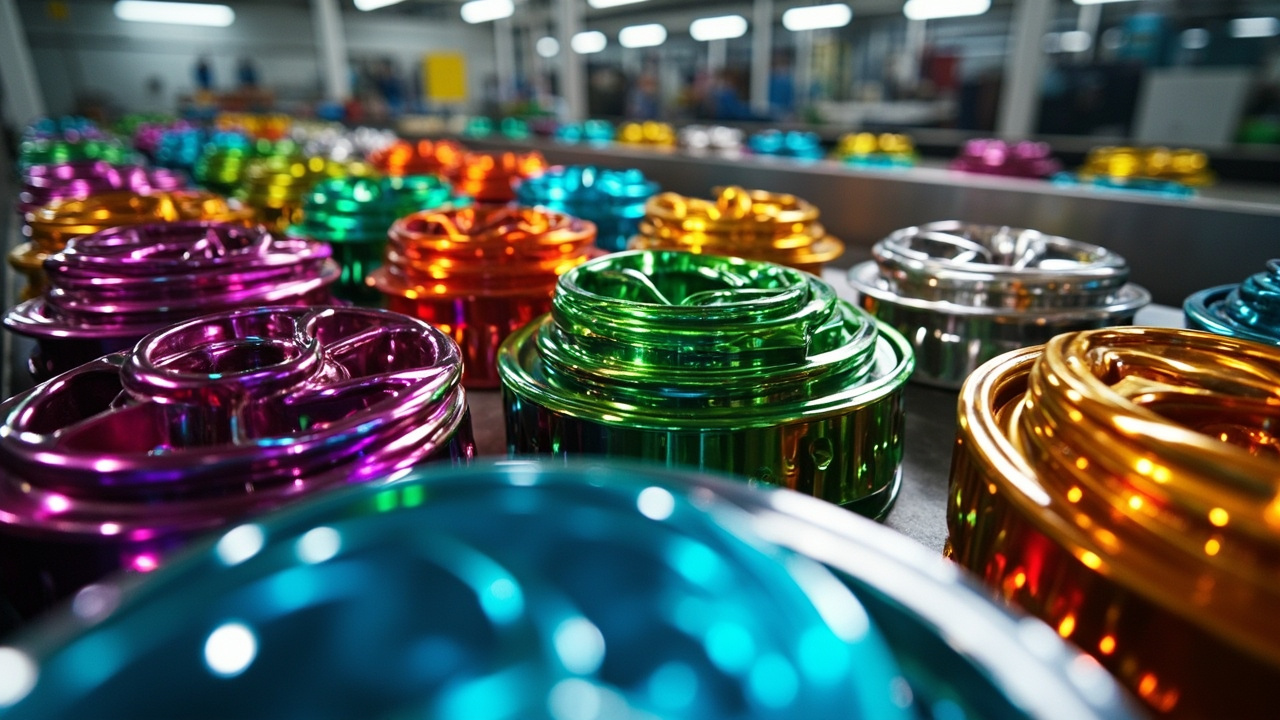
Understanding plastic substrates: one material, one property—tailor measures to the material
The first principle of plastic coating is "tailor measures to the material"—different plastics vary greatly in surface properties, solvent resistance, and temperature resistance, so painting schemes must be customized. Understanding the temperament of major engineering plastics is the basic homework of plastic painting.
Polypropylene (PP) and polyethylene (PE) are typical non-polar polyolefins with extremely low surface energy (PP about 29–31 mN/m, PE even lower), and they hardly adhere to conventional coatings, making them the most difficult category in plastic painting. They must undergo surface activation treatments such as flame, plasma, or corona, or use specialized PP primer (containing chlorinated polyolefin CPO and other adhesion promoters) before painting. Automotive bumpers and interior parts are mostly PP-modified materials, representing the largest application scenario for PP painting. ABS (acrylonitrile-butadiene-styrene) is relatively "easy to paint"—it contains polar acrylonitrile units with higher surface energy, and most coatings adhere well, making it a traditionally friendly substrate for electroplating and painting, widely used in home appliances and electronic housings.
Polycarbonate (PC) and PC/ABS alloys have high strength and good transparency, used in mobile phones, automotive light covers, interiors, and electronic housings, but PC is extremely sensitive to solvents—many organic solvents cause PC stress cracking (crazing, cracking), so solvent selection for PC coatings must be especially cautious, and workpieces need sufficient annealing to remove stress. Polyamide (nylon PA), polymethyl methacrylate (PMMA acrylic), polyurethane (PU), glass-fiber-reinforced plastics, etc., each have their own characteristics: nylon absorbs moisture and requires pre-paint drying, PMMA is transparent but brittle and needs protection from solvent cracking, glass-fiber-reinforced parts have exposed surface fibers affecting appearance.
Precisely because plastic is "one material, one property," plastic coating suppliers must understand materials—not only knowing which plastic the customer uses, but also understanding its specific grade, modified composition, and molding process, in order to provide the correct pre-treatment and painting scheme. The same "spray silver" requirement is three completely different technical schemes on PP, ABS, and PC. This deep understanding of substrates is the key distinction between plastic coatings and general coatings, and also the reason why enterprises like Kexin New Materials emphasize "confirm the substrate grade first, then discuss the painting scheme" when serving plastic painting customers.
Adhesion: the first line of defense in plastic painting
If plastic painting has only one core proposition, it is adhesion. All pre-treatment, primer, and formulation design ultimately aim to make the coating firmly "grab" the plastic. Understanding the mechanism of adhesion is the key to mastering plastic coatings.
Adhesion between coating and substrate is mainly achieved through three mechanisms: mechanical anchoring (coating penetrates microscopic irregularities on the substrate surface to form "interlock"), physical adsorption (intermolecular van der Waals forces, hydrogen bonds, etc.), and chemical bonding (coating forms chemical bonds with substrate surface groups). Plastic surfaces are smooth and inert, making all three mechanisms difficult to occur naturally. Therefore, the core strategy of plastic painting is to artificially create conditions for these three mechanisms: increase roughness through surface treatment (favoring mechanical anchoring), enhance surface polarity and active groups (favoring physical adsorption and chemical bonding), or introduce "amphiphilic" adhesion promoters to bridge between plastic and coating.
Surface treatment is the first means to improve adhesion. Flame treatment uses an oxidizing flame to instantly oxidize the plastic surface, introducing oxygen-containing polar groups and increasing surface energy; plasma/corona treatment uses high-energy particles to bombard the surface, similarly introducing polar groups and moderately etching to increase roughness; these methods are especially effective for polyolefins. Chemical treatment (such as chromic acid oxidation) is effective but increasingly abandoned due to environmental concerns. Adhesion promoters (primer) are another major means, especially for PP: molecules such as chlorinated polyolefin (CPO) are compatible with non-polar PP on one end and bond with polar coatings on the other, acting like "molecular glue" to bridge the two, and are key materials for PP plastic painting.
Evaluation and assurance of adhesion are equally important. Common methods include the cross-cut test (tape pull after grid cutting) and the circular scratch method to rate adhesion; for high-demand scenarios, adhesion tests after water resistance, humidity-heat resistance, and temperature cycling are also needed, because many adhesion failures do not appear initially but gradually degrade in humid and thermal-cycling environments. Internal stress in plastic parts is also a hidden danger to adhesion—workpieces with unrelieved stress will release stress during use, cracking or causing the coating to fall off. Therefore, ensuring adhesion relies not only on the coating itself, but on a system engineering of "substrate selection + pre-treatment + primer + stress relief + curing." Once this line of defense is breached, no matter how beautiful the appearance or how strong the function, it is meaningless—coating-shed plastic parts not only lose decorative value, but may also pollute products and affect use due to film peeling, causing losses far exceeding the coating cost. It can be said that adhesion is the foundation of all value in plastic coatings, and the first criterion for judging whether a plastic painting scheme is reliable.
Resin systems: the formulation skeleton of plastic coatings
On the premise of solving adhesion, the performance of plastic coatings is determined by their resin system. Plastic coatings can be based on various resins, each with applicable scenarios; understanding their characteristics helps in selection and formulation design.
Polyurethane (PU) systems are one of the mainstays of plastic coatings, especially two-component polyurethane (2K PU), which with its excellent adhesion, flexibility, abrasion resistance, chemical resistance, and full appearance, is widely used in automotive interior/exterior trims, consumer electronics, and high-end home appliances. It cures at lower temperatures, suiting heat-sensitive plastics, and has good flexibility to deform with plastic parts without cracking, making it a common base for soft-touch coatings and high-end decorative coatings. Acrylic systems have clear color, good gloss and color retention, and moderate cost; single-component acrylic is used for general decoration, while two-component acrylic polyurethane combines performance and appearance and is widely applied.
UV-curable systems are the fastest-growing direction in plastic coatings. They cure extremely fast (seconds), with low energy consumption, very low VOC, high coating hardness, and excellent abrasion and scratch resistance, especially suitable for automated production lines of consumer electronics and plastic decorative parts. UV coatings can achieve high-hardness wear-resistant surfaces on heat-sensitive plastics, compensating for the "soft" shortcoming of plastic, and are common topcoats for high-end plastic parts such as mobile phones, laptops, and cosmetic packaging. Their limitation is that UV light travels in straight lines, leaving shadow areas on complex shapes, requiring multi-angle UV or dual-cure (UV + heat/moisture) systems to solve. Water-based systems are the green direction; water-based plastic coatings continue to develop under VOC regulation pressure, and have been applied in automotive interiors, toys (requiring food-grade/safety standards compliance), home appliances, etc. Their challenge lies in achieving good adhesion and film formation on low-temperature, water-sensitive plastics.
In addition, there are energy-cured powder coatings (for higher-temperature-resistant engineering plastics or composites), silicone (weather and stain resistant), fluorocarbon (super weather-resistant) and other special systems for specific needs. Resin system selection must comprehensively consider substrate temperature resistance, performance requirements (hardness, flexibility, abrasion, weather resistance), appearance needs, curing method, and environmental regulations. The art of plastic coating formulation lies in finding the optimal balance under these constraints.
It is worth mentioning that the resin systems of plastic coatings are often not used alone, but matched in multiple layers with functional division. A typical high-end plastic painting is a three-layer structure of "primer + pigmented paint + topcoat": the primer is responsible for adhesion (e.g., polyolefin uses CPO-containing primer), the pigmented paint for color and effect (acrylic, polyurethane, etc.), and the topcoat for protection and function (e.g., UV varnish provides abrasion resistance, polyurethane provides soft touch). The resins of different layers must be compatible with each other—interlayer adhesion must be good, solvents must not attack the lower layer, and curing conditions must be compatible. This layered design lets each layer perform its role and offset weaknesses, jointly achieving comprehensive performance difficult for a single coat to combine. Understanding this "system matching" thinking grasps the formulation logic of plastic coatings better than looking at a single resin performance in isolation, and is also the technical basis for coating enterprises to provide overall solutions rather than single products.
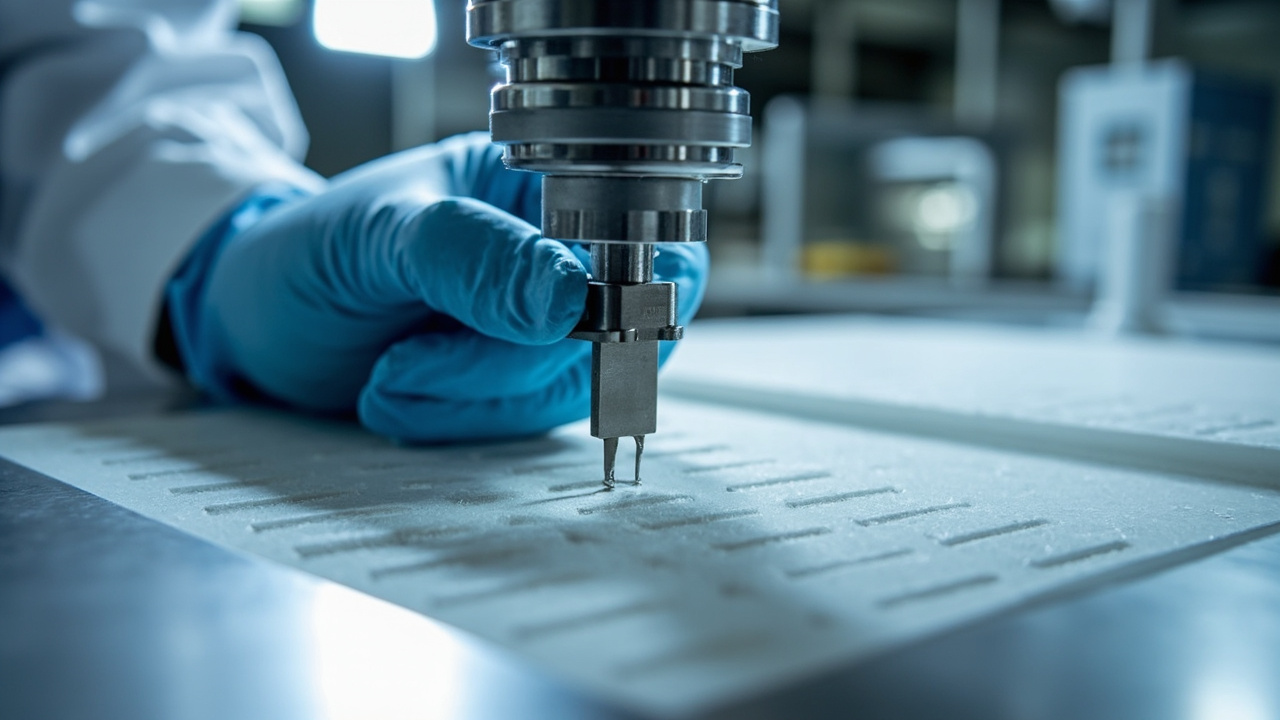
Function and decoration: the value upgrade of plastic coatings
Plastic coatings have long surpassed the primary function of "applying a color," evolving into high-value-added coatings integrating decoration, protection, and function. It is precisely these functional and decorative values that make plastic coatings the key to enhancing the grade and performance of plastic products, and also where their technical content and market space lie.
Decorativeness is the most intuitive value of plastic coatings. Through coatings, cheap plastic parts can obtain metallic texture (metallic paint, electroplating alternative paint), pearlescent iridescence, high-gloss mirror, silky matte, colorful gradient, and other rich appearances, greatly enhancing the visual grade of products. Piano baking paint for automotive interiors, gradient colors for mobile phones, metallic brushed finishes for home appliances, mirror silver for cosmetic packaging—all are backed by plastic coatings. Plastic painting can also achieve matte, colored, soft-touch effects that are difficult with electroplating, providing great freedom for industrial design.
Functionality is the core of value upgrading for plastic coating. Soft-touch coatings impart a warm, rubber- or leather-like feel to plastic parts, and are widely used in automotive interiors, electronic products, and high-end packaging; wear- and scratch-resistant coatings (especially UV-cured coatings) enhance the surface hardness of plastics, addressing the pain point that plastics are "not wear-resistant"; anti-fingerprint (AF) coatings keep touchscreen bezels and housings free of fingerprints; chemical-resistant coatings resist erosion from cosmetics, sweat, cleaners, and alcohol; antibacterial coatings are used for plastic parts in medical, home appliance, and public facility applications; conductive/EMI-shielding coatings are used for EMI protection of plastic housings in electronic products; weather-resistant coatings protect outdoor plastic parts from UV aging. These functions elevate plastics from "cheap materials" to "high-performance components".The stacking and integration of functions is the current trend—a single coating often needs to simultaneously possess multiple functions, such as "soft-touch + wear-resistant + anti-fingerprint + chemical-resistant", which places high demands on formulation design, because the resin properties required for different functions may conflict (e.g., soft-touch requires softness, while wear-resistance requires hardness). How to reconcile these conflicting functions in a single or multiple coating layers is an advanced challenge in plastic coating formulation. The ability to provide multi-functional integrated plastic coating solutions is becoming an important yardstick for measuring the technical strength of coating companies, and is also the value direction for plastic coatings to move from "red ocean" to "blue ocean".
Taking the most representative soft-touch coating as an example, through special resin design (often based on the soft-hard segment regulation of polyurethane) and matte structure, it forms a warm, skin-friendly, skin-like touch film on the plastic surface, giving cold plastic parts a premium, comfortable feel, and is hailed as the "finishing touch" of plastic decoration. However, soft-touch coatings are inherently soft, conflicting with the demands for wear-resistance and stain-resistance—too soft makes them prone to wear-induced glossing and easy staining with fingerprints. Therefore, high-quality soft-touch coatings require a delicate balance between "soft feel" and "durability", and often need to stack anti-stain, anti-fingerprint, and cosmetic-resistant properties, with extremely high formulation difficulty. This is a concentrated embodiment of the technical content of plastic functional coatings, and a typical category that distinguishes the technical levels of coating companies. Similarly, anti-fingerprint coatings must maintain wear-resistance and durability while reducing surface energy for anti-fouling; chemical-resistant coatings must resist erosion without sacrificing appearance and adhesion; the realization of each function is a delicate balance of materials science.
Complete Coating Process: Standard Workflow from Pretreatment to Curing
Plastic coating is a closely linked process flow, where each step serves the ultimate adhesion, appearance, and functionality. Understanding the complete process helps grasp the full picture of plastic coating implementation. Taking a typical plastic part coating as an example, the process usually includes the following steps.
The first step is injection molding and stress relief. After plastic parts are injection molded, residual internal stress remains. If not treated, it will be released under subsequent coating solvent action or during use, causing cracking and blushing. Therefore, sensitive plastics such as PC often require annealing for stress relief. The second step is cleaning and pretreatment. Remove mold release agents, oil stains, dust, and statically adsorbed impurities (plastics easily carry static electricity and attract dust, commonly using ion wind dedusting); for low-surface-energy plastics such as polyolefins, perform flame, plasma, or corona activation treatment to increase surface energy. Pretreatment quality directly determines the success of adhesion.
The third step is primer. Apply adhesion primer (e.g., CPO primer for PP) as appropriate for the substrate, providing an adhesion bridge, filling, and a uniform base for the topcoat. The fourth step is pigmented paint / effect paint. Spray coatings that provide color and appearance (solid color, metallic, pearlescent, etc.); metallic effects require multi-layer thin spraying to control aluminum flake orientation. The fifth step is topcoat / varnish. Provide gloss, wear-resistance, weather-resistance, chemical-resistance protection, and specific functions (soft-touch, anti-fingerprint, etc.). The sixth step is curing. Depending on the system, use natural drying, low-temperature baking, or UV curing—the curing temperature must be within the heat-resistant range of the plastic, which is a key constraint distinguishing plastic coating from metal coating.
The entire process emphasizes cleanliness control (plastics easily carry static electricity and attract dust, dust spots being a common defect), low-temperature curing (must not damage the plastic), interlayer compatibility (solvents of each layer must not erode the plastic or the lower layer), and full-process adhesion assurance. Plastic parts often have complex shapes (curved surfaces, grooves, multiple faces), posing challenges to uniform spraying and UV exposure, requiring multi-angle spraying and rotating fixtures. This process may seem similar to metal coating, but in reality it is constrained everywhere by the substrate characteristics of "plastic", requiring specialized process design and experience accumulation.
It should be specifically pointed out that the success or failure of plastic coating is not determined solely by the coating, but is the result of the full-chain coordination of "injection molding—pretreatment—coating—curing". The choice of mold release agents, internal stress control, and material grade stability in the upstream injection molding stage will directly affect downstream coating quality; the activation degree and cleanliness control of pretreatment determine whether the coating can adhere; the stability of spraying parameters and curing conditions determine the consistency of appearance and function. Any fluctuation in any link may be amplified into defects on the final coating film. Therefore, excellent plastic coating suppliers are often not just "selling paint", but must go deep into the customer's production line, assist in optimizing pretreatment, matching process parameters, collaboratively troubleshooting problems, and providing an overall solution from material to process. This full-chain technical service capability is what distinguishes plastic coatings from ordinary paint trading and truly creates value for customers.
| Process | Main Purpose | Key Control Points |
|---|---|---|
| Stress relief | Eliminate injection molding internal stress | Sensitive plastics require annealing |
| Cleaning pretreatment | Remove mold release agent/oil/dust/static | Ion wind dedusting |
| Surface activation | Improve adhesion of low-surface-energy plastics | Flame/plasma/corona |
| Primer | Adhesion bridge, filling | CPO primer for PP |
| Pigmented paint / effect paint | Color and appearance | Metallic paint controls aluminum flake orientation |
| Topcoat / varnish | Protection and function | Low-temperature/UV curing |
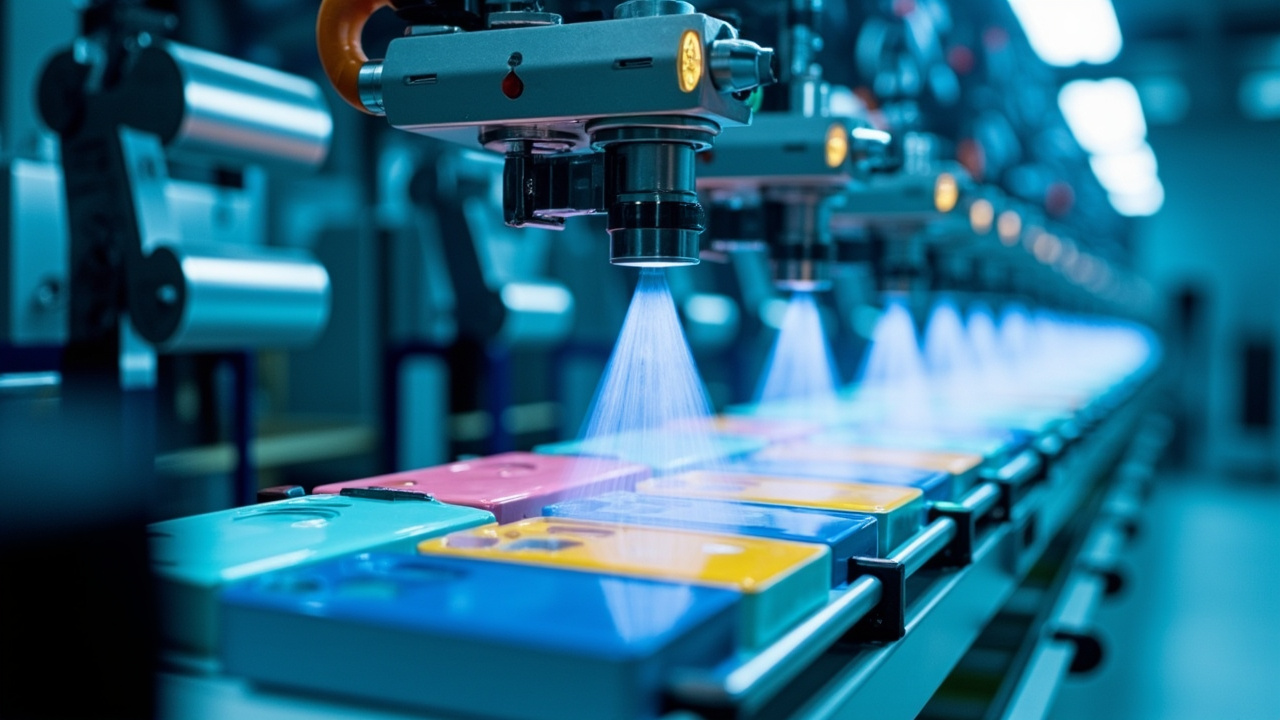
Market Size and Competitive Landscape: Dancing with Downstream Manufacturing
The market for plastic coatings is deeply bound to the downstream plastic products manufacturing industry, dancing with the rise and fall of industries such as automotive, consumer electronics, home appliances, and packaging. Understanding this market landscape helps grasp the opportunities in plastic coatings.
In terms of scale, the global plastic coating market has reached the tens of billions of US dollars level and maintains steady growth, driven by the lightweight trend of "replacing steel with plastic", the continuous upgrading of consumer electronics and home appliances, and the increase of plastic interior and exterior parts in automobiles. The Asia-Pacific region, especially China, is the world's largest plastic products manufacturing base and also the largest and fastest-growing market for plastic coatings—a large number of mobile phones, home appliances, automotive parts, and packaging are manufactured here, providing broad demand for plastic coatings.
In terms of application structure, automotive is an important field for plastic coatings (bumpers, interior and exterior trims, grilles, lamp covers, etc.), consumer electronics is the most technologically advanced and highest value-added field (appearance parts of mobile phones, laptops, wearables), home appliances are a stable large market (housings, panels, buttons), cosmetic packaging (cosmetics, perfume bottle caps) is the most decorative field, and there are also widespread applications in toys, furniture, and sports goods. Different fields have varying requirements for the performance, appearance, environmental friendliness, and cost of plastic coatings, forming a segmented and diverse market.
In terms of product structure, the plastic coating market is showing a clear "high-value" evolution—the growth of ordinary decorative coatings is stable, while high-performance, high-value-added products such as soft-touch, UV wear-resistant, anti-fingerprint, mirror metallic, and water-based eco-friendly are growing rapidly, becoming the main engine of market growth. Behind this structural change is the continuous upgrading of downstream products' requirements for "appearance" and "experience": consumers are willing to pay for more textured, more durable, and more comfortable products, forcing manufacturers to continuously increase investment in plastic part surface treatment, and also opening up space for plastic coating companies to advance to the high end. Whoever can establish a technical advantage in high-value functional coatings will seize the initiative in the fastest-growing segments.
In terms of competitive landscape, plastic coatings show the characteristic of "high-end concentration, low- and mid-end dispersion". High-end plastic coatings for consumer electronics, automotive, etc., due to high technical barriers (multi-function integration, stringent standards, rapid iteration), are concentrated in the hands of a few companies with R&D strength and color service capabilities; general decorative plastic coatings are relatively dispersed, with many regional coating companies participating. Chinese local companies have achieved large-scale supply in plastic coatings for home appliances, toys, and packaging, and are gradually breaking through into high-end fields such as consumer electronics and automotive. For local coating companies, the opportunity lies in closely following the large and rapidly iterating plastic products manufacturing industry in China, leveraging rapid response, flexible support, cost advantages, and localized service to undertake the demand brought by industrial chain localization and consumption upgrading, and establishing differentiated advantages in segmented functions such as soft-touch, anti-fingerprint, and eco-friendly water-based. The investment of companies such as Kexin New Materials in plastic coatings is precisely aimed at this growth opportunity that resonates with manufacturing upgrading.
Greenization and Technology Trends: The Future of Plastic Coatings
Like the entire coating industry, plastic coatings are being driven forward by environmental regulations and technological progress. Greenization and functionalization are the two most important main lines for the future of plastic coatings.
In terms of greenization, tightening VOC regulations are driving solvent-based plastic coatings to shift toward water-based, UV, and high-solid formulations. Water-based plastic coatings continue to penetrate in automotive interiors, toys (requiring compliance with children's safety standards), home appliances, and other fields; the challenge is to achieve adhesion and film formation on water-sensitive, low-surface-energy plastics, requiring specialized water-based adhesion technology. UV curing, due to its low VOC, fast curing, and high performance, has become an important direction for the greenization and high-performance of plastic coatings, especially rapidly popularizing in consumer electronics and plastic decorative parts; new technologies such as LED-UV and 3D-UV further broaden its application on complex-shaped parts. In addition, plastic coatings need to respond to downstream requirements for recyclability and harmlessness—coatings may affect plastic recycling, so new directions such as "easily peelable coatings" and "recycling-compatible coatings" are also being explored. Bio-based resins and harmless additives are also components of greenization.
In terms of functionalization, plastic coatings are evolving toward higher performance and more function integration. Soft-touch and self-healing coatings enhance feel and durability; ultra-wear-resistant and ultra-anti-fingerprint coatings meet high-frequency touch scenarios; antibacterial and antiviral coatings have attracted attention due to public health needs; conductive, shielding, and antenna-compatible coatings serve electronic products; smart responsive coatings (thermochromic, photochromic, self-healing) are used in high-end products. The integration and upgrading of these functions push plastic coatings toward the high-value-added direction of "integration of decoration and function".
Digitalization and smart manufacturing are also transforming the production and application of plastic coating—robotic spraying, online inspection, and digital color management improve the consistency and efficiency of plastic painting. Computer Color Matching (CCM) systems can quickly match customer-specified target colors and provide formulations, greatly shortening the sampling cycle; online film thickness and color difference monitoring enable real-time early warning of quality issues; spraying robots combined with visual positioning can handle uniform coating of complex-shaped parts. These technologies are gradually moving plastic painting from a "craft job" relying on the experience of veteran workers to a "standardized manufacturing" that is data-driven, stable, and controllable, providing support for large-scale, high-consistency, and fast-iteration modern plastic product manufacturing. Overall, plastic coating is evolving from a "basic coat that solves adhesion" to a "high-value coating integrating decoration, protection, and multi-function", which opens broad space for coating enterprises with formula depth, functional development, and color service capabilities. For manufacturers like Kexin New Materials that balance industrial protection and decorative functions, how to combine adhesion technology, functional coatings, and green processes to serve the rapidly upgrading plastic product manufacturing industry will be the key to long-term competitiveness.In-depth Analysis by Industry Application: Same Plastic, Different Needs
Plastic coating applications span numerous industries, and each industry has different demands, standards, and pain points for coatings. Only by deeply understanding the differentiated needs of each industry can one truly understand the business of plastic coating that "changes with the scenario".
The automotive industry is one of the fields with the most comprehensive technical requirements for plastic coating. Exterior parts such as bumpers, grilles, mirror housings, and roof racks are mostly PP modified materials, which must be treated with flame or plasma and coated with a PP-specific primer; the topcoat needs to highly match the body color (color difference of same color and same batch controlled within extremely strict limits), and must also withstand UV, acid rain, car wash brushes, and stone impact—weather resistance and impact resistance are both indispensable. Interior parts such as dashboards, door panels, and center console trims pay more attention to touch and texture—soft-touch coatings, piano baking paint, brushed metal, wood grain transfer printing create a premium feel in the cabin, while also requiring wear resistance, anti-fingerprint, resistance to cosmetics and sweat, and low odor and low fogging (to prevent volatiles from contaminating the windshield). The stringent standards of automotive plastic painting make it a touchstone for testing the comprehensive strength of plastic coating enterprises.
Consumer electronics is the most cutting-edge, highest-value-added, and fastest-iterating field of plastic coating technology. Mobile phone middle frames and back covers, laptop shells, earphones, and wearable devices—plastic parts often need to simulate the texture of metal, glass, and ceramic, achieving trendy appearances such as gradient colors, mirror finishes, and Morandi matte, while also requiring extreme wear resistance, anti-fingerprint, resistance to sweat and cosmetics, and resistance to alcohol wiping and disinfection. Consumer electronic products have short life cycles and fast appearance iterations, requiring coating enterprises to have extremely strong color development and rapid sampling capabilities, often needing to come up with new effect schemes within a few weeks. UV-curable coatings dominate this field because their second-level curing fits high-speed automated production lines and can provide high-hardness wear-resistant surfaces. This is the battlefield where plastic coatings are "most fiercely competed" and where the technical gap is most reflected.
Home appliances are a stable and huge market for plastic coating. Refrigerators, washing machines, air conditioners, and small appliance shells, panels, knobs, and buttons—plastic painting gives them a metallic texture, high-gloss or matte appearance, and requires wear resistance, resistance to cleaners, anti-fingerprint, and some need antibacterial. Home appliances are more cost-sensitive, have large batches, and relatively stable appearances, testing the large-scale stable supply and cost control capabilities of coating enterprises. Cosmetic packaging is the field with the most extreme decorativeness—plastic parts of cosmetic bottle caps, lipstick tubes, and perfume bottles pursue gorgeous appearances such as mirror silver, hot stamping, pearlescent iridescence, gradient, and frosted to convey brand premium feel, while also requiring resistance to cosmetic contents, alcohol, and abrasion. In addition, toys (strict children's safety and heavy metal limit standards), furniture (wear and scratch resistant plastic veneers), and cultural, sports, and medical fields each have specific requirements. It is this characteristic of "same plastic, different needs" that makes plastic coating a highly segmented professional market requiring deep industry understanding.
Plastic Painting Defect Atlas: Common Problems and Root Cause Prevention
Due to the special substrate and long process chain of plastic painting, defect types are diverse and often closely related to the substrate and pre-treatment. Establishing systematic defect awareness and prevention capabilities is an important manifestation of the professionalism of plastic coating enterprises, and is also the key to ensuring yield and reducing customer losses.
Poor adhesion is the most fatal and common defect in plastic painting, manifested as falling off in cross-cut tests, peeling upon scratching, and blistering and peeling after humidity-heat resistance. The root causes are mostly inadequate pre-treatment (polyolefin not fully activated, release agent residue, surface contamination), improper primer selection (PP not using CPO primer), or workpieces with internal stress. Prevention requires confirming the substrate, strengthening pre-treatment, matching the primer, and removing stress through multiple measures. Cracking and crazing are defects specific to plastics—coating solvents erode sensitive plastics (especially PC) or internal stress is released, causing silver streaks and cracks on the substrate surface, and the coating cracks accordingly. Prevention requires careful selection of substrate-friendly solvents, sufficient annealing to remove stress, and controlling the erosiveness of the coating to the substrate.
In terms of appearance defects, dust spots are the number one appearance killer in plastic painting—plastics easily carry static electricity and absorb dust, so ion wind dust removal, clean spray booths, and operating norms are needed; craters (fish eyes) are mostly caused by release agents, oil stains, and silicone contamination, requiring strengthened cleaning; orange peel and sagging are related to spraying parameters, viscosity, and gun movement techniques; the floating, color difference, and water marks of metallic paint stem from uneven aluminum flake orientation or improper spraying. In addition, spraying dead corners, edge paint accumulation, and UV exposure blind spots caused by complex shapes of plastic parts are also common challenges, which need to be solved by fixture design, multi-angle spraying, and curing.
Functional defects are more hidden—soft-touch coatings with insufficient wear resistance cause the feel to disappear and become shiny after use; anti-fingerprint coatings with poor durability cause the effect to decay; insufficient chemical resistance causes whitening from cosmetic and sweat erosion. These defects often only appear after a period of use, testing the long-term performance of the coating. Systematic defect prevention requires coating enterprises not only to "know how to mix paint", but also to understand substrates, processes, and application scenarios, and to collaborate with customers in injection molding, pre-treatment, and spraying links to troubleshoot. This full-chain technical service capability is the core competitiveness that enterprises like Kexin New Materials, which focus on process matching, strive to build.
Testing and Quality Standards: Scientific Measurement of Plastic Coating
The performance of plastic coating cannot be judged by "looks okay", but must be based on a scientific and quantifiable testing system. A complete testing and quality standard is the technical guarantee for the stable supply of plastic coating and meeting stringent industry requirements.
Adhesion testing is a core item for plastic coating. Common methods include the cross-cut method (GB/T 9286, ISO 2409, grading by tape peeling after grid cutting) and the circular scratch method to evaluate adhesion grade; for high-demand scenarios, adhesion tests after water immersion, humidity-heat resistance (such as constant humidity-heat test), and cold-hot temperature cycling are also needed to simulate durable adhesion under actual use environments, because many adhesion failures occur after environmental stress rather than initially. Hardness and wear testing include pencil hardness, RCA abrasion, steel wool abrasion, Taber abrasion, etc., to evaluate the scratch and wear resistance of the coating, which is especially important for consumer electronics and home appliances.
Chemical and weather resistance testing are equally critical. Chemical resistance tests simulate the coating's resistance to cosmetics, sunscreen, sweat (artificial sweat), alcohol, cleaners, etc., and are mandatory for consumer electronics, automotive interiors, and cosmetic packaging; weather resistance tests (xenon arc aging, UV aging, salt spray) evaluate anti-aging, anti-discoloration, and anti-corrosion capabilities under outdoor or long-term use, which are indispensable for automotive exterior parts. Appearance testing includes quantitative evaluation of color difference (spectroscopic color measurement, metallic and pearlescent paints require multi-angle color measurement), gloss, and haze to ensure batch consistency.
For specific industries, there are also dedicated safety and regulatory standards. Toy plastic coatings must comply with toy safety standards such as GB 6675, EN 71, ASTM F963, strictly limiting the migration of heavy metals such as lead and cadmium and phthalates; food contact parts must meet food-grade requirements; automotive interiors must meet OEM specifications for VOC, odor, and fogging (to prevent volatiles from contaminating glass); children's and medical products have even stricter health and safety requirements. Plastic coating enterprises must establish complete testing capabilities and quality systems to enter the high-threshold supply chains of automotive, consumer electronics, toys, etc. Scientific measurement is the only way for plastic coating to move from "empirical craft" to "engineering science", and also the foundation for winning the trust of high-end customers.
Beyond Spraying: Competition and Coexistence of Plastic Decoration Processes
Although plastic painting (spraying) is the most mainstream and flexible means of plastic part surface decoration, it is not the only route. Understanding the competition and complementarity between spraying and other plastic decoration processes helps to have a more comprehensive view when selecting schemes, and also better understand the positioning and irreplaceability of plastic coating.
In-mold decoration (IML/IMD) is one of the main competing processes of spraying. It integrates a pre-printed film with the plastic part during injection molding, with the pattern sealed under the plastic surface, wear-resistant, no secondary spraying needed, and suitable for mass production. IML/IMD is widely used in home appliance panels, automotive interiors, and mobile phone decorative parts. Its advantages are environmental protection (no spraying VOC), exquisite patterns, and durability, but it is limited by the effects achievable with film, the difficulty of forming complex curved surfaces, and the mold opening cost, and it is difficult to achieve effects such as soft-touch and angle-dependent metallic paint that spraying can.
Vacuum coating (NCVM non-conductive vacuum metallization) is an important process for achieving mirror metallic texture on plastics. It deposits a very thin metal layer on the plastic surface through physical vapor deposition, forming a three-layer structure with base and top coats, and can produce a metal appearance that allows electromagnetic waves to penetrate, widely used in mobile phones, automotive nameplates, and cosmetic packaging. It competes and complements with electroplating-alternative spraying (mirror silver spraying) in mirror metallic effects—NCVM has higher mirror degree and is closer to real chrome plating, but requires large equipment investment and has shape limitations; sprayed mirror silver is more flexible, has a wider cost adaptation range, and easily achieves diverse effects such as matte colors. In addition, UV transfer, hot stamping, and laser engraving are also supplementary processes for plastic decoration.
It is worth emphasizing that these processes are often not "life-and-death" but each has its strengths and are combined and used together. Many high-end plastic parts are integrations of multiple processes: such as NCVM coating followed by UV topcoat protection, IML forming followed by local spraying of soft-touch areas, water transfer followed by varnish. Spray coating always plays an indispensable role among them—whether as a primer to provide adhesion, as a topcoat to provide protection and function, or as the main decoration means to achieve rich effects such as soft-touch, metallic, and pearlescent. The flexibility, functionality, and cost adaptability of plastic coating make it always occupy a core position in the technical landscape of plastic decoration, and coordinate with other processes to jointly meet the increasingly diverse and demanding appearance and functional needs of downstream products.
Plastic Coating Selection Guide: Decision Path from Needs to Solutions
Facing a wide variety of plastics, resin systems, and functional requirements, how to select the right plastic coating for a specific product? A clear decision path can help procurement, R&D, and design personnel avoid common misunderstandings and take fewer detours.
The first step is always to confirm the substrate. You must clarify the specific material of the plastic part (PP, ABS, PC, PC/ABS, PMMA, nylon...), modified components (whether it contains fillers, reinforcing fibers, flame retardants), molding process, and whether stress is removed. This step is the cornerstone of all subsequent decisions—the same appearance and functional requirements are completely different technical schemes on different substrates. Skipping substrate confirmation and directly selecting paint is the most common source of plastic painting failure. For polyolefins (PP/PE), special caution is needed to clarify the pre-treatment method and whether CPO primer is required.
The second step is to clarify appearance requirements. What color? Solid, metallic, pearlescent, or special effects (mirror, gradient, matte, soft-touch appearance)? What is the gloss level? Whether it needs to match the same color with other parts (metal parts, other plastic parts)? Appearance requirements determine the choice of color paint/effect paint, and also affect process complexity and cost. The third step is to clarify functional requirements. Whether soft-touch, wear resistance, anti-fingerprint, chemical resistance, antibacterial, weather resistance, electromagnetic shielding and other functions are needed? Which functions need to be integrated? Functional requirements determine the resin system and topcoat formulation, and are also the main source of cost and technical difficulty—the more functions and the more stringent, the more complex the scheme.
The fourth step is to verify constraints. Does the curing method match the plastic's heat resistance (most plastics are not high-temperature resistant and require low-temperature or UV curing)? Will the coating solvent erode the substrate (sensitive plastics such as PC require special attention)? Are the coatings compatible with each other (interlayer adhesion, solvent compatibility)? Does it comply with the environmental regulations (VOC) of the target market and industry safety standards (toys, food contact, automotive interior VOC odor)? The fifth step is to evaluate supplier capabilities. Can they provide a complete matching solution for this substrate (pretreatment advice + primer + pigmented paint + topcoat)? Is color development and sampling response fast enough? Can they provide test data and technical support, and collaborate to troubleshoot on-site issues? For plastic coatings, the supplier's technical service capability is often more important than a single product parameter, because the success of plastic coating depends on the matching of the entire system, rather than the performance of a single can of coating. Following this "substrate—appearance—function—constraint—supplier" path can make plastic coating selection more scientific and reliable.Cost, Yield, and Total Cost of Ownership: Calculating the Economic Account of Plastic Coating
The economy of plastic coating cannot be judged only by the unit price per kilogram of coating, but by the big picture of "total cost of ownership". Understanding its cost structure and the importance of yield helps make more rational procurement and process decisions.
The cost of plastic coating consists of multiple parts: the coating itself (primer, pigmented paint, topcoat), pretreatment (flame/plasma/corona equipment and energy consumption), application (spraying, curing labor, equipment, energy consumption), and the often-overlooked but hugely impactful yield loss. Plastic parts are mostly high-value components (especially consumer electronics, automotive parts); once coating is scrapped, the loss is not only the coating, but also the expensive injection-molded part itself and all investment in previous processes. Therefore, the economic core of plastic coating is yield—using a slightly more expensive but more reliable, easier-to-apply, and more stable-adhesion coating solution to reduce the defect rate is often much more cost-effective than choosing cheap paint.
Taking polyolefin coating as an example, if CPO primer or pretreatment is skipped to save primer cost, it seems to save money, but in reality it easily leads to large-scale poor adhesion, and the value of scrapped plastic parts far exceeds the saved coating cost. Another example is high-end appearance parts for consumer electronics; a single color difference or dust spot exceeding standard may cause the entire batch to be reworked or scrapped. At this time, the coating's stability, color consistency, and application tolerance (wide process window, less prone to defects) are the greatest economic value. Although UV curing has high equipment investment, its second-level curing brings high capacity, low energy consumption, and small footprint, which can significantly dilute the unit cost in mass production.
Therefore, rational plastic coating cost accounting should comprehensively consider coating unit price, pretreatment and application cost, yield loss, rework cost, and delivery stability, pursuing "optimal total cost of ownership" rather than "lowest coating unit price". For coating suppliers, a solution that helps customers improve yield, reduce comprehensive cost, and stabilize delivery is the truly competitive solution. This is also why in the plastic coating field, technical service and matching capability often win high-quality customers more than price—because for customers, the hidden costs saved by a reliable coating solution are far greater than the price difference of the coating itself.
Conclusion: Plastic Coating, the Value Amplifier in the Era of Material Upgrading
Looking back at the technical panorama of plastic coatings, we see a value amplification process of "turning the ordinary into the magical": ordinary, cheap plastic parts, empowered by coatings, gain metallic texture, glass gloss, leather touch, as well as functions such as wear resistance, anti-fingerprint, antibacterial, and shielding, transforming into high-value product components. The technical content of plastic coatings is precisely reflected in its ability to achieve the richest decoration and functions on the most "unfriendly" substrates.
Driven jointly by the lightweight trend of "replacing steel with plastic", the continuous upgrading of consumer electronics and home appliances, and the green requirements of sustainable development, plastic coatings are welcoming broad growth space and facing higher technical thresholds. The depth of adhesion technology, the ability of functional integration, the agility of color service, the implementation of green processes, and the full-chain technical service together constitute the core competitiveness of plastic coating enterprises. For manufacturers like Kexin New Materials that balance industrial protection and decorative functions, combining adhesion technology, functional coatings, and environmentally friendly processes, closely following the rapidly upgrading domestic plastic products manufacturing industry, and serving diverse needs from automotive, consumer electronics to home appliances and packaging, is the direction to seize the opportunities of this material upgrading era. Plastic coating, a business that seems to be "just coloring plastic", is actually a profound technology integrating material science, surface engineering, and industrial design; its value is far deeper than what is seen on the surface.
Frequently Asked Questions
Q: Why is plastic harder to paint than metal? A: Because most plastics (especially PP, PE polyolefins) have low surface energy, weak polarity, and are smooth and inert, making it difficult for coatings to wet and anchor, resulting in poor adhesion; moreover, plastics are not high-temperature resistant (cannot be baked at high temperature for curing), are easily eroded by solvents causing stress cracking, and have injection molding internal stress. These factors combined make plastic coating must specifically solve problems such as adhesion, low-temperature curing, and solvent compatibility, which is far more complex than metal coating.
Q: Can coating solutions for different plastics be used interchangeably? A: No. Plastics are "one material, one property": PP/PE require flame/plasma treatment or CPO primer to adhere; ABS is relatively easy to paint; PC is solvent-sensitive and requires careful solvent selection and stress relief. The same "spray silver" requirement is three different solutions on PP, ABS, and PC. Therefore, plastic coating must first confirm the specific substrate grade, then formulate pretreatment and coating solutions based on the material.
Q: What is the role of "adhesion promoter/primer" in plastic coating? A: The adhesion promoter (such as chlorinated polyolefin CPO for PP) has molecules with one end compatible with non-polar plastic and the other end bonded to polar coating, acting like "molecular glue" bridging between plastic and coating, solving the difficult adhesion problem of polyolefins. The primer also provides filling, uniform substrate, and interlayer adhesion. For low surface energy plastics, a dedicated primer is the key material to ensure adhesion.
Q: What common functions do plastic coatings have? A: Common functions include soft touch (warm feel), wear and scratch resistance (UV hardening), anti-fingerprint (AF), chemical resistance (resistant to cosmetics/sweat/alcohol), antibacterial, conductive/EMI shielding, weather resistance, etc. Modern high-end plastic parts often require multi-function integration (such as soft touch + wear resistance + anti-fingerprint), which places high demands on formulating to coordinate conflicting properties, and is the technical high ground of plastic coatings.
Q: Why does plastic coating especially emphasize cleanliness and stress relief? A: Plastics easily generate static electricity and adsorb dust; dust spots are the most common appearance defect in plastic coating, so ion wind dust removal and clean spray booths are needed. Stress relief is because injection-molded parts have residual internal stress; if not annealed and eliminated, release during coating solvent or use will cause coating cracking and substrate silver streaks crazing (especially PC), so sensitive plastics must be stress-relieved before coating.
Q: What is the green direction of plastic coatings? A: Mainly shifting from solvent-based to water-based, UV curing, and high-solid systems to reduce VOC. Water-based plastic coatings are penetrating into automotive interiors, toys, and home appliances; UV curing is rapidly popularizing due to low VOC, fast curing, and high performance. In addition, recyclable compatible coatings, bio-based resins, and harmless additives are being explored to meet downstream requirements for environmental protection and recyclability.
Q: What should be focused on when selecting plastic coatings? A: First confirm the substrate grade and pretreatment conditions; second clarify appearance (color, metallic/pearlescent/matte, etc.) and function (soft touch, wear resistance, anti-fingerprint, etc.) requirements; then evaluate whether the curing method matches plastic heat resistance, whether the solvent is compatible with the substrate, whether adhesion and durability (adhesion after humidity-heat and thermal cycling) meet standards, and whether it complies with environmental and industry safety standards (such as toys, food contact); finally pay attention to whether the supplier can provide substrate-adapted overall solutions and technical support.
Q: How to choose between plastic coating spraying, in-mold decoration (IML/IMD), and vacuum plating (NCVM)? A: The three have their own strengths. Spraying is the most flexible, able to achieve rich effects such as soft touch, metallic, pearlescent, and multi-function integration, with a wide cost adaptation range, and is the mainstream of plastic decoration; IML/IMD is suitable for large-volume, beautifully patterned, durable flat or simple curved parts, environmentally friendly with no spraying VOC, but limited by film effects and mold opening costs; NCVM vacuum plating is suitable for scenarios pursuing extreme mirror metallic texture and requiring electromagnetic wave penetration, but has large equipment investment and shape limitations. In practice, high-end products often combine multiple processes, and spray coating often serves as an indispensable primer, topcoat, or main decoration.
Q: Why is the scrap loss of plastic coating often much more expensive than the coating itself? A: Because plastic parts (especially consumer electronics, automotive parts) are themselves high-value components, and coating is at the back end of the manufacturing chain; once coating is scrapped, the loss is not only the coating, but also the expensive injection-molded part and all previous process investments. Therefore, the economic core of plastic coating is yield—using more reliable, higher application tolerance coatings to reduce the defect rate is often more cost-effective than choosing cheap paint, and one should calculate "total cost of ownership" rather than just looking at the coating unit price.
Q: Can plastic coatings meet the low-odor, low-fogging requirements of automotive interiors? A: Yes, but it requires dedicated design. Automotive interiors have strict OEM specifications for VOC, odor, and fogging (volatile condensate polluting windshield glass); formulations with low VOC, low residual solvent, and low plasticizer migration must be selected, and pass OEM-specified odor and fogging tests. Such coatings typically use water-based or high-solid systems and prefer low-volatility additives, and are categories with high technical and compliance thresholds in plastic coatings.
Further Reading
- Plastic Coating Pretreatment Process Explained: The First Line of Defense for Adhesion
- Plastic Soft Touch and Functional Coatings: Surface Upgrading of Plastic from Feel to Function
- Alloy Paint and Metallic Effect Paint Industry Panorama: Technical Evolution of Angle-Dependent Color and Functional Decoration
- Automotive Plastic Parts (Bumper) Painting Pretreatment and Adhesion Enhancement
{"@context": "https://schema.org", "@type": "FAQPage", "mainEntity": [{"@type": "Question", "name": "Why is it harder to paint plastic than metal?", "acceptedAnswer": {"@type": "Answer", "text": "Because most plastics (especially PP, PE polyolefins) have low surface energy, weak polarity, and are smooth and inert, making it difficult for the coating to wet and anchor, resulting in poor adhesion; moreover, plastics are not heat-resistant (cannot be cured by high-temperature baking), are prone to solvent-induced stress cracking, and have internal injection molding stresses. The combination of these factors makes plastic coating require dedicated solutions for adhesion, low-temperature curing, solvent compatibility, etc., far more complex than metal coating."}}, {"@type": "Question", "name": "Can coating solutions for different plastics be used interchangeably?", "acceptedAnswer": {"@type": "Answer", "text": "No. Plastics are 'one material, one property': PP/PE require flame/plasma treatment or CPO primer to achieve adhesion; ABS is relatively easy to paint; PC is solvent-sensitive and requires careful solvent selection and stress relief. The same need for 'silver spraying' requires three different solutions for PP, ABS, and PC. Therefore, plastic coating must first confirm the specific grade of the substrate, then formulate pretreatment and coating solutions based on the material."}}, {"@type": "Question", "name": "What role does the 'adhesion promoter/primer' play in plastic coating?", "acceptedAnswer": {"@type": "Answer", "text": "The adhesion promoter (such as chlorinated polyolefin CPO for PP) has molecules with one end compatible with non-polar plastics and the other end bonded to polar coatings, acting like 'molecular glue' to bridge between plastic and coating, solving the problem of poor adhesion of polyolefins. The primer also provides filling, uniform substrate, and interlayer adhesion. For low-surface-energy plastics, a dedicated primer is the key material to ensure adhesion."}}, {"@type": "Question", "name": "What are the common functions of plastic coatings?", "acceptedAnswer": {"@type": "Answer", "text": "Common functions include soft-touch (warm feel), wear and scratch resistance (UV curing), anti-fingerprint (AF), chemical resistance (to cosmetics/sweat/alcohol), antibacterial, conductive/EMI shielding, weather resistance, etc. Modern high-end plastic parts often require multi-function integration (e.g., soft-touch + wear-resistant + anti-fingerprint), which places high demands on formulating contradictory properties in harmony, representing the technical frontier of plastic coatings."}}, {"@type": "Question", "name": "Why does plastic coating particularly emphasize cleanliness and stress relief?", "acceptedAnswer": {"@type": "Answer", "text": "Plastics easily generate static electricity and attract dust; dust spots are the most common appearance defect in plastic coating, hence the need for ionized air dust removal and clean spray booths. Stress relief is because injection-molded parts retain internal stress; if not annealed and eliminated, release during coating solvents or use can cause coating cracking and substrate crazing (especially PC). Therefore, stress relief is mandatory before coating sensitive plastics."}}, {"@type": "Question", "name": "What is the green direction of plastic coatings?", "acceptedAnswer": {"@type": "Answer", "text": "Mainly shifting from solvent-based to water-based, UV-curable, and high-solid systems to reduce VOC. Water-based plastic coatings are penetrating automotive interiors, toys, and home appliances; UV curing is rapidly popularizing due to low VOC, fast curing, and high performance. Additionally, recyclable-compatible coatings, bio-based resins, and harmless additives are being explored to meet downstream demands for environmental friendliness and recyclability."}}, {"@type": "Question", "name": "What should be focused on when selecting plastic coatings?", "acceptedAnswer": {"@type": "Answer", "text": "First confirm the substrate grade and pretreatment conditions; second clarify appearance (color, metallic/pearlescent/matte, etc.) and functional (soft-touch, wear-resistant, anti-fingerprint, etc.) requirements; then evaluate whether the curing method matches plastic heat resistance, whether the solvent is compatible with the substrate, and whether adhesion and durability (adhesion after humidity-heat and thermal cycling) meet standards, and whether it complies with environmental and industry safety standards (e.g., toys, food contact); finally, focus on whether the supplier can provide substrate-adapted overall solutions and technical support."}}, {"@type": "Question", "name": "How to choose between plastic coating spraying, in-mold decoration (IML/IMD), and vacuum plating (NCVM)?", "acceptedAnswer": {"@type": "Answer", "text": "The three each have their strengths. Spraying is the most flexible, capable of achieving rich effects such as soft-touch, metallic, pearlescent, and multi-function integration, with a wide cost adaptability, making it the mainstream of plastic decoration; IML/IMD is suitable for high-volume, finely patterned, durable flat or simple curved parts, environmentally friendly with no spraying VOC, but limited by film effects and tooling costs; NCVM vacuum plating is suitable for scenarios pursuing ultimate mirror metallic texture and requiring electromagnetic wave penetration, but involves large equipment investment and shape restrictions. In practice, high-end products often combine multiple processes, with spray coatings frequently serving as indispensable primer, topcoat, or main decoration."}}, {"@type": "Question", "name": "Why is the scrap loss of plastic coating often much more expensive than the coating itself?", "acceptedAnswer": {"@type": "Answer", "text": "Because plastic parts (especially consumer electronics and automotive parts) are themselves high-value components, and coating is at the back end of the manufacturing chain; once coating scrap occurs, the loss is not just the coating, but also the expensive injection-molded part and all prior process investments. Therefore, the economic core of plastic coating is yield—using more reliable, higher application-tolerance coatings to reduce defect rates is often more cost-effective than choosing cheap paint; one should calculate 'total cost of ownership' rather than just the coating unit price."}}, {"@type": "Question", "name": "Can plastic coatings meet the low-odor and low-fogging requirements of automotive interiors?", "acceptedAnswer": {"@type": "Answer", "text": "Yes, but dedicated design is required. Automotive interiors have strict OEM specifications for VOC, odor, and fogging (volatile condensate polluting windshield), requiring formulations with low VOC, low residual solvent, and low plasticizer migration, and passing OEM-specified odor and fogging tests. Such coatings typically use water-based or high-solid systems with preferred low-volatility additives, representing a category of plastic coatings with high technical and compliance barriers."}}]}