From "Visible" to "Tangible": The Functional Revolution of Plastic Coatings
Pick up a high-end phone, an exquisite cosmetic bottle cap, or an automotive interior trim strip, and you will find that their plastic surfaces are both good-looking and "nice to touch"—with a skin-like warm feel, fingerprint-free cleanliness, and long-lasting wear resistance. These experiences that go beyond "color" are exactly the value brought by plastic functional coatings. If traditional coatings make plastic "visible" (decorative aesthetics), then functional coatings make plastic "tangible and durable" (touch and performance), completing a profound revolution from vision to touch, from decoration to function. The significance of this revolution lies in the fact that it makes coatings no longer just the "outer clothing" of plastic, but the "enabler" of plastic performance and experience.
Plastic functional coatings refer to coatings that, in addition to decoration, endow plastic surfaces with specific functional properties—soft touch, wear and scratch resistance, anti-fingerprint, chemical resistance, antibacterial, conductive electromagnetic shielding, weather resistance, etc. They address the performance shortcomings of plastic materials themselves: plastic is soft, easily worn, prone to fingerprints, easily eroded by cosmetics and sweat, prone to static electricity, not weather-resistant, and often lacks a premium feel and texture… Functional coatings are like putting a layer of "performance clothing" on plastic, turning these shortcomings into selling points, and transforming cheap plastic parts into high-performance, high-experience, high-value product components. This layer of "clothing" is thin, yet it often determines whether the product can sell at a good price and win a good reputation; its leverage on product value is far beyond what its cost proportion can measure.
It is worth mentioning that functional coatings and decoration are not separated, but deeply integrated. Modern high-end plastic parts often require both "aesthetics" and "function"—not only gorgeous gradient colors, mirror finish, metallic texture, but also soft touch, wear resistance, anti-fingerprint functions. Therefore, functional coatings are often integrated with decorative effects in the same coating system, such as overlaying wear-resistant and anti-fingerprint clear coat on metallic effect pigmented paint, or achieving specific color texture in soft-touch coating. This integration of decoration and function is the concentrated embodiment of the value upgrading of plastic coatings, and also puts higher requirements on the comprehensive technical capabilities of coating enterprises.
Driven by consumption upgrading and the experience economy, functional coatings have become the category with the highest technical content, greatest added value, and fastest growth in plastic coatings. Consumers are willing to pay for better feel, more durable surfaces, and cleaner experiences, forcing manufacturers to continuously increase investment in plastic surface functions. Soft-touch phones, anti-fingerprint home appliances, wear-resistant automotive interiors, antibacterial public facilities… The application of functional coatings is everywhere, and continuously evolves toward more functions, higher performance, and more ingenious integration. Behind this trend is a profound industrial logic: as basic manufacturing such as plastic molding and injection molding becomes increasingly mature, with lowered barriers and fierce competition, product differentiation and premium capability increasingly rely on the "surface"—experiences directly perceived by users such as feel, texture, durability, and cleanliness, which is exactly where functional coatings come into play. Whoever masters better surface function technology can stand out in the homogenized competition of plastic products. Functional coatings have therefore become a strategically significant link in the value chain of plastic products. Enterprises like Kexin New Materials, which layout both decorative and functional coatings, also regard functional coatings as an important direction to follow consumption upgrading and explore high-value-added markets. This article will systematically analyze the technical principles, formulation challenges, and application prospects of plastic soft-touch and various functional coatings.
Soft-Touch Coating: The "Finishing Touch" of Plastic Decoration
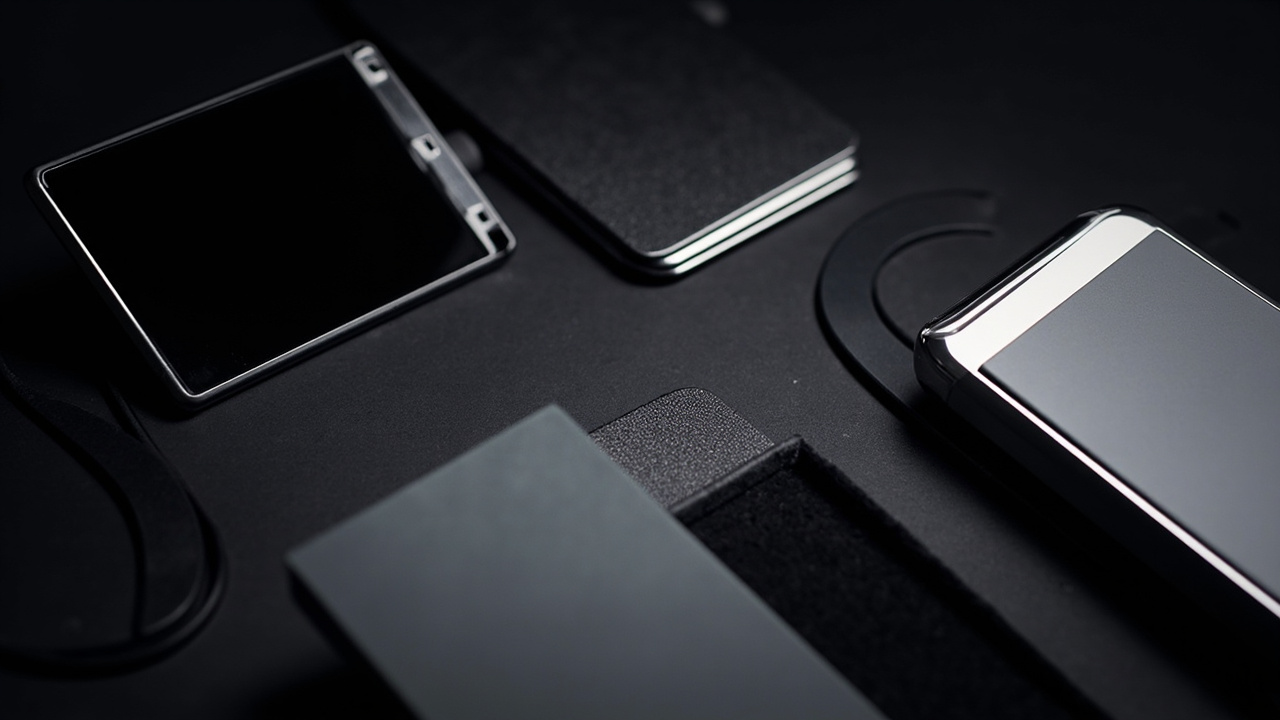
Among all functional coatings, soft-touch coating is undoubtedly the most charming and the one that best reflects technical skill. It endows plastic parts with a warm, soft, skin-friendly feel similar to rubber, leather, or skin, making the originally cold and rigid plastic become warm, premium, and pleasantly "touchable". This unique tactile experience is the irreplaceable value of soft-touch coating—it elevates the "contact" between product and user from a cold physical action to a pleasant sensory enjoyment. In today's product homogenization, a warm feel is often the key detail that moves users and conveys a sense of premium quality.
The realization of soft touch originates from exquisite material design. Its core is usually based on a polyurethane (PU) system—by regulating the ratio and structure of soft and hard segments in the polyurethane molecule, the coating film is given flexible and elastic characteristics while maintaining certain strength; combined with a special matte structure (microscopic rough surface reduces gloss and forms a delicate touch) and feel additives, together they create that unique warm, silky, slightly damped feel. When a finger slides across a soft-touch surface, that gentle friction feedback and warm tactile sensation are exactly the result of the combined action of molecular structure and surface microscopic morphology.
The application of soft-touch coatings is extremely wide. Automotive interiors are its biggest stage—dashboards, door panels, armrests, and center console trims using soft-touch painting create a sense of premium and comfort in the cabin, and are a key means to enhance the grade of automotive interiors. Consumer electronics such as laptop shells, mice, remote controls, and audio equipment use soft touch to improve grip experience and product texture. High-end packaging such as cosmetics, alcohol, and gift plastic parts use soft touch to convey the brand's premium and refined image. In addition, tool handles, infant and child products, medical devices, etc. also widely use soft touch to improve human-machine experience. It can be said that any plastic part that needs "touch upgrade" is where soft-touch coatings come into play.
Soft-touch coatings also have their particularities in process. It is sensitive to film thickness—insufficient film thickness means the feel is not full enough and hiding is poor, while excessive thickness may affect performance and appearance, requiring precise control of spraying parameters. Soft-touch surfaces have high requirements for cleanliness (matte surfaces more easily show dust spots) and also have requirements for the temperature and humidity of the construction environment. Soft-touch coating can be a one-component or two-component system, water-based or solvent-based, and its curing needs to be within the heat-resistant range of plastic. In addition, soft-touch coatings need to be well matched with primer and pigmented paint to form a complete system. These process details are also important factors for the success or failure of soft-touch painting, requiring close cooperation between coating suppliers and painting factories.
However, soft-touch coating is also a category with extremely high formulation difficulty, and its core contradiction lies in the opposition between "soft" and "durable"—a soft feel means the coating film is soft and sticky, and a soft coating film is inherently poor in wear resistance, easily scratched, easily stained with fingerprints, and easily worn and polished in use, losing its feel. How to maintain excellent soft-touch feel while taking into account sufficient wear resistance, stain resistance, anti-fingerprint, and chemical resistance (resistance to cosmetics, sweat, alcohol) is the biggest challenge in soft-touch coating formulation, and also the touchstone to distinguish the technical level of coating enterprises. Low-end soft-touch coatings often become polished, stained, and lose their feel after a period of use, while high-quality soft-touch coatings can maintain feel and cleanliness for a long time—behind this is profound formulation skill. Because of this, soft-touch coating is often regarded as the "touchstone" to test the level of a coating enterprise's functional coatings: whether one can make a soft-touch coating that is both warm and nice to touch, wear-resistant and stain-resistant, chemical-resistant, and does not decay over time, almost directly reflects the depth and skill of its formulation R&D.
Wear-Resistant and Scratch-Resistant Coating: Putting "Armor" on Plastic
Plastic is naturally "soft", with low hardness and poor wear resistance, and its surface is easily scratched and worn, which is a major shortcoming of plastic compared to metal and glass. Wear-resistant and scratch-resistant coating is born to make up for this shortcoming—it forms a high-hardness, scratch-resistant, and wear-resistant "armor" on the plastic surface, allowing plastic parts to maintain surface integrity in the friction and scraping of daily use.
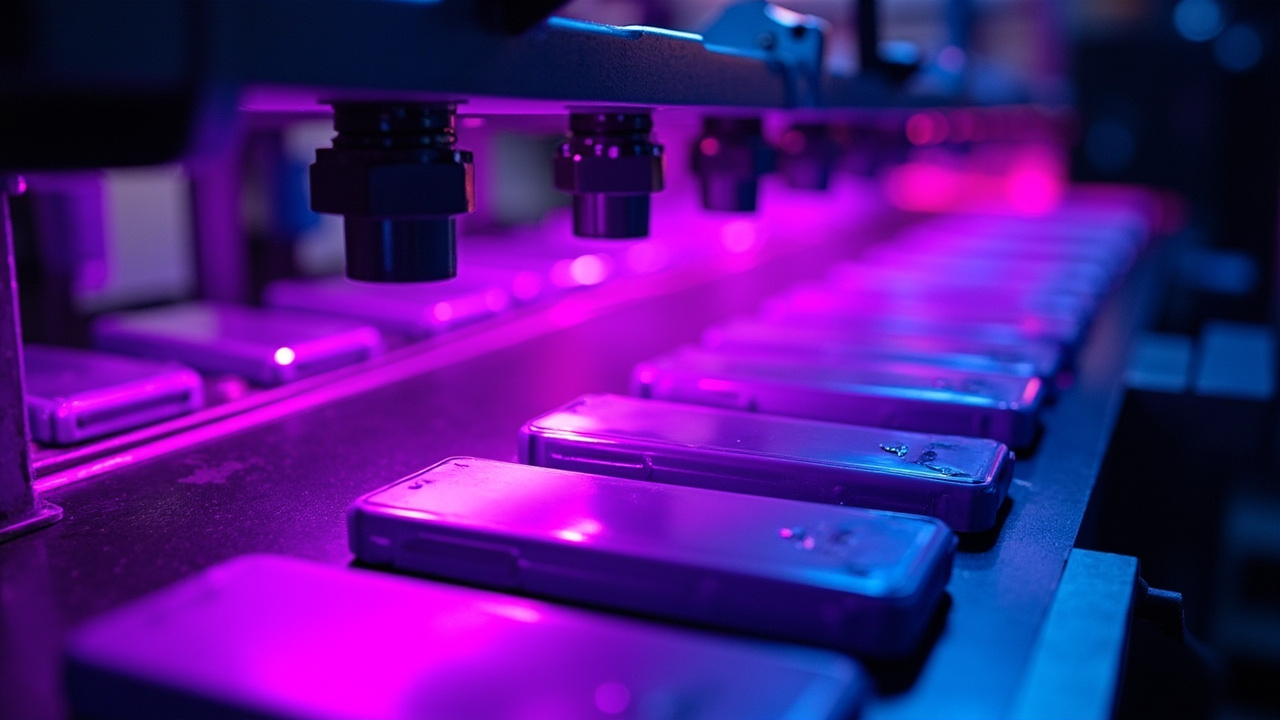
The mainstream technology of wear-resistant and scratch-resistant coatings is UV-curable coating. UV coating undergoes crosslinking curing initiated by ultraviolet light, forming a highly crosslinked, dense, and hard coating film, with hardness reaching or exceeding pencil hardness 2H-3H or even higher, excellent wear and scratch resistance, and extremely fast curing (seconds), low energy consumption, and very low VOC, especially suitable for automated production lines of consumer electronics and plastic decorative parts. High-end plastic parts such as phones, laptops, cosmetic packaging, and home appliance panels largely use UV hardening coatings for wear-resistant topcoats. UV coating achieves high-hardness wear-resistant surfaces on heat-sensitive plastics, and is a sharp tool for plastic "wear upgrading".
In addition to UV, two-component polyurethane (2K PU) varnish also has good wear resistance and chemical resistance, and is widely used for protective topcoats of automotive interiors and high-end plastic parts. In addition, wear-resistant coatings added with nanoparticles (such as nano silica, alumina), organic-inorganic hybrid coatings, etc. can also further improve wear and scratch resistance. Methods for evaluating wear and scratch resistance include pencil hardness, RCA tape abrasion, steel wool abrasion (reciprocating friction times), Taber abrasion (weight loss from rotating wheels), etc., which are mandatory tests in fields with high surface durability requirements such as consumer electronics and home appliances.
Film thickness and curing have a significant impact on wear resistance. UV coating needs to ensure sufficient film thickness (too thin means insufficient wear protection) and sufficient curing (insufficient UV energy means incomplete crosslinking, insufficient hardness, and worse wear resistance), so the energy control, lamp management, and conveying speed of the UV curing process need to be strictly controlled. Incomplete curing is one of the common causes of wear-resistant coating failure. In addition, the wear-resistant coating must also be well matched with the lower layer (pigmented paint, primer); if interlayer adhesion is poor, no matter how hard the wear-resistant layer is, it will fail with overall peeling.
It is worth noting that wear resistance often needs to be balanced with other functions. As mentioned earlier, soft touch needs to be soft and wear resistance needs to be hard; the two are contradictory, and high-quality products need to improve wear resistance as much as possible on the basis of soft touch; wear-resistant coatings also often need to simultaneously have anti-fingerprint, chemical resistance, and other functions. How to integrate other functions while having high-hardness wear resistance, or coordinate in a multi-layer structure, is an advanced topic for wear-resistant functional coatings. Overall, wear-resistant and scratch-resistant coatings upgrade plastic from "delicate and easily scratched" to "tough and durable", and are important functional coatings for plastic parts to extend aesthetic life and improve usage experience.
Anti-Fingerprint and Easy-Clean Coating: Say Goodbye to Annoying Fingerprints
Today, with touch screens and smooth shells in vogue, fingerprints and oil stains have become annoying problems—dark phone backplates, piano-baked home appliance panels, mirror plastic parts, once touched, leave conspicuous fingerprints, which affect aesthetics and are difficult to wipe clean. Anti-fingerprint (AF, Anti-Fingerprint) and easy-clean coatings are functional coatings born to solve this pain point.
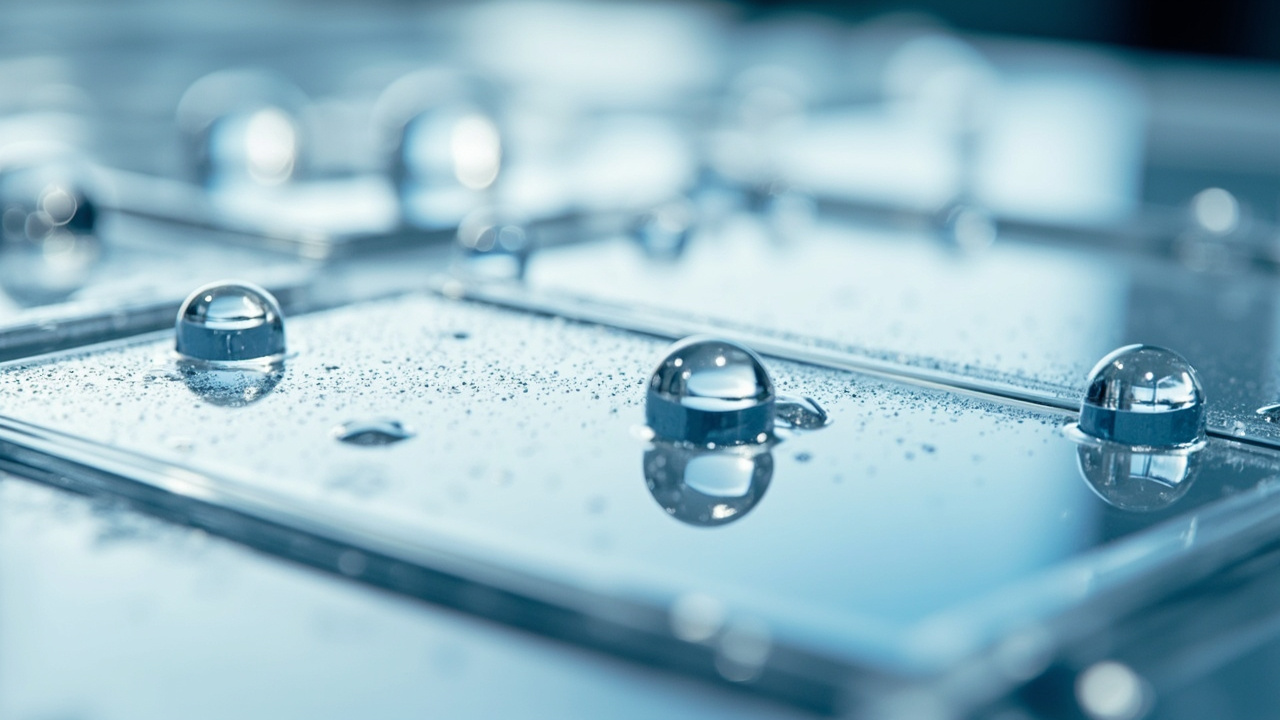
The principle of anti-fingerprint coating is to reduce the surface energy of the coating surface, forming a "oleophobic and hydrophobic" surface, making it difficult for finger oil and sweat to adhere and spread, and even if stained, easy to wipe off. Its core materials are mostly low-surface-energy substances containing fluorine or silicon (such as perfluoropolyether silane), forming a dense low-energy molecular layer on the coating surface, giving the surface excellent oleophobic and hydrophobic properties. On anti-fingerprint surfaces, water droplets and oil droplets have large contact angles and easily roll off; fingerprint oil is not easy to remain and can be wiped clean with one wipe, greatly improving the product's cleanliness and usage experience.
Anti-fingerprint coatings are widely used in consumer electronics (phone and tablet frames and shells, wearable devices), home appliances (piano-baked panels, mirror shells), automotive interiors (touch screen frames, glossy trims), and various high-gloss, dark, mirror plastic parts—these surfaces most easily show fingerprints and most need anti-fingerprint protection. Interestingly, anti-fingerprint is not "completely non-sticky", but makes oil stains difficult to spread and easy to wipe off—so strictly speaking, it is "easy to clean, less residue". The oleophobic surface makes fingerprint oil shrink into inconspicuous small droplets rather than spreading into obvious oil films, and at the same time can be removed with a light wipe, thus achieving the effect of "saying goodbye to fingerprints" in vision and usage experience. This clever design based on surface energy regulation is exactly a brilliant application of surface science in daily products. Anti-fingerprint is often combined with wear resistance (such as AF + UV wear-resistant coating), because if the low-surface-energy layer of anti-fingerprint is not wear-resistant, the effect will decay after wear in use. Therefore, the key challenge of anti-fingerprint coatings is "effect + durability"—not only good initial oleophobic and hydrophobic properties, but also maintaining anti-fingerprint performance after long-term touch friction. Poor-durability anti-fingerprint coatings "fail" after a period of use and become prone to fingerprints again, while high-quality anti-fingerprint coatings can maintain oleophobic and hydrophobic properties for a long time.
To evaluate anti-fingerprint performance, water contact angle and oil contact angle (the larger the angle, the better the oleophobic and hydrophobic) are often measured, as well as the retention rate of contact angle after abrasion (to evaluate durability). In addition, there is fingerprint wipe test (ease and residue of wiping after staining with fingerprints). Anti-fingerprint and easy-clean coatings keep plastic parts clean and beautiful and easy to maintain, and are an important function to improve product quality sense, especially fitting the current consumer demands for cleanliness, hygiene, and premium feel.
Chemical-Resistant and Weather-Resistant Coatings: Withstanding Environmental Erosion
Plastic parts, during use, come into contact with various chemicals and are exposed to diverse environments—erosion from cosmetics, sunscreen, sweat, alcohol, and cleaners, as well as aging from ultraviolet light, heat and humidity, and temperature variations. Chemical-resistant and weather-resistant coatings provide protection for plastic parts against such erosion and aging, serving as important functional coatings that ensure the long-term performance and aesthetics of plastic parts.
Chemical-resistant coatings defend against the erosion of various chemical substances. This is particularly important in consumer electronics, automotive interiors, and daily chemical packaging: mobile phones and cosmetic bottles come into contact with skincare products, sunscreen, and perfume (containing alcohol, oils, and active ingredients); automotive interiors contact sweat, cleaners, and disinfecting alcohol. If the coating's chemical resistance is insufficient, damage such as blushing, softening, loss of gloss, discoloration, and peeling will occur. Chemical-resistant coatings resist the permeation and erosion of chemicals through high cross-link density and dense film structures (such as 2K PU and UV coatings). The evaluation method involves applying specified chemical reagents (artificial sweat, sunscreen, alcohol, cleaners, etc.) to the coating for a specified time and observing changes in appearance and performance. With the frequent use of disinfecting alcohol (especially after the pandemic), alcohol resistance has become an important requirement for many plastic parts. It is worth noting that sunscreen is a particularly harsh "test agent" for coatings—the chemical sunscreen ingredients in it are highly erosive to many coatings, capable of softening, blushing, and peeling the coating. It is the "devil item" in chemical resistance testing for consumer electronics and automotive interiors, and whether a coating can pass the sunscreen test is often one of the hard indicators for high-end functional coatings.
Weather-resistant coatings defend against environmental aging from outdoor or long-term use, mainly discoloration, loss of gloss, chalking, and cracking caused by ultraviolet light. For plastic parts exposed to outdoor or strong light (automotive exterior trims, outdoor equipment, some home appliances), weather resistance is crucial. Weather-resistant coatings resist UV aging by adding ultraviolet absorbers (UVA), hindered amine light stabilizers (HALS), and using weather-resistant resins (such as aliphatic polyurethane, acrylic, fluorocarbon, and organosilicon). The evaluation methods include xenon arc weathering, UV weathering (QUV), and outdoor exposure—accelerated or natural aging tests—to examine the coating's color retention, gloss retention, and chalking resistance.
Chemical resistance and weather resistance are the "durability assurance" functions of plastic functional coatings—unlike soft-touch or anti-fingerprint that bring immediate sensory experiences, they determine whether plastic parts can maintain performance and aesthetics during long-term use and environmental erosion. For high-quality, long-life plastic products, these "hidden" durability functions are indispensable and are also important dimensions for measuring coating quality. When developing functional coatings, companies such as Kexin New Materials often treat durability performance such as chemical resistance and weather resistance as core indicators on par with feel and appearance, and ensure long-term reliability of the coating through rigorous testing and verification.
Specialty Functional Coatings: Antibacterial, Conductive, Shielding, and More
In addition to the common functions mentioned above, plastic functional coatings are also expanding toward more specialty functions, serving specialized needs in electronics, medical, public health, and other fields. These specialty functional coatings further broaden the value boundary of plastic functional coating.
Antibacterial coatings incorporate antibacterial agents (silver ions, zinc ions, organic antibacterial agents, photocatalysts, etc.) into the coating, endowing plastic surfaces with the ability to inhibit or kill bacteria and mold. They are used for plastic parts with high hygiene requirements such as medical devices, home appliances (refrigerators, washing machine internal parts), public facilities (handrails, buttons, switches), and maternal and infant products. The increasing public health awareness has driven continuous growth in demand for antibacterial and even antiviral coatings. There are dedicated antibacterial rate test standards for evaluating antibacterial performance (such as inhibition rates against E. coli and Staphylococcus aureus). Different antibacterial agents have their own characteristics: silver ions offer broad-spectrum, efficient, and durable antibacterial action but at higher cost; photocatalysts (titanium dioxide) decompose organic matter under light, offering both antibacterial and self-cleaning functions but relying on light; organic antibacterial agents are low-cost but require attention to durability and safety. The key to antibacterial coatings lies in the selection, content, sustained-release design, and safety compliance of antibacterial agents—they must be effective and durable while meeting safety regulations for scenarios involving human contact and food, making it a typical category where function and safety are equally emphasized.
Conductive and electromagnetic interference (EMI) shielding coatings are important functional coatings in the electronics field. Plastics are inherently insulating, yet the plastic housings of electronic products often need to be conductive (anti-static) or have electromagnetic shielding capability (to prevent electromagnetic interference and protect circuits and the human body). Conductive/shielding coatings form a conductive network on the plastic surface by adding conductive fillers (conductive carbon black, metal powder, silver paste, etc.), achieving anti-static and electromagnetic shielding functions, and are widely used in plastic housings and chassis interiors of electronic equipment. In addition, there are specialized coatings such as antenna-compatible coatings (metallic-texture coatings that do not shield signals, used for housings requiring signal penetration).
The application of conductive shielding coatings is especially worth elaborating. As electronic devices become increasingly thin, light, and highly integrated, electromagnetic compatibility (EMC) issues become more prominent—the electromagnetic radiation from internal circuits needs to be shielded to prevent interference with other circuits, and external electromagnetic interference must be prevented from affecting the device itself. Metal housings are naturally shielding, but plastic housings are insulating and non-shielding; therefore, spraying conductive shielding coatings on the inner wall of plastic housings to form an "electromagnetic cage" has become an important solution for lightweight electronic devices to address EMI. Such coatings build a continuous conductive network through high-content conductive fillers (silver paste has the highest shielding effectiveness but also the highest cost; conductive carbon black, copper/nickel, etc. are lower cost), and their key indicators are surface resistance (lower means better conductivity) and shielding effectiveness (in dB, higher means stronger shielding). Anti-static coatings are used to prevent static accumulation from damaging electronic components or attracting dust, and are widely used for plastic parts in electronic products and cleanroom equipment. For areas requiring signal penetration (such as antenna regions), "non-shielding" antenna-compatible metallic-texture coatings are used to balance appearance and signal—forming an interesting contrast with shielding coatings and reflecting the refinement of functional coatings.
More specialty functional coatings continue to emerge: self-healing coatings (minor scratches can automatically heal, used for high-end appearance parts), thermochromic/photochromic coatings (changing color with temperature and light, used for decoration and anti-counterfeiting), fluorescent/glow-in-the-dark coatings, anti-glare coatings (used for displays and lenses), heat-insulating coatings, etc. These specialty functions either solve specific pain points or create unique experiences, providing rich means for the differentiation and upgrading of plastic products. Specialty functional coatings often have high technical barriers and target niche high-end markets, representing directions for coating companies to demonstrate technical depth and develop differentiated markets. With continuous innovation in downstream applications, the categories and applications of plastic specialty functional coatings will continue to expand.
Multi-functional Integration: The Advanced Challenge of Functional Coatings
Modern high-end plastic parts are often not satisfied with a single function, but require one coating or coating system to simultaneously possess multiple functions—such as the combination of "soft-touch + wear-resistant + anti-fingerprint + chemical-resistant". This multi-functional integration is an advanced challenge for plastic functional coatings and also a concentrated manifestation of technical content and competitive barriers.
The difficulty of multi-functional integration lies in the fact that the material properties required for different functions often contradict each other. The most typical is the opposition between soft-touch (needs to be soft) and wear-resistant (needs to be hard)—purely pursuing soft feel sacrifices wear resistance, and purely pursuing wear resistance loses the soft touch. Another example is the contradiction between soft-touch (slightly tacky, easily soiled) and anti-fingerprint easy-clean (needs oleophobic and hydrophobic, non-soiling), and the contradiction between soft-touch (low cross-link, soft) and chemical-resistant (high cross-link, dense). How to coordinate these contradictory functional requirements within one coating film, or through multi-layer matching, allowing them to coexist harmoniously and each play their role, is the highest difficulty in functional coating formulation design.
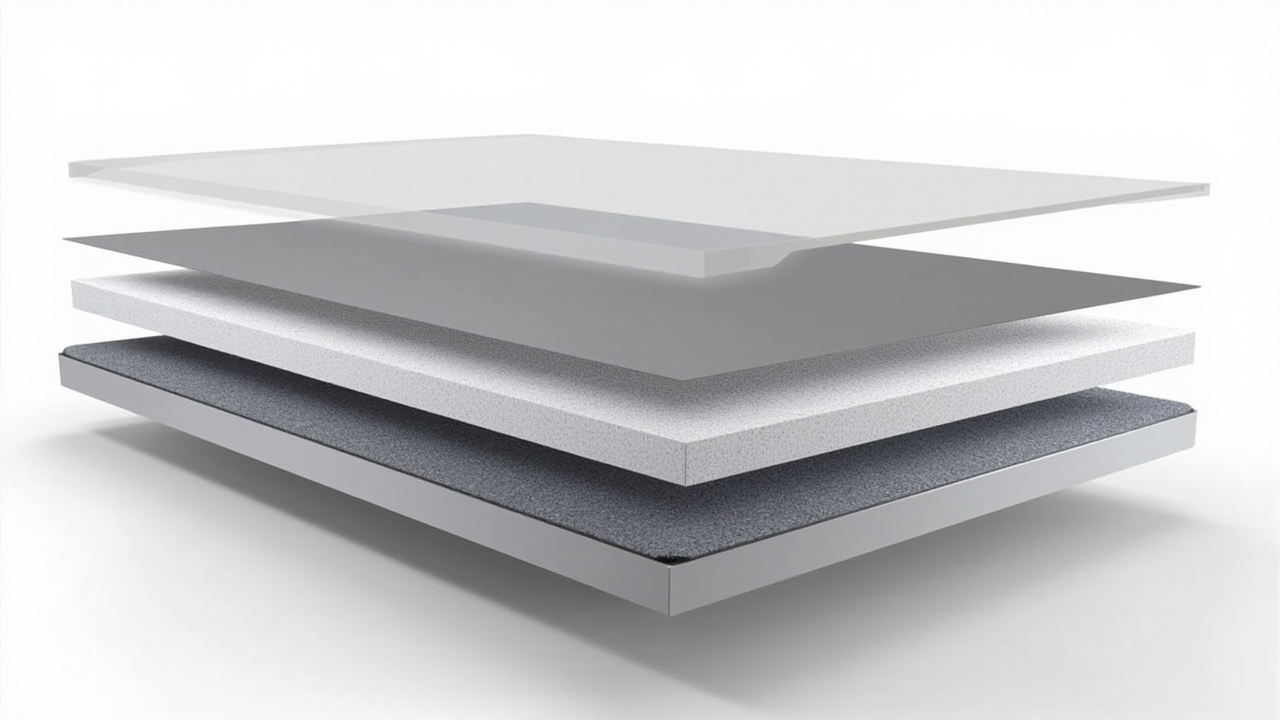
There are mainly two paths to solve multi-functional integration. One is single-layer multi-function—through ingenious formulation design (special resins, compounding of functional additives), balancing multiple functions in one coating film. This requires a deep understanding of materials and finding the optimal balance point among contradictions, with extremely high technical difficulty, representing the pinnacle of formulation expertise. The other is multi-layer matching—using multi-layer coatings with different functions, each layer performing its own role, such as a soft-touch layer providing feel, with a thin wear-resistant anti-fingerprint clear coat layered on top for protection, achieving functional integration through layering, but needing to solve interlayer adhesion, compatibility, and process complexity issues. In practice, the two paths are often used in combination.
Multi-functional integration capability is becoming the core yardstick for measuring the technical strength of plastic functional coating companies. Only companies that can provide stable, reliable, and long-lasting multi-functional integrated coating solutions can enter high-end markets with stringent functional requirements such as consumer electronics and high-end automotive. Low-end products often can only do single or simple functions with rapid performance decay, while high-end products can achieve harmonious integration of multiple functions and long-term retention. This technical ability to seek balance amid contradictions and demonstrate expertise in integration is the value highland for plastic functional coatings to move from the "red ocean" to the "blue ocean", and also the core competitiveness that R&D-focused companies like Kexin New Materials strive to build.
Resin and Curing Technology of Functional Coatings: The Chemistry Behind the Functions
The reason functional coatings can achieve various magical functions ultimately stems from the selection and design of their resin systems and curing technologies. Understanding the chemistry behind the functions helps to more deeply grasp the technical logic and selection basis of functional coatings.
Polyurethane (PU) systems are the core of functional coatings, especially soft-touch coatings. Polyurethane molecules are composed of alternating soft segments (flexible polyol segments) and hard segments (rigid isocyanate-chain extender segments). By adjusting the ratio, type, and phase structure of soft and hard segments, the softness, hardness, elasticity, and toughness of the coating film can be finely controlled—more soft segments mean soft and elastic (favorable for soft-touch), more hard segments mean hard and wear-resistant. This "molecular-level soft-hard control" capability makes polyurethane an ideal foundation for various functions such as soft-touch, flexible decoration, and wear-resistant protection. Two-component polyurethane (2K PU) undergoes cross-linking curing between isocyanate and hydroxyl groups to form a coating film with excellent comprehensive performance, and is the mainstay for automotive interiors and high-end plastic part functional coating.
UV curing systems are another pillar of functional coatings, especially in the fields of wear-resistant and anti-fingerprint. UV coatings use ultraviolet light to trigger photoinitiators to generate free radicals (or cations), causing rapid cross-linking curing of double-bond-containing oligomers and monomers, forming a highly cross-linked, dense, and hard three-dimensional network that endows the coating film with excellent hardness, wear resistance, and chemical resistance. The second-level speed, low energy consumption, low VOC, and high performance of UV curing make it the first choice for plastic wear-resistant topcoats and anti-fingerprint clear coats. UV technology continues to evolve—LED-UV (more energy-saving, cold light source beneficial for heat-sensitive substrates), dual-cure (UV + thermal/moisture curing, solving shadow area curing), 3D-UV (multi-angle irradiation of complex-shaped parts), and other new technologies broaden the application of UV in functional coatings.
Water-based systems are the direction of greening for functional coatings. Water-based functional coatings use water as the main dispersion medium, greatly reducing VOC, and continue to penetrate fields with high environmental requirements such as automotive interiors, toys, and home appliances. The challenge lies in achieving good adhesion, film formation, and function on low-surface-energy, water-sensitive plastics—water-based soft-touch, water-based wear-resistant, and other technologies are constantly advancing. In addition, fluorine-containing and silicon-containing materials are key to anti-fingerprint and easy-clean functions (providing low surface energy); nanoparticles (nano silica, alumina) are used to enhance wear resistance; conductive fillers are used for conductive shielding; antibacterial agents are used for antibacterial—the compounding of these functional additives with the main resin collectively constitutes the formulation system of functional coatings. The technology of functional coatings is precisely the exquisite combination and synergy of these resins and additives at the molecular level.
A Typical Case: Functional Coating of High-end Phone Housings
Let us connect the previous technical points through a case that best embodies the integration of functional coatings—the functional coating of high-end smartphone plastic/composite housings—to see how multiple functions are integrated and implemented on one product.
The requirements for coating on high-end phone housings (back cover, middle frame) are extremely stringent: aesthetically, they must achieve trendy effects such as gradient colors, mirror finish, and Morandi matte, rivaling the texture of glass and metal; functionally, they must be extremely wear-resistant (against daily scratches), anti-fingerprint (dark high-gloss shows fingerprints most), chemical-resistant (resistant to sweat, cosmetics, alcohol disinfection), and sometimes require soft-touch (to enhance grip experience) or specific signal penetration. Moreover, phones iterate quickly and have large production volumes, requiring coating companies to possess extremely fast color development, sampling capabilities, and stable mass supply. This is a comprehensive test of functional coating technology and service capability.
A typical functional coating scheme is multi-layer matching. Taking a scheme pursuing metallic gradient + wear-resistant + anti-fingerprint as an example: after pretreatment (activation, dust removal), a primer is applied to ensure adhesion; then an effect pigmented paint is sprayed (such as gradient metallic/pearlescent paint, achieving color transition and effect through precise spraying control); finally, the key functional topcoat—usually a UV-cured wear-resistant clear coat, with anti-fingerprint function (low surface energy material) integrated within or on it, forming a "wear-resistant + anti-fingerprint" protective surface layer. If soft-touch is required, a soft-touch process may be applied to specific areas or the whole, with a protective layer that is as wear-resistant and anti-soil as possible overlaid. The entire scheme achieves integration of multiple functions while ensuring gorgeous appearance, and must maintain them long-term—after two or three years of phone use, the coating's feel, anti-fingerprint, and wear resistance must not significantly decay.
This case epitomizes all the difficulties and value of functional coatings: multi-function integration (wear resistance + anti-fingerprint + chemical resistance ± soft touch), the combination of function and appearance (overlaying functions on brilliant color effects), durability (no degradation over long-term use), and the service capability of rapid iteration and stable mass production. A coating enterprise that can win the bid for high-end mobile phone functional coating must possess top-tier strength in formulation depth, function integration, color service, and quality stability. The high-end mobile phone casing is precisely the pearl on the crown of plastic functional coating technology, and also the ultimate stage for testing the comprehensive strength of coating enterprises.
Common Problems and Failure Prevention of Functional Coatings
While realizing rich functions, functional coatings may also exhibit various failure problems. Understanding common functional failures and their prevention is an important aspect of ensuring reliable application of functional coatings and improving customer satisfaction.
The most common failure of soft touch is "glossing up, staining, loss of feel"—mostly due to insufficient wear resistance of the coating, which gets abraded during use and the matte structure is worn flat. Prevention requires improving the wear and stain resistance of the soft-touch coating in the formulation, or adding a protective layer, and avoiding the use of pure soft touch in high-frequency friction areas in the design. Anti-fingerprint failure manifests as "still prone to fingerprints and hard to clean after use"—mostly due to poor wear resistance of the low-surface-energy anti-fingerprint layer, which fails after abrasion. Prevention requires improving the durability of the anti-fingerprint layer (contact angle retention after wear) and selecting wear-resistant anti-fingerprint materials combined with a wear-resistant layer.
Failures of wear-resistant coatings include scratches, whitening, and loss of gloss—possibly due to insufficient coating hardness, incomplete curing (incomplete UV curing leads to insufficient hardness), or improper film thickness. Prevention requires ensuring sufficient curing, appropriate film thickness, and selecting the right wear-resistant system. Chemical resistance failure manifests as whitening, softening, loss of gloss, and peeling after contact with cosmetics or alcohol—due to insufficient crosslink density, poor density, or poor material tolerance. Prevention requires selecting a highly crosslinked, dense system tolerant to target chemicals, and thorough testing and verification.
In addition, all functional coatings are premised on adhesion—if pretreatment is poor and adhesion fails, no matter how good the function is, it is lost as the coating peels off, which again confirms the fundamental status of pretreatment and adhesion. Failure prevention of functional coatings is essentially a system engineering of "selecting the right system + ensuring adhesion + sufficient curing + appropriate process + strict testing and verification". Excellent functional coating suppliers not only provide high-performance functional coatings, but also assist customers in troubleshooting failures, optimizing processes, and verifying durability, delivering the value of functional coatings stably and reliably to the final product. This comprehensive capability from product to service is precisely the deep dimension of functional coating competition.
Testing and Evaluation System of Functional Coatings
The "function" of functional coatings cannot rely on claims, but must be verified by scientific testing. A complete testing and evaluation system is the foundation of quality assurance and customer trust for functional coatings, and also the technical support for functional coatings to land from "concept" to "reliable product".
For different functions, there are corresponding testing methods. Evaluation of soft touch, in addition to subjective feel, can also measure objective indicators such as coefficient of friction (reflecting slip/damping feel) and gloss (matte level). Wear and scratch resistance are measured by pencil hardness, RCA abrasion, steel wool abrasion, Taber abrasion, etc. Anti-fingerprint is measured by water contact angle, oil contact angle, contact angle retention after wear, and fingerprint wipeability. Chemical resistance is evaluated by appearance and performance after exposure to specified reagents (sweat, sunscreen, alcohol, cleaning agents). Weathering is evaluated by xenon lamp/UV aging for color and gloss retention and anti-chalking. Antibacterial is tested by standard antibacterial rate tests. Conductive shielding is measured by surface resistance and shielding effectiveness.
Particularly important is the "durability" test—the key to many functional coatings lies not in initial performance, but in the retention of function after long-term use. Does the soft touch remain non-glossing and non-staining over the long term? Does the anti-fingerprint remain oleophobic after wear? Does the chemical resistance remain intact after repeated contact? Therefore, testing of functional coatings often needs to simulate long-term use (e.g., measuring function after wear, evaluating after multiple chemical contacts) to examine the durability and stability of the function. This is also the key to distinguishing the quality of functional coatings—initial performance is all good, durability reveals the truth.
In addition, functional coatings must also meet safety and regulatory standards of downstream industries. VOC, odor, and fogging of automotive interiors; safety of toys, maternal and infant, and food contact parts (heavy metals, harmful substance migration); biocompatibility of medical parts, etc. While realizing functions, functional coatings must be compliant and safe to enter corresponding markets. Establishing a complete testing and evaluation system covering functional performance, durability, and safety compliance reflects the professionalism and reliability of functional coating enterprises, and is also the foundation for winning the trust of high-end customers and entering stringent supply chains.
Application Landscape and Market Trends
The application of plastic functional coatings spans numerous fields, and continues to expand with consumption upgrading and technological progress. Sorting out its application landscape and market trends helps to grasp the opportunities of functional coatings.
Consumer electronics is the most cutting-edge and demanding field of functional coating technology—mobile phones, laptops, tablets, wearables, earphones, etc., integrating soft touch, wear resistance, anti-fingerprint, chemical resistance, and sometimes conductive shielding, is the main battlefield of multi-function integration and the fastest iterating field. Automotive is a large market for functional coatings—soft touch, wear resistance, chemical resistance, low VOC for interiors; weather resistance and impact resistance for exteriors, continuously upgrading with automotive intelligence and luxury. Home appliances are stable and huge—applications of soft touch, anti-fingerprint, wear resistance, and antibacterial are increasingly popular. Cosmetic packaging pursues the combination of function and decoration—soft touch, cosmetic resistance, mirror effect, etc. In addition, medical (antibacterial, disinfection resistance), maternal and infant (safety, easy cleaning), public facilities (antibacterial, wear resistance) are also important applications of functional coatings. The functional priorities differ across fields: consumer electronics values most wear/anti-fingerprint resistance and appearance integration; automotive interiors value most soft touch, chemical resistance, and low VOC/odor; home appliances value both anti-fingerprint, wear resistance and cost; cosmetic packaging values decoration and cosmetic resistance; medical/maternal-infant value safety and antibacterial—such differentiated functional demands require functional coating enterprises to deeply understand the application scenarios and standards of each industry and provide targeted solutions, rather than using a "universal functional paint" to dominate all markets.
In terms of market trends, several directions are clear. First, functional high-value-added—growth of ordinary decorative coatings is stable, while high-value-added functional coatings such as soft touch, wear resistance, anti-fingerprint, and antibacterial are growing rapidly, becoming the growth engine of the market. Second, multi-function integration—single function can no longer meet demands, multi-function integration becomes a high-end standard, and technical barriers keep rising. Third, greenization—functional coatings also face VOC regulatory pressure, transitioning to water-based, UV, and high-solid-content, and green functional coatings are an important direction. Fourth, experience and personalization—with the experience economy, unique feel, self-healing, color-changing and other functional coatings that enhance experience and create differentiation are favored.
Overall, plastic functional coatings are in a golden period of rapid growth and technological upgrading. The pursuit of better feel, higher performance, and better experience brought by consumption upgrading opens broad space for functional coatings; while the technical requirements of multi-function integration, greenization, and high performance also continuously raise the bar. For coating enterprises, whoever can build technical advantages in functional coatings, especially multi-function integration, and grasp the pulse of consumption upgrading and experience economy, will seize the initiative in the fastest-growing and highest-value-added market segments. Kexin New Materials' investment in functional coatings is precisely aimed at this value direction that resonates with consumption upgrading and is full of growth potential.
Intelligent and Frontier: Future Imagination of Functional Coatings
The evolution of functional coatings is far from over. With the progress of materials science and the upgrading of application demands, a batch of more "intelligent" and frontier functional coatings are moving from the laboratory to application, endowing plastic surfaces with unprecedented capabilities and opening new space for imagination.
Self-healing coatings are a highly anticipated direction. Traditional coatings leave permanent marks once scratched, while self-healing coatings can, after minor scratches, "automatically heal" the scratches and restore surface integrity through reversible chemical bonds of materials, release of microcapsule healing agents, or thermal/photo-induced flow of molecular chains. This is extremely attractive for high-end mobile phones, automotive interior/exterior, luxury plastic parts, etc.—maintaining a long-lasting like-new appearance. Self-healing coatings are mostly based on specially designed polyurethane systems, achieving repair through dynamic reversible mechanisms at the molecular level, and are the high-end frontier of functional coatings.
Smart responsive coatings make plastic surfaces "alive". Thermochromic coatings change color with temperature (for decoration, temperature indication, anti-counterfeiting), photochromic coatings change color with light or angle (for decoration, anti-counterfeiting), and responsive coatings such as humidity-changing and force-induced color-changing are also being explored. These coatings allow plastic parts to visually respond to the environment, creating unique interactive experiences and functional value. In addition, there are functional coatings that can collect/indicate information, coatings with special optical effects (structural color, anti-glare), etc., continuously expanding the possibilities of plastic surfaces.
Green and sustainable is also an important dimension of the frontier. Bio-based functional coatings (using renewable raw materials to replace petroleum-based), recycling-compatible coatings (not affecting plastic recycling), water-based/UV and other low-VOC functional coatings, enable functional coatings to be more environmentally sustainable while achieving high performance. It can be predicted that future plastic functional coatings will continue to evolve toward the direction of "multi-function integration + smart response + green sustainability", making plastic surfaces not only good-looking, good-touching, and durable, but also self-healing, responsive, and environmentally friendly. For coating enterprises, forward-looking layout of these frontier functions, reserving technology, and being close to application innovation are the keys to gaining initiative in future competition. The future of functional coatings is full of imagination and opportunities.
Conclusion: Let the Plastic Surface Become an Amplifier of Value
Looking back at the technical panorama of plastic soft touch and functional coatings, we see the layered upgrading of plastic surface value: from the initial "just coloring" decoration, to the warm and skin-friendly soft touch, to the tough and wear-resistant protection, to the clean free of fingerprints, to the durability against chemicals and aging, and then to special functions such as antibacterial, conductive, shielding, self-healing, and smart response—functional coatings enable cheap and ordinary plastic parts to step by step acquire high-performance, high-experience, and high-value surfaces, becoming the key to enhancing product competitiveness.
The technical essence of functional coatings lies in realizing the richest and most exquisite surface functions on the most "unfriendly" plastic substrate, especially achieving balance and integration amid contradictions such as soft/hard, dry/wet, soft touch and wear resistance, decoration and function. This technical capability of "showing skill in contradictions and strength in integration" is the threshold of functional coatings and also their value highland. Low-end products may achieve a single function, but the real technical gap is reflected in the harmonious integration of multiple functions and long-term stable performance retention.
Under the tide of consumption upgrading and experience economy, people's pursuit of product feel, performance, and experience is endless, which opens a broad and continuous growth space for plastic functional coatings. The warmth of soft touch, the cleanliness of anti-fingerprint, the toughness of wear resistance, the peace of mind of antibacterial, the constant newness of self-healing... functional coatings are injecting these values into thousands of plastic products. For coating enterprises like Kexin New Materials that balance decoration and function, deepening the formulation technology, multi-function integration capability, and application service of functional coatings, keeping close to the pulse of consumption upgrading and experience economy, and serving the diversified functional needs from consumer electronics, automotive to home appliances and packaging, is precisely the direction to grasp the opportunities of this value-upgrading era. Plastic functional coatings, this thin surface coating, is actually a powerful lever to leverage product value, and its technical depth and value are far beyond the surface.
FAQ
Q: Why does soft touch coating become glossy and lose its feel after a period of use? A: Because soft touch coating is inherently soft (to achieve a gentle feel), and the soft film has poor wear resistance. During long-term touching and friction, the surface is worn and the matte structure is flattened, causing glossing and loss of the original feel. This is precisely the core contradiction between "soft feel" and "wear-resistant durability" of soft touch. High-quality soft touch coatings optimize the formulation to maintain the feel while improving wear and stain resistance as much as possible, and can retain the feel for a long time; low-end products decay quickly.
Q: How does anti-fingerprint coating achieve no fingerprint residue? A: Anti-fingerprint coating uses fluorine-containing or silicon-containing low-surface-energy materials to form an oleophobic and hydrophobic molecular layer on the coating surface, making it difficult for finger oil and sweat to adhere and spread, and even if stained, it is easy to wipe off. The surface has a large contact angle to oil and water and is non-wetting, so fingerprints naturally do not remain easily and are wiped clean in one swipe. The key is that this low-surface-energy layer must be wear-resistant—if not wear-resistant, the anti-fingerprint effect decays after abrasion, so high-quality anti-fingerprint coatings emphasize durability.
Q: What technology is used for wear-resistant coatings, and how wear-resistant can they be? A: The mainstream is UV-cured coatings, which use ultraviolet light to initiate high crosslinking, forming a high-hardness (pencil hardness up to 2H-3H or above), dense, scratch-resistant and wear-resistant film, with second-level curing and low VOC, suitable for plastic automated production lines. There are also 2K PU varnish, wear-resistant coatings with nanoparticles, etc. The degree of wear resistance is evaluated by pencil hardness, RCA abrasion, steel wool abrasion, Taber abrasion, etc., which can meet the high-durability requirements of consumer electronics, home appliances, etc.
Q: Can one coating simultaneously have multiple functions such as soft touch, wear resistance, and anti-fingerprint? A: Yes, but the technical difficulty is high, because the required properties of these functions often contradict each other (soft touch needs to be soft, wear resistance needs to be hard, soft touch is sticky while anti-fingerprint needs to be non-sticky). There are two paths to achieve multi-function integration: single-layer multi-function (ingenious formulation balances in one layer), multi-layer matching (combination of different functional layers, such as soft touch layer + wear-resistant anti-fingerprint clear coat). Multi-function integration capability is the core yardstick to measure the technical strength of functional coating enterprises and also the entry threshold for high-end markets.
Q: How is the "function" of functional coatings verified, will it be just propaganda?A: The functions of regular functional coatings must be verified through scientific testing: soft-touch is measured by friction coefficient/gloss, abrasion resistance by hardness/RCA/Taber, anti-fingerprint by contact angle/erasability, chemical resistance by specified reagents, weather resistance by xenon lamp/UV aging, antibacterial by antibacterial rate, and conductive shielding by resistance/shielding effectiveness. In particular, "durability" must be tested—many functions are critical to whether they can be maintained after long-term use. Choosing suppliers who can provide complete test data is the key to avoiding "false function claims."
Q: What are the environmental and safety requirements for functional coatings? A: Functional coatings also face VOC regulations and are shifting toward water-based, UV, and high-solid formulations. At the same time, they must meet downstream industry safety standards: VOC/odor/fogging for automotive interiors, safety of toys, maternal-infant and food-contact parts (heavy metals, hazardous substance migration), biocompatibility of medical parts, etc. Functional coatings must be compliant and safe while achieving their functions in order to enter corresponding markets, which is also one of the thresholds for high-end functional coatings.
Q: What should be the focus when selecting plastic functional coatings? A: First, clarify which functions are needed and their priorities (whether multi-function integration is required); second, confirm the substrate and pre-treatment conditions (functional coatings also rely on good adhesion); then evaluate the performance level and durability of the functions (initial performance + long-term retention), whether the curing method matches the plastic's heat resistance, and whether it complies with environmental and industry safety standards; finally, see whether the supplier can provide complete test data, multi-function integration capability, and technical service. Functional coatings should especially emphasize "durability" and "compliance," rather than just looking at initial effects.
Q: Can self-healing coatings really "repair themselves" from scratches? A: Yes, but mainly for minor scratches. Self-healing coatings use reversible chemical bonds of materials, release of microcapsule healing agents, or thermal/photo-induced flow of molecular chains to make minor scratches "automatically heal" and restore surface integrity; their effect on deep scratches is limited. They are mostly based on specially designed polyurethane systems, used in high-end phones, automotive interior/exterior trims, and luxury plastic parts to help maintain a long-lasting like-new appearance, representing a high-end frontier direction of functional coatings.
Q: How long does the antibacterial effect of antibacterial coatings last, and are they safe? A: Antibacterial coatings achieve bacteriostasis and sterilization through silver ions, zinc ions, organic antibacterial agents, photocatalysts, etc. The persistence of the effect depends on the type, content, and sustained-release design of the antibacterial agent. Regular products can maintain antibacterial properties within the coating's service life and are verified by standard antibacterial rate tests (against E. coli, Staphylococcus aureus, etc.). In terms of safety, antibacterial coatings used in medical, maternal-infant, food-contact scenarios must comply with corresponding safety regulations (antibacterial agent migration, toxicology, etc.); selecting compliant products ensures safe use.
Q: What is the difference between soft-touch coatings and ordinary matte coatings? A: Ordinary matte coatings only reduce gloss (visual matte), while soft-touch coatings, on the basis of matte, also use polyurethane soft/hard segment regulation and feel additives to impart a soft, warm, skin-like unique touch (tactile experience) to the film. Soft-touch is an upgrade of "how it feels," while ordinary matte is only a difference of "how it looks." The formulation difficulty of soft-touch is also much higher than ordinary matte, especially in balancing feel with abrasion and stain resistance.
Further Reading
- Plastic Coating Industry Panorama: From Adhesion Challenges to the Technological Evolution of Functional Decoration and the 2026 Market Landscape
- Complete Guide to Plastic Coating Pre-treatment Process: A Full Technical Map from Surface Activation to Adhesion Bridging
- Full Explanation of Metallic Effect Paint Color Matching and Application Process: The Color Science Behind Angle-Dependent Color Shift
- High-Temperature Paint, Underbody Coating, Stone-Chip Resistant Coating: Automotive Specialty Coatings Application and Construction
{"@context": "https://schema.org", "@type": "FAQPage", "mainEntity": [{"@type": "Question", "name": "Why does soft-touch coating become glossy and lose its feel after a period of use?", "acceptedAnswer": {"@type": "Answer", "text": "Because soft-touch coating is inherently soft (to achieve a soft, moist feel), and a soft film has poor abrasion resistance. Under long-term touching and friction, the surface is worn and the matte structure is flattened, causing it to become glossy and lose its original feel. This is exactly the core contradiction between the soft-touch coating's 'soft feel' and 'abrasion resistance and durability.' High-quality soft-touch coatings use formulation optimization to maintain feel while improving abrasion and stain resistance as much as possible, thus retaining the feel for a long time; low-end products decay quickly."}}, {"@type": "Question", "name": "How does anti-fingerprint coating achieve leaving no fingerprints?", "acceptedAnswer": {"@type": "Answer", "text": "Anti-fingerprint coating uses fluorine- or silicon-containing low-surface-energy materials to form an oleophobic and hydrophobic molecular layer on the coating surface, making it difficult for finger oils and sweat to adhere and spread; even if stained, it is easy to wipe off. The surface has a large contact angle to oil and water and is non-wetting, so fingerprints naturally do not easily remain and are wiped clean in one swipe. The key is that this low-surface-energy layer must be abrasion-resistant—if not, the anti-fingerprint effect decays after wear, so high-quality anti-fingerprint coatings emphasize durability."}}, {"@type": "Question", "name": "What technology is used for abrasion-resistant coatings, and how abrasion-resistant can they be?", "acceptedAnswer": {"@type": "Answer", "text": "The mainstream is UV-curable coating, which uses ultraviolet light to trigger high cross-linking, forming a high-hardness (pencil hardness up to 2H-3H or above), dense, scratch- and abrasion-resistant film, with second-level curing and low VOC, suitable for plastic automated production lines. There are also 2K PU varnishes, abrasion-resistant coatings with nano-particles added, etc. Abrasion level is evaluated by pencil hardness, RCA abrasion, steel wool abrasion, Taber abrasion, etc., meeting high-durability requirements of consumer electronics, home appliances, etc."}}, {"@type": "Question", "name": "Can one coating simultaneously have multiple functions such as soft-touch, abrasion resistance, and anti-fingerprint?", "acceptedAnswer": {"@type": "Answer", "text": "Yes, but the technical difficulty is high because the required properties of these functions often contradict each other (soft-touch needs softness, abrasion resistance needs hardness, soft-touch tends to be sticky while anti-fingerprint needs non-stick). There are two paths to achieve multi-function integration: single-layer multi-function (ingenious formulation balancing in one layer), and multi-layer matching (combining different functional layers, e.g., soft-touch layer + abrasion-resistant anti-fingerprint clear coat). Multi-function integration capability is a core measure of a functional coating company's technical strength and also an entry threshold for high-end markets."}}, {"@type": "Question", "name": "How is the 'function' of functional coatings verified, and is it just publicity?", "acceptedAnswer": {"@type": "Answer", "text": "The functions of regular functional coatings must be verified through scientific testing: soft-touch is measured by friction coefficient/gloss, abrasion resistance by hardness/RCA/Taber, anti-fingerprint by contact angle/erasability, chemical resistance by specified reagents, weather resistance by xenon lamp/UV aging, antibacterial by antibacterial rate, and conductive shielding by resistance/shielding effectiveness. In particular, 'durability' must be tested—many functions are critical to whether they can be maintained after long-term use. Choosing suppliers who can provide complete test data is the key to avoiding 'false function claims.'"}}, {"@type": "Question", "name": "What are the environmental and safety requirements for functional coatings?", "acceptedAnswer": {"@type": "Answer", "text": "Functional coatings also face VOC regulations and are shifting toward water-based, UV, and high-solid formulations. At the same time, they must meet downstream industry safety standards: VOC/odor/fogging for automotive interiors, safety of toys, maternal-infant and food-contact parts (heavy metals, hazardous substance migration), biocompatibility of medical parts, etc. Functional coatings must be compliant and safe while achieving their functions in order to enter corresponding markets, which is also one of the thresholds for high-end functional coatings."}}, {"@type": "Question", "name": "What should be the focus when selecting plastic functional coatings?", "acceptedAnswer": {"@type": "Answer", "text": "First, clarify which functions are needed and their priorities (whether multi-function integration is required); second, confirm the substrate and pre-treatment conditions (functional coatings also rely on good adhesion); then evaluate the performance level and durability of the functions (initial performance + long-term retention), whether the curing method matches the plastic's heat resistance, and whether it complies with environmental and industry safety standards; finally, see whether the supplier can provide complete test data, multi-function integration capability, and technical service. Functional coatings should especially emphasize 'durability' and 'compliance,' rather than just looking at initial effects."}}, {"@type": "Question", "name": "Can self-healing coatings really 'repair themselves' from scratches?", "acceptedAnswer": {"@type": "Answer", "text": "Yes, but mainly for minor scratches. Self-healing coatings use reversible chemical bonds of materials, release of microcapsule healing agents, or thermal/photo-induced flow of molecular chains to make minor scratches 'automatically heal' and restore surface integrity; their effect on deep scratches is limited. They are mostly based on specially designed polyurethane systems, used in high-end phones, automotive interior/exterior trims, and luxury plastic parts to help maintain a long-lasting like-new appearance, representing a high-end frontier direction of functional coatings."}}, {"@type": "Question", "name": "How long does the antibacterial effect of antibacterial coatings last, and are they safe?", "acceptedAnswer": {"@type": "Answer", "text": "Antibacterial coatings achieve bacteriostasis and sterilization through silver ions, zinc ions, organic antibacterial agents, photocatalysts, etc. The persistence of the effect depends on the type, content, and sustained-release design of the antibacterial agent. Regular products can maintain antibacterial properties within the coating's service life and are verified by standard antibacterial rate tests (against E. coli, Staphylococcus aureus, etc.). In terms of safety, antibacterial coatings used in medical, maternal-infant, food-contact scenarios must comply with corresponding safety regulations (antibacterial agent migration, toxicology, etc.); selecting compliant products ensures safe use."}}, {"@type": "Question", "name": "What is the difference between soft-touch coatings and ordinary matte coatings?", "acceptedAnswer": {"@type": "Answer", "text": "Ordinary matte coatings only reduce gloss (visual matte), while soft-touch coatings, on the basis of matte, also use polyurethane soft/hard segment regulation and feel additives to impart a soft, warm, skin-like unique touch (tactile experience) to the film. Soft-touch is an upgrade of 'how it feels,' while ordinary matte is only a difference of 'how it looks.' The formulation difficulty of soft-touch is also much higher than ordinary matte, especially in balancing feel with abrasion and stain resistance."}}]}