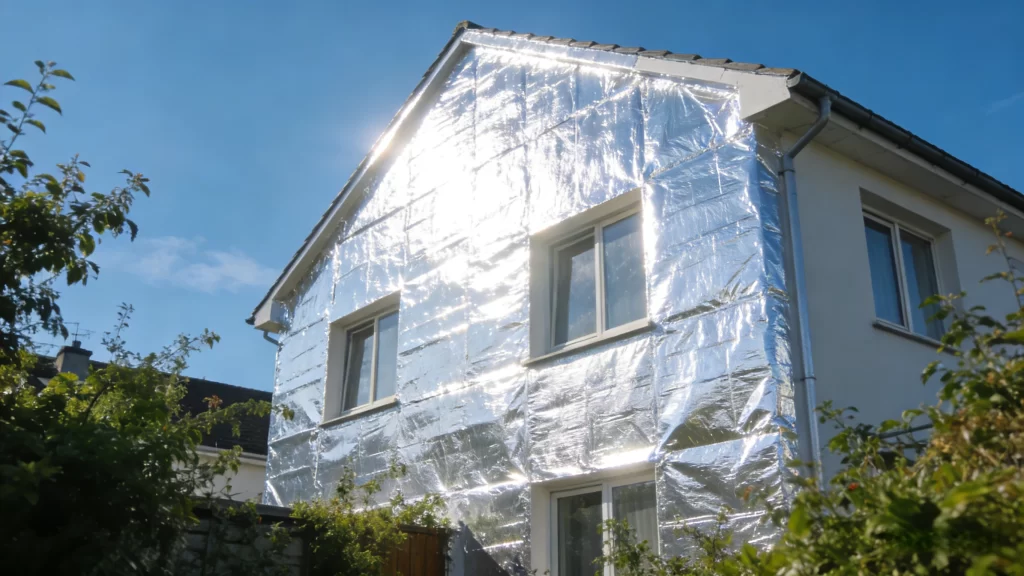
As global temperatures rise, keeping large industrial buildings cool has become a huge financial burden. Air conditioning systems are often overloaded, leading to high electricity bills and equipment wear and tear. Reflective thermal insulation coatings (commonly known as "cool roof" paint) provide a passive, cost-effective solution that keeps heat out before it enters the building.

Scientific Principles of Reflection and Emission Standard roofing materials can absorb up to 80% of solar energy. High-performance reflective coatings change this situation through two mechanisms:
- Solar reflection: Special pigments reflect over 85% of visible light and infrared radiation back into the atmosphere.
- Thermal emissivity: The coating not only blocks heat but also efficiently releases the small amount of absorbed heat in the form of long-wave radiation, preventing the "heat island effect".
Economic and Environmental Benefits
- Significant energy saving: By lowering the indoor temperature by 5-10°C, air conditioning energy consumption can be reduced by up to 30%.
- Extend roof lifespan: Reduce the thermal expansion and contraction cycles of metal roofs to prevent cracking and leakage, thereby extending the service life of the substrate.
- Sustainability: By reducing reliance on active cooling systems, the carbon footprint is lowered.
Conclusion Reflective thermal insulation is not just paint, but a smart energy management tool. For factory managers and property owners, this is a high-return investment—within just a few seasons, the electricity savings can offset the cost.