The invisible key: the resin is the true core of the coating.
When evaluating a coating, we often focus on whether the color is vivid, the surface is glossy, and the film is smooth. Yet what truly determines these effects is not the pigment itself, but the core ingredient hidden in the formulation—the resin.
Resin is the most critical base material in a coating system, determining whether a complete film can be formed, whether it can adhere firmly to the substrate, and whether it can deliver long-term stable performance.
If pigments are the appearance, then resins are the structure. Without high-quality resin, no matter how good the color is, it cannot last.
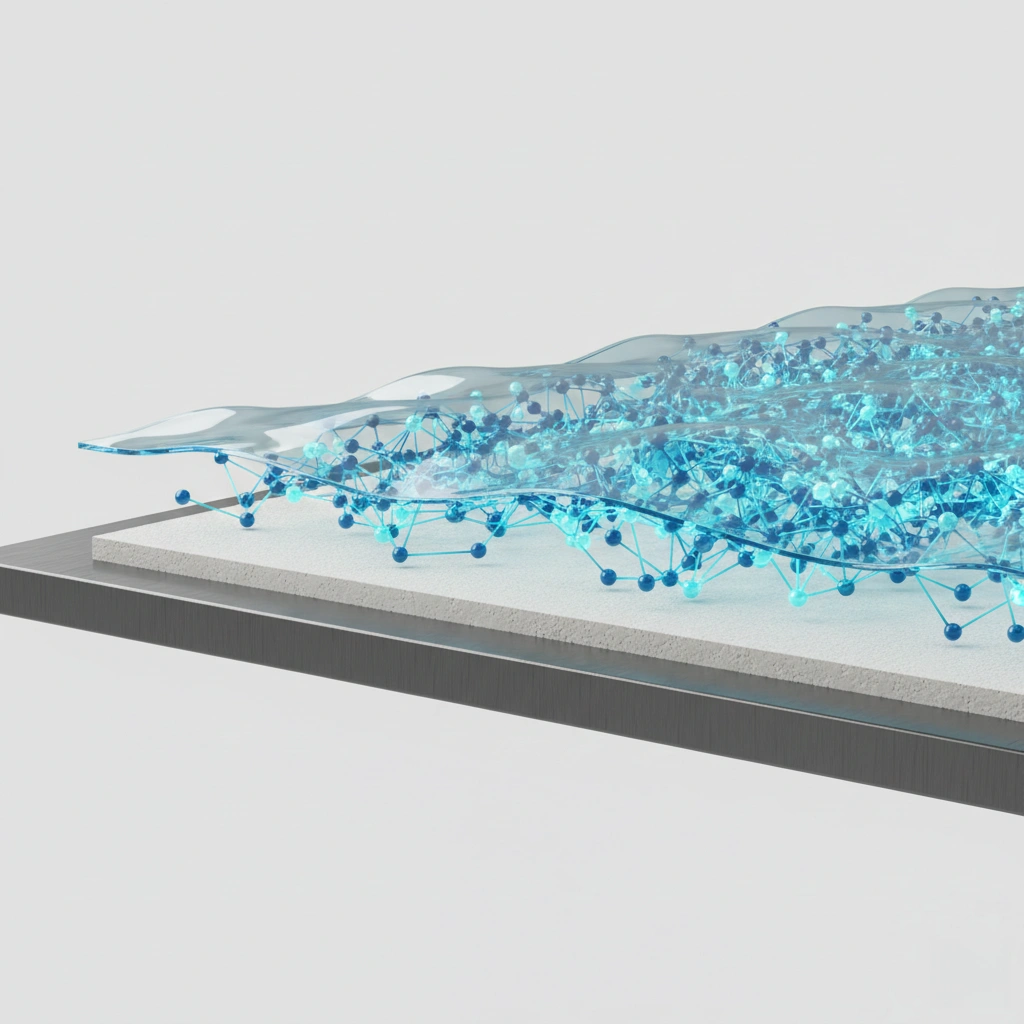

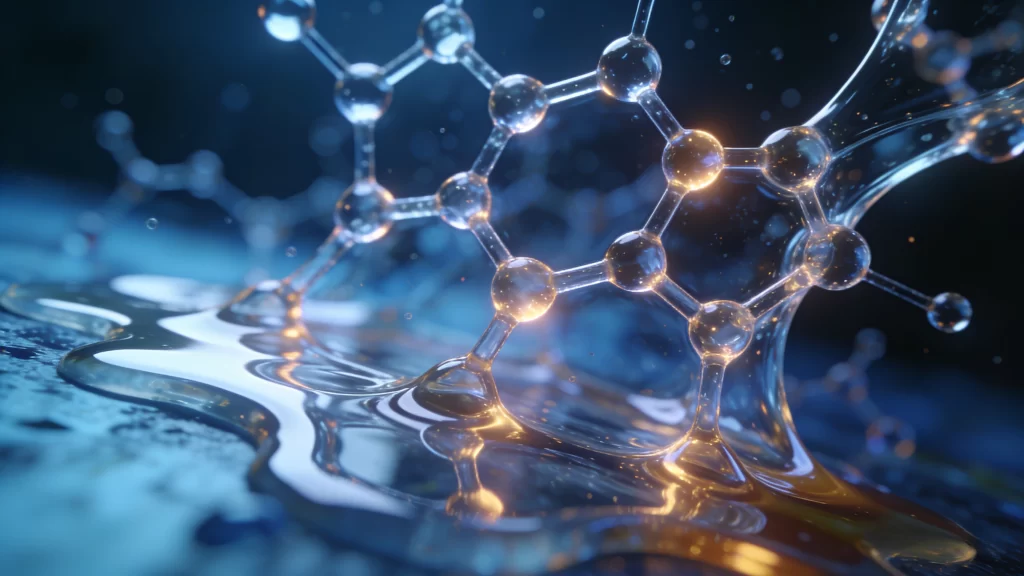


I. The resin is the "skeleton" of the paint film.
After the coating is applied, as the solvent evaporates or chemical reactions proceed, a continuous and dense paint film gradually forms. The main structure of this paint film is composed of the resin.
High-quality resin, after drying and curing, will form:
- uniform and dense network structure
- Good flexibility
- stable mechanical strength
- Excellent gloss performance
This layer of structure acts like a tough protective network, firmly locking in the pigments, fillers, and functional additives, so that the entire coating becomes an integrated system.
If the resin properties are insufficient, the paint film may exhibit issues such as chalking, cracking, and delamination.
II. Resin determines adhesion
Adhesion is one of the key indicators for evaluating coating quality. Whether on walls, cement floors, or metal, wood, and plastic substrates, the ability of a coating to bond firmly depends on the molecular structure and chemical properties of the resin.
Different resin systems exhibit different adhesion characteristics:
- Acrylic resin is suitable for building exterior walls.
- Epoxy resin is suitable for metal anti-corrosion.
- Polyurethane resin exhibits excellent flexibility.
- Alkyd resin is suitable for wood coatings.
The resin forms a stable bonding layer with the substrate through intermolecular forces or chemical bonding.
Therefore, high adhesion is not accidental, but the result of precise design of the resin system.
III. Resin is the foundation of performance.
Almost all coating properties revolve around the resin.
For example:
Weather resistance —— Determines whether the coating remains stable long-term under UV, wind, and rain exposure
Corrosion resistance —— Affects the rust-proof capability of metal surfaces
Acid and alkali resistance —— Determines chemical stability in industrial environments
Scratch resistance —— Relates to the service life of furniture and industrial equipment
Drying speed —— Affects construction efficiency and production cycle
The realization of these properties is closely related to the type of resin selected.
In the industrial coatings sector, the choice of resin can even directly determine the product grade and market positioning.
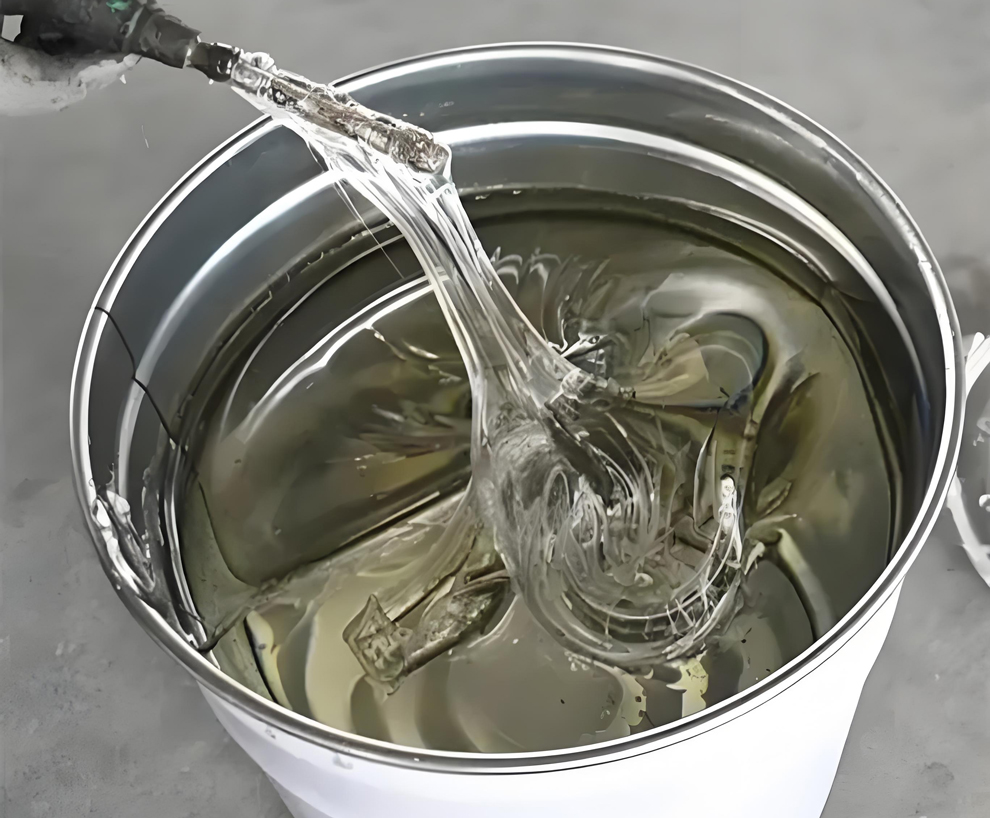


IV. Analysis of Common Coating Resin Types
Different application scenarios require matching different resin systems.
acrylic resin
It exhibits excellent weather resistance and color retention, and is suitable for outdoor architectural and decorative coatings.
epoxy resin
Strong adhesion, chemical corrosion resistance, widely used in heavy-duty anti-corrosion fields and industrial equipment.
polyurethane resin
Combining hardness with flexibility, suitable for automotive coatings and high-end industrial finishes.
alkyd resin
Good application properties, suitable for woodware and traditional industrial products.
Rational resin selection is the foundation of high-performance coating systems.
V. Why is resin said to be the "soul" of coatings?
Throughout the entire coating system:
Pigment determines color
Solvent determines workability
Additives optimize performance
While resin determines overall quality
It occupies the highest proportion in the formulation and is also the key to determining the final film strength and stability.
An excellent resin system allows a coating to retain its gloss and adhesion even after years of service, whereas an inferior resin leads to early aging and performance degradation.
6. What should be considered when selecting coatings?
When purchasing industrial or decorative coatings, the following key aspects should be prioritized:
- Type of resin used
- Whether it is suitable for the target substrate
- Whether it meets the required weather resistance and anti-corrosion grades.
- Whether it meets the construction environment requirements
Truly professional coating products are always scientifically designed around the resin system.
Conclusion
Resins are not visible to the naked eye, yet they determine a coating's structure, adhesion, and long-term stability.
It is the skeleton of the paint film, the foundation of performance, and the core of quality.
Next time you choose a coating, pay attention to the invisible yet most crucial component—the resin.