Water-based anti-rust paint is one of the fastest-growing industrial protective categories under the "oil-to-water" wave. It replaces most organic solvents with deionized water, greatly reducing volatile organic compounds (VOCs), meeting the mandatory national and industry requirements for green environmental protection, and aligning with the tightening trend of GB 30981-2020 "Limit of Harmful Substances in Industrial Protective Coatings". But a water-based system is by no means "paint diluted with water"—the presence of water brings a series of unique challenges to formulation and application: flash rust, difficult film formation, freeze-thaw instability, and weak early water resistance. What formulators need to do is to find a delicate balance among the four corners of "eco-friendly, performance, cost, application" rather than simply replacing solvent with water.
Kexin New Materials (kexinMaterials) provides anti-rust systems ranging from water-based acrylic to water-based epoxy ester in the field of water-based industrial protection. This article breaks down the formulation skeleton of water-based anti-rust paint: how to select the binder resin, how to formulate corrosion-inhibiting pigments, why film-forming aids and flash-rust inhibitors are indispensable, and the easily overlooked details in application and evaluation. For more systematic water-based technology, see the companion article water-based epoxy zinc-rich primer, and the pre-application requirements of water-based systems also share common ground with surface treatment for painting over rust.
I. Why Develop Water-based Anti-rust Paint
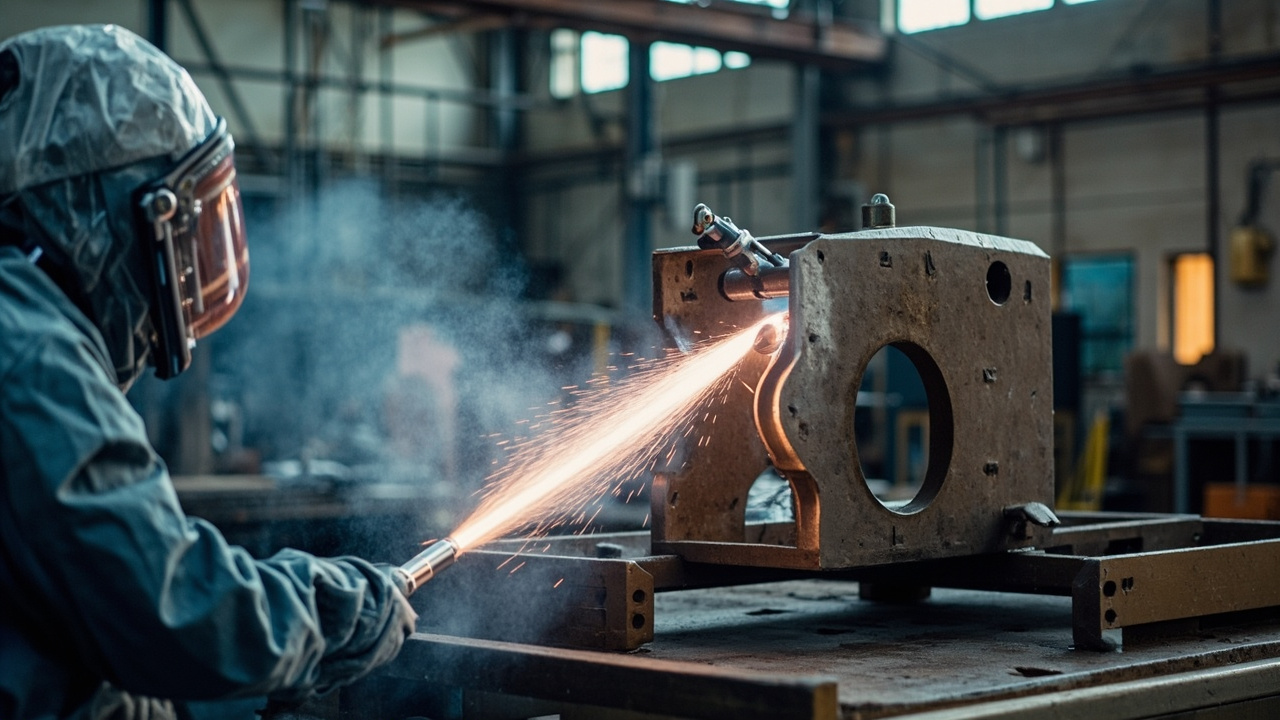
Traditional solvent-based anti-rust paint relies on organic solvents to dissolve the resin and adjust application viscosity, and the solvent volatilizes to form a film after painting. This process releases large amounts of volatile organic compounds, polluting the atmosphere and harming the health of applicators, and is increasingly restricted in enclosed plants and urban engineering. Water-based anti-rust paint uses water as the main dispersion medium, reducing VOCs to a level far below that of solvent-based types, while retaining the basic protective function of the coating. From a policy perspective, the VOC limits for industrial protective coatings are tightening year by year, and water-based conversion is the most direct path to reduce emissions at the source. From a market perspective, downstream owners' demand for "green factories" and "environmental acceptance" also forces coating materials to shift toward water-based. Therefore, water-based anti-rust paint is not an option, but a mandatory answer in many engineering scenarios.
According to the limits of GB 30981-2020, the VOC limit for water-based industrial protective coatings is significantly more lenient than that for solvent-based, but this does not mean relaxation is allowed—the formulation still needs to control hidden organic sources such as film-forming aids. Equating "water-based" with "low VOC" is a misconception; a more accurate statement is "water-based significantly reduces VOC, but is not zero emission".
II. Binder Routes for Water-based Anti-rust Paint
The performance ceiling of water-based anti-rust paint is determined by the water-based resin. There are three mainstream binders, each corresponding to a different protection level:
| Binder Type | Representative Resin | Advantages | Shortcomings | Typical Use |
|---|---|---|---|---|
| Water-based acrylic | Styrene-acrylic/pure acrylic emulsion | Fast drying, weather resistance, low VOC, low price | Average water/chemical resistance | Light–moderate corrosion C2–C3 primer/topcoat |
| Water-based epoxy ester | Epoxy ester emulsion/water dispersion | Adhesion, water resistance better than acrylic | Slower drying, prone to yellowing | Anti-rust primer |
| Water-based alkyd | Water-based alkyd resin | Good leveling, single-component convenience | Weak water and alkali resistance | Light maintenance |
| Water-based epoxy (two-component) | Water-based epoxy + amine curing | Excellent chemical and water resistance | Two-component, complex process | Heavy-duty anti-corrosion primer |
Single-component water-based acrylic and epoxy ester are the main force of "water-based anti-rust paint" due to convenient application; for heavy corrosion, water-based epoxy (two-component) or water-based epoxy zinc-rich is used. When selecting, one should not only look at the word "water-based", but whether the binder matches the corrosion level of the target environment. It should be added that water-based acrylic emulsions are often mainly styrene-acrylic (styrene-acrylate); styrene provides hardness and water resistance, acrylate provides flexibility and weather resistance, and the ratio of the two directly determines the balance of film hardness and toughness; pure acrylic emulsion has better weather resistance but higher cost, and is mostly used for topcoats or high-weathering primers.
III. Corrosion-inhibiting Pigments: The Chemical Core of Rust Prevention
The shielding property of water-based paint is generally weaker than that of solvent-based, because small water molecules penetrate more easily and there are more pores in the early film-forming stage. Therefore, corrosion-inhibiting pigments are more critical in water-based systems than in solvent-based. Common corrosion-inhibiting pigments include:
- Zinc phosphate (Zn₃(PO₄)₂): A classic non-toxic corrosion inhibitor that forms an iron phosphate passivation film at the interface and inhibits the anodic reaction. It complies with environmental trends and is the preferred pigment for water-based anti-rust.
- Aluminum tripolyphosphate (ATP): Hydrolyzes to produce phosphate radicals and aluminum ions, with dual action of passivation and shielding, often used to replace restricted chromates.
- Zinc/calcium molybdate: Anodic passivation, low toxicity, often used synergistically with zinc phosphate.
- Modified flake fillers: Micaceous iron oxide, glass flakes provide lamellar shielding and extend the medium penetration path.
- Zinc dust (zinc-rich system): Provides cathodic protection, see water-based epoxy zinc-rich primer for details.
In formulation, the combination of "zinc phosphate + aluminum tripolyphosphate + flake filler" is common, balancing passivation and shielding while avoiding restricted lead- and chrome-based pigments. This composite approach satisfies environmental protection and compensates for the shielding shortcoming of water-based early film formation. According to public formulation studies, the dosage of zinc phosphate is generally in the range of 15%–40% of the total pigment; too low is insufficient for passivation, too high affects adhesion and storage stability, and needs to be reverse-optimized through salt spray test (GB/T 1771) rather than fixed by a single indicator.
IV. Film-forming Aids: The "Invisible Hero" of Water-based Paint
Water-based resin forms a film by coalescence of emulsion particles. Water has a high heat of evaporation and high film-forming temperature; at low temperatures the particles do not fuse, leading to discontinuous, brittle films with poor water resistance. Therefore, film-forming aids (Coalescing Agent) must be added:
- Common types: Texanol (i.e., 2,2,4-trimethyl-1,3-pentanediol monoisobutyrate), propylene glycol butyl ether, dipropylene glycol butyl ether;
- Mechanism: Softens latex particles, lowers the minimum film-forming temperature, enabling particles to fuse into a dense film;
- Cost: Film-forming aids are mostly organic solvents and an important source of VOC in water-based paint—so "water-based" is not zero VOC, but significantly lower than solvent-based. GB 30981-2020 has a dedicated, more lenient limit for water-based industrial protective coatings, but the formulation still needs control.
In process, film-forming aids can be "post-added" and allowed to slowly volatilize after application, avoiding residue in the film that affects water resistance. An excellent water-based formulation finely balances "film-forming need" and "low VOC", selecting high-efficiency film-forming aids with moderate volatility. According to research, the addition of Texanol usually accounts for 3%–8% of the emulsion mass; excess lowers the minimum film-forming temperature but slows practical drying and raises VOC, and should be determined based on the minimum film-forming temperature (MFFT) measurement.
V. Flash Rust Inhibition: A Water-specific Problem
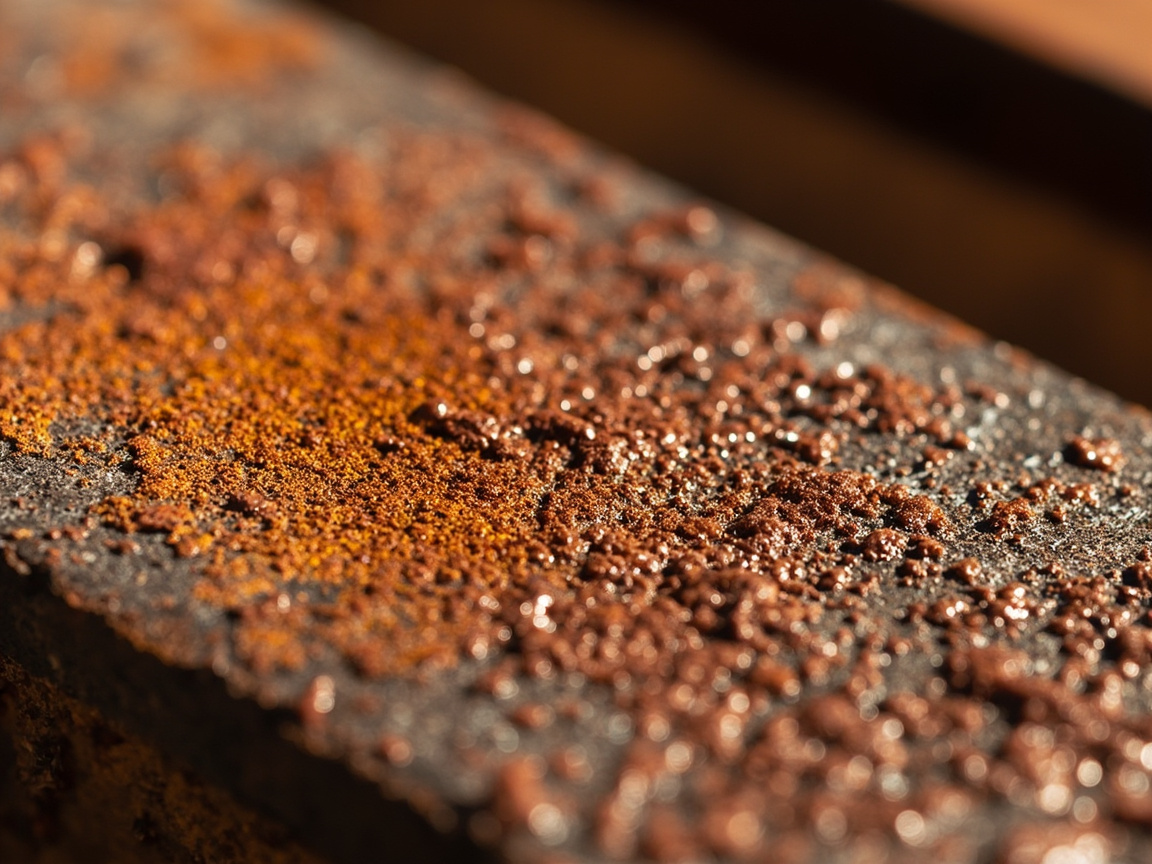
When water-based paint is sprayed onto bare steel, before the water evaporates the metal briefly contacts the water film and is highly prone to generating a fine layer of red rust before surface drying—this is flash rust. It is the most typical field defect of water-based anti-rust paint and a key additive module distinguishing water-based systems from solvent-based. Approaches to solve flash rust include:
- Flash-rust inhibitors: Such as sodium nitrite (strong but restricted), molybdate, borate, organic amines (e.g., 2-amino-2-methyl-1-propanol), benzoates, forming temporary passivation protection at the metal interface;
- Raise pH: Alkaline environment slows iron dissolution;
- Speed up surface drying: Reduce water film residence time;
- Avoid high-concentration chloride water: Use pure water for preparation to prevent introducing corrosion sources.
The dosage of flash-rust inhibitor needs balancing—excess may cause water sensitivity, blistering, or affect intercoat adhesion. This is where water-based anti-rust formulation most tests experience: it must inhibit flash rust without sacrificing other properties. Although sodium nitrite is strongly effective against flash rust, due to nitrosamine risk and regulatory restrictions, modern formulations prefer molybdate/organic amine composite systems to achieve a sufficient inhibition window under environmental compliance.
VI. pH, Freeze-thaw and Storage Stability
The water-based system is a "colloidal dispersion", and its stability is very sensitive; both storage/transport and formulation require extra care:
- pH control: Most water-based paints are maintained at pH 8–9 (adjusted with ammonia water or organic amine); acidic tends to flocculate and corrode packaging;
- Freeze-thaw stability: Ice formation in the water phase destroys latex particles; antifreeze (e.g., propylene glycol, but weigh VOC and toxicity) is needed, or more realistically require storage/transport above 5℃;
- Anti-settling/thickening: Use associative polyurethane thickeners, alkali-swellable thickeners to control rheology, prevent pigment settling, and improve spray atomization;
- Preservation and sterilization: The water phase easily breeds bacteria; in-can preservative is needed but must comply with regulations.
These "invisible additives" determine whether a bucket of water-based coating can stably travel from the factory to the construction site without separation or spoilage. The root cause of many on-site problems (such as separation on opening and abnormal odor) lies in poor storage stability. The freeze-thaw cycle test is usually conducted according to GB/T 9268 or enterprise standards for three to five cycles, observing whether there is flocculation, caking, or drastic viscosity change; only qualified products can enter the field storage and transportation chain.
VII. Application Window: More Picky About Temperature and Humidity Than Solvent-Based
The application boundary of water-based coating is narrower than that of solvent-based, which is the main reason it is criticized as "difficult to apply":
- Temperature: 5–35°C; below 5–10°C film formation is difficult and flash rust is likely; above 35°C surface drying is too fast and orange peel occurs;
- Humidity: relative humidity ≤ 75–85%; high humidity delays evaporation and prolongs water film contact, leading to flash rust and poor adhesion;
- Dew point: substrate temperature must be 3°C above the dew point (per ISO 12944-2) to prevent condensation;
- Film thickness: a single coat should not be too thick (water evaporates slowly, prone to sagging and pinholes); usually applied in 2 coats, dry film thickness controlled at 60–120 µm (depending on the system).
This is consistent with the environmental requirements for surface treatment for painting over rust: water-based systems rely more on standardized surface and climate control, and applicators cannot directly apply solvent-based experience. For southern regions with high relative humidity, it is recommended to equip with dehumidification and forced ventilation, shifting from "weather-dependent application" to "equipment-dependent application" to stably deliver the performance of water-based coating.
VIII. Performance Evaluation and Standards
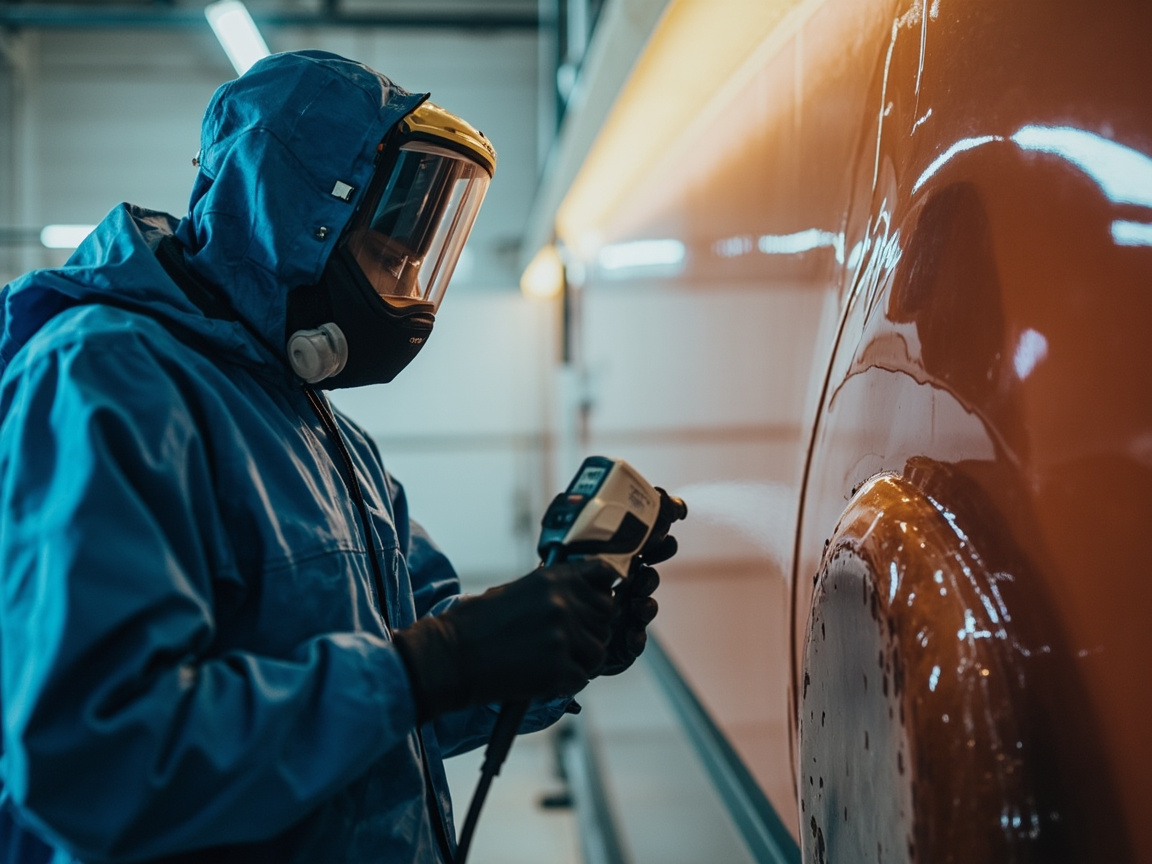
The acceptance of water-based anti-rust paint shares a set of corrosion and physical methods with solvent-based:
- Salt spray resistance: GB/T 1771 (neutral salt spray); high-quality water-based anti-rust primer systems often require 240–720 h without blistering and controllable scribe creep;
- Adhesion: GB/T 9286 cross-cut (grade 0/1 excellent), GB/T 5210 pull-off;
- Water resistance: GB/T 1733 (immersion) or GB/T 5209 (condensation);
- Volatile organic compounds: GB 30981-2020 (limits for water-based industrial protective coating are significantly lower than solvent-based);
- Drying: GB/T 1728 (surface dry / hard dry);
- Storage stability / freeze-thaw: relevant national standards or enterprise standards.
Note: the "early water resistance" of water-based coating is generally weaker than solvent-based, requiring sufficient curing (over 7 days) before water resistance testing, otherwise misjudgment occurs. This is also the source of many on-site disputes—immersed in water just two days after painting, blistering occurs and the paint is blamed, but in fact it is insufficient curing. To distinguish early water resistance from final water resistance, it is recommended to conduct acceptance in two stages: the first stage tests basic water resistance after 7 days of curing (GB/T 1733 immersion for 24–48 h without blistering as the pass line); the second stage tests again after 28 days of curing to confirm the system reaches the designed water resistance grade. Data from both stages are filed together, which avoids misjudgment and proves to the owner that "performance meets standard after proper curing", reducing unnecessary quality disputes.
IX. Formulation Balance: No Perfection, Only Trade-offs
A usable water-based anti-rust formulation for engineering is a compromise of the following tensions:
| Objective | Conflict | Orientation |
|---|---|---|
| Low VOC | Film-forming aids contribute VOC | Select low-toxic high-efficiency film-forming aids, control minimum film-forming temperature |
| Fast drying | Film-forming aids / flash rust inhibition require slow evaporation | Balance surface dry and coalescence |
| Strong water resistance | Hydrophilic additive residues | Post-add, sufficient curing |
| Low cost | Performance pigments are expensive | Compound inhibition rather than single high addition |
The formulation philosophy of Kexin New Materials (kexinMaterials) is to "first define the environmental grade (ISO 9223 C2–C4), then define the resin—pigment—additive combination", rather than using one formula for all conditions. For example, C3 urban steel structures can use water-based acrylic with zinc phosphate composite system; C4 coastal should be upgraded to water-based epoxy ester or water-based epoxy two-component with flake shielding. It should be noted that formulation balance is not "taking the middle ground on all items", but "weighting key performance by working condition"—for coastal projects prioritize salt spray resistance and early water resistance; for indoor equipment prioritize fast drying and cost; the priority of trade-offs is determined by the service environment, not by the formulator's preference.
X. Common On-site Failures and Troubleshooting
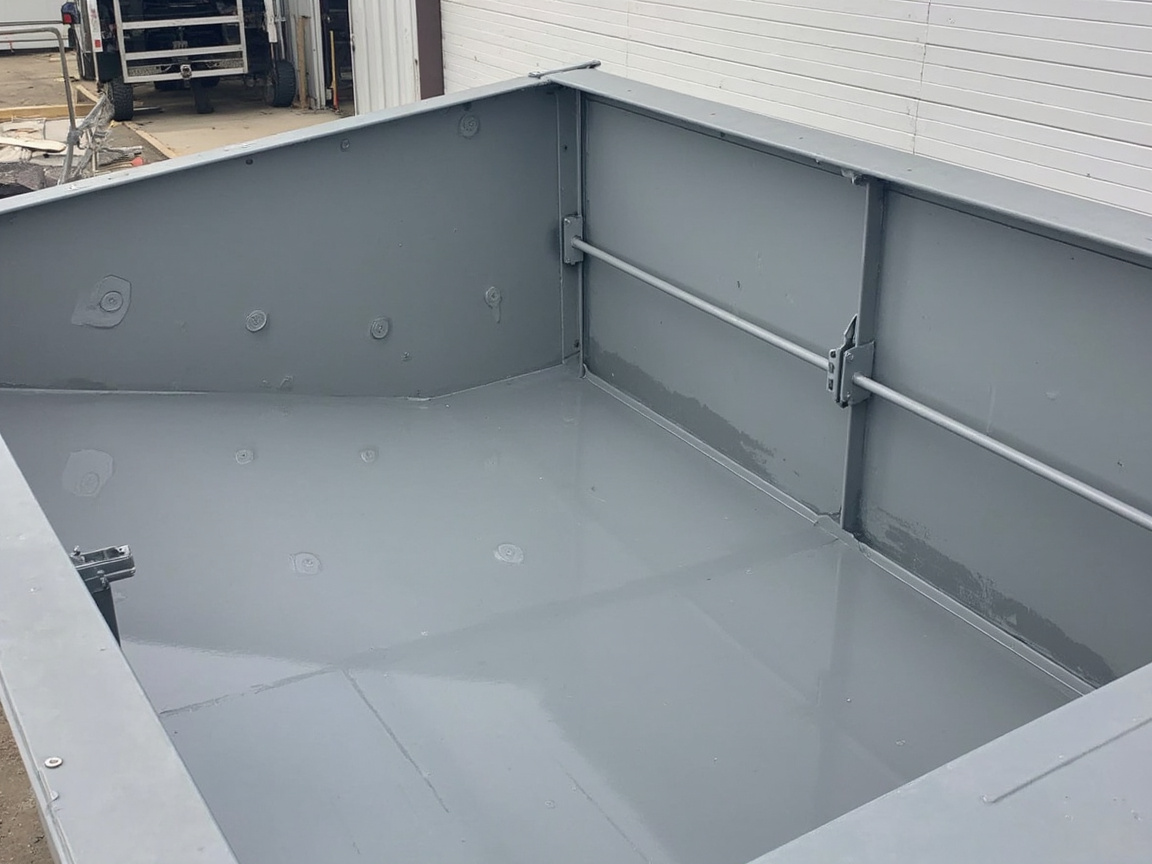
On-site failures of water-based anti-rust paint are mostly related to "water": flash rust (high humidity, bare steel), sagging (single coat too thick, excessive water added), pinholes (surface dry too fast trapping bubbles), poor adhesion (condensation, oil, insufficient curing), early blistering (not hard dry before immersion). The general principle of troubleshooting is to put "water management" first: control temperature and humidity, control film thickness, sufficient curing, degrease and desalinate. Many failures are not formulation problems but construction discipline problems. For on-site emergency of flash rust, a sealer coat containing flash rust inhibitor can be applied without polluting the system, but the fundamental solution is still temperature/humidity and surface dry control.
XI. Trade-offs with Solvent-Based Anti-Rust Paint
Water-based anti-rust paint is superior in environmental protection, safety, and odor, but weaker than solvent-based in early water resistance and tolerance to application environment. Therefore the trade-off logic is clear: scenarios with strict environmental requirements, poor ventilation, and near human residence prioritize water-based; heavy corrosion, harsh conditions, and uncontrollable construction conditions can still use high-solid or solvent-based systems as transition. The industry trend is "water if possible, otherwise high-solid", both approaching low VOC goals. In enclosed plants, underground garages, food and pharmaceutical workshops—places sensitive to odor and safety—the benefit of water-based far exceeds the cost of its performance compromise.
XII. Selection Advice
When selecting water-based anti-rust paint, do not just ask "is it water-based", but ask: is the binder type matched to the environmental grade? Is the inhibitive pigment system environmentally friendly and effective? Are film-forming aids and VOC compliant? Are there salt spray data per GB/T 1771 and adhesion data per GB/T 9286? Clarifying these questions avoids being misled by the "water-based" label. For critical structures, the manufacturer should also be required to provide salt spray reports of samples consistent with the design system, rather than isolated product tests, because the intercoat and compatibility of water-based systems greatly affect the final result.
XIII. Formulation Evolution and Engineering Trends of Water-Based Anti-Rust Paint
Water-based anti-rust paint is not a static technology but continuously evolving. Early water-based anti-rust was mostly water-based alkyd or simple acrylic, with limited performance, only usable in the lightest corrosion environments. With the maturity of water-based epoxy ester, water-based two-component epoxy, and water-based polyurethane, water-based systems began to enter medium—heavy anti-corrosion fields. The main lines of formulation evolution are three: first, greening of film-forming aids, using more efficient and lower-toxic types to reduce VOC contribution; second, non-toxication of inhibitive pigments, completely abandoning lead and chromium systems, turning to zinc phosphate, aluminum tripolyphosphate, molybdate, and new organic inhibitors; third, customization of resins, designing better particle size, glass transition temperature, and crosslink density for water-based characteristics to compensate for the inherent shortcomings of aqueous film formation.
At the engineering implementation level, the promotion of water-based anti-rust paint is pulled by two factors: on one side the push of environmental regulations and owners' green demands, on the other side the pull formed by construction habits and early water resistance shortcomings. The breakthrough is "process front-loading"—turning the control of temperature/humidity, film thickness, and curing from "experience" into "system". For example, stipulate the application window as temperature 10–35°C, relative humidity ≤ 80%, enforce two-coat application with sufficient surface dry between coats, and water resistance test only after 7 days of curing. Many projects report "water-based coating doesn't work", but tracing often shows the applicator still uses solvent-based rough habits: one thick coat, rushing work in high humidity, immersing the next day—problems naturally arise. With process cards properly executed, water-based systems can fully meet most C2–C4 scenarios.
The relationship between water-based anti-rust paint and the overall system is also worth emphasizing. It rarely stands alone, but exists as "primer" or "primer-topcoat in one" in a larger protective design. For example, in C3 urban steel structures, a full water-based system of "water-based epoxy ester anti-rust primer + water-based acrylic polyurethane topcoat" can be used; in C4 coastal, it is upgraded to "water-based epoxy zinc-rich + water-based epoxy intermediate + water-based polyurethane topcoat". This full water-based trend is gradually reducing the VOC of heavy anti-corrosion. For the core of full water-based primer, see water-based epoxy zinc-rich primer; for compatibility logic, see anti-rust coating system compatibility design.
From a full life-cycle cost perspective, the "expensiveness" of water-based anti-rust paint is often only in material unit price, while the comprehensive cost (ventilation, labor protection, waste disposal, environmental compliance, health risk) is often lower. Especially near human residence, enclosed plants, and urban sensitive areas, the hidden cost of solvent-based paint is extremely high, and the economy of water-based becomes prominent. Therefore selection should not only compare price per kg, but compare the sum of "compliance cost + construction cost + maintenance cost". This is also the perspective repeatedly emphasized by Kexin New Materials (kexinMaterials) in communication with customers: environmental protection is not adding burden, but internalizing and making explicit the originally hidden external costs, thereby making more rational decisions.
Finally, it should be pointed out as a misconception: water-based does not mean a byword for performance compromise, nor does it mean "universal substitution." Its boundaries are clear—under controlled environments and standardized construction, water-based anti-rust paint can provide protection comparable to solvent-based; but in extreme working conditions, uncontrollable field environments, continuous immersion and other scenarios, one still has to rely on high-solid, solvent-free or solvent-based systems. The real direction of the industry is "use water if possible, otherwise high-solid," approaching the low-VOC target from both ends, rather than forcibly applying one technology to all working conditions.
14. Selection Checklist and Common Disputes of Water-based Anti-rust Paint
Faced with the wide variety of water-based anti-rust paints on the market, the most important thing for purchasers is to establish an executable selection checklist, rather than being led by labels such as "water-based, eco-friendly, non-toxic." The checklist should at least include the following items: First, whether the binder type matches the target environmental grade—acrylic is suitable for light corrosion, epoxy ester and water-based epoxy are suitable for medium-to-heavy corrosion; Second, whether the anticorrosive pigment is eco-friendly and effective, giving priority to zinc phosphate, aluminum tripolyphosphate, molybdate composite systems, and avoiding restricted lead-chromium systems; Third, whether the coalescing agent and VOC are compliant, requiring a test report within standard limits; Fourth, whether there are supporting salt spray and adhesion data done according to national standards, rather than isolated verbal promises; Fifth, whether the application window fits the site conditions, with special caution for field operations where temperature and humidity are difficult to control; Sixth, whether the manufacturer can provide process cards and on-site technical support.
Common disputes mostly focus on "early water resistance" and "flash rust." Construction units often report: the paint was just applied for two days, and it blistered when exposed to rain, so they conclude it is a product quality problem. In fact, water-based paint has many pores in the early film-forming stage and hydrophilic aids have not fully migrated out, so its water resistance is naturally weaker than solvent-based, requiring about seven days of full curing before contact with water. If the contract does not specify the curing period, the two parties are highly prone to disputes. Another dispute is flash rust: bare steel constructed under high humidity shows fine red rust on the surface; the applicator says it is a paint problem, the manufacturer says it is a construction environment problem. The fundamental way to resolve such disputes is still to write the "construction environment boundaries" and "curing requirements" into the contract technical appendix, replacing after-the-fact arguments with clear written terms.
There is also a type of hidden dispute from the generalization of the "water-based" concept. Some products merely add a small amount of water into a solvent-based system and then claim to be water-based; the VOC is not actually reduced, and the performance is unstable. To identify such products, one should look at the specific VOC values in the test report and whether they are tested by the standard method for water-based systems, rather than looking at promotional language. A true water-based system usually has VOC significantly lower than solvent-based, with water as the continuous phase, and its storage and application characteristics are markedly different from solvent-based. Therefore, when purchasing, insisting on "relying on test reports and standard methods" is the most reliable way to avoid the trap of concept generalization.
From the perspective of supplier selection, it is recommended to prioritize cooperation with manufacturers that can provide complete technical documents, are willing to do sample verification, and can dispatch personnel for on-site guidance. The effect of anti-rust paint highly depends on construction; suppliers that only sell products without providing service support are often the hardest to hold accountable when project problems occur.Kexin New Materials (kexinMaterials) practices "product + process card + on-site retest" packaged delivery, implementing every item in the selection checklist into executable and acceptable actions, which is also the most pragmatic path to reduce the application risk of water-based anti-rust paint.
15. Storage and Construction Safety Details of Water-based Anti-rust Paint
Although water-based anti-rust paint uses water as the main medium and appears safer than solvent-based, there are still details that must be taken seriously. In storage, water-based systems are sensitive to freeze-thaw; winter transportation and warehousing must ensure above 5°C to avoid freezing that damages the emulsion; after opening, it should be used up as soon as possible, and unused buckets should be tightly closed to prevent surface skinning and bacterial contamination. In construction, although there is no solvent explosion risk, water-based paint mist may still irritate the respiratory tract; the spraying area should be ventilated and operators should wear dust masks; amine or anticorrosive aids should be washed off promptly after skin contact. Wastewater from cleaning tools contains resin and pigments and should be collected and treated as industrial wastewater, not arbitrarily poured into sewers. Institutionalizing these details ensures the safety and eco-friendly advantages of water-based anti-rust paint truly take effect, rather than remaining at the promotional level.
From a long-term industry perspective, the penetration of water-based anti-rust paint ultimately depends on two things: first, the continuous progress of resin and aid technology, further narrowing the gap with solvent-based in early water resistance and application tolerance; second, the simultaneous upgrade of applicator habits, from extensive to refined. Neither can be omitted. When more projects can execute water-based systems according to specifications and accumulate reliable long-term data, market trust in it will shift from "forced compliance" to "active choice." This is both the result of environmental policy promotion and the inevitability of increased technology maturity.
FAQ
Q: Is the VOC of water-based anti-rust paint really zero?
A: No. Water-based paint uses water as the main solvent, but coalescing agents and cosolvents still contain small amounts of organic matter. GB 30981-2020 has dedicated and more lenient VOC limits for water-based industrial coatings. Compared with solvent-based, it is still greatly reduced, but "zero VOC" is a misconception.
Q: What is flash rust and how to solve it?
A: Flash rust is fine red rust generated when water-based paint is sprayed onto bare steel and the water film briefly contacts the metal before surface dry; it is a unique defect of water-based systems. Countermeasures include adding flash rust inhibitors (molybdate, organic amines, etc.), raising pH, accelerating surface dry, using pure water for preparation, and controlling construction temperature and humidity.
Q: Why is zinc phosphate the preferred anticorrosive pigment for water-based anti-rust?
A: Zinc phosphate is non-toxic and eco-friendly; it hydrolyzes at the metal interface to form iron phosphate passivation film inhibiting anodic dissolution, and has good synergy with aluminum tripolyphosphate, molybdate, and flake fillers, avoiding restricted lead-based and chromium-based pigments, conforming to the green trend.
Q: Is the poor early water resistance of water-based anti-rust paint a formulation failure?
A: Not necessarily. Water-based paint has many pores in the early film-forming stage and hydrophilic aids have not fully migrated out, so water resistance is generally weaker than solvent-based; it requires full curing (generally over 7 days) before testing water resistance (GB/T 1733). If it is still poor after curing, it may be a formulation or film thickness issue.
Q: What is Minimum Film Forming Temperature (MFFT)?
A: MFFT is the lowest temperature at which latex particles can fuse into a continuous film, determined by the resin glass transition temperature. Below MFFT, particles do not fuse, leading to discontinuous, brittle film with poor water resistance. The role of coalescing agent is to temporarily lower MFFT to help low-temperature film formation.
Q: Is water-based alkyd suitable for heavy anti-corrosion?
A: Not suitable. Water-based alkyd has good leveling and easy application, but weak water and alkali resistance, mostly used for light maintenance (C2 grade). For medium-to-heavy corrosion, water-based epoxy ester or water-based epoxy (two-component) should be selected, or even water-based epoxy zinc-rich primer.
Q: How to deal with freeze-thaw instability?
A: Water phase freezing damages latex particles causing flocculation. Antifreeze (e.g., propylene glycol, but involving VOC and toxicity trade-offs) can be added; more practical is standardizing storage and transport (above 5°C) and using freeze-thaw stable thickening and dispersing systems in the formulation.
Q: Why is water-based anti-rust paint construction more sensitive to humidity?
A: High humidity delays water evaporation, prolongs the time metal contacts water film, causing flash rust, poor adhesion, and slow drying; and in high humidity environments water is not easily migrated out of the film. Generally, relative humidity ≤ 75–85% and substrate temperature above dew point by more than 3°C are required.
Q: Can water-based paint be compatible with solvent-based topcoat?
A: Use caution. After water-based primer is fully dried, its surface properties differ from solvent-based; directly applying strong-solvent topcoat may cause lifting or insufficient interlayer adhesion. It is recommended to verify according to manufacturer's system, or use water-based primer with water-based/compatible topcoat.
Q: How to judge whether water-based anti-rust paint is qualified?
A: Require the manufacturer to provide GB 30981 VOC report, GB/T 1771 supporting salt spray report, GB/T 9286 adhesion data, and do on-site sample verification as much as possible, rather than just looking at "water-based" promotion.
Further Reading
- Water-based Epoxy Zinc-rich Primer: A high-performance primer route providing cathodic protection in water-based systems.
- Rust-inhibitive Coating Surface Treatment: Prerequisites of water-based anti-rust paint for surface and environment.
- Interpretation of VOC Limit Regulations for Industrial Protective Coatings: Compliance advantages and boundaries of water-based systems from GB 30981-2020.
- Steel Structure Anti-rust Engineering Specification: Full-process Key Points from Design, Surface Treatment to Acceptance
- Rust Stabilizer Field Construction: Process Key Points of Passivation Stabilization and Barrier Sealing
- Anti-rust Paint Salt Spray Test: DIN EN ISO 9227 and GB/T 1771