Zinc alloy die-castings are one of the most widely used die-casting materials in the fields of hardware, sanitary ware, automotive interior parts, locks, zipper pulls, toy structural components, and consumer electronics accessories. They feature high forming precision, the ability to cast extremely thin walls, and a fine surface, making them naturally suitable for appearance parts. However, engineers who have worked on zinc alloy coating have almost all encountered the same nightmare: after baking, the surface bubbles up with dense tiny blisters, adhesion tests show large-area peeling, and stock stored in the warehouse for three months becomes covered with white rust. The root of these problems lies in the unique metallurgical structure and surface chemistry of zinc alloy die-castings. Coating is not simply "spray the paint on and bake it dry," but a complete quality chain that begins in the die-casting workshop.

This article is aimed at coating engineers and procurement managers in hardware factories, sanitary ware factories, auto parts factories, and OEM enterprises. It systematically breaks down the entire process of coating zinc alloy die-castings: why zinc alloy is especially prone to bubbling, how to design the degassing process, whether to choose phosphating or zirconization for pre-treatment, how to match primer and topcoat, why baking temperature must be kept below 180°C, how to troubleshoot common defects one by one, and selection recommendations under the water-based compliance trend. The full text focuses on actionable process parameters, so that after reading, you can check against your own production line item by item.
I. Understanding the Substrate: What Is So "Special" About Zinc Alloy Die-Castings
To coat well, you must first understand the metal. The vast majority of zinc alloy die-castings on the market use Zamak series alloys, the most common being Zamak 3 (Zn-4%Al) and Zamak 5 (Zn-4%Al-1%Cu), with a small amount of high-strength parts using high-aluminum zinc alloys such as ZA-8 and ZA-27. The common characteristics of these alloys determine the four inherent difficulties in their coating.
1.1 The Temperature Ceiling Brought by Low Melting Point
The melting point of Zamak 3 is only 381—387°C, far lower than that of steel and aluminum alloys. More critically, zinc alloy undergoes age softening when exposed to prolonged heat above 120°C, with a significant drop in tensile strength and hardness; the higher the temperature and the longer the time, the worse the dimensional stability. This sets a hard red line for coating: baking temperature generally must not exceed 180°C, with mainstream processes controlled in the 140—160°C range. This means many high-temperature baking paint systems that perform excellently on steel parts (pure amino paints cured at 180—200°C, some powder coatings) must be modified to lower temperatures on zinc alloy, and low-temperature curing capability becomes the first threshold for paint selection.
1.2 Subcutaneous Porosity: The Root of All Evil for Bubbling
Die-casting is a process of high-pressure, high-speed mold filling, where molten metal is injected into the cavity at speeds of tens of meters per second, inevitably entrapping gas. These gases cannot escape in time during rapid solidification and are "frozen" as micron-scale pores 0.05—0.5 mm below the casting surface, known in the industry as subcutaneous porosity. The casting looks smooth and dense when it just comes off the line, but once it enters the baking oven, the gas inside the pores expands with heat and lifts the not-yet-fully-cured paint film, forming typical "pinhole bubbles" or "rice-grain bubbles." Subcutaneous porosity cannot be eliminated by pre-treatment cleaning, and can only be managed through die-casting process optimization (vacuum die-casting, vent block design, slow injection speed adjustment) and pre-baking degassing before coating. This is the core issue that distinguishes zinc alloy coating from other metal coatings.
1.3 Chemical Sensitivity of Amphoteric Metal
Zinc is a typical amphoteric metal, soluble in both acid and alkali. This makes the choice of pre-treatment bath solutions very picky: strong alkaline degreasers (pH above 12) will corrode the substrate surface, producing a loose corrosion product layer; strong acid pickling is even a forbidden zone, able to wash away the surface dimensions of precision die-castings in seconds. Zinc alloy pre-treatment must use weak alkaline degreasing (pH 9—11) and a dedicated low-corrosion conversion coating system; any practice of copying steel pre-treatment formulations will cost adhesion and appearance.
1.4 White Rust: The Invisible Killer in Storage and Transportation
The standard electrode potential of zinc is -0.76V, chemically active. Bare zinc alloy surfaces will generate white, loose basic zinc carbonate corrosion products, commonly known as white rust, within days in humid environments. Even if the surface that has grown white rust is wiped clean, it is microscopically uneven and loose, and direct coating will inevitably result in poor adhesion. Therefore, the dwell time of zinc alloy die-castings from off-line to coating needs strict management, generally requiring entry into pre-treatment within 72 hours; if long-term turnover is needed, temporary anti-rust sealing or passivation must be applied.
II. A Key Step Before Coating: Degassing Pre-Baking Process
If only one piece of advice could be given for a zinc alloy coating line, it would be: add a degassing pre-bake before painting.
2.1 Principle and Parameter Setting of Degassing
The logic of degassing is simple: let the gas in the subcutaneous pores expand and escape before painting, rather than destroying the coating during film curing. The specific method is to pre-bake the workpiece after pre-treatment and drying at a temperature 10—20°C higher than the subsequent baking paint temperature. Typical parameters: for a line with baking temperature of 150°C, set degassing temperature at 160—170°C, hold for 40—60 minutes; for thick-walled parts or old-mold products with severe porosity tendency, extend to 90 minutes. After degassing, the workpiece naturally cools below 40°C before entering the spraying station; the cooling process is equally important—a warm workpiece surface will cause solvent flash-off too fast, triggering pinholes and orange peel.
2.2 Degassing Is Not a Panacea
It needs to be clearly recognized that degassing can only release gas that "has a channel to escape," and is helpless against completely closed deep pores. If the porosity rate of die-casting incoming material is too high (X-ray inspection pore area ratio exceeds 5%, or density test is more than 1.5% below standard value), no coating process can save it. The correct approach is to feed the defect rate data back to the die-casting side and push for vacuum die-casting or process parameter rectification. Establishing a joint inspection standard for incoming material porosity between coating factories and die-casting factories is the management foundation for stable mass production of zinc alloy appearance part projects. Industry experience data shows that combining incoming material porosity control with degassing process can reduce baking paint bubbling defect rate from 8%—15% to within 0.5%.
III. Pre-Treatment System: Degreasing, Conversion Coating, and Rinse Control
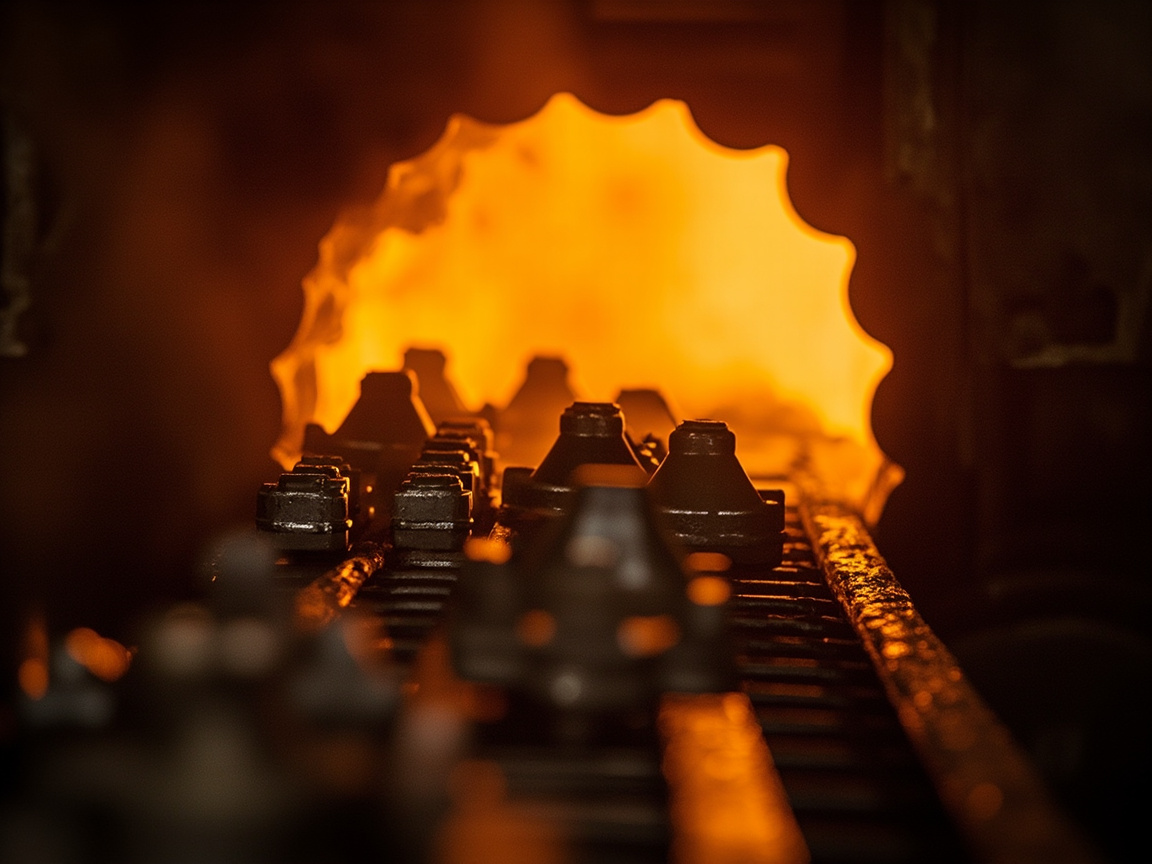
The goals of zinc alloy pre-treatment are threefold: thoroughly remove die-casting release agent and stamping oil, generate a uniform and dense conversion coating to improve adhesion and corrosion resistance, and avoid any over-corrosion. The typical process is: pre-degreasing → main degreasing → rinse ×2 → conditioning (phosphating line) → conversion coating → rinse ×2 → pure water rinse → drying.
3.1 Degreasing: The Difficulty Lies in the Release Agent
Zinc alloy die-casting uses large amounts of silicone-containing release agents, and silicone residues are the number one source of subsequent craters (fish eyes). It is recommended to use a two-stage degreasing: pre-degreasing with 40—50°C weak alkaline degreaser to roughly wash most oil stains, and main degreasing combined with ultrasonic (frequency 28—40kHz) cleaning of deep cavities and blind holes. The degreaser must be a zinc-alloy-specific weak alkaline formula, with pH controlled at 9—11, and free alkalinity titrated and managed according to supplier bath specifications. The on-site method to judge whether degreasing is complete is the water film continuity test: after the workpiece exits the bath and is rinsed, the surface water film not breaking for 30 seconds is qualified.
3.2 Conversion Coating: Phosphating, Zirconization, or Silane
There are three optional conversion coating routes for zinc alloy, each with clear applicable boundaries:
| Comparison Dimension | Zinc Phosphating | Zirconization (Nano Ceramic) | Silane Treatment |
|---|---|---|---|
| Film Formation Principle | Zinc phosphate crystalline film | Fluorozirconic acid nano oxide film | Siloxane chemical bonding film |
| Film Weight | 1.5—3.0 g/m² | 20—100 mg/m² | 10—50 mg/m² |
| Treatment Temperature | 35—55°C | Room temp—35°C | Room temp |
| Adhesion Contribution | Excellent | Good—Excellent | Excellent |
| Salt Spray Contribution | Excellent (with primer 400h+) | Good (with primer 300h+) | Good |
| Phosphorus/Nickel Sludge Content | With phosphorus, with sludge | No phosphorus, minimal sludge | No phosphorus, no sludge |
| Bath Management Difficulty | High (needs conditioning + sludge removal) | Medium | Medium (sensitive to water quality) |
| Comprehensive Cost Trend | High energy consumption | Low-temp energy saving | Low-temp energy saving |
Traditional zinc phosphating has solid anti-corrosion performance, suitable for auto parts and outdoor hardware with strict salt spray requirements; zirconization and silane represent the eco-friendly direction, with room-temperature treatment, no phosphorus, no sludge, and low wastewater treatment cost, rapidly popularizing in sanitary ware and consumer electronics parts in recent years. The principle of selection is: look at the end customer's salt spray hour requirements and environmental audit requirements, not just the bath unit price.
3.3 Rinsing and Drying: Two Underestimated Processes
A considerable proportion of pre-treatment failure cases are not due to bath problems, but to inadequate rinsing and incomplete drying. Rinsing after conversion coating must use counter-current replenishment to control conductivity, and the final pure water rinse conductivity is recommended to be controlled below 30μS/cm, otherwise residual salt will form osmotic pressure bubbles under the paint film. Drying temperature 80—100°C, time 10—15 minutes, ensuring thorough drying of deep cavity holes—residual moisture is the direct source of "water bubbles" after baking.
IV. Coating System Matching: Primer, Topcoat, and Special Effects
The coating structure for zinc alloy coating is generally a "primer + topcoat" two-coat system, and high-end appearance parts use a "primer + pigmented paint + clear coat" three-coat system. The core principle is: the primer is responsible for adhesion and anti-corrosion, the topcoat is responsible for appearance and durability, and the curing temperature of all coatings must obey the 180°C red line.
4.1 Primer Selection
Epoxy primer is the preferred primer for zinc alloy. The hydroxyl and epoxy groups in the epoxy resin molecules have excellent chemical affinity for both zinc surfaces and conversion coatings, and when combined with zinc phosphate anti-rust pigments, can significantly delay filiform corrosion and white rust spread. Low-temperature curing epoxy primer can fully cross-link in 20—30 minutes at 140—150°C, with recommended film thickness of 15—25 microns. For electronic parts requiring conductivity, modified epoxy conductive primer can be selected; for batch parts requiring electrophoretic coating, cathodic electrophoretic epoxy primer's throwing power can cover complex inner cavities, a mature solution in the lock and auto parts industries.
4.2 Topcoat Selection
Topcoats are selected according to performance and effect requirements:
- Amino Baking Paint (Low-Temp Modified): Acrylic amino or polyester amino system, cured at 140—160°C, with full and hard film, good alcohol and sweat resistance, is the mainstream topcoat for hardware and sanitary zinc alloy parts. When selecting, it must be confirmed as a low-temperature curing modified formula; traditional 180°C full-cure amino paint is not applicable.
- Polyurethane Two-Component Paint: Can cure at low temperature or even room temperature, with excellent flexibility and chemical resistance, suitable for thin-wall precision parts extremely sensitive to temperature and handle products requiring high wear resistance.
- Metallic Effect Paint: Aluminum silver paint and pearlescent paint give zinc alloy parts a metallic texture, used with clear coat; for products pursuing mirror chrome effect, electroplating silver paint can achieve an appearance close to real electroplating without going through an electroplating bath, eliminating the environmental burden of hexavalent chromium process.
- Powder Coating (Low-Temp Curing): Low-temperature curing epoxy-polyester powder developed in recent years (140—160°C) makes zinc alloy powder coating possible, with no VOC emission and one-time film of 60—80 microns, suitable for structural parts with high requirements for film thickness and edge coverage, but more sensitive to subcutaneous porosity, so the degassing process must be sufficient.
4.3 Typical Coating Systems and Performance Comparison
| Coating System | Total Film Thickness | Curing Condition | Neutral Salt Spray | Application Scenario |
|---|---|---|---|---|
| Epoxy primer + amino topcoat | 40—55μm | 150℃×30min | 300—500h | Indoor hardware, locks, handles |
| Electrophoretic epoxy + amino topcoat | 45—60μm | 160℃×30min | 500—720h | Auto parts, small batch parts |
| Epoxy primer + PU pigmented paint + PU varnish | 55—75μm | 80℃×40min or room temperature 7 days | 400—600h | High-end sanitary ware, precision thin-wall parts |
| Low-temperature powder coating single layer | 60—80μm | 150℃×20min | 300—500h | Structural parts, parts with high film thickness requirements |
| Epoxy primer + electroplating silver paint + varnish | 45—65μm | 140—150℃ staged | 240—400h | Electroplating-free mirror effect parts |
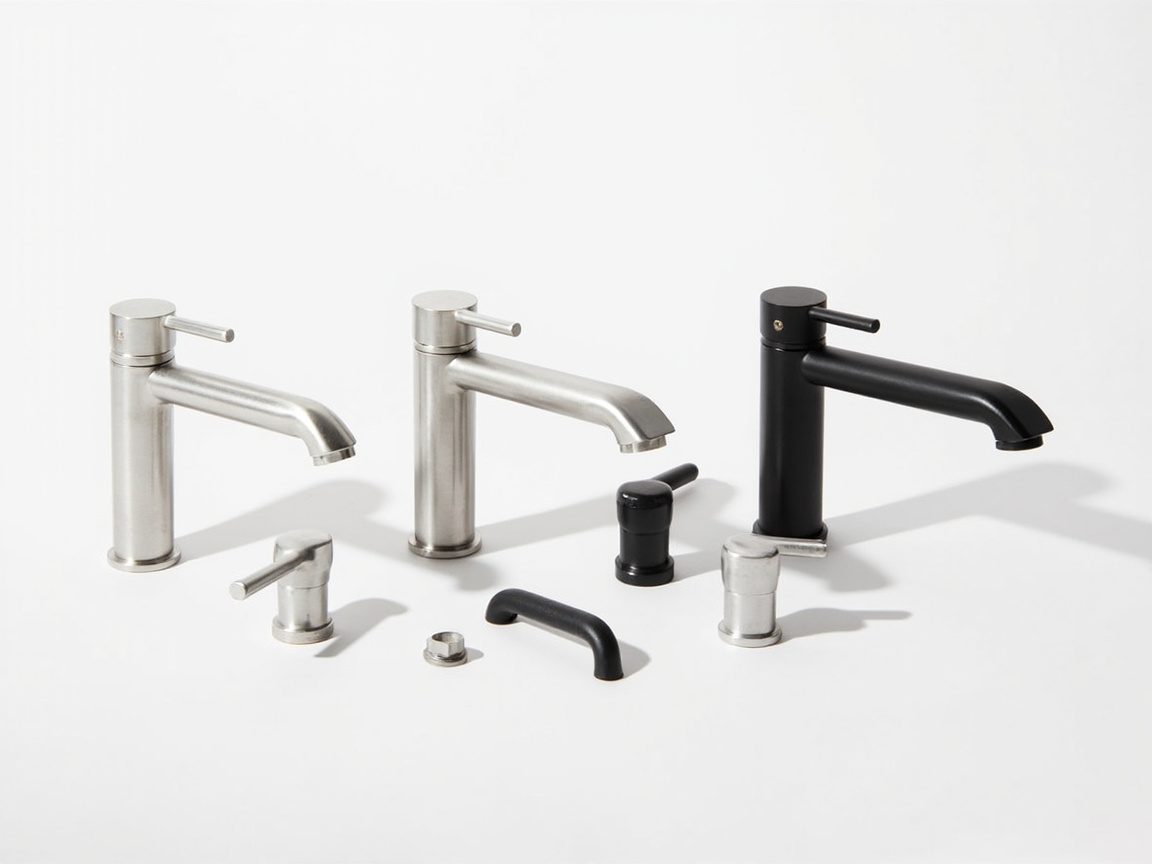
As a representative source coating factory, Kexin New Materials (Guangdong) Co., Ltd. can provide low-temperature curing amino baking paint, epoxy primer and electroplating effect paint complete line matching and OEM customization for zinc alloy substrates, matching formulas according to customer requirements for salt spray hours, alcohol and sweat resistance and appearance grade. This "formula customized by substrate" service model is especially practical for small and medium-sized hardware factories—avoiding the hidden cost of repeatedly trial-and-error with steel paint on zinc alloy.
V. Spraying and Baking: Fine Control of Process Parameters
5.1 Spraying Parameters
Zinc alloy appearance parts are mostly small irregular-shaped parts, and the mainstream adopts reciprocating machine automatic air spraying or rotary cup electrostatic spraying. Key parameters: spraying viscosity (Tu-4 cup) 18—25 seconds, atomization pressure 0.35—0.45MPa, spray distance 180—250 mm, flash drying time 5—8 minutes. Electrostatic spraying works well on zinc alloy (good substrate conductivity), paint transfer efficiency can be increased by 15%—25%, but deep cavity parts have Faraday shielding, requiring supplementary manual spraying stations. Workshop ambient temperature is recommended at 23±3℃, relative humidity 55%—70%; too low humidity easily causes electrostatic breakdown pinholes, too high makes water-based coating flash evaporation slower.
5.2 Baking Curve Management
The principle of baking zinc alloy is "better low temperature long time, not high temperature short time". It is recommended to use a furnace temperature tracker to measure the actual surface temperature curve of the workpiece, rather than just looking at the furnace set temperature. Three control points: heating rate controlled at 3—8℃/min, too fast heating will cause the paint film to surface-dry prematurely, sealing the solvent escape channel; the curing time of the holding section is calculated based on the actual physical temperature of the workpiece, when thick-wall and thin-wall parts are mixed hung, the thick-wall part shall prevail; after coming out of the furnace avoid air-cooling rapid cooling, to prevent micro-cracks caused by the difference in thermal expansion coefficient between the paint film and the substrate. Whenever batch blistering occurs, the first troubleshooting item is always the combination of "whether degassing is in place + whether heating is too fast".
VI. Common Defect Diagnosis and Quick Countermeasure Reference
| Defect phenomenon | High-incidence cause | Countermeasure |
|---|---|---|
| Rice-grain blistering (appears right after baking) | Subcutaneous pores expand by heat | Increase/strengthen degassing pre-baking; feedback to die-casting end to reduce porosity rate |
| Fine dense pinholes | Solvent flash evaporation too fast, heating too rapid, humidity too low | Extend flash drying, reduce heating rate, adjust diluent volatility gradient |
| Cross-cut adhesion peeling | Incomplete degreasing, abnormal conversion film, overdue storage white rust | Recheck water break test, bath titration, control 72-hour painting window |
| Cratering fish eye | Silicone release agent residue, compressed air with oil | Strengthen two-stage degreasing + ultrasonic, air compressor add precision oil-water separation |
| White rust spreading under paint film | Pre-treatment water wash residual salt, under-film permeation corrosion | Pure water wash conductivity control, increase primer film thickness and anti-rust pigment |
| Edge bare substrate | Paint film edge shrinkage, electrostatic tip effect | Increase application solids, edge pre-spray, switch to powder coating |
| Color difference and gloss loss | Uneven furnace temperature, over-baking, poor metallic paint orientation | Furnace temperature uniformity verification ±5℃, control baking window, adjust atomization |
It is worth emphasizing that about 70% of zinc alloy coating defects are unrelated to the coating itself, but arise from die-casting incoming materials, pre-treatment and baking management. Establishing the four daily records of "incoming material porosity rate—water break test—conductivity—furnace temperature curve", the vast majority of batch accidents can be intercepted before they occur.
VII. Quality Inspection: Mandatory Verification Items Before Shipment
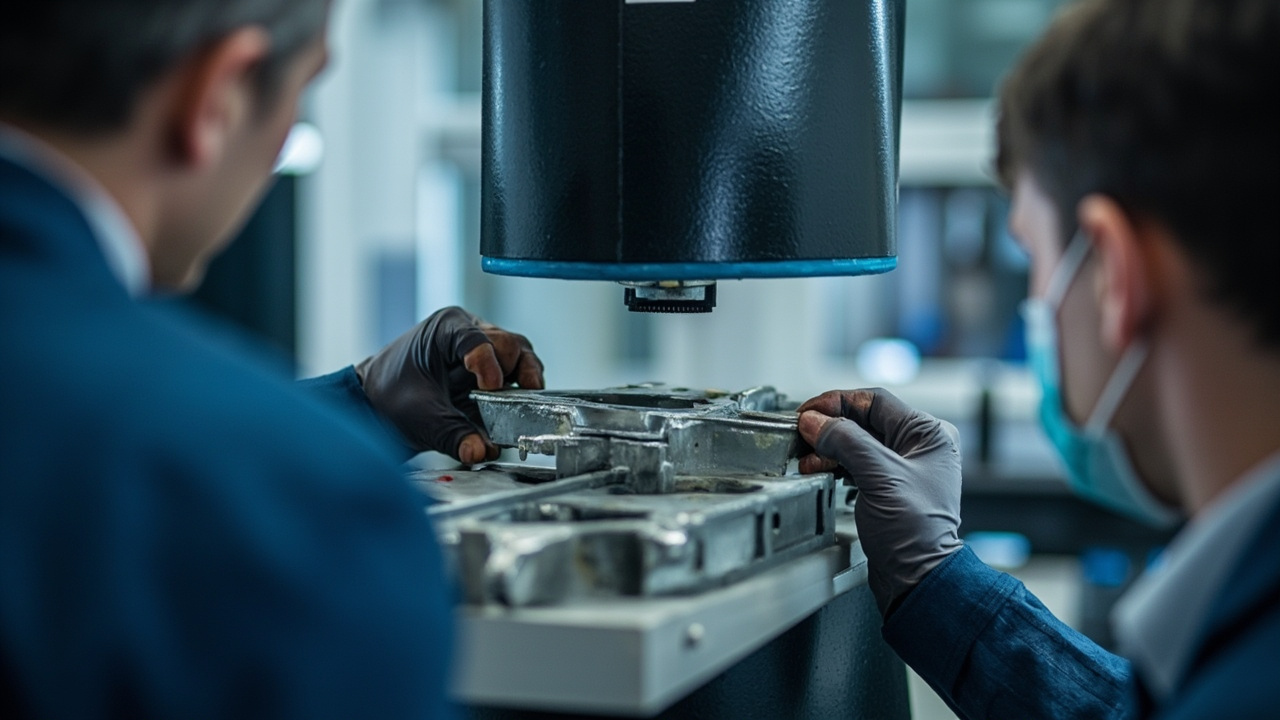
The routine inspection items and reference standards for zinc alloy coated parts are as follows: film thickness measured by magnetic/eddy current dual-use thickness gauge according to GB/T 13452.2, note that zinc alloy is a non-magnetic substrate and eddy current mode must be selected; adhesion by GB/T 9286 cross-cut method, requirement grade 0—1; hardness by GB/T 6739 pencil method, generally requirement above H; neutral salt spray resistance by GB/T 10125, according to product grade requirement 240—720 hours, cross-cut area unilateral creep corrosion not exceeding 2 mm; alcohol resistance with 95% ethanol cotton cloth 500 g force reciprocating wipe 50—100 times without bare substrate; for handle and lock parts with frequent hand contact, add artificial sweat immersion and RCA paper tape abrasion test. Sanitary ware parts should also do humidity heat resistance (GB/T 1740) and cold-hot cycle test, simulating bathroom high-humidity temperature-change environment.
VIII. Water-based and Environmental Compliance: An Inescapable Direction
With the mandatory implementation of GB 30981 on VOC limits for industrial protective coatings and the tightening of pollutant discharge permits for the coating industry in various regions, the water-based transformation of zinc alloy coating is accelerating. The application of water-based acrylic amino baking paint and water-based epoxy primer on zinc alloy has matured, the low-temperature curing window is basically the same as solvent-based, and VOC content can be controlled below 250g/L. Three key points for implementation: first, water-based coating is more sensitive to pre-treatment cleanliness, degreasing and water wash standards should be raised accordingly; second, the flash drying section needs to add dehumidification or heating devices to control water evaporation rate; third, the air volume and moisture exhaust of the baking tunnel need to be re-balanced to avoid "surface dry inside wet" false curing. For new production lines, it is recommended to directly design the paint mixing room with constant temperature and humidity and tunnel moisture exhaust according to water-based coating standards; for old line transformation, a gradual route of "primer water-based first, topcoat step-by-step switch" can be adopted to fragment the risk. The kexinMaterials brand's water-based industrial baking coating system provides matching tank-side technical services for such low-temperature substrate scenarios, helping factories find a balance between compliance and yield.
IX. OEM Procurement Perspective: How to Evaluate Zinc Alloy Coating Supply Chain
For brand owners and procurement managers, evaluating zinc alloy coating matching capability can focus on five questions: whether the supplier has measured curing curve reports for low-temperature curing (≤160℃) product lines; whether they can provide third-party test data for adhesion and salt spray on zinc alloy substrates, rather than steel plate data; whether they have the capability to output the entire line process from degassing, pre-treatment to coating; whether batch color difference management has color difference meter data (ΔE≤0.5 is excellent); whether environmental qualifications cover VOC limits and hazardous waste treatment chain. The proportion of coating unit price in the total cost of zinc alloy projects is usually less than 8%, while the loss of a single batch blistering rework often exceeds the entire batch of coating payment—placing the evaluation focus on process service capability rather than unit price is the common conclusion of all procurement who have stepped on pits.
X. Deep Collaboration with Die-casting End: Good Coating is "Cast" Out
The previous text repeatedly emphasized the importance of incoming material porosity rate. This chapter thoroughly explains the specific levers that the die-casting end can cooperate with, for direct reference by coating factories in technical meetings with die-casting suppliers.
10.1 Five Die-casting Parameters Affecting Subcutaneous Pores
Injection speed is the first variable. When the fast injection speed is too high (exceeding 4 m/s), the molten metal is in an atomized spray state in the mold cavity, and the gas entrainment rises sharply; moving the fast injection start point backward, appropriately reducing the fast injection speed, combined with increasing the internal gate cross-section, can significantly reduce gas entrainment. The second is the mold exhaust system: insufficient total cross-section area of exhaust slots or positions avoiding the last filling area, the gas has nowhere to go but to be entrained into the casting; the combination of wavy slag-collecting exhaust block and vacuum valve is the standard configuration for appearance part molds. The third is dwell time and mold temperature: too low mold temperature leads to excessive chill layer, making it harder for gas to diffuse and escape to the surface; stabilizing the mold temperature in the 160—200℃ range with a mold temperature machine is beneficial to both surface quality and pore distribution. The fourth is alloy liquid treatment: zinc liquid overheated for a long time (exceeding 440℃) will aggravate gas absorption and oxide slag entrainment, the frequency of slag raking and melting furnace temperature control discipline are directly reflected in the porosity rate. The fifth is the proportion of re-melted material: when gate material and scrap re-melting exceed 50%, oxide inclusions increase significantly; for appearance parts, it is recommended to control the proportion of re-melted material within 30% and undergo refining.
10.2 Is Vacuum Die-casting Worth It
Vacuum die-casting extracts the mold cavity gas at the moment of filling, reducing the gas content of the casting by 60%—80%, which is a root-cause solution to subcutaneous pores. Its cost is mold modification (vacuum valve, sealing system) and slightly reduced cycle, with unit cost increasing by about 5%—12%. The decision logic is clear: for any baking appearance part, and projects with annual output sufficient to amortize mold modification costs, vacuum die-casting is almost always cost-effective—reducing the coating section's rework rate of over 8% blistering to below 1%, the saved rework and scrap costs far exceed the die-casting end increment. For low-value structural parts it is unnecessary.
10.3 How to Set Incoming Material Joint Inspection Standards
It is recommended that coating factories and die-casting factories jointly agree in writing on three joint inspection indicators: X-ray flaw detection random inspection pore grade (refer to ASTM E505, appearance parts recommended within grade 2); density equivalent random inspection (Archimedes method, deviation from theoretical density not exceeding 1.2%); surface defect visual standard (limit samples for cold shut, flow mark, pull scratch sealed). Each batch attached with inspection data, when batch coating blistering occurs, the joint inspection data shall define responsibility. This mechanism seems cumbersome, but actually converts "bickering cost" into "prevention cost", the larger the project the more worthwhile to build.
XI. Complete Implementation of Electrophoretic Coating on Zinc Alloy
For small zinc alloy parts such as locks and auto parts standard parts with annual output of millions of pieces, cathodic electrophoresis is the most cost-effective primer solution, worthy of separate elaboration.
11.1 Why Cathodic Electrophoresis
Cathodic electrophoresis (CED) uses the workpiece as the cathode, and epoxy resin cations deposit on the workpiece surface to form a film under the electric field. Three advantages for zinc alloy: first, strong throwing power, deep cavities, inner holes, and gaps can all be covered with 8—15 micron uniform paint film, which spraying cannot do; second, during electrophoresis the workpiece is in a protected cathode state, no anodic dissolution occurs, friendly to amphoteric metals; third, high degree of automation, hanging jig flow operation adapts to small parts mass production. Note that the bath voltage for zinc alloy electrophoresis should be lower than that for steel parts (180—220V, steel parts commonly 250—300V), too high voltage will produce violent hydrogen evolution on the zinc surface, forming pinholes and burnt film.
11.2 Electrophoresis Process Chain Parameter Quick Reference
Typical zinc alloy electrophoresis line process and parameters: degreasing (weak alkali two-stage, 50℃) → water wash ×2 → zirconium treatment or thin-film phosphating → water wash ×2 → pure water wash (conductivity ≤10μS/cm) → electrophoresis (bath temperature 28—30℃, solids 18%—20%, voltage 180—220V, energization 2—3 minutes) → UF ultrafiltration water wash ×2 → pure water wash → drain → bake (physical temperature 160℃×25—30 minutes). The baking after electrophoresis is also subject to the 180℃ red line constraint, when selecting bath liquid must confirm the low-temperature curing grade with the supplier, the 175—185℃ standard curing window of ordinary steel part electrophoretic paint is too close to the limit for zinc alloy.
11.3 Key Points for Electrophoresis + Topcoat Matching
The electrophoretic primer has low surface energy and is smooth, topcoat recoat adhesion needs attention to two points: do not over-bake the electrophoresis (over-baking causes excessive deep cross-linking on the surface, topcoat bite force decreases, cross-cut adhesion degrades from grade 0 to grade 2—3); if the interval between electrophoresis and topcoat exceeds 48 hours, add sanding or flame activation before top spraying. The topcoat is still selected according to low-temperature amino or PU system, total film thickness controlled at 45—60 microns.
XII. Coating Line Design and Cost Model: Reference for New Production Lines
12.1 Key Nodes of Production Line Layout
A reasonable layout sequence for a zinc alloy paint (baking) line is: loading → pre-treatment (spray or dip) → moisture drying (80–100℃) → degassing bake (160–170℃) → cooling zone → electrostatic dust removal → primer spray → flash dry → topcoat spray → leveling → paint curing (140–160℃) → forced cooling → unloading inspection. The two sections most often cut yet least justifiable to cut: first, the degassing bake and its subsequent cooling zone (the workpiece must be cooled below 40℃ before spraying); second, the electrostatic dust removal curtain before the spray booth—small zinc alloy parts easily accumulate static dust during handling, and dust spots are the second largest source of defects on appearance parts. Spray booth cleanliness is recommended to reach class 100,000; return air filter cotton should be replaced by differential pressure at regular intervals rather than on a fixed schedule.
12.2 How to Calculate Per-Piece Coating Cost
Taking a zinc alloy handle part with a projected area of 0.5 dm² and a dual-coat system as an example, the per-piece coating cost structure is roughly: coating cost (including primer, topcoat and thinner, calculated at an actual transfer efficiency of 40%–55%) accounts for 30%–38%; energy consumption (degassing + two bakes are the major energy users) accounts for 20%–25%; labor and rack depreciation account for 25%–30%; pre-treatment chemicals and water treatment account for 8%–12%; rework from defects accounts for 5%–15%. This structure reveals two cost-reduction truths: improving electrostatic transfer efficiency by 5 percentage points saves far more than squeezing coating unit price by 5%; reducing defect rate from 5% to 1% equals cutting total line cost by 4%–8%. The main battlefield for cost reduction is process management, not procurement price cutting.
12.3 Outsource Coating or Build Your Own Line
For annual coating output value below 3 million yuan, outsourcing to a professional coating factory is usually better—the EIA, hazardous waste, and fixed labor of a baking line are rigid costs that cannot be diluted. When annual output exceeds 8 million yuan, or when delivery and yield are repeatedly bottlenecked by the outsourcer, the control value of a self-built line begins to show. A common solution for the middle ground is "self-build pre-treatment and inspection, outsource spraying and baking" or co-build on-site technical service with the coating supplier, to first keep the quality chain in hand.
13. Appearance Trends and Advanced Effect Coating Processes
The surface effects of zinc alloy appearance parts are evolving from "glossy electroplated look" to diversified textures. Several advanced processes the coating side needs to master:
- Matte and Skin-Feel: Matte black, deep space gray with skin-feel varnish (fine rubber touch) are hugely popular on smart locks and electronic accessories. Skin-feel films are soft; wear resistance and sweat resistance are contradictory points—a stain-resistant skin-feel varnish must be selected and artificial sweat and cosmetic resistance tests added.
- Anodizing Imitation Color: Using dyed transparent paint on zinc alloy to imitate the metallic translucency of aluminum anodizing, with mirror silver or brushed silver paste underneath, visually almost indistinguishable, at a cost far lower than switching to aluminum.
- Two-Color and Local Effects: Using precision masking fixtures or laser engraving, a single part achieves "bright silver + matte black" two-color, the mainstream design language of mid-to-high-end locks. The laser-exposed-base process requires extremely stable interlayer adhesion of the paint film; formulation and baking window must be jointly tuned with laser parameters.
- High-Gloss Mirror: Mirror effect is an extreme test of substrate flatness and cleanliness, usually requiring a primer sanding station; when gloss target is above 90 GU, the leveling time of the varnish and the cleanliness of the oven determine the success rate.
The common point of these effect coatings is higher sensitivity to process windows; at the sampling stage, technical personnel from the coating factory should be stationed for joint tuning, turning "can be made" into "can be made in batches".
14. Practical Tank Solution Management Manual: Turning Pre-Treatment into a Controllable Process
Pre-treatment is the easiest link in zinc alloy coating to run "by feel". This chapter gives management points that can be directly copied into the work instruction.
14.1 Daily Management of Degreasing Tank
The weak-alkali degreasing tank needs to record four parameters per shift: temperature (40–50℃, below 38℃ degreasing power drops sharply), free alkalinity (titrate per supplier spec, generally 8–14 points, replenish proportionally for every 2-point drop), oil content (visually skim floating oil per shift, partially change tank when cumulative oil exceeds 3% of tank solution), ultrasonic power (for main degreasing tanks with ultrasound, transducer failure is often overlooked; verify sound field uniformity weekly with aluminum foil corrosion method). Degreasing tank life is generally 2–4 weeks; rather than full replacement at expiry, the "one-third replacement method" is recommended—discharge one third and replenish new liquid weekly, with smaller tank performance fluctuation and lower total chemical consumption.
14.2 Fine Control of Zirconium Tank
The process window of the zirconium tank is narrower than phosphating and must watch three items: pH 3.8–4.5 (above upper limit insufficient film, below lower limit substrate corrosion), fluorozirconic acid concentration per supplier titration (generally 50–150 ppm effective zirconium), tank solution conductivity (reflects impurity ion accumulation, partially change tank when exceeding supplier upper limit). Zinc ions brought in by zinc alloy parts accumulate continuously; after zinc ion exceeds limit the conversion film becomes blotchy and corrosion resistance drops sharply—this is the most common cause of zirconium lines "mysteriously deteriorating" after three months; the solution is regular zinc ion testing and proportional discard-and-replenish. Post-zirconium rinsing is especially critical; residual fluorozirconic acid continuing to react causes over-converted loose film.
14.3 Key Titration Items for Phosphating Tank
For lines choosing zinc phosphating, titrate free acidity (FA), total acidity (TA) and accelerator concentration per shift; for zinc alloy phosphating the acid ratio (TA/FA) is recommended at 20–30, higher than steel parts (low acid ratio commonly used in the 2010s) to reduce substrate attack. Phosphating sludge cleaned daily, nozzles inspected weekly—nozzle clogging causing local no-film is a "dead zone" on finished goods that will surely fail salt spray.
14.4 Pure Water System and Water Quality Standards
The water quality of final pre-treatment rinse and post-electrophoretic rinse directly caps the corrosion resistance upper limit of the coating. Standard recommendation: tap water rinse conductivity ≤300 μS/cm, final pure water rinse inlet conductivity ≤10 μS/cm, in-tank ≤30 μS/cm. RO membrane replaced by product water conductivity trend rather than fixed cycle; pure water tank covered against dust and disinfected regularly, microbial slime is also a source of craters. Including water quality data in the daily morning meeting board is a low-cost, high-return management action.
15. Standards and Certification Checklist: Cross-Reference at Project Initiation
Common standard systems referenced for zinc alloy coated parts; confirming item-by-item with the customer at initiation avoids later rework:
| Test Item | Common Standard | Typical Requirement (Mid-to-High-End Hardware) |
|---|---|---|
| Coating Thickness | GB/T 13452.2 / ISO 2808 | Dual-coat 40—60μm |
| Cross-Cut Adhesion | GB/T 9286 / ISO 2409 | 0—1 grade |
| Pencil Hardness | GB/T 6739 / ASTM D3363 | ≥H |
| Neutral Salt Spray | GB/T 10125 / ISO 9227 | 240—720h |
| Humidity Resistance | GB/T 1740 | 500h no blister no discoloration |
| Thermal Cycling | Enterprise Standard (-40℃↔85℃) | 10—20 cycles no cracking |
| Artificial Sweat Resistance | ISO 3160-2 / Enterprise Std | 48h no discoloration no gloss loss |
| RCA Abrasion | ASTM F2357 | ≥200 cycles no base exposure |
| VOC Limit | GB 30981 | By coating category limit |
| Hazardous Substances | RoHS 2.0 / REACH | Mandatory for export parts |
For products exported to Europe and America also note: children's accessible products must comply with EN 71-3 migratable element limits; food contact scenarios (e.g. kitchen hardware) need FDA or LFGB evaluation; California Proposition 65 litigation risk for lead and cadmium requires control at both coating and substrate ends. These compliance items should be written into the procurement technical agreement at the coating selection stage, requiring the coating factory to provide corresponding test reports with shipment.
16. Quick Term Reference: No More Talking Past Each Other in Coating Meetings
- Subcutaneous Porosity: Micro-pores under the surface formed by die-casting gas entrapment, main cause of paint bubbling.
- Degassing (Pre-bake): Pre-coating preheat process above curing temperature, releasing gas from pores in advance.
- Amphoteric Metal: Metal that reacts with both acid and alkali; zinc and aluminum are both such.
- White Rust: White basic zinc carbonate corrosion product generated on zinc surface in humid environment.
- Conversion Coating: Inorganic film generated in situ on metal surface via chemical reaction, e.g. phosphating film, zirconium film.
- Surface Conditioning: Surface adjustment process before phosphating, refining phosphating crystals.
- Throwing Power: Ability of electrophoretic paint to cover deep complex internal cavities.
- Faraday Shield: Difficulty of paint deposition in recessed areas due to sparse electric field lines in electrostatic spraying.
- Flash Dry: Short ambientdwell before entering oven after spraying, allowing initial solvent evaporation.
- Part Temperature Profile: Measured temperature-vs-time curve of the workpiece body, the true basis for curing judgment.
- ΔE Color Difference: Quantified indicator of color difference, batch management of appearance parts commonly uses ΔE≤0.5.
- Transfer Efficiency: Ratio of sprayed coating actually deposited on workpiece, electrostatic spraying can exceed 60%.
17. Failure Analysis in Practice: Review of Three Typical Cases
Case 1: Batch bubbling of lock panels, rework rate 12%. On-site investigation found the line cancelled the degassing process to catch up on capacity, and the measured heating rate of the curing oven reached 15℃/min. After restoring 165℃×50 min degassing and slowing the set ramp in the first three zones of the oven, the defect rate of three consecutive batches fell back to 0.4%. Lesson: the degassing process cannot be compromised under any capacity pressure.
Case 2: Bathroom accessories show under-film white rust at 96h salt spray, customer requires 480h. Cross-section analysis showed local no-film in conversion coating, traced to zirconium tank pH drifting to 4.9 (window 3.8–4.5) and no titration for three days. Corrective action: titration record every four hours, pH auto-dosing device, and tighten final pure water rinse conductivity standard from 50 μS/cm to 30 μS/cm; retest passed 500h salt spray. Lesson: conversion coating tank management must be institutionalized; relying on the veteran's "look at the state" is unsustainable.
Case 3: Export zipper pulls with PU topcoat cross-cut adhesion erratic. Investigation found problem batches were all produced on Monday—line stopped two days over weekend, compressed air line accumulated oil and water, Monday start-up sprayed without draining. After adding three-stage precision filtration and start-up drain SOP the problem disappeared. Lesson: the enemy of adhesion is often outside the paint; compressed air quality must be in daily check.
Common insight of three cases: stability of zinc alloy coating is "system capability", single-point optimum cannot save system defects. Turning process parameters into traceable records and experience into SOP is the moat of yield.
17A. Industry Application Map: Coating Requirement Profiles by Terminal
Although all are zinc alloy coating, requirement focus varies greatly across terminal industries; defining process by industry profile is the fastest initiation method.
Smart Locks and Architectural Hardware: Highest appearance grade category, mainstream effects are matte gray-black series and anodizing imitation, core metrics are artificial sweat resistance (panel touched daily), RCA abrasion and cosmetic resistance (hand cream, alcohol disinfectant), salt spray requirement mostly 240—480h. Paint film around fingerprint module also requires dielectric stability; skin-feel varnish must pass high-low temp cycling without tackiness. This industry is近乎苛刻 on color difference—panel, handle, lock body from different batches even different factories, finally assembled together, ΔE management must anchor to standard color plate for full-chain color matching.
Bathroom Accessories and Plumbing Fittings: The core requirements are humidity-heat resistance and detergent resistance. Bathroom environments are subject to high humidity and temperature variation year-round; thermal cycling and humidity-heat tests are the threshold for passing inspection. Toilet cleaners and descalers are mostly acidic, so the acid-alkali wipe resistance of the topcoat must be verified separately. There is high demand for bright chrome effects; the electroplating-free silver paint route has penetrated this industry fastest, with obvious eco-friendly dividends.
Automotive interior parts and standard parts: Door inner handles, button trims, seat belt buckles, etc., in addition to conventional resistance requirements, also have odor and fogging (VOC/Fogging) requirements—the volatile condensate of the paint film at 80–100℃ must meet OEM standards, and odor grade and fogging test data must be obtained when selecting coatings. Automotive-grade projects also require PPAP documents and process capability index (CPK≥1.33); the parameter traceability system of the painting line is a prerequisite for access.
Consumer electronics and wearable accessories: Thin, small parts, fast takt time, intense effect competition; two-tone, gradient, skin-feel, high-gloss mirror finishes coexist. UV clear coat and laser-engraved two-tone processes have the highest usage density, and requirements for spray booth cleanliness are also most stringent (dust spots have nowhere to hide on small high-gloss surfaces). Products iterate quickly, so coating sampling response speed is itself competitiveness; choosing a nearby coating partner that can produce samples within 48 hours is of great value.
Toys and zipper garment accessories: Safety compliance overrides everything; EN 71-3 and CPSIA lead and cadmium limits are red lines, and the coating side must provide heavy metal test reports and lock formulations from arbitrary changes. Zipper pull coating also has unique dry-cleaning agent (perchloroethylene) and detergent resistance requirements; the paint film must not fade or stain fabric under repeated washing and rubbing. Low unit price, extremely high volume; transfer efficiency and automation degree determine profit or loss.
Putting the five industry profiles together, it can be seen: there is no "universal formula" for zinc alloy coating; the first step in project initiation is always to translate the acceptance standards of the end industry into process language, then reverse-derive coating selection and production line parameters.
Eighteen. Difference comparison between zinc alloy and aluminum alloy die-casting coating
Many factories simultaneously make zinc alloy and aluminum alloy die-cast parts; the two coating processes seem similar but actually have many key differences, and special caution against "parameter cross-use" is needed when mixing lines:
| Difference dimension | Zinc alloy (Zamak) | Aluminum alloy die-casting (ADC12, etc.) |
|---|---|---|
| Baking temperature upper limit | ≤180℃, recommended 140–160℃ | Up to 200℃, wider window |
| Subcutaneous porosity sensitivity | High, degassing almost mandatory | High, also needs degassing but higher temperature allowed |
| Degreasing pH tolerance | Weak alkali 9–11, strong alkali corrodes | Medium alkali tolerable, alkali etching can adjust surface |
| Mainstream conversion film | Zinc phosphating/zirconization | Chromating (tightening)/zirconization/silane |
| Storage corrosion form | White rust (fast) | Oxide film thickening, pitting (slow) |
| Electrophoretic voltage | 180–220V | 200–260V |
| Typical defects | Blistering, white rust spreading under film | Blistering, silicon segregation mottling |
Two disciplines for mixed-line factories: if the pretreatment agent is shared, it must operate at the lower limit per the zinc alloy weak alkali standard; if the baking oven is shared, the program must be set according to the zinc alloy temperature red line—rather let aluminum parts bake longer, never let zinc parts exceed temperature. A factory once mistakenly applied the 190℃ aluminum program to zinc alloy door lock panels on night shift; the entire batch had reduced hardness, brittle and cracked paint film, with six-figure single-batch loss—adding permission locks to equipment programs is spending small money to prevent big disaster.
Nineteen. UV coating and dual curing: new variables in zinc alloy efficiency route
UV curing coatings have begun entering the zinc alloy appearance parts field in recent years, the logic being to bypass the temperature red line: UV varnish cures by light in seconds, with overall workpiece temperature rise not exceeding 60℃, fundamentally eliminating aging softening and incomplete degassing baking risks. The mature application form is currently "low-temperature baking basecoat + UV clear coat": the basecoat still goes through 140–150℃ low-temperature baking (thin film, low degassing pressure at this time), the thickest clear coat layer uses UV second curing, total takt shortened by 30%–50%, hardness can reach above 2H. Limiting factors are the same as all UV processes—shadow areas not illuminated do not cure, deep-cavity irregular parts need dual curing (UV+heat or UV+moisture) system as backup. For massive small flat parts like zipper pulls and cosmetic shells, the takt and energy advantages of the UV route have been verified in leading factories, worth piloting.
Twenty. From coating workshop to digitalization: minimum viable solution for parameter traceability
This article repeatedly emphasizes "recording"; finally, here is a low-investment digitalization starter list. Step one, digitize four daily inspection forms: incoming porosity joint inspection sheet, pretreatment bath titration table, oven temperature curve weekly inspection record, finished product inspection daily report—shared spreadsheets suffice, key is photo evidence and timestamps. Step two, install independent temperature recorders (thousand-yuan level investment) on baking and degassing ovens, temperature data auto-archived, enabling immediate replay of the shift curve when batch defects occur. Step three, establish "batch number continuity"—die-casting batch, pretreatment shift, spraying shift, oven batch four numbers connected on the flow card, any after-sales complaint can be located to specific link within two hours. Achieving these three steps, zinc alloy coating quality management moves from "fire-fighting mode" to "archive mode", which is also the soft power most valued by big customers during factory audits.
FAQ
1. Zinc alloy parts blister after baking paint, changed several coating suppliers without resolution, where is the problem?
Probably not a coating problem. The primary suspect for rice-grain or needle-tip blisters is subcutaneous porosity—die-cast trapped gas expands during baking and breaks the paint film. First confirm two things: whether pre-baking degassing 10–20℃ above the baking paint temperature was done before coating; whether incoming porosity rate has a joint inspection standard. After these two are done, blistering usually drops below 0.5%; if still batch blistering, check heating rate and pretreatment residual water.
2. How high can zinc alloy baking paint temperature actually go?
Hard red line 180℃, recommended range 140–160℃. Zinc alloy begins aging softening above 120℃, higher temperature means greater mechanical strength loss, and thin-wall precision parts may deform. So when selecting paint, confirm it is a low-temperature curing formula, and use an oven temperature tracker to measure actual part temperature rather than trusting only the oven display.
3. Can zinc alloy skip conversion film and directly spray primer?
Short-term adhesion may pass, but corrosion resistance will be significantly reduced. Bare zinc surface is active; once moisture penetrates under the film, white rust forms and lifts the coating. Phosphating, zirconization or silane conversion film can more than double salt spray life; not recommended to skip this process for mass-produced appearance parts.
4. How to choose between phosphating and zirconization?
Look at two indicators: end-use salt spray requirement and environmental audit pressure. For automotive outdoor parts requiring over 500 hours salt spray, zinc phosphating with epoxy primer remains the most stable combination; for indoor hardware bathroom parts, or factories facing non-phosphate discharge retrofit pressure, choose room-temperature zirconization, energy-saving and low wastewater treatment cost.
5. Zinc alloy parts stored for two or three months have white powder on surface, can they be coated directly?
No. The white powder is white rust, with micro-loosened substrate beneath. Need rust removal first (special weak acidic white rust remover or light sandblasting), then restart full pretreatment before coating. Better practice is to manage the coating window: coat within 72 hours after offline, overdue parts get temporary passivation storage.
6. Want mirror electroplating effect but environmental assessment blocks the plating line, any alternative?
Yes, electroplating-free silver paint route: three-coat system of epoxy primer + high-gloss silver mirror paint + clear coat, can achieve near electroplated mirror metallic effect, gloss above 90GU, and completely avoids plating wastewater and hexavalent chromium issues. With good clear coat, resistance can meet indoor hardware and most automotive interior standards, a mainstream direction for electroplating-free in recent years.
7. Can zinc alloy parts use powder coating?
Yes, provided selecting 140–160℃ low-temperature curing powder, and degassing must be sufficient—powder forms thick film in one pass, subcutaneous porosity blisters are harder to escape under thick film, requiring stricter incoming porosity rate than liquid paint. Suitable for structural parts and products with high edge protection requirements.
8. Will water-based paint cause substrate corrosion on zinc alloy?
Under standard construction, no. Water in water-based paint wet film evaporates rapidly during flash-off and early baking, with conversion film and epoxy primer shielding, no sustained corrosion condition exists. Real attention points are flash-off dehumidification and oven exhaust retrofit, avoiding moisture residue in film causing blisters and adhesion hazards.
9. Unstable topcoat adhesion after zinc alloy electrophoretic painting, what is the cause?
Two high-frequency points: electrophoretic over-baking causes overly deep surface cross-linking, topcoat cannot bite—control electrophoretic baking at part temp 160℃×25–30 min without extra; too long interval between electrophoresis and topcoat (over 48h) causes surface adsorbed contamination, overdue parts need sanding or activation before top spraying. Also check UF washing adequacy; electrophoretic floating paint residue also destroys recoat adhesion.
10. For small-batch multi-variety zinc alloy parts, is it worth building a baking program for each color?
Worth it, but can simplify. Under same coating system, different colors have basically same curing window; build programs by "system" not by "color"; truly separate programs needed for dark and metallic colors—dark parts heat faster (strong absorption), metallic colors sensitive to baking window (over-bake darkens), these two suggest separate programs with first-piece color difference confirmation.
11. What to note for packaging and transport of coated zinc alloy parts?
Three points: fully cool and place 24h before dense packaging, letting film post-cure and residual solvent release; separate parts with pearl cotton or bubble film, zinc alloy parts are heavy, stacking pressure easily damages paint; for sea-export parts put desiccant in package and seal with moisture-proof bag, high-humidity environment condensation inside package causes uncovered edges to sprout white rust and lift film.
11A. What to note for rework parts (strip and repaint) of zinc alloy?
Zinc alloy stripping cannot use high-temperature burning (over-temp softening deformation), also caution strong alkali strippers (corrode substrate), should select zinc alloy-specific neutral or weak solvent stripper, soak temperature not above 60℃. After stripping, surface activation state changes, must restart full pretreatment and re-degas—rework holes may retain stripper, degassing also bakes off residual liquid. Rework count suggested not over twice; multiple thermal history accumulation causes aging softening and dimensional drift, safety structural parts reworked twice still defective should be scrapped, not flow to next stage.
12. How to quickly judge if a coating supplier understands zinc alloy?
Ask three questions to test depth: what is your recommended curing window for baking paint on zinc alloy (directly eliminate those who cannot answer low-temp solution); how do you suggest setting degassing (be alert to those answering "not needed"); can you provide cross-cut and salt spray actual test reports on zinc alloy substrate rather than steel plate reports. Factories like Kexin New Materials with years of zinc alloy support will proactively ask your die-cast incoming porosity rate and line baking capability—suppliers who instead audit your process are usually the truly knowledgeable.
Conclusion: Making zinc alloy coating a "system engineering"
Reviewing the full text, the knowledge map of zinc alloy die-cast part coating can be compressed into one sentence: temperature red line defines selection, subcutaneous porosity defines process, bath management defines life, parameter traceability defines yield. The 180℃ baking upper limit filters out more than half of general industrial paints, forcing engineers to carefully select within low-temperature curing systems; the physical existence of subcutaneous porosity determines degassing cannot be omitted, and also determines coating plants must reachsynergistic hands to upstream die-casting; daily titration of pretreatment bath and water quality control silently determine how many years products survive in customer warehouses and end environments; and batch-connected parameter records are the only path to turn occasional accidents into attributable, preventable events.
For enterprises building or rectifying zinc alloy coating lines, suggest investing in this order: first build degassing process and oven temp measurement capability (smallest investment, eliminates biggest pain), then sort pretreatment titration and water management (low-cost high-return), then equipment automation and effect paint upgrade (icing on cake). In coating selection, prioritize source factories that can provide zinc alloy substrate actual test data and are willing to joint-debug parameters on line—coating is the product of material, process and management, any zero makes result zero. May this guide help you steadily hold the next batch of zinc alloy parts yield above 99%.
Further Reading
- Fake electroplating beats real electroplating: a complete solution for achieving mirror electroplated silver effect with spray paint
- Waterborne amino baking paint: a high-gloss solution for long-term protection of metal hardware
- Complete analysis of painting pretreatment chemistry: full mechanisms of degreasing / pickling / conditioning / phosphating / passivation / silane and practical guide to bath solution analysis
{"@context": "https://schema.org", "@type": "FAQPage", "mainEntity": [{"@type": "Question", "name": "Zinc alloy parts bubble after baking paint, switched to several coatings with no solution, where is the problem?", "acceptedAnswer": {"@type": "Answer", "text": "Probably not a coating problem. The primary suspect for rice-grain or needle-tip blisters is subcutaneous porosity—die-casting entrapped gas expands during baking and breaks through the paint film. First confirm two things: whether a degassing pre-bake 10–20℃ above the baking paint temperature was done before painting; and whether incoming material porosity has a joint inspection standard. After these two are in place, blistering usually drops below 0.5%; if still batch blistering, then check heating rate and pretreatment residual water."}}, {"@type": "Question", "name": "How high can the baking temperature for zinc alloy actually go?", "acceptedAnswer": {"@type": "Answer", "text": "Hard red line 180℃, recommended range 140–160℃. Zinc alloy begins age-softening above 120℃, the higher the temperature the greater the mechanical strength loss, and thin-wall precision parts may also deform. So when selecting paint, confirm it is a low-temperature curing formula, and use a furnace temperature tracker to measure actual part temperature rather than trusting only the furnace display."}}, {"@type": "Question", "name": "Can zinc alloy be sprayed with primer directly without conversion coating?", "acceptedAnswer": {"@type": "Answer", "text": "Short-term adhesion may pass, but corrosion resistance drops significantly. Bare zinc surface is active; once moisture seeps under the paint film it forms white rust and lifts the coating. Phosphating, zirconizing or silane conversion coating can more than double salt spray life; for mass-produced appearance parts this process step is not recommended to be skipped."}}, {"@type": "Question", "name": "How to choose between phosphating and zirconizing?", "acceptedAnswer": {"@type": "Answer", "text": "Look at two metrics: end-use salt spray requirement and environmental audit pressure. For automotive outdoor parts requiring over 500 hours salt spray, zinc phosphating with epoxy primer remains the most reliable combo; for indoor hardware and sanitary ware parts, or factories facing non-phosphate discharge retrofit pressure, choose room-temperature zirconizing—energy-saving and low wastewater treatment cost."}}, {"@type": "Question", "name": "Zinc alloy parts stored for two or three months have white powdery substance on surface, can they be painted directly?", "acceptedAnswer": {"@type": "Answer", "text": "No. The white powdery substance is white rust, and the substrate beneath is already microscopically loose. Need to first do rust removal (specialized weak-acid white-rust remover or light sandblasting), then re-run the full pretreatment process before painting. Better practice is to manage the painting window: paint within 72 hours after off-line; for overdue parts do temporary passivation storage."}}, {"@type": "Question", "name": "Want mirror electroplated effect but environmental assessment blocks the electroplating line, any alternative?", "acceptedAnswer": {"@type": "Answer", "text": "Yes, electroplated silver paint route: a three-coat system of epoxy primer + high-gloss silver mirror paint + clear coat can achieve a mirror metallic effect close to water electroplating, gloss above 90 GU, and completely avoids electroplating wastewater and hexavalent chromium issues. With good clear coat, durability meets indoor hardware and most automotive interior standards; it is the mainstream direction of electroplating-free in recent years."}}, {"@type": "Question", "name": "Can zinc alloy parts use powder coating?", "acceptedAnswer": {"@type": "Answer", "text": "Yes, provided low-temperature curing powder at 140–160℃ is selected, and the degassing process must be sufficient—powder forms a thick film in one pass, subcutaneous porosity blisters are harder to escape under thick film, and requirements on incoming material porosity are stricter than liquid paint. Suitable for structural parts and products with high edge-corner protection requirements."}}, {"@type": "Question", "name": "Will water-based paint cause substrate corrosion on zinc alloy?", "acceptedAnswer": {"@type": "Answer", "text": "Under standard construction, no. Water in the water-based paint wet film evaporates rapidly during flash-off and early baking, combined with the shielding of conversion coating and epoxy primer, there is no condition for sustained corrosion. The real caution is dehumidification in the flash-off zone and exhaust humidity modification in the oven, to avoid moisture remaining in the film causing blisters and adhesion risks."}}, {"@type": "Question", "name": "Why is topcoat adhesion unstable after electrophoretic painting on zinc alloy parts?", "acceptedAnswer": {"@type": "Answer", "text": "Two high-frequency points: electrophoretic over-baking causes excessively deep surface cross-linking, topcoat cannot bite on—control electrophoretic baking at part temp 160℃ × 25–30 min, do not add more; too long interval between electrophoresis and topcoat (over 48 hours) causes surface adsorbed contamination, overdue parts need sanding or activation before top spraying. Also check if UF washing is adequate; residual electrophoresis paint also destroys recoat adhesion."}}, {"@type": "Question", "name": "For small-batch multi-variety zinc alloy parts, is it worth building a baking paint program for each color?", "acceptedAnswer": {"@type": "Answer", "text": "Worth it, but can be simplified. Under the same coating system, curing windows of different colors are basically consistent; build programs by 'system' not by 'color'; those truly needing separate programs are dark and metallic colors—dark parts heat up faster (strong heat absorption), metallic colors are sensitive to baking window (over-bake darkens), these two types are advised to set separate programs and confirm color difference on first piece."}}, {"@type": "Question", "name": "What to note in packaging and transport of painted zinc alloy parts?", "acceptedAnswer": {"@type": "Answer", "text": "Three points: pack densely only after paint film fully cools and sits 24 hours, letting post-cure and residual solvent fully release; separate part from part with pearl cotton or bubble film, zinc alloy parts are heavy and stacking pressure easily damages paint surface; for sea-export parts put desiccant inside packaging and seal with moisture-proof bag, condensation inside package under high humidity makes uncovered edges grow white rust and lift paint film. 11A. What to note for reworked parts (stripped and repainted) of zinc alloy? Zinc alloy stripping cannot use high-temperature burning (over-temp softens and deforms), also caution strong alkaline strippers (corrode substrate); should choose zinc-alloy-specific neutral or weak-solvent stripper, soak temperature under 60℃. After stripping the surface activation state changes, must re-run full pretreatment and re-degas—rework part holes may retain stripper, degassing also bakes off residual liquid. Rework count advised under two times; multiple thermal histories accumulate age-softening and dimensional drift, safety structural parts reworked twice still defective should be scrapped, not flow to next stage."}}, {"@type": "Question", "name": "How to quickly tell if a coating supplier understands zinc alloy?", "acceptedAnswer": {"@type": "Answer", "text": "Ask three questions to test depth: what is your recommended curing window for baking paint on zinc alloy (directly eliminate those who can't answer low-temp solution); how do you suggest setting the degassing process (be alert if answer 'not needed'); can you provide cross-cut and salt spray actual reports on zinc alloy substrate rather than steel plate reports. Factories like Kexin New Materials with years of zinc alloy matching will proactively ask your die-casting incoming porosity and line baking capability—suppliers that audit your process back are usually the real experts. ## Conclusion: Make zinc alloy painting a 'system engineering' Looking back, the knowledge map of zinc alloy die-cast part painting compresses to one sentence: temperature red line sets selection, subcutaneous porosity sets process, bath management sets life, parameter traceability sets yield. The 180℃ bake limit filters out more than half of general industrial paints, forcing engineers to pick carefully within low-temp curing systems; the physical existence of subcutaneous porosity decides degassing is indispensable, and decides painting plants must reach upstream to die-casting for coordination; daily titration of pretreatment bath and water quality control silently decide how many years product lasts in customer warehouse and end environment; and cross-batch parameter records are the only path to turn occasional accidents into attributable, preventable events. For enterprises building or rectifying zinc alloy painting lines, suggest investing in this order: first build degassing process and furnace temp measurement capability (least cost, eliminates biggest pain), then sort pretreatment titration and water management (low cost high return), then equipment automation and effect paint upgrade (icing on cake). In coating selection, prioritize source factories that provide zinc alloy substrate actual data and willing to joint-tune parameters on line—painting is the product of material, process and management, any zero makes result zero. May this guide help you keep next batch zinc alloy yield steadily above 99%. ## Further Reading - [Fake electroplating beats real electroplating: a complete solution for achieving mirror electroplated silver effect with spray paint](https://www.psste.com/chrome-silver-paint-electroplating-effect/) - [Waterborne amino baking paint: a high-gloss solution for long-term protection of metal hardware](https://www.psste.com/waterborne-baking-paint-guide/) - [Complete analysis of painting pretreatment chemistry: full mechanisms of degreasing / pickling / conditioning / phosphating / passivation / silane and practical guide to bath solution analysis](https://www.psste.com/painting-pretreatment-chemistry-alkaline-degreasing-acid-pickling-conditioner-phosphating-passivation-silane-bath-analysis/)"}}]}