Car paint problems right after spraying? Bubbling, teardrops, and sagging may all be caused by technique!
Automotive painting is a highly technical process that is extremely sensitive to detail. Many beginners and even some repair technicians often hold a misconception—"the thicker the paint, the better the result." In reality, this notion is precisely the root cause of various spraying problems. Blistering, pinholes, runs, sagging, paint film embrittlement and cracking… many of these phenomena are not due to poor paint quality, but to improper spraying techniques.
This article will analyze the real causes behind common automotive paint problems and share the correct methods for professional spraying, helping you avoid a repeat of paint finish tragedies.
1. Why do problems increase when paint is sprayed too thick?
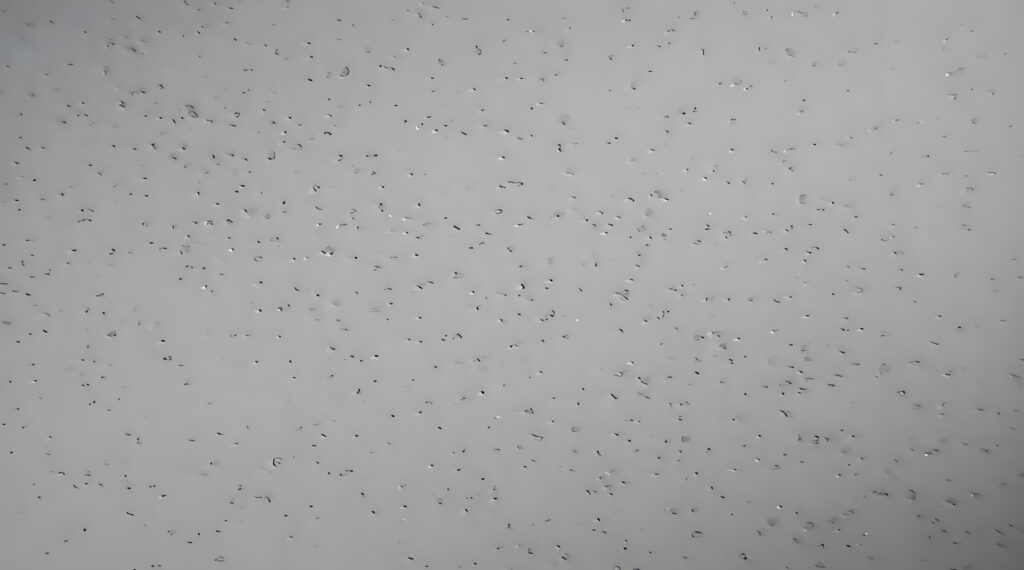
1. Blistering and pinholes: The paint film cannot "breathe", causing solvents to be trapped
The paint needs to "breathe" during curing, that is, the solvent needs to evaporate. If applied too thickly in one coat, the film surface will skin over too quickly; it may appear to dry fast, but in reality a large amount of solvent is trapped inside.
If the solvent volatilizes too quickly, pressure will build up and push small bubbles out of the paint film; or after bursting, they form pinhole-like small holes.
This is the common:
- surface blistering
- densely distributed small pores
- A slight press still yields a soft, sunken feeling.
These are all typical symptoms caused by heavy spraying.

2. Tear marks, sagging: paint "pulled down by gravity"
The thicker the paint film, the more difficult it is to adhere firmly to the vehicle surface.
Before drying, thick paint has high fluidity, and gravity continuously pulls it downward, causing the paint to sag like "melting ice cream" and eventually form runs. The technical term is "sagging".
Sagging not only affects appearance, but also causes uneven local film thickness, leading to a significant decline in durability.


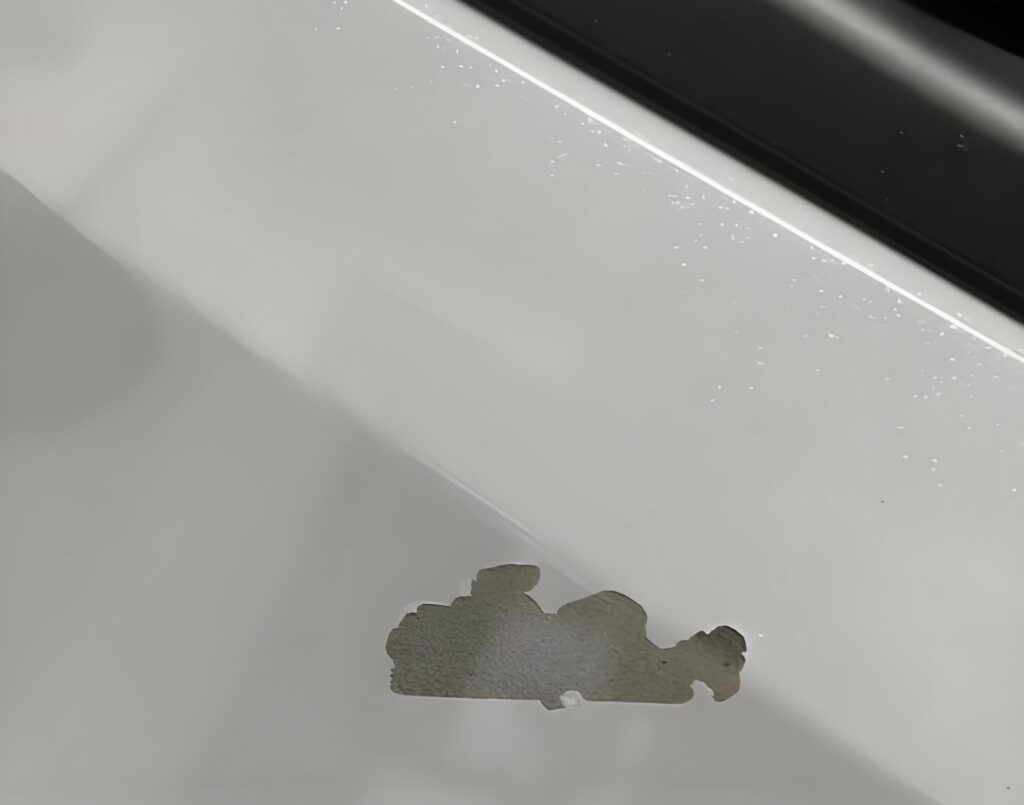
3. Poor adhesion: The internal pressure of the thick paint is high, and it will fall off in whole pieces over time
Many people believe that thick paint films are more durable, but the truth is quite the opposite.
An excessively thick paint film generates enormous internal stress, much like an unfermented thick dough—appearing intact on the surface yet loose and unstable within. Even a slight impact, heating, or vibration can cause it to peel off in whole sheets.

In addition, the thick paint undercoat is difficult to dry completely, and over time this will lead to:
- Paint film becomes brittle
- Cracking
- localized spalling
All these problems stem from: spraying too thick, drying unevenly, and unstable structure.
II. Correct Spraying Method: Thin Coats, Multiple Layers, Re-spray When Half-dry
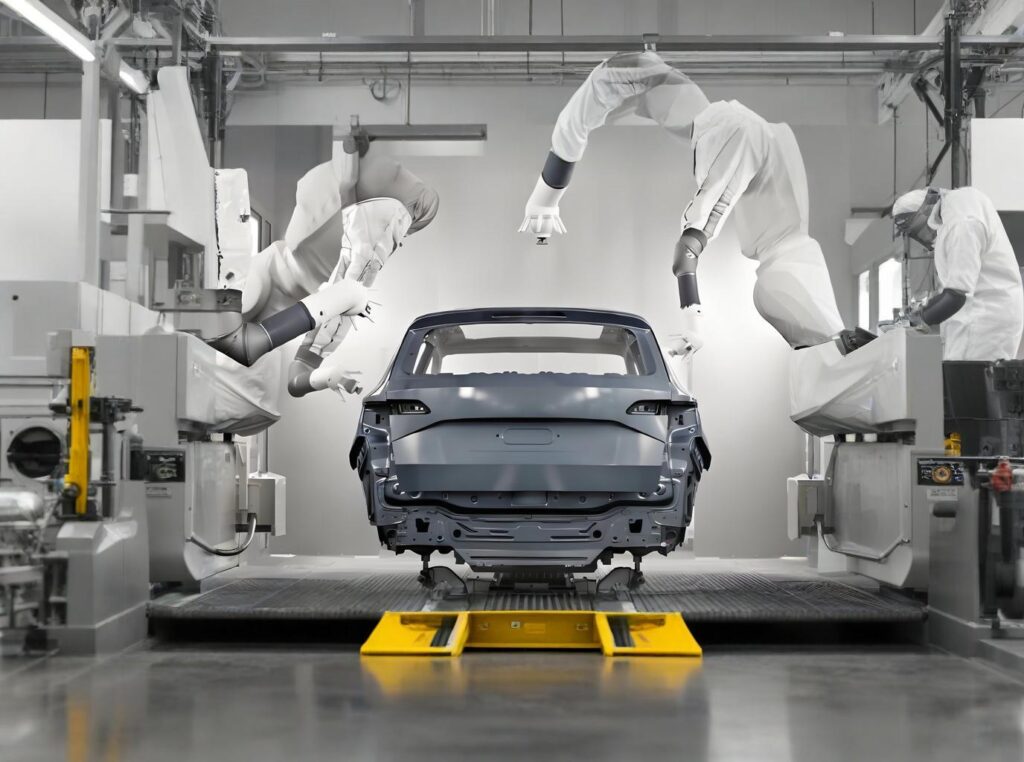
Professional spray painting never wins by "thickness", but by uniform thin films built up layer by layer to form the optimal coating structure.
The correct steps are as follows:
- Apply only a thin mist coat each time you spray
Allow the paint mist to adhere evenly, forming a stable base layer. - Wait until semi-dry state before spraying the second layer
Semi-dry means the surface is not sticky to the touch, but not yet fully cured, which allows the next layer to blend with it. - Spray 2-4 coats depending on the process
Each coat can breathe fully and dry evenly, ultimately forming a smooth, glossy paint film.
The paint sprayed in this way:
- non-foaming
- no-tear marks
- non-detachment
- High gloss
- Full and even color
This is the core principle followed by all professional spray painting technicians:
"Thick coats easily cause problems, thin sprays are more perfect."
3. A good paint finish comes from good technique, not from spraying a lot at once
Automotive painting is a meticulous job, and every pass of the spray gun affects the final result. Haste makes waste—the more rushed you are, the more likely you are to fail. Stay committed to:
- thin-film spraying
- multi-layer application
- appropriate leveling time
- good lighting inspection
You will find that the paint surface is not only mirror-like in gloss, but also more durable.