This article provides an in-depth introduction to the production process of metallic paint, covering raw material proportioning, grinding and dispersion, and quality inspection, as well as the equipment and techniques for spray application, comprehensively explaining how metallic paint is manufactured in the factory and perfectly adheres to metal surfaces to enhance both aesthetics and protective performance.

I. Definition and Application of Metallic Paint
Metallic paint is a decorative coating containing metallic powder or pearlescent pigments, commonly used on metal surfaces of automobiles, machinery, household appliances, and building components. It not only provides a shimmering metallic luster but also enhances the corrosion resistance and weather resistance of the metal substrate. Depending on the application, metallic paint is classified into types such as automotive metallic paint, industrial metallic paint, and architectural metallic paint.
II. Main Composition of Metallic Paint
The basic composition of metallic paint includes resin, pigments, solvents, additives, and metallic powder.
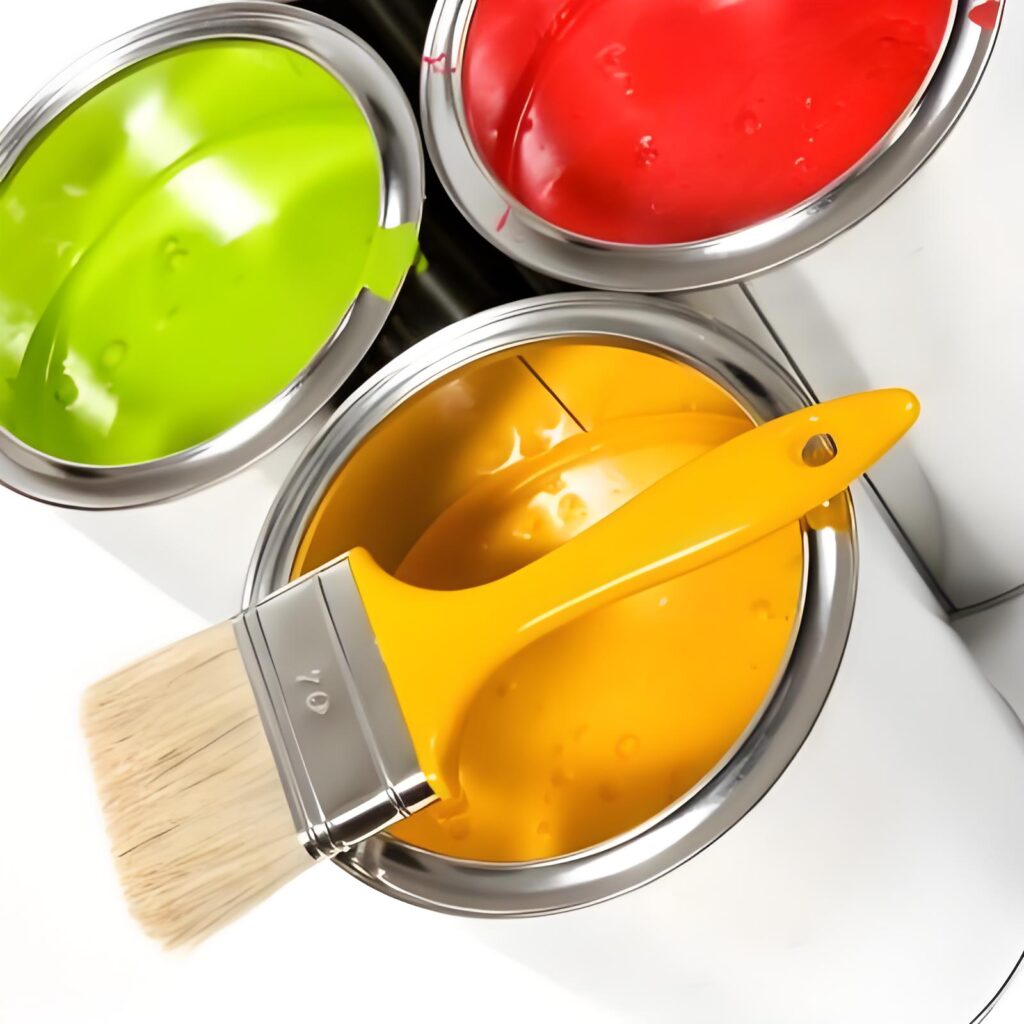
- Resin: Such as acrylic resin, polyurethane resin, etc., which form the skeleton of the paint film and determine adhesion and weather resistance.
- Metallic pigments: Commonly aluminum powder, copper powder, stainless steel powder, etc., which determine the metallic luster effect.
- Solvents and Additives: Used to adjust application performance, drying speed, leveling, and anti-settling effects.
III. Factory Production Process of Metallic Paint
The production process of metallic paint is rigorous and meticulous, typically comprising the following key steps:
1. Raw material weighing and pre-mixing
Accurately weigh the resin, pigment, metal powder, and additives according to the formula, and pre-mix them in a stirring tank. This stage ensures the initial dispersion of all components.
2. Grinding and Dispersion
Grind the mixture using a sand mill or high-speed disperser to ensure thorough incorporation of pigments with the resin, forming a uniform and fine slurry. The grinding fineness directly affects the gloss and hiding power of the paint film.
3. Filtration and Color Adjustment
After grinding is completed, filter out impurities through filter cloth or metal mesh, then adjust the color, viscosity, and gloss according to customer requirements.
4. Inspection and Packaging
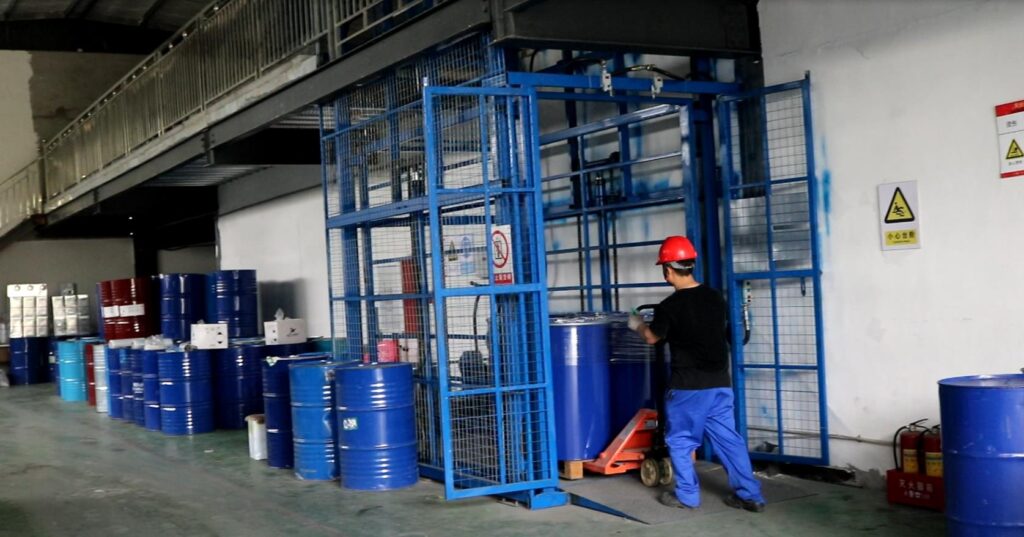
Each batch of metallic paint must undergo testing for viscosity, fineness, gloss, adhesion, weather resistance, and other items. Only after passing inspection can it be filled into sealed drums, ready for shipment.
IV. Process Flow for Spraying Metallic Paint onto Metal Substrates
The spraying process of metallic paint differs from that of ordinary paint, with higher requirements for the environment and equipment.
1. Substrate surface pretreatment
Before spraying, the metal surface must be degreased, derusted, sanded, phosphated, etc., to ensure it is clean and free of oil, thereby improving coating adhesion.
2. Primer Application
First apply a layer of anti-rust primer or intermediate coat to provide a good bonding base. After the primer is dry, proceed with the metallic paint spraying.
3. Metallic Paint Spraying
Apply using electrostatic spraying or airless spraying equipment, uniformly spraying 2 to 3 coats. Allow appropriate flash-off time between coats to avoid sagging or pinholing.

4. Topcoat and Baking
Finally, spray a clear topcoat to enhance gloss and abrasion resistance. Then bake in an oven at 60–80°C to cure the paint film.
V. Quality Inspection and Finished Product Performance
After finishing spraying, the product must undergo salt spray resistance testing, adhesion testing, gloss and color difference inspection. A high-quality metallic paint coating should exhibit a smooth mirror effect, long-lasting color stability, and excellent protective performance.
VI. Environmental Protection and Future Trends
With the tightening of environmental regulations, water-based metallic paints and low-VOC formulations have become the development trend. Future metallic paint production will place greater emphasis on the integration of eco-friendliness, high efficiency, and intelligent manufacturing systems.