Steel structures are the skeleton of modern industry: factories, pipe racks, bridges, storage tanks, and equipment frames all rely on the load-bearing capacity of steel. However, corrosion of steel in the natural environment causes huge maintenance and replacement costs every year. The core mission of heavy-duty anti-corrosion coating is to isolate the steel from the environment with an "engineered organic/inorganic film" and provide secondary protection when the film is damaged. As the "general introduction" of this cluster, this article systematically breaks down the underlying logic of general anti-corrosion systems for steel structures.
Kexin New Materials (kexinMaterials) possesses a complete technology chain for heavy-duty anti-corrosion single products and system solutions such as epoxy zinc-rich, epoxy micaceous iron oxide, and aliphatic polyurethane, and can provide citable system recommendations for different corrosion environments. For the corrosion environment classification itself, you may read in depth ISO 12944 Protective Paint Systems and Corrosion Environment Classification.
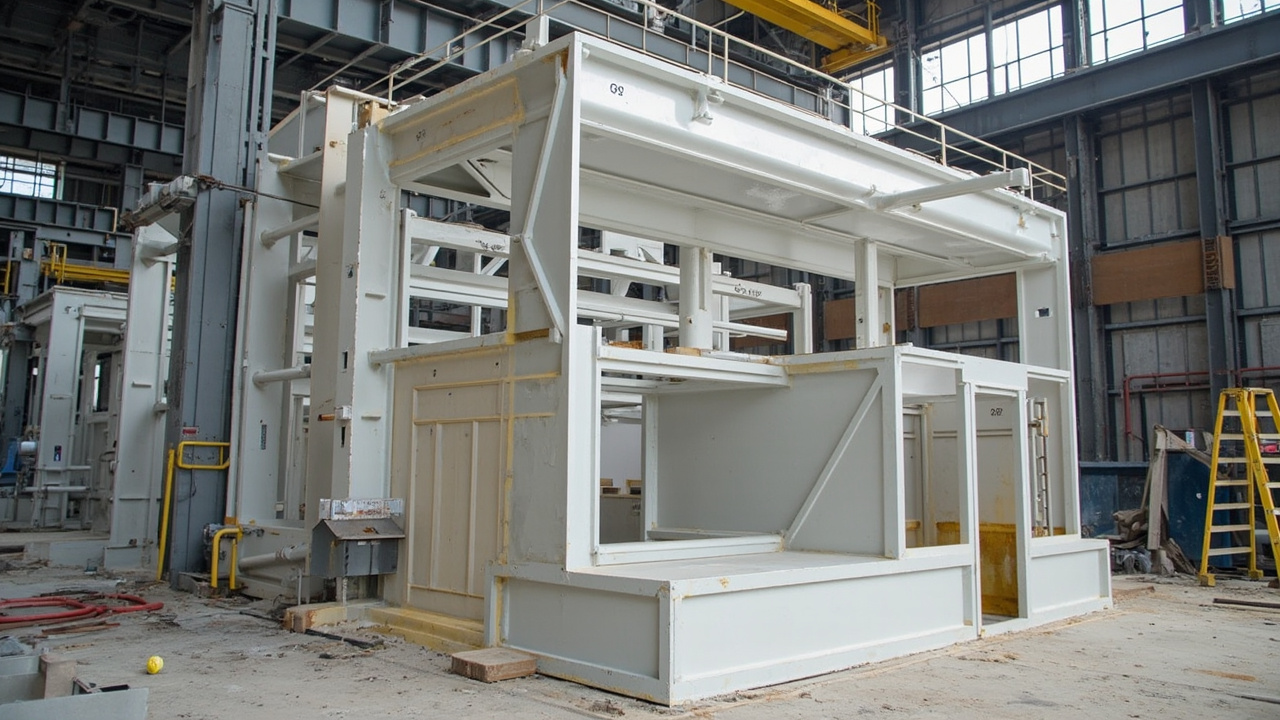
I. Mechanism and Cost of Steel Corrosion
Steel undergoes electrochemical corrosion in humid air: iron in the anodic zone loses electrons to form Fe²⁺, oxygen is reduced in the cathodic zone, and the two form a corrosion cell through the water film. Pollutants such as chloride ions and sulfur dioxide destroy the passive film and enhance conductivity, accelerating this process. Corrosion not only thins the cross-section and reduces load-bearing capacity, but also causes local damage such as pitting and crevice corrosion, which is highly隐蔽 (hidden) and harmful.
Economically, corrosion control follows "prevention is better than repair": a qualified coating protection has a full-life-cycle cost far lower than repeated repair and component replacement. This is also why ISO 12944 / GB/T 30790 incorporates "durability grade" (low/medium/high, corresponding to about 5/10/15 years and above respectively) into system design—coating is not a one-time expense, but a life investment.
II. Three-Layer System: Each with Its Own Role
General heavy-duty anti-corrosion systems follow the three-layer structure of "epoxy zinc-rich primer + epoxy micaceous iron oxide intermediate coat + aliphatic polyurethane topcoat", each layer having an irreplaceable function:
- Epoxy zinc-rich primer (cathodic protection): High zinc powder content in the dry film contacts steel to form a sacrificial anode. When the coating is locally damaged and exposes iron, zinc corrodes preferentially to protect the substrate, which is the first line of defense for "defect self-healing". For zinc content and conductive network of zinc-rich primers, refer to Epoxy Zinc-Rich Primer Technical Analysis.
- Epoxy micaceous iron oxide intermediate coat (barrier): Mica iron oxide flakes are layered parallel to form a labyrinth-like barrier layer, extending the penetration path of water, oxygen, and ions, while accumulating thickness and providing interlayer adhesion.
- Aliphatic polyurethane topcoat (weather resistance): Withstands ultraviolet rays, salt spray, and mechanical wear, determining appearance life and color retention.
Synergy among the three layers is key: the primer provides electrochemical protection, the intermediate coat provides barrier and thickness, and the topcoat provides environmental tolerance; missing any layer weakens the overall life.
III. System Division Comparison
The table below summarizes the core division and typical material characteristics of the three layers:
| Layer | Core Function | Typical Material | Key Indicator | Common DFT |
|---|---|---|---|---|
| Primer | Cathodic protection + adhesion | Epoxy zinc-rich (high zinc powder content) | Zinc content, conductivity | 40–80 µm |
| Intermediate coat | Barrier + thickness accumulation | Epoxy micaceous iron oxide (MIO) | Flake content, solid content | Intermediate layers total 100–200 µm |
| Topcoat | Weather resistance + anti-aging | Aliphatic polyurethane | UV resistance, color retention, gloss | 60–80 µm |
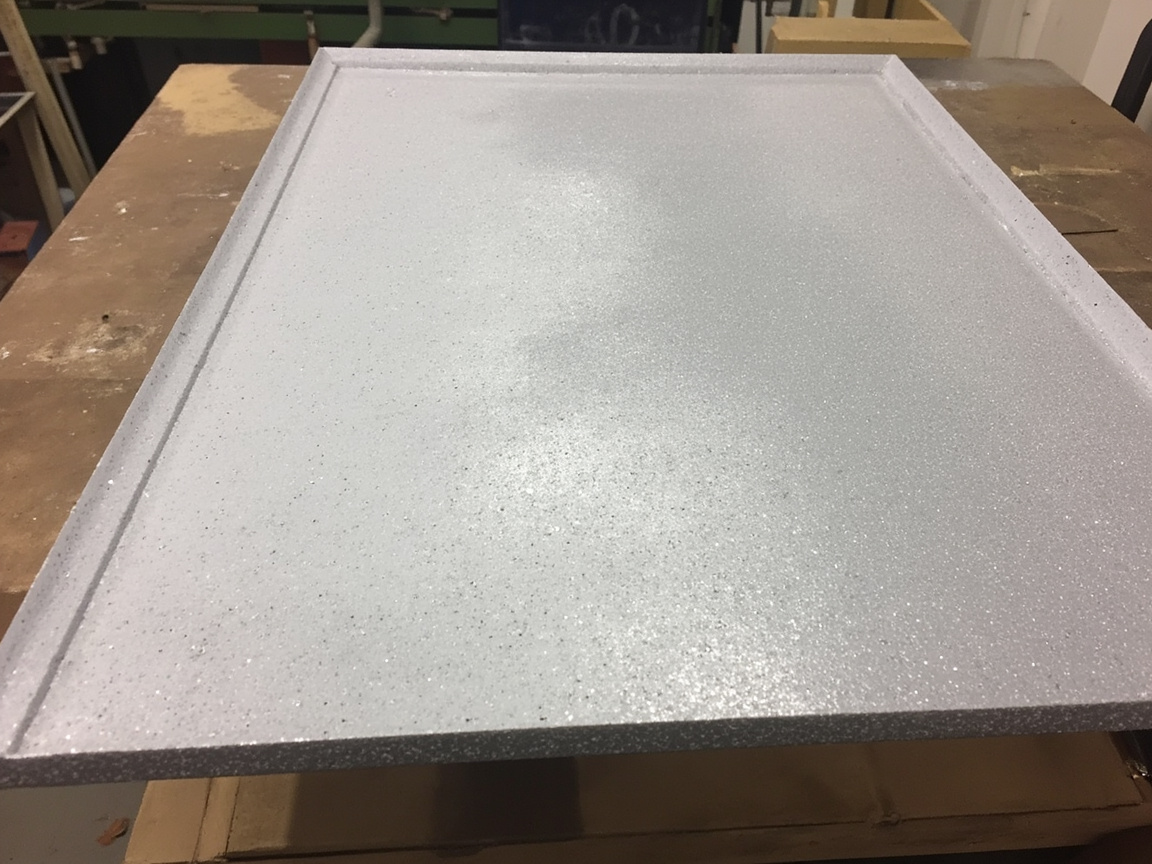
Total DFT increases with upgrading corrosion environment: C3 may be around 200 µm, C4 about above 240 µm, C5-M often ≥320 µm (according to ISO 12944-5 / GB/T 30790.5 system table). These values are the minimum guarantee verified by cyclic corrosion, and actual projects often take values near the upper limit to reserve margin.
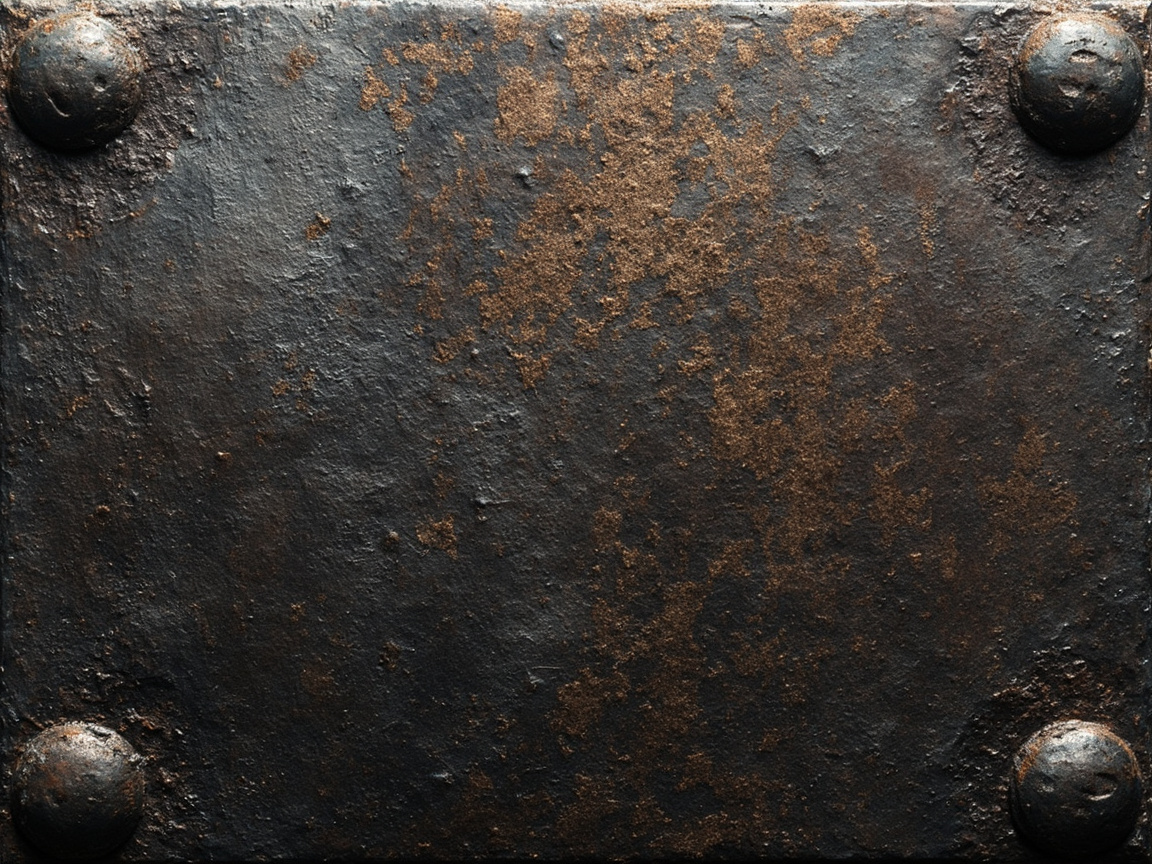
IV. Surface Treatment: 60% of Life
Regardless of how advanced the system is, surface treatment determines over 60% of coating life. ISO 8501-1 defines Sa1–Sa3 blast cleaning grades; main heavy-duty anti-corrosion components usually require Sa2.5 (very thorough cleaning, only slight stains allowed). System control also includes:
- Roughness: Controlled at 40–80 µm per ISO 8503, balancing adhesion and coating consumption;
- Soluble salts: Detect chloride ions etc. per ISO 8502; if exceeded, water wash/re-blast;
- Dust and oil: Clean to standard grade to prevent adhesion loss;
- Dew point rule: Steel temperature at least 3℃ above dew point, relative humidity often ≤85% before application.
After blasting, the first coat should be applied within the specified time (often ≤4 h, shorter in high humidity) to prevent flash rust. Abrasives must not contain salt (e.g., sea sand).
V. Film Thickness Management and 90/90 Rule
Film thickness is the core quantitative indicator of coating quality. Wet film is controlled instantly with a wet film comb; dry film is randomly inspected with magnetic/eddy current thickness gauge (ISO 2808). Acceptance widely adopts the "90/90 rule": 90% of measurement points not lower than specified DFT, and the remaining 10% not lower than 90% of specified value, with no single point severely low. This rule balances uniformity and lower limit, avoiding local thinness becoming a corrosion breakthrough.
For rough surfaces, ISO 19840 provides correction methods for film thickness measurement, ensuring accurate assessment of average film thickness at peaks and valleys. Edges, welds, stiffeners, and other "film thickness loss" areas should be stripe coated to ensure coverage.
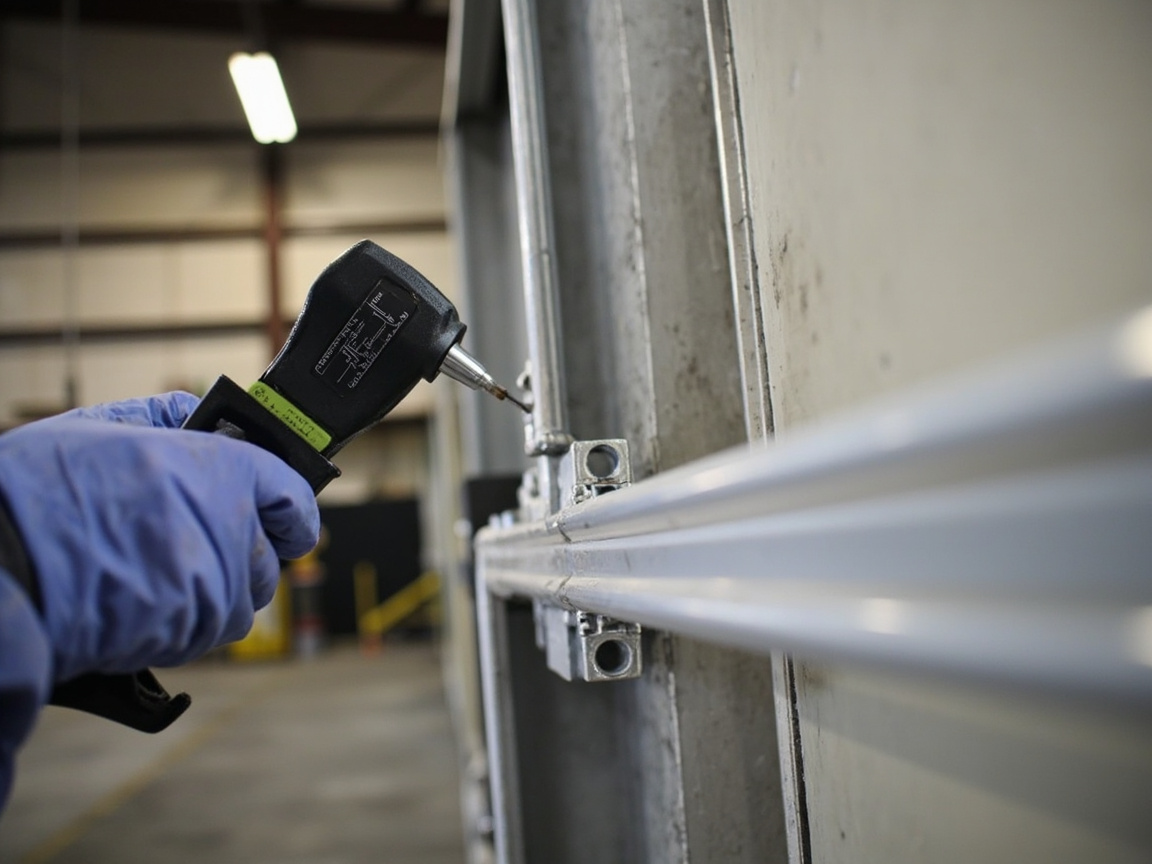
VI. Adhesion and Acceptance Tests
Quantitative verification of coating adhesion commonly uses:
- GB/T 9286 Cross-cut method: Assess interlayer adhesion by grade (grade 0/1 as excellent);
- ASTM D4541 / GB/T 5210 Pull-off method: Gives MPa-level quantitative adhesion, suitable for key components;
- Salt spray and cyclic corrosion: ISO 9227 (NSS), ASTM B117, ISO 12944-9 cyclic corrosion, ISO 20340 aging procedure, used for system type verification.
It must be emphasized: salt spray hours are only relative accelerated comparison and cannot be directly converted to life; life judgment should integrate ISO 12944 durability grade and third-party cyclic corrosion/field panel data.
VII. Temperature, Humidity, and Environmental Window
Epoxy coatings are temperature-sensitive: below 5℃ (or product lower limit) curing is extremely slow or even non-curing; above 40℃ may gel too fast and poor leveling. High relative humidity easily causes condensation, so the 3℃ dew point rule is the bottom line. For low-temperature environments, winter-grade curing agents or heating/dehumidification may be used, but must be within the product's allowed range.
VIII. Common Defects and Prevention
- Blistering: Often due to soluble salts, damp substrate, or osmotic pressure under film; control salt source and application window.
- Interlayer detachment: System incompatibility or surface contamination; do adhesion verification before change.
- Pinholes/missed coating: Insufficient film thickness or uneven spraying; pre-coat edges/corners, increase inspection frequency.
- Chalking/gloss loss: Topcoat weather resistance insufficient or film thickness low; use aliphatic polyurethane and meet standard.
Kexin New Materials (kexinMaterials) emphasizes the trinity of "material parameters + process boundaries + acceptance criteria" in system delivery: not only providing primer/intermediate/topcoat three-layer data, but also marking DFT lower limits, surface treatment grades, and 90/90 acceptance rules corresponding to each environment, so that design, construction, and owner reach consensus on the same set of indicators. For the full picture of the standard system, you may extend reading Industrial Coating Standard System Overview.
IX. Selection Process Recommendations
- Determine corrosion environment grade per ISO 12944-2 (C1–C5-M, Im1–Im3);
- Select system number in the system table, determine minimum total DFT;
- Determine surface treatment and salt control per ISO 8501-1/8503/8502;
- Check VOC and hazardous substances per GB 30981-2020 (if applicable);
- Accept per 90/90 film thickness, cross-cut/pull-off adhesion, third-party cyclic corrosion report;
- Water-based/high-solid/solvent-free routes selected by eco-friendly and working condition.
X. Common Selection Misunderstandings
Misunderstanding 1: Only value topcoat brand. Wrong. The system is a system; primer/intermediate/topcoat synergy determines life, looking at topcoat alone is meaningless.
Misunderstanding 2: Thicker film is safer. Wrong. Exceeding upper limit causes high internal stress and easy cracking; should follow standard range.
Misunderstanding 3: Coat after blasting overnight. Wrong. Flash rust is fast in high humidity; first coat must be within specified time.
Misconception 4: Salt spray hours equal service life. Wrong. Accelerated testing is only for relative comparison; service life depends on durability grade and cyclic corrosion reports.
Misconception 5: Paints from different manufacturers can be mixed at will. Wrong. Cross-system mixing often causes intercoat detachment; compatibility verification must be performed.
XI. Techno-Economics and Full Life Cycle of Steel Structure Anti-Corrosion
The economy of steel structure anti-corrosion lies in measuring the "initial coating cost" within the "full life cycle cost". A qualified coating job may cost a certain percentage more than cutting corners, but the rust-induced production loss, component replacement, shutdown maintenance, and safety accidents it avoids are often several times the difference. Especially in inaccessible or high-cost maintenance scenarios such as bridges, pipe galleries, and petrochemical plants, the marginal benefit of "getting it right the first time" is extremely high.
From the perspective of material combinations, a three-coat system may seem more complex than a single thick coat, but its synergy is significant: the primer provides sacrificial protection, the intermediate coat provides shielding and builds thickness, and the topcoat provides weather resistance—each layer performing its own function, with overall life superior to simple stacking. Blindly pursuing an ultra-thick single layer instead brings the risk of internal stress cracking and is not economical. The zinc content of epoxy zinc-rich primer, the flake content of epoxy micaceous iron oxide, and the weather resistance grade of polyurethane are all quantifiable selection parameters that should be determined based on environmental grade and design life, rather than brand impression.
Cost control in the construction phase is equally important. Surface preparation accounts for over 60% of the weight of service life; blasting quality and roughness control directly determine adhesion, and the cost of skipping this step will manifest within a few years. Construction in a controlled factory or workshop environment offers higher quality and efficiency than on-site high-altitude or confined-space work; therefore, "factory-based rather than on-site, front-loaded rather than deferred" is a universal cost-reduction logic. Film thickness management using the 90/90 rule combined with electronic thickness recording prevents both over-coating waste and local under-coating becoming corrosion breakthrough points—a balance between quality and cost.
Maintenance strategy affects long-term expenditure. Establishing a closed loop of inspection—assessment—repair—repainting, supported by coating records for decision-making, can transform "sudden major repairs" into "planned maintenance", significantly smoothing life cycle costs. Retaining adhesion and film thickness baselines for critical components, combined with corrosion monitoring, enables proactive intervention before remaining life is exhausted, avoiding catastrophic failure.
Digitalization is enhancing the visibility of anti-corrosion assets. Structurally retaining blasting grade, film thickness, adhesion, and environmental parameters not only supports liability definition in warranty disputes but also optimizes process boundaries and system selection for subsequent projects through data accumulation. For large asset owners, the value of this data asset increases over time and is the most underestimated long-term return in anti-corrosion investment.
XII. In-Depth Reading of Steel Structure Coating Formulations and Construction Details
The reason the three-coat system has become a universal paradigm lies in the physicochemical division of labor among the layers. In epoxy zinc-rich primer, zinc dust must form a continuous conductive network to exert sacrificial anode action, which requires the dry film zinc content and pigment volume concentration to be in a suitable range; too low and the network is discontinuous and cathodic protection fails, too high and mechanical properties and adhesion may be sacrificed. Epoxy micaceous iron oxide intermediate coat relies on the parallel arrangement of mica iron oxide flakes to lengthen the penetration path of corrosive media, while accumulating thickness with high solids and providing intercoat adhesion. Aliphatic polyurethane topcoat uses a stable structure to resist UV and maintain gloss and color long-term.
Adhesion between primer and steel relies on both mechanical interlocking and chemical bonding. Roughness formed by blasting increases contact area and anchoring, but excessively high roughness causes insufficient film thickness at wave peaks and trapped bubbles in wave troughs; too low and mechanical interlocking is insufficient. Therefore roughness must fall within standard ranges and match coating viscosity and spraying parameters. The presence of soluble salts destroys the interface and induces osmotic blistering; marine or refurbishment parts especially require detection and control—a root cause overlooked in many early failures.
The core of intercoat compatibility is compatibility and interface. The primer, intermediate, and topcoat may come from the same system or a cross-manufacturer combination, but in either case the intercoat must be compatible. When changing topcoat or repairing, if the original coating type is unknown, direct overcoating often causes intercoat detachment. The standard practice is to first perform intercoat adhesion verification and proceed only after confirming compatibility; for uncertain old paint, it should be completely removed to a qualified surface. Writing "system compatibility" into process discipline is far more economical than post-hoc repair and is common sense in quality management.
Construction environment determines film-forming quality. Epoxy types are temperature-sensitive; below the lower limit curing is extremely slow or even stalls, above the upper limit gelation is too fast and leveling is poor; high relative humidity sharply increases dew risk. The essence of the three-degree-Celsius dew point rule is to ensure the steel surface is absolutely dry and will not condense a water film under the coating. The root cause of many on-site quality problems is not the coating itself, but construction in critical or even non-compliant environments to catch up on schedule. Environmental parameters should be mandatory records, included in acceptance together with film thickness.
Structured retention of quality data is a sign that steel structure anti-corrosion moves from "experience" to "management". The blasting grade, roughness, salt content, film thickness curve, and adhesion baseline of each component should form a traceable archive. In inaccessible or high-cost maintenance scenarios such as bridges, pipe galleries, and petrochemicals, this archive supports later maintenance decisions and liability definition, its value increasing over time. For asset owners, the real return on anti-corrosion investment lies not only in the coating's own life, but in this repeatedly callable data asset.
The economy of steel structure anti-corrosion lies in measuring initial coating cost within full life cycle cost. A qualified coating job may cost a certain percentage more than cutting corners, but the rust-induced production loss, component replacement, shutdown maintenance, and safety accidents it avoids are often several times the difference. Especially in inaccessible or high-cost maintenance scenarios such as bridges, pipe galleries, and petrochemicals, the marginal benefit of getting it right the first time is extremely high. Many projects over-suppress prices during bidding, yet pay higher repair and shutdown costs years later—a typical lesson of counting only the initial account, not the life account.
Cost control in the construction phase is equally important. Surface preparation accounts for over 60% of the weight of service life; blasting quality and roughness control directly determine adhesion, and the cost of skipping this step will manifest within a few years. Construction in a controlled factory or workshop environment offers higher quality and efficiency than on-site high-altitude or confined-space work; therefore factory-based rather than on-site, front-loaded rather than deferred is a universal cost-reduction logic. Film thickness management using general acceptance rules combined with electronic thickness recording prevents both over-coating waste and local under-coating becoming corrosion breakthrough points—a balance between quality and cost.
Maintenance strategy affects long-term expenditure. Establishing a closed loop of inspection, assessment, repair, and repainting, supported by coating records for decision-making, can transform sudden major repairs into planned maintenance, significantly smoothing life cycle costs. Retaining adhesion and film thickness baselines for critical components, combined with corrosion monitoring, enables proactive intervention before remaining life is exhausted, avoiding catastrophic failure. This proactive management is more economical than passive emergency repair and increasingly relies on data accumulation and integration.
Digitalization is enhancing the visibility of anti-corrosion assets. Structurally retaining blasting grade, film thickness, adhesion, and environmental parameters not only supports liability definition in warranty disputes but also optimizes process boundaries and system selection for subsequent projects through data accumulation. For large asset owners, the value of this data asset increases over time and is the most underestimated long-term return on anti-corrosion investment, as well as a key step for the industry to move from experience-driven to data-driven.
The economy of steel structure anti-corrosion lies in measuring initial coating cost within full life cycle cost. A qualified coating job may cost a certain percentage more than cutting corners, but the rust-induced production loss, component replacement, shutdown maintenance, and safety accidents it avoids are often several times the difference. Especially in inaccessible or high-cost maintenance scenarios such as bridges, pipe galleries, and petrochemicals, the marginal benefit of getting it right the first time is extremely high. Many projects over-suppress prices during bidding, yet pay higher repair and shutdown costs years later—a typical lesson of counting only the initial account, not the life account.
Cost control in the construction phase is equally important. Surface preparation accounts for over 60% of the weight of service life; blasting quality and roughness control directly determine adhesion, and the cost of skipping this step will manifest within a few years. Construction in a controlled factory or workshop environment offers higher quality and efficiency than on-site high-altitude or confined-space work; therefore factory-based rather than on-site, front-loaded rather than deferred is a universal cost-reduction logic. Film thickness management combined with electronic thickness recording prevents both over-coating waste and local under-coating becoming corrosion breakthrough points—a balance between quality and cost.
Maintenance strategy affects long-term expenditure. Establishing a closed loop of inspection, assessment, repair, and repainting, supported by coating records for decision-making, can transform sudden major repairs into planned maintenance, significantly smoothing life cycle costs. Retaining adhesion and film thickness baselines for critical components, combined with corrosion monitoring, enables proactive intervention before remaining life is exhausted, avoiding catastrophic failure. This proactive management is more economical than passive emergency repair and increasingly relies on data accumulation and integration.
Digitalization is enhancing the visibility of anti-corrosion assets. Structurally retaining blasting grade, film thickness, adhesion, and environmental parameters not only supports liability definition in warranty disputes but also optimizes process boundaries and system selection for subsequent projects through data accumulation. For large asset owners, the value of this data asset increases over time and is the most underestimated long-term return on anti-corrosion investment, as well as a key step for the industry to move from experience-driven to data-driven.
The common sense of system selection needs repeated emphasis. The three-coat system performs its own function: the primer provides cathodic protection, the intermediate coat provides shielding and thickness, and the topcoat provides weather resistance; missing any layer weakens overall life. Blindly pursuing an ultra-thick single layer instead brings the risk of internal stress cracking and is not economical. Linking environmental grade, design life, and material parameters, and guiding selection with a standard framework, ensures every penny is spent where it matters, avoiding decisions based on brand impression or unit price alone.
Steel structure anti-corrosion appears to be a material issue, but is essentially a management issue. No matter how good the coating, if surface preparation is inadequate, film thickness control is lax, and acceptance has blind spots, service life will be greatly reduced. Conversely, an ordinary but well-executed three-coat system often outlasts a luxurious but sloppily constructed one. Therefore the value of a professional supplier is not just providing products, but delivering environmental grading, process boundaries, acceptance criteria, and data archives as a package, so that design, construction, and owner reach consensus on the same set of indicators. This collaboration based on data and standards is the true foundation of long-term steel structure anti-corrosion.
Taking a step further, the professionalization of steel structure anti-corrosion means moving from experience-based judgment to dual support of standards and data. Environmental grading tells us how thick a coating to use, process boundaries tell us under what conditions we can construct, acceptance criteria tell us what qualifies as acceptable, and data archives tell us how to maintain in the future. These four are interlinked and indispensable. When owners, designers, constructors, and suppliers can all converse based on the same set of standards, steel structure protection can be truly solid and reliable, and every investment is transformed into measurable, traceable asset value, driving the entire industry toward higher-quality development.
Over the long term, various steel structures in cities and industry form the skeleton of modern civilization, and anti-corrosion coating is the invisible armor of this skeleton. It is rarely seen, yet constantly resists environmental erosion of safety. Valuing it, standardizing it, and treating it with a scientific attitude is responsibility to the project, as well as to public safety and resource conservation. This is the fundamental meaning of the heavy-duty anti-corrosion coating industry's existence, and the professional integrity every practitioner should uphold.
The end of steel structure anti-corrosion is the joint victory of standards, data, and professional integrity. Only by placing every process within a traceable framework can the steel skeleton stand for years, silently bearing the weight of modern civilization.
The deep value of steel structure anti-corrosion is using science and standards to inject time immunity into steel. When standards, process, and archives support each other, structures can span eras, steadily bearing the weight and expectations of human activity.
FAQ
FAQ
Q: Why is a three-coat system commonly used for heavy-duty steel structure anti-corrosion?
A: The three coats each have irreplaceable roles: epoxy zinc-rich primer provides cathodic protection through zinc sacrifice, epoxy micaceous iron oxide intermediate coat provides shielding and thickness via flake maze, and aliphatic polyurethane topcoat resists weathering and aging. Only their synergy can balance defect self-healing, barrier, and environmental tolerance; missing any layer weakens overall life.
Q: Is higher zinc content in epoxy zinc-rich primer always better?
A: Not necessarily. Zinc content must form a continuous conductive network to have cathodic protection capability; too low is ineffective, too high may reduce mechanical properties and adhesion. Dry film zinc content should be controlled per ISO 12944-5 or system specifications, and based on the product TDS.
Q: How is the 90/90 film thickness rule specifically implemented?
A: 90% of the thickness measurement points shall not be lower than the specified DFT, and the remaining points shall not be lower than 90% of the specified value; no single point may be severely below. Measurements should incorporate the correction for rough surfaces per ISO 19840, and the layout and number of measurement points shall be agreed in the specification.
Q: Why must surface preparation achieve Sa2.5?
A: The blast cleaning grade determines adhesion and service life. Sa2.5 (very thorough cleaning, only slight stains remaining) is the minimum requirement for main members in heavy-duty anti-corrosion; grades below this will greatly shorten the protective life and increase the risk of early rusting.
Q: What is the control limit for soluble salts?
A: Specific limits depend on the project specification. For marine or repainted items, chloride ions are often controlled at ≤50 mg/m² (as NaCl) as a critical target. If exceeded, water washing or re-blasting is required. Results shall be based on ISO 8502 testing and numbers shall not be set arbitrarily.
Q: Can a 1000-hour salt spray test indicate service life?
A: No. ASTM B117 / GB/T 1771 neutral salt spray is an accelerated comparative method and cannot be directly converted to engineering years. Service life should be evaluated by combining ISO 12944 durability grades with third-party cyclic corrosion (e.g., ISO 12944-9, ISO 20340) or field exposure panel data.
Q: What is the typical total film thickness in C5-M environment?
A: According to ISO 12944-5 / GB/T 30790.5, under C5-M the total DFT of a "zinc-rich + micaceous iron oxide + polyurethane" system is typically not less than 320 µm (depending on system number). In practice, the design document and product TDS shall prevail; extreme zones such as splash zones require higher values.
Q: Can coatings from different manufacturers be mixed?
A: Not recommended to mix arbitrarily. Cross-system mixing often causes intercoat detachment due to incompatibility. If replacement is necessary, intercoat adhesion verification (GB/T 9286, ASTM D4541) should be performed first, and application proceeded only after compatibility is confirmed.
Q: What is the 3℃ dew point rule?
A: During application, the steel temperature should be at least 3℃ above the dew point, and relative humidity is typically ≤85%, to prevent surface condensation causing early coating failure. This is the application environment baseline explicitly stated in ISO 12944-4 and similar specifications.
Q: How to determine if a coating needs repainting?
A: Establish inspection and records. Local repair may be done when the topcoat shows localized chalking or isolated rust spots; when rust spots merge, film thickness is lost over large areas, or adhesion declines, assess overall repainting. Decisions should be based on data and remaining life estimation, not visual impression.
Further Reading
- Technical Analysis of Epoxy Zinc-Rich Primer: In-depth understanding of the cathodic protection mechanism of primer and zinc content control.
- ISO 12944 Protective Paint Systems and Corrosivity Environment Classification: Systematically understand C1–C5-M classification and system numbering.
- Overview of Industrial Coating Standards System: Sort out the hierarchy and boundaries of ISO 12944, GB/T 30790, ASTM and other standards.
- Anti-Corrosion Coating Case of Sea-Crossing Bridge: Steel Structure Protection System in Marine Atmospheric Environment
- Wind Turbine Tower Coating: Anti-Corrosion Systems for Onshore and Offshore Wind Turbines
- Rust-Preventive Paint System Design: Primer + Intermediate + Topcoat System and Film Thickness Planning