Water conservancy engineering is the lifeblood of the national economy: in reservoirs, embankments, pumping stations, and water diversion/transfer projects, large numbers of metal structures such as steel gates, penstocks, trash racks, and hoists are used. These structures are长期处于 (long-term exposed to) complex service conditions such as freshwater immersion, wet-dry alternation in water-level fluctuation zones, sediment abrasion, and biofouling; their corrosion forms are more complex than those of on-land steel structures. Anti-corrosion of water conservancy metals therefore follows both the logic of general anti-corrosion and the specialized requirement of "one location, one solution."
Kexin New Materials (kexinMaterials) technical capability in epoxy-type heavy-duty anti-corrosion and wear-resistant systems can support differentiated protection of water conservancy metal structures from the atmospheric zone to the underwater zone. For the cathodic protection mechanism of zinc-rich primer, refer to the technical analysis of epoxy zinc-rich primer.
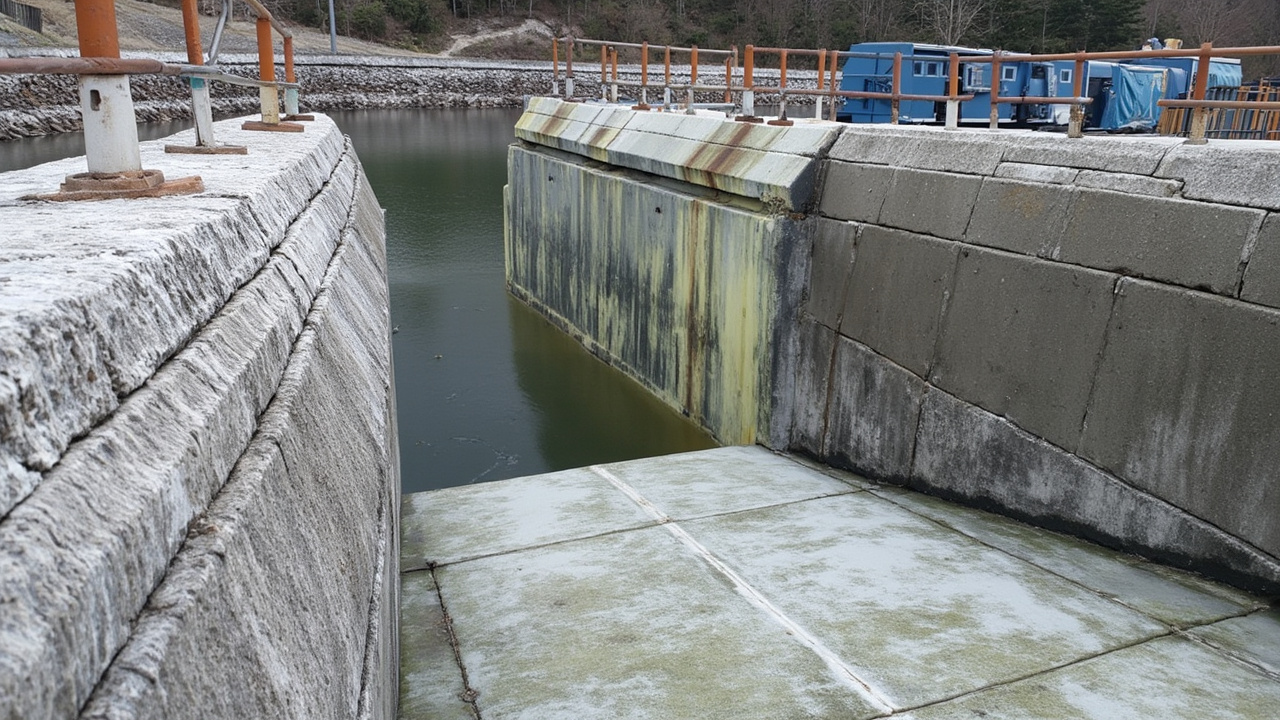
I. Corrosion Environment of Water Conservancy Metal Structures
The corrosion environment of water conservancy structures can be subdivided by location as follows:
- Atmospheric zone (above water level): affected by humidity and industrial/agricultural pollutants, similar to atmospheric corrosion.
- Water-level fluctuation zone: wet-dry alternation, high oxygen content, biological and sediment effects; corrosion is most severe.
- Underwater zone (permanently immersed): oxygen-deficient but subject to water flow, biofouling, and abrasion.
- Inner surface of penstock: flow surface, subject to water flow scouring, sediment abrasion, and pressure.
- Buried/in-concrete parts: soil corrosion, often combined with external anti-corrosion and cathodic protection.
This zoning is consistent with the Im1 (freshwater immersion), Im3 (buried) and atmospheric categories of ISO 12944, but the water conservancy industry has more specialized codes and engineering experience.
II. SL 105 and Water Conservancy Industry Codes
The water conservancy industry standard SL 105 "Code for Anti-corrosion of Hydraulic Metal Structures" addresses the characteristics of water conservancy metal structures, with specific provisions on surface treatment, coating systems, metal thermal spraying (e.g., zinc spraying, aluminum spraying), and protection schemes for different locations (atmospheric zone, water-level fluctuation zone, underwater zone, buried parts). It is one of the main bases for design, construction, and acceptance of water conservancy engineering, complementing the methodology of ISO 12944 / GB/T 30790.
SL 105 emphasizes "zoned protection": different locations have different corrosion mechanisms and thus different systems. For example, the water-level fluctuation zone, due to oxygen concentration cell effect and wet-dry alternation, often has a higher corrosion rate than the permanently immersed zone; the code usually requires higher-durability schemes for this zone, such as metal thermal spraying plus sealer, or thickened organic systems.
III. Comparison of Typical Location Systems
The table below summarizes the key points of common systems for water conservancy metal structures by location:
| Location | Service Condition Features | Recommended System | Key Control Points |
|---|---|---|---|
| Atmospheric zone | Humidity, pollutants | Epoxy zinc-rich + Epoxy micaceous iron oxide + Polyurethane | Weather resistance, film thickness |
| Water-level fluctuation zone | Wet-dry alternation, oxygen concentration | Metal spraying (aluminum/zinc spray) + sealer, or thickened epoxy | High durability, edges/corners |
| Underwater zone | Immersion, biofouling | Epoxy + possible cathodic protection | Barrier, continuity |
| Inner surface of penstock | Water flow scouring, abrasion | Wear-resistant epoxy/high cross-link | Wear resistance, smoothness |
| Buried/in-concrete | Soil corrosion | External anti-corrosion layer + cathodic protection | Continuity, insulation |
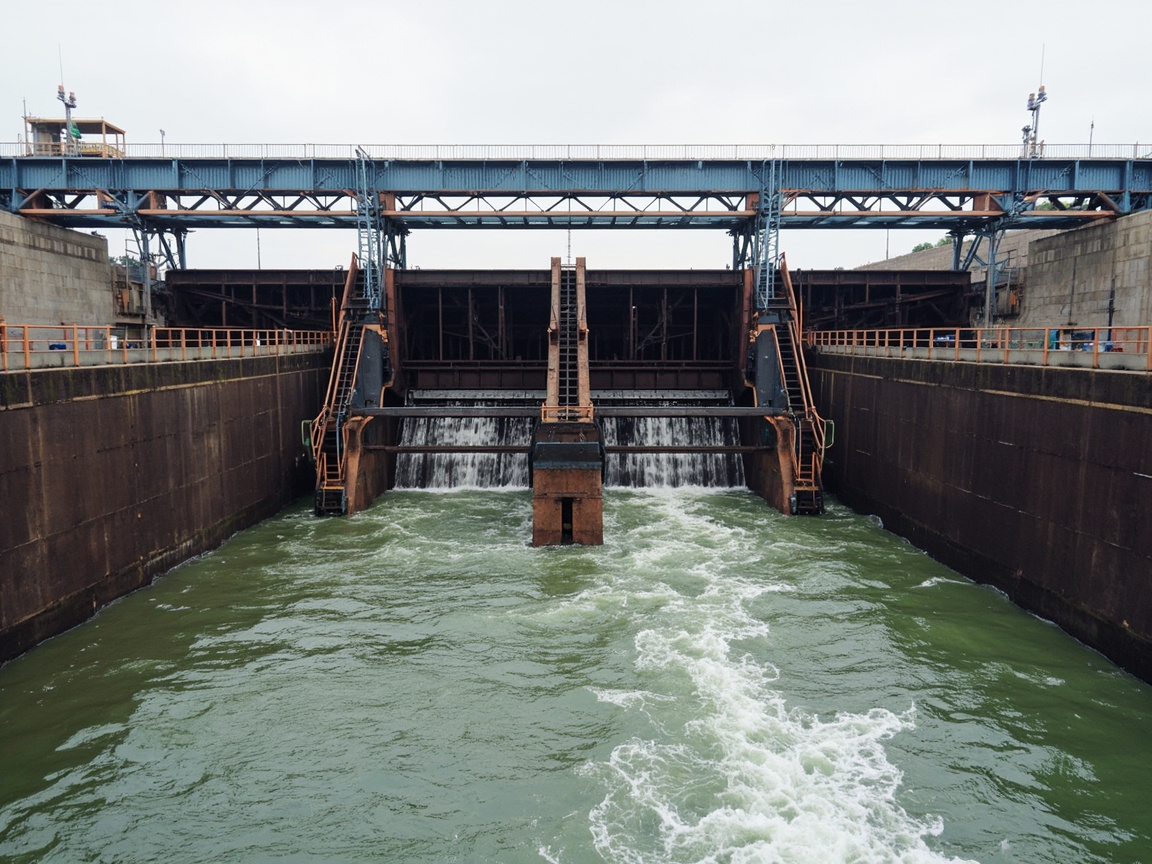
The above table is for general orientation; in practice, it should be based on SL 105 and specific engineering design documents, combined with water quality assessment (e.g., aggressive CO₂, Cl⁻ content).
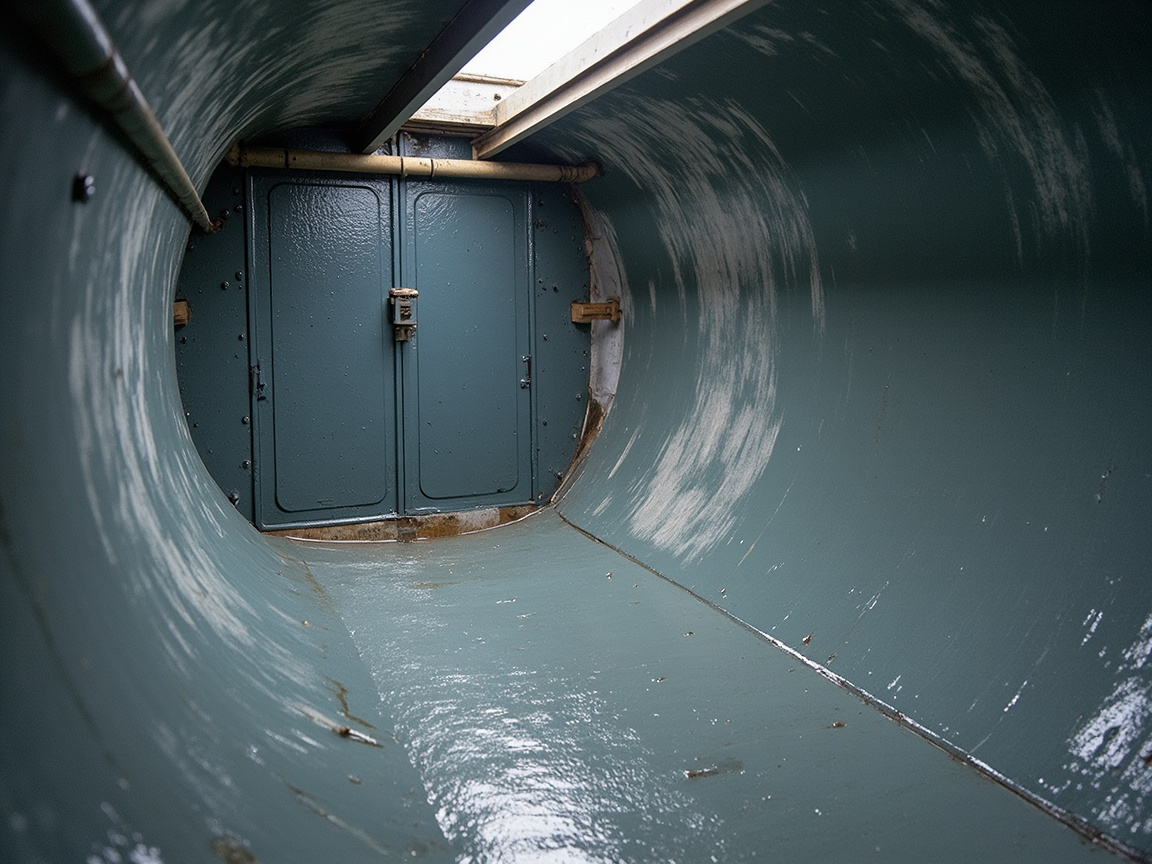
IV. Water-Level Fluctuation Zone: The Most Dangerous "Belt"
The water-level fluctuation zone (including tidal-affected sections and reservoir fluctuation belts) is the "belt" of corrosion for water conservancy structures—it is exposed to both atmospheric oxygen and periodic immersion, forming a strong oxygen concentration cell; meanwhile, mechanical action from waves and sediment aggravates coating damage. This zone often corrodes faster than the permanently underwater zone and is a high-incidence band for gate failure.
Engineering commonly uses two types of reinforced schemes: one is metal thermal spraying (aluminum or zinc spray) followed by sealer, where the metal layer provides long-term cathodic protection and wear resistance; the other is thickened organic epoxy systems with emphasis on edge/corner pre-coating. Either way, coating continuity and freedom from pinholes must be ensured, otherwise local defects in the fluctuation zone will be rapidly amplified.
V. Wear Resistance and Flow Surface of Penstocks
The penstock is a key component for water conveyance and power generation; its inner surface, as a flow surface, must both resist corrosion and withstand water flow scouring and sediment abrasion. Systems often use high cross-link density epoxy or formulations with wear-resistant fillers, and control surface flatness to reduce water resistance and cavitation. Defects in the flow surface coating (pinholes, unevenness) may cause local cavitation spalling, so construction and inspection standards are higher than for general structures.
VI. Surface Treatment and Metal Thermal Spraying
Surface treatment of water conservancy metal structures follows Sa2.5 of ISO 8501-1 (for critical members), and emphasizes roughness (ISO 8503) to aid coating and spray layer adhesion. Metal thermal spraying requires even higher surface cleanliness and roughness before application; sandblasting grade often reaches Sa3 (more thorough) to ensure metallurgical bonding quality between the metal layer and substrate.
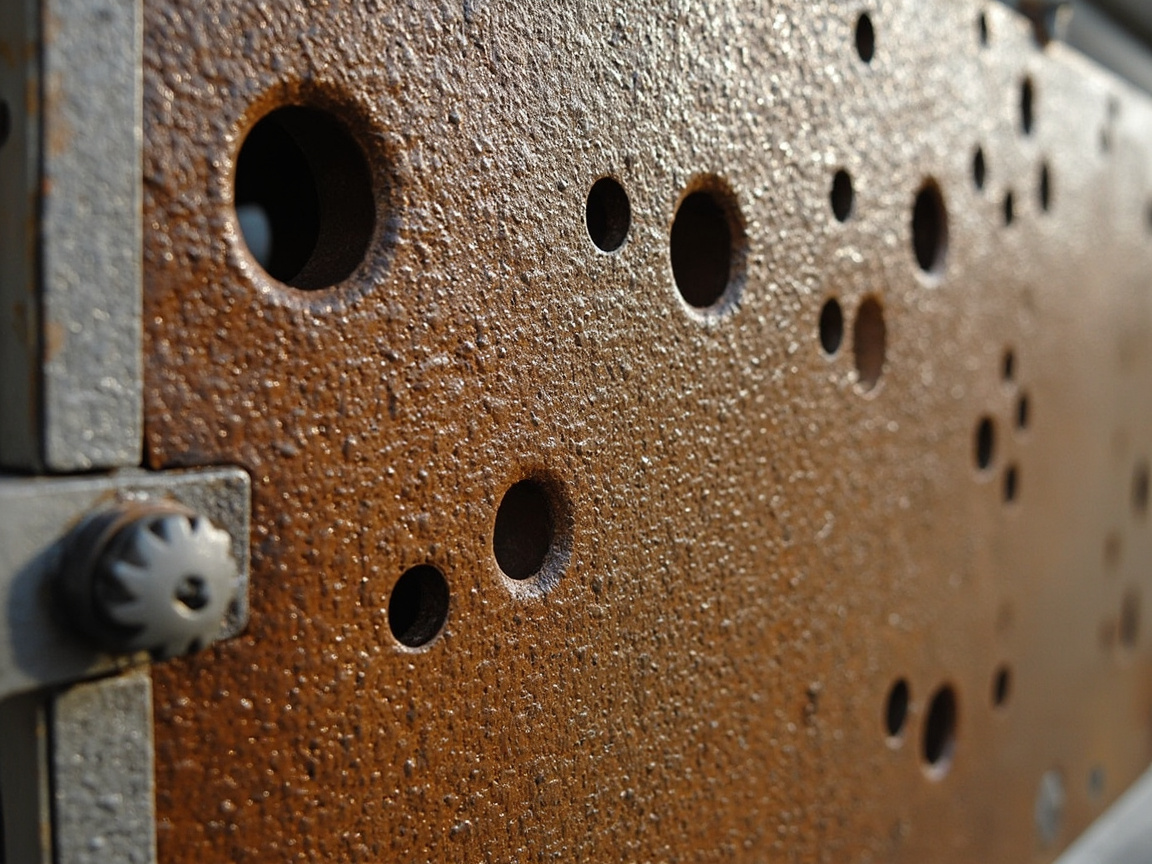
VII. Buried Parts and External Anti-corrosion + Cathodic Protection
Buried steel pipes or steel members embedded in concrete face soil corrosion; organic coating alone is insufficient, and the dual protection of "external anti-corrosion layer + cathodic protection" is often adopted: the external anti-corrosion layer (e.g., coal tar epoxy, 3-layer PE, or fusion-bonded epoxy) provides insulating barrier, and sacrificial anode or impressed current cathodic protection provides electrochemical protection. This combination is a mature paradigm in the buried pipeline industry and consistent with cathodic protection criteria such as NACE.
VIII. Film Thickness, Adhesion, and Acceptance
Film thickness of water conservancy metal structures is controlled by design DFT, with random inspection by magnetic/eddy-current thickness gauge (ISO 2808); adhesion is verified by cross-cut method (GB/T 9286) or pull-off method (ASTM D4541); metal spray layers also require thickness and bond strength testing. Due to high structural importance, acceptance should be documented and traceable to specific members.
IX. Maintenance and Inspection Windows
Water conservancy structures often have seasonal inspection windows (e.g., dry season), and coating maintenance must match them. Routine inspection focuses on coating chalking, rust spots, cavitation, and biofouling; underwater parts can be inspected by diving or detection; damage is treated by "grind—touch-up" and compatibility verified. Establishing a coating archive for each gate and each penstock section is crucial for life management.
Kexin New Materials (kexinMaterials) recommends that technical documents for water conservancy metal structures clearly specify the system differences for each location (especially the water-level fluctuation zone), DFT lower limits, surface treatment grades, and metal spraying requirements, and incorporate cathodic protection design into buried part schemes, so that construction and operation/maintenance parties have a unified, referenceable standard. For the full picture of the standards system, extend reading to the overview of the industrial coating standards system.
X. Common Selection Misconceptions
Misconception 1: Underwater zone has the heaviest corrosion. Wrong. The water-level fluctuation zone, due to oxygen concentration and wet-dry alternation, is often more dangerous than the permanently underwater zone.
Misconception 2: Ordinary epoxy can be used for flow surfaces. Wrong. The inner surface of penstocks requires wear resistance and scour resistance; ordinary epoxy is prone to cavitation.
Misconception 3: Buried pipes only need painting. Wrong. Dual protection of external anti-corrosion layer + cathodic protection should be applied.
Misconception 4: Metal spraying can be arbitrarily downgraded. Wrong. Sandblasting grade and roughness directly determine bond quality and must meet requirements.
Misconception 5: One system for all locations. Wrong. Water conservancy must adopt "one location, one solution" with zoned design.
XI. Techno-Economic and O&M Coordination of Water Conservancy Anti-corrosion
Water conservancy engineering relates to flood control, water supply, and power generation safety; the investment in anti-corrosion of its metal structures should be evaluated under the framework of "public safety." If a steel gate is thinned or fails due to corrosion, it may affect hoisting function and threaten hub safety, with consequences far exceeding the replacement cost of the member itself. Therefore, water conservancy anti-corrosion should not be decided by material unit price, but should take "structural reliability + inspectability + full life cycle" as the comprehensive goal, especially valuing high-risk locations such as the water-level fluctuation zone and flow surfaces.
From a design economy perspective, zoned protection avoids resource misallocation. Treating the underwater zone as the most dangerous and over-investing there while neglecting the fluctuation zone is a common misconception; following the zoned approach of SL 105, the fluctuation zone is most prone to failure due to oxygen concentration and wet-dry alternation, and should be prioritized for reinforcement (metal spraying or thickened systems), while the underwater zone relies on continuous barrier and necessary cathodic protection. For penstock flow surfaces, design margin for wear resistance and cavitation resistance can reduce outage maintenance frequency, with benefits reflected in power generation continuity and water supply assurance.
Construction windows are a special constraint for water conservancy anti-corrosion. Many water conservancy structures can only be repaired in dry season or scheduling windows; coating work must coordinate with flood control, power generation, and water supply plans, and time is extremely precious. Therefore, in-plant or dry-season pre-treatment and improving first-pass yield are more economical than relying on repeated on-site rework. Metal thermal spraying requires high surface cleanliness and roughness (often Sa3); substandard treatment directly weakens bond quality, and quality investment in this step should not be compressed.
The "external anti-corrosion coating + cathodic protection" combination for buried sections increases initial investment, yet it is the cornerstone of long-term safety for buried steel pipes. The design and maintenance of cathodic protection systems (e.g., sacrificial anode layout, impressed current parameters) require professional operation and maintenance, and must be linked with coating inspection; neglecting cathodic protection or allowing it to fail will leave the external anti-corrosion coating fighting alone, with a sharply reduced service life. For water conservancy management units, incorporating cathodic protection into routine monitoring is a low-cost, high-return measure.
Digitalization and archives are equally critical. The coating records, film thickness baseline, and past maintenance data of each gate and each section of steel pipe should be incorporated into engineering asset management to support remaining service life assessment and maintenance scheduling. When a structure enters its mid-to-late stage, data-based predictive maintenance can avoid sudden failures and ensure engineering safety and operational continuity. The ultimate goal of water conservancy anti-corrosion is not to "apply good paint", but to keep critical metal structures reliable, controllable, and maintainable throughout their full life cycle.
XII. In-depth Reading of Water Conservancy Coating Formulations and Construction Details
The core of the coating system for water conservancy metal structures lies in the coordinated matching of "location—water quality—flow velocity". Atmospheric zones can follow conventional atmospheric systems; the water-level fluctuation zone, due to oxygen concentration difference and wet-dry alternation, is the most hazardous and often adopts metal thermal spraying with sealing or thickened epoxy, targeting high durability; submerged zones rely on continuous shielding, with cathodic protection if necessary; the flow surface of penstocks must balance anti-corrosion with erosion resistance and wear resistance, and surface flatness also affects hydraulic resistance and cavitation. Aggressive components in water quality alter corrosion rates and material compatibility; system design should be based on water quality assessment rather than experience.
The quality of metal thermal spraying depends on pre-treatment and process. Before aluminum or zinc spraying, the substrate must reach a more thorough blast cleaning grade and control roughness to facilitate metallurgical bonding; any residual oil, grease, or scale will weaken bond strength and cause the sprayed coating to spall. Sealing after spraying is equally critical; the sealer must penetrate the pores of the sprayed coating and block corrosive media, otherwise the pores become corrosion channels. The combination of metal spraying and organic coating is widely used in long-term water conservancy protection, but its quality demands far stricter construction discipline than ordinary coating.
The particularity of the penstock flow surface lies in hydraulic action. High-speed water carrying sediment causes abrasive erosion, and local turbulence and pressure differential induce cavitation; their superposition spalls ordinary coatings. Therefore, the flow surface often selects high cross-link density epoxy or systems with wear-resistant fillers, with strict control of surface smoothness and freedom from pinholes. Construction and inspection standards are higher than for general structures, because once in operation, defects on the flow surface cause efficiency decline or even structural damage, and maintenance must align with scheduling windows at high cost.
Protection of buried sections is a dual defense line of coating and electrochemistry. The external anti-corrosion coating provides insulating shielding, and cathodic protection provides electrochemical protection; only their synergy ensures long-term reliability. Parameters of sacrificial anode or impressed current systems should be linked with coating condition; when the external anti-corrosion coating ages and insulation resistance drops, cathodic protection current demand rises. Integrating both in design and monitoring protection potential and coating condition during operation is the basic logic for buried steel pipes to avoid corrosion perforation, and is also standard industry practice.
The scarcity of maintenance windows in water conservancy projects makes "getting it right the first time" especially important. Many structures can only be constructed during dry seasons or scheduling windows; coating operations must coordinate with flood control, power generation, and water supply plans, making time extremely precious. Therefore, shop or dry-season pre-treatment and improving first-pass qualification rate are more economical than relying on repeated on-site repairs. The coating records, film thickness baseline, and past maintenance data of each gate and each section of steel pipe should be incorporated into engineering asset management to support remaining service life assessment and maintenance scheduling, keeping critical metal structures reliable and controllable throughout their full life cycle.
The public safety attribute of water conservancy anti-corrosion determines its decision-making framework. If a steel gate thins or fails due to corrosion, it may affect opening/closing function and threaten hub safety, with consequences far exceeding the replacement cost of the component itself. Therefore, water conservancy anti-corrosion should not be decided by material unit price, but should take structural reliability, maintenance accessibility, and full life cycle as comprehensive goals, especially valuing high-risk locations such as water-level fluctuation zones and flow surfaces. Placing safety redundancy in appropriate positions is responsible for the project and also for the economy.
The scarcity of construction windows demands upfront quality. Many water conservancy structures can only be maintained during dry seasons or scheduling windows; coating operations must coordinate with flood control, power generation, and water supply plans, making time extremely precious. Therefore, shop or dry-season pre-treatment and improving first-pass qualification rate are more economical than relying on repeated on-site repairs. Metal thermal spraying requires high surface cleanliness and roughness; substandard treatment directly weakens bond quality, and quality investment in this step should not be compressed, otherwise it will manifest in harder-to-repair ways during operation.
Protection of buried sections is a dual defense line of coating and electrochemistry. The external anti-corrosion coating provides insulating shielding, and cathodic protection provides electrochemical protection; only their synergy ensures long-term reliability. Protection system parameters should be linked with coating condition; when the external anti-corrosion coating ages and insulation resistance drops, protection current demand rises. Integrating both in design and monitoring protection potential and coating condition during operation is the basic logic for buried steel pipes to avoid corrosion perforation, and is also standard industry practice—any neglect will plant hidden dangers.
Digitalization and archives are equally critical. The coating records, film thickness baseline, and past maintenance data of each gate and each section of steel pipe should be incorporated into engineering asset management to support remaining service life assessment and maintenance scheduling. When a structure enters its mid-to-late stage, data-based predictive maintenance can avoid sudden failures and ensure engineering safety and operational continuity. The ultimate goal of water conservancy anti-corrosion is not to apply good paint, but to keep critical metal structures reliable, controllable, and maintainable throughout their full life cycle, which is also an inevitable requirement of modern water conservancy project management.
The public safety attribute of water conservancy anti-corrosion determines its decision-making framework. If a steel gate thins or fails due to corrosion, it may affect opening/closing function and threaten hub safety, with consequences far exceeding the replacement cost of the component itself. Therefore, water conservancy anti-corrosion should not be decided by material unit price, but should take structural reliability, maintenance accessibility, and full life cycle as comprehensive goals, especially valuing high-risk locations such as water-level fluctuation zones and flow surfaces. Placing safety redundancy in appropriate positions is responsible for the project and also for the economy.
The scarcity of construction windows demands upfront quality. Many water conservancy structures can only be maintained during dry seasons or scheduling windows; coating operations must coordinate with flood control, power generation, and water supply plans, making time extremely precious. Therefore, shop or dry-season pre-treatment and improving first-pass qualification rate are more economical than relying on repeated on-site repairs. Metal thermal spraying requires high surface cleanliness and roughness; substandard treatment directly weakens bond quality, and quality investment in this step should not be compressed, otherwise it will manifest in harder-to-repair ways during operation.
Protection of buried sections is a dual defense line of coating and electrochemistry. The external anti-corrosion coating provides insulating shielding, and cathodic protection provides electrochemical protection; only their synergy ensures long-term reliability. Protection system parameters should be linked with coating condition; when the external anti-corrosion coating ages and insulation resistance drops, protection current demand rises. Integrating both in design and monitoring protection potential and coating condition during operation is the basic logic for buried steel pipes to avoid corrosion perforation, and is also standard industry practice—any neglect will plant hidden dangers.
Digitalization and archives are equally critical. The coating records, film thickness baseline, and past maintenance data of each gate and each section of steel pipe should be incorporated into engineering asset management to support remaining service life assessment and maintenance scheduling. When a structure enters its mid-to-late stage, data-based predictive maintenance can avoid sudden failures and ensure engineering safety and operational continuity. The ultimate goal of water conservancy anti-corrosion is not to apply good paint, but to keep critical metal structures reliable, controllable, and maintainable throughout their full life cycle.
Strengthening the water-level fluctuation zone should become design common sense. This location is most prone to failure due to oxygen concentration difference and wet-dry alternation, and should prioritize metal spraying or thickened systems rather than evenly distributing resources. Submerged zones rely on continuous shielding and necessary cathodic protection. For penstock flow surfaces, design margin for wear resistance and cavitation resistance reduces shutdown maintenance frequency, with benefits reflected in power generation continuity and water supply security. Directing investment precisely to the highest failure-risk locations is the foundation of water conservancy anti-corrosion economy.
The metal protection of water conservancy projects concerns the safety bottom line of flood control, water supply, and power generation, and its importance far exceeds the maintenance cost of a single component. Strengthening of water-level fluctuation zones, wear resistance of penstock flow surfaces, and cathodic protection of buried sections are all detailed works centered on the core goal of structural reliability. Water conservancy anti-corrosion should not be understood as simple painting, but as part of full life cycle engineering management, supported by zonal design, stringent treatment, data archives, and predictive maintenance. Only thus can critical metal structures remain reliable, controllable, and maintainable throughout decades of operation, truly guarding river tranquility and water safety.
In depth, the metal protection of water conservancy projects carries a safety contract between man and nature. River tranquility, worry-free water supply, and stable power generation—these taken-for-granted outcomes are backed by countless steel gates, penstocks, and buried pipelines silently enduring moisture, wear, and corrosion. Implementing zonal protection, stringent treatment, cathodic protection, and data archives at every hub enables water conservancy projects to remain reliable throughout decades of operation. For water conservancy workers, valuing anti-corrosion of metal structures is valuing the fundamental mission of the project, and a tangible manifestation of guarding thousands of homes with professionalism; its significance far exceeds the purely technical level.
Facing the future, with increasing extreme weather and scheduling pressure, the safety margin of water conservancy facilities becomes more precious. Continuously raising protection standards, improving inspection means, and accumulating operation-maintenance data will make projects more resilient in uncertain environments. As a fundamental and critical link, metal anti-corrosion deserves a more systematic attitude, so that every steel component can dutifully endure time and water flow, continuously supporting the water security bottom line of economy and society.
Every coating on water conservancy metal structures is a promise written to safety. Guarding river tranquility with systematic protection and solid archives is the most plain yet solemn duty of water conservancy personnel.
Every investment in water conservancy anti-corrosion ultimately becomes the confidence for river tranquility. Treating every hub with rigorous protection and solid records is responding to nature with professionalism and guarding tranquility with responsibility.
FAQ
FAQ
Q: Why does water conservancy metal structure emphasize zonal protection?
A: The corrosion mechanisms of atmospheric zones, water-level fluctuation zones, submerged zones, penstock inner surfaces, and buried sections differ: the fluctuation zone has the most hazardous oxygen concentration difference and wet-dry alternation, the flow surface emphasizes wear resistance, and buried sections emphasize soil corrosion. SL 105 requires differentiated system design by location, i.e., "one scheme per location", not one universal solution.
Q: What is SL 105?
A: SL 105 is the water conservancy industry standard "Code for Anti-corrosion of Hydraulic Metal Structures", which, targeting the characteristics of water conservancy metal structures, specifies surface treatment, coating systems, metal thermal spraying, and protection schemes for different locations. It is the main basis for design, construction, and acceptance of water conservancy projects, complementing ISO 12944 / GB/T 30790.
Q: Why is corrosion most severe in the water-level fluctuation zone?
A: This zone is periodically immersed and exposed to air, forming a strong oxygen concentration difference cell; meanwhile, waves and sediment mechanically damage the coating. Its corrosion rate is often higher than that of permanently submerged zones, and it is a high-incidence failure band at the gate "belt" location, requiring strengthening by metal spraying or thickened systems.
Q: What system is used for penstock inner surface?
A: The flow surface needs resistance to water flow scouring and sediment wear, often selecting high cross-link density epoxy or systems with wear-resistant fillers, and controlling surface flatness to reduce hydraulic resistance and cavitation. Construction and inspection standards are higher than for general structures; it must be pinhole-free and smooth-surfaced.
Q: How to protect buried steel pipes?
A: Relying solely on organic coating is insufficient; the "external anti-corrosion coating + cathodic protection" dual protection is often adopted: the external anti-corrosion coating (e.g., three-layer PE, fusion-bonded epoxy) provides insulating shielding, and sacrificial anodes or impressed current provide electrochemical protection. This is consistent with mature buried pipeline industry paradigms and NACE guidelines.
Q: What special requirements exist for pre-treatment before metal thermal spraying?
A: The metal layer and substrate need good bonding; blast cleaning grade often requires more thorough Sa3 (ISO 8501-1), with strict control of roughness (ISO 8503). Substandard treatment directly weakens the bond strength and durability of the sprayed coating.
Q:How to accept/inspect film thickness and adhesion of hydraulic structures?
A: Spot-check with magnetic/eddy-current thickness gauge (ISO 2808) according to design DFT; adhesion by cross-cut method (GB/T 9286) or pull-off method (ASTM D4541); for metal spray coatings, check thickness and bond strength. Since the structures are critical, acceptance should be documented and traceable to specific members.
Q: How to inspect and maintain the underwater portion?
A: Inspection and underwater detection can be done during low-water periods or by diving to assess coating condition; damage is treated by grinding and spot repair, with compatibility verified. Establishing a coating record for each gate and each penstock section is crucial for life-cycle management. Maintenance must align with seasonal overhaul windows.
Q: Does water quality affect the coating system?
A: Yes. Aggressive CO₂, Cl⁻ content, pH, etc. affect corrosion rate and material compatibility; system design should incorporate water quality assessment, especially for flow surfaces and the variable-level zone. Specific determination should be based on comprehensive judgment of water quality testing and engineering experience.
Q: What are the most common mistakes in hydraulic anti-corrosion?
A: Treating the underwater zone as the most hazardous while neglecting the variable-level zone; using ordinary epoxy on flow surfaces causing cavitation; burying pipes with only paint and no cathodic protection; downgrading metal spray; and applying one single system regardless of location. The correct approach is zoned design per SL 105, with strict surface preparation and acceptance.
Further Reading
- Technical Analysis of Zinc-Rich Epoxy Primer: Understand the cathodic protection basis of primers for hydraulic steel structures.
- General Anti-Corrosion System Design for Steel Structures: How a general three-coat system transfers to hydraulic metal structures.
- Overview of Industrial Coating Standards System: Sorting out the positioning of SL 105 and ISO 12944 within the standards hierarchy.
- Marine Coating and Ballast Tank Protection: Selection from IMO PSPC to IMO Coating Systems
- Cross-Sea Bridge Anti-Corrosion Coating Case: Steel Structure Protection System in Marine Atmospheric Environment
- General Treatise on Industrial Protective Coating Systems: ISO 12944 Corrosivity Categories and System Design