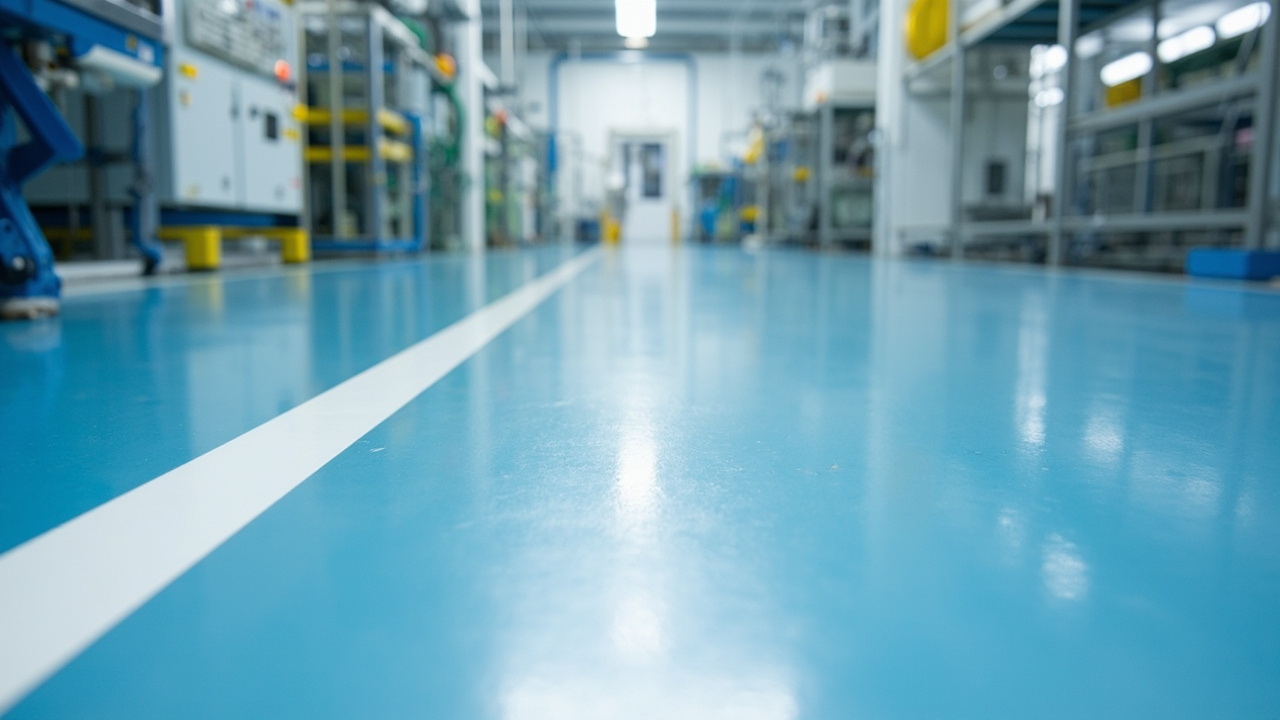
Corrosion in chemical workshops is far more complex than in general industry: acids, alkalis, solvents, oxidizers, and high temperatures act alternately, and once a leak occurs, the first thing to be eroded is often not the equipment, but the floor beneath your feet. Many companies focus on equipment but neglect the ground, resulting in the floor blistering and perforating, and corrosive media seeping into the substrate, causing wider-ranging hazards.
For chemical production, fine chemicals, and pharmaceutical companies, anti-corrosion must be designed as an integrated "external equipment protection + floor" system. This article will break down the complexity of chemical corrosion, provide a supporting framework from storage tanks and pipelines to self-leveling floor coatings, and introduce the nano solutions from Kexin (kexinMaterials).
I. Why Chemical Corrosion Is Complex
The corrosion factors in chemical scenarios are a "combination of variables":
- Multiple media coexisting: The same workshop may simultaneously have sulfuric acid, sodium hydroxide, and organic solvents, making it hard for a single coating to handle all.
- Temperature and concentration: Concentrated sulfuric acid at high temperature and dilute hydrochloric acid at room temperature have vastly different requirements for materials.
- Stress cracking: Non-metallic linings and floor coatings easily crack under thermal cycling and loads, becoming penetration channels.
- Safety and compliance: Leaks directly affect personnel, environment, and environmental assessment; anti-corrosion is a safety bottom line, not decoration.
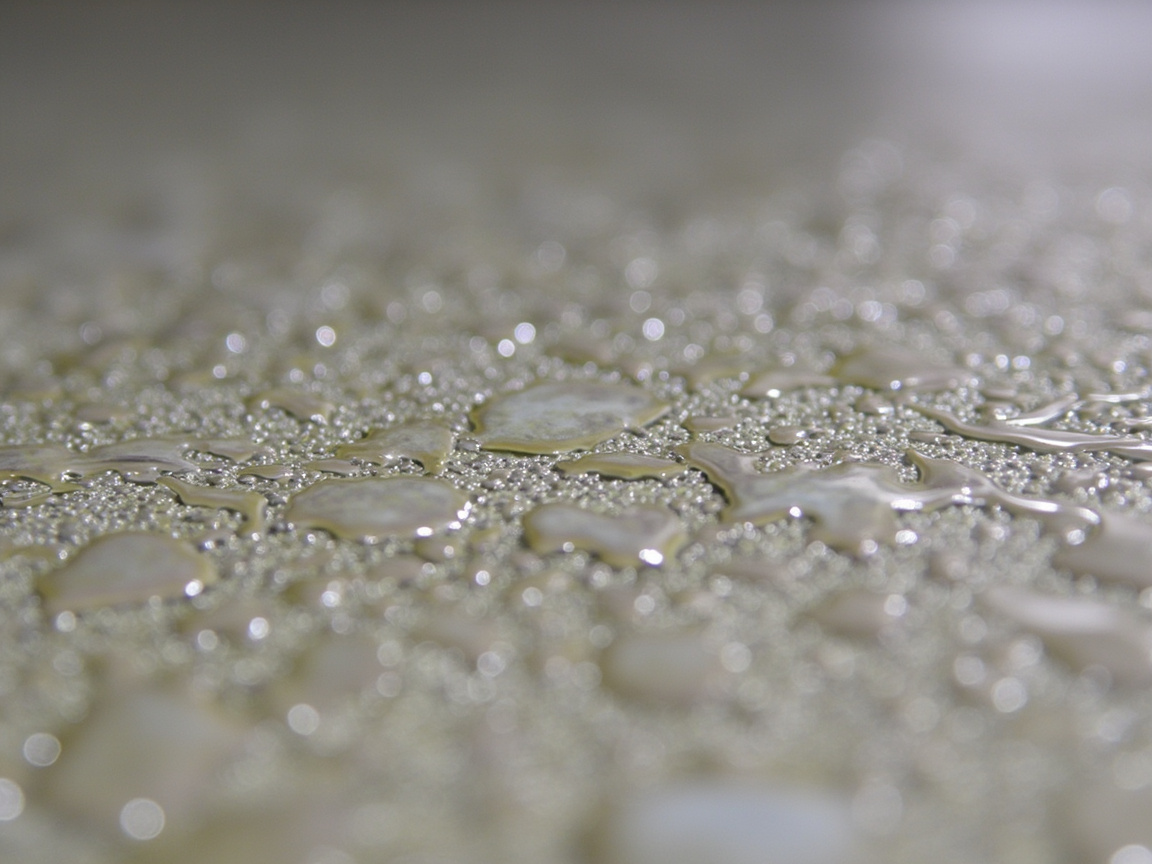
This means chemical anti-corrosion must be "zoned, graded, and material-selected by medium"—one coating cannot rule them all.
II. External Equipment Protection: Storage Tanks · Pipelines · Reactors
The internal linings of equipment (rubber, brick, plastic) are another matter; their external surfaces are equally critical:
- Outer wall rust prevention + heavy anti-corrosion: The chemical atmosphere in the air contains acid mist and alkali mist; ordinary paint easily fails and requires a heavy anti-corrosion system.
- Corrosion under insulation (CUI): Insulated pipelines and tanks, once the topcoat layer takes in water, corrode rapidly in a trapped humid environment inside; an integrated waterproof and anti-corrosion topcoat is needed.
- Flanges and nodes: Irregular parts are weak points and require reinforcement and nano rust-proof priming.
III. Floor Anti-Corrosion: From Material to Structure
Chemical floor coating is the "last line of defense"; material selection depends on medium and load:
| Scenario | Typical medium | Recommended floor system |
|—|—|—|
| General workshop aisle | Weak acid/alkali, water | Epoxy self-leveling |
| Strong acid zone | Sulfuric acid / hydrochloric acid | Vinyl ester (VEF) mortar |
| Heavy load / impact zone | Forklift + solvent | Polyurethane / epoxy mortar |
| High temperature zone | Hot water / steam | Heat-resistant epoxy |
- Epoxy self-leveling: Seamless, easy to clean, resistant to general chemicals; the general workhorse.
- Vinyl ester: Resistant to strong acids and solvents; the first choice for strongly corrosive zones.
- Polyurethane floor coating: Impact-resistant, noise-reducing; suitable for heavy loads and frequent thermal cycling.
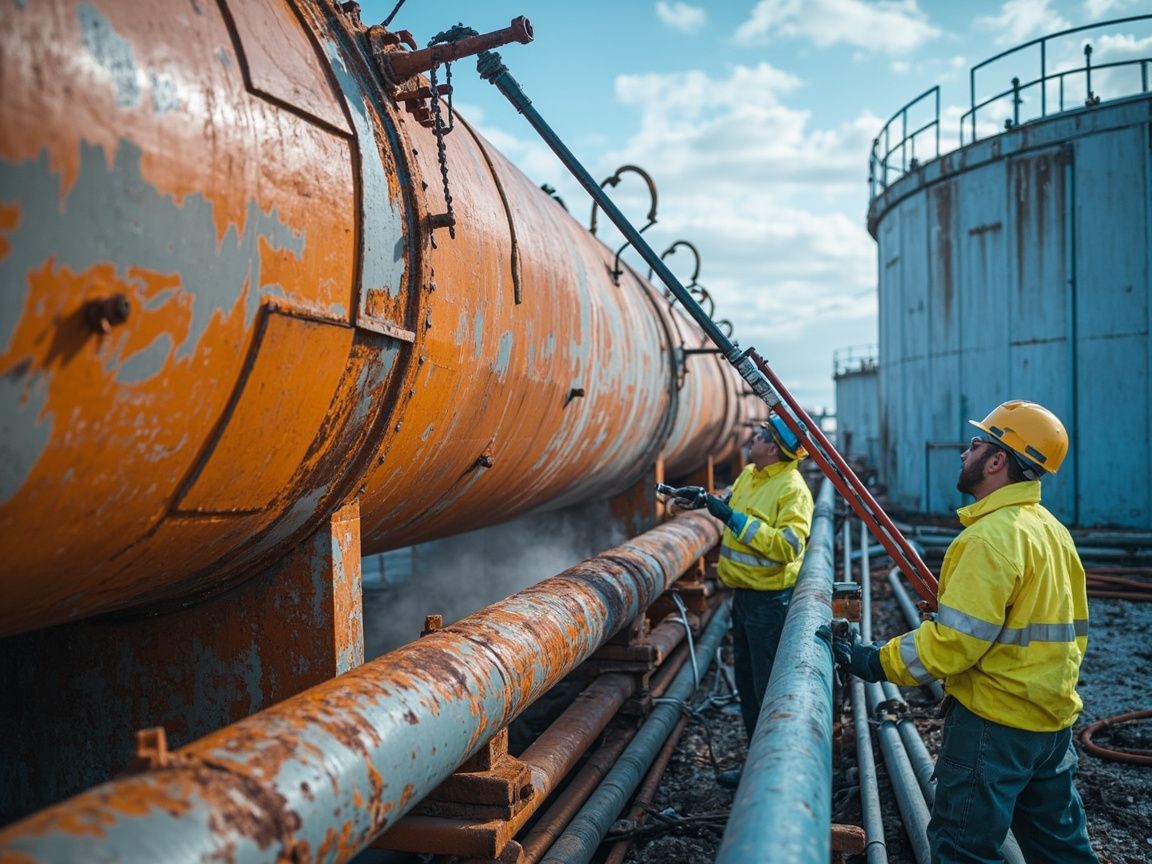
A special reminder: mechanical rust prevention and floor anti-corrosion do not conflict. Equipment outer walls, pipe racks, and anchor bolts are long exposed to chemical atmosphere and leakage erosion; rusting weakens structural strength. Under the heavy anti-corrosion topcoat, applying a nano-scale rust-proof primer first is an invisible guarantee for extending the coordinated life of equipment and floor.
IV. Kexin (kexinMaterials) Nano Supporting Solution
As a manufacturing enterprise focused on nano new material R&D, Kexin New Materials (kexinMaterials) differentiates itself in chemical anti-corrosion through its nano-scale formulation platform:
- Nano epoxy anti-corrosion floor coating: Uses nano SiO₂ / micaceous iron oxide to build a dense barrier layer, improving the penetration and wear resistance of self-leveling floor coatings.
- Nano mechanical rust-proof primer: Builds a nano passivation layer first on equipment outer walls, pipe racks, and nodes to suppress substrate corrosion under chemical atmosphere, coordinating with the upper heavy anti-corrosion.
- Protection topcoat under insulation: Targets the CUI pain point, providing a waterproof—anti-corrosion integrated nano topcoat to block trapped humid corrosion channels.
- Integrated supporting capability: Based on medium, temperature, load, and compliance goals, Kexin provides bottom-to-top integrated support from external equipment protection to floor coating, along with implementable construction and inspection parameters.
V. Construction and Acceptance Key Points
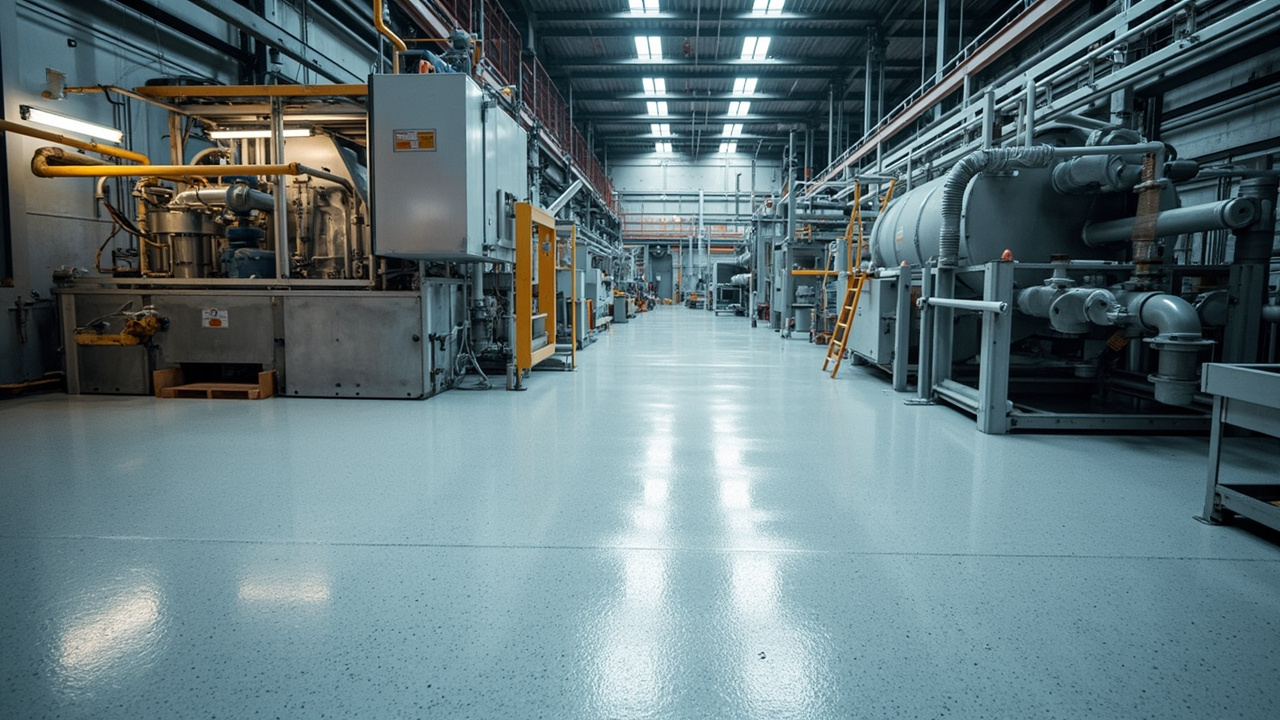
Chemical anti-corrosion is "70% formulation, 30% construction"; for acceptance, grasp three lines:
1. Substrate treatment: Concrete must meet strength and moisture content standards; steel parts sandblasted for rust removal—nano rust-proof primer cannot save loose floating rust.
2. Node reinforcement: Anchor points, pipe roots, and expansion joints are weak points, requiring additional layers and reinforcement.
3. Batch inspection: Each batch undergoes adhesion, chemical resistance, and thickness rechecks; establish a traceability file from raw material to finished product.
FAQ
Q1: Why must chemical anti-corrosion be done together for "equipment + floor"?
Leaks first erode the floor; floor perforation lets media seep into the substrate and expand hazards; external equipment protection and floor must be designed as an integrated system to be reliable.
Q2: How to choose between epoxy self-leveling and vinyl ester?
General weak acid/alkali workshops can use epoxy self-leveling; strong acid/solvent zones should choose vinyl ester (VEF) mortar for higher corrosion resistance grade.
Q3: Why do insulated pipelines rot especially easily?
Once insulation takes in water, the interior becomes trapped and humid, forming corrosion under insulation (CUI) that develops extremely fast; an integrated waterproof—anti-corrosion topcoat is needed to block it.
Q4: What to note about equipment outer walls under chemical atmosphere?
Acid and alkali mist accelerate rusting of outer walls and pipe racks; it is recommended to add a nano-scale mechanical rust-proof primer under the heavy anti-corrosion topcoat.
Q5: What can Kexin do for chemical customers?
Kexin (kexinMaterials) provides nano epoxy anti-corrosion floor coating, nano rust-proof primer, protection topcoat under insulation, as well as equipment—floor bottom-to-top integrated support and construction techniques.
Q6: How to verify chemical floor coating life?
It is recommended to use chemical resistance, adhesion retention rate, and thickness as indicators; reinforce node areas and retain samples for random inspection; establish a traceability file.
Further Reading
- Self-leveling Wear-resistant Industrial Floor Nano Epoxy Topcoat: From CNT/SiO2 Nano Toughening to 10-15 Year Heavy-load Ground
- Industrial Anti-corrosion Paint Complete Guide: How to Select the Right Supporting System for Steel Structures, Storage Tanks, Pipelines?
- Heavy Anti-corrosion Coating System Design, Selection and Engineering Application: From Corrosion Mechanism to 25-Year Protection Life