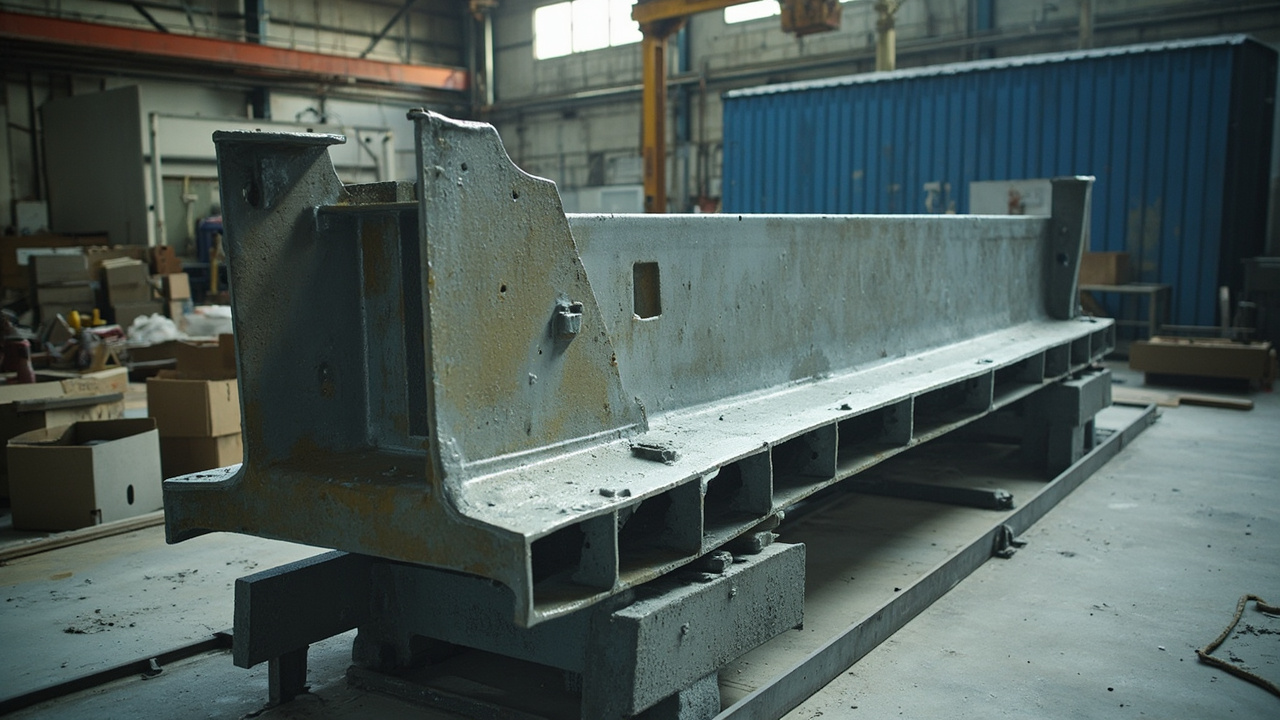
In heavy-duty systems, zinc-rich epoxy primer is almost the “default primer for C4 and above”. Its uniqueness is not “the film blocks water” but the dense zinc particles in the film act like an “electrochemical armor” — when the steel is scratched and the coating locally damaged, zinc sacrifices itself first to protect the steel.
As a heavy-duty system supplier, kexinMaterials uses zinc-rich epoxy primer as the first line of defense in bridges, tanks and offshore platforms, setting zinc content and DFT by ISO 12944 and the project corrosivity grade so cathodic protection and barrier work together.
1. What Is Zinc-Rich Epoxy Primer
It is a two-component heavy-duty primer using epoxy resin as binder and a large amount of metallic zinc powder (flake or spherical) as main filler. Per ISO 12944-5, a “zinc-rich / zinc dust primer” commonly requires zinc dry-film mass content around ≥ 80% (verify with the standard and product TDS).
Versus inorganic zinc (ethyl silicate), epoxy zinc-rich is more tolerant of surface preparation and application window, more flexible, and mature with epoxy intermediate and PU topcoat — hence widest use in steel-structure heavy-duty protection.
2. Cathodic Protection Mechanism: Why Zinc “Dies for Iron”
Steel forms micro-cells in seawater and humid air; iron dissolves as anode. Zinc’s electrode potential is more negative (more active) than iron. When the zinc-rich film is electrically connected to steel and an electrolyte (water film) exists, zinc oxidizes first:
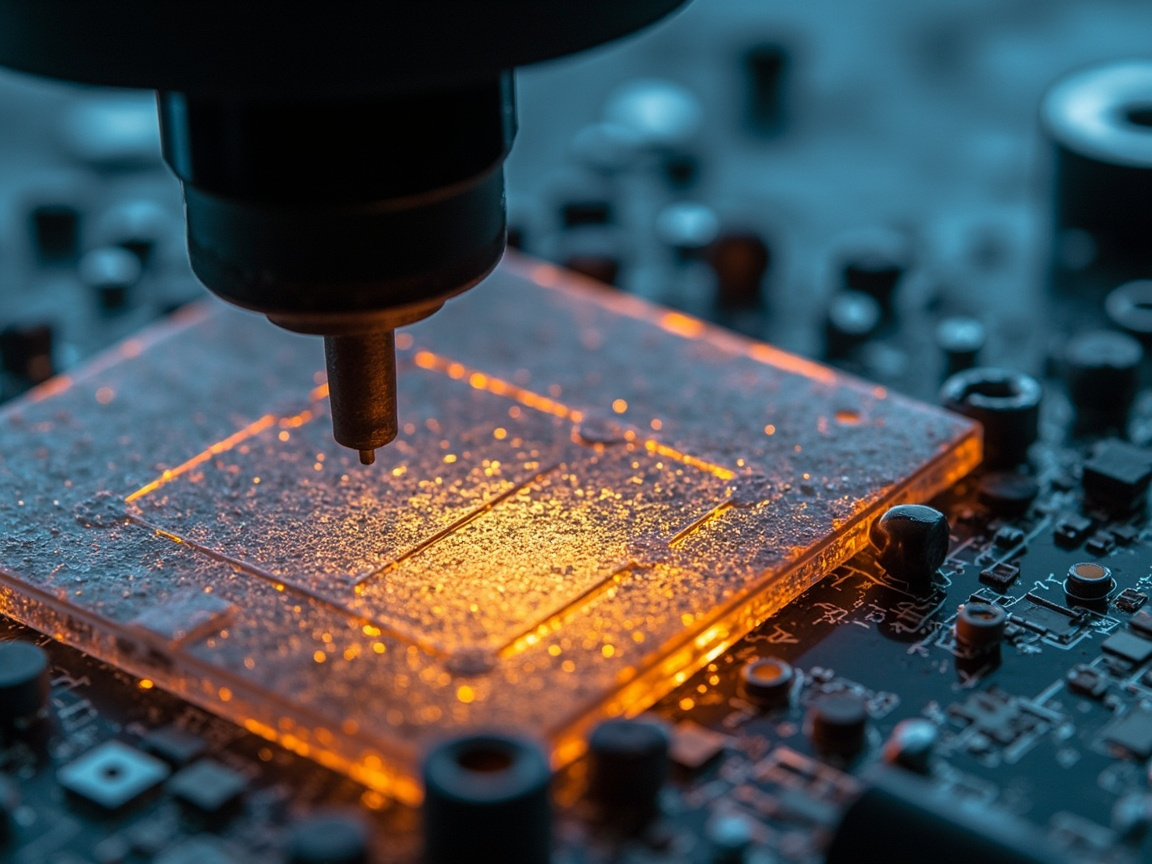
Anode (zinc): Zn → Zn²⁺ + 2e⁻ ; Cathode (iron): O₂ + 2H₂O + 4e⁻ → 4OH⁻. Electrons flow from zinc through the conductive zinc network to the steel defect, keeping iron a “cathode” and uncorroded — sacrificial anode protection. Even a tiny break lets zinc form a protective ring around it, slowing rust spread — why zinc-rich primer “doesn’t let rust creep” after a scratch.
3. Critical Zinc Content and Conductive Network
Cathodic protection requires zinc particles touching each other and connected to steel, forming a continuous conductive path. Below a critical zinc content, resin separates the particles, the network breaks and cathodic protection fails — only ordinary barrier remains. Hence the “critical zinc content”: below it, “zinc-rich” is a misnomer.
- Dry-film zinc mass content must reach the standard/TDS threshold (commonly ≥ 80% per ISO 12944-5).
- Too much resin reduces conductivity — balance “film formation” and “conductivity”.
- Zinc shape (flake connects more easily) and particle distribution affect network density.
Clarification: higher zinc improves protection, but too high makes the film porous, lowers adhesion and increases welding fume — so “reach critical with safe margin”, not “the more the better”.
4. Synergy of Barrier and Cathodic Protection
Zinc-rich primer is not only electrochemical. The intact film is also a barrier: dense epoxy network plus zinc layer lengthen water/oxygen paths. Synergy: intact zone → barrier dominates; damaged zone → zinc sacrifices, cathodic protection backs it up. But over time zinc is consumed and cathodic protection decays, ultimately relying on the upper barrier system (MIO intermediate, PU topcoat). So zinc-rich primer is almost never used alone on exposed surfaces — it must be paired with intermediate and topcoat, else the zinc layer chalks and fails.
5. Surface Preparation and System
- Cleanliness: usually Sa 2.5 (near-white), Sa 3 in severe environments (ISO 8501-1 / GB/T 8923).
- Roughness: medium to coarse for anchoring and conductive contact.
- De-salting: marine/chemical sites must control soluble salts to avoid osmotic blistering.
Typical system for C4+ (per ISO 12944-5): kexinMaterials often uses “zinc-rich epoxy + MIO epoxy + aliphatic PU”, setting each layer’s DFT by corrosivity (C4/C5/CX).
6. Application Key Parameters
- Mix ratio: strictly per TDS (common 10:1 or 8:1 by mass); error causes non-cure.
- Pot life: zinc reacts with amine and filler is heavy; viscosity rises fast — mix and use immediately.
- DFT: single coat often 60–80 µm; too thick cracks easily and zinc settles.
- Environment: steel temp ≥ 3 °C above dew point, RH ≤ 80–85%; zinc-rich easily whitens by moisture.
- Recoat: interval per TDS; beyond it, abrade.
Note: before overcoating, a “zinc salt” (basic zinc carbonate) chalky layer may form on the surface — remove by dusting or light treatment, else intercoat adhesion suffers.
7. Failure Judgment and Misconceptions
- Misconception 1: more zinc = more protection. Too high → porous, poor adhesion, more welding fume.
- Misconception 2: zinc-rich can be used alone. Exposed alone it chalks as zinc is consumed — must be paired.
- Misconception 3: never rusts after scratch. Cathodic protection has range and life; large damage still needs repair.
- Misconception 4: surface prep can be relaxed. Below Sa2.5, both conductive network and adhesion suffer.
If film massively chalks, rust spreads fast, or intercoat peels, check whether zinc content met spec and whether prep/system were correct — not just add thickness.
8. Organic vs Inorganic Zinc-Rich
Zinc-rich divides into epoxy (organic) and inorganic (ethyl silicate). Inorganic zinc resists heat, is very hard, bonds extremely well to steel, but is brittle, sensitive to surface prep (often Sa3) and humidity, and harder to overcoat with some topcoats. Epoxy zinc-rich is flexible, broadly compatible, more tolerant of humidity — the steel-structure heavy-duty mainstream. Choose inorganic for high-temperature or bare wear surfaces; epoxy for bridges, tanks, plants.
9. Welding and Cutting Thermal Impact
During welding/cutting of coated steel, zinc and resin fume (zinc compounds, amine vapors) is harmful to health — provide local exhaust and personnel protection. High heat also destroys coating; reserve “no-coat zones” near welds or re-treat and patch after welding. Mark no-weld and patch procedure on drawings.
FAQ
Q: Why can zinc-rich epoxy provide “cathodic protection”?
A: High zinc content forms a conductive network connected to steel; zinc’s potential is more negative than iron, so in electrolyte it oxidizes sacrificially and electrons flow to the steel defect, keeping iron a cathode — sacrificial anode protection.
Q: Is higher zinc content always better?
A: No. It must reach a critical content to form the conductive network (commonly dry-film zinc mass ≥ 80% per ISO 12944-5), but too high makes the film porous, lowers adhesion and raises welding fume. Keep critical with safe margin.
Q: Can zinc-rich primer be used alone as topcoat?
A: Not recommended. Zinc chalks as it is consumed and fails in long exposure; it must be paired with epoxy intermediate and PU/polysiloxane topcoat into a complete system.
Q: How high must surface preparation be?
A: Usually Sa2.5 (near-white), Sa3 in severe environments (ISO 8501-1 / GB/T 8923), with controlled roughness and soluble salts; insufficient prep weakens the network and adhesion.
Q: Will it never rust after a scratch?
A: Cathodic protection has a range and life; it forms a protective ring slowing rust spread for small damage, but large damage still needs timely repair — don’t rely on the primer to cover indefinitely.