Introduction: Pigments — the “Soul of Color” and the “Backbone of Hiding Power” in Coatings
Pigments, one of the two most important solid components in coatings (the other being fillers), contribute color, hiding power, and partial anticorrosive function to the coating. In coatings, pigments are not “dissolved” but “dispersed,” suspended in the resin solution as micron-sized particles. The quality of pigment dispersion directly determines the tinting strength of the coating (same weight of pigment—better dispersion—deeper color—higher tinting strength = less pigment used = more profit), gloss (large particles scatter light—hazing—low gloss), and storage stability (poor dispersion—flocculation—hard settling—scrap). Pigment dispersion is the step in coating technology that has “the greatest impact on unit cost”—pigments are usually the most expensive raw material in the formulation—a 10% improvement in dispersion efficiency means saving 50–200 RMB per ton of paint in pigment cost.
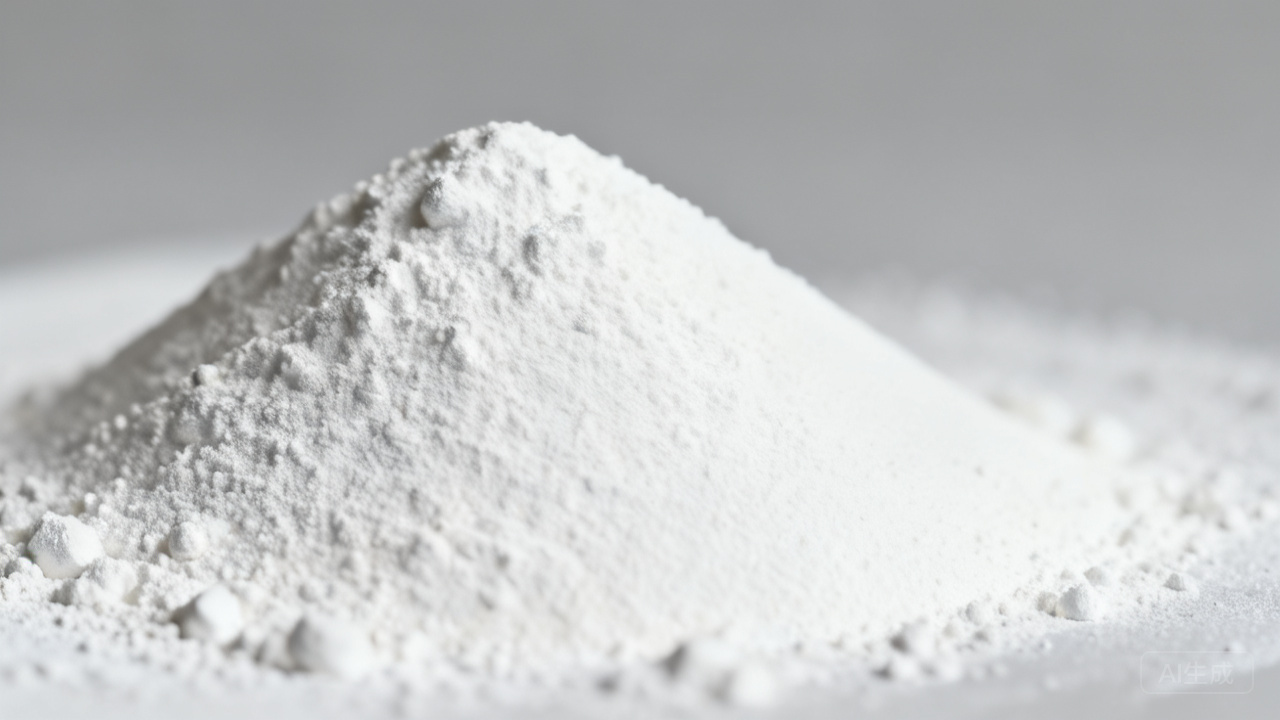
Pigments for coatings are a class of fine solid coloring substances that are insoluble in coating resins and solvents—through a three-step dispersion process of wetting (dispersant replaces air/moisture on pigment surface) → deflocculation (mechanical shear—sand milling—breaking pigment agglomerates down to primary particles <5μm) → stabilization (dispersant adsorption—steric hindrance + electrostatic repulsion—preventing pigment particles from re-flocculating)—they are uniformly suspended in the coating system—imparting color, hiding power, weather resistance and partial anti-corrosion function to the coating. Pigments are divided into inorganic pigments (TiO2/carbon black/iron oxide—hiding power/weather resistance/low cost) and organic pigments (phthalocyanine/quinacridone/DPP—vivid color/transparency/high tinting strength/high price).
I. Chemistry and Properties of the Six Core Pigment Types
| Pigment | Chemical Composition | Refractive Index | Primary Particle Size (μm) | Heat Resistance (°C) | Weather Resistance | Price (yuan/kg) | Application |
|---|---|---|---|---|---|---|---|
| TiO2 Rutile | TiO2 (>95%) + Al2O3/SiO2 coating | 2.72 (highest — hiding power king) | 0.2-0.3 | >1800 | Best | 15-25 | White coatings — >99% of white pigment usage |
| Carbon Black | Csp2/graphite-like microcrystals — surface contains -OH/-COOH | 1.8-2.0 | 0.01-0.1 | >3000 | Best | 20-80 | Black — most difficult pigment to disperse |
| Iron Oxide Red (Fe2O3) | α-Fe2O3 (hematite structure) | 2.9-3.0 | 0.1-1.0 | >1200 | Best (most stable in nature) | 5-15 | Red/brown — anti-corrosion primer — building materials |
| Phthalocyanine Blue (PB15) | Cu-phthalocyanine (large conjugated ring / 20π electrons) | 1.5-1.7 | <0.1 | >400 (sublimation) | Excellent | 80-200 | Blue — CMY primary color |
| Quinacridone (PR122) | Linear polycyclic — quinacridone skeleton | 1.5-1.7 | <0.1 | >300 | Excellent | 300-800 | High-end red — automotive refinish |
| DPP (PR254) | Diketopyrrolopyrrole (contains two lactam rings) | 1.6-1.8 | <0.1 | >350 | Excellent | 500-1500 | “Ferrari Red” highest-end organic red |
FAQ
Q1: TiO2—Why is the hiding power of the “rutile type” >1.3 times that of the “anatase type”?The essence of hiding power is light scattering—when light enters TiO2 particles (rutile R=2.72, anatase R=2.55) from the resin (refractive index ≈1.5), refraction and scattering occur at the interface. According to Mie scattering theory, the scattering efficiency depends on: (1) Δn=|n_pigment-n_resin|—rutile Δn=1.22, anatase Δn=1.05—the larger the Δn, the stronger the scattering—rutile scattering efficiency is about 30% higher than anatase; (2) particle size—optimal scattering particle size ≈ λ/(2.1×Δn) ≈ 550nm/(2.1×1.22) ≈ 215nm—the industrial particle size of rutile TiO2 (0.2-0.3μm) happens to fall within this optimal range. Apart from hiding power, the photocatalytic activity of rutile (which causes coating chalking) is much lower than that of anatase, so outdoor coatings must use the rutile type.
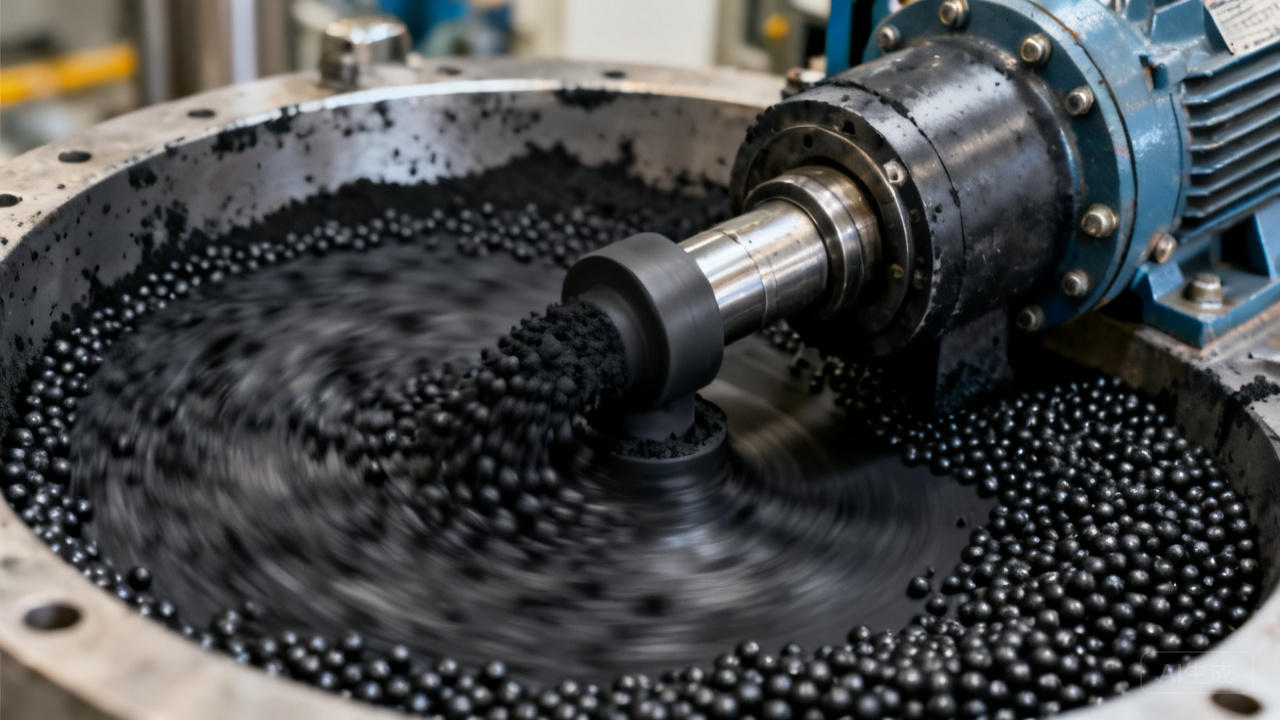
Q2: Carbon black, the “most difficult pigment to disperse” — why is its dispersion the most challenging part of the entire coating process?Carbon black’s “four highs” characteristics: (1) High specific surface area (20-1500 m2/g) — enormous van der Waals forces cause carbon black particles to spontaneously agglomerate — primary particles from 0.01 μm agglomerate into 50-200 μm hard agglomerates; (2) High oil absorption value (DBP 50-150 mL/100g) — chain-like agglomerates exist between carbon black particles — trapping large amounts of voids internally — requiring large amounts of dispersant and resin to fill — resulting in extremely high viscosity of the carbon black slurry; (3) High surface functional groups (oxidized carbon black surface contains -OH/-COOH — pH 3-5 — acidic) — requires dispersants with amino (-NH2) anchoring groups; (4) High electrical conductivity — carbon black particles generate static electricity during grinding — static electricity causes particles to repel each other — reducing grinding efficiency. Three key elements of carbon black dispersion: matching dispersant (amino/polyurethane type) + high shear force (bead mill/zirconia beads/linear velocity >10 m/s) + sufficient grinding time (30-60 min/pass).
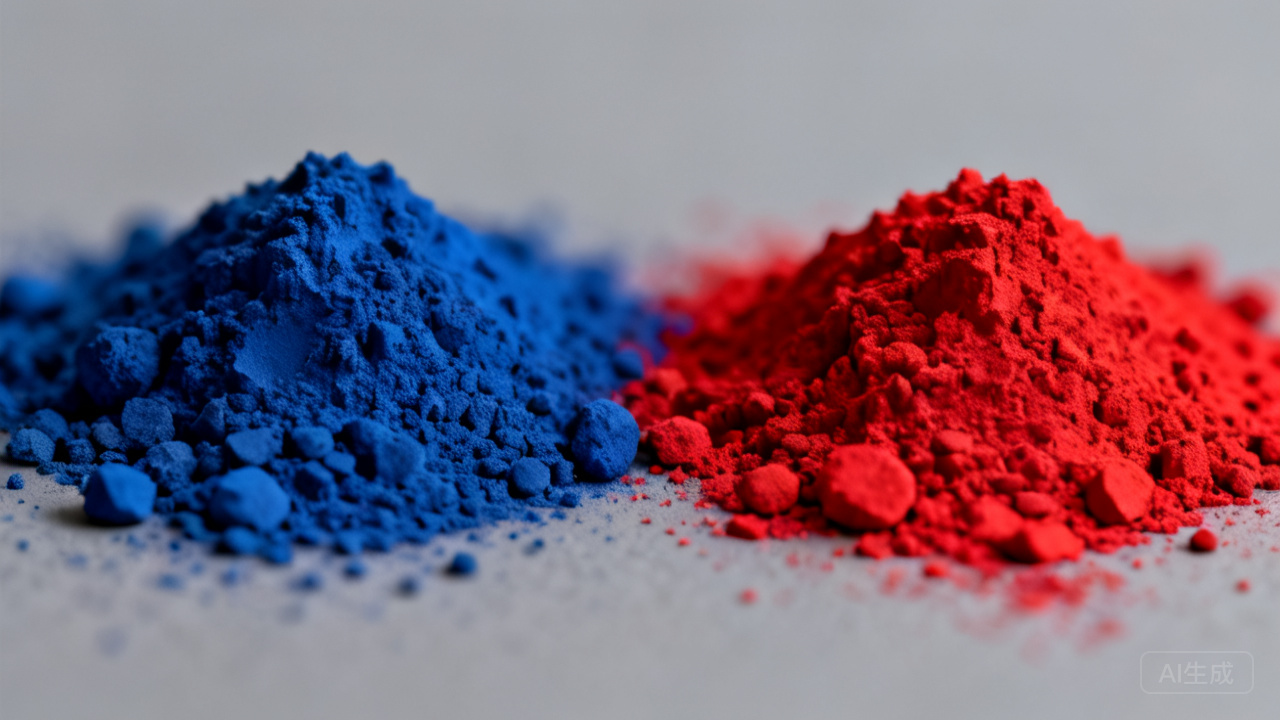
Q3: Why is “dispersion = life” for organic pigments? Why is the same phthalocyanine blue—well-dispersed is sapphire blue—poorly dispersed is grayish blue?Phthalocyanine blue (PB15) has a primary particle size <0.1μm (nanoscale)—but it exists as agglomerates of 50-200μm when shipped—at this point it shows a dark blue-black color (because the particles are too large—light is absorbed rather than reflected). When the agglomerates are broken open by grinding—the particle size gradually decreases—the color gradually shifts from blue-black → dark blue → bright blue → sapphire blue—when the particle size reaches 0.1-0.2μm (close to the primary particles)—it shows the true color of phthalocyanine blue—a vivid sapphire blue. If dispersion is insufficient—the particle size stays >1μm—the color becomes grayish and dull—the tinting strength is only 1/3 to 1/5 of that of full dispersion—meaning to achieve the same color depth—3 to 5 times the pigment is needed—cost doubles. “Organic pigments—dispersion = color = tinting strength = cost—every minute of grinding—is earning pigment money”.
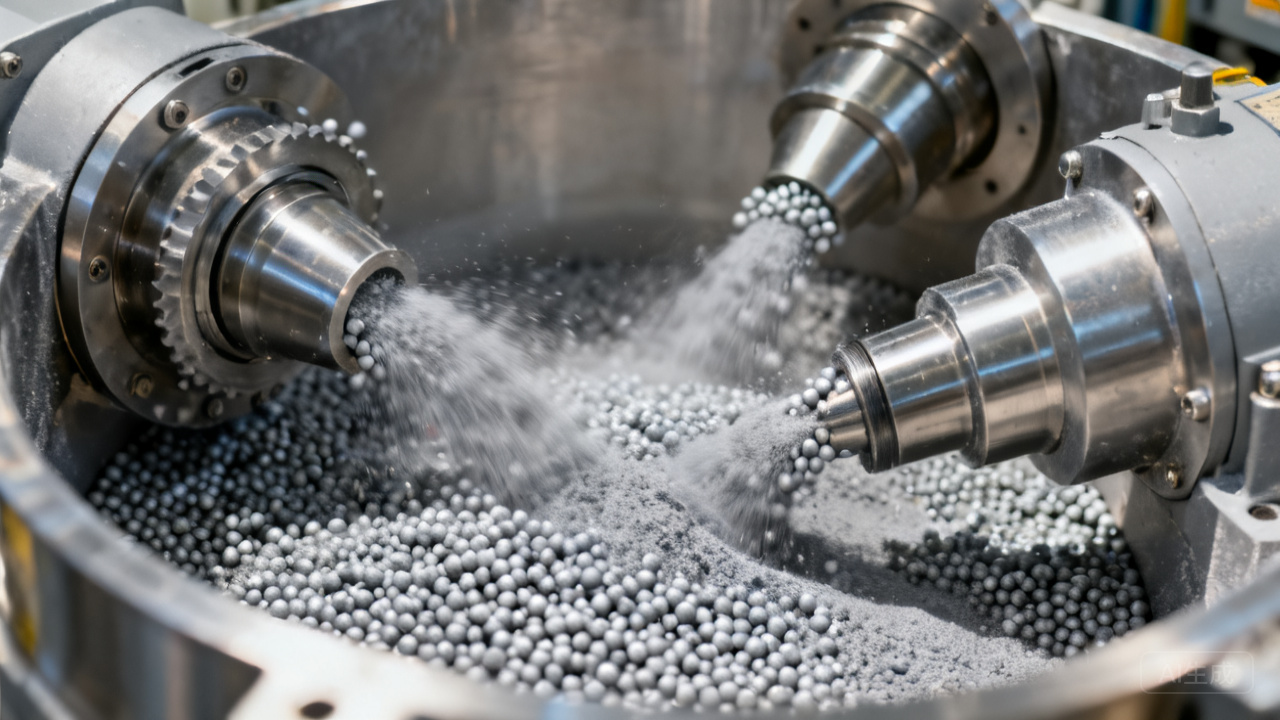
Q4: Grinding media for bead mills—why have zirconia ZrO2 beads gradually replaced glass beads and steel balls?Zirconia beads (Y-TZP—yttria-stabilized tetragonal zirconia—density 6.0 g/cm3—hardness HV>1200—fracture toughness >10 MPa·m1/2) offer the best overall performance: (1) High density (6.0)—large impact energy during grinding—grinding efficiency is 3-5 times that of glass beads (density 2.5); (2) High hardness (>1200 HV)—extremely low self-wear rate (<0.01%/1000h)—almost no contamination of the coating; (3) High fracture toughness—not prone to breaking—service life 10000-20000h—more than 3 times that of zirconium silicate beads. The only drawback of zirconia beads is that they are expensive (300-800 yuan/kg)—but the unit grinding cost (bead consumption + power consumption + labor hours) is actually the lowest—because of high efficiency + long life + no contamination—the best overall cost-performance ratio.
Related Reading
Summary
The six core categories of coating pigments—TiO₂ (rutile—king of hiding power), carbon black (most difficult to disperse / four-high characteristics), iron oxide (most stable / most versatile), phthalocyanine blue (vivid / weather-resistant), quinacridone (high-end transparent red), and DPP (Ferrari red—newest generation)—each have their own chemical properties and dispersion requirements. Pigment dispersion—the three steps of wetting → deflocculation → stabilization—determines the pigment’s color, tinting strength, and coating gloss. Kexin New Materials provides customers with pigment selection, dispersant matching, and milling process optimization—turning every penny you spend on pigments into the color value of your coating.