In heavy-duty anti-corrosion coating systems, epoxy zinc-rich primer is widely recognized as the "first line of defense." Unlike topcoats that are responsible for aesthetics and weather resistance, or intermediate coats that merely add thickness and barrier properties, it relies on the "self-sacrifice" of large amounts of zinc dust in the film to provide electrochemical protection for exposed metal even when minor defects appear on the steel substrate. This active protection mechanism makes it an irreplaceable primer in harsh environments such as C5, CX, and even Im2 immersion. Using cathodic protection mechanism as a thread, this article combines the real parameters from the publicly available Technical Data Sheets (TDS) of Teknos TEKNOZINC 3480 SE and Jotun Barrier 80 UHS to deeply break down the zinc content grades, solids content and VOC, mixing ratio and pot life, as well as the minimum surface preparation requirements of epoxy zinc-rich primer, helping engineers turn the term "zinc-rich" from a concept into verifiable numbers.
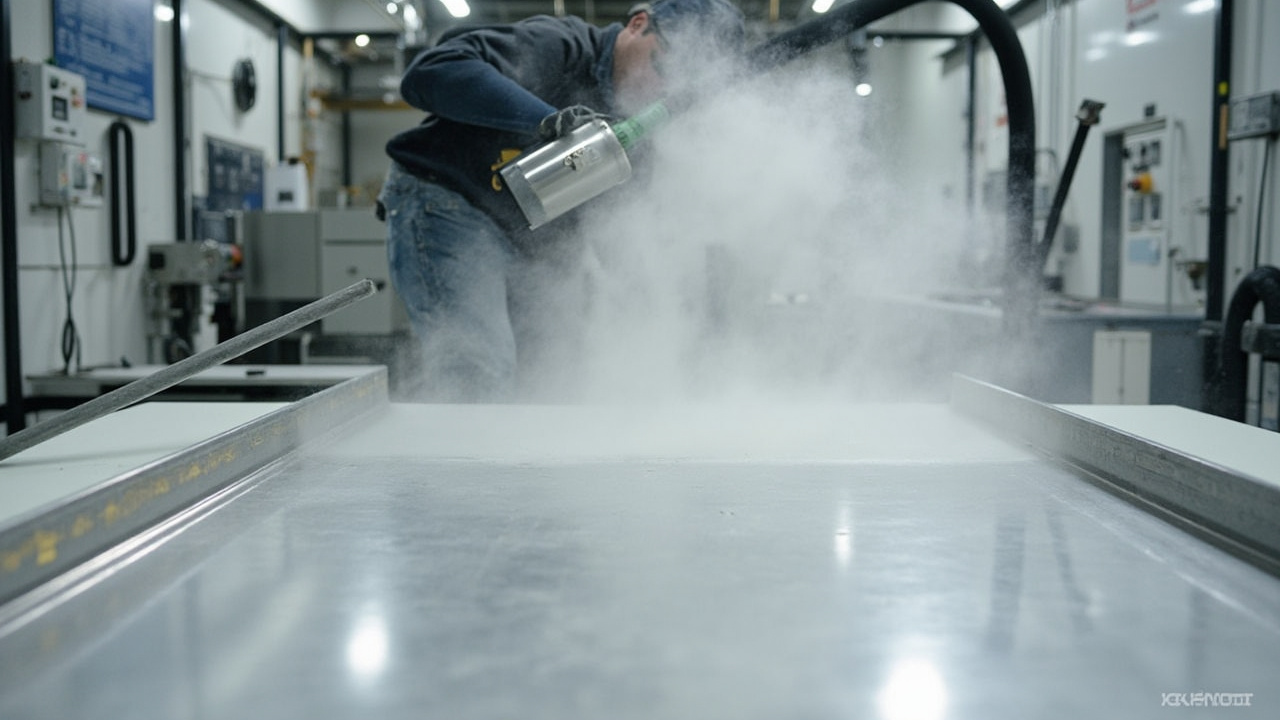
I. Positioning and Core Mechanism of Epoxy Zinc-Rich Primer: Sacrificial Anode Cathodic Protection
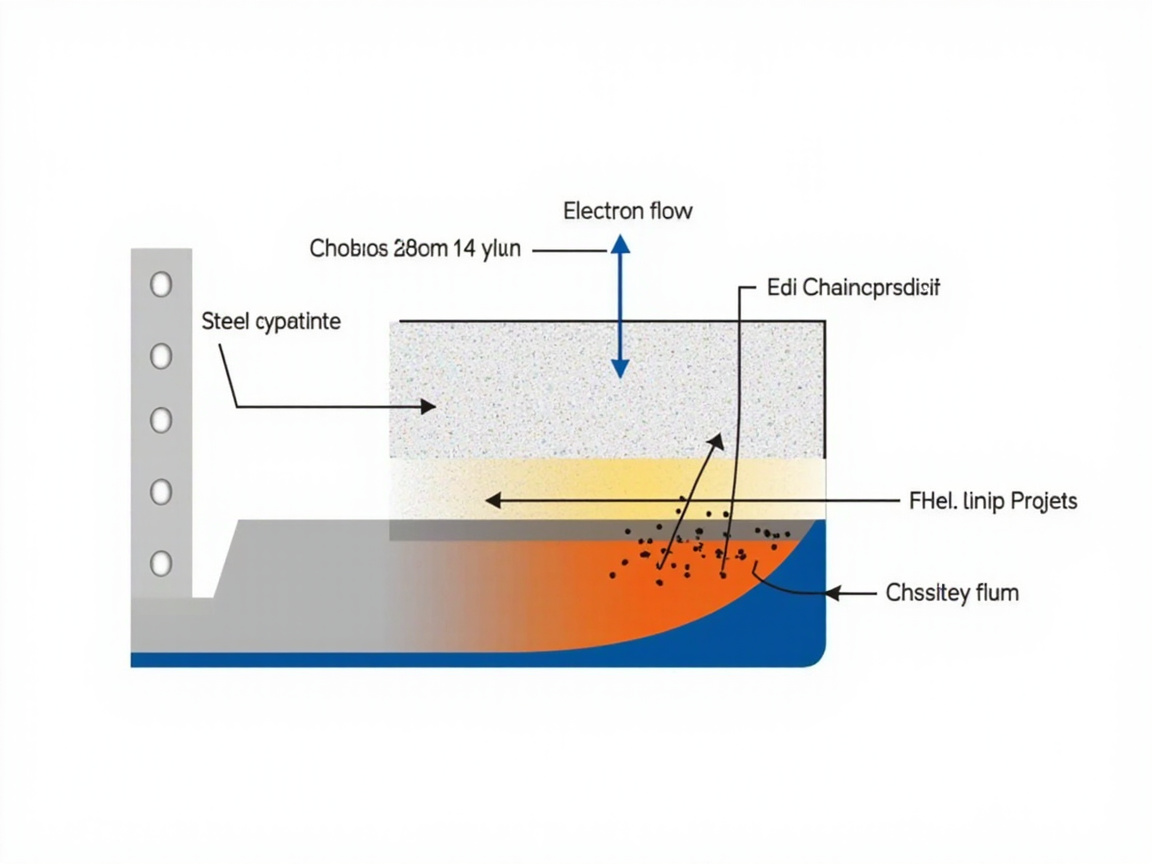
To understand why epoxy zinc-rich primer is "much more expensive yet worthwhile," one must first understand that its protection mechanism differs from ordinary barrier-type primers. Ordinary epoxy zinc phosphate primer passively blocks corrosive media through passivation and barrier; whereas zinc-rich primer is filled with massive zinc dust in the dry film (commonly ≥80% by dry film mass), and these zinc particles are in contact with each other and connected to the steel substrate, forming a continuous conductive network. When the film is locally damaged, the steel substrate is exposed and contacts an electrolyte (water film, salt spray), the zinc with a more negative potential dissolves preferentially, acting as a sacrificial anode and forcing the steel to become the cathode and thus protected—this is "Cathodic Protection."
From the electrochemical series, the standard potential of zinc is about −0.76 V (vs. standard hydrogen electrode), far more negative than iron's −0.44 V. Therefore, the zinc dust network "rushes" to be oxidized: Zn → Zn²⁺ + 2e⁻, electrons flow to the steel substrate, polarizing the steel substrate into the immunity zone. The generated Zn²⁺ further reacts with OH⁻ and CO₃²⁻ in the environment to form dense corrosion products such as basic zinc carbonate, blocking the damaged area and providing auxiliary barrier like "self-healing." The archive "Key Mechanisms and Selection Points" clearly states: cathodic protection is "zinc dust (≥80% dry film) in zinc-rich primer acting as sacrificial anode."
It must be emphasized: the premise for cathodic protection is that the zinc dust maintains electrical connection with the steel substrate, and the zinc content is sufficient to form a continuous network. If the surface has oil, salt, or scale barriers, or the zinc content is too low causing a discontinuous network, the protective effect will drop sharply. This also explains why zinc-rich primer is so stringent on surface treatment and zinc content.
II. Three Zinc Content Grades and Performance Boundaries
The "rich" in epoxy zinc-rich primer refers to the mass proportion of zinc dust. The industry usually divides grades by zinc content in the dry film, with different grades corresponding to different protection positioning and costs:
| Zinc Content Grade (Dry Film Mass) | Protection Characteristics | Applicable Boundaries | Risks and Notes |
|---|---|---|---|
| Low zinc (approx. 40%–65%) | Barrier-dominated, weak cathodic protection | C3–C4 ordinary industrial, as low-to-mid grade primer | Discontinuous network, weak protection at damage, relies on intermediate coat to compensate |
| Medium zinc (approx. 65%–80%) | Barrier + limited cathodic protection | C4–C5 mainstream heavy-duty anti-corrosion | Performance depends on film formation and zinc dust quality, need to verify per TDS |
| High zinc (≥80%) | Strong cathodic protection, near-complete network | C5, CX, Im2 harsh environments | Highest cost, higher VOC, but optimal anti-corrosion life and economy |
The high zinc grade (≥80%) is the threshold range recognized by ISO 12944-5 for heavy-duty anti-corrosion systems. The archive shows TEKNOZINC 3480 SE clearly labeled "zinc content (dry film) ≥ 80 % (mass)", and Jotun Barrier 80 UHS's "zinc dust complies with ASTM D520 Type II" and meets ISO 12944-5 composition requirements; both stand at the high zinc grade, thus achieving "Very High (VH)" durability at C5.
A common misconception is "the more zinc the better, wouldn't 95% be invincible." In reality, excessively high zinc content brings side effects: increased film brittleness, reduced adhesion and toughness, and squeezed epoxy binder proportion leading to poorer film formation; meanwhile, more zinc oxide fumes are generated during welding/cutting. Therefore, standards and TDS mostly set the upper limit in a reasonable range (e.g., 80%–90% dry film), and regulate purity and particle size by zinc dust type (Type I/II/III) in ASTM D520, rather than blindly pursuing extremes.
III. Real Product Data Breakdown: TEKNOZINC 3480 and Barrier 80 UHS
To ground the mechanism in specific products, the most intuitive way is to view the key parameters of two publicly available TDS side by side. The table below summarizes the core data of the two epoxy zinc-rich primers from the archive, all values from the manufacturer TDS as noted in the research archive.
| Parameter | TEKNOZINC 3480 SE (Teknos) | Barrier 80 UHS (Jotun) | Engineering Meaning |
|---|---|---|---|
| Type | Two-component solvent-based high-solids epoxy zinc-rich | Two-component polyamine-cured epoxy, ultra-high solids (6XW) | Both epoxy-based, different solids routes |
| Volume solids | Approx. 66 % | 85 ± 2 % | Barrier higher, better thickness build efficiency per unit material |
| Weight solids | Total solids mass approx. 2400 g/L | 95 ± 2 % | Barrier is ultra-high solids with "VOC mass fraction <10%" |
| VOC | Approx. 300 g/L | 134 g/L (GB 30981 / GB/T 34682) | Both in comfortable zone below strict limits, Barrier better |
| Zinc content (dry film) | ≥ 80 % (mass) | Complies with ASTM D520 Type II | Both meet heavy-duty high zinc grade |
| Mixing ratio A:B | 5 : 1 (volume) | Two-component (polyamine cured, see TDS for details) | Weighing ratio error directly affects curing |
| Pot life | 3 h (@23℃) | See TDS (ultra-high solids systems usually limited) | Must be used up within pot life after mixing |
| DFT | 60–150 µm | 60–150 µm | Same film thickness range, can be single/double coat |
| Corrosion grade | Complies with EN ISO 12944-5 | ISO 12944-6 test reaches VH at C5 | Both cover C5 high durability |
| Theoretical spreading rate | See TDS (varies with DFT) | 14–5.6 m²/L | Barrier higher solids, better spreading rate |
From the comparison, both stand on the same capability line of "high zinc + C5 VH", with differences concentrated in solids and VOC: TEKNOZINC 3480 takes the mature high-solids solvent route of 66% volume solids and VOC approx. 300 g/L; Barrier 80 UHS pushes weight solids to 95% and VOC down to 134 g/L, a typical ultra-low emission ultra-high solids route. For projects strictly controlled by GB 30981-2020, the latter has greater compliance margin.
In addition, the TDS of TEKNOZINC 3480 specifically notes "can be used as primer for polyurethane/epoxy systems, weather-resistant even without topcoat," meaning in some moderate-to-low corrosion or short-cycle conditions, it can be used alone as a durable primer, simplifying the system; whereas Barrier 80 UHS emphasizes its role as the base layer in C5 VH long-life systems, combining with micaceous iron oxide intermediate coat and polyurethane topcoat to leverage system advantages.
IV. Solids, VOC and Environmental Compliance
"Solids" and "VOC" are two sides of environmental compliance for epoxy zinc-rich primer. Volume solids determine how thick one coat can build, while weight solids and VOC determine emissions and occupational health risks. Using archive data as example:
- Volume solids: TEKNOZINC 3480 approx. 66%, Barrier 80 UHS 85±2%. Higher volume solids means less coating volume needed to reach same DFT, lower transport and loss.
- Weight solids: Barrier 80 UHS 95±2%, and "VOC mass fraction <10%", belonging to ultra-high solids category; TEKNOZINC 3480 total solids mass approx. 2400 g/L, VOC approx. 300 g/L.
- VOC limitIndustrial protective coating is governed by GB 30981-2020 "Limit of Harmful Substances in Industrial Protective Coatings", and zinc-rich primer categories have explicit VOC upper limits; the 134 g/L of Barrier 80 UHS and the approximately 300 g/L of TEKNOZINC 3480 are both within the compliant range, but the former is more at ease in strictly controlled zones.
It should be noted that VOC determination must be performed according to methods such as GB/T 23985 (or GB/T 23986 GC-MS method), ISO 11890, etc. Values will differ under different regulations (for example, Jotun Jotacote's VOC labels under GB, EU, and US are 239/261/247 g/L respectively, showing the influence of methods). When comparing VOC, one must confirm "same method, same regulatory caliber"; otherwise the numbers cannot be directly compared.
When recommending zinc-rich primers, kexinMaterials prioritizes guiding customers in strictly controlled zones under GB 30981-2020 to adopt ultra-high solids routes (such as 95% weight solids, VOC 134 g/L level), exchanging lower emissions for uncompromised cathodic protection capability.
V. Mixing Ratio, Pot Life, and Key Application Parameters
Epoxy zinc-rich primer is a two-component coating; the curing agent (polyamine or polyamide type) and the base must be mixed strictly in proportion, otherwise it will result in non-drying, tackiness, or performance collapse. The archive provides the key application parameters of TEKNOZINC 3480:
- Mixing ratio A:B = 5:1 (by volume): Weighing and addition order must follow the TDS, adding base first then curing agent, stir thoroughly and allow induction before use.
- Pot Life 3 h (@23℃): The mixed paint is usable for about 3 hours at 23℃, the higher the temperature the shorter the pot life; in summer application, prepare in small batches and mix frequently for frequent use.
- Drying: Touch dry about 10 min, tack-free about 15 min, full cure 7 d. Short surface dry benefits assembly lines, but before full cure it should not bear heavy loads or immersion.
- Weather-resistant even without topcoat: According to TDS, it can be used as primer for polyurethane/epoxy systems, and used alone also has weather resistance, giving flexibility for maintenance and short-cycle projects.
Compared with the general epoxy polyurethane topcoat system (Part 5 of the archive): its environmental requirements are temperature 5–35℃, relative humidity ≤80%, substrate temperature at least 3℃ above dew point, packaging base 20 kg + curing agent 4 kg, shelf life 12 months. The application boundary of zinc-rich primer is similar, but because it contains large amounts of active zinc dust, it is more sensitive to surface cleanliness—oil or salt residue will block zinc-iron electrical contact and cause cathodic protection failure, so after blasting, dust removal and salt detection are often required.
In addition, two-component systems containing isocyanate/amine curing agents produce harmful mist during mixing and spraying; application requires ventilation and wearing of防毒 masks, goggles, chemical-resistant gloves; although zinc-rich primer is mostly epoxy amine cured (non-HDI type), welding/cutting of zinc-coated steel will produce zinc oxide fumes, requiring local exhaust and respiratory protection.

VI. Surface Treatment and Spreading Rate: Sa2.5 is the Bottom Line
Regardless of zinc content, epoxy zinc-rich primer must stand on clean steel. ISO 8501-1's Sa 2½ (Sa2.5) "thorough blast cleaning" is the recognized bottom line for zinc-rich systems: it requires no visible oil, mill scale, rust, or old coatings, only slight traces allowed, and appropriate roughness (generally 40–75 µm, beneficial for mechanical interlocking and zinc dust adhesion). Both the zinc-rich primer and nano ceramic coating in the archive list Sa2.5 as the bottom line, showing its general importance.
In terms of spreading rate, the theoretical value is determined by volume solids and DFT: theoretical spreading rate (m²/L) = volume solids × 1000 / DFT(µm). Estimated at Barrier 80 UHS (volume solids 85%, DFT 80 µm) about 10.6 m²/L, consistent with the archive's 14–5.6 m²/L (varies with DFT 60–150 µm); TEKNOZINC 3480 (volume solids about 66%) at same 80 µm about 8.25 m²/L. On site due to roughness and loss, actual consumption needs to increase by 20%–60%.
Coat as soon as possible after surface treatment (generally same day) to avoid steel re-rusting; if interval is too long or rain occurs, must re-treat or re-blast. For extreme environments such as CX/Im2, it is also recommended to add salt (Bresle method) and roughness detection, upgrading Sa2.5 from "visually qualified" to "data qualified".
In the coordination disclosure, kexinMaterials writes Sa2.5 surface treatment, 5:1 mixing ratio quantity control, use within 3 h pot life, and dew point +3℃ as mandatory inspection items, ensuring the cathodic protection network of zinc-rich primer is continuously effective at start.
VII. Technical Route Recommendations from kexinMaterials
Integrating mechanism and real data, the selection of epoxy zinc-rich primer can be converged into four executable principles:
- Zinc content by tier: C5/CX/Im2 prefer ≥80% dry film high-zinc tier (such as TEKNOZINC 3480, Barrier 80 UHS level), C3–C4 can drop to mid-zinc tier based on cost, but TDS must explicitly meet ISO 12944-5.
- Solids by compliance: In strictly controlled zones of GB 30981-2020, prioritize ultra-high solids (95% weight solids, VOC 134 g/L level), balancing emission and occupational health.
- Application by ratio: Two-component strictly A:B (e.g., 5:1 by volume) weighing, induction, use within 3 h pot life; small batch preparation in summer.
- Substrate by Sa2.5: Thorough blast cleaning + roughness + salt detection, blocking the root cause of zinc-iron electrical contact failure.
Combining these four with the overall "primer + intermediate + topcoat" system (see How to select water-based and oil-based paint for system comparison, and Application differences between water-based and oil-based paint), can turn every gram of zinc dust in epoxy zinc-rich primer into real, verifiable anti-corrosion contribution.
VIII. Zinc Dust Types and ASTM D520 Specification
The "zinc" in high-zinc tier is not just any zinc dust; its purity, particle size, and shape directly affect cathodic protection efficiency and film condition. ASTM D520 "Standard Specification for Zinc Dust Pigment for Paints" classifies zinc dust into Type I (conventional purity), Type II (high purity, low impurities), Type III (special treatment), etc., and specifies metallic zinc content, upper limits for lead/cadmium impurities, and particle size distribution. The archive states Barrier 80 UHS explicitly "zinc dust complies with ASTM D520 Type II", i.e., uses high-purity zinc dust; fewer impurities mean purer electrochemical reaction, more stable zinc-iron potential difference, and more reliable long-term cathodic protection.
In terms of particle size, finer zinc dust has larger specific surface area and easier formation of continuous conductive network, but excessive fine powder increases oil absorption, raises viscosity, and accelerates settling; coarser zinc dust settles fast and slightly inferior network continuity. Mature TDS balances these two through particle size grading. For engineers, when selecting materials, do not only look at "zinc ≥80%", but also ask which ASTM D520 type the zinc dust complies with and how impurities are controlled—this is the key to distinguishing "true high-zinc" from "filler high-zinc".
IX. Curing Chemistry, Recoating Interval, and Compatibility
The film formation of epoxy zinc-rich primer is an addition polymerization reaction between epoxy base and polyamine/polyamide curing agent, generating a 3D crosslinked network that "locks" zinc dust in the film. This reaction is temperature sensitive: low temperature slows reaction rate, possibly causing slow surface dry and long-term tackiness; high temperature shortens pot life and easily gels. TEKNOZINC 3480 states full cure requires 7 d (@23℃), meaning before this it should not bear immersion or heavy load, although tack-free is only about 15 min.
Recoating Interval is the core parameter of compatibility: the surface of zinc-rich primer often generates small amounts of basic zinc carbonate white-rust-like products from zinc corrosion; if intermediate coat is applied too early, whole-layer peeling may occur due to poor interlayer adhesion; too late, excessive surface chalking also affects bonding. TDS gives "minimum/maximum recoating interval" and notes treatment when maximum interval is exceeded (e.g., light sanding/solvent wipe activation). In compatibility, zinc-rich primer with epoxy micaceous iron intermediate coat and epoxy polyurethane topcoat belong to same epoxy/polyurethane chemical family, generally good compatibility; if coating non-same-source system on zinc-rich primer (such as some acrylic, chlorinated rubber), must do compatibility test first to avoid interlayer lifting or falling off.
X. Salt Spray and Durability Verification: Interpretation of GB/T 1771 and ASTM B117
The anti-corrosion claim of zinc-rich primer cannot rely only on zinc content derivation, but must finally fall on accelerated verification. Neutral salt spray test is the first choice: according to GB/T 1771-2007 (equivalent ISO 9227, ASTM B117), observe whether sample blisters or scribe unilateral rust width under 5% NaCl, 35℃, continuous salt spray. The archive "general test standards" states heavy anti-corrosion can reach 1000–3000 h, ordinary 500 h no blister, unilateral rust ≤1–2 mm. Zinc-rich primer due to cathodic protection often keeps steel substrate corrosion-free at scribe, single salt spray duration is insufficient to distinguish "barrier type" from "cathodic protection type"—the latter has more obvious advantage in under-film blind corrosion, needing deeper means such as electrochemical impedance (EIS) for evaluation.
It should be reminded that salt spray duration is "accelerated aging" not equivalent to real life conversion, cannot simply say "1000 h salt spray = 10 years life". ISO 12944-6's C5 VH judgment relies on system test and exposure verification specified by standard, not a single salt spray number. Therefore when selecting zinc-rich primer, see whether it completed corresponding grade test per ISO 12944-5/-6 (such as Barrier 80 UHS labeled C5 VH), rather than isolated comparison of salt spray hours.
XI. Storage, Shelf Life, and Welding Safety Extension
The zinc powder component (Component A) of the two-component zinc-rich primer is relatively inert, but the epoxy binder and curing agent (Component B) have a shelf-life limit. The archive's general epoxy-polyurethane topcoat is annotated with "Store at 5–35℃, shelf life 12 months"; the zinc-rich system is similar and must avoid freezing and high temperatures, and the curing agent in particular must not be exposed to moisture (amine compounds easily react with CO₂ and water to form carbonate precipitates, leading to failure). If Component B shows caking or severe thickening after opening, it should be discarded.
Welding/cutting safety has been discussed earlier; here we add on-site management points: for components already coated with zinc-rich primer, complete the main welding before coating if possible; after coating, re-blast the weld zone and heat-affected zone to Sa2.5 and apply zinc-rich primer to restore the continuity of the cathodic protection network; unavoidable on-site welding must have local exhaust ventilation, welders must wear supplied-air respiratory protection, and integrity inspection must be performed after the work. Writing the "coating—welding—repair coating" closed loop into the plan can prevent the weld from becoming the corrosion breakthrough point of the entire system.
XII. Coating Defects and Cause Investigation
Although the mechanism of epoxy zinc-rich primer is mature, typical defects often occur on site due to construction deviations. The following is organized by "phenomenon—cause—countermeasure" for quick on-site identification:
| Defect Phenomenon | Possible Cause | Prevention/Countermeasure |
|---|---|---|
| Coating film sticky, long-term non-drying | Incorrect mixing ratio, failed curing agent or low temperature | Strict A:B weighing, verify curing agent shelf life, raise temperature or switch to low-temperature type |
| Zinc powder settling at bottom, spray gun clogging | High zinc density, standing too long without stirring | Continuous low-speed stirring, use suitable nozzle, control spray viscosity |
| Interlayer peeling, overall blistering | Improper recoat interval, excessive white rust on surface | Construct within recoat window per TDS, light sanding/solvent activation if overdue |
| Early rust return | Insufficient film thickness, zinc content below standard, oil/salt on surface | Raise DFT to range, verify zinc ≥80%, Sa2.5 + salt detection |
| Weld/edge rusts first | Cathodic protection network disconnected at weld | Re-blast and repair zinc-rich after welding, restore electrical continuity |
| Application rate far below theoretical | High loss, high roughness, atomization wind loss | Prepare material by loss factor, optimize spray parameters |
| Welding fume causes discomfort | Cutting/welding zinc oxide fume | Local exhaust, supplied-air respiratory protection, complete main welding before coating |
The value of this troubleshooting table is to break down the vague attribution of "bad paint" into verifiable process variables: the root cause of most zinc-rich primer failures lies in mixing ratio, film thickness, surface treatment or recoat interval, not the product itself. In terms of on-site management, it is recommended to list "mixing ratio, DFT, Sa2.5, recoat window, pot life" as the five main control elements, with inspection and signature before each construction, to eliminate the above defects from the process. Combined with the mechanism and real TDS data mentioned earlier (TEKNOZINC 3480's 5:1 ratio and 3 h pot life, Barrier 80 UHS's 95% weight solids and 134 g/L VOC), engineers can fully upgrade epoxy zinc-rich primer from "by experience" to "by data" as a reliable base layer.
XIII. Choice between Epoxy Zinc-rich and Inorganic Zinc-rich Primer
In the family of heavy-duty anti-corrosion primers, epoxy zinc-rich is not the only "zinc" option; inorganic zinc-rich (based on ethyl silicate) also provides cathodic protection, with better heat and solvent resistance. The trade-offs can be summarized as follows:
| Dimension | Epoxy Zinc-rich Primer | Inorganic Zinc-rich Primer |
|---|---|---|
| Binder | Epoxy resin + polyamine curing | Ethyl silicate hydrolysis condensation (inorganic silicate) |
| Cathodic protection | Strong (zinc ≥80% dry film) | Strong (high zinc content) |
| Heat resistance | General (epoxy upper limit about 200℃ class) | Excellent (withstands higher temperature) |
| Solvent resistance | Medium | Excellent |
| Application tolerance | Higher, wider temperature/humidity window | Stricter, sensitive to surface and curing humidity |
| Typical use | General heavy-duty anti-corrosion primer, C5/CX配套 base layer | High temperature, heat-resistant, strong solvent-erosion environments |
For the vast majority of C5/CX industrial and marine配套, epoxy zinc-rich (such as TEKNOZINC 3480, Barrier 80 UHS class) is the first choice due to its application-friendly nature and mature配套; only when the structure requires long-term heat resistance or frequent contact with strong solvents is inorganic zinc-rich preferred. Regardless of which type is selected, the four criteria of zinc content, surface treatment Sa2.5, film thickness and recoat compatibility remain unchanged. Placing epoxy zinc-rich in the overall "primer + intermediate + topcoat"配套 (see How to select water-based and oil-based paint for system comparison) can exert its base-layer value in the entire protective system, rather than evaluating a single product in isolation.
It must be emphasized that epoxy zinc-rich primer is only the "first mile" of the entire protective system; its performance upper limit is jointly determined by zinc content, solids and surface treatment, and its lower limit is guarded by construction discipline. Any slack in any link will degrade cathodic protection from "active protection" to "passive barrier". Therefore, during scheme review, the real TDS parameters listed in this article (zinc ≥80%, VOC about 300 g/L or 134 g/L, A:B 5:1, pot life 3 h) should be written into the technical specification as acceptance criteria, rather than just writing "use epoxy zinc-rich primer", to avoid suppliers perfunctorily meeting standards with low-zinc, low-solids products.
FAQ
Q: What is the difference in protection principle between epoxy zinc-rich primer and ordinary epoxy primer (such as zinc phosphate)?
A: Ordinary epoxy primer mainly relies on passivation and barrier to passively block corrosive media; epoxy zinc-rich primer dry film contains a large amount of zinc powder (≥80% dry film), and zinc has a more negative potential, acting as a sacrificial anode to be oxidized at steel substrate damage, actively protecting steel, i.e., cathodic protection. Therefore, zinc-rich primer is significantly better than ordinary primer in under-film blind corrosion and edge protection, and is the priority choice for medium-to-high corrosion grades.
Q: Is higher zinc content always better for anti-corrosion, can it reach 95% dry film?
A: High zinc (≥80%) does provide strong cathodic protection, but too high (such as approaching 95%) will squeeze the proportion of epoxy resin, leading to increased film brittleness, decreased adhesion and toughness, and more welding fume. Standards and TDS mostly set the reasonable range at 80%–90% dry film, and specify zinc powder type per ASTM D520, rather than pursuing extremes.
Q: TEKNOZINC 3480's VOC is about 300 g/L, will it be non-compliant?
A: According to its TDS, 300 g/L is within the compliance range for industrial protective coatings and meets EN ISO 12944-5 requirements; but compared to Barrier 80 UHS's 134 g/L (95% weight solids), emissions are significantly higher. In GB 30981-2020 strictly controlled areas or projects sensitive to odor/occupational health, the ultra-high solids route should be prioritized, otherwise 300 g/L is still usable.
Q: Can zinc-rich primer be used alone without topcoat?
A: TEKNOZINC 3480's TDS states "can be used as primer for polyurethane/epoxy system, weather-resistant without topcoat", meaning it can be used alone as a durable primer in some medium-low corrosion or short-cycle conditions. But for C5/CX long-life配套, it is still recommended to overlay micaceous iron intermediate coat and polyurethane topcoat to balance barrier and weather resistance; standalone use is only suitable for limited scenarios.
Q: Does a slight error in 5:1 mixing ratio matter?
A: It matters a lot. The two-component epoxy depends on accurate binder/curing agent stoichiometry; ratio deviation will cause incomplete curing, stickiness, decreased hardness and adhesion, or even batch scrapping. Must weigh accurately by volume or mass per TDS, add base then curing agent, stir thoroughly and mature before use, and finish within pot life (e.g., 3 h@23℃).
Q: The pot life of 3 hours is up but not used up, can thinner be added to extend it?
A: No. Pot life is the chemical reaction operable window; after it, the system has begun to gel, adding thinner cannot restore curing performance, and forced use will cause non-drying and performance collapse. The correct approach is to prepare in small batches, use up within 3 h, and reduce preparation amount in high-temperature environments.
Q: Surface treatment to St3 power tool cleaning, no blasting, is that okay?
A: For zinc-rich primer, especially high-zinc heavy-duty systems, Sa2.5 blasting is usually required to ensure zinc-iron electrical contact and mechanical interlocking; St3 has lower cleanliness and is only suitable for C2–C3 or light maintenance scenarios. Using St3 above C4 will significantly increase early rust return risk, not recommended as blasting substitute.
Q: What safety precautions for welding steel components already coated with zinc-rich primer?
A: Welding/cutting will oxidize zinc powder to produce zinc oxide fume (metal fume fever risk), requiring local strong exhaust and qualified respiratory protection; and main welding should be completed before coating, or the damaged area should be re-treated and repaired after welding to avoid cathodic protection network disconnection at the weld.
Q: How much difference in actual material use between 66% and 85% volume solids?
A: At DFT 80 µm, 66% volume solids theoretical spreading rate is about 8.25 m²/L, 85% is about 10.6 m²/L, the latter covers about 28% more per unit material. Plus on-site loss, high solids can significantly save coating volume, transportation and labor in large projects, which is why the ultra-high solids route is prioritized.
Q: Should the white rust (basic zinc carbonate) appearing on the surface of zinc-rich primer be all sanded off?
A:No need to sand everything. The basic zinc carbonate generated by zinc corrosion is itself a dense auxiliary barrier layer, and slight white rust actually helps with sealing; however, if it becomes too thick and powdery or affects recoat adhesion, it should be lightly sanded or solvent-wiped for activation before recoating to restore intercoat bonding. The key is to maintain the zinc–iron electrical continuity, which must not be blocked by oil stains or old paint.
Q: Can epoxy zinc-rich primer be applied directly to galvanized steel or hot-dip galvanized surfaces?
A: Yes, but targeted treatment is required. The galvanized layer is smooth and may have zinc salts on the surface, so direct application of zinc-rich primer results in poor adhesion; according to the TDS, sweep blasting (e.g., light sandblasting to create micro-roughness) or dedicated pretreatment should be performed, and it must be confirmed that the zinc-rich primer explicitly states it is suitable for "abraded/prepared galvanized steel." In the archives, Barrier 80 UHS is noted as suitable for repair scenarios on abraded galvanized steel.
Further Reading
- How to Select Water-Based and Oil-Based Paint: Understand the trade-offs between solvent-based zinc-rich and water-based industrial coatings from a system perspective.
- Application Differences Between Water-Based and Oil-Based Paint: Compare key points of different coatings in on-site application and film thickness control.
- Waterborne Industrial Coatings Selection Guide: Further understand the adaptation limits of water-based industrial protective systems to heavy-duty anti-corrosion grades.