Marine engineering and coastal infrastructure are exposed long-term to harsh environments containing chloride ions, high humidity, strong UV, and alternating wet-dry conditions, with corrosion rates far higher than inland atmospheres. The internationally recognized standard ISO 12944-2018 classifies corrosivity categories from C2 (low) up to CX (extreme, offshore/marine structures), and separately specifies Im1 (freshwater immersion), Im2 (seawater immersion), and Im3 (soil buried) for immersed environments. In this system, the traditional "primer + intermediate coat + topcoat" system can handle most operating conditions, but in extreme zones such as the splash zone and tidal zone it still faces the dual pressure of under-film corrosion and marine biofouling. Nano coating, by virtue of the densification modification of the coating film's microstructure by nanoparticles, provides a new path of barrier enhancement and superhydrophobic self-cleaning for marine heavy anti-corrosion. In the process of long-term service to marine and heavy anti-corrosion customers, Kexin New Materials (kexinMaterials) has also incorporated nano composite ceramic topcoat as the outermost seal layer of the traditional system into the overall solution, to extend maintenance intervals and reduce life-cycle cost.
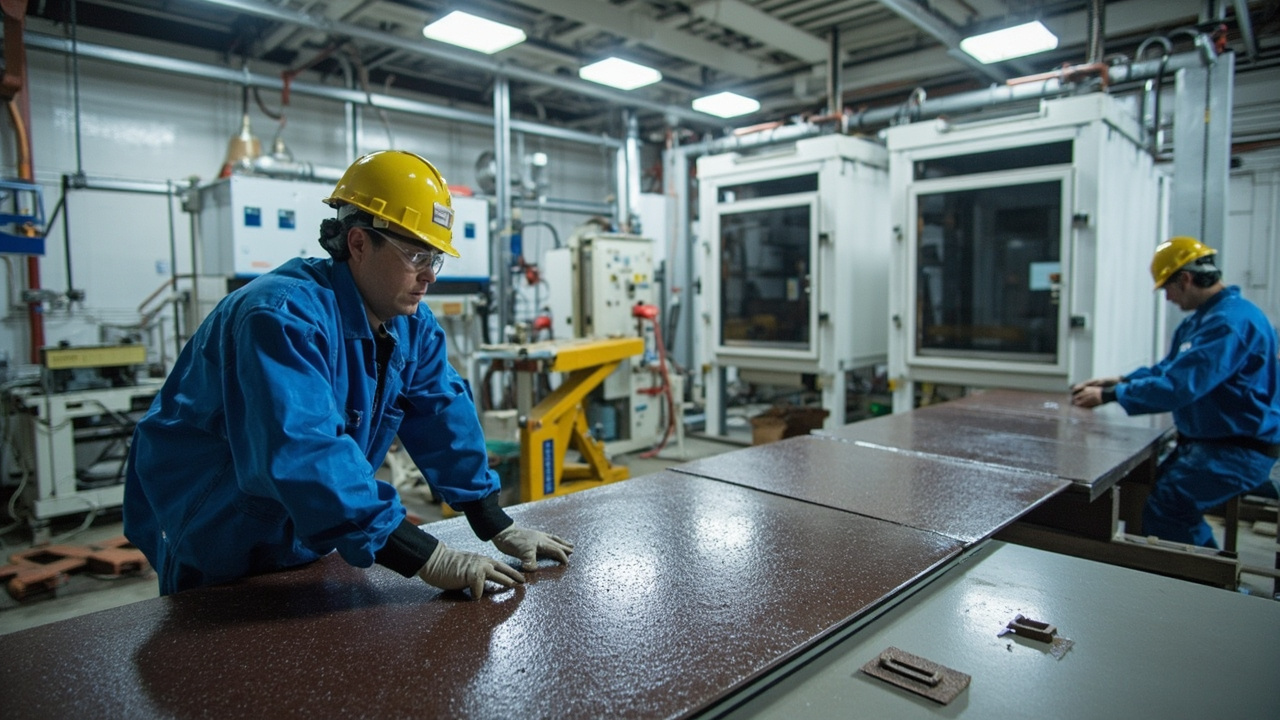
I. Marine Corrosion Environment: From C5 to CX and Immersion Zones (Im1–Im3)
ISO 12944-2018 is the authoritative basis for the design of anti-corrosion systems for steel structures. It divides atmospheric corrosion environments into six levels from C1 to CX, among which C5 (very high) and CX (extreme) correspond to industrial atmospheres, coastal and offshore environments; for parts in direct contact with water or soil, Im1 (freshwater immersion), Im2 (seawater immersion, including tidal and splash), and Im3 (soil buried) are used to describe them. According to the standard's description of environmental conditions, C5 typically corresponds to high-humidity, high-salt-load industrial or coastal areas (such as offshore at a scale of hundreds of meters or equivalently severe), while CX is explicitly defined as extreme environments with very high salt load such as offshore platforms, splash zones, and splash zones of sea-crossing bridges. Ships, drilling platforms, sea-crossing bridges, port machinery, and offshore wind power foundations often simultaneously span the CX of the atmospheric zone and the Im2 of the immersion zone, making corrosion conditions extremely complex.
The core driving force of marine corrosion is chloride ions. The chloride ion concentration in seawater is about 1.9 wt%, which can destroy the passive film on the metal surface and trigger pitting and crevice corrosion; at the same time, seawater is a high-conductivity medium, and the "oxygen concentration cell" formed by oxygen at the wave surface and below the water surface accelerates local corrosion. In the tidal range and splash zone, the dry-wet cycle provides sufficient oxygen supply and continuous salt concentration, often making it the most severely corroded section of the entire structure. Therefore, marine heavy anti-corrosion cannot rely on a single coating, but must rely on "multi-layer system + functional division" to systematically respond.
The corrosion mechanisms of different sections can be summarized as:
- Marine atmospheric zone: salt spray deposition + UV aging, mainly uniform corrosion and coating chalking;
- Splash/tidal zone: alternating wet-dry + chloride ion concentration + mechanical impact, highest corrosion rate;
- Full immersion zone (Im2): oxygen-deficient but with microbial corrosion (MIC) and erosion;
- Marine mud zone (analogous to Im3): anaerobic + sulfate-reducing bacteria, mainly local pitting.
Understanding these differences is the prerequisite for correctly selecting the positioning of nano coating: nano coating is more suitable as a topcoat or functional layer to improve barrier, hydrophobicity and self-cleaning, rather than replacing the zinc-rich primer that provides cathodic protection.
II. Why Nano Coating Can Play a Role in Marine Anti-corrosion (Mechanism)
Nano coating refers to a protective layer in which particles or structures with at least one phase dimension in the range of 1–100 nm participate in film formation. According to the summary of batch research archives, common nanoparticles include SiO₂, TiO₂, ZnO, Ag, Cu, and clay platelets, whose effects rely on the small-size effect, the surface effect brought by high specific surface area, and the extension of paths by platelets. In marine anti-corrosion scenarios, nano coating mainly enhances protection through the following four types of mechanisms.
1. Barrier Improvement
Traditional epoxy or polyurethane coating films have microscopic pores and defects inside, through which water, oxygen, and chloride ions can slowly permeate. Uniformly dispersing nano SiO₂, nano TiO₂, or nano clay platelets into the resin matrix can form a "tortuous path" inside the coating film, significantly extending the diffusion path for corrosive media to reach the substrate and reducing permeability. The research archive entry "nano composite anti-corrosion" clearly states: nano SiO₂/TiO₂/clay platelets can improve barrier properties, reduce water and oxygen permeability, and delay the path of corrosive media when compounded with epoxy/polyurethane. This is the most fundamental mechanism of nano coating for marine anti-corrosion.
2. Superhydrophobicity & Self-cleaning
By constructing micro-nano rough surfaces through nanostructures and combining with low-surface-energy substances, the water contact angle can be increased to above 100°, achieving the "lotus leaf effect". The hydrophobic surface makes it difficult for seawater to wet and droplets easy to roll off, which not only reduces the residence of chloride ions on the surface but also inhibits the initial attachment of marine organisms (barnacles, algae, etc.)—fouling organisms need a wet and stable surface to colonize. Contact angle (CA) and sliding angle (SA) are the core indicators for evaluating this performance (see research archive "general properties and characterization of nano coatings").
3. Synergy with Heavy Anti-corrosion Systems
The vast majority of nano coatings themselves do not contain electrochemically active sacrificial anode components, so they cannot replace the cathodic protection function of zinc-rich primer. But as the outermost layer, it can seal the pinholes and micro-cracks of the intermediate coat/topcoat, slow down the aging of the lower organic resin by UV, and provide self-cleaning and drag reduction. In other words, nano coating plays the role of "enhancing topcoat" rather than "independent primer" in the system.
4. Stable Dispersion of Nanoparticles is the Key Prerequisite
Nanoparticles are highly prone to aggregation due to high surface energy; after aggregation they not only lose the nano-scale effect but may also become defect sources in the coating film. The research archive lists "aggregation" as the primary challenge for nano coatings, emphasizing the need for surface modification, dispersants, and ultrasonic dispersion to ensure uniformity. This is also an important implicit indicator for measuring whether a nano coating product is mature.
From the perspective of the "small-size effect", when particle size drops to the nanoscale, the specific surface area increases by orders of magnitude, and the active sites per unit mass increase significantly, so that a small amount of addition can change the density and surface energy of the coating film; but precisely because of the high surface energy, poorly dispersed aggregates will in turn introduce defects. Therefore, the performance upper limit of nano coating is determined by the intrinsic properties of the particles, and the lower limit is determined by the dispersion process—this "double-edged" characteristic is exactly the key entry point for evaluating the technical maturity of manufacturers during selection.
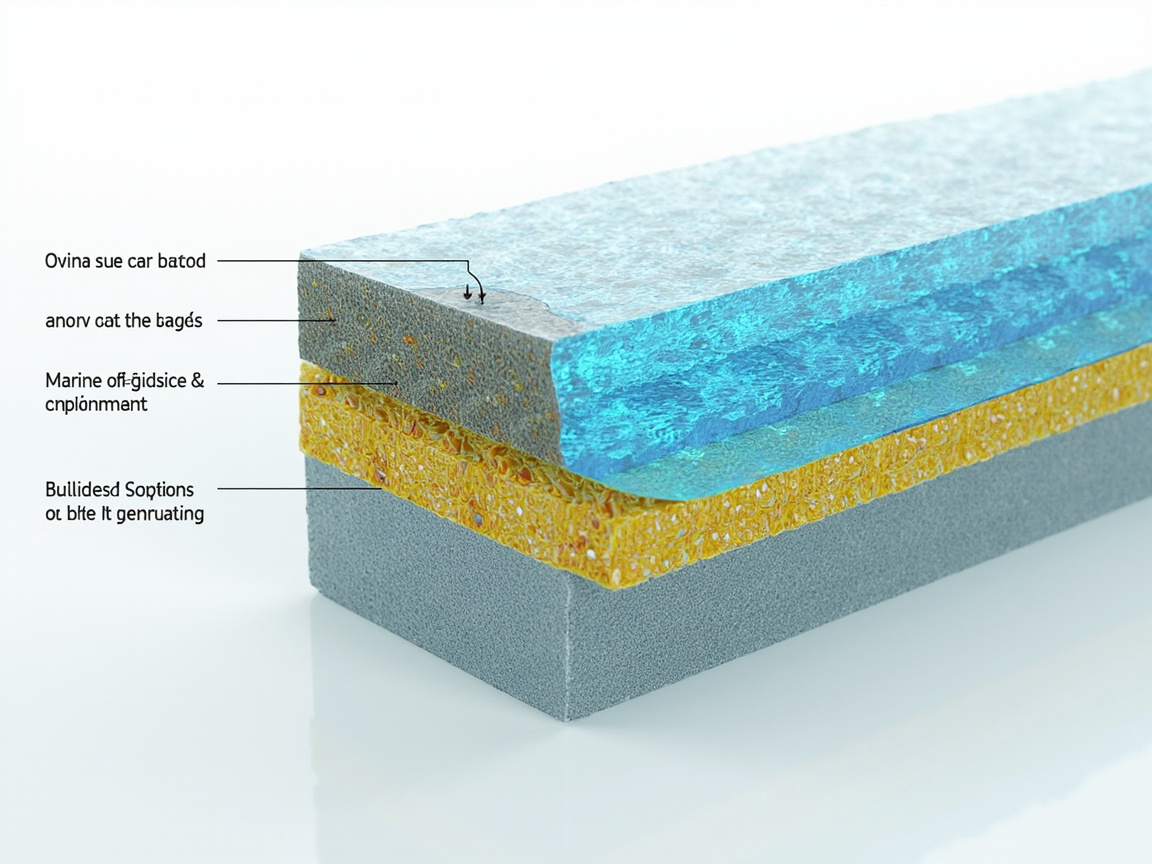
III. Key Performance Indicators and Test Methods
To evaluate the protection capability of marine nano coatings, one must return to standard methods to avoid being misled by marketing rhetoric. The following indicators are from the public standard summary of the research archive chapters "general test standards" and "nano coatings".
| Performance | Applicable Standard | Common Judgment for Marine Heavy Anti-corrosion |
|---|---|---|
| Neutral salt spray | GB/T 1771-2007, ASTM B117, DIN EN ISO 9227 | Generally 500h no blistering / single-side rust ≤1–2mm; heavy anti-corrosion can reach 1000–3000h |
| Adhesion (cross-cut) | GB/T 9286-1998, ISO 2409, ASTM D3359 | Class 0–5, class 0/1 is excellent (falloff ≤5%) |
| Pencil hardness | GB/T 6739, ISO 15184 | Usually B–H, nano ceramic topcoat can reach 6H–9H |
| Contact angle / sliding angle | Contact angle meter (research archive "nano coating characterization") | Hydrophobic angle ≥100° is regarded as superhydrophobic, smaller sliding angle means better self-cleaning |
| Abrasion (Taber) | GB/T 1768, ASTM D4060 | By grade ≤10–50 mg/1000 rev |
| Film thickness | Ellipsometry / step profiler / SEM cross-section | Nano coatings are mostly nm–µm level (e.g., 200–400 nm to several µm) |
| Temperature resistance and thermal shock | Research archive "temperature resistance and thermal shock" | Verification of high-temperature service and thermal cycling |
It needs special explanation that the interpretation of salt spray test: neutral salt spray (NSS) is an accelerated environment of continuous spraying of 5% NaCl at 35℃, which reflects the coating film's resistance to electrolyte permeation and blistering, but does not equal the equivalent service life in the real marine environment. A nano ceramic coating labeled "neutral salt spray resistance ≥1200 h" (such as Re-yingcai YCC05006G recorded in the research archive, dry film 80–150 nm, pencil hardness 8H–9H, temperature resistance -45℃~180℃) indicates excellent performance under accelerated conditions, but the engineering life still needs to be comprehensively judged in combination with the supporting system, film thickness, and on-site maintenance.
In addition to NSS, key structures increasingly adopt cyclic corrosion test (CCT, such as Prohesion, GM 9540P and other methods), which is closer to the real marine atmosphere through alternating cycles of salt spray, humidity, and drying, and can expose interlayer adhesion and edge protection defects better than single continuous spraying. Although the research archive uses NSS (GB/T 1771, ASTM B117, DIN EN ISO 9227) as the general method, for CX/Im2 critical sections, it is recommended to use CCT or real-sea panel exposure as supplementary verification. It must be emphasized: the hours of CCT and NSS cannot be directly compared horizontally, and should be judged against their respective corresponding criteria, otherwise it will cause misjudgment of life.
IV. Comparison of Measured Data of Typical Nano Coating Products
To help readers establish quantitative cognition, the following table summarizes the parameters of multiple publicly available TDS nano ceramic / nano composite coatings in the research archive (retrieved on 2026-07-27, data belongs to original manufacturers, for technical benchmarking only, not representing our brand products).
| Product / Model | Type | Pencil Hardness | Hydrophobicity/Contact Angle | Film Thickness | Salt Spray/Durability | Temperature Range |
|---|---|---|---|---|---|---|
| Onyx Nano Shield | Si-based nano ceramic shield | 9H | Water contact angle 120° (oil 60°) | 200–400 nm | Durability approx. 1 year | Not specified (cures at room temperature) |
| Gaamp360 ceramic coating | SiO₂-based (optional graphene/TiO₂) | 9H | Hydrophobic angle 100–120° | 1–3 µm | Durability 2–5 years | Up to 600℃ |
| Re-yingcai YCC05006G | Inorganic nano ceramic composite | 8H–9H | Superhydrophobic self-cleaning | 80–150 nm | Neutral salt spray ≥1200 h | -45℃~180℃ |
| YC-8703 nano composite ceramic | Single-component ceramic (food grade) | 6–7H | Hydrophobic angle approx. 110° | Spray 50–100 µm | Resistant to acid, alkali and salt spray | -50℃~400℃ |
As can be seen from the table: nano ceramic coatings represented by SiO₂ and Si-based generally have a nominal hardness of 8H–9H (pencil hardness, dependent on substrate), contact angles entering the superhydrophobic range, and film thickness varying from tens of nanometers to several micrometers; durability varies greatly from 1 to 5 years depending on formulation and application. It must be emphasized that "9H" is a scratch grade measured by a pencil hardness tester, and its absolute value is affected by substrate hardness, film thickness and test method, and cannot be simply equated with "never scratched". When selecting, you should require the manufacturer to provide third-party test reports, and verify the original data such as film thickness, contact angle, salt spray and abrasion resistance.
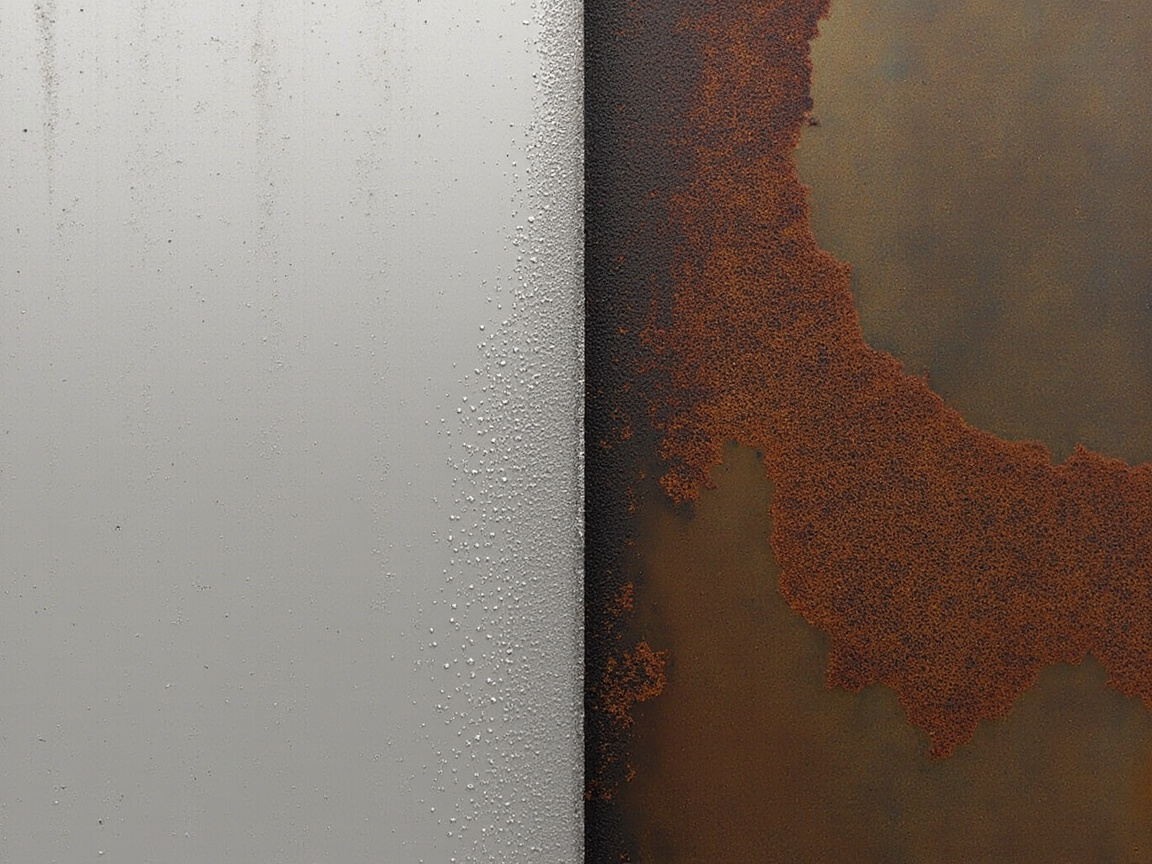
V. Design of Marine Heavy Anti-Corrosion Coating System
In marine and heavy anti-corrosion scenarios, nano coatings should be embedded in a multi-layer system under the ISO 12944 framework, rather than used in isolation. A typical system for C5/CX and Im2 can be designed as follows:
- Surface treatment: Sandblast carbon steel to Sa 2½ (ISO 8501-1), roughness 30–75 µm, substrate temperature at least 3℃ above dew point, relative humidity usually ≤85% (specific per coating technical file).
- Shop primer/zinc-rich primer: Epoxy zinc-rich primer provides cathodic protection, dry film zinc content ≥80% (mass) as sacrificial anode (research archive "anti-rust mechanism" and Jotun Barrier 80 UHS and other TDS all conform to this principle), meeting ISO 12944-5 composition requirements.
- Intermediate coat: Epoxy micaceous iron oxide (MIO) intermediate coat, with its flake structure, extends the path of corrosive media, achieving "barrier + thickening".
- Topcoat: Aliphatic polyurethane topcoat provides weather resistance, gloss retention and decoration.
- Nano ceramic top layer (outermost seal): Apply a nano SiO₂-based ceramic layer over the topcoat, providing superhydrophobic self-cleaning, UV aging resistance and pinhole sealing, extending maintenance intervals.
This progressive structure of "primer + intermediate + topcoat + nano top layer" assigns the four functions of cathodic protection, barrier, weather resistance and self-cleaning to the layers most suitable for each, which not only conforms to the配套 logic of ISO 12944-5/6, but also leverages the nano layer to enhance long-term performance. When developing marine engineering systems for clients, Kexin New Materials (kexinMaterials) adopts the above layered approach, and adjusts the film thickness of each coat and the type of nano top layer according to the zone (atmospheric zone/splash zone/immersed zone).
| Traditional system | Nano-enhanced system | Difference |
|---|---|---|
| Zinc-rich primer + MIO intermediate coat + polyurethane topcoat | Above three coats + nano ceramic top layer | Outermost layer adds superhydrophobic self-cleaning and pinhole sealing |
| Topcoat directly exposed to salt spray and UV | Nano layer bears environment first | Slows topcoat chalking, extends secondary maintenance cycle |
| Marine organisms require mechanical cleaning | Hydrophobic surface inhibits initial adhesion | Reduces fouling and cleaning frequency |
VI. Surface Treatment and Application Key Points
Nano ceramic coatings are extremely sensitive to surface condition; improper substrate treatment will directly offset the advantages of the nano structure. Key control points include:
- Blasting grade: Carbon steel at least Sa 2½ (ISO 8501-1); for ceramic coatings such as YC-8703, the research archive recommends blasting above Sa2.5, with 46-mesh white corundum being optimal, to ensure anchor profile and adhesion.
- Degreasing and cleaning: Before applying the nano top layer, IPA (isopropanol) must be used for thorough degreasing to remove grease, silicone residues and dust.
- Application method: SiO₂-based coatings represented by Gaamp360 adopt the process of "small amount multiple times, cross coating → flash off 30 s–3 min → wipe clean → avoid water 24–48 h"; film thickness should be controlled at 1–3 µm, as too thick tends to crack.
- Temperature and humidity window: Application temperature 5–30℃, relative humidity <70% (per product), avoid substrate temperature below dew point causing flash rust.
- Curing window: Nano ceramic coatings typically have initial cure of 24–48 h and full cure of 5–7 days; Onyx Nano Shield is surface dry after 1 h IR heat treatment or 2–3 h at room temperature, with final cure of 14 days. Before full cure, avoid water and mechanical friction.
During on-site construction of marine steel structures, sectional protection and edge sealing of connecting pipes should be done to prevent "interlayer delamination" between the nano top layer and the underlying coat. For maintenance of existing structures, power tool rust removal to St3 followed by local touch-up is acceptable, but for heavily corroded sections sandblasting is still recommended to meet the designed system requirements.
After construction, quality acceptance should be carried out: use magnetic/eddy current thickness gauge per GB/T 4956 (or ISO 2808) to measure film thickness at multiple points, confirming that the nano top layer and underlying system both reach design values; use cross-cut method (GB/T 9286) or pull-off method to recheck adhesion; for pinholes, spark testing or wet sponge method can be used for inspection, and any defects found should be promptly touched up. Recommended film thickness for each coat: epoxy zinc-rich primer 70–80 µm, epoxy micaceous iron intermediate coat 100–150 µm, polyurethane topcoat 100–120 µm (consistent with batch research archive industrial system summary), outermost nano ceramic top layer controlled at 1–3 µm per product. Acceptance records should be archived together with construction logs, temperature/humidity and dew point data, as the basis for protective life accountability and later maintenance.
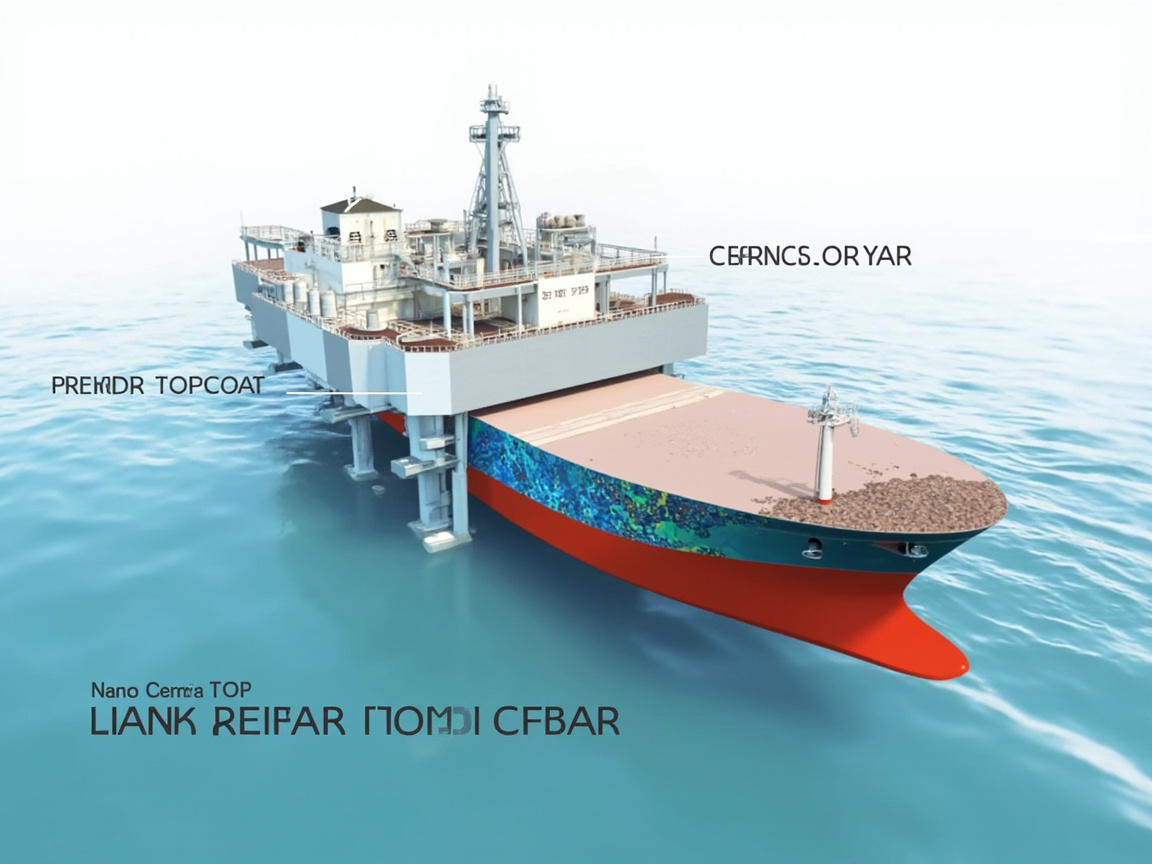
VII. Limitations, Terminology Standards and Selection Recommendations
Although nano coatings perform impressively in marine anti-corrosion, there is obvious terminology confusion in the industry: "9H", "nano", and "ceramic" are heavily abused, and some products are actually just ordinary resins with a small amount of filler added. The research archive "Market and Standard Status" states bluntly: there is currently no single globally mandatory "nano coating" standard, and most reference existing coating/material standards (ISO 12944, GB/T series, etc.). Therefore, selection and acceptance must grasp the following principles:
- Require third-party test reports: Verify original data of salt spray (GB/T 1771), adhesion (GB/T 9286), hardness (GB/T 6739), contact angle and abrasion (Taber), rather than just looking at the brochure.
- Clarify the positioning of nano coatings: It is an enhancing top layer, not a substitute for zinc-rich primer; in Im2 immersed or CX splash zones, underlying cathodic protection must not be omitted.
- Pay attention to dispersion stability: Ask about the surface modification and dispersion process of nanoparticles, as agglomeration weakens the effect.
- Distinguish durability from salt spray: Durability years come from real-sea or accelerated aging experience, while salt spray hours are only one accelerated indicator.
At the material compliance level, marine and heavy anti-corrosion nano coatings usually also need to pay attention to VOC limits (e.g., industrial protective coatings GB 30981-2020), heavy metal limits, and RoHS/REACH requirements (electronics and export scenarios). In engineering selection, it is recommended that users specify the coating system, film thickness design and acceptance standards simultaneously in the technical specification, and evaluate protective life with a "system mindset" rather than a "single-layer mindset".
VIII. Zonal Coating Selection for Marine Engineering
The same marine structure experiences different corrosion mechanisms at different elevations, so the intervention method and system thickness of the nano coating should also be designed by zone. The table below gives typical options for ISO 12944 CX/Im2 for reference at the design stage (specific values must be adjusted per coating TDS and site survey).
| Zone | Dominant Corrosion Mechanism | Recommended System | Nano Top Layer Positioning |
|---|---|---|---|
| Atmospheric zone (CX) | Salt spray + UV aging | Epoxy zinc-rich primer + MIO intermediate coat + aliphatic polyurethane topcoat | Overlay SiO₂-based ceramic layer for UV resistance, self-cleaning |
| Splash/tidal zone | Wet-dry alternation + chloride ion concentration + impact | Thickened zinc-rich and MIO, increase topcoat film thickness | Superhydrophobic nano layer inhibits medium residence and resists scouring |
| Full immersion zone (Im2) | Anoxia + microbial corrosion + scouring | Epoxy zinc-rich + thick epoxy intermediate coat + epoxy topcoat (or pure epoxy system) | Primarily dense shielding, cautiously select nano additives not resistant to hydrolysis |
| Seabed mud zone (Im3 analogy) | Anaerobic + sulfate-reducing bacteria pitting | Thick shielding epoxy + cathodic protection | Generally not relying on nano topcoat, emphasizing shielding and potential control |
It is worth noting that the requirements for coating hydrolysis resistance and cathodic disbondment resistance in the immersed zone and splash zone are much higher than those in the atmospheric zone. Therefore, not all products labeled as "nano ceramic" are suitable for underwater sections. When selecting, manufacturers should be required to provide salt spray/immersion tests and cathodic disbondment data for the corresponding zones, rather than merely looking at atmospheric zone promotions.
IX. Life Cycle Cost (LCC) Perspective
The material cost per unit area of nano ceramic topcoat is usually higher than that of ordinary polyurethane topcoat, but its value lies in extending maintenance intervals and reducing outage losses and cleaning frequency. In scenarios where "maintenance is extremely expensive" such as sea-crossing bridges, offshore wind power, and drilling platforms, after incorporating the nano topcoat into the system, if the secondary maintenance cycle can be extended from 8–10 years to 12–15 years (depending on the environment and film thickness), its LCC is often superior to solutions that simply lower initial construction cost. Kexin New Materials (kexinMaterials) provides both "initial cost" and "annualized protection cost per unit" in its proposal documents, helping owners make decisions from a full-life perspective rather than just comparing unit prices.
In addition, the easy-clean property of nano coating can also reduce cleaning agent and labor consumption on facilities requiring frequent cleaning such as food tanks and ballast water tanks, and this hidden benefit should be included in green operation and maintenance evaluation. It needs to be reiterated: the above life extension is an expectation "under the premise of correct system and construction"; any isolated claim divorced from underlying cathodic protection and surface treatment is unreliable. For non-marine but equally high-salt-spray scenarios such as coastal storage tanks, salt chemical equipment, and inland salt lake facilities, the above marine system logic can also be referenced: first complete the primer + intermediate + topcoat design according to ISO 12944 C4–C5 grades, then decide whether to add a nano ceramic topcoat based on corrosion severity and maintenance convenience.
X. Environmentally Friendly Marine Antifouling and Intelligent Corrosion Inhibition Frontiers
Traditional marine antifouling coatings have long relied on copper-containing, tin-containing (organotin has been banned by international conventions), or biocidal active ingredients, and their ecological release issues are increasingly constrained by regulations such as the IMO International Convention on the Control of Harmful Anti-fouling Systems on Ships (AFS Annex). Nano coatings provide two new paths for low-ecological-burden antifouling and corrosion inhibition.
1. Physical Anti-attachment Type (Non-biocidal)
Superhydrophobic, low-surface-energy nano ceramic surfaces reduce seawater wetting and droplet residence, increasing the difficulty of initial marine organism attachment. Unlike antifouling paints that release toxic agents, such solutions do not alter the chemical composition of surrounding water bodies and better align with green maritime trends. Their limitation is: when the surface is contaminated by organisms or biofilm, or microscopic roughness is destroyed by mechanical wear, the anti-attachment effect decays, so they often need to be combined with easy-clean, UV-resistant topcoats and included in regular maintenance.
2. Nanocontainer Intelligent Corrosion Inhibition
A more frontier idea is to encapsulate corrosion inhibitors or antifouling agents inside nanoporous carriers (such as layered double hydroxides LDH, mesoporous silica, nano clay), normally "sealed", and only released in response when local pH drops due to metal dissolution in corrosion micro-zones or specific ion stimulation occurs, achieving "on-demand corrosion inhibition". The research archive "Nano Composite Anticorrosion" has clarified that nano SiO₂/TiO₂/clay flakes can improve shielding and reduce water and oxygen permeability; nanocontainer technology further upgrades this passive shielding to a "passive shielding + active response" synergistic protection, expected to achieve equal or higher durability at thinner film thickness.
3. Application Boundaries of Photocatalytic Type
Nano TiO₂ under UV excitation can generate photogenerated electrons/holes, degrade surface organic pollutants, and maintain self-cleaning, suitable for marine atmospheric zone components with sufficient light. However, underwater light in full immersion and splash zones is extremely weak, and photocatalytic action is greatly limited, so it should not be used as the main protection mechanism for underwater sections; if TiO₂ is added to the formula, attention should also be paid to its possible "side effect" of catalyzing aging of adjacent organic resins, usually requiring encapsulation treatment or controlled addition amount.
It should be pointed out that most of the above intelligent and environmental systems are in the stage from research to engineering. When selecting, manufacturers should be required to provide real-sea panel data, release kinetics, and environmental release substance lists, and confirm compliance with relevant maritime environmental regulations, to avoid "green concepts" replacing real compliance. Kexin New Materials (kexinMaterials), when recommending such solutions, also clearly distinguishes between "mass-production validated" and "experimental" technologies to help customers control risks.
FAQ
Q: Can nano coating be used alone for heavy corrosion protection of offshore steel structures?
A: Generally not recommended. Most nano coatings do not contain sacrificial anode components and cannot provide cathodic protection; used alone, they are difficult to cope with severe corrosion in splash and immersion zones. They are more suitable as the outermost enhancement layer above the zinc-rich primer + intermediate coat + topcoat system, forming a "primer + intermediate + topcoat + nano topcoat" system.
Q: Why is the marine splash zone the most difficult to protect?
A: The splash zone is in a wet-dry alternating state, with sufficient oxygen supply, continuous concentration of chloride ions, and accompanied by wave mechanical impact and temperature changes, so the corrosion rate is often higher than that of the full immersion zone. Engineering practice often thickens the system film thickness in this section and adds hydrophobic self-cleaning nano topcoat to slow medium residence.
Q: Does the labeled "neutral salt spray ≥1200 h" mean how many years of use?
A: Salt spray hours is an accelerated test result of continuous spraying of 5% NaCl at 35℃, reflecting the ability to resist electrolyte penetration, and does not equate to real marine service life. Engineering life needs comprehensive judgment based on the system, film thickness, maintenance cycle, and site environment, and cannot be linearly converted solely from salt spray hours.
Q: Is the "9H" hardness advertised for nano coating credible?
A: "9H" refers to the scratch grade measured by pencil hardness tester, and is highly dependent on substrate hardness, film thickness, and test method. It is a real measurable indicator, but easily misunderstood as "never scratched". Manufacturers should be required to provide test data issued according to GB/T 6739, and comprehensively evaluated with wear (Taber) results.
Q: How is the hydrophobic angle of 120° measured?
A: Using a contact angle meter to measure the angle between the droplet and the coating surface at a fixed droplet volume (usually deionized water), i.e., water contact angle (CA); sliding angle (SA) measures the tilt angle when the droplet begins to roll off. The two jointly evaluate superhydrophobic and self-cleaning properties, and test conditions (droplet volume, temperature) must be stated in the report.
Q: How does nano coating help inhibit marine organism fouling?
A: The superhydrophobic surface makes it difficult for seawater to wet and droplets easy to roll off, reducing the wet stable interface required for fouling organism settlement, thereby delaying initial attachment of barnacles, algae, etc. But it belongs to "drag reduction and anti-attachment" rather than biocidal antifouling; heavily fouled sea areas may still need dedicated antifouling paint.
Q: What is the difference between CX and Im2 in ISO 12944?
A: CX is the highest grade of atmospheric corrosion, referring to extreme atmospheric environments such as offshore/marine; Im2 refers to seawater immersion (including tidal, splash-related water contact) environments. A sea-crossing structure often has atmospheric sections classified as CX and underwater sections as Im2, requiring separate system and durability grade design according to ISO 12944-5/6.
Q: When constructing nano ceramic coating, is there an inhalation risk from nanoparticles?
A: Liquid formulations are usually inert after curing, and the risk mainly comes from uncured spray mist and dust. The research archive "Nano Safety" points out that NIOSH-certified particulate respirators should be worn during operation to avoid releasing nano powder into the environment; spraying dust and uncured slurry need protection according to MSDS.