
The "oil-to-water" shift has moved past the initial policy-driven stage and entered the technology-driven deep-water zone. The reality in 2026 is: the water-based transition of architectural interior walls is largely complete, while in fields such as metal anti-corrosion, construction machinery, and wood, water-based products are still competing with solvent-based coatings for the "performance baseline under harsh working conditions."
For purchasers, the real choice is not "whether to use water-based paint," but which water-based resin system to use and which type of working condition to pair it with. This article breaks down the selection logic of water-based industrial coatings to help you find the sweet spot between environmental compliance and performance limits.
I. Why "replacing oil with water" is not that simple
Water-based coating is not just about swapping solvent for water. Water has high surface tension, large latent heat of evaporation, and poor wetting of non-polar substrates—these three physical natures directly bring three long-standing problems:
- Flash rust: After application of a water-based system on steel surfaces and before film formation, the water film can induce instantaneous rusting, especially in high-humidity environments.
- Slow surface drying: Water evaporates slower than solvent, prolonging the schedule under low temperature and high humidity, and limiting production line tempo.
- Adhesion fluctuation: On low-surface-energy substrates such as oil stains, old paint, and plastic, water-based paint is naturally at a disadvantage in wetting and anchoring.
Therefore, the core competitiveness of water-based industrial coating lies not in the word "eco-friendly," but in whether resin modification can make up for these physical shortcomings.
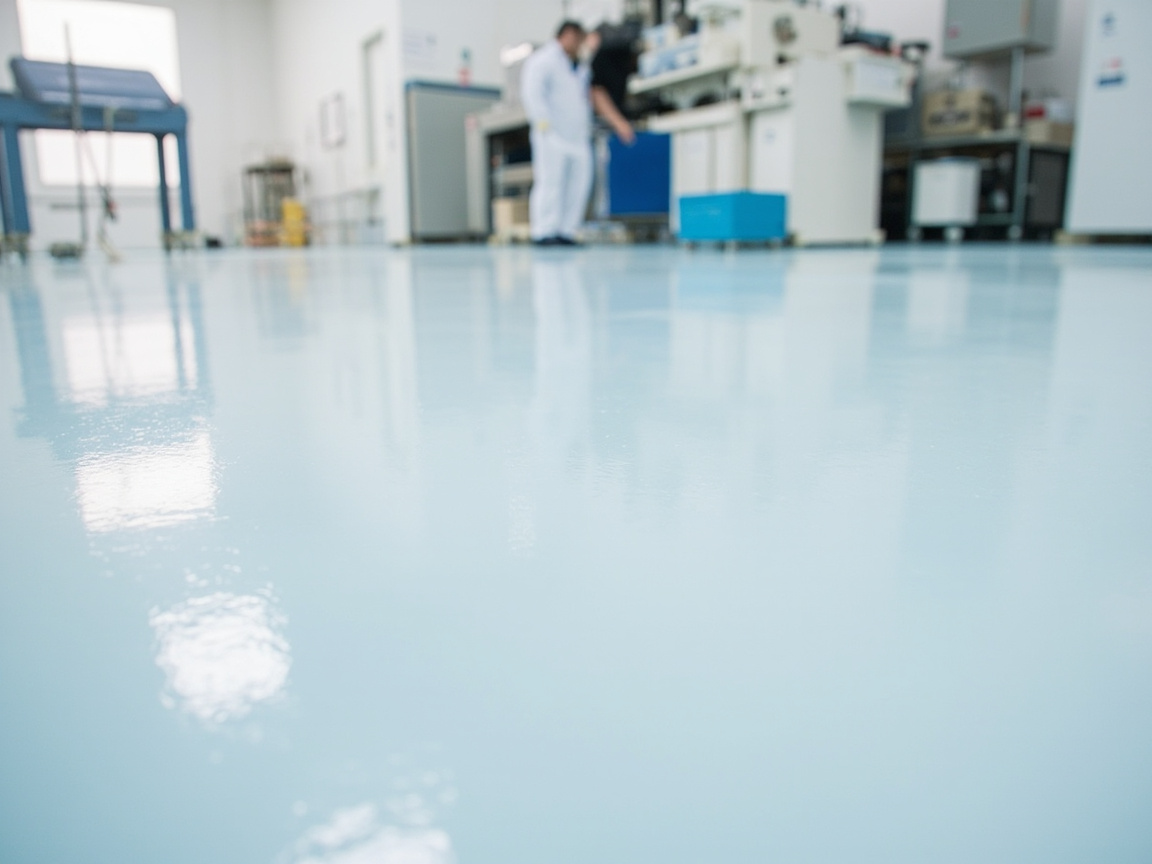
II. How to choose among the three major water-based resin systems
| System | Advantages | Shortcomings | Suitable working conditions |
|—|—|—|—|
| Water-based epoxy | Strong adhesion, chemical resistance, can be used as primer | Average outdoor weathering, prone to chalking | Industrial flooring, tank interior walls, heavy-duty anti-corrosion primer |
| Water-based acrylic | Good weathering, fast drying, cost-friendly | Brittle, weak chemical resistance | Construction machinery topcoat, steel structure cladding |
| Water-based polyurethane | Flexible, wear-resistant, good gloss and texture | Higher cost, sensitive to application | Automotive parts, high-end equipment topcoat |
Rule of thumb: Use epoxy for the primer to grab adhesion, use acrylic or polyurethane for the topcoat to grab weathering and texture. This "water-based primer, water-based topcoat" combination is the safest for construction machinery and steel structures.
III. Working condition grading: don't let the solution mismatch
The same water-based paint can perform drastically differently in a dry workshop versus a coastal open trestle. Label the working condition before selection:
1. C1 Mild (indoor dry, no strong corrosion): Water-based acrylic topcoat is sufficient; focus on VOC and appearance.
2. C2 Moderate (outdoor, temperature-humidity cycling): Weathering-resistant system of water-based polyurethane or acrylic-modified.
3. C3–C4 Medium-heavy corrosion (chemical surroundings, coastal): Must use water-based epoxy primer + heavy-duty anti-corrosion topcoat, and confirm salt spray hours meet standard.
4. Immersion / chemical contact: Prioritize solvent-free or high-crosslink water-based epoxy; ordinary water-based paint cannot handle it.
Blindly calling for "using water-based paint" while ignoring corrosion grade is the number one cause of on-site blistering and peeling.
IV. Kexin (kexinMaterials) nano water-based solution
The approach of Kexin New Materials (kexinMaterials) for water-based industrial coating is to use nano modification to compensate for water's physical shortcomings, rather than stacking thickness:
- Nano anti-rust primer emulsion: Introduces nano-scale anti-rust and passivation components into the epoxy primer, significantly suppressing flash rust and widening the tolerance window for application humidity.
- Nano silica reinforcement: Enhances film density and adhesion, allowing water-based paint to anchor on lightly rusted and damp substrates.
- Hybrid acrylic-polyurethane: Balances fast drying and flexibility, bringing surface dry time and wear resistance close to solvent-based levels.
- Low VOC compliance: Formulation aligns with industrial coating limits such as GB 30981, suitable for eco-friendly procurement and export orders.
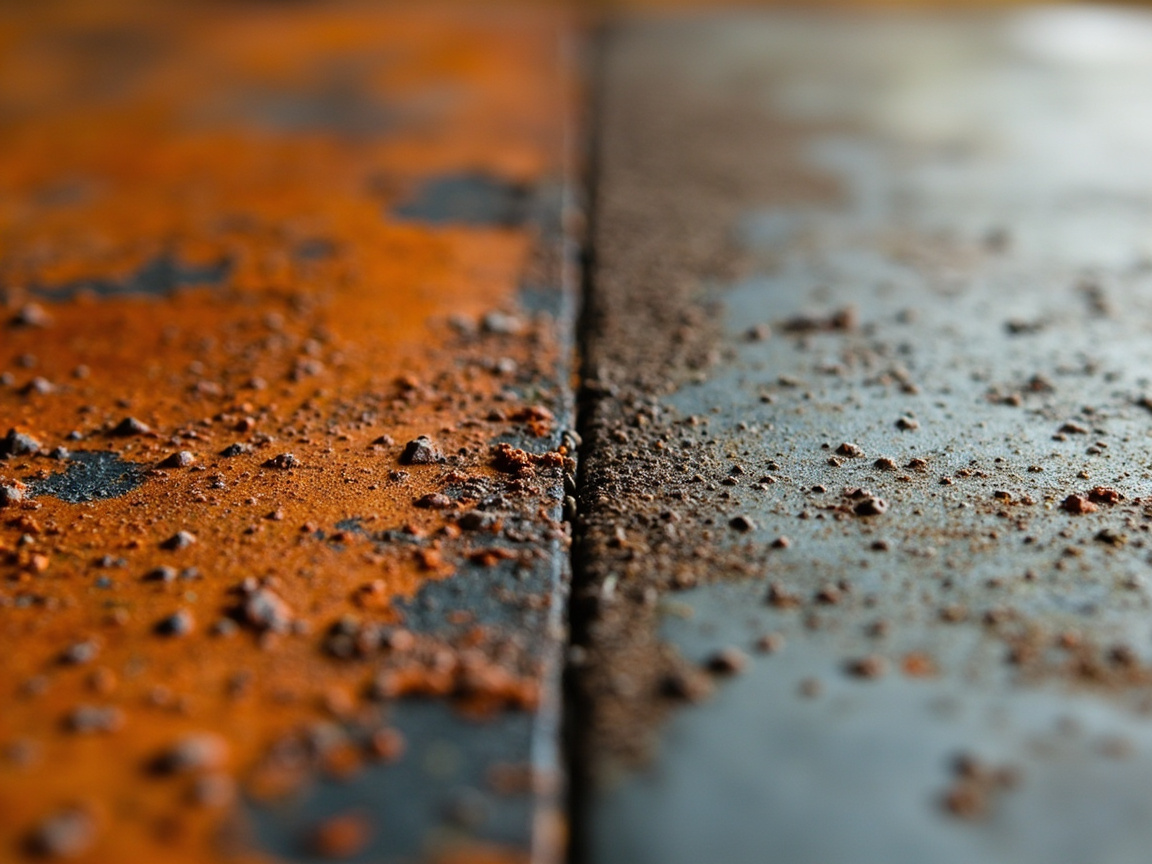
For factories and engineering parties, Kexin provides "water-based primer, water-based topcoat" systems customized by corrosion grade and substrate, rather than a single product—which is exactly the most lacking capability in the deep-water zone of oil-to-water transition.
V. How to break through the three pain points in application
- Prevent flash rust: Thoroughly degrease substrate, spray anti-rust mist at wet film stage, or directly use primer containing nano anti-rust; advise postponement when ambient humidity exceeds 85%.
- Speed up surface drying: Use infrared auxiliary drying under low temperature and high humidity, choose fast-crosslink system at formulation end, avoid blindly adding glycol ether cosolvent (which raises VOC).
- Improve adhesion: For low-surface-energy substrates, first sand or use adhesion promoter; for plastic parts consider flame/plasma treatment.
FAQ
Q1: Can water-based industrial coating completely replace solvent-based?
It can already replace in mild-to-moderate conditions and flooring, primer scenarios; but in heavy-duty anti-corrosion, long-term immersion, and extreme high-temperature conditions, solvent-based or solvent-free systems remain irreplaceable—selection should look at grade, not slogans.
Q2: How to prevent flash rust in water-based paint?
The core is substrate degreasing + nano anti-rust primer + humidity-controlled application; Kexin's nano anti-rust primer emulsion is designed exactly for this.
Q3: Why is water-based epoxy often used as primer?
Epoxy has strong adhesion to metal and good chemical resistance, but pure outdoor use is prone to chalking, so it is mostly used as the "grip" of primer and heavy-duty anti-corrosion systems.
Q4: Which standard to check for VOC limits?
Industrial coating mostly refers to limits such as GB 30981; indoor scenarios have stricter GB 30981.1. When procuring, request test reports and verify the applicable category.
Q5: What is Kexin's water-based solution strong at?
It is strong in nano modification compensating for water's shortcomings (flash rust, adhesion, surface drying), and providing primer-topcoat systems customized by corrosion grade, rather than single-product sales.
Q6: What if water-based paint is harder to dry in winter?
Under low temperature and high humidity water evaporates slowly; introduce infrared auxiliary drying or switch to fast-crosslink formulation, while avoiding speeding up by adding solvent to violate VOC limits.

Further Reading
- Complete Guide to Water-Based Industrial Coating Technology Systems and Application Processes: From Resin Mechanism to Application Implementation
- Water-Based Inorganic Zinc-Rich Shop Primer: The First Line of Long-Term Anti-Corrosion for Steel Pretreatment
- Full Explanation of High-Temperature Coating Technology: From Silicone to Ceramic Coating Thermal Protection
- How to Choose Between Water-Based Paint and Oil-Based Paint: A Decision Guide on Composition, Performance, and Scenarios
- Is Water-Based Paint More Expensive Than Oil-Based? Water-Based Transformation Cost and Life-Cycle Cost-Performance Account
- Is Water-Based Paint Adhesion Worse Than Oil-Based? The Truth About Metal/Wood/Plastic Substrate Adaptation
- Refurbishing and Converting Old Oil-Based Paint to Water-Based: Compatibility Handling and Pitfall Guide
- Which Working Conditions Should Still Use Oil-Based Paint? Boundaries and Exceptions of Water-Based Substitution
- How to Do Water-Based Paint Acceptance: Practical Adhesion, Water Resistance, Hardness, and Alkali Resistance Tests
- Water-Based Paint Application Equipment and Tools: Spray Gun Selection, Pipeline Cleaning, and Wastewater Treatment
- Water-based paint tinting and gloss control: how to stabilize solid color, varnish, matte and high gloss
- Overview of industrial protective coating systems: ISO 12944 corrosion classes and system design
- Industrial paint VOC regulations and limits: GB 30981, EU 2004/42/EC, CARB
- Water-based anti-rust paint: eco-friendly trend and technical challenges