# Formulation Science and Application Implementation of Water-Based Wood Coatings
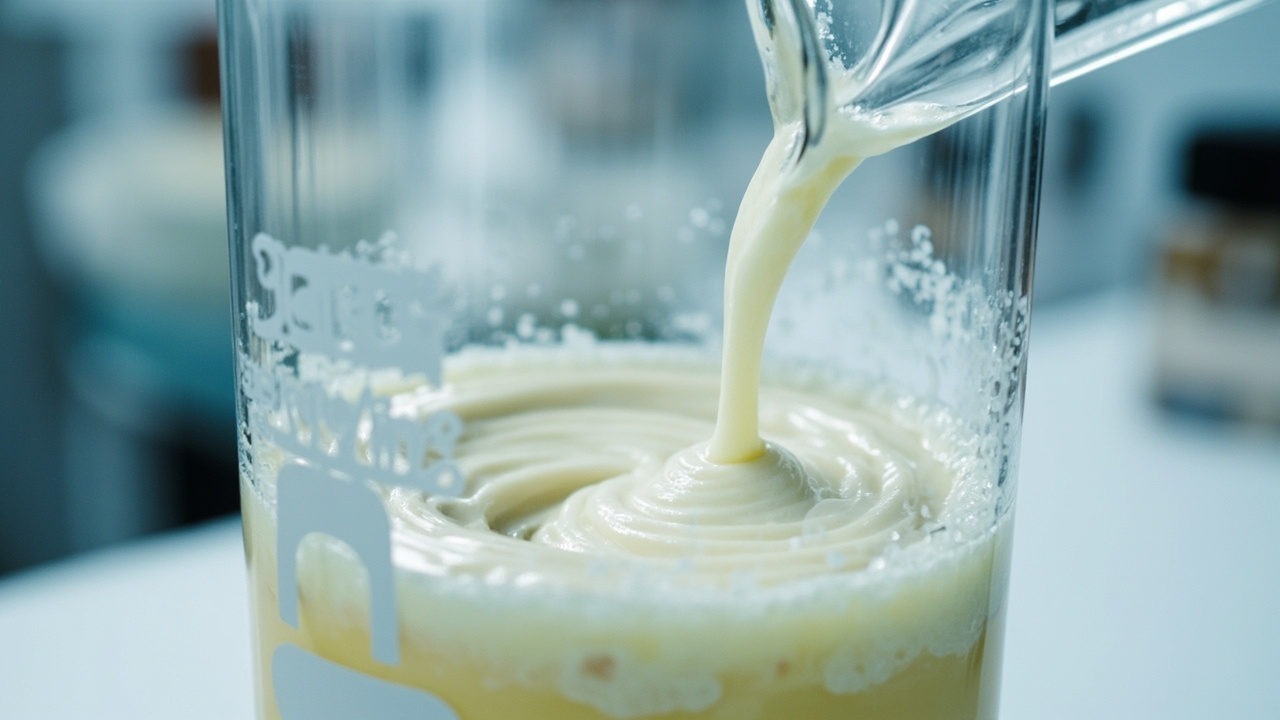
Water-based wood coating, as the name suggests, is a wood coating that uses water as the main dispersion medium instead of organic solvents. Unlike UV coatings that take the extreme efficiency route of "photo-initiated polymerization," or solvent-based coatings that sacrifice air through "evaporation film formation," it follows a gentler and more universal green path: dispersing resin in water as tiny particles, which evaporate after application and fuse into a film. This path allows it to be as safe and low-odor as water-based wall paint, while resin innovation continuously approaches the hardness and fullness of solvent-based coatings. In 2026, the global penetration rate of water-based wood paint surpassed the 50% critical point for the first time, and China's water-based wood coating output grew by 17.3% year-on-year in 2025—water-based has transformed from an "eco-friendly alternative" to the "market mainstream."
But the gentleness of water-based coatings does not mean simplicity. On the contrary, the physical properties of water (high surface tension, slow evaporation, swelling of wood) bring a series of unique challenges to formulation and application: grain raising, fuzzing, blushing, tackiness, tannin bleed, sensitivity to temperature and humidity… all of these require formulation scientists and application engineers to have a more refined grasp of the "resin—substrate—environment." This article systematically breaks down the capabilities and boundaries of water-based wood coatings from formulation science to application implementation, helping furniture factories, painters, and material engineers truly turn "low odor" into "high performance."
The reason 2026 is the "coming-of-age" for water-based wood coatings is that the penetration rate surpassed the 50% critical point for the first time—meaning water-based has shifted from a "niche eco-friendly option" to the "market majority," and the supply chain, equipment, and application habits have entered a positive cycle. But for users, the real test comes after the critical point: when water-based becomes the default choice, whether its performance can match solvent-based depends on the depth of understanding of formulation science and application discipline, not the term "water-based" itself. This is precisely the starting point of this article.
I. What Are Water-Based Wood Coatings: Starting from "Replacing Solvent with Water"
Traditional solvent-based wood coating is resin dissolved in organic solvents (such as xylene, butyl acetate, ketones), which evaporates after application, leaving the resin to form a film. Water-based coatings, on the other hand, make the resin into an aqueous dispersion: some are emulsions (resin particles about 0.1–1 micron suspended in water), and some are truly water-soluble/water-dispersible (such as PUD, with finer particles). During application, water acts as a "carrier" to deliver the resin to the wood surface, then water evaporates and the particles soften and fuse with the help of coalescing agents, eventually forming a continuous paint film.
It must be emphasized that a commonly misunderstood point: after water-based coatings dry, there is almost no "water" left in the film; the resin itself still forms the final film—so the durability of water-based paint fundamentally depends on the resin type and crosslink density, not the "water" medium. Water's role is limited to transporting the resin into place during the application stage, and it evaporates once delivered. This also explains why high-end PUD water-based paint films can rival solvent-based PU: because their resin skeletons are similar, the only difference lies in "how they are delivered to the wood."
This seemingly simple substitution brings three key changes: first, VOC drops significantly, because water is not counted as VOC, and the formulation may contain no or only a small amount of coalescing agents (which may still belong to VOC/SVOC and need control); second, safety and odor improve, making both workshops and living spaces more friendly; third, the application logic changes—water evaporates slowly and is sensitive to temperature and humidity, making drying the core of the process rather than an accessory. Understanding these three points is the key to understanding all the pros and cons of water-based coatings.
II. Water-Based Resin Systems: Acrylic, PUD, Hybrid, and Self-Crosslinking
The performance ceiling of water-based wood coatings is determined by the resin system. There are four mainstream categories, each with its positioning. It should be noted: these four categories do not replace each other, but form a performance—cost spectrum from low to high. Acrylic is at the far left (cheap, weather-resistant), PUD at the far right (expensive, well-rounded), hybrid in the middle, and self-crosslinking is an "enhancement module" superimposed on any system. Understanding the spectrum position allows precise selection between different budgets and performance requirements, rather than being misled by one-sided propaganda that "a certain resin is the best."
2.1 Acrylic Emulsion
Made by emulsion polymerization of acrylic and ester monomers, water-based acrylic emulsion is low-cost, weather-resistant, highly transparent, and not prone to yellowing, making it the most popular water-based wood resin. Its shortcoming is "hot-tacky cold-brittle"—prone to tackiness at high temperatures and brittle cracking at low temperatures, with average hardness and fullness, and a "plastic" feel. It is often used for cost-sensitive interior doors, ordinary furniture, and primers.
2.2 Polyurethane Dispersion (PUD)
PUD is prepared by reacting polyisocyanate with polyol in an aqueous phase, with fine particles and good film-forming properties. Its advantages are a good balance of flexibility and hardness, excellent abrasion and chemical resistance, fine feel, and high fullness, with comprehensive performance closest to solvent-based polyurethane, making it the core of high-end water-based furniture paint. The shortcoming is higher cost than acrylic and stricter requirements for formulation and drying. PUD can be further divided into aliphatic (good yellowing resistance, used for topcoats) and aromatic (cheap but prone to yellowing, rarely used for topcoats).
2.3 Acrylic-Polyurethane Hybrid
Combining acrylic and polyurethane through physical blending or chemical hybridization, it balances the weather resistance and low cost of acrylic with the flexibility and high fullness of PUD, representing a compromise between cost-performance and performance, widely used in mid-range furniture and floor topcoats.
2.4 Self-Crosslinking
Self-crosslinking refers to the reaction of functional groups (such as carboxyl, hydroxyl, epoxy, oxazoline, siloxane) on the surface of resin particles during film formation to form a crosslinked network, improving hardness, water resistance, and chemical resistance. Room-temperature self-crosslinking and low-temperature self-crosslinking are 2026 technology hotspots, able to remedy the contradiction of water-based "hard but not tough, tough but not hard," and are also the key handle for water-based to approach solvent-based.
The table below compares the core performance of the four types of resins (based on industry consensus, for reference in selection):
| Resin System | Cost | Hardness | Flexibility/Abrasion | Water/Chem Resistance | Fullness | Yellowing | Typical Use |
|---|---|---|---|---|---|---|---|
| Acrylic Emulsion | Low | Medium | Medium | Medium | Medium—Low | Low (Good) | Interior doors, primers, ordinary furniture |
| PUD (Aliphatic) | High | High | High | High | High | Low (good) | High-end furniture topcoat |
| Acrylic-PU hybrid | Medium | Medium—High | Medium—High | Medium—High | Medium—High | Low—Medium | Mid-range furniture/floor |
| Self-crosslinking type | Medium—High | High (after crosslinking) | Adjustable | High | Medium—High | Low—Medium | High-demand furniture/floor |
III. Wood Substrate Characteristics: The First Challenge of Water-based Coating
Water-based coating is "more picky" about wood than solvent-based, because water enters the wood. One must thoroughly understand the substrate characteristics. Wood is an anisotropic natural polymer composite material: the water absorption, swelling/shrinkage rate, and vessel distribution differ between longitudinal and transverse grain, and the moisture content and extractives are non-uniform across different parts of the same board. Solvent-based coatings rely on strong solvents to "suppress" these differences, while water-based coatings, due to the mild action of water, instead amplify and reveal these differences. Therefore, substrate understanding and sorting before water-based coating is more important than in the solvent-based era—this is also why professional water-based manufacturers grade and process by tree species, moisture content, and grain openness, rather than treating all alike.
3.1 Open Grain and Closed Grain
The coarseness of wood vessels determines the difficulty of filling pores. Oak, ash, and oak (Quercus mongolica) etc. have coarse vessels in open grain and require putty to fill pores; cherry, maple, and beech etc. have fine vessels in closed grain and can be directly primed. Grain also affects grain raising—the coarser the vessel, the more obvious the water-induced swelling.
3.2 Tannin Bleeding
Many hardwoods (oak, chestnut, mahogany, pine with resin) contain tannins or resin, which migrate to the surface when exposed to water or activated by alkaline substances, forming yellow-brown to dark-brown stain spots that ruin light-colored coating. Tannin sealing is a mandatory task for water-based light-colored paint.
3.3 Grain Raising and Fuzzing
Water causes wood vessel walls and wood fibers to swell and stand up (grain raising), making the surface rough and gloss uneven; the raised wood fuzz (fuzzing) after sanding also appears rough under the coating. Grain raising is the most typical and most troublesome problem for beginners in water-based coating, rooted in water's swelling of cellulose.
3.4 Moisture Content
Wood moisture content should generally be controlled at 8%—12% (balanced before coating). Excessive moisture content prevents timely evaporation, leading to slow drying, blushing, poor adhesion, and later cracking; too low causes the wood to absorb coating too fast, wasting material and affecting leveling. Moisture content is the most basic environmental parameter for water-based construction.
IV. Sealing Primer and Tannin Sealing
Sealing is a prerequisite process for the success or failure of water-based coating, with two core tasks. Why should "sealing" be placed before "primer" or even "topcoat"? Because during water-based construction, water enters the wood and triggers grain raising and tannin migration; if handled after the topcoat, the defects are irreversible—tannin spots cannot be washed off, grain raising cannot be sanded flat. The essence of sealing is to "fix the problem before it occurs": use a low-penetration sealing primer to lock the swelling of vessel walls and isolate tannins at the bottom layer, so that subsequent coatings have a clean and stable platform. It is no exaggeration to say that 70% of the success rate of water-based coating lies in the sealing process, not in the grade of the topcoat.
– Grain raising sealing: First apply a water-based sealing primer (or pre-spray thin water to "pre-raise grain" then sand), fix the swelling of vessel walls, sand off the standing wood fuzz, then apply the formal primer, which can significantly reduce subsequent grain raising. For open grain, the sealing primer is often followed by UV or water-based putty for pore filling. – Tannin sealing: For tannin-containing wood, use a sealing primer containing tannin chelating/isolating components, or apply a dedicated tannin sealer (often containing polyvinyl alcohol, zinc/aluminum compounds, or special resin) before light-colored paint to block migration; a dark color or base isolator can also be applied first. For extremely tannin-rich species, if necessary, switch to solvent-based or UV primer sealing for more reliability.
The sealing primer should also feature "low penetration, high adhesion, easy sanding" to provide a clean, flat, and well-bonding platform for subsequent coatings. Neglecting sealing, all later topcoat efforts may be ruined by a tannin spot or a patch of grain raising.
V. Construction Process: Sanding → Sealing → Primer → Topcoat (progressive sandpaper grit)
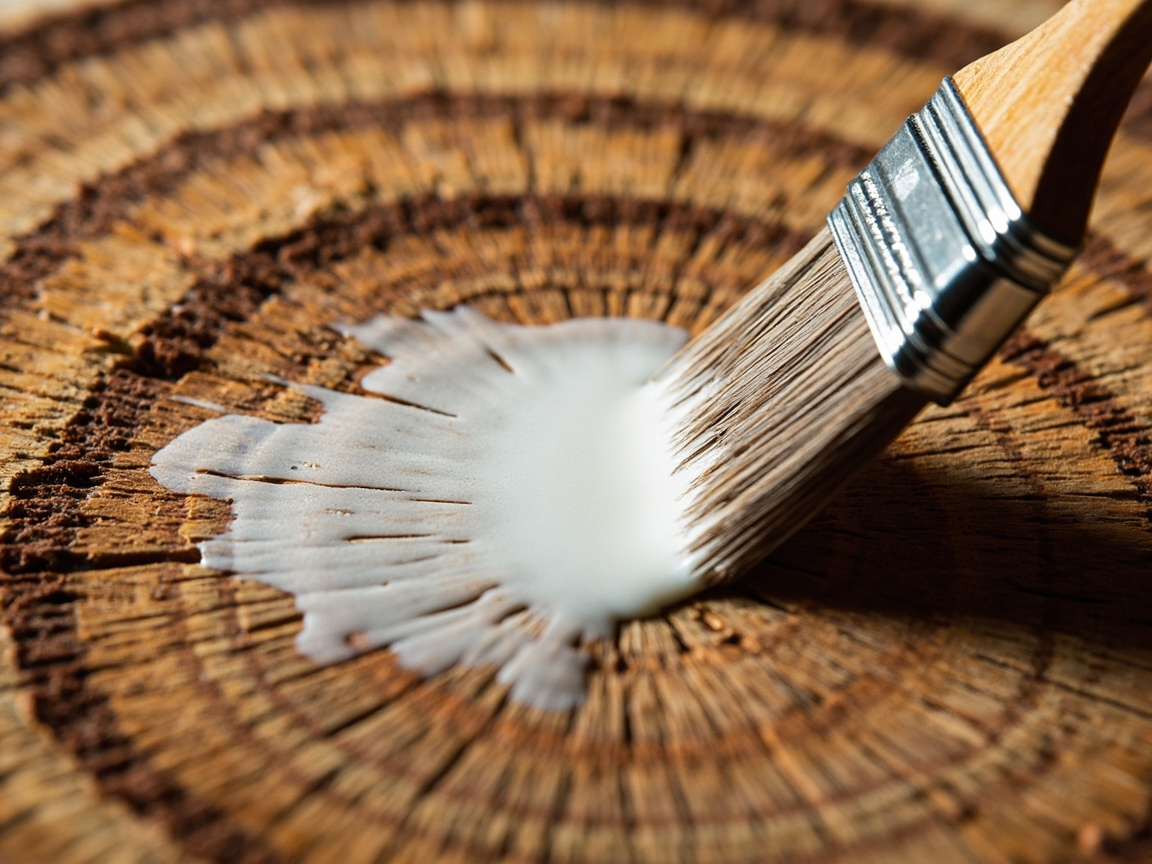
Water-based wood coating is a process of "progressive sandpaper grit", with a typical flow as follows. Here we emphasize "progressive": each process creates a flat, clean, and well-bonding base for the next; any shortcut (such as skipping sandpaper grit, omitting sealing) will be amplified in the next process or even after the topcoat. Water-based is less tolerant of process errors than solvent-based, because water "develops" substrate defects. Therefore the process is not a suggestion, but an iron rule.
1. Raw blank sanding: Use 180—240 grit sandpaper to remove machining marks and burrs; open grain can be pre-wetted with water to raise grain, then sand with 240 grit after drying. 2. Sealing primer: Roll or spray water-based sealing primer, lightly sand with 320 grit after drying to remove grain raising and fuzz. 3. Pore filling (open grain): Scrape water-based putty to fill vessels, sand with 320—400 grit after drying. 4. Primer: 1—2 coats of water-based primer, sand with 320—400 grit between coats for interlayer adhesion and sandability. 5. Topcoat: 1—2 coats of water-based topcoat (PUD or hybrid), recoat interval per product (usually 2—4 hours, greatly affected by temperature and humidity), finally refine with 400—600 grit (or polishing). 6. Curing: Water-based paint requires several days for full cure and property development; hardness and water resistance are weak before full crosslinking, avoid heavy pressure and water immersion during this period.
The principle of progressive sandpaper grit (coarse→fine) is "each layer only removes the unevenness of the previous layer, without destroying the established smoothness", avoid skipping grit or leaving marks with coarse sand at the end. Temperature and humidity control throughout: temperature recommended 10—35℃, relative humidity 40%—70%, excessive humidity or cold easily causes blushing and slow drying.
VI. Common Defects (grain raising, blushing, tackiness, poor adhesion, yellowing) and Countermeasures
Defects in water-based wood coatings are mostly related to "water" and "insufficient crosslinking", systematically identified as follows. A reminder: the "cause" in each row of the table below is the key—the same "poor adhesion" symptom may stem from high moisture content, interlayer contamination, or improper sanding, with completely different countermeasures. Therefore, when encountering defects, first locate the cause by mechanism, then choose the countermeasure; do not blindly "try another paint". Treat defects as signals of the formulation—substrate—environment system to avoid detours.
| Defect | Typical Cause | Countermeasure |
|---|---|---|
| Grain raising/fuzzing | Water swelling wood fibers, no pre-sealing | Seal with primer first or pre-raise grain with water then sand, use progressive fine sanding |
| Blushing (whitening) | Poor film formation at low temperature and high humidity, crosslinking before water evaporates, high moisture content of substrate | Control temperature and humidity, extend leveling, reduce film thickness, raise film-forming temperature |
| Blocking (blocking) | Insufficient crosslinking, stearate migration, high temperature, coalescent residue | Select self-crosslinking system, fully cure, control temperature, reduce additive residue |
| Poor adhesion | Substrate oil tannin, interlayer contamination, high moisture content, over- or under-sanding | Sufficient sanding and sealing, control moisture content, interlayer treatment, select adhesion resin |
| Yellowing | Aromatic PU/initiator, tannin not sealed, phenolic antioxidant | Use aliphatic PUD, seal tannin, low-yellowing additive |
| Cratering/orange peel | Substrate contamination, improper viscosity, insufficient leveling | Clean and degrease, adjust viscosity, add leveling agent, control film thickness |
| Poor water resistance | Insufficient crosslinking, poor film formation, hydrophilic additive | Self-crosslinking, fully cure, reduce hydrophilic additive, sufficient curing period |
| Cracking/crazing | Excessive film thickness, substrate cracking, thermal stress | Control film thickness, elastic resin, substrate treatment |
The commonality of these countermeasures is to treat "substrate treatment — sealing — drying environment — sufficient crosslinking" as a system, rather than changing materials at a single point.
VII. Differentiated Formulations for Furniture, Flooring and Outdoor
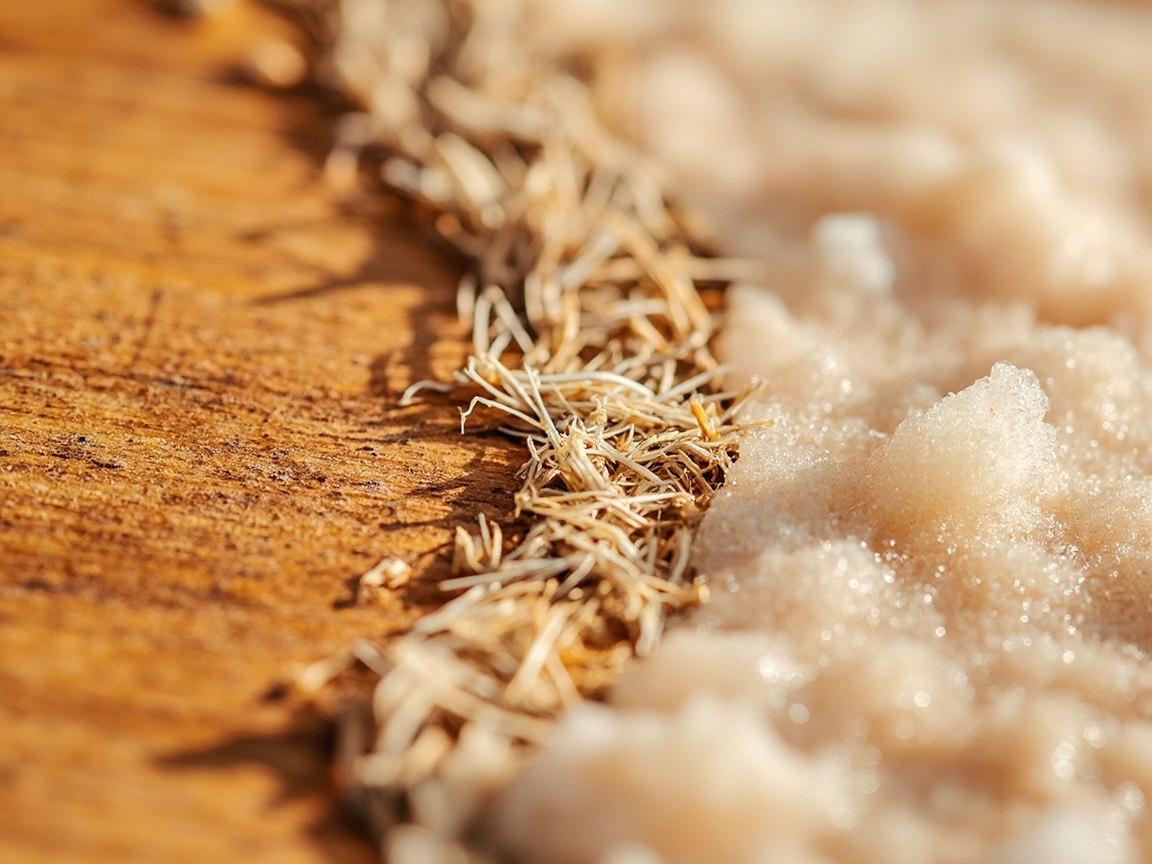
One water-based coating cannot fit all scenarios; differentiated formulations reflect professionalism. Many beginners mistakenly think "buy one good water-based varnish and it can coat all wood products," only to find it perfect on furniture, not wear-resistant on flooring, and chalking outdoors in less than a year. The root cause is that the "failure mechanisms" of the three scenarios are completely different: furniture fails in scratching and feel, flooring fails in abrasion and chemicals, and outdoor fails in UV and microorganisms. One resin formulation cannot optimally combat these three mechanisms simultaneously; it must be redesigned by formulation scientists according to performance weightings — this is exactly where the value of the word "science" in water-based wood coatings lies.
– Furniture (indoor): Emphasis on decoration, feel, low odor and scratch resistance. Mostly PUD or hybrid topcoats, emphasizing fullness and mar resistance; children's furniture must be low-VOC, low migratory heavy metals and certified. – Flooring: Emphasis on wear resistance, impact resistance, cleaner resistance. Use highly crosslinked water-based polyurethane (often self-crosslinking or two-component), higher film thickness and hardness; factory flooring may use water-based primer + UV topcoat combination. – Outdoor: Emphasis on weather resistance (UV resistance), water resistance, anti-corrosion and anti-mold. Use water-based systems containing UV absorber/HALS (hindered amine light stabilizer) and fungicide, or turn to wood wax oil; transparency and breathability prioritized, avoid thick-film sealing causing peeling.
The essence of differentiation is different "performance weightings": indoor wants beauty and cleanliness, flooring wants hardness and wear resistance, outdoor wants anti-aging and breathability. Formulation scientists adjust resin, additives and film thickness accordingly, rather than one formulation for all.
VIII. Outdoor Wood and Wood Wax Oil / Transparent Protection
Outdoor wood structures (boardwalks, garden furniture, wooden houses, historic building components) face multiple stresses of UV, rain, temperature-humidity cycles and microorganisms. Outdoor and indoor are two completely different physical environments: indoor temperature and humidity are relatively stable, while outdoor undergoes freeze-thaw, wet-dry, strong UV and microbial erosion year after year, amplifying wood's expansion-shrinkage stress several times. Traditional thick-film paint completely seals the wood surface, blocking moisture exchange, easily causing internal water accumulation and film peeling; ordinary wood wax oil protection period is often less than a year. Modern outdoor solutions move toward "penetration + breathability":
– Wood wax oil: Centered on refined drying vegetable oils (linseed oil, tung oil, soybean oil) and vegetable waxes (carnauba wax, beeswax), penetrating wood fibers for oxidative crosslinking, reinforcing from inside, forming a breathable hydrophobic layer on surface, retaining wood grain, breathable, locally renewable. High-end outdoor wood wax oil adds anti-UV absorber, anti-mold and anti-hydrolysis additives, suitable for southern high-temperature high-humidity strong sunlight. – Water-based weather-resistant transparent coating: Water-based system containing UV absorber and HALS, transparent grain-showing, low odor, suitable for factory outdoor parts; but requires regular maintenance and avoid thick film. – Preservative wood matching: Softwood outdoor first treated with preservative impregnation primer for mold prevention, then coated with wood wax oil or weather-resistant paint.
As an industrial coating participant, Kexin New Materials (Guangdong) Co., Ltd. also provides options in water-based industrial protection and wood matching systems, serving the differentiated needs of building materials and furniture manufacturing enterprises.

IX. Compliance Perspective: GB 18581-2025 and Children's Furniture Standard
The compliance advantage of water-based wood coatings is built on hard constraints of standards. It is often misunderstood that "water-based is naturally compliant" — this is a misconception: water-based only changes the medium to water, the formulation may still contain coalescents (VOC/SVOC), biocides, harmful pigments and migratory elements. True compliance is to also control these "hidden in the formulation" substances, and control down to auxiliary material level. Let's break down the specific constraints of the new national standard on water-based systems. GB 18581-2025 implemented in July 2025 further tightens VOC limits for indoor wood coatings (key categories VOC≤120g/L level), driving industry reshuffle, about 230 non-compliant enterprises suspended for rectification; the subsequent GB 30981.2-2025 on June 1, 2026 further brings auxiliary materials such as putty, curing agent, thinner, color paste into mandatory supervision, and adds SVOC (about ≤5g/L), biocide and migratory element control. Specific meaning for water-based systems:
– Coalescent is VOC focus: Water-based coating often needs small amount of coalescent (e.g. glycol ether) to help film formation, which may count into VOC/SVOC, formulation must minimize or use low-volatility types, otherwise "water-based in name, solvent in reality". – Biocide controlled: Anti-mold and anti-fungal agents (e.g. MIT, CMIT, isothiazolinone) set limits, encourage low-toxicity alternatives. – Full-chain compliance of auxiliaries: Water-based sealing primer, putty, color paste also must meet standards, cannot have compliant main material but excessive auxiliaries.
Children's furniture is subject to the dual constraints of the "General Technical Requirements for Children's Furniture" (GB 28007 series) and the limits for wood coating, and the 2026 "Child-Friendly Product Certification" (CTC-TVe-OP24) indicators are even stricter (formaldehyde ≤0.05mg/m³, TVOC ≤0.30mg/m³, 8 types of migratable elements stricter). The VOC of water-based pigmented paste dedicated to children's furniture can be controlled below 20g/L. Therefore, children's furniture has almost fully switched to odorless water-based or UV, making it the most stringent yet most mature testing ground for water-based technology.
X. Current Status of the Performance Gap with Solvent-Based Coatings
A frequently asked question is: "Has water-based caught up with solvent-based?" This question itself needs to be broken down—"caught up" in which type of performance, which scenario. Generally saying "caught up" or "not caught up" is both biased. The objective answer is: in most indoor application scenarios it has approached or even locally surpassed, but there is still a gap in extreme performance. Below is an honest judgment by dimension, neither exaggerating nor belittling.
– Approached/Surpassed: Low odor, low VOC, construction safety, color stability, and early hardness build-up (self-crosslinking systems) are already no worse than solvent-based; some PUDs' fullness and feel can rival solvent-based PU. – Still has gap: Extreme water and chemical resistance (e.g., long-term immersion, strong solvents), ultra-high hardness and ultimate fullness, and construction tolerance for harsh environments (extremely humid and cold), solvent-based still has the advantage; water-based's sensitivity to substrate moisture content and temperature/humidity is a process-level "soft gap". – Gap rapidly narrowing: In early 2026, high-performance PUD, hybrid and self-crosslinking technologies are maturing, low-temperature/room-temperature self-crosslinking and formulations with bio-based content ≥50% are under攻关, the gap has narrowed from "generational" to "scenario". For the vast majority of furniture, doors and windows, children's and indoor scenarios, water-based is already the compliant and performance-adequate first choice; only special industrial or extreme environments still retain solvent-based.
XI. Selection and Construction Implementation Suggestions
Practical advice for furniture factories and contractors. These suggestions are condensed from a large number of success and failure cases, essentially a "pitfall-avoidance checklist": water-based project failures, nine times out of ten, are not in the coating, but in "substrate not sealed, environment not controlled, sandpaper skipped grit, curing not allowed enough". Treat the seven points below as a pre-launch checklist to avoid most novice pitfalls.
– Select resin by scenario: Interior doors and ordinary furniture use acrylic or hybrid; high-end furniture uses aliphatic PUD; flooring uses high-crosslinking self-crosslinking; outdoor uses weather-resistant systems or wood wax oil. – Seal first: Regardless of wood type, first handle grain raising and tannin sealing, then talk about topcoat. – Control environment: Temperature 10—35℃, humidity 40%—70%, with dehumidification and heating, drying is the lifeline of water-based. – Sandpaper progression: Strictly from coarse to fine, light sanding per layer, no skipping grit. – Curing period: Avoid heavy pressure and water immersion for several days after topcoat, let crosslinking fully proceed. – Compliance evidence: Obtain full-chain VOC/SVOC/heavy metal testing and certification, especially for children's and export orders. – Gradual substitution: No need for一刀切, can start from primer water-basedization and gradual topcoat switch.
XII. In-Depth Resin Chemistry: From Emulsion Polymerization to Self-Crosslinking
To truly master water-based wood coating, one needs to understand the "origin" of the resin. Some readers may feel "chemical synthesis details are irrelevant to users", but this is not the case: when you know PUD is dispersed by hydrophilic groups and afraid of excessive water breaking stability, you won't arbitrarily add large amounts of water; when you know self-crosslinking relies on functional group reactions and needs curing time, you won't stack immediately after coating; when you know acrylic is "thermally tacky and cold brittle", you'll watch for blocking at high summer temperatures. Formulation chemistry is not the patent of formulators, but the "instruction manual" that every user should understand.
– Acrylic emulsion polymerization: In the aqueous phase, emulsifier disperses acrylate monomers into micelles, initiator starts polymerization in the aqueous phase, generating nano to sub-micron polymer particles suspended in water, i.e., emulsion. Particle shell is hydrophilic, core hydrophobic, stabilized by emulsifier. Emulsion is low cost, good weather resistance, but particle fusion needs coalescing agent, and emulsifier may bring water resistance and foaming risks. – PUD synthesis: Polyisocyanate and polyol are first prepolymerized, then hydrophilic groups (carboxyl/sulfonate) are introduced to disperse in water, chain-extended with diamine, obtaining very fine (tens of nanometers) polyurethane dispersion. With no traditional emulsifier and fine particles, PUD film is dense, excellent feel and wear resistance, but synthesis needs water avoidance and humidity control, high process threshold. – Hybrid mechanism: Acrylic-PU hybrid can be achieved via core-shell emulsion polymerization (PU core, acrylic shell) or interpenetrating network, combining both advantages; chemical hybrid is more stable than physical blend. – Self-crosslinking reaction: Self-crosslinking relies on functional groups on particle surface reacting during film formation—such as carboxyl with epoxy/aziridine, hydroxyl with polyisocyanate (two-component), oxazoline with carboxyl, siloxane hydrolysis condensation, etc. Slow crosslinking at room or low temperature improves hardness and water resistance, key to water-based approaching solvent-based.
Understanding these "origins", one can see why PUD is expensive yet good, acrylic cheap yet stable, self-crosslinking can supplement shortcomings—formulation is not metaphysics, but the inevitability of chemical structure.
XIII. Film Formation Mechanism: Minimum Film Formation Temperature and Coalescing Agents
Why can water-based paint form a continuous film after "water evaporates"? The answer is particle fusion. Each resin particle has glass transition temperature (Tg); when ambient temperature is higher than its minimum film formation temperature (MFFT), particles soften, deform, and fuse into film under capillary force; if below MFFT, particles don't fuse, coating powders and cracks. The direct meaning for construction: in winter or low-temperature low-humidity workshops, particles don't fuse easily, must rely on heating or coalescing agents to "press" MFFT below ambient temperature, otherwise no matter how long the drying time, a good film won't form—this explains why water-based construction "temperature is a hard constraint, not a soft suggestion".
But most resins have MFFT higher than room temperature, so coalescing agents (e.g., dipropylene glycol butyl ether, propylene glycol phenyl ether) are needed to temporarily lower MFFT and help fusion, then film hardens after water and agent volatilize. Problem: coalescing agents are mostly VOC/SVOC, too much undermines eco advantage. Technical direction: select low-MFFT resin to reduce agent, use low-volatility/low-toxicity agents, or rely on self-crosslinking to supplement hardness later. The "dosage—eco—performance" triangle of coalescing agents is one of the most subtle balancing acts in water-based formulation.
XIV. Wood Science: How Cellulose Interacts with Water
Water-based is more picky about wood, rooted in wood composition. Wood is about 40%—50% cellulose, 20%—30% hemicellulose, 20%—30% lignin, plus extractives (tannin, resin, pigment). Cellulose is hydrophilic polysaccharide, swells and reorganizes hydrogen bonds upon water contact, making wood fibers stand up (grain raising) and changing surface energy. Hemicellulose has strong hygroscopicity, main cause of moisture content fluctuation. Extractives (especially tannin, rosin) migrate or oxidize to show color upon water contact, causing stain spots.
This means: before water-based construction, must manage "cellulose swelling" and "extractive migration"—the former by sealing and pre-grain-raising sanding, the latter by tannin sealing. Ignoring wood science, no matter how good the formulation, can't save substrate-level defects. This is why water-based coating engineers must understand wood, not just coating. A practical suggestion: before coating, measure moisture content of each batch of wood and do small-sample sealing test, much cheaper than rework later; treating "substrate sorting" as the first process is the real watershed between professional water-based plants and amateur coating.
XV. Construction Parameter Essentials: Viscosity, Application Rate, Recoating and Temp-Humidity Window
Repeatability of water-based construction relies on a set of parameter discipline. Unlike solvent-based "spray on and dry", water-based turns "drying" from a brief step into a variable throughout, temperature, humidity, wind speed, film thickness all real-time affect results. Thus water-based line operators are more like "parameter administrators" than "craftsmen"—controlling parameters per work instruction matters more than feel. These parameters must be quantified, recorded, and re-calibrated by season.
– Viscosity: Water dilution usually ≤5%—10% (excess breaks particle stability), control in suitable range with Zahn cup #4; spray viscosity lower than roller. – Application rate: Primer about 80—120g/㎡, topcoat about 60—100g/㎡, thin multiple coats better than thick. – Recoat interval: Water-based relies on water volatilization and initial fusion, usually 2—4 hours, but greatly extended at low temp/humidity; recoating before dry causes lifting and blushing. – Temp-humidity window: 10—35℃, relative humidity 40%—70% is golden zone; below 5℃ or above 85% humidity risk spikes. – Drying method: Natural drying slow, industry often uses IR, hot air, dehumidification curing room to speed up; but too fast heating causes bubbling, surface skinning.
These parameters must be written into work instruction and re-calibrated by season, guarantee of water-based line "qualified today, qualified tomorrow".
XVI. Chemical Details of Tannin Sealing
Tannin is polyphenol, shows color and migrates upward under alkaline or oxidative conditions. Sealing ideas in three types: one barrier type—use dense film-forming primer to physically block tannin contacting topcoat and water; two chelation/fixation type—use sealing agent with zinc, aluminum or special resin to complex with tannin, preventing migration; three pre-extraction type—for extreme species first solvent or hot water pretreatment to reduce tannin. In practice, light-color coating mostly uses "barrier + chelation" composite sealing base, and avoids alkaline substances (e.g., certain fillers, cleaners) contacting wood. For high-risk wood like oak, rather one more sealing, don't bet topcoat can cover. A often overlooked detail: if sealing base itself contains excess alkaline neutralizer or certain fillers, it may instead "activate" tannin, so selection of sealing base should see its适配 with specific species, not universal. This is why high-end water-based plants configure different sealing schemes for different species, not one sealing base for all.
XVII. Deep Analysis of Defect Mechanisms: From Appearance to Root Cause
Previous gave countermeasure table, here dig into root causes of high-frequency defects. Reason to "dig deep": defects with same appearance often have different root causes: e.g., "surface tacky" could be oxygen inhibition (free radical UV), insufficient crosslinking (water-based blocking), or additive migration, three root causes with totally different countermeasures. Only memorizing countermeasure table without root cause, variants will fail. Below each defect gives "root cause" then "countermeasure logic", for analogy.
– Grain raising: Water makes vessel wall and wood fiber swell and stand, surface roughens. Root cause is substrate not pretreated, later sanding only treats symptom. – Blushing: Low temp high humidity, water volatilizes slow, poor film formation, or high substrate moisture causes micro-phase separation/unfused inside film, light scattering shows white haze. Root cause in drying environment and moisture content, not coating defect. – Blocking: Insufficient crosslink density, calcium stearate etc. additive migrates to surface, or high temp makes soft segment tacky. Root cause in resin crosslink degree and additive selection, sufficient curing partially relieves. – Poor adhesion: Often interlayer contamination (silicone, oil, dust), high moisture causes weak interface, or over-sanding damages sealing layer. Root cause in process衔接. – Yellowing: Aromatic PU, unsealed tannin, phenolic antioxidant (BHT type) are three culprits; root cause in resin/additive/substrate selection. – Poor water resistance: Insufficient crosslink or hydrophilic additive (emulsifier, dispersant) residue, water penetrates and swells. Root cause in crosslink degree and formulation hydrophilic balance.
Treat defects as "mechanism signals", to shift from repeated trial-and-error to right-first-time.
XVIII. Formulation Examples: Composition Differences for Furniture, Flooring, Outdoor
For intuitive comparison, the table below gives composition emphasis of water-based formulations for three scenarios (illustrative):
| Scenario | Resin Main Body | Key Additives | Film Thickness Tendency | Performance Focus |
|---|---|---|---|---|
| Indoor furniture topcoat | Aliphatic PUD/hybrid | Leveling, defoaming, low-yellowing UV absorber | Medium | Feel, fullness, low odor |
| Industrialized flooring | High-crosslink self-crosslinking PUD | Wear-resistant filler, hardening | High | Abrasion resistance, chemical resistance, impact resistance |
| Children's furniture | Low-VOC PUD | No harmful additives, antibacterial (optional) | Medium | Ultra-low VOC, low heavy metals |
| Outdoor weather resistance | Weather-resistant acrylic/hybrid + wood wax oil | UV absorber, HALS, fungicide | Medium—thin | UV resistance, breathability, mildew resistance |
| Outdoor wood wax oil | Vegetable oil + vegetable wax | UV resistance, mildew resistance, drying agent | Thin (penetrating) | Breathable, repairable |
It can be seen that the combination of "resin + additives + film thickness" varies with the scenario; the professionalism lies in this differentiated design, rather than a one-size-fits-all formula.
19. Chemistry and Outdoor Logic of Wood Wax Oil
The reason why wood wax oil is suitable for outdoor use is determined by its chemical mechanism: drying vegetable oils (linseed oil, tung oil) contain unsaturated fatty acids that oxidize and crosslink to cure in air, penetrating the wood cell walls to reinforce the structure and stabilize the moisture content gradient; vegetable waxes (carnauba wax, beeswax) form a continuous breathable hydrophobic layer on the surface, blocking rain and mildew while allowing moisture to escape, achieving "breathability". This is opposite to the "complete sealing" of thick-film paint—sealing traps internal moisture and causes peeling, while the breathability of wood wax oil precisely avoids this. High-end outdoor wood wax oil is compounded with UV absorbers, mildew-proof and antibacterial agents, and anti-hydrolysis additives, significantly extending the protection period, and can be locally re-coated without overall sanding, reducing long-term maintenance costs. Its shortcoming is limited protection thickness and the need for regular maintenance, so it is more suitable for scenarios of "breathable long-lasting" rather than "extreme isolation". For consumers, wood wax oil coating means the convenience of "self-local re-coating"—apply where it is worn, without having to return the whole piece to the factory, which is exactly the biggest experience difference from industrialized paint. But precisely because maintenance is required, outdoor wood wax oil projects should establish an annual inspection and re-coating plan, otherwise the protection period will be shorter than expected. Writing "maintenance" into the instructions is a responsible way to implement the wood wax oil solution.
20. In-depth Compliance: Specific Constraints of the New National Standard
For water-based systems, the specific constraints of GB 18581-2025 and GB 30981.2-2025 must be implemented in the formulation:
– VOC limit: The VOC of key categories of indoor wood coating is tightened to ≤120g/L level; water-based can reach far below this by relying on low/no coalescing agents; but water-based with more additives may still hit the line and must be measured. – SVOC added: Semi-volatile organic compound limit is about ≤5g/L, focusing on coalescing agents and high-boiling additives, promoting "low-SVOC additive" replacement. – Biocides: Preservatives and fungicides (MIT/CMIT/isothiazolinone, etc.) are limited, encouraging non/low-toxic alternatives, affecting in-can preservation and film mildew resistance design. – Full auxiliary material control: Sealing primer, putty, and color paste are also regulated; water-based systems often step on pitfalls due to "main material compliant, auxiliary material containing additives", requiring full-link detection. – Migratable elements: Contact categories (children, toys) topcoat are stricter on 8 heavy metals, color paste and pigments must be low-migration.
Compliance is not automatically obtained by the word "water-based", but a system engineering of full formulation, full auxiliary materials, and full certificates. Leading enterprises will take "low VOC + no SVOC + low-toxic mildew resistance + full-link detection" as the baseline for water-based products.
21. In-depth Interpretation of Children's Furniture Standard
Children's furniture is the most stringent testing ground for water-based technology. The reason is simple: children have the closest contact with furniture (biting, touching, prolonged close-range breathing), and their bodies are more sensitive to harmful substances, so the standards are naturally the strictest. The technologies forced out by this "strictest" requirement (low odor, low migration, low heavy metals, rigorous testing) were later proven to be equally valuable to ordinary consumers—when parents are willing to pay an eco-friendly premium for children's furniture, the environmental threshold for ordinary furniture is also indirectly raised. Children's furniture has thus become the "stress test chamber" for the entire water-based wood coating technology upgrade. In addition to the limits on structural safety and migratable elements in the "General Technical Requirements for Children's Furniture" (GB 28007 series), the wood coating limit standards tighten VOC/SVOC and harmful additives; in 2026, the China National Building Material Test & Inspection Group's "Child-Friendly Product Certification" (CTC-TVe-OP24) has even stricter indicators—formaldehyde emission ≤0.05mg/m³ (stricter than the national standard ≤0.08), TVOC ≤0.30mg/m³, migratable element limits for lead/cadmium/chromium/mercury stricter than national standards, and additional testing for polycyclic aromatic hydrocarbons and phthalates. For the coating, this means: choose aliphatic PUD low-yellowing systems, use low-VOC/solvent-free SVOC film-forming aids, control color paste VOC below 20g/L, and use low-migration pigments and additives. The mature experience of children's furniture (low-odor water-based + strict standards) is spilling over in reverse to ordinary furniture and doors/windows, serving as the driving force for the overall industry upgrade.
22. Quantitative Comparison with Solvent-Based
To objectively present the gap, the table below provides a quantitative comparison (based on industry consensus, for reference):
| Dimension | Water-Based (2026 Mainstream) | Solvent-Based PU/PE | Description |
|---|---|---|---|
| VOC | Low (can be below 90% of national standard) | High | Water-based has major compliance advantage |
| Odor/Safety | Excellent | Poor | Water-based friendly to workshop and living spaces |
| Hardness | Medium—High (after self-crosslinking) | High | Gap narrowing |
| Fullness/Feel | Medium—High (good PUD) | High | PUD close |
| Water/Chemical Resistance | Medium—High | High—Extremely High | Solvent-based better in extreme environments |
| Application Tolerance | Greatly affected by temp/humidity | Relatively wide | Water-based needs environment control |
| Drying Speed | Slow (needs drying room) | Medium | Water-based compensated by equipment |
| Cost (Material) | Medium—High | Medium | PUD expensive but overall controllable |
Conclusion: For indoor and children's scenarios, water-based is already competent and has compliance advantages; only extreme chemical resistance, ultra-high hardness, and harsh environments retain solvent-based. The gap has narrowed from "generational" to "scenario-based" and continues to shrink.
23. Industry Case: Water-Based Retrofit of an Interior Door Factory
Take an interior door factory as an example: interior doors are a typical object for water-based retrofit—relatively regular shape, sensitive to odor, environmental certification affects bidding for branded enterprises, with moderate retrofit benefits and difficulty, making it very suitable as a "water-based entry" case. The factory originally used solvent-based NC/PU, facing workshop odor complaints and centralized procurement low-VOC clauses. Retrofit path: first switch sealer and primer to water-based acrylic/hybrid, use hybrid for topcoat as transition then switch to aliphatic PUD; equip dehumidifying and heating drying room to solve slow drying and blushing; apply tannin sealing for oak door cores; strictly progressive sandpaper grit. After retrofit, workshop odor dropped significantly, passed green certification to enter fine-decoration centralized procurement; although per-square-meter material cost rose slightly, hazardous waste and discharge dropped to zero, and rework decreased due to controllable environment, overall flat with premium gained. The case shows: the difficulty of water-based retrofit lies not in the coating, but in the process discipline of "sealing + drying + sanding"—with discipline in place, water-based goes smoothly; without discipline, water-based becomes a pitfall.
24. Testing and Evaluation Methods
Whether a water-based wood coating is "good or not" is determined by standardized testing. Common methods include: these tests are not just formalities at the factory, but hard evidence for quality traceability and certification applications. Professional factories institutionalize "retaining samples for testing per batch", which is both responsible to customers and enables quick identification of whether the problem lies with the coating, substrate, or application when complaints arise. For purchasers, requesting these test reports is far more reliable than listening to sales pitches.
– Hardness: Pencil hardness (GB/T 6739) or Buchholz; self-crosslinking systems can reach F—2H. – Abrasion resistance: Taber abrasion (GB/T 17657) weight loss evaluation; flooring requires high performance. – Adhesion: Cross-cut method (GB/T 9286) and pull-off method, to assess interlayer and substrate adhesion. – Water/chemical resistance: Immersion or wipe testing, to examine crosslinking degree and hydrophilic balance. – VOC/SVOC: GB 30981.2-2025 method; water-based products must provide reports to prove compliance. – Yellowing resistance: Xenon lamp/UV aging compared to grayscale; aliphatic PUD should be ≥ grade 4. – Migratable elements: For children's/toy contact categories, strictly add testing for 8 heavy metals and polycyclic aromatic hydrocarbons per stricter standards.
Making testing into an institutionalized "retain samples per batch + periodic external testing" system is the foundation for water-based products to build customer trust and respond to green certifications (Greenguard, French A+, China Environmental Label).
25. Bio-based and Sustainable Directions
The next stop for water-based wood coating is "de-petrochemicalization". Bio-based resins use plant oils (soybean oil, castor oil, linseed oil) derived polyols, rosin modification, and lignin-based raw materials to replace petrochemical monomers, increasing bio-based carbon content. The group standard "Bio-based Wood Coating" led by BNBM Carpoly takes bio-based carbon content as a core indicator (its products reach 31%), reflecting industry exploration. The advantage of bio-based lies in policy friendliness and consumer perception; the challenge lies in water resistance and drying control; combined with water-based low VOC, it is a "double green" selling point. For export and high-end children's furniture, bio-based content is becoming a differentiated competitiveness.
26. Frontier Technologies: Nano Modification and Room-temperature Self-crosslinking
In 2025, global wood paint patent applications reached 14,700, with water-based resin synthesis and nano modification accounting for over 60%. Frontier directions include:
– Nano modification: Nano SiO₂, Al₂O₃, TiO₂, etc. improve hardness, scratch resistance, weather resistance, and antibacterial properties, but dispersion stability and cost control are difficulties. – Room/low-temperature self-crosslinking: Eliminates high-temperature drying, suitable for on-site application and energy saving, and is key for water-based to approach solvent-based. – Functional compounding: Antibacterial, anti-mold, odor-removing, scratch-resistant multi-function in one, responding to consumer health upgrade. – Self-healing coating: Microcapsules or dynamic bonds achieve slight scratch self-repair, at pilot stage. – Digital color matching: Online color matching and AI formulas, supporting flexible production of customized furniture.
These directions jointly point to: water-based will evolve from a "low-VOC substitute" to a "high-performance functional material", further compressing the living space of solvent-based.
27. Conclusions for Engineers
Condensing the full text into three sentences for formulation and application engineers: First, the success or failure of water-based coating is seven-tenths in substrate and process—grain raising solved by sealing, tannin by isolation, blushing and blocking by drying environment; coating is only one link; Second, the performance ceiling lies in resin—PUD and self-crosslinking are the mainstays approaching solvent-based, and the "eco-friendly—performance" triangle of coalescing agents must be finely balanced; Third, compliance is a system engineering—VOC/SVOC/biocides/auxiliaries/migratable elements all reaching standards across the whole chain is the real "water-based compliance". For factories, the most stable implementation is the process discipline of "seal first, controllable drying, progressive sanding, sufficient curing, complete certificates". Water-based is not simply replacing solvent with water, but a new science about wood, resin, water, and environment—only by understanding it can low odor be truly turned into high performance.
Finally, a reminder for decision-makers: the investment in water-based transformation is not in the coating itself, but in "process discipline"—doing the four things of sealing, drying, sanding, and curing well, even ordinary water-based paint can yield good results; if these four things are slack, even the most expensive PUD will raise grain and blush. Many factories attribute water-based failure to "bad paint", but the real reason is often "process not keeping up". In the context of 2026 where water-based has become mainstream, the focus of competition has shifted from "whether to choose water-based" to "who can use water-based better". Integrating formulation science with application discipline is the real moat in the water-based era.
28. Glossary: A Few Terms You Must Know to Understand Water-based
– Emulsion/dispersion: Resin dispersed in water as tiny particles, stabilized by emulsifiers or its own hydrophilic groups. – PUD: Polyurethane dispersion, with extremely fine particles and dense film, the core of high-end water-based paint. – MFFT (Minimum Film Forming Temperature): The lowest temperature at which particles can fuse into a film; below it no film forms. – Coalescing agent: An auxiliary that temporarily lowers MFFT to aid fusion, mostly VOC/SVOC and must be controlled in amount. – Self-crosslinking: Functional groups react into a network during film formation, improving hardness and water resistance. – Grain raising: Water swells wood fibers making the surface rough, a typical water-based defect. – Tannin sealing: Pretreatment that blocks migration and discoloration of wood polyphenols. – Blocking: Film not fully crosslinked or auxiliary migration causes surface stickiness and imprints when stacked. – HALS: Hindered amine light stabilizer, used for outdoor UV aging resistance. – SVOC: Semi-volatile organic compounds, a newly added control item in the new national standard.
29. Application Scenario Quick Reference: Which Water-based Solution is Most Suitable
– Indoor flat furniture: Aliphatic PUD or hybrid topcoat, emphasizing feel and low odor. – Interior doors: Acrylic/hybrid, balancing cost and performance, must control grain raising. – Children's furniture: Low-VOC PUD, strict standards + certification, colorant VOC <20g/L. – Industrial flooring: High-crosslink self-crosslinking PUD, thick film high abrasion resistance, can have UV topcoat. – Outdoor boardwalk/gardens: Wood wax oil or water-based weather-resistant paint with UV absorbers, breathable and repairable. – Ancient building wood components: Wood wax oil transparent showing grain, reversible repair preferred. – Wooden toys: Low-VOC water-based/UV, meeting strict contact standards. – On-site renovation: Odor-free fast-dry water-based or water-based wood wax oil, small package DIY friendly.
The essence of this list is still "matching resin and film thickness to scenario"—water-based is not one paint, but a family of solutions designed per scenario.
FAQ
1. Is water-based wood coating really eco-friendly, and is VOC zero? Water-based uses water as medium; water is not counted as VOC, and main VOC is far lower than solvent-based; but small amounts of coalescing agents in the formula may belong to VOC/SVOC, and their dosage and type must be controlled. Compliant water-based paint VOC can be far below national standard (some 90% below), but "zero VOC" needs testing not slogans.
2. What is grain raising, and how to solve it? Grain raising is water swelling wood vessel walls and fibers, making the surface rough and gloss uneven. The solution is to first apply a sealing primer, or first thinly spray water for "pre-grain-raising", sand after drying, then refine with progressive sandpaper; subsequent coats will be smooth.
3. What to do with tannin bleed? For woods containing tannin/resin like oak and pine, use dedicated tannin sealer or sealing primer with isolating components to block migration; light-color painting especially needs this first, otherwise yellow-brown spots appear. In severe cases, solvent-based/UV primer sealing can be used first.
4. Why does water-based paint blush or block? Blushing is mostly due to low temperature high humidity poor film formation or high substrate moisture; blocking is mostly due to insufficient crosslinking, auxiliary migration, or inadequate curing. The solution is to control temperature/humidity, extend drying, choose self-crosslinking systems, and allow sufficient curing period.
5. Why are children's furniture almost all water-based or UV? Constrained by both "General Technical Conditions for Children's Furniture" and wood coating limits, plus stricter 2026 child-friendly certification indicators, companies are forced to switch to odor-free water-based or UV, with VOC controllable below 20g/L and migratable heavy metals extremely low.
6. How big is the performance gap between water-based and solvent-based? For most indoor scenarios it is already close or even locally surpassing; for extreme chemical/water resistance, ultra-high hardness, and harsh environment tolerance solvent-based is still better. The gap is rapidly narrowing; self-crosslinking and PUD technology make water-based the compliant first choice for most scenarios.
7. For outdoor wood, water-based paint or wood wax oil? Outdoors prioritize "penetrating + breathable" systems: wood wax oil breathes and allows local re-coating, suitable for boardwalks and gardens; water-based weather-resistant transparent paint with UV absorbers suits industrial outdoor parts. Avoid thick-film sealing causing peeling.
8. How important is application environment for water-based paint? Crucial. Temperature 10—35℃ and humidity 40%—70% are suitable; too humid or cold causes slow drying, blushing, poor adhesion. Equipping with dehumidification and heating is the prerequisite for stable qualification of water-based lines.
9. Is more coalescing agent better? No. Coalescing agent helps particle fusion, but is mostly VOC/SVOC; too much reduces eco advantage and may cause blocking. Should rely on low-MFFT resin to reduce dosage, or choose low-volatility low-toxicity types, balancing the "dosage—eco—performance" triangle to the minimum necessary amount.
10. Why does water-based paint sometimes "bite bottom" or have interlayer poor adhesion? Mostly due to insufficient recoat interval (lower layer not dry, re-swelled by upper layer solvent/water), interlayer contamination (silicone oil, dust), or incompatible primer/top resin. The solution is to allow sufficient recoat interval, clean interlayers, choose compatible systems, and if necessary sand between layers before recoating.
11. Does wood wax oil count as water-based wood coating? No. Wood wax oil uses plant oil + plant wax as core, relying on oxidative crosslinking and penetration to form film, contains no water-dispersed resin, and belongs to "natural system" rather than "water-based system"; but both are low-VOC and show wood grain, often listed alongside in green coating. For outdoor and infant scenarios wood wax oil is complementary rather than substitute to water-based.
12. Is two-component water-based (2K) worth using? Two-component water-based hydroxyl resin + water-based curing agent (polyisocyanate) react to crosslink, with water/chemical resistance significantly better than one-component, close to solvent-based two-component performance, suitable for flooring and high-demand furniture; the cost is short pot life, high cost, more complex operation. Choose as needed, not necessary for all scenarios.
13. Why is the "curing period" of water-based paint important? After water-based paint is dry to touch, the crosslink network still further improves over time; early hardness and water resistance are weak. Without sufficient curing, heavy pressure, water immersion, or stacking easily leaves marks (blocking) or damage. Usually several days of curing is recommended, longer when temperature/humidity low; this is the key habit distinguishing water-based from solvent-based "dry and use".
14. How to judge whether a water-based wood paint is truly compliant?Look at three types of evidence: first, VOC/SVOC test reports for the full formulation (including main and auxiliary materials), checked against GB 30981.2-2025; second, compliance of biocides and migratable elements; third, authoritative certifications (China Environmental Label, French A+, GREENGUARD). Do not judge solely based on the "water-based" label or verbal claims by merchants; for children's and export orders in particular, request full supply-chain reports.
15. What is the most common pitfall for small and medium factories doing water-based coating retrofits? Three typical pitfalls: first, only changing the coating without controlling the environment, resulting in blushing and slow drying; second, neglecting sealing and tannins, causing grain raising or color spots after the topcoat; third, not progressing sandpaper gradually, skipping grits, or using coarse sandpaper at the end leaving marks. Avoiding pitfalls relies on process discipline of "seal first, controllable drying, progressive sanding, sufficient curing," rather than buying the most expensive paint.
16. Will water-based coatings completely replace solvent-based coatings in the future? In furniture, doors and windows, children's and indoor scenarios, water-based has become mainstream and will continue to expand; but extreme chemical resistance, ultra-high hardness, and harsh-environment application still retain a place for solvent-based. A more likely end state is "water-based as the main, UV and powder as supplements, solvent-based retreating to special scenarios," rather than a one-size-fits-all replacement.
Further Reading
- Wood Coating Industry Panorama: Water-based Trend, UV Curing and Custom Furniture Wave
- UV-Cured Wood Coating: Efficiency, Environmental Friendliness and Process Boundaries
- The Process Revolution and Environmental Compliance of Waterborne Refinish Paint
- How to Choose Between Water-Based Paint and Oil Paint: A Decision Guide on Composition, Performance and Scenarios
- Full-Process Comparison of Water-Based Paint and Oil Paint Application: Mixing, Coating and Drying
- Is Water-Based Paint More Expensive Than Oil Paint? Water-Based Retrofit Cost and Life-Cycle Cost-Performance Account
- Is Water-Based Paint Adhesion Worse Than Oil? The Truth About Adaptation to Metal/Wood/Plastic Substrates
- Does Low Odor of Water-Based Paint Mean Safe? The VOC and Heavy Metal Truth for Indoor and Children's Scenarios
- How to Do Water-Based Paint Acceptance: Practical Tests for Adhesion, Water Resistance, Hardness and Alkali Resistance
- Water-Based Paint Implementation in Wood Door/Cabinet/Custom Furniture Factories: Takt, Yield and Cost
- Water-Based Paint Color Toning and Gloss Control: How to Stabilize Solid Color, Varnish and Matte/High-Gloss