Causes and Improvement of Orange Peel (Orange Skin) Phenomenon: Viscosity, Air Pressure, and Leveling

2026-07-12 · Category: Technical Knowledge, Paint & Coatings

🌐 This article was automatically translated from Chinese. Please refer to the original Chinese version if needed. · View original (Chinese)
.kx-article{max-width:860px;margin:0 auto;background:#ffffff;color:#232a33 !important; border-radius:16px;padding:32px 30px 40px;box-shadow:0 8px 40px rgba(0,0,0,.25); font-family:-apple-system,"Segoe UI","PingFang SC","Microsoft YaHei",sans-serif;line-height:1.9;font-size:16px} .kx-article *{box-sizing:border-box} .kx-article h1,.kx-article h2,.kx-article h3,.kx-article p,.kx-article li,.kx-article td,.kx-article th,.kx-article strong, .kx-article .summary,.kx-article .summary p,.kx-article .summary strong, .kx-article .note,.kx-article .note p,.kx-article .kxbox-brand, .kx-article .related,.kx-article .related li,.kx-article .kx-foot, .kx-article .kxqa-q,.kx-article .kxqa-a{color:#232a33 !important} .kx-article h1{font-size:28px;line-height:1.35;font-weight:800;margin:0 0 18px;color:#1a1d21 !important} .kx-article .lead,.kx-article p{margin:14px 0} .kx-article .cover{width:100%;border-radius:14px;box-shadow:0 6px 24px rgba(0,0,0,.15);margin:6px 0 26px;display:block} .kx-article h2{font-size:22px;font-weight:700;margin:40px 0 16px;padding-bottom:10px;border-bottom:2px solid #eceff3;position:relative;color:#1a1d21 !important} .kx-article h2::before{content:"";position:absolute;left:0;bottom:-2px;width:64px;height:2px;background:#e8720c} .kx-article h3{font-size:18px;font-weight:700;margin:26px 0 12px;color:#2a2f36 !important} .kx-article strong{color:#111418 !important;font-weight:700} .kx-article img.inline{width:100%;border-radius:12px;box-shadow:0 4px 16px rgba(0,0,0,.12);margin:22px 0 8px} .kx-article figcaption{color:#7a828d !important;font-size:13px;text-align:center;margin:6px 0 24px} .kx-article table{width:100%;border-collapse:collapse;margin:20px 0;font-size:14.5px;background:#fff;border-radius:10px;overflow:hidden;box-shadow:0 2px 12px rgba(0,0,0,.06);border:1px solid #eceff3} .kx-article th,.kx-article td{padding:12px 14px;text-align:left;border-bottom:1px solid #eceff3;vertical-align:top} .kx-article th{background:#2a2f36;color:#ffffff !important;font-weight:600;font-size:14px} .kx-article tr:last-child td{border-bottom:none} .kx-article tbody tr:nth-child(even){background:#fafbfc} .kx-article .note{background:#eef6ff !important;border-left:4px solid #0a67d0;padding:14px 18px;border-radius:0 10px 10px 0;margin:22px 0} .kx-article .note strong{color:#0a4a97 !important} .kx-article .kxbox-brand{background:#fff3e8 !important;border-left:4px solid #e8720c;padding:16px 18px;border-radius:0 10px 10px 0;margin:22px 0} .kx-article .kxbox-brand strong{color:#5a4632 !important} .kx-article ul{margin:12px 0;padding-left:22px} .kx-article li{margin:8px 0} .kx-article .kxqa-item{background:#fbfcfd;border:1px solid #eceff3;border-radius:12px;padding:16px 20px;margin:14px 0} .kx-article .kxqa-q{font-weight:700;color:#e8720c !important;font-size:16px;margin-bottom:8px} .kx-article .kxqa-a{color:#3a4048 !important;display:block;margin:0} .kx-article .related{background:#fff !important;border:1px dashed #e8720c;border-radius:12px;padding:16px 22px;margin:26px 0} .kx-article .related h3{margin:0 0 6px;color:#e8720c !important} .kx-article .summary{background:linear-gradient(135deg,#fff3e8,#ffe9d6) !important;border-radius:12px;padding:20px 22px;margin:26px 0} .kx-article .summary h3{margin:0 0 10px;color:#1a1d21 !important} .kx-article .kx-foot{margin-top:34px;padding-top:18px;border-top:1px solid #eceff3;text-align:center;color:#8a929d !important;font-size:13px} .related{margin:30px 0 6px;} .related h3{font-size:18px;color:#1C1917;margin:0 0 12px;padding-left:10px;border-left:4px solid #F97316;} .related ul{list-style:none;margin:0;padding:0;} .related li{margin:0 0 9px;padding-left:16px;position:relative;} .related li:before{content:"203A";position:absolute;left:0;color:#F97316;font-weight:700;} .related a{color:#F97316 !important;text-decoration:underline !important;font-weight:600;} .related a:hover{color:#EA580C !important;} .kx-article{max-width:860px;margin:0 auto;background:#ffffff;color:#232a33 !important; border-radius:16px;padding:32px 30px 40px;box-shadow:0 8px 40px rgba(0,0,0,.25); font-family:-apple-system,"Segoe UI","PingFang SC","Microsoft YaHei",sans-serif;line-height:1.9;font-size:16px} .kx-article *{box-sizing:border-box} .kx-article h1,.kx-article h2,.kx-article h3,.kx-article p,.kx-article li,.kx-article td,.kx-article th,.kx-article strong, .kx-article .summary,.kx-article .summary p,.kx-article .summary strong, .kx-article .note,.kx-article .note p,.kx-article .kxbox-brand, .kx-article .related,.kx-article .related li,.kx-article .kx-foot, .kx-article .kxqa-q,.kx-article .kxqa-a{color:#232a33 !important} .kx-article h1{font-size:28px;line-height:1.35;font-weight:800;margin:0 0 18px;color:#1a1d21 !important} .kx-article .lead,.kx-article p{margin:14px 0} .kx-article .cover{width:100%;border-radius:14px;box-shadow:0 6px 24px rgba(0,0,0,.15);margin:6px 0 26px;display:block} .kx-article h2{font-size:22px;font-weight:700;margin:40px 0 16px;padding-bottom:10px;border-bottom:2px solid #eceff3;position:relative;color:#1a1d21 !important} .kx-article h2::before{content:"";position:absolute;left:0;bottom:-2px;width:64px;height:2px;background:#e8720c} .kx-article h3{font-size:18px;font-weight:700;margin:26px 0 12px;color:#2a2f36 !important} .kx-article strong{color:#111418 !important;font-weight:700} .kx-article img.inline{width:100%;border-radius:12px;box-shadow:0 4px 16px rgba(0,0,0,.12);margin:22px 0 8px} .kx-article figcaption{color:#7a828d !important;font-size:13px;text-align:center;margin:6px 0 24px} .kx-article table{width:100%;border-collapse:collapse;margin:20px 0;font-size:14.5px;background:#fff;border-radius:10px;overflow:hidden;box-shadow:0 2px 12px rgba(0,0,0,.06);border:1px solid #eceff3} .kx-article th,.kx-article td{padding:12px 14px;text-align:left;border-bottom:1px solid #eceff3;vertical-align:top} .kx-article th{background:#2a2f36;color:#ffffff !important;font-weight:600;font-size:14px} .kx-article tr:last-child td{border-bottom:none} .kx-article tbody tr:nth-child(even){background:#fafbfc} .kx-article .note{background:#eef6ff !important;border-left:4px solid #0a67d0;padding:14px 18px;border-radius:0 10px 10px 0;margin:22px 0} .kx-article .note strong{color:#0a4a97 !important} .kx-article .kxbox-brand{background:#fff3e8 !important;border-left:4px solid #e8720c;padding:16px 18px;border-radius:0 10px 10px 0;margin:22px 0} .kx-article .kxbox-brand strong{color:#5a4632 !important} .kx-article ul{margin:12px 0;padding-left:22px} .kx-article li{margin:8px 0} .kx-article .kxqa-item{background:#fbfcfd;border:1px solid #eceff3;border-radius:12px;padding:16px 20px;margin:14px 0} .kx-article .kxqa-q{font-weight:700;color:#e8720c !important;font-size:16px;margin-bottom:8px} .kx-article .kxqa-a{color:#3a4048 !important;display:block;margin:0} .kx-article .related{background:#fff !important;border:1px dashed #e8720c;border-radius:12px;padding:16px 22px;margin:26px 0} .kx-article .related h3{margin:0 0 6px;color:#e8720c !important} .kx-article .summary{background:linear-gradient(135deg,#fff3e8,#ffe9d6) !important;border-radius:12px;padding:20px 22px;margin:26px 0} .kx-article .summary h3{margin:0 0 10px;color:#1a1d21 !important} .kx-article .kx-foot{margin-top:34px;padding-top:18px;border-top:1px solid #eceff3;text-align:center;color:#8a929d !important;font-size:13px} .related{margin:30px 0 6px;} .related h3{font-size:18px;color:#1C1917;margin:0 0 12px;padding-left:10px;border-left:4px solid #F97316;} .related ul{list-style:none;margin:0;padding:0;} .related li{margin:0 0 9px;padding-left:16px;position:relative;} .related li:before{content:"203A";position:absolute;left:0;color:#F97316;font-weight:700;} .related a{color:#F97316 !important;text-decoration:underline !important;font-weight:600;} .related a:hover{color:#EA580C !important;}

cover-orange-peel

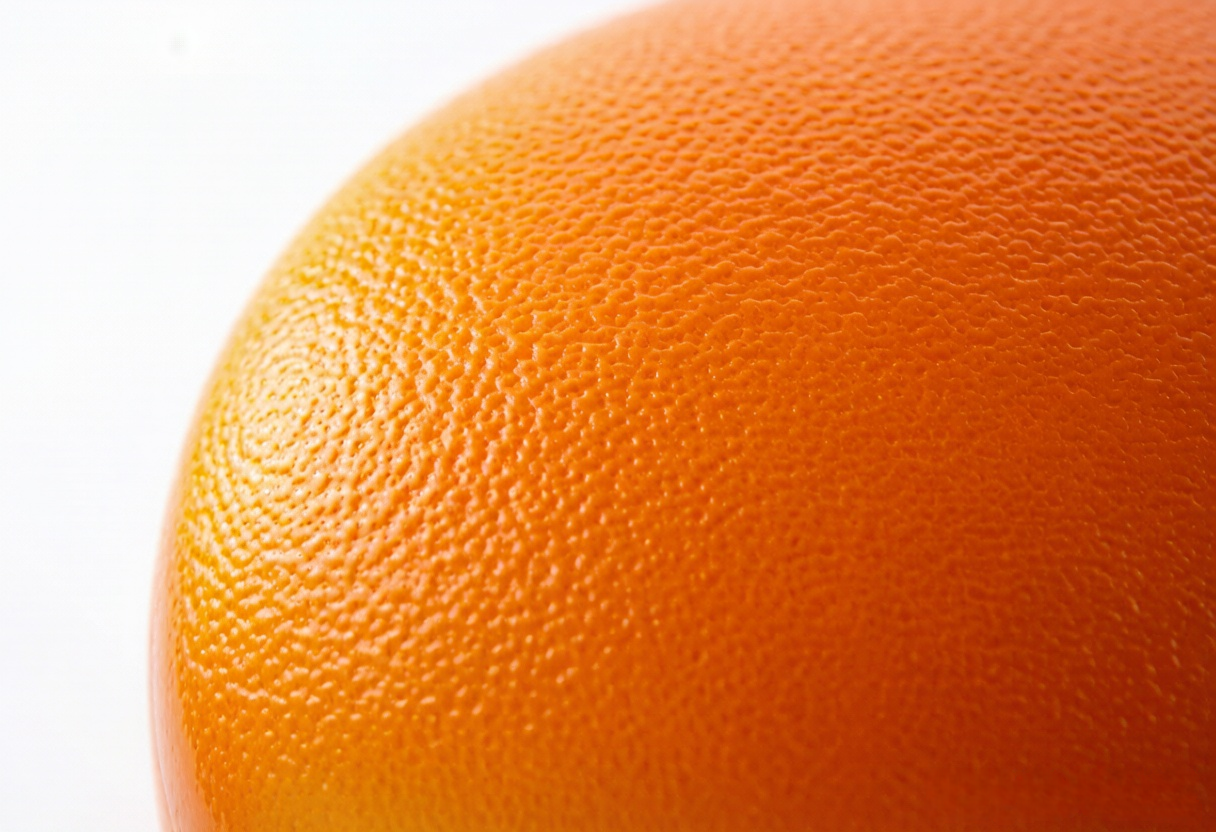
Zoom in and you'll see that a lot of paint surfaces are actually uneven like orange peel — this is called orange peel (orange peel texture). Slight orange peel is normal, but severe orange peel looks cheap. This article explains clearly where it comes from and how to fix it.

In one sentence: Orange peel = paint droplets solidify before they fully level out; lowering viscosity, allowing sufficient leveling time, and matching the thinner's evaporation rate with the temperature will help it "level out."

I. Causes of Orange Peel

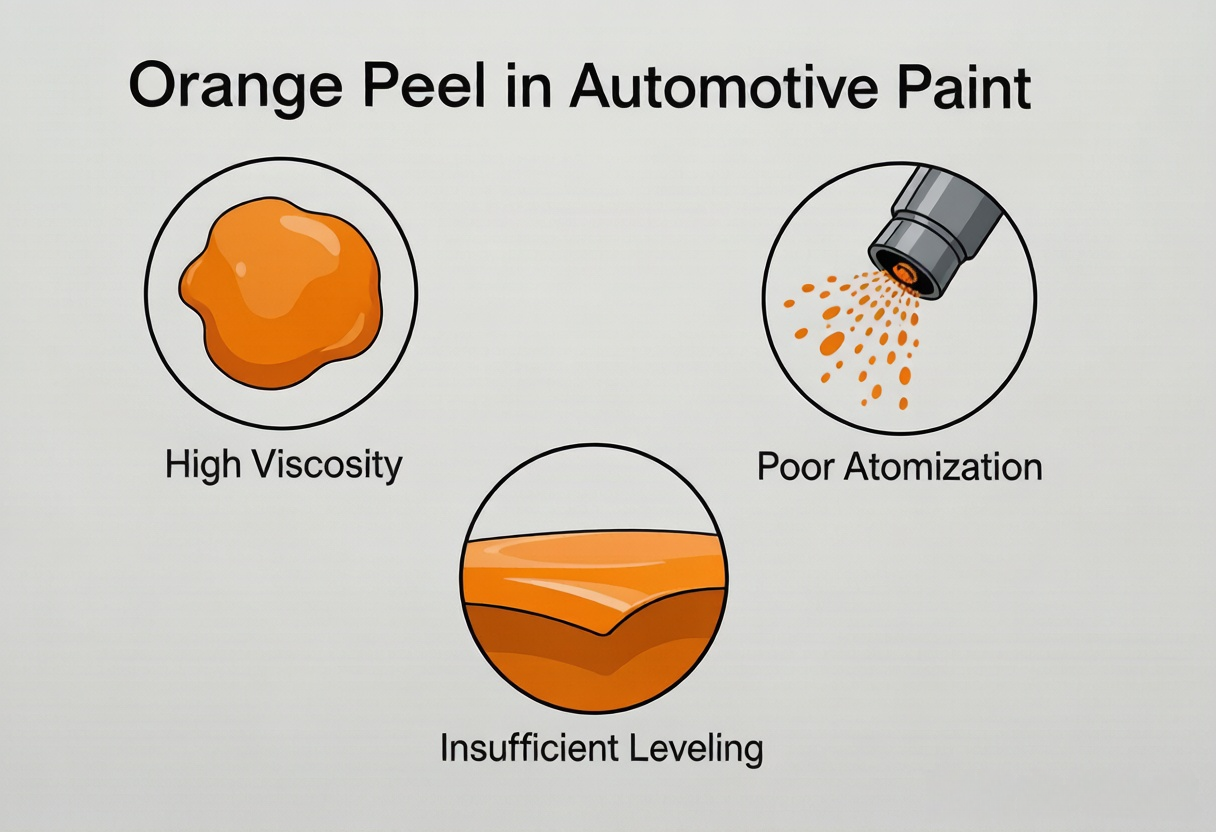
  • High viscosity: The paint is too thick, and the atomized droplets do not have enough time to level out.
  • Low air pressure/improper fan pattern: Insufficient atomization, large paint droplets.
  • Insufficient leveling time: Flash-off too fast or heating too early, causing the surface to skin over first.
  • Thinner mismatch: Volatilizes too quickly; paint droplets solidify before leveling out.
Schematic of orange peel caused by high viscosity and insufficient atomization
Figure: High viscosity, insufficient atomization, and inadequate leveling cause droplets to retain a granular ripple.

II. Improvement Methods

  • Viscosity reduction: Select a suitable thinner according to the temperature zone, and do not over-dilute.
  • Foot atomization: Increase air pressure / choose the right nozzle for finer paint mist.
  • To leveling: Allow sufficient flash-off between coats before entering the oven.
  • Polishing: Slight orange peel that has dried can be alleviated by polishing.
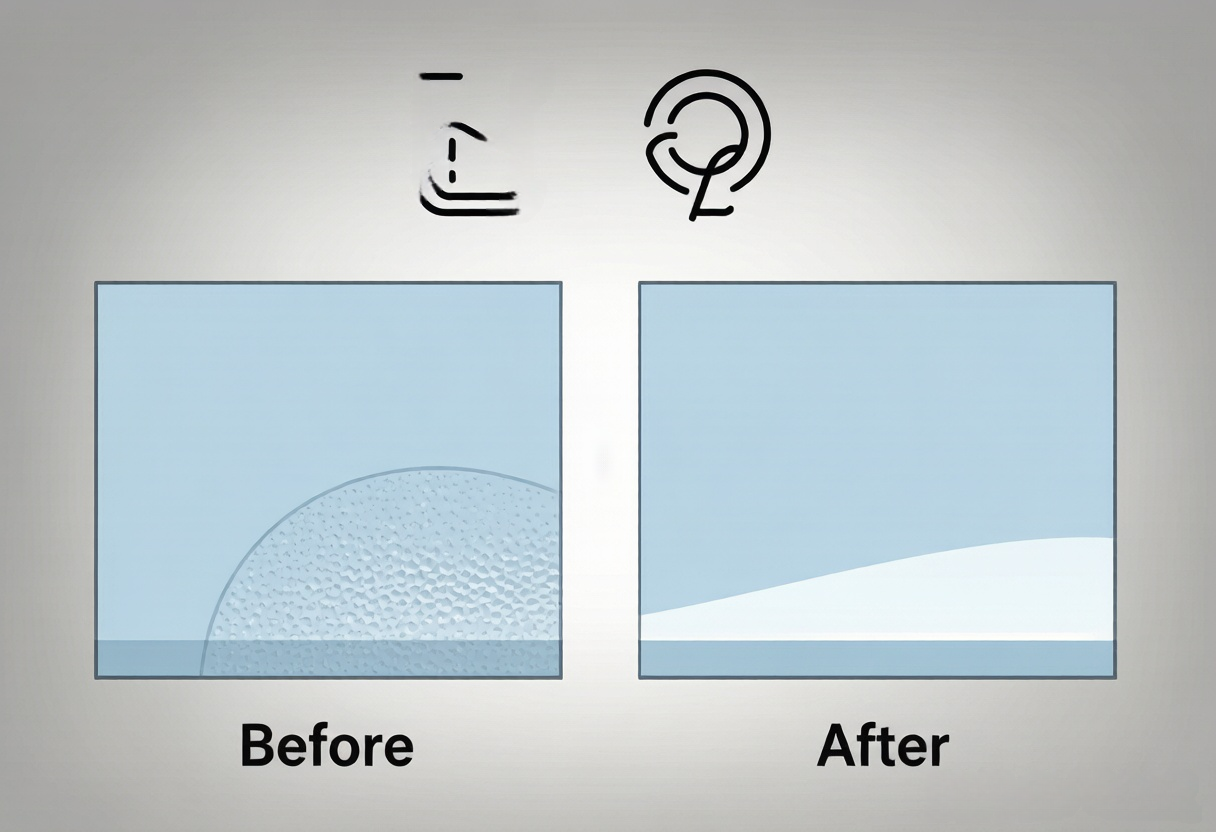
Adjustment parameters and polishing to improve orange peel illustration
Figure: Adjust parameters to let the paint level out, or polish after fully drying to reduce ripples.
Trade-off: Over-pursuing a mirror-smooth surface sacrifices film thickness and hiding power. Keep orange peel within an acceptable range per the coating specifications—smoother is not always better.

Summary

Orange peel originates from paint droplets setting before adequate leveling, commonly caused by high viscosity, insufficient atomization, inadequate leveling time, or overly fast thinner evaporation. Improvement relies on reducing viscosity, ensuring sufficient atomization, allowing adequate flash-off, and selecting a compatible thinner; minor cases can be polished.

Frequently Asked Questions (FAQ)

How is orange peel formed?
After spraying, the paint droplets should level out and spread flat, but if the viscosity is high, atomization is insufficient, leveling time is inadequate, or the thinner evaporates too quickly, the droplets set before leveling, leaving orange-peel-like ripples.
How to improve orange peel?
Select a suitable thinner according to the temperature zone to reduce viscosity, increase air pressure to ensure atomization, allow sufficient flash-off time between coats, and match the thinner evaporation rate with the environment; slight orange peel that has fully dried can be reduced by polishing.
Will wrong thinner choice cause orange peel?
Yes. A thinner that evaporates too quickly causes the paint droplet surface to skin over rapidly and prevents leveling; one that evaporates too slowly may cause sagging. Choose a thinner with a corresponding evaporation rate according to the application temperature.
Can orange peel be removed by polishing?
Slight orange peel can be significantly reduced by polishing after the paint film is fully cured; but severe orange peel is ripple at the film-thickness level, where polishing has limited effect, and re-spraying with adjusted application parameters is required.
Is it better for orange peel to be flatter?
No. Over-pursuing a mirror-flat finish often requires lowering viscosity and increasing film thickness, which may affect hiding power and sag resistance. Just control it within an acceptable range per the coating specifications.
Kexin New Materials · Automotive Coating Technology Library | This article is technical Q&A content, for reference in selection and application

{ "@context": "https://schema.org", "@type": "FAQPage", "mainEntity": [ {"@type":"Question","name":"How is orange peel formed?","acceptedAnswer":{"@type":"Answer","text":"After spraying, paint droplets should level out and flatten, but if the viscosity is high, atomization is insufficient, leveling time is inadequate, or the thinner evaporates too quickly, the droplets set before flattening, leaving orange-peel-like ripples."}}, {"@type":"Question","name":"How to improve orange peel?","acceptedAnswer":{"@type":"Answer","text":"Choose a suitable thinner by temperature zone to reduce viscosity, increase air pressure to ensure atomization, allow sufficient flash-off time between coats, and match the thinner evaporation rate to the environment; slight orange peel that has fully dried can be reduced by polishing."}}, {"@type":"Question","name":"Can wrong thinner choice cause orange peel?","acceptedAnswer":{"@type":"Answer","text":"Yes. A thinner that evaporates too quickly causes the paint droplet surface to skin over rapidly and not have time to level; too slow evaporation may cause sagging. Choose a thinner with a corresponding evaporation rate according to the application temperature."}}, {"@type":"Question","name":"Can orange peel be removed by polishing?","acceptedAnswer":{"@type":"Answer","text":"Mild orange peel can be significantly reduced by polishing after the paint film is fully cured; but severe orange peel is ripple at the film-thickness level, where polishing has limited effect, and re-spraying with adjusted application parameters is needed."}}, {"@type":"Question","name":"Is the flatter the better for orange peel?","acceptedAnswer":{"@type":"Answer","text":"No. Over-pursuing a mirror-flat finish often requires lowering viscosity and increasing film thickness, which may affect hiding power and sag resistance. Just control it within an acceptable range per the coating specifications."}} ] }