Why is it said that "pretreatment determines the life or death of plastic coating"?
In the world of plastic coating, there is a repeatedly verified saying: when coating problems occur, nine out of ten stem from pretreatment. No matter how advanced the coating formulation is or how skilled the spraying technique is, if the plastic surface is not properly "prepared," the coating will be like tape stuck on smooth glass—seemingly adhered, but peeling off with one pull. Pretreatment is the foundation of the plastic coating building—if the foundation is not solid, no matter how beautifully the upper structure is built, it will eventually collapse. Unfortunately, pretreatment is often underestimated because it is "inconspicuous": people easily focus on the color, gloss, and feel of the coating, while ignoring the pretreatment that makes all this possible. This neglect is precisely the deep-rooted cause of many plastic coating quality accidents.
The reason why plastic pretreatment is so critical lies in the "inertness" of the plastic surface. Most plastics, especially polyolefins such as polypropylene (PP) and polyethylene (PE), have extremely low surface energy, weak polarity, and are smooth and lack active groups, making it difficult for the coating to wet and spread, let alone form strong adhesion. To make the coating "grab" the plastic, it is necessary to artificially change the state of the plastic surface through pretreatment: remove contamination, increase polarity, raise surface energy, create micro-roughness, or introduce an intermediate layer that can bridge the plastic and the coating. It can be said that the essence of plastic pretreatment is a "modification project" targeting the plastic surface—it does not change the overall properties of the plastic, but precisely reshapes that thin surface layer, transforming it from "rejecting coating" to "embracing coating." This invisible surface modification is precisely the watershed of whether plastic can be successfully coated.
Pretreatment is not a single action, but a whole set of interlocking process chains: from stress relief of injection-molded parts, to cleaning and dust removal to remove mold release agents and contaminants, to surface activation to increase surface energy, and finally to the application of adhesion promoters or primer. Each step has its irreplaceable role, and any omission in any step may lead to adhesion failure. This "chain" characteristic means that the quality of pretreatment is not determined by the strongest link, but by the weakest link—just like the short board of a wooden bucket, any inadequate process will become the short board that lowers the overall adhesion. No matter how thorough the cleaning is, insufficient activation is in vain; no matter how sufficient the activation is, wrong primer selection wastes all previous efforts. For this reason, pretreatment needs to be approached from a systematic, full-chain perspective, rather than optimizing a single link in isolation. What is more tricky is that the pretreatment schemes for different plastics vary greatly—polyolefins require strong activation, ABS is relatively mild, and PC must be careful about stress cracking. Understanding and mastering this pretreatment technology map is the core task of plastic coating practitioners, coating engineers, and procurement decision-makers. Enterprises like Kexin New Materials that serve plastic coating customers often take "confirm the substrate first, then determine the pretreatment scheme" as the first step of the project, because the correctness of pretreatment directly determines the success or failure of subsequent coating. This article will systematically break down the complete process chain of plastic coating pretreatment.
First barrier: Stress relief, eliminating hidden dangers buried by injection molding
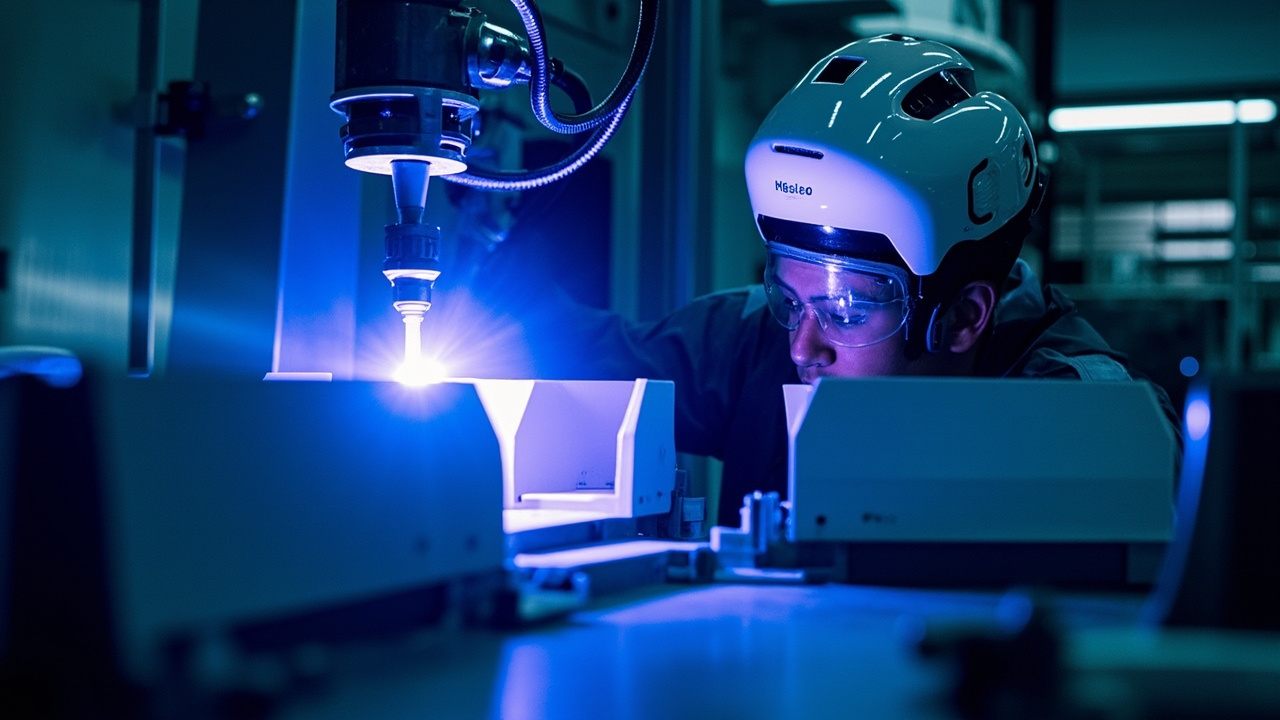
The first barrier of plastic pretreatment often begins before coating—that is stress relief. This easily overlooked step is the root cause of many coating cracking accidents.
When plastic parts are formed by injection molding, the molten plastic cools and solidifies rapidly in the mold. Uneven cooling rates and different flow orientations in various parts leave a large amount of internal stress inside the part. These internal stresses are usually "latent" and invisible, but once they encounter the erosion of coating solvents or environmental stress during use, they will be released, causing silver streaks and crazing on the surface of the part, and the coating will crack, turn white, or even peel off. Plastics sensitive to solvents such as polycarbonate (PC), PC/ABS, and PMMA (acrylic) are particularly prominent—they are inherently susceptible to organic solvent stress cracking, and if combined with injection molding internal stress, they are highly prone to "crazing" during coating.
The main method of stress relief is annealing: keep the injection-molded part at a temperature slightly lower than the heat deflection temperature of the plastic for a period of time, allowing the molecular chains to relax and rearrange to release internal stress, then cool slowly. The annealing temperature and time vary for different plastics and need to be set according to material characteristics. Insufficient annealing leaves residual stress, while excessive annealing may cause deformation, requiring precise control. In addition to annealing, optimizing the injection molding process (reasonable mold temperature, injection speed, holding pressure, cooling) to reduce internal stress from the source is also an important preventive measure.
It is worth emphasizing that stress relief is a typical step of "upstream determines downstream"—it occurs at the injection molding stage but directly affects coating quality. This also shows that plastic coating is a system engineering of "injection molding—pretreatment—coating" full-chain collaboration. If coating suppliers can communicate stress relief requirements with customers at the injection molding stage, they can often fundamentally avoid large-scale coating cracking accidents. For coating projects of sensitive plastics such as PC, stress relief is an indispensable first line of defense.
Second barrier: Cleaning and dust removal, clearing obstacles for adhesion
The cleaning of plastic surfaces is a key link connecting the preceding and the following in pretreatment. No matter how good the activation and primer are, they cannot establish strong adhesion on a surface covered with mold release agents, oil stains, and dust. The goal of cleaning is to thoroughly remove all surface contaminants that hinder adhesion.
Surface contamination of plastic parts mainly comes from several aspects: mold release agents used during injection molding (mostly silicone oil, stearate, etc., the number one killer of adhesion, residual will cause craters and poor adhesion), oil stains and hand sweat contaminated during processing and handling, dust particles in the environment, and micro-dust electrostatically adsorbed by plastic. Among them, mold release agents are the most harmful—even trace residual silicone mold release agents will form craters (fish eyes) during coating and severely weaken adhesion. Therefore, reducing or replacing with easily cleanable mold release agents, or even mold-release-agent-free injection molding, is an important direction to improve cleaning from the source.
The cleaning method depends on the degree of contamination and the substrate. Commonly used are solvent wiping (using solvents that do not erode the substrate to wipe off oil stains, noting the compatibility of solvents with plastic), aqueous cleaning (cleaning agent + ultrasonic or spray, suitable for batches), and physical dust removal for dust. In plastic coating, static dust removal is particularly important—plastic is an insulator and easily carries static electricity to adsorb dust, and ordinary blowing actually makes it dirtier. The industry generally uses ionized air to neutralize the static electricity on the plastic surface, combined with blowing to remove micro-dust, which is the standard practice for plastic coating dust removal. The final dust removal before spraying (often using an ionized air gun at the spray booth entrance) is a key operation to ensure appearance and reduce dust defect points.
What is particularly worth elaborating here is the mold release agent problem. For easy demolding during injection molding, the mold or plastic often contains mold release agents such as silicone oil and stearate. After they migrate to the surface of the part, even if invisible to the naked eye and in extremely small amounts, they are enough to make the coating "slip"—forming craters (fish-eye-like depressions) and severely weakening adhesion. Silicone mold release agents are especially stubborn and are the most hidden and common culprit in plastic coating. There are three levels of countermeasures: at the source, try to use easily cleanable mold release agents, reduce usage, or even adopt internal mold release or mold-release-agent-free processes; during the process, use effective cleaning (aqueous cleaning, ultrasonic, solvent wiping if necessary) to thoroughly remove; in verification, use water film test, fluorescence detection, etc. to confirm the mold release agent has been removed. Many batch adhesion accidents can be traced back to mold release agent residue, showing the weight of cleaning, especially mold release agent removal, in pretreatment.
The judgment of cleaning quality is often preliminarily evaluated by the water film test (on a clean surface, water can evenly spread into a film without shrinking into beads) to assess surface energy and cleanliness. Cleaning and subsequent surface activation are often closely connected—some activation methods (such as flame, plasma) themselves also have a certain cleaning effect. But it must be clear that activation cannot replace cleaning; heavy contamination, especially mold release agent residue, must be cleaned first, otherwise activation will be difficult to work. A clean, contamination-free, static-dust-free plastic surface is the prerequisite for all subsequent pretreatment and coating processes.
Third barrier: Surface activation, awakening the adhesion potential of inert plastic
If cleaning is "clearing obstacles," then surface activation is the "core surgery" of plastic pretreatment—it directly changes the chemical and physical state of the plastic surface, transforming an inert, low-surface-energy surface into an active surface with high polarity, high surface energy, and favorable for adhesion. For difficult-to-adhere plastics such as polyolefins, surface activation is the key to success or failure.
The principle of surface activation is to introduce oxygen-containing polar groups (such as hydroxyl, carbonyl, carboxyl) on the plastic surface through physical or chemical means, greatly improving surface energy and polarity, while possibly bringing moderate micro-etching to increase roughness. After such treatment, the coating can better wet and spread, and form physical adsorption or even chemical bonding with the surface polar groups. Currently, there are three mainstream industrial surface activation methods: flame treatment, plasma treatment, and corona treatment, each with its own characteristics and applicable scenarios.
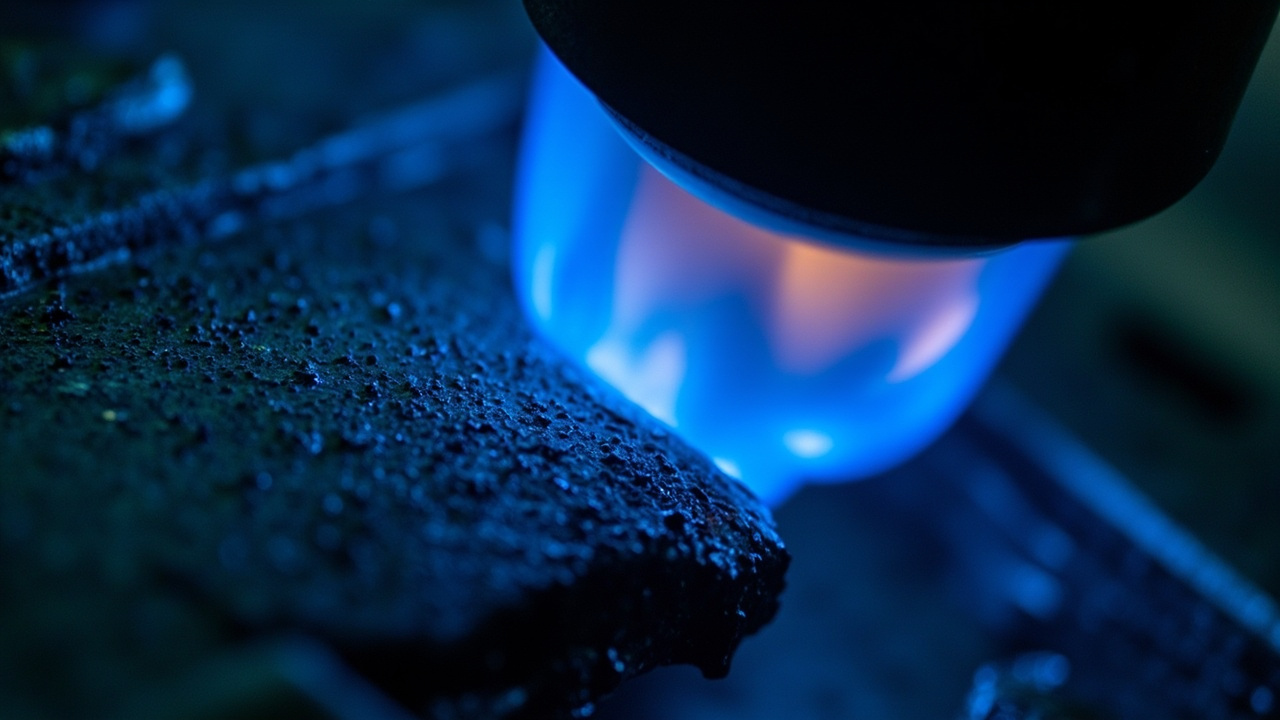
Flame treatment uses an oxidizing flame to quickly sweep across the plastic surface; active particles in the flame instantly oxidize the surface, introduce polar groups, and increase surface energy. It has simple equipment, fast processing speed, low cost, and is suitable for large parts (such as automotive bumpers) and online continuous treatment, making it a common activation method for polyolefin automotive exterior parts. The key control points are the flame atmosphere (ratio of fuel gas to air, requiring oxidation), treatment distance, speed, and number of passes—insufficient treatment means inadequate activation, while excessive treatment may burn the surface. The activation effect of flame treatment decays over time (surface group rearrangement), so coating should be done as soon as possible after activation.
Plasma treatment uses high-energy plasma (ionized gas) to bombard the plastic surface, combining chemical activation (introducing polar groups) and physical etching (increasing roughness), with good, uniform, and controllable activation effect, and can treat complex-shaped parts. Atmospheric pressure plasma can be used online, while vacuum plasma treatment is more thorough but requires a vacuum chamber, suitable for precision small parts. Plasma treatment is a high-end choice for consumer electronics and precision plastic part activation. Corona treatment uses high-voltage corona discharge to activate the surface, mostly used for continuous treatment of films and sheets (such as activation before printing of packaging films), and its uniform treatment of three-dimensional parts is not as good as flame and plasma.
Dyne value: A scientific ruler to quantify surface energy
Whether surface activation is done well cannot rely on "feeling," but on scientific quantification. The core indicator to measure plastic surface energy and judge activation effect is the dyne value (surface tension, unit dyne/cm, i.e., mN/m). Understanding and mastering dyne value detection is a key skill for plastic pretreatment quality control.
The dyne value reflects the level of surface energy of the plastic surface. The higher the surface energy, the easier the coating wets and adheres. A basic rule is: for the coating to wet and adhere well, the surface energy of the substrate should be higher than the surface tension of the coating by a certain amount (usually requiring the substrate dyne value to be about 7-10 dyne/cm higher than the coating surface tension). Untreated polyolefin surfaces have extremely low surface energy (PP about 29-31 dyne/cm, PE even lower), far from enough for conventional coatings to adhere; after flame and plasma treatment, the surface energy can be raised above 40 dyne/cm, only then meeting the conditions for good adhesion. Therefore, the dyne value is the direct basis for judging whether activation meets the standard.
There are two common methods for detecting dyne value. The dyne pen method is the most convenient: use a series of standard liquids with different surface tensions (made in pen form) to draw lines on the plastic surface. If the liquid spreads evenly for more than 2 seconds without retracting, it indicates the surface energy is ≥ that dyne value; if the liquid retracts into beads, it indicates the surface energy is lower than that value. By testing with pens of different dyne values one by one, the range of surface energy can be determined. The operation is simple and suitable for rapid production line detection. The dyne solution method uses a cotton swab dipped in standard liquid for coating, with the same judgment principle, but more precise. In addition, contact angle measurement (measuring the contact angle of water or standard liquid droplets on the surface; the smaller the contact angle, the higher the surface energy) is a more precise surface energy characterization method in the laboratory.In actual production, dyne value detection is the core means of pretreatment quality control—after activation, the dyne value must be tested to confirm it meets the standard before proceeding to coating. It should be noted that the activation effect decays over time (surface polar groups will rearrange, migrate, or be contaminated), so activated plastic parts should be coated as soon as possible within the specified time (usually within a few hours to one day, depending on the material and environment). If left for too long and the dyne value drops, re-activation is required. Establishing a standard process of "activation—dyne detection—timely coating" and dyne value control standards is an important management measure to ensure the stability of plastic coating adhesion.
The Fourth Barrier: Adhesion Promoters and Primers, Building the Molecular Bridge of Adhesion
For some extremely difficult-to-adhere plastics, especially polypropylene (PP), surface activation alone is sometimes insufficient to obtain reliable adhesion, and the support of "adhesion promoters" or dedicated primers is still needed. This is the essence of the chemical solution in plastic pretreatment—using an intermediate material that is "compatible with both sides" to build a bridge of adhesion between the plastic and the coating.
The most classic and widely used adhesion promoter is chlorinated polyolefin (CPO, Chlorinated Polyolefin, also called chlorinated polypropylene CPP). Its molecular structure is very ingenious: one part retains the non-polar segments of polyolefin, which can be well compatible with and entangled with the non-polar PP substrate; the other part contains polar groups such as chlorine, which can bond with polar topcoat resin. In this way, CPO acts like a layer of "molecular glue", biting onto PP on one end and holding the coating on the other, firmly connecting the two that originally could not adhere. CPO primer is a key material for PP plastic coating (automotive bumpers, interior trims, etc.), and is almost an unavoidable choice for polyolefin coating.
The function of primer is more than just adhesion promotion. A good plastic primer usually has multiple functions: providing an adhesion bridge (such as CPO for PP), sealing the substrate, filling micro-defects on the surface to provide a uniform base, improving the color development and fullness of the topcoat, and sometimes providing a certain impact buffer (such as the flexibility of automotive bumper primer helps resist stone chipping). For different plastics, the design of primers varies—PP uses CPO-containing primer, ABS, PC, etc. can use general-purpose plastic primers with good adhesion. The choice of primer must match both the substrate and the topcoat to form a compatible system.
It should be noted that adhesion promoters/primers and surface activation are often not an either-or choice, but used synergistically—first activate to increase surface energy, then apply primer to further ensure adhesion, with dual means stacked to meet the most difficult adhesion challenges. For polyolefins, this type of "adhesion difficult case", the combination of activation + CPO primer is almost a standard solution. The application of primer also has its details: the film thickness should be moderate (too thin means insufficient adhesion bridging, too thick may reduce cohesive strength), it should be applied promptly after activation, and it must be compatible with the topcoat (interlayer adhesion, solvent compatibility). Correctly selecting and applying the primer is the final kick that converts the results of surface activation into reliable adhesion.
Differentiated Pretreatment Solutions for Different Substrates
The biggest taboo in plastic pretreatment is "one-size-fits-all". As emphasized repeatedly, plastics have "one material, one property", and the pretreatment solution must be tailored to the material. Below, for several mainstream plastics, we sort out their differentiated pretreatment key points, which is also the core content of plastic coating scheme design.
Polypropylene (PP) and polyethylene (PE) are the most difficult type to treat. They have extremely low surface energy and weak polarity, and must undergo strong surface activation (flame or plasma) to greatly increase surface energy, and apply CPO-containing dedicated primer for bridging, to obtain reliable adhesion. Automotive bumpers and interior parts are mostly PP modified materials, which is the largest scenario for PP pretreatment. The standard combination of "flame activation + CPO primer" is usually adopted, with strict control of dyne value and dust removal. Skipping any step can easily lead to large batches of poor adhesion.
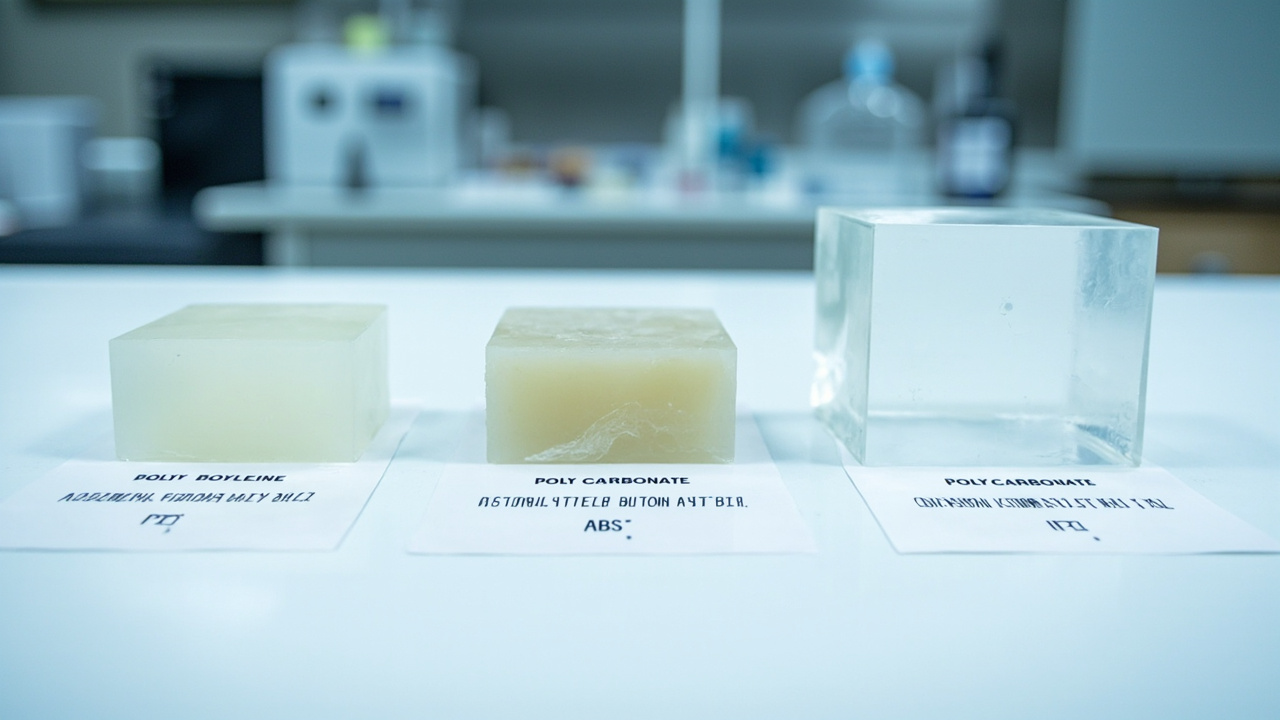
ABS and ABS alloys are relatively "friendly". ABS contains polar acrylonitrile units and has higher surface energy. Most coatings can adhere well, and it can usually be coated after cleaning and dust removal, or just with a general-purpose primer, and generally does not require strong activation. This is also why ABS has long been used as a plating- and coating-friendly substrate widely in home appliance and electronics housings. But ABS also needs attention to cleaning (removing mold release agent) and static dust removal. The core risk of polycarbonate (PC) and PC/ABS is solvent stress cracking—the pretreatment and coating must use PC-friendly solvents to avoid silver streaks and cracks caused by strong solvents, and must be fully annealed to remove stress before coating. PC has relatively good adhesion, with the focus on "crack prevention" rather than "adhesion promotion".
Other plastics each have their own considerations: nylon (PA) has strong hygroscopicity and needs to be fully dried to remove moisture before coating, otherwise it affects film formation and adhesion; PMMA (acrylic) is transparent and beautiful but brittle and prone to solvent cracking, requiring careful solvent selection and stress removal; polyoxymethylene (POM) has low surface energy and high crystallinity, making adhesion extremely difficult and requiring special treatment; glass fiber reinforced plastic has exposed surface fibers affecting appearance, and may need pore sealing or filling treatment; thermoplastic elastomers (TPU, TPE) are soft and require flexible matching pretreatment and coatings. Precisely because the substrate differences are so great, the first step of any plastic coating project is always to confirm the specific material, grade, and modified composition of the substrate, and formulate a targeted pretreatment plan accordingly. This customized pretreatment capability based on material understanding is exactly where the value of professional plastic coating service providers lies, and also the technical homework that companies such as Kexin New Materials particularly value when undertaking plastic coating projects.
Quality Control and Common Misunderstandings of Pretreatment
Whether the pretreatment is done correctly and stably needs to be guaranteed by a systematic quality control. At the same time, there are many common misunderstandings about pretreatment in actual production. Recognizing these misunderstandings and establishing a scientific quality control system is the key to improving the yield of plastic coating.
The quality control of pretreatment includes several core links. Cleaning quality control: through water break test, visual inspection, and surface contamination detection when necessary, confirm that mold release agents, oil stains, and dust have been removed. Activation quality control: the core is dyne value detection—after activation, use dyne pen/solution to detect whether the surface energy meets the standard, and control the time interval from activation to coating (to prevent activation decay). Primer quality control: control primer film thickness, application uniformity, flash drying/curing conditions. Environmental control: temperature and humidity, cleanliness (dust particles), and static control all directly affect pretreatment and coating quality. Adhesion verification: finally, through cross-cut test, adhesion test after humidity/temperature cycling, etc., verify the overall adhesion effect of pretreatment + coating.
Common misunderstandings deserve vigilance. Misunderstanding 1: "Activation can replace cleaning"—wrong. Heavy contamination, especially mold release agent residue, must be cleaned first; activation cannot handle heavy contamination. Misunderstanding 2: "Once activated, it can be used forever"—wrong. The activation effect decays over time; it needs to be coated promptly after activation, and re-activated if left too long. Misunderstanding 3: "The thicker the primer, the better the adhesion"—wrong. The primer film thickness needs to be moderate; too thick may instead weaken overall adhesion due to reduced cohesive strength. Misunderstanding 4: "The same pretreatment applies to all plastics"—wrong. Plastics have one material, one property; the pretreatment plans for PP, ABS, and PC are completely different and must be tailored to the material. Misunderstanding 5: "Pretreatment is the coating factory's business, unrelated to coating/injection molding"—wrong. Pretreatment is the result of full-chain collaboration of "injection molding (stress removal, mold release agent)—pretreatment—coating (primer matching)", and any disconnected link will cause problems.
Establishing a scientific pretreatment quality control system requires standardizing, quantifying, and tracing the above key parameters (cleaning standard, dyne value, activation aging, primer film thickness, environmental conditions), and being able to systematically troubleshoot the root cause along the pretreatment chain when adhesion problems occur. This is the only way for plastic coating to move from "experience workshop" to "stable manufacturing". Excellent coating suppliers can assist customers in establishing this pretreatment quality control standard and jointly troubleshoot pretreatment-related adhesion problems on site. This technical service capability is crucial to ensuring customer yield.
Super Difficult-to-Adhere Plastics: When Conventional Pretreatment Is Also Helpless
In the plastic family, there are several "hard bones"—their surface energy is extremely low and chemical inertia is extreme. Even with conventional flame, plasma activation plus CPO primer, adhesion is still difficult. Understanding the special pretreatment of these super difficult-to-adhere plastics reflects the depth of plastic coating technology.
Polyoxymethylene (POM, acetal) is a typical problem. It has high crystallinity, low surface energy, and regular dense molecular chains, lacking reactive active sites, so conventional activation has limited effect. POM coating often requires stronger surface treatment (such as enhanced plasma, special chemical treatment) combined with dedicated primer, and adhesion stability still needs strict verification. It is a recognized difficult substrate in plastic coating. Polytetrafluoroethylene (PTFE, Teflon) is even more extreme—its surface energy is the lowest among all plastics (about 18 dyne/cm), and "non-stick" is its famous property. It is almost impossible to adhere coatings by conventional methods, requiring special chemical treatment such as sodium naphthalene complex etching to completely change the surface before barely obtaining adhesion. It is the "Mount Everest" of plastic coating.
Silicone rubber (silicone), thermoplastic elastomers (TPE/TPU), and other flexible materials face another type of challenge: they have low surface energy and are soft and easily deformed. The coating needs to both adhere and not crack with large deformation of the substrate, placing extremely high demands on the flexible matching of pretreatment and coating. Glass fiber reinforced plastic has exposed surface fibers and uneven roughness, requiring pore sealing and filling; modified plastics containing large amounts of fillers and flame retardants may have surface exudates that interfere with adhesion, requiring targeted cleaning.
Facing these super difficult-to-adhere plastics, pretreatment requires special solutions that "prescribe the right medicine", often a combination of enhanced activation, special chemical treatment, dedicated primer, and even multiple means stacked, and needs to be verified for reliability through strict adhesion and durability tests. The coating of such high-difficulty substrates best reflects the technical accumulation and material understanding depth of coating enterprises. Enterprises such as Kexin New Materials that focus on technical services, when undertaking such high-difficulty plastic coating projects, usually do small-sample verification first, repeatedly test the matching of pretreatment and coating, and then scale up to mass production, to overcome the challenge of difficult-to-adhere plastics in a scientific and rigorous manner. This ability to tackle difficult substrates is the concentrated embodiment of the value of professional plastic coating service providers.
Pretreatment and Environmental Safety: Compliance Cannot Be Ignored
Plastic coating pretreatment is not only related to adhesion quality, but also involves environmental and safety compliance. With stricter environmental regulations and increased safety awareness, green compliance in the pretreatment stage has become a subject that plastic coating enterprises must pay attention to.
Some chemical methods in traditional pretreatment pose environmental hazards. Although chromic acid oxidation and other chemical roughening treatments are effective for some difficult-to-adhere plastics, they use toxic heavy metals such as hexavalent chromium, with high waste liquid treatment costs and great environmental risks. They have been strictly restricted or eliminated, shifting to more environmentally friendly physical activation (flame, plasma, corona). Solvent use (VOC emissions) in the cleaning stage is also transitioning to water-based cleaning and low-VOC solvents. The VOC of materials such as primers is also regulated by laws, promoting the application of water-based primers and high-solid primers.
In terms of safety, pretreatment involves high temperature (annealing, flame), high-voltage electricity (plasma, corona), flammable gases (fuel gas for flame treatment), chemicals (cleaners, solvents), etc., requiring strict safety operating procedures and protective measures—fire and explosion prevention (gas leakage, solvent vapor), electrical safety, ventilation and exhaust (solvent vapor, ozone generated by activation), and personal protection. Production line design must comply with relevant standards for fire protection and occupational health and safety.For specific applications, pretreatment must also meet industry safety regulations. For example, pretreatment and coating of toy plastic parts must comply with toy safety standards such as GB 6675 and EN 71 (limits on heavy metals and hazardous substances); food-contact components must meet food-grade requirements; automotive interior parts must satisfy OEM specifications for VOC, odor, etc. This means that the cleaners, primers, and other materials used in pretreatment themselves must also comply with downstream product safety regulations. Green, safe, and compliant pretreatment is not only a social responsibility, but also a market entry threshold for accessing high-end supply chains (automotive, consumer electronics, toys, medical). When designing plastic coating pretreatment and matching coating solutions for customers, Kexin New Materials also takes environmental compliance and downstream industry safety standards as important considerations, helping customers meet increasingly stringent regulatory requirements.
Development Trends of Pretreatment Technology
Plastic pretreatment technology is also continuously evolving, developing toward more eco-friendly, more efficient, and smarter directions. Understanding these trends helps to grasp the future landscape of plastic coating pretreatment.
Eco-friendly development is an important direction. Traditional chemical treatments (such as chromic acid oxidation) are gradually being eliminated due to heavy metal pollution issues; physical activation such as flame, plasma, and corona has become mainstream because it produces no chemical waste liquid and is more environmentally friendly. This shift is both a result of environmental regulations and technological progress—physical activation can already meet the adhesion needs of the vast majority of plastics in terms of effectiveness, while avoiding the waste liquid treatment burden and environmental risks of chemical treatment. Water-based cleaning replacing solvent cleaning, low-VOC or release-agent-free injection molding, and water-based primer replacing solvent-based primer are all manifestations of the greening of pretreatment. This is in line with the greening trend of the entire plastic coating industry, and is also an inevitable requirement for plastic coating enterprises to meet increasingly strict environmental regulations and fulfill social responsibilities.
In terms of efficiency and intelligence, the maturity of atmospheric pressure plasma (atmospheric plasma) technology allows plasma activation to be performed online, continuously, and without a vacuum chamber, greatly improving efficiency and expanding applications; the integration of activation treatment with robots and automated production lines achieves uniform, stable, and controllable activation; online dyne value/surface energy monitoring and closed-loop control of activation parameters make pretreatment quality more stable and traceable. These technologies are gradually moving pretreatment from a process relying on manual experience toward automation and digitalization.
In addition, new pretreatment technologies for ultra-difficult-to-adhere plastics (such as POM, PTFE, silicone), as well as "one-step" treatment technologies that can simplify the process (such as some treatments that combine activation and primer functions) are also under exploration. Overall, plastic pretreatment is developing toward "more eco-friendly, more efficient, more stable, and smarter", providing increasingly strong support for high-quality, large-scale, and green production of plastic coating. For coating enterprises, keeping pace with pretreatment technological progress and providing pretreatment and coating as an integrated solution is an important lever to enhance customer value and build competitive barriers.
A noteworthy trend is the deep collaborative design of pretreatment and coating. In the traditional model, pretreatment (activation, cleaning) is handled by the coating plant, while coatings (primer, pigmented paint, topcoat) are supplied by coating manufacturers, and the two are relatively separated. Modern plastic coating increasingly emphasizes designing pretreatment and coating as an integrated system—coating manufacturers fully consider the customer's pretreatment conditions when developing primers, and pretreatment parameters are optimized based on coating characteristics, forming an integrated "pretreatment + coating" matching solution. This collaboration can significantly improve adhesion reliability and process stability, reducing problems caused by mismatch between pretreatment and coating. Coating enterprises that can provide such integrated matching and technical services are increasingly favored by high-end customers pursuing stable mass production.
Conclusion: Only Upon a Solid Foundation Can Skyscrapers Rise
Looking at the complete technical map of plastic coating pretreatment—from stress relief to eliminate injection molding hazards, to cleaning and dust removal to clear obstacles, to flame, plasma, and corona surface activation to awaken inert surfaces, to dyne value testing for quantitative control, to CPO primer building the bridge of adhesion, and finally to differentiated solutions based on material and full-chain quality control—what we see is a systematic, rigorous, and scientific surface engineering. Although this engineering is not as eye-catching as the final gorgeous coating film, it is the foundation of all value in plastic coating.
"Ninety percent of coating problems originate from pretreatment"—behind this industry saying are lessons learned from countless adhesion failure cases. The value of plastic pretreatment lies in transforming an inert plastic surface that "dislikes being painted" into a reliable substrate that can firmly carry decorative and functional coatings. Only with a solid foundation can the various splendid effects such as metallic texture, soft-touch feel, and wear- and stain-resistance be supported; once the foundation fails, no matter how good the coating or how beautiful the appearance, everything will collapse with the coating peeling off.
For practitioners, purchasers, and decision-makers in plastic coating, valuing, understanding, and investing in pretreatment is the foundation for ensuring coating quality and yield. For coating enterprises, providing pretreatment knowledge, pretreatment-coating matching solutions, and troubleshooting capabilities for pretreatment issues as important content of technical services to customers is the key to creating value and winning trust. In its practice of serving plastic coating customers, Kexin New Materials always takes "first confirm the substrate, then determine the pretreatment, and design coating and pretreatment as a matching system" as the technical starting point of projects, because only with a solid foundation can skyscrapers stand tall. Plastic pretreatment, a low-key yet profound technology, deserves serious attention from every plastic coating professional.
Pretreatment Equipment and Production Lines: Engineering Implementation from Manual to Automated
Pretreatment is not just process principles, but also needs to be implemented as reliable equipment and production lines. Understanding the equipment composition and line layout of the pretreatment stage helps to comprehend the engineering implementation of plastic coating from laboratory to large-scale production, and is also an important part of coating project investment and capacity planning.
The stress relief stage is usually equipped with a hot air circulation oven (annealing furnace) that can precisely control temperature and heat uniformly, setting the annealing temperature curve according to the plastic material. The equipment for the cleaning stage depends on the method: solvent wiping is mostly a manual workstation with lint-free cloth, while water-based cleaning requires a cleaning line (ultrasonic cleaning tank or spray cleaning + pure water rinsing + drying), and dust removal generally configures ion wind static elimination devices (ion wind bar, ion wind gun, ion wind curtain) with blowing. The cleanliness and stability of these devices directly determine cleaning quality.
Surface activation equipment is the core equipment of the pretreatment line. Flame treatment is equipped with a flame treatment machine (burner with proportional mixing of fuel gas and air, executed with workpiece transfer or robot), with the key being precise control of gas ratio, flame state, treatment distance, and speed. Plasma treatment is equipped with atmospheric pressure plasma generators (online type, integrable into production lines) or vacuum plasma equipment (chamber type, suitable for batch processing of precision parts), requiring control of power, gas, and treatment time. Corona treatment machines are mostly used for roll-to-roll continuous treatment of films and sheets. Activation equipment is increasingly integrated with robots and automatic transfer lines to achieve uniform, stable, and efficient automated activation.
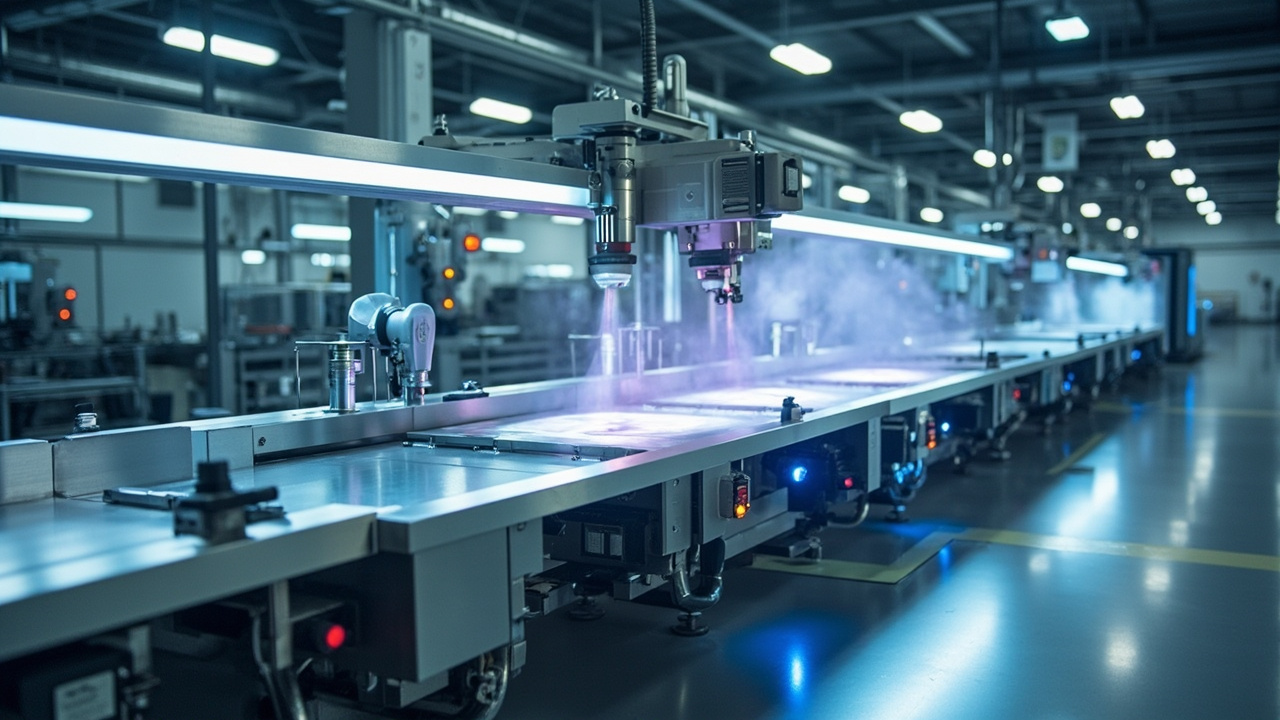
The primer application stage shares the spraying system with pigmented paint and topcoat—spray booth, spray gun (or spraying robot), flash dry and curing equipment. Overall, a complete plastic coating pretreatment line is usually laid out in the order of "loading—stress relief (if needed)—cleaning—static elimination and dust removal—surface activation—dyne testing—primer—flash dry", connecting with subsequent pigmented paint, topcoat, curing, and inspection stages to form a complete coating line. The automation level, cleanliness grade, and smoothness of process connection of the production line jointly determine the quality and efficiency of pretreatment and even the entire coating. For large-volume, high-consistency automotive and consumer electronics plastic coating, highly automated, clean, and parameter-closed-loop-controlled pretreatment lines have become standard.
Cost, Efficiency, and Value Trade-offs of Pretreatment
Although pretreatment is an indispensable part of plastic coating, it also brings costs such as equipment investment, energy consumption, and man-hours. How to optimize the cost and efficiency of pretreatment while ensuring quality is an account that plastic coating enterprises need to calculate well, and also relates to the economy of the overall coating solution.
The cost of pretreatment mainly comes from several aspects: equipment investment (annealing furnace, cleaning line, activation equipment, dust removal devices, etc.), energy consumption (energy consumption of annealing, flame/plasma), materials (cleaners, primer), as well as man-hours and floor space. Among them, activation equipment (especially plasma) and annealing furnaces are relatively large investments, while flame treatment is relatively economical. Pretreatment also extends production cycle time and occupies line space. Therefore, the selection of pretreatment solutions needs to balance quality assurance with cost efficiency.
However, the core logic of trade-off is consistent with the entire plastic coating—one cannot sacrifice adhesion reliability to save pretreatment costs, otherwise it is not worth the loss. Poor adhesion caused by inadequate pretreatment results in scrapping of high-value plastic parts and all preceding process investments, with losses far exceeding the cost saved on pretreatment. Therefore, the rational approach is: under the premise of ensuring reliable adhesion and stable yield, improve pretreatment efficiency and reduce per-piece cost through process optimization, equipment selection, and automation, rather than cutting necessary pretreatment steps. For example, using efficient atmospheric plasma to replace inefficient treatment to improve cycle time, using automation to reduce labor and fluctuation, and optimizing annealing curves to shorten cycles are all cost reduction and efficiency improvement without sacrificing quality.
From a value perspective, high-quality pretreatment is the foundation of high yield, high quality, and stable delivery of plastic coating, and the value it brings (reducing scrap and rework, ensuring customer product quality and brand) far exceeds its cost. This is also why professional plastic coating suppliers treat pretreatment solutions as an important part of the overall solution—helping customers design reasonable, economical, and reliable pretreatment processes is essentially helping customers reduce comprehensive costs and enhance competitiveness. This seemingly "auxiliary" process of pretreatment is actually a key link in the plastic coating value chain that cannot be omitted and is worth investing in.
A Typical Case: The Full Pretreatment Process of Automotive PP Bumper
Beyond theory, let us connect the previous technical points through one of the most representative cases—the coating pretreatment of automotive PP bumpers, to see how the complete pretreatment process is implemented in actual production.
Automotive bumpers usually adopt PP modified materials (such as PP+EPDM), which are typical low-surface-energy, difficult-to-adhere substrates, while having extremely high requirements for appearance (same color as body, high quality), weather resistance (outdoor UV, acid rain), and impact resistance (stone chip resistance), making it the epitome of difficulty and standards in plastic coating. Its pretreatment process is interlocking and indispensable.
The process is usually as follows: First is loading and inspection, confirming the injection molding quality of the bumper with no obvious defects; the injection molding stage has already reduced internal stress through reasonable process control (PP is less sensitive to stress cracking compared to PC, but still needs attention). The second step is cleaning—using water-based cleaning or wiping to remove injection mold release agent and oil stains, which is particularly critical for PP, as release agent residue is the primary cause of adhesion failure. The third step is static elimination and dust removal—using ion wind to neutralize static electricity and blow off fine dust, ensuring cleanliness for subsequent activation and spraying. The fourth step is flame activation—using a flame treatment machine (or robot-held flame) to uniformly scan the bumper surface, oxidatively increasing surface energy, which is the core "surgery" for PP adhesion; immediately after activation, a dyne pen is used to test and confirm that the surface energy reaches above 40 dyne/cm. The fifth step is applying CPO primer—spraying a special primer containing chlorinated polyolefin to build the adhesion bridge between PP and topcoat, then flash dry. Subsequently, it enters the coating stages of pigmented paint (same color as body, metallic paint requires controlling aluminum flake orientation), varnish (providing gloss, weather resistance, scratch resistance), and baking curing (low temperature, within PP's temperature resistance range).
This case comprehensively demonstrates all the key points of pretreatment: stress relief awareness, thorough cleaning (release agent removal), static dust removal, strong activation (flame), dyne value testing, CPO primer bridging, and the coordination and quality control across the entire chain. Any oversight in any step—release agent not thoroughly washed, insufficient activation with substandard dyne value, wrong or missed primer—will lead to coating failure of this high-value component. The rigor and completeness of automotive bumper pretreatment is a microcosm of plastic coating pretreatment technology, and also illustrates why professional pretreatment capability is the fundamental guarantee of plastic coating quality.Detailed Explanation of Pretreatment Effect Testing Methods
Whether pretreatment is done properly needs to be verified with scientific testing methods, rather than judged by experience. Systematically mastering the testing methods for pretreatment effects is the basis for establishing a stable quality control system and quickly locating problems. Here we provide a detailed review of several core testing methods.
In terms of cleanliness testing, the simplest is the water break test: pour or spray water on the cleaned surface; if the water spreads evenly into a continuous film for several seconds without retracting, it indicates the surface is clean and has sufficient surface energy; if the water retracts into beads or the film breaks, it indicates oil, release agent residue, or insufficient surface energy. In addition, there are the white cloth wiping method (wipe the surface with a cloth dipped in solvent to see if it stains), and more precise surface contamination analysis (such as fluorescent detection of silicone release agents). Cleanliness testing is the first verification in the pretreatment chain.
Surface energy testing is the core for verifying activation effect, mainly relying on the aforementioned dyne pen/dyne fluid method and contact angle measurement. The dyne pen method is used for quick judgment on the production line, while the contact angle method is used for precise characterization in the laboratory (the smaller the water contact angle, the higher the surface energy; typically a well-activated surface shows a significant reduction in water contact angle). Surface energy testing should be conducted promptly after activation, and the decay trend over time should be recorded to determine the coating time window after activation.
Adhesion testing is the final verification of the overall effect of pretreatment + coating, and also the most critical test. The cross-cut test (GB/T 9286/ISO 2409) uses a blade to cut a grid on the coating, applies tape and pulls it off, and rates by degree of peeling (grade 0 best, grade 5 worst), which is the most commonly used method. The circular scratch method (adhesion tester) can also be rated. For high-demand scenarios, "durable adhesion" tests are also required—i.e., testing adhesion after environmental stresses such as water immersion, constant humidity and heat, and thermal cycling, because many adhesion failures caused by poor pretreatment do not appear initially but gradually degrade in humid and thermal environments. In addition, there are more precise methods such as the pull-off method (measuring the bond strength between coating and substrate, quantitative).
By comprehensively applying these testing methods, a complete verification chain of "cleanliness—surface energy—adhesion (initial + durable)" is formed, enabling scientific control of pretreatment quality and rapid location of problem links. For example, when adhesion is poor, one can trace back: adhesion test failure → check dyne value (whether activation meets standard) → check cleanliness (whether water break test passes) → check substrate and primer compatibility, thereby precisely finding the root cause rather than blindly trial-and-error. Establishing this detection-data-based quality control and troubleshooting system is the technical guarantee for stable mass production of plastic coatings, and also an important tool for professional coating service providers to help customers improve yield.
FAQ
Q: Why must plastic coating undergo pretreatment, can't we just spray paint directly? A: The vast majority of plastics (especially PP, PE polyolefins) have low surface energy, weak polarity, and smooth inertness, so coatings cannot wet and firmly adhere; direct spraying will result in adhesion failure where the paint peels off at a touch or scratches easily. Pretreatment changes the plastic surface state and improves adhesion conditions through cleaning, activation, primer, etc., and is an indispensable foundation for plastic coating. As the saying goes, "90% of coating problems come from pretreatment," which shows its critical importance.
Q: How to choose between flame treatment, plasma treatment, and corona treatment? A: Flame treatment has simple equipment, high speed, and low cost, suitable for large parts (such as automotive bumpers) and online continuous treatment; plasma treatment has good activation effect, uniform and controllable, and can treat complex-shaped parts, suitable for precision parts such as consumer electronics, and is a high-end choice; corona treatment is mostly used for continuous treatment of films and sheets, and its uniformity on 3D parts is inferior to the former two. The choice should be based on workpiece shape, precision requirements, production line form, and cost.
Q: What is dyne value? Why measure dyne value after activation? A: Dyne value is surface tension/surface energy (dyne/cm or mN/m), reflecting the level of plastic surface energy, and is a scientific gauge for judging activation effect. Good coating adhesion usually requires the substrate dyne value to be about 7-10 higher than the coating surface tension. Untreated polyolefin is about 29-31 dyne/cm and cannot adhere; after activation it needs to reach above 40. Using dyne pen/fluid to confirm compliance before coating is the core means of pretreatment quality control.
Q: What is CPO primer? Why is PP coating inseparable from it? A: CPO is chlorinated polyolefin, a key adhesion promoter for PP. One end of its molecule is compatible with non-polar PP, and the other end contains polar groups that bond with the coating, acting like "molecular glue" to bridge between PP and coating, solving the extremely difficult adhesion problem of polyolefins. PP (automotive bumpers, interior parts, etc.) coating usually adopts the combination of "flame/plasma activation + CPO primer", and CPO primer is almost an unavoidable choice.
Q: Why is stress relief especially emphasized for PC plastic coating? A: PC and PC/ABS are extremely sensitive to solvents; the internal stress remaining from injection molding combined with solvent erosion during coating can easily cause silver streaks, crazing, and coating cracking. Therefore, PC must be fully annealed to relieve stress before coating, and solvents friendly to PC must be selected. The focus of PC pretreatment is "crack prevention" rather than "adhesion promotion" (PC itself has good adhesion), which is completely different from the "adhesion promotion" focus of PP, reflecting the principle of tailored pretreatment for different materials.
Q: How long can activated plastic parts be stored before coating? A: They cannot be stored for long. The polar groups introduced by surface activation will rearrange, migrate, or be contaminated over time and decay, leading to decreased dyne value and poorer adhesion. Therefore, coating should be done as soon as possible within the specified time after activation (usually within a few hours to one day, depending on material and environment). If stored too long, the dyne value must be re-tested; if not up to standard, re-activation is required. Establishing the time-window management of "activation—dyne test—timely coating" is key to ensuring adhesion stability.
Q: How to troubleshoot the root cause of adhesion problems caused by poor pretreatment? A: It is necessary to systematically investigate along the pretreatment chain: first check cleanliness (whether there is release agent, oil residue, do water break/contamination test); then check activation (whether dyne value meets standard, whether activation has decayed); check primer (whether correctly selected, appropriate film thickness, compatible); check substrate (whether material grade has changed, whether internal stress exists); check environment (temperature/humidity, cleanliness, static). Adhesion problems are often the result of full-chain coordination, requiring quantitative verification step by step rather than only suspecting the coating.
Q: Can super-hard-to-adhere plastics like POM and PTFE be coated? A: Yes, but special pretreatment is required. POM has high crystallinity and low surface energy, requiring enhanced plasma or special chemical treatment with dedicated primer; PTFE (Teflon) has the lowest surface energy and is the most difficult, requiring special chemical treatment such as sodium naphthalene complex etching to barely adhere. Coating such substrates is extremely difficult, usually requiring small-sample verification and repeated testing of pretreatment and coating compatibility before mass production, which best tests the technical accumulation of coating enterprises.
Q: How much cost does pretreatment add? Is it worth the investment? A: Pretreatment brings costs for equipment (annealing furnace, activation equipment, etc.), energy consumption, materials, and labor. Among them, plasma equipment and annealing furnace require larger investment, while flame treatment is relatively economical. But one must never sacrifice adhesion to save pretreatment cost—adhesion failure scraps high-value plastic parts and all prior process investment, with losses far exceeding pretreatment cost. The rational approach is to reduce cost and improve efficiency through process optimization and automation while ensuring quality, rather than cutting necessary steps. Pretreatment is a key link worth investing in.
Q: Must pretreatment be done by the coating factory, and what can the coating supplier help with? A: Pretreatment is usually implemented by the coating process, but it is by no means a "solo effort" of the coating factory. Pretreatment is the result of full-chain coordination of "injection molding (stress relief, release agent selection)—pretreatment—coating (primer compatibility)". Professional coating suppliers can provide overall solutions for substrates—recommending pretreatment methods, compatible primers, assisting in setting quality control standards such as dyne value, and on-site collaborative troubleshooting of adhesion problems. Choosing a supplier that can provide such technical services is crucial to ensuring coating yield.
Further Reading
- Plastic Coating Industry Panorama: From Adhesion Challenges to Functional Decoration Technology Evolution and 2026 Market Pattern
- Plastic Soft-Touch and Functional Coatings: Upgrading Plastic Surfaces from Feel to Function
- Non-Electroplating Metallic Coating (Electroplating Alternative Paint) Process Full Explanation: Green Path to Mirror Metallic Texture
- Automotive Plastic Parts (Bumper) Painting Pretreatment and Adhesion Enhancement
- Application and Eco-Friendly Alternative of Phosphate / Silane Pretreatment in Automotive Coating
- Different Treatment Solutions for Bare Metal, Old Paint Surface, and Plastic Parts (Treatment—Primer—Intermediate Coat Comparison)
{"@context": "https://schema.org", "@type": "FAQPage", "mainEntity": [{"@type": "Question", "name": "Why must pre-treatment be done for plastic coating, can't it be painted directly?", "acceptedAnswer": {"@type": "Answer", "text": "The vast majority of plastics (especially PP, PE polyolefins) have low surface energy, weak polarity, and a smooth inert surface, so the coating cannot wet and firmly adhere; direct painting will result in adhesion failure where the paint peels off at a tear or scratches easily. Pre-treatment changes the plastic surface state and improves adhesion conditions through cleaning, activation, primer coating, etc., and is an indispensable foundation for plastic coating. As the saying goes, '90% of coating problems come from pre-treatment', which shows its critical importance."}}, {"@type": "Question", "name": "How to choose between flame treatment, plasma treatment, and corona treatment?", "acceptedAnswer": {"@type": "Answer", "text": "Flame treatment has simple equipment, high speed, and low cost, suitable for large parts (such as automotive bumpers) and online continuous treatment; plasma treatment has good activation effect, uniform and controllable, and can treat complex-shaped parts, suitable for precision parts such as consumer electronics, and is a high-end choice; corona treatment is mostly used for continuous treatment of films and sheets, and its uniformity on 3D parts is not as good as the former two. The selection should be based on a comprehensive consideration of workpiece shape, precision requirements, production line form, and cost."}}, {"@type": "Question", "name": "What is dyne value? Why measure dyne value after activation?", "acceptedAnswer": {"@type": "Answer", "text": "Dyne value is surface tension/surface energy (dyne/cm or mN/m), reflecting the level of plastic surface energy, and is a scientific yardstick for judging activation effect. Good coating adhesion usually requires the substrate dyne value to be about 7-10 higher than the coating surface tension. Untreated polyolefin is about 29-31 dyne/cm and cannot adhere; after activation it needs to reach above 40. Use a dyne pen/liquid to detect and confirm it meets the standard before entering coating, which is the core means of pre-treatment quality control."}}, {"@type": "Question", "name": "What is CPO primer? Why is it indispensable for PP coating?", "acceptedAnswer": {"@type": "Answer", "text": "CPO is chlorinated polyolefin, a key adhesion promoter for PP. One end of its molecule is compatible with non-polar PP, and the other end contains polar groups that bond with the coating, acting like 'molecular glue' to bridge between PP and the coating, solving the problem of extremely difficult adhesion of polyolefins. PP (automotive bumpers, interior trims, etc.) coating usually adopts the combination of 'flame/plasma activation + CPO primer', and CPO primer is almost an unavoidable choice."}}, {"@type": "Question", "name": "Why is stress relief especially emphasized for PC plastic coating?", "acceptedAnswer": {"@type": "Answer", "text": "PC and PC/ABS are extremely sensitive to solvents. The internal stress remaining from injection molding combined with solvent erosion during coating can easily cause silver streaks, crazing, and coating cracking. Therefore, PC must be fully annealed to relieve stress and use PC-friendly solvents before coating. The focus of PC pre-treatment is 'crack prevention' rather than 'adhesion promotion' (PC itself has good adhesion), which is completely different from the 'adhesion promotion' focus of PP, reflecting the principle of tailored pre-treatment for different materials."}}, {"@type": "Question", "name": "How long can activated plastic parts be stored before coating?", "acceptedAnswer": {"@type": "Answer", "text": "They cannot be stored for long. The polar groups introduced by surface activation will rearrange, migrate, or be contaminated and decay over time, leading to decreased dyne value and poorer adhesion. Therefore, coating should be done as soon as possible within the specified time (usually a few hours to one day, depending on material and environment) after activation. If stored too long, the dyne value must be re-tested, and if not up to standard, re-activation is required. Establishing the timeliness management of 'activation — dyne test — timely coating' is the key to ensuring stable adhesion."}}, {"@type": "Question", "name": "How to troubleshoot the root cause of adhesion problems caused by poor pre-treatment?", "acceptedAnswer": {"@type": "Answer", "text": "It is necessary to systematically troubleshoot along the pre-treatment chain: first check cleaning (whether there is mold release agent, oil residue, do water film/contamination test); then check activation (whether dyne value meets standard, whether activation has decayed); check primer (whether correctly selected, appropriate film thickness, whether compatible); check substrate (whether material grade has changed, whether there is internal stress); check environment (temperature and humidity, cleanliness, static electricity). Adhesion problems are often the result of full-chain coordination, and each link needs to be quantitatively checked rather than just suspecting the coating."}}, {"@type": "Question", "name": "Can super hard-to-adhere plastics like POM and PTFE be coated?", "acceptedAnswer": {"@type": "Answer", "text": "Yes, but special pre-treatment is required. POM has high crystallinity and low surface energy, requiring enhanced plasma or special chemical treatment with dedicated primer; PTFE (Teflon) has the lowest surface energy and is the most difficult, requiring special chemical treatment such as sodium naphthalene complex etching to barely adhere. Coating such substrates is extremely difficult, usually requiring small-sample verification and repeated testing of pre-treatment and coating compatibility before mass production, which best tests the technical accumulation of coating enterprises."}}, {"@type": "Question", "name": "How much cost does pre-treatment add? Is it worth the investment?", "acceptedAnswer": {"@type": "Answer", "text": "Pre-treatment brings costs of equipment (annealing furnace, activation equipment, etc.), energy consumption, materials, and labor. Among them, plasma equipment and annealing furnace require large investment, while flame treatment is relatively economical. But one must never sacrifice adhesion to save pre-treatment cost — poor adhesion scraps high-value plastic parts and all previous process investment, with losses far exceeding pre-treatment cost. The rational approach is to reduce cost and increase efficiency through process optimization and automation while ensuring quality, rather than cutting necessary steps. Pre-treatment is a key link worth investing in."}}, {"@type": "Question", "name": "Must pre-treatment be done by the coating factory, and what can the coating supplier help with?", "acceptedAnswer": {"@type": "Answer", "text": "Pre-treatment is usually implemented by the coating process, but it is by no means a 'solo effort' of the coating factory. Pre-treatment is the result of full-chain coordination of 'injection molding (stress relief, mold release agent selection) — pre-treatment — coating (primer compatibility)'. Professional coating suppliers can provide overall solutions for substrates — recommending pre-treatment methods, compatible primers, assisting in formulating quality control standards such as dyne value, and on-site collaborative troubleshooting of adhesion problems. Choosing a supplier that can provide such technical services is crucial to ensuring coating yield."}}]}