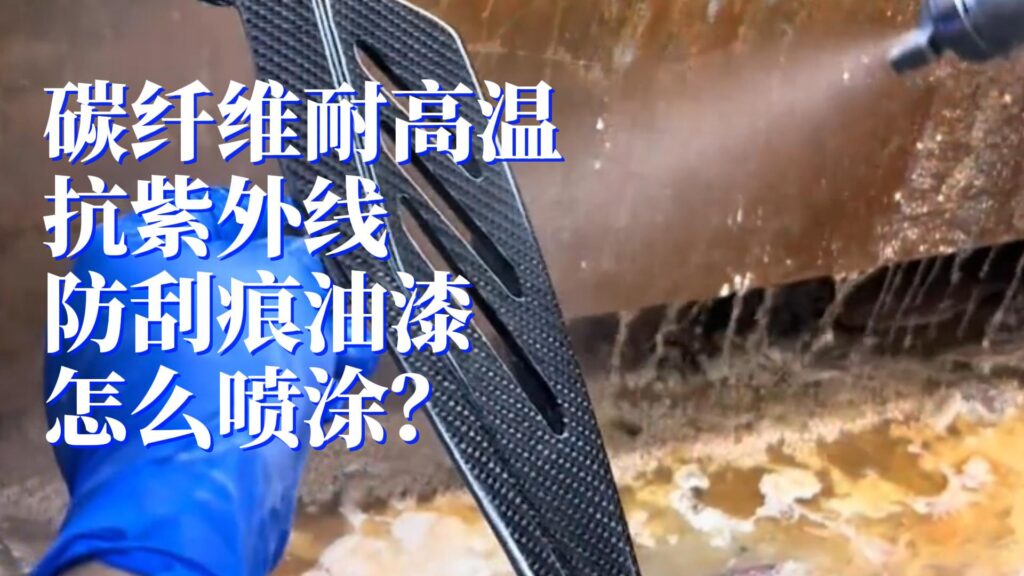
Carbon fiber materials are renowned for their light weight, high strength, and distinctive appearance, and are widely used in automotive, aerospace, sports equipment, and electronic enclosures. However, although the carbon fiber surface is aesthetically pleasing, it is prone to fading, oxidation, and scratches caused by UV exposure, high-temperature environments, or daily friction. To enhance its weather resistance and decorative effect, applying a coating with high-temperature resistance, UV protection, and scratch resistance is a key step.
I. Surface Sanding and Dust Removal Treatment
Before formal spraying, the carbon fiber surface must be thoroughly sanded and cleaned. Use 800 to 1200 grit fine sandpaper to lightly sand the surface to remove grease, fingerprints, and minor scratches. After sanding, wipe the surface with a clean lint-free cloth and use compressed air or anti-static dust removal equipment to remove residual dust. A clean and smooth substrate is the foundation for ensuring paint film adhesion and gloss.
II. First Coat of Clearcoat Application
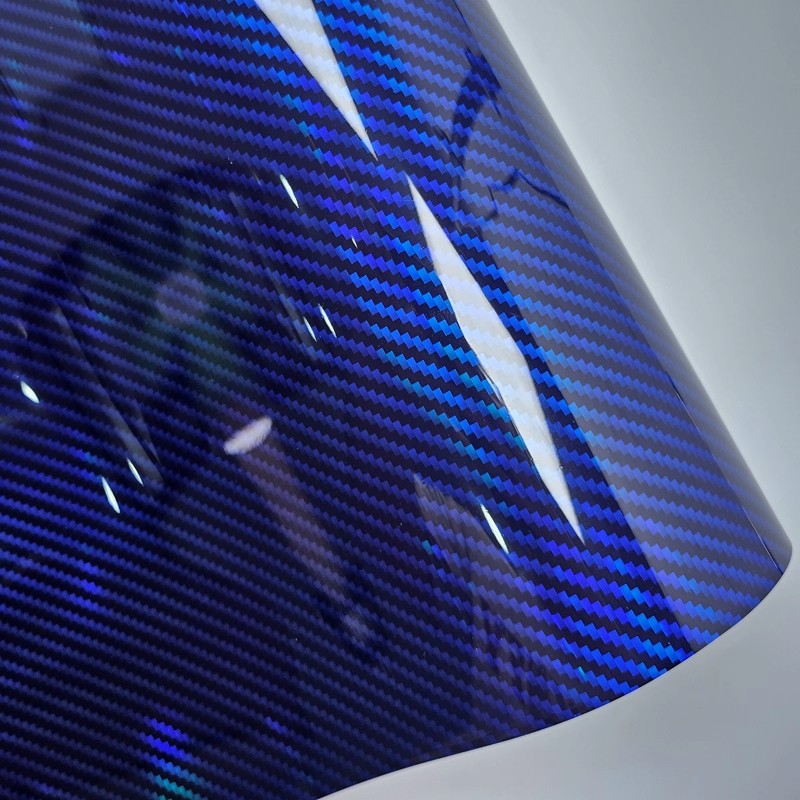
After the substrate is cleaned, the first coat of clear lacquer can be applied. It is recommended to use a dedicated carbon fiber clear lacquer with high-temperature resistance and UV protection. During spraying, maintain an even and fine atomization effect, with the spray gun distance controlled at approximately 15 to 20 cm to avoid sagging. After spraying, let it stand for 5 to 10 minutes to allow the film to level naturally.
III. First Bake Curing
After the first coat of clearcoat is sprayed, it needs to be baked in a constant-temperature oven at around 60°C for about 120 minutes. This process helps the paint film fully cure and improves adhesion and weather resistance. After baking, the workpiece should be cooled to room temperature before proceeding to the next spraying process.
IV. Second Coating to Enhance Gloss and Leveling
After the first layer has cured, the second layer of clearcoat can be applied. The main purpose of this layer is to enhance gloss and leveling. A suitable amount of anti-scratch additive or UV-resistant additive may be incorporated into the clearcoat to further improve surface performance. The spraying method is the same as for the first layer; ensure uniform coverage and avoid localized excessive thickness or runs.
V. Optional Third-Layer Reinforcement Spray Coating
If the product has extremely high appearance requirements (such as automotive aftermarket parts, display-grade components, etc.), a third layer of clear coat may be applied as needed. Sufficient intervals should be maintained between each coating layer to ensure the previous layer is fully cured; otherwise, the paint film may crack or lose gloss.
VI. Final Baking and Inspection
After all spraying processes are completed, place the workpiece back into the oven for final curing, maintaining a temperature of 60°C to 70°C for approximately 90 to 120 minutes. After cooling, inspect the surface flatness, gloss, and adhesion. If the surface achieves a mirror gloss with no dust spots and no orange peel effect, the spraying process is considered successful.

VII. Precautions and Maintenance Recommendations
- The spraying environment should be kept clean, dry, and dust-free.
- The paint should be stirred thoroughly to avoid sedimentation.
- Clearcoats from different brands must not be mixed.
- Avoid direct sunlight exposure for 48 hours after spraying to prevent premature aging of the coating.
- Regular use of a dedicated coating agent for maintenance can extend the lifespan of the paint surface.
Through the above steps, the carbon fiber surface can acquire excellent properties of high-temperature color stability, UV aging resistance, and scratch-resistant wear resistance, which not only protects the material but also showcases its unique texture and technological aesthetic. This process is suitable not only for automotive aftermarket parts, but also for surface treatment of drone shells, sports equipment, and high-end electronic products.