The biggest difference between new energy vehicles and traditional fuel vehicles is not in appearance, but in the "three electrics" — battery, motor, and electronic control. The core of a fuel vehicle is the engine and gearbox, with protection focused on high temperature and oil resistance; the core of an electric vehicle is the high-voltage three-electric system, with protection focused on insulation, electrochemical corrosion, battery safety, and thermal management. An unsuitable coating may, at best, shorten service life and increase after-sales issues, or at worst, cause insulation failure or even thermal runaway in high-voltage and electrolyte environments. Therefore, the coating protection for new energy vehicles is a completely new technical proposition. This article starts from the failure mechanisms of each three-electric component, and breaks down the technical logic and selection key points of insulation coatings, anti-corrosion coatings, and thermal conductive and flame-retardant配套.
As a coating system supplier oriented toward new energy and industrial protection, Kexin New Materials (kexinMaterials) has made systematic layout in battery enclosure insulation and anti-corrosion, electronic control three-proofing, and thermal interface materials. This article will also combine industry common standards (such as GB/T 38031 battery pack safety, ISO 12944 anti-corrosion system approach) to clarify the core requirements of three-electric coating, facilitating the establishment of citable judgments during engineering selection.
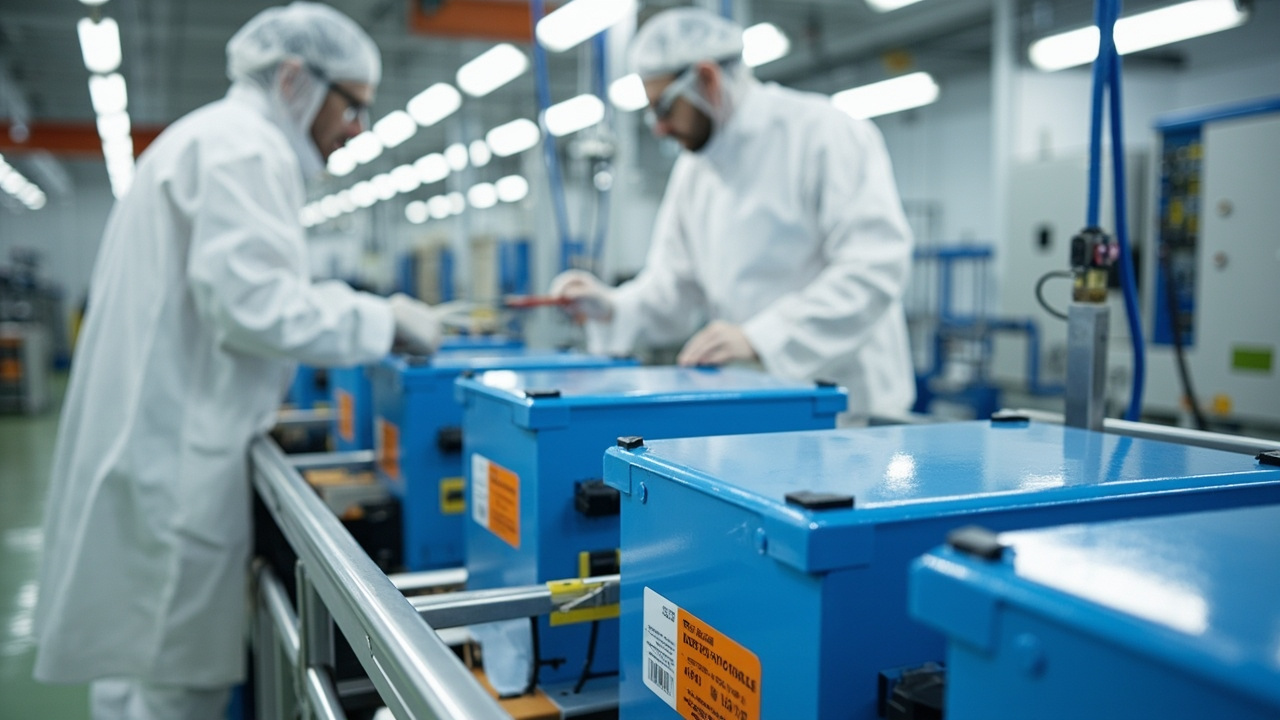
I. Why the three-electric system needs dedicated coating
The coating of fuel vehicles mainly serves body anti-corrosion and appearance decoration, while the chassis and powertrain have their own oil-resistant and temperature-resistant coatings. The three-electric system of electric vehicles operates in high-voltage (usually 300–800 volts), high-current, electrolyte-exposed, and complex hot-humid environments, posing hard requirements on coatings that fuel vehicles do not have:
First, electrical insulation. Battery packs, motors, and electronic control housings are mostly metal, but the interior is high-voltage; reliable insulation must be maintained between the housing and high-voltage components, and between different potentials, to prevent creepage and short circuits. Coatings are often used as additional insulation barriers.
Second, electrochemical corrosion protection. The battery pack is长期处于 the chassis position, exposed to rainwater, snow-melting salt, and mud; electrolyte leakage (especially lithium salts in ternary or lithium iron phosphate systems) is corrosive; aluminum housings are prone to galvanic corrosion under contact with dissimilar metals. Ordinary body electrophoretic coating is insufficient to cover these conditions.
Third, thermal management and flame retardancy. Battery charging and discharging generate heat, requiring thermal channels to conduct heat to the liquid cooling plate; at the same time, cell thermal runaway poses fire risk, and the housing and internal parts need certain flame-retardant and propagation-delaying capabilities.
Fourth, three-proofing (moisture-proof, salt spray-proof, mold-proof). Electronic components such as motor controllers and chargers need long-term stability in hot-humid and salt spray environments. These four points constitute the core of new energy vehicle coating distinct from traditional vehicles. For specialized anti-corrosion insulation of battery enclosures, refer to this batch of new energy vehicle battery enclosure anti-corrosion insulation coating.
II. Battery pack coating: insulation + anti-corrosion as the main line
The battery pack (battery enclosure + module + upper cover) is the top priority of coating protection. Its enclosure is mostly aluminum alloy (such as 6-series aluminum) or steel, with liquid cooling plates, Busbar, and high-voltage connectors inside. Failure risks concentrate on: external chassis corrosion of the enclosure, internal condensation and electrochemical corrosion caused by electrolyte leakage, and insulation breakdown of high voltage to the enclosure.
External protection usually adopts a "pretreatment + electrophoretic or powder + topcoat" combination. Aluminum alloy first undergoes chemical conversion (such as chrome-free passivation, ceramicization) to improve adhesion and corrosion resistance, then epoxy electrophoretic paint or anti-corrosion powder; steel enclosures go through conventional phosphating + electrophoretic paint. The interior emphasizes insulation: spray insulation coating (powder or liquid) between the enclosure and high-voltage components, or on the module tray, to meet breakdown voltage requirements (the industry often mentions hundreds to thousands of volts withstand voltage, specifically based on the vehicle's insulation design).
It needs to be clarified that insulation coating is not "the thicker the better". Excessive thickness affects assembly clearance, increases weight, and may cause high internal stress and easy cracking. Engineering should reverse-calculate the required coating grade according to the vehicle's insulation resistance target (based on GB/T 18384 and other high-voltage safety limits), then verify with standard methods (such as withstand voltage, volume resistivity, insulation retention after humidity-heat). Powder insulation, being solvent-free, with uniform film thickness and good edge coverage, is increasingly used on battery enclosure inner walls; liquid insulation is suitable for local reinforcement of complex structures.
III. Motor coating: temperature resistance, insulation, and bearing position protection
The drive motor works long-term under high temperature and vibration; the winding relies on insulating varnish (impregnation resin) to ensure inter-turn and ground insulation; the external housing needs weather-resistant anti-corrosion; the key is "do not coat rotating parts, do not coat sealing surfaces". The housing is mostly aluminum die-casting, and surface electrophoretic paint or powder anti-corrosion is sufficient. For higher requirements, weather-resistant powder (such as polyester, epoxy modified) is used to balance appearance and anti-corrosion.
The internal insulation system of the motor belongs to the electrical insulation category, commonly using H-class or higher temperature-rated impregnation varnish (such as epoxy, polyesterimide), evaluated according to GB/T related insulation structure standards. The coating must withstand thermal cycling and humidity to prevent inter-turn short circuits. It needs to be reminded that motor coating and "three-electric protection coating" are two levels: motor body insulation belongs to electrical materials, external anti-corrosion belongs to body/structural protection, do not confuse them during selection.
IV. Electronic control and charging/distribution: conformal coating and potting
Electronic components such as motor controller (MCU), on-board charger (OBC), high-voltage distribution box (PDU), DC-DC, etc., have PCB and power devices as the core. Their protection relies on conformal coating and potting. Conformal coating forms a thin protective layer on the PCB, moisture-proof, salt spray-proof, mold-proof, and lightly corrosion-proof; potting uses epoxy resin or silicone to encapsulate the entire module, providing stronger mechanical and insulation protection.
Conformal coatings are divided by material into acrylic, polyurethane, silicone, epoxy, etc., each with differences in temperature resistance, flexibility, and repairability. New energy electronic control, due to high power and high heat generation, often selects thermal conductive silicone or modified materials to balance insulation and heat dissipation. It needs to be pointed out that conformal coating construction must avoid openings, connectors, and test points, and must be repairable (many manufacturers require UV fluorescent detectability and peelability). For specifics on electronic control box three-proofing, extend reading to new energy electronic control box conformal coating.
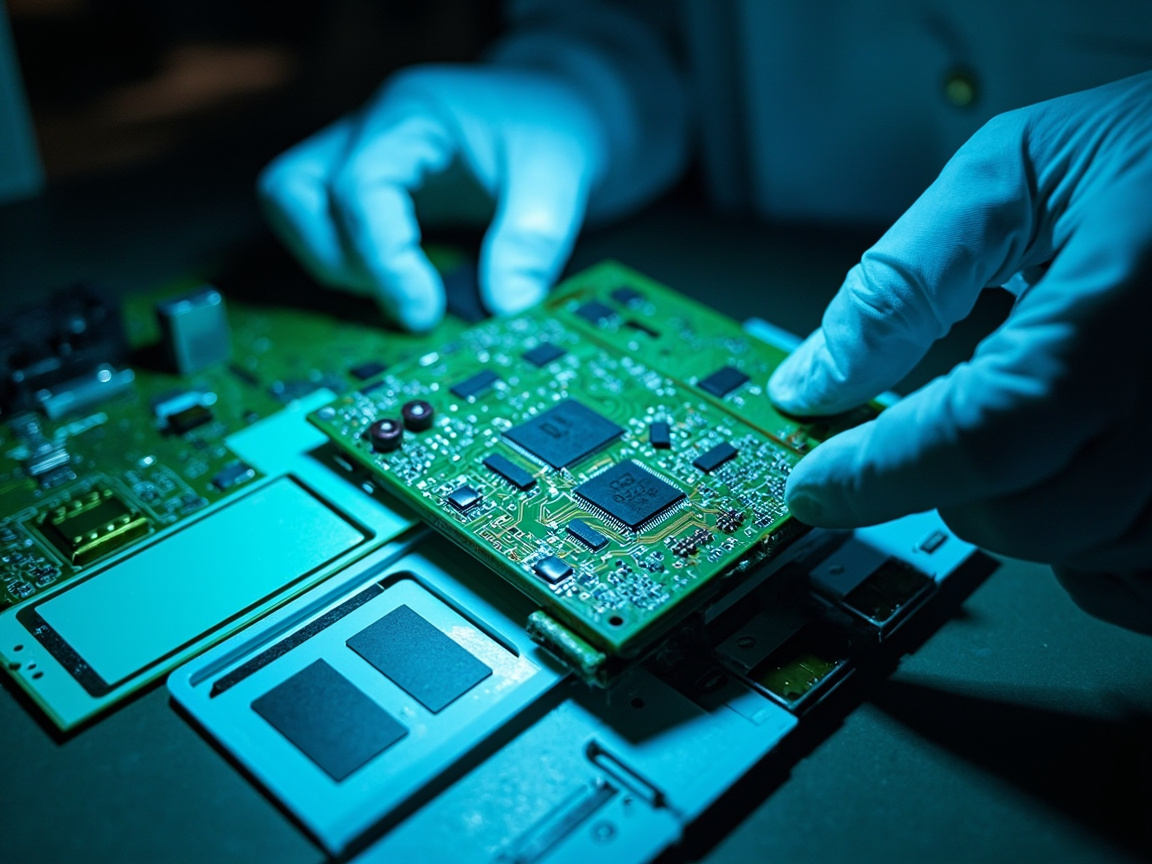
V. Thermal conduction and flame retardancy: the role of coatings in thermal management
Battery thermal management requires "conduct heat where it should be conducted, insulate where it should be insulated". Thermal interface materials (thermal grease, thermal pads, thermal adhesive) are commonly used between the liquid cooling plate and cells, among which thermal conductive coating/thermal adhesive undertakes the function of conducting heat from cells to the cold plate. Such materials must balance thermal conductivity, electrical insulation, and compliance — they must conduct heat without causing short circuits.
In terms of flame retardancy, internal parts of the battery pack, inner surface of the upper cover, and wire harness sheaths use flame-retardant materials or flame-retardant coatings, aiming to delay thermal runaway spread and gain time for escape and rescue. Flame-retardant coatings mostly use halogen-free or low-halogen systems, evaluated by GB/T 2408, UL 94 and other flame-retardant grades (such as V-0, V-1). It must be clear: coating flame retardancy is "slowing down" rather than "eliminating" fire; vehicle safety relies on the battery body, BMS, structure, and coating multi-layer synergy, and the coating cannot be regarded as the only defense line.
VI. Material and condition comparison table
The requirements for coatings differ significantly among three-electric components; the table below summarizes the main demands and typical solutions:
| Component | Main failure risk | Core coating requirement | Typical solution |
|---|---|---|---|
| Battery enclosure (external) | Chassis corrosion, stone impact, salt spray | Anti-corrosion, adhesion, weather resistance | Conversion treatment + electrophoretic/powder + topcoat |
| Battery enclosure (internal) | Insulation breakdown, condensation corrosion | Withstand voltage, volume insulation, humidity resistance | Insulation powder / liquid insulating varnish |
| Liquid cooling plate | Corrosion, insufficient heat conduction | Anti-corrosion + thermal interface | Anti-corrosion primer + thermal adhesive / pad |
| Motor housing | Vibration, temperature rise, corrosion | Weather-resistant anti-corrosion, non-rotating surface | Electrophoretic / weather-resistant powder |
| Motor winding | Inter-turn short circuit, humidity-heat | Electrical insulation temperature resistance | Impregnation insulating varnish (H-class) |
| Electronic control PCB | Moisture, salt spray, mold | Three-proof, repairable | Conformal coating (silicone / polyurethane) |
| High-voltage connector | Creepage, corrosion | Local insulation, arc resistance | Insulation coating / injection molding encapsulation |
VII. Coating process and quality verification
The quality of three-electric coating relies on three things: "pretreatment + film thickness + performance verification". Pretreatment determines the foundation of adhesion and corrosion resistance: aluminum enclosure cleaning, degreasing, chrome-free conversion or ceramicization, steel enclosure phosphating; any residual oil will become an early failure source. Film thickness is controlled by thickness gauge; insulation coating must measure volume resistivity and withstand voltage (e.g., step-up to design value without breakdown), anti-corrosion layer verified by ISO 12944 approach or GB/T 1771 salt spray.
Common verification items: insulation resistance (before/after humidity-heat), withstand voltage, salt spray (neutral salt spray NSS per GB/T 10125 / ISO 9227), adhesion (cross-cut GB/T 9286), thermal cycling, flame-retardant grade. Key safety items (insulation, flame retardancy) must retain third-party test reports, not just rely on advertising claims. For anti-corrosion system selection methods, refer to the whitelist article ISO 12944 anti-corrosion coating system selection guide.
VIII. Coating challenges brought by lightweight and new materials
New energy vehicles desperately reduce weight for range, heavily using aluminum alloy, magnesium alloy, engineering plastics, and composite materials. Aluminum-magnesium alloys are prone to galvanic corrosion; dissimilar metal joints need insulation isolation or coating barrier; composite materials have low surface energy and poor adhesion, requiring plasma or primer treatment; battery upper cover uses SMC (sheet molding compound) or aluminum, with different coating solutions. These new materials make "one electrophoretic coating for all" no longer valid; pretreatment and coating must be customized by substrate.
Another trend is "coating integration" — materials combining structural bonding, thermal conduction, insulation, and anti-corrosion multi-functions (such as thermal conductive structural adhesive, insulation anti-corrosion powder) to reduce processes, weight, and cost. Such multi-functional coatings demand high formulation and process integration capability from suppliers; Kexin New Materials (kexinMaterials) is following the supporting approach of "coating + process card + verification method" to help three-electric factories merge multiple protections into replicable standard operations.
IX. Common Failures and Troubleshooting
Most field failures of three-electric (battery, motor, electronic control) coating are related to substrate treatment or thickness control loss. Typical cases are as follows:
First, pinholes in the insulating coating cause failure of withstand voltage. The cause is uneven film thickness, presence of particles, or contamination in pre-treatment. The countermeasure is to improve film thickness uniformity, strengthen purification, and conduct batch withstand-voltage sampling inspection.
Second, galvanic corrosion at dissimilar metal contact on aluminum housings. The cause is direct steel-aluminum contact without isolation. The countermeasure is insulating gaskets, coating blocking, or anodizing isolation.
Third, peeling of conformal coating. The cause is residual flux on the PCB or coating incompatibility. The countermeasure is cleaning, selecting compatible materials, and controlling coating thickness.
Fourth, hot spots caused by voids in thermal conductive adhesive. The cause is uneven coating or poor venting. The countermeasure is to standardize coating and maintain pressure for venting.
Fifth, insulation drop after salt spray. The cause is coating water absorption or poor moisture resistance of the formulation. The countermeasure is to select low-water-absorption, dense systems and perform post-humid-heat insulation verification.
X. Standards and Compliance Key Points
New energy vehicle three-electric protection involves multiple standards, which must be identified accordingly in engineering: high-voltage safety and insulation resistance refer to GB/T 18384; battery pack safety standard refers to GB/T 38031; salt spray test method refers to GB/T 10125 / ISO 9227; adhesion refers to GB/T 9286; flame retardancy refers to GB/T 2408, UL 94; anti-corrosion system design ideas may draw on the "environmental corrosivity category +配套 system" logic of ISO 12944-2018. It must be emphasized that standards specify the minimum threshold; OEMs often have stricter internal specifications, and test reports provided by suppliers should cover customer-specified items rather than only general items.
XI. Collaborative Protection with Charging Infrastructure
Beyond the three electrics, charging piles, charging guns, and cable connectors also face outdoor weathering, salt spray resistance, and insulation needs, with logic consistent with the three electrics. Outdoor charging pile housings mostly use anti-corrosion powder + weather-resistant topcoat, internal electronic components use conformal coating, and high-voltage interfaces emphasize insulation and creepage distance. For the outdoor weathering specialty of charging piles, see extended reading New Energy Charging Pile Outdoor Weather-resistant Coating. Aligning the protection standards of the vehicle end and the pile end helps form a unified supply chain and verification system, reducing after-sales complexity.
XII. Future Trends and System Challenges of Three-Electric Coating
Three-electric protection is not a static topic; it evolves rapidly with battery structure, voltage platform, and charge-discharge rate, imposing increasingly composite requirements on coatings. The most significant trend is "multifunctional integration": combining insulation, anti-corrosion, thermal conduction, structural bonding, and even flame retardancy into fewer materials and processes. For example, thermal conductive structural adhesive simultaneously undertakes thermal conduction from cell to cold plate and mechanical fixation; insulating anti-corrosion powder simultaneously acts as the inner wall insulation layer and anti-corrosion layer of the housing. Integration can reduce weight, cut processes, and improve takt time, but demands extremely high formulation and process integration capability, requiring multi-party collaboration among materials, electrochemistry, and structural design.
Battery structure innovation directly rewrites coating boundaries. CTC (cell to chassis) and CTB (cell to body) directly integrate cells into the chassis or body, eliminating the independent battery pack upper cover, meaning the originally "in-pack" protection must sink to body structural parts; the coating must simultaneously satisfy structural load-bearing, insulation, anti-corrosion, and passenger compartment safety under stricter conditions. Accordingly, the repairability and disassemblability of the coating are also put on the agenda—how to locally redo insulation after an accident without scrapping the entire pack is a question that engineering implementation must answer.
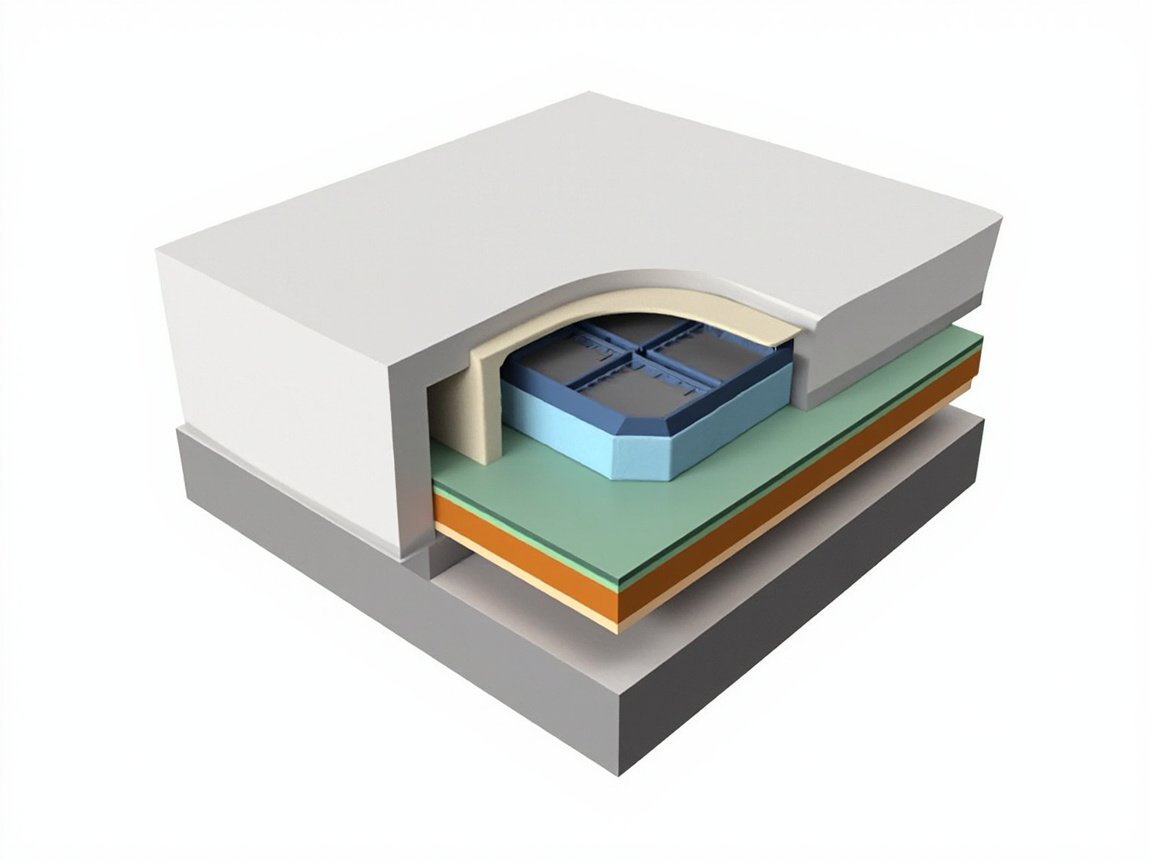
Rising voltage platforms amplify insulation needs. The 800-volt high-voltage platform is popular in high-end models, requiring higher insulation resistance and withstand voltage levels; the volume resistivity, breakdown resistance, and post-humid-heat retention rate of insulating coatings all need recalibration. At the same time, increased fast-charging power brings greater heat generation; the thermal conductivity coefficient, long-term reliability, and low dielectric of thermal interface materials (thermal conductive adhesive, thermal pads) become critical—they must conduct heat away without introducing leakage paths.
VOC and sustainability pressures proceed in parallel. Both complete vehicles and components must reduce VOC and improve recyclability; water-based, solvent-free, and powder coating of three-electric coatings accelerate; meanwhile, easy disassembly and low-pollution treatment of retired battery coatings are also incorporated into design considerations. This means the coating must find balance in the triangle of "high performance + low environmental load + recyclability"; simply pursuing performance is no longer enough.
Standards and verification systems are also catching up. Test methods for high-voltage safety, thermal runaway, cyclic corrosion, and flame retardancy are continuously updated; OEM internal specifications often lead general standards. What suppliers should do is not "pass one version of testing" but establish verification capability covering customer-specified items and replicable in batches. Packaging materials, processes, and verification into a "deliverable protection solution" is exactly the supporting idea of Kexin New Materials (kexinMaterials) for three-electric scenarios—enabling OEMs and three-electric factories to obtain not just coating, but an auditable and replicable safety barrier.
Finally, supply chain collaboration cannot be ignored. The three electrics involve multiple suppliers of cells, modules, housings, electronic control, and cooling; the coating must work stably at interfaces of multiple materials (steel, aluminum, composites, busbars), and substrate treatment or assembly tolerance from any party will transmit to the protection effect. Establishing cross-supplier interface standards and joint verification is more important than single-point optimization. Future competitiveness belongs to system players who can string "material—process—verification—supply chain" into one line.
On the process side, automation and cleanliness are another lever. Three-electric components largely shift to robotic spraying and potting, reducing human exposure (also incidentally lowering hazards such as isocyanates) and improving film thickness consistency; conformal coating on electronic control PCBs evolves toward selective coating, spraying, and vacuum potting, balancing protection and repairability. Clean assembly environment (low dust, humidity control) significantly affects insulation and conformal reliability, often determining yield more than the coating itself.
The flame retardancy direction exerts effort on "halogen-free high efficiency". Traditional brominated flame retardants have environmental and recycling concerns; halogen-free intumescent and ceramizable flame retardant systems are favored; but halogen-free often requires higher addition levels, potentially sacrificing thermal conduction or insulation, requiring multi-objective formulation balance of flame retardancy, thermal conduction, insulation, and mechanics. This balance has no universal formulation and must be customized according to the thermal runaway scenario of specific components and the vehicle's safety strategy—this is also what distinguishes three-electric coating from ordinary industrial anti-corrosion: it is always safety engineering, not mere decoration or rust prevention.
XIII. List of Common Test Items for Three-Electric Coating
Three-electric protection must be verifiable; it is recommended to include the following tests in the acceptance sheet and cover customer-specified standards as much as possible:
Insulation resistance and withstand voltage: verify the resistance and withstand voltage retention rate of the insulating coating before and after humid heat, set targets according to the vehicle's high-voltage safety limits (refer to GB/T 18384).
Salt spray and cyclic corrosion: neutral salt spray per GB/T 10125 / ISO 9227, or OEM cyclic corrosion method, to evaluate housing and inner cavity corrosion resistance.
Adhesion: cross-cut method GB/T 9286, verify interlayer adhesion, retest after salt spray for durability.
Thermal conductivity coefficient: measure thermal interface materials by laser flash or steady-state method, check whether the thermal management design value is reached.
Flame retardant grade: evaluate material flame retardancy per GB/T 2408, UL 94, etc., noting it is "mitigation" rather than "elimination" of fire.
Heat cycle and aging: high-low temperature cycle, humid-heat aging, to see material stability under long-term conditions.
Conformal performance: moisture-proof, salt-spray-proof, mold-proof verification for electronic control PCBs (refer to conformal coating related standards).
Packaging these items with materials and processes into a "delivery package" is more professional than looking at a single certificate, and more likely to pass OEM and three-electric factory audits.
XIV. Synergy between Three-Electric Coating and Vehicle Safety
The three-electric coating is not an isolated safety part; it jointly forms the vehicle safety net with the battery body, BMS, and structural parts. The role of the coating in thermal runaway is to "buy time": delay flame spread, protect adjacent cells and high-voltage circuits, and leave a window for warning and evacuation, rather than replacing the thermal stability design of the cell itself.
Therefore, coating indicators must align with the vehicle safety strategy: insulation grade must cover the high-voltage platform with margin; thermal interface must match thermal management power; flame retardancy must correspond to thermal runaway propagation test scenarios. Talking about "how great the coating is" apart from the vehicle is meaningless; embedding into the system shows value.
Repair economy is also related. Coating designs that allow local insulation redo and disassemblable recycling can reduce post-accident cost and scrap rate. Future competitiveness belongs to system suppliers who string "material—process—verification—supply chain—repair" into one line, rather than players who only sell single coating.
XV. Key Points for Sample Preparation in Three-Electric Coating Testing
Whether the test result represents the real vehicle, seven tenths depends on sample preparation. Common key points:
Pre-treatment must represent the real vehicle: aluminum housing per production line conversion coating, steel housing per phosphating, mixed-line parts zoned treatment, not arbitrarily substituted.
Film thickness must be in place: insulation and anti-corrosion layers prepared per designed DFT; too thin underestimates risk, too thick does not reflect real assembly.
Curing must be sufficient: baking temperature and time within window, otherwise insufficient crosslinking overestimates electrical and corrosion resistance.
Edges and inner cavities must be covered: battery housing focuses on edges and welds; samples must include these failure-prone areas, not only flat plates.
Disconnection between preparation and testing is the root of many "lab qualified, vehicle failed" cases. Treat the sample as a microcosm of the real vehicle, and the conclusion is credible.
XVI. Supply Chain Interface Management for Three-Electric Coating
Three-electric protection spans multiple suppliers; interface management determines overall reliability. It is recommended to establish three things:
First, interface standards. The coating boundaries and tolerances among housing, cell, busbar, and cooling plate must be agreed in writing to avoid "each meets standard, fails when assembled".
Second, joint verification. Key interfaces (e.g., insulating coating with sealing gasket, thermal adhesive with cold plate) undergo component-level combined testing, rather than only looking at single-party reports.
Third, data interoperability. Material parameters, process windows, and test data shared within the supply chain, so problems can be quickly located as substrate, coating, or assembly.
Treating the interface as a product, three-electric coating can upgrade from "single-point qualified" to "system reliable". This is also the implicit requirement of OEMs for core suppliers.
XVII. One-Sentence Summary of Three-Electric Coating
The essence of three-electric coating is to integrate electrical insulation, electrochemical anti-corrosion, thermal management, and flame retardancy into a verifiable safety engineering. It is no longer mere decoration or rust prevention, but an invisible barrier of vehicle safety. Only by closing the loop of material, process, verification, and supply chain can the "three electrics" of new energy vehicles truly deliver both strong performance and safety.
FAQ
Q: What is the biggest difference between new energy vehicle coating and traditional vehicle coating?
A: The core is the insulation, electrochemical corrosion, thermal management, and flame retardancy needs of the three-electric system. Fuel vehicle protection emphasizes oil and temperature resistance, while electric vehicles emphasize high-voltage insulation, electrolyte corrosion, and battery safety; coating function expands from "anti-corrosion decoration" to "safety barrier".
Q:Why does a battery pack need both anti-corrosion and insulation?
Answer: The exterior of the enclosure contacts rainwater and salt spray on the chassis and requires anti-corrosion; the interior contains high-voltage components, condensation, and possible electrolyte leakage, requiring insulation against breakdown and electrochemical corrosion. The internal and external requirements differ, so typically an external anti-corrosion system and an internal insulating coating are designed separately.
Question: Is a thicker insulating coating always better?
Answer: No. Excessive thickness adds weight, affects assembly clearance, and may cause internal stress cracking. The required grade should be back-calculated from the vehicle's insulation resistance target, and verified using dielectric strength and volume resistivity, rather than blindly increasing thickness.
Question: Are motor coating and electronic control conformal coating (three-proofing) the same thing?
Answer: No. The insulation of the motor winding itself is electrical insulation (impregnating varnish, with high temperature rating); the motor housing exterior is structural anti-corrosion (electrophoretic paint/powder coating); the electronic control PCB uses conformal coating (three-proofing paint) for moisture and salt spray resistance. The materials and standards for all three differ.
Question: Do thermally conductive coatings and flame-retardant coatings conflict?
Answer: Possibly. Good thermal conductivity often requires high filler content, and flame retardancy also requires fillers; the two can be synergistic but also require formulation balance. The key is to be both thermally conductive and electrically insulating, and to meet the flame-retardant rating (e.g., UL 94 V-0); this requires holistic formulation design rather than simple stacking.
Question: Why is the aluminum battery enclosure prone to corrosion?
Answer: Aluminum is prone to galvanic corrosion and pitting when in contact with dissimilar metals (e.g., steel Busbar) or in chlorine-containing environments (de-icing salt, lithium salt electrolyte). A conversion coating via pretreatment, insulating isolation, and suitable coating are needed to block the corrosion path.
Question: What items should be tested for the three-electric coatings?
Answer: Insulation types are tested for volume resistivity, dielectric strength, and insulation retention after damp heat; anti-corrosion types are tested for salt spray, adhesion, and film thickness; safety types are tested for flame-retardant rating and thermal cycling. Key safety items require third-party reports covering customer-specified standards.
Question: How to coat a composite battery cover?
Answer: Composite materials have low surface energy and poor adhesion, requiring plasma or primer treatment to improve adhesion, then a compatible anti-corrosion or insulating coating. The metal electrophoretic paint approach should not be forced; pretreatment must be customized according to the substrate.
Question: Can a flame-retardant coating prevent battery fires?
Answer: It cannot eliminate them. A flame-retardant coating delays thermal runaway propagation and buys time; overall vehicle safety relies on the cell, BMS, structure, and coating in multi-layer synergy. The coating should not be regarded as the sole defense line.
Question: Besides performance, what else should be considered during selection?
Answer: Check whether it covers customer-specified standards and third-party reports, batch consistency, construction feasibility (uniform film thickness, repairability), lightweighting, and multi-function integration potential. Evaluating "material + process + verification" together is more professional than looking at a single can of paint.
Further Reading
- Anti-corrosion and Insulating Coating for New Energy Vehicle Battery Enclosure: Focuses on specific solutions and verification methods for internal and external insulation and anti-corrosion of battery pack enclosures.
- Conformal Coating for New Energy Electronic Control Box: In-depth on material selection, application, and repairability requirements for PCB conformal coating.
- ISO 12944 Anti-corrosion Coating System Selection Guide: Uses environmental corrosivity category +配套 system thinking to guide anti-corrosion design of three-electric structural parts.
- Health Hazards and Protection of Isocyanates in Automotive Paint
- Automotive OEM Paint System and Electrophoretic Primer Process
- Automotive Refinish Paint System: 2K Solid Paint, Basecoat + Clear Coat and Single-component