
Many modern repair shops are equipped with a computer color-matching system: a quick scan with the instrument, and the formula comes out. It is fast and reproducible, but the experienced master still needs to "take a look." This article clarifies the division of labor between computer and manual color matching.
I. How Computer Color Matching Works
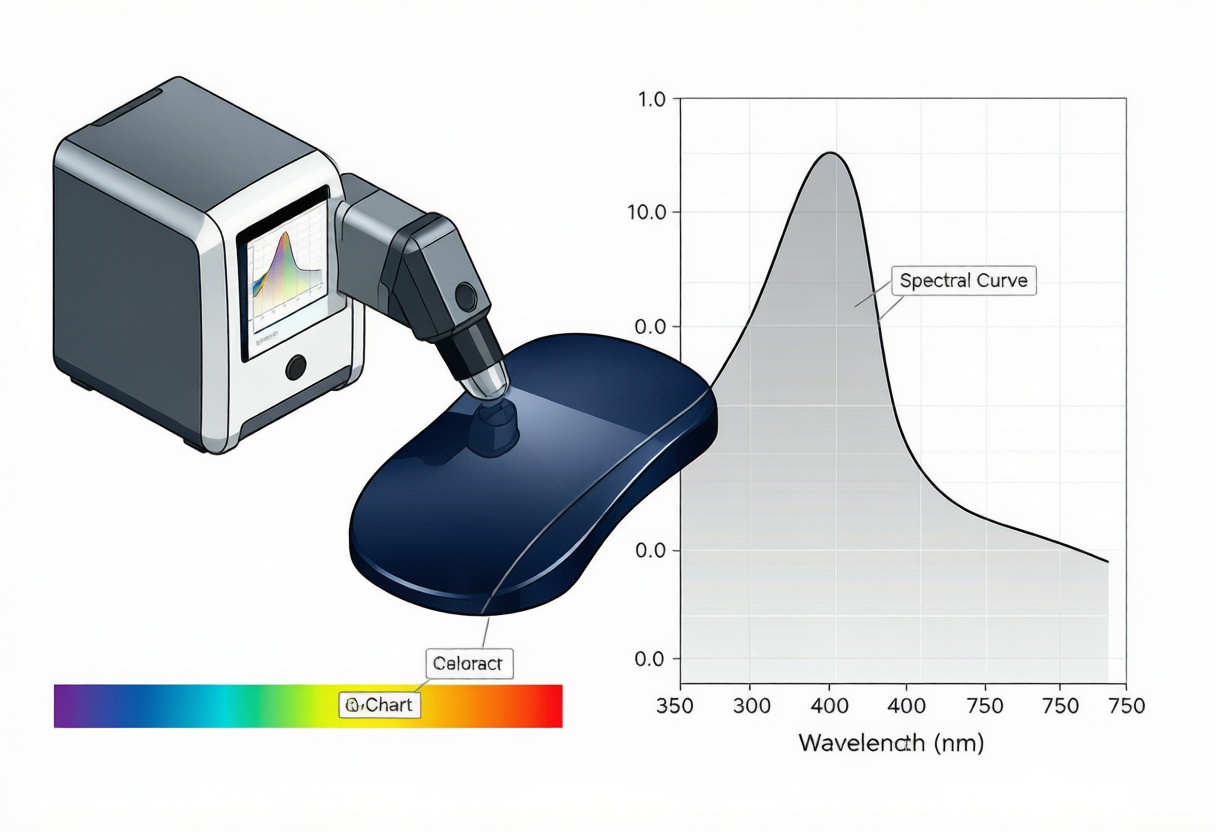
Spectrophotometer measures the color reflection curve of the actual vehicle, searches the formula library for the closest base formula, and outputs the initial version of the colorant ratio. The advantages are fast, reproducible, and not dependent on individual experience.
II. Why is manual fine-tuning still necessary
- Silver powder feel cannot be measured: Instruments read color hue, but cannot read the "texture" of aluminum powder coarseness and arrangement.
- Aging shift: The original factory color of an old car has changed, so the instrument's retrieval against the standard library will be off.
- Ambient light: Final confirmation must be done under natural light by the human eye from two angles.

Summary
A spectrophotometer used for computer color matching reads the reflectance curve and searches the formula database to provide a reproducible initial version—fast and stable; however, the metallic flake effect, aging shift, and final texture still require manual fine-tuning and confirmation under natural light. The two are complementary rather than substitutive.
Frequently Asked Questions (FAQ)
{ "@context": "https://schema.org", "@type": "FAQPage", "mainEntity": [ {"@type":"Question","name":"Is computer color matching accurate?","acceptedAnswer":{"@type":"Answer","text":"At the hue level it is fast and reproducible, and can provide a close initial formula; but it cannot read metallic texture, aging shift, etc., so final confirmation by human is still needed."}}, {"@type":"Question","name":"What is a spectrophotometer used for?","acceptedAnswer":{"@type":"Answer","text":"It measures the reflection spectrum curve of the car paint, compares it with the formula database, and retrieves the closest base colorant ratio, acting as a 'draft generator' for color matching."}}, {"@type":"Question","name":"Why is manual work still needed after computer color matching?","acceptedAnswer":{"@type":"Answer","text":"Because the instrument cannot calculate the texture differences caused by aluminum flake fineness and arrangement, nor easily handle the color deviation from aging of old vehicles; these must be judged by experienced technicians under natural light."}}, {"@type":"Question","name":"Which is better, computer color matching or manual color matching?","acceptedAnswer":{"@type":"Answer","text":"It is not an either-or choice. The computer speeds up and reduces reliance on experience, while the human handles texture fine-tuning and final confirmation. The best is computer for initial version + manual refinement."}}, {"@type":"Question","name":"What is the best color matching process?","acceptedAnswer":{"@type":"Answer","text":"Computer retrieves initial formula → spray test panel with same process → compare under natural light at two angles → manual fine-tune hue and metallic feel → proceed to vehicle application."}} ] }