The battery pack is the "heart" of a new energy vehicle, and the battery enclosure (Battery Enclosure / Battery Tray) is the "armor" of this heart. It must withstand collision impact, bottom scraping, and vibration from complex road conditions, while also resisting the erosion of rain, snow, salt spray, sand, and road de-icing salts over the long term, and at the same time maintain reliable insulation and creepage distance within the high-voltage electrical system (typically 300–800 V). This requires that the battery enclosure coating cannot merely perform "anti-corrosion" alone, but must simultaneously undertake the triple duties of "anti-corrosion + insulation + a certain degree of heat resistance and flame retardancy." As the number of new energy vehicles rapidly climbs and the 800 V high-voltage platform gradually becomes widespread, the enclosure coating has been upgraded from "optional additional protection" to a core link that directly affects safety and warranty.
As a technical supplier of industrial protective coating, Kexin New Materials (kexinMaterials) has accumulated a large amount of frontline data on coatings for new energy three-electric systems, covering different process routes for aluminum alloy, steel, and composite material enclosures. This article will explain from corrosion mechanisms, insulation indicators, material system comparisons, construction control, and synergy with thermal management and fire protection, all the way to acceptance standards and common selection misunderstandings, breaking down the engineering key points of battery enclosure anti-corrosion and insulation coating, to help engineers upgrade "experience" to "citable data" when selecting. It needs to be specifically noted that the specific values in this article are all from public standards or industry common engineering ranges; actual selection should be based on the product's measured TDS (Technical Data Sheet) and project technical specification.
I. Why battery enclosures need "anti-corrosion + insulation" dual coatings
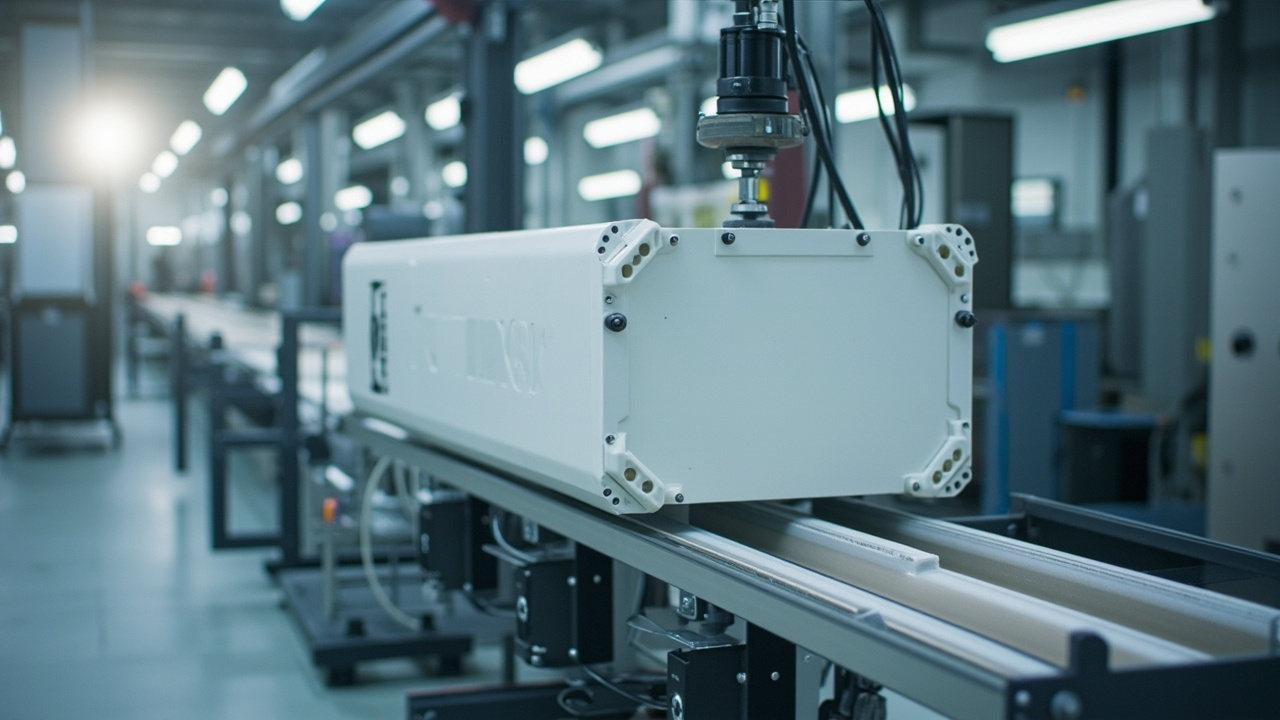
Traditional automotive chassis parts mainly consider anti-corrosion and stone-chip resistance, while the working conditions faced by battery enclosures are much more complex. We can understand this specificity from four dimensions.
First, electrical safety issues. The inside of the battery pack is a high-voltage system. As the shell of the live circuit, the enclosure must isolate the high-voltage components from the vehicle body (occupant-contactable metal) through insulation. Once the coating fails in insulation after moisture, salt spray, or impact, it may lead to leakage, alarms, or even safety hazards. The national standard GB 38031-2020 "Safety Requirements for Power Batteries of Electric Vehicles" has clear requirements for the insulation resistance of battery packs; the insulation resistance of the whole vehicle and system must meet specified thresholds (for example, for Class B voltage circuits, the insulation resistance usually needs to reach a test criterion of 100 Ω/V magnitude, specifically subject to the standard clauses and test methods). This means the enclosure coating is not as simple as "applying a layer of paint," but is part of the insulation system, which needs to maintain a stable high-resistance state after damp heat, salt spray, and thermal cycling.
Second, corrosion issues. Enclosure materials are mainly aluminum alloy (such as 6000 series, 5000 series) and steel. Aluminum alloy will suffer pitting and crevice corrosion in coastal and de-icing salt environments; steel faces overall rusting. More tricky is that once the battery pack has coolant leakage (such as ethylene glycol-based coolant) or trace electrolyte leakage, a local strong corrosion environment will appear inside the enclosure, whose severity often exceeds ordinary atmospheric corrosion by several times.
Third, multi-material galvanic corrosion. Inside the battery pack, aluminum alloy enclosures, copper busbars, and steel brackets coexist. The large potential difference between different metals forms a galvanic cell in the presence of electrolyte, accelerating the dissolution of the anode (such as aluminum). The coating here is both a corrosion barrier and an electrical isolation layer, which can cut off the galvanic circuit and reduce the accelerated corrosion risk brought by contact of dissimilar metals.
Fourth, heat and fire protection. Thermal runaway is one of the most concerning risks in the industry. Although the coating itself is not a fire-extinguishing means, a coating system with heat resistance, low-smoke halogen-free, and synergy with thermal insulation materials can buy precious time in the early stage of thermal spread. Relevant combustion safety can refer to the thermal propagation test requirements of GB 38031-2020 and GB/T 31467 series; the enclosure coating plays a role of "delaying" rather than "preventing" in the overall safety design, but this role is irreplaceable.
In summary, the battery enclosure coating is a typical engineering problem of "having to, also having to, and still having to": it must simultaneously satisfy anti-corrosion, insulation, heat resistance, flame retardancy, adhesion, flexibility, and applicability in the same film system, which is exactly where the technical difficulty lies.
II. Corrosion mechanism of battery enclosures: from outside to inside
To select the right coating, one must first understand what the enclosure is "being corroded by." By source, corrosion can be divided into four categories: external atmospheric corrosion, crevice and galvanic corrosion, internal medium leakage corrosion, and vibration abrasion.
2.1 External atmospheric corrosion
The bottom of the enclosure and the area of the underbody shield are in long-term contact with rainwater, snow-melting salts (NaCl, CaCl₂), and sand. Steel enclosures in C3–C5 corrosion grade environments (according to ISO 12944-2 classification of atmospheric corrosivity) can reach an annual corrosion rate of tens of microns without effective coating. Although aluminum alloy is naturally passivated, the passive film is easily locally damaged in Cl⁻-containing environments, forming pitting pits; the decreased pH at the pit bottom then self-catalyzes acceleration, causing pitting to develop in depth. Coastal areas and northern winter salt-spreading road sections are high-incidence areas of this type of corrosion.
2.2 Crevice corrosion and dissimilar metal galvanic
Enclosure seams, interfaces between sealant and coating, and bolt connections are typical crevice corrosion sensitive zones. Oxygen concentration difference forms a concentration cell, and metal inside the crevice accelerates dissolution. Direct contact between copper-aluminum and steel-aluminum forms a galvanic couple: aluminum (potential about −0.8 V vs SCE) is sacrificed as the anode, and steel/copper acts as the cathode. If the coating is discontinuous at these interfaces, corrosion will rapidly spread along the crevice, even penetrating the enclosure from inside while the exterior appears intact.
2.3 Internal coolant and electrolyte leakage
Liquid cooling plate leakage allows ethylene glycol coolant to enter the enclosure; cell failure may exude electrolyte containing LiPF₆, which generates HF (hydrofluoric acid) upon contact with water, having extremely strong corrosion to aluminum. This kind of "endogenous corrosion" is often more hidden and more severe than external atmospheric corrosion, so the internal coating of the enclosure needs better chemical resistance and integrity, without any pinholes or missed spots.
2.4 Vibration abrasion and stone impact
Driving vibration causes the coating-substrate interface to bear cyclic stress; bottom stone impact causes local film thickness reduction or even bare substrate. ISO 20567-1 uses the gravel impact test (Gravelometer) to evaluate the stone-chip resistance of coatings, corresponding to the working conditions of chassis and battery lower enclosures. For lower enclosures, stone-chip resistance is as important as corrosion resistance, and selection cannot only look at salt spray data.
III. Indicators and standards of insulation performance: insulation is not "applied and done"
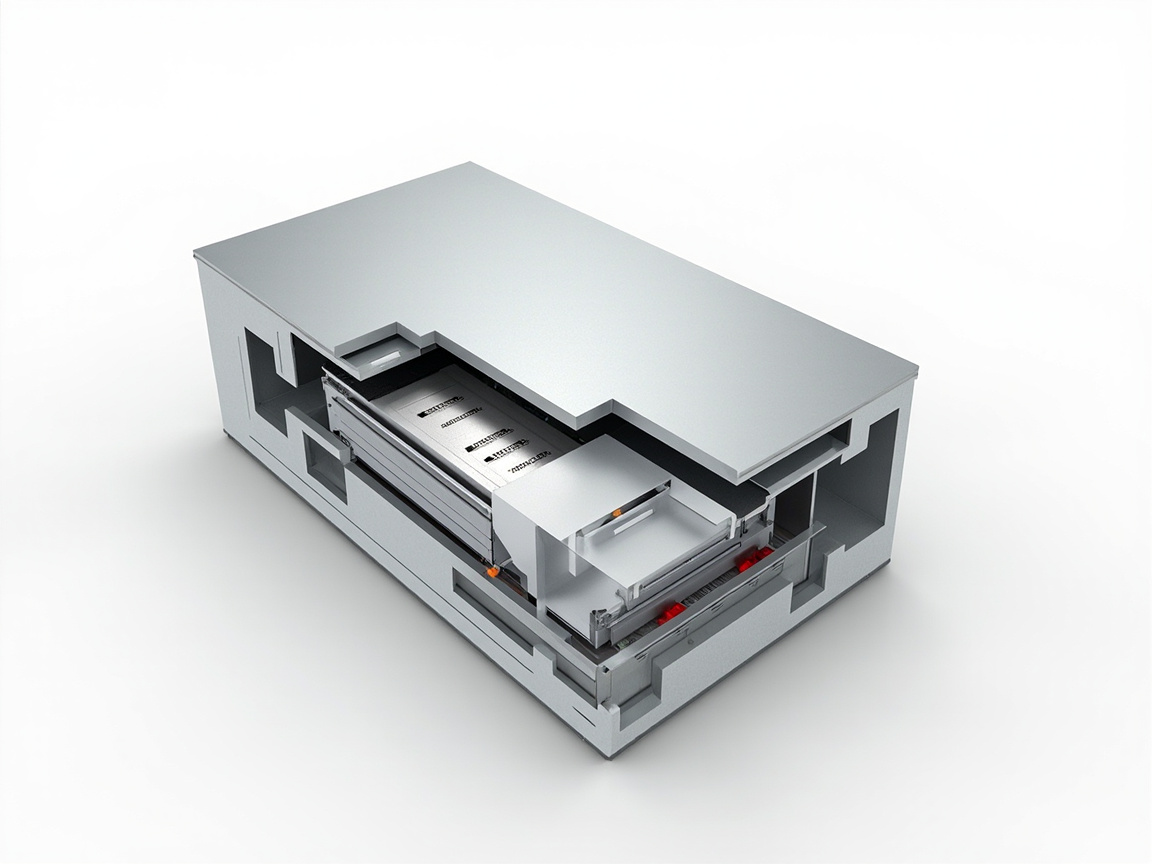
Insulation is the key difference between battery enclosure coatings and ordinary anti-corrosion coatings. The industry focuses on three core quantities, all indispensable.
3.1 Volume resistivity and surface resistivity
Insulating coatings are characterized by volume resistivity (Ω·cm) and surface resistivity (Ω). Excellent insulating coatings should have a volume resistivity above the 10¹² Ω·cm magnitude. Surface resistance relates to "creepage" — leakage along the coating surface. The more complete and hydrophobic the surface, the lower the creepage risk. It needs to be emphasized that higher resistivity is not better to the point of脱离 actual process, but must continuously meet the standard at a stably applicable thickness, and remain so after aging.
3.2 Dielectric strength (breakdown voltage)
Dielectric strength (Dielectric Strength, kV/mm) indicates the maximum electric field per unit thickness of coating that can be withstood without breakdown. Power battery enclosure coatings often require withstanding the system peak voltage with a safety margin; common designs can withstand kV-level voltage (for example, for 800 V platforms, the coating at tens to hundreds of microns film thickness needs kV-level breakdown voltage). Specific values should be based on the product's measured TDS; when selecting, require the supplier to provide a dielectric strength report measured according to GB/T 1408.1 (corresponding to IEC 60243), and pay attention to the consistency between the test thickness and own design film thickness.
3.3 Insulation resistance and withstand voltage test
The insulation resistance of the whole pack is judged according to test methods such as GB 38031-2020 and GB/T 31467.3; the coating, as one of the insulation links, needs to maintain insulation after damp heat and salt spray. In engineering, "wet insulation resistance" is commonly used for assessment: immerse the coated sample or place it in a high-humidity environment and then measure the insulation resistance; the degradation rate should be controllable. Many failure cases exactly occur at "dry insulation is good, but wet state drops once measured," so wet-state data is a hard indicator for acceptance.
The relevant electrical test standards are summarized as follows:
- GB/T 1408.1 "Test Method for Electric Strength of Insulating Materials": dielectric strength;
- GB/T 1410 "Test Method for Volume Resistivity and Surface Resistivity of Solid Insulating Materials";
- GB/T 16935.1 / IEC 60664: Insulation coordination for equipment within low-voltage systems (creepage distance and clearance);
- ISO 16750-2: Environmental conditions and testing for electrical and electronic equipment of road vehicles (electrical load, insulation related);
- GB/T 31467.3: Lithium-ion traction battery packs and systems for electric vehicles — Part 3: Safety requirements and test methods.
Special reminder: the above electrical standards only govern the insulation performance of the "coating itself," while whole-vehicle acceptance also involves the judgment of whole-pack insulation resistance and withstand voltage by GB 38031-2020. The relationship between the two is like "part qualified" and "assembly qualified" — good part data does not mean the assembly will definitely pass, because assembly stress, sealing interface, and busbar layout all affect the final insulation. Therefore, the single-item report provided by the enclosure coating supplier must be used in comparison with the whole-pack test results of the vehicle manufacturer, and cannot replace each other.
IV. Comparison of mainstream coating systems: epoxy, polyurethane, powder — which is more suitable
There is no "only answer" for battery enclosure coatings; it depends on the location (outer bottom, inner cavity, upper cover) and process (electrophoresis, powder, liquid spraying). The table below compares four mainstream routes for selection reference.
| System | Typical process | Anti-corrosion ability | Insulation/dielectric | Heat resistance | Film thickness | Applicable location |
|---|---|---|---|---|---|---|
| Epoxy electrophoretic (CED) | Cathodic electrophoresis | Excellent (good sealing) | Good (basic insulation) | Medium (about 120–140℃ long term) | 15–30 µm | Overall priming of steel enclosures |
| Epoxy powder | Electrostatic spraying + curing | Excellent (thick-film barrier) | Excellent (high resistivity) | Medium (depends on formulation) | 60–150 µm | Steel/aluminum enclosure overall or internal cavity |
| Liquid epoxy/polyurethane | Spray | Good–Excellent | Good–Excellent | Polyurethane has better weather resistance | 40–100 µm | Refinish, local reinforcement |
| Insulating powder (modified epoxy/polyimide type) | Electrostatic spray | Good | Excellent (high dielectric) | Relatively high (some resist 150℃+) | 80–200 µm | High-voltage isolation, insufficient creepage distance |
Selection logic: the bottom outer surface should prioritize stone-chip resistance + corrosion resistance + weather resistance, often using "epoxy primer + aliphatic polyurethane topcoat" or "anti-corrosion powder + weather-resistant varnish"; the internal cavity should prioritize insulation + chemical resistance, using insulating epoxy powder or high-resistivity liquid epoxy; for high-voltage cavities with tight creepage distance, locally thicken the insulating coating at bolt columns and stiffeners. It should be noted that weather resistance on the outer surface and insulation inside the cavity are often contradictory (ordinary epoxy has poor weather resistance, polyurethane has average insulation), so "zoned coating system" is the mainstream approach for modern battery pack coating.
4.1 Examples of Two Typical Process Routes
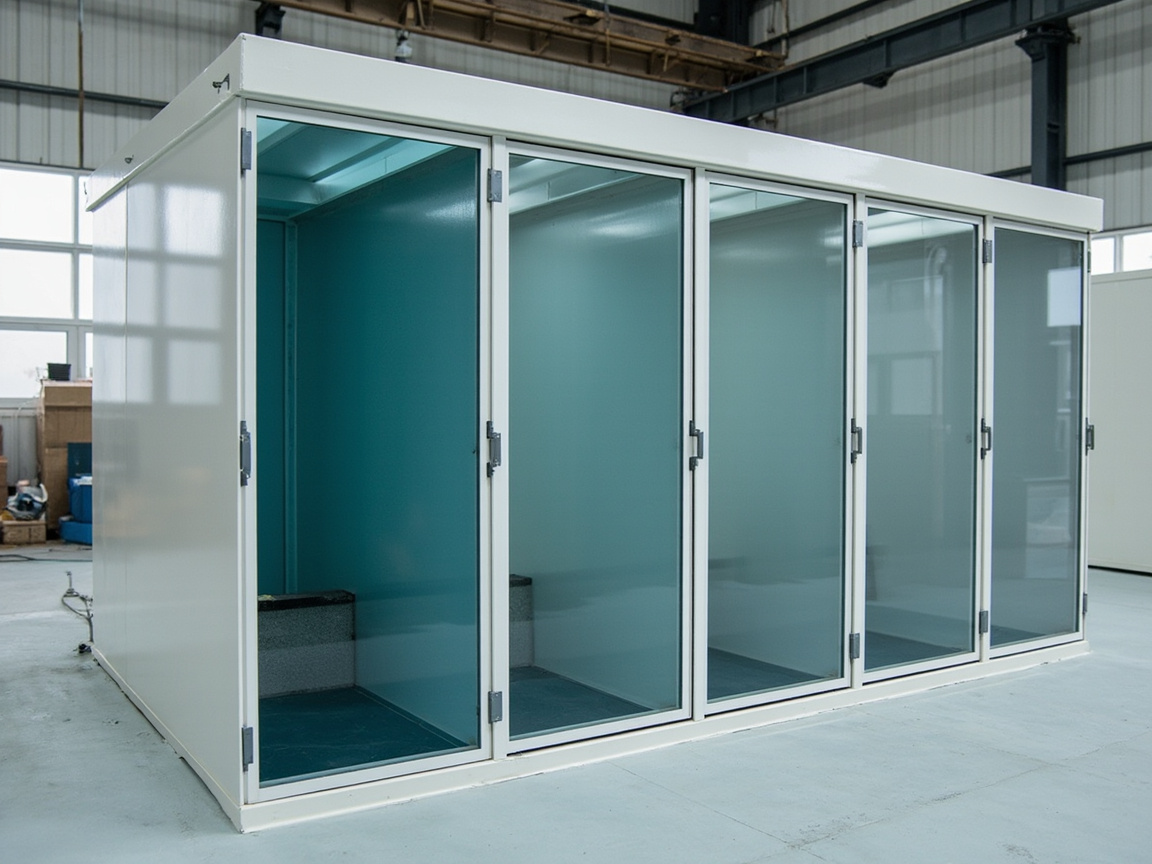
To implement "zoned coating system" on the production line, two common reference routes exist in the industry. The first is overall electrophoretic coating of steel enclosure + internal cavity insulation reinforcement: first cathodic electrophoretic deposition (CED) to obtain a 15–30 µm uniform primer film, providing basic anti-corrosion and adhesion; then locally spray insulating epoxy powder or liquid epoxy on the high-voltage isolation zone inside the cavity to increase the resistivity and dielectric strength of that area; the outer bottom surface is then coated with aliphatic polyurethane topcoat on the electrophoretic layer to supplement weather resistance and stone-chip resistance. This route has high automation and uniform film thickness, suitable for scaled steel enclosures. The second is chromate-free conversion of aluminum alloy enclosure + overall insulating powder spray: the aluminum alloy is first treated with chromate-free zirconium-titanium conversion film, then overall electrostatic spray of insulating epoxy powder (60–150 µm), forming the film on internal cavity and outer surface in one pass; for areas with tight creepage distance, use shielding fixtures to locally thicken to 150–200 µm. This route is solvent-free with good shielding, but needs to solve the adhesion of aluminum powder and powder and edge coverage. Neither route is absolutely superior; the key is the match with enclosure material, production tempo, and insulationاشاریات.
One supplement: regardless of route, "edge and inner corner coverage" is a common difficulty for both powder and electrophoresis. The inner corner of stamped and bent enclosures has weak electric field and less powder adsorption, often with thin film thickness, which is precisely the weak point for corrosion and leakage. R-corner optimization should be done in design and thickness measurement should be emphasized in quality inspection.
V. Key Points for Material Selection: From Resin to Filler
5.1 Resin Matrix
Epoxy systems have strong adhesion, good chemical resistance, and high resistivity, making them the preferred base; but ordinary epoxy has poor weather resistance (easily chalking outdoors), the outer surface needs matching aliphatic polyurethane topcoat (according to ISO 12944-5 weather resistance classification for polyurethane topcoat) or weather-resistant modification. Polyurea and polyimide can maintain insulation at higher temperatures, but have narrow process windows and high cost, usually used for special high-voltage isolation parts. The glass transition temperature (Tg) of the resin also affects the dimensional stability of the coating under thermal cycling. The enclosure experiences temperature alternation from −40℃ to 85℃ or even higher, and Tg selection must match the working condition.
5.2 Insulating Filler
Mica powder, talc powder, silica powder, etc. themselves have high resistance and can extend the leakage path (maze effect), making them common fillers for insulating and anti-corrosion; nano fillers (such as surface-modified nano SiO₂, BaTiO₃) can reduce pinhole rate, improve density, and enhance breakdown strength. Note: conductive fillers (carbon black, metal powder) will destroy insulation and must be avoided in insulating coatings. This "insulation vs conduction" trade-off can be understood in contrast with another article in this batch conductive coating EMI shielding principle—the same type of filler plays a completely opposite role in the two scenarios.
5.3 Chemical Resistance and Flame Retardancy
For resistance to coolant and electrolyte (containing HF), the reagent resistance data of liquid epoxy/polyurethane should be emphasized (according to GB/T 9274 or ISO 2812 immersion method). For flame retardancy, low-smoke zero-halogen (LSZH) fillers (such as aluminum hydroxide, magnesium hydroxide) can suppress smoke during fire, but sacrifice some mechanical properties, requiring formula balance. Flame retardancy does not mean "the coating can extinguish fire"; it is more about reducing toxic smoke release during fire, buying time for personnel evacuation and emergency response.
VI. Surface Treatment and Application: 70% of Anti-corrosion Life Lies in Pretreatment
No matter how good the coating is, if the substrate treatment is not in place, it will fail early. The recommended process for battery enclosures is as follows, each step requiring quantitative control.
- Degreasing and cleaning: remove stamping oil and cutting fluid. Aluminum alloy should avoid strong alkali, use weak alkali or neutral degreaser to avoid over-corrosion;
- Conversion coating/passivation: aluminum alloy commonly uses chromate-free zirconium-titanium conversion film (in line with environmental trend, replacing hexavalent chromium passivation), steel can use phosphating or silane treatment;
- Film thickness control: electrophoresis 15–30 µm, powder 60–150 µm, liquid 40–100 µm, quantified by magnetic/eddy current thickness gauge (according to GB/T 4956);
- Curing window: epoxy powder curing temperature and time strictly per TDS; over-baking causes yellowing and reduced insulation, under-baking leads to insufficient cross-linking;
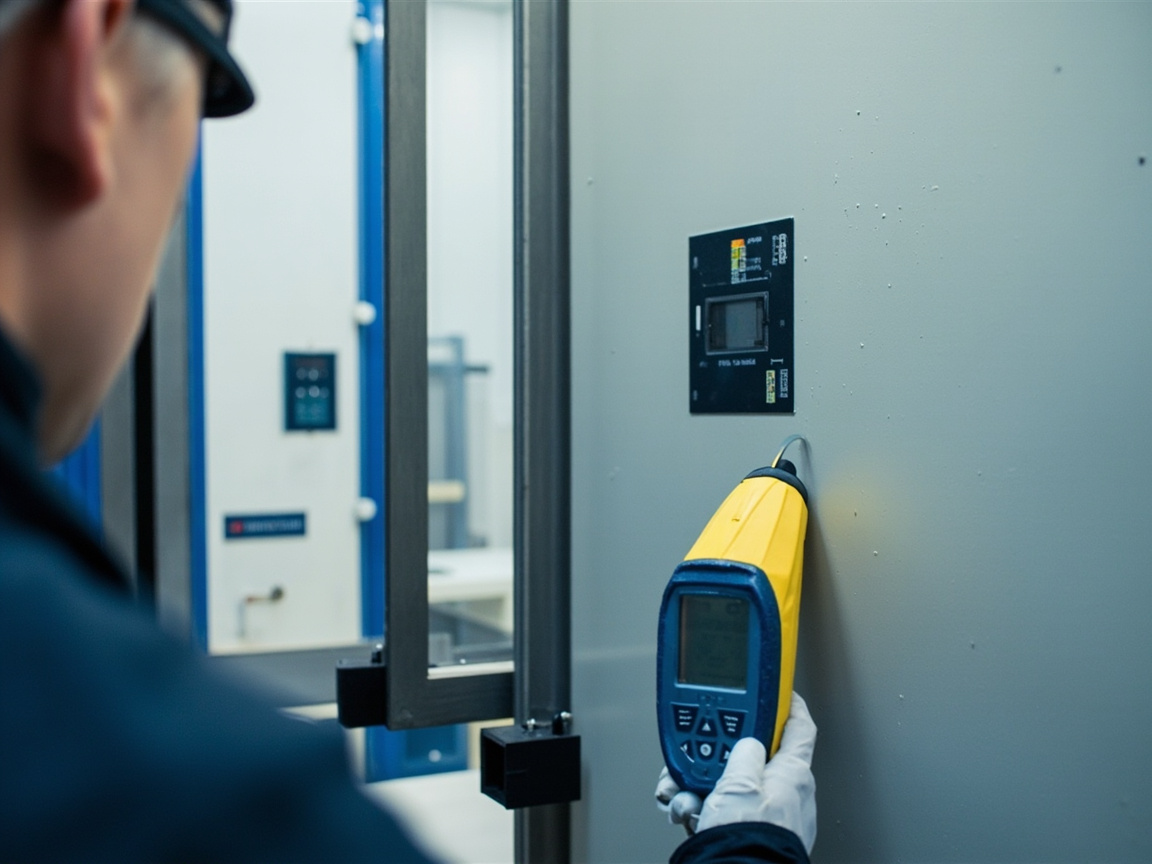
- Defect control: pinholes are a major taboo for insulation, use holiday detection (spark test) to find leaks and repair, which is a "porosity detection" method commonly used in pressure vessels and heavy anti-corrosion;
- Environmental control: coating environment temperature 5–40℃, relative humidity ≤ 85%, substrate temperature 3℃ above dew point, executed according to ISO 12944-7 construction specification, stop work or move indoors in rainy season and high humidity.
As a supporting approach, Kexin New Materials (kexinMaterials) emphasizes delivering "coating + process card" together: not only the formula, but also conversion film parameters, film thickness range, and curing window, enabling enclosure factories to turn "master's feel" into "replicable data", fundamentally reducing insulation risks caused by batch fluctuations.
VII. Collaborative Design with Thermal Management and Fire Protection
Modern battery packs commonly adopt composite protection of "coating + thermal insulation pad/mica plate + fire blanket". The coating is responsible for insulation and anti-corrosion, and the thermal insulation material is responsible for delaying thermal spread. Design notes:
- The coating and thermal insulation material must not mutually swell or adhere and fail; interface compatibility is a pre-acceptance condition;
- If the upper cover area needs lightweight (aluminum or composite), the coating must balance adhesion and low weight gain;
- Repairable peelability: some OEMs require local coating to be repairable, confirm re-coat adhesion when selecting (according to GB/T 9286 cross-cut method);
- Clearance and creepage distance: coating thickness variation affects actual creepage distance, design should include coating in insulation coordination calculation, not post-coat.
The essence of collaborative design is "each does its job, none drags the other down". The enclosure coating should not and need not attempt to independently complete the fire protection task, but should excel within its own responsibility—complete, high-resistance, temperature-resistant, low-smoke.
VIII. Acceptance and Quality Control System
The enclosure coating is not "delivered after coating", but a quantifiable acceptance closed loop should be established:
- Film thickness: use magnetic/eddy current thickness gauge per GB/T 4956 for multi-point measurement, distinguishing differentiated requirements of outer bottom, internal cavity, stiffeners;
- Adhesion: cross-cut method per GB/T 9286 reaching grade 0/1, key parts can add pull-off method (ISO 4624);
- Salt spray: neutral salt spray per GB/T 10125 / ISO 9227, record scribe creepage and blistering grade;
- Electrical properties: dry and wet insulation resistance, dielectric strength per GB/T 1410, GB/T 1408.1 measured, set threshold for wet degradation rate;
- Pinhole detection: internal cavity and high-voltage isolation zone confirmed leak-free by spark test;
- Batch traceability: retain samples and build records for each batch, facilitating after-sales traceability and formula iteration.
Only by incorporating these six items into incoming inspection and outgoing inspection can the enclosure coating quality be truly "controllable, checkable, improvable".
In scaled production, it is recommended to further introduce Statistical Process Control (SPC): control mean-range for the three key characteristics of film thickness, adhesion, and wet insulation; warn when continuous data points deviate from control limits, rather than tracing only after the whole batch is unqualified. At the same time, connect spark detection and thickness gauge readings to the digital quality system to form traceable electronic records. This approach has slightly higher initial investment, but can significantly reduce enclosure insulation failure rate in the full life cycle of new energy vehicles, which is cost-effective from after-sales cost perspective.
IX. Common Selection Misunderstandings
Misunderstanding 1: Thicker insulating coating is better. Thick does not mean better insulation; pinholes and bubbles are the main causes of breakdown; thickness control + leak detection should be applied, uniform and complete film is more important than mere thickness.
Misunderstanding 2: Anti-corrosion coating can be directly used as insulation. Ordinary anti-corrosion coating resistivity may not meet the standard; live parts must use insulation-verified systems, not arbitrarily substituted.
Misunderstanding 3: Aluminum alloy does not need conversion film. Aluminum passivation film easily fails under Cl⁻, chromate-free conversion film significantly improves coating adhesion and corrosion resistance, and is a necessary process rather than optional.
Misunderstanding 4: Only measure dry insulation. Wet and post-salt-spray insulation are the real working conditions; wet-heat/salt-spray insulation retention must be assessed, otherwise the hidden danger is huge.
Misconception 5: Ordinary epoxy is sufficient for external surfaces. Ordinary epoxy has poor weather resistance and will chalk within months outdoors; if the battery pack lower housing is exposed, weather-resistant topcoat or a powder system must be used.
Misconception 6: Ignoring galvanic corrosion. Coating only the aluminum housing without isolating the copper-aluminum contact points, galvanic corrosion will still spread along the interface; the coating must be combined with structural insulation design.
X. Engineering Selection Summary
Condensing the key points above into one sentence: the battery housing coating is a systemic engineering integrating "anti-corrosion, insulation, heat resistance, and flame retardancy" as a four-in-one, and cannot be judged as good or bad by a single property. When initiating a project, engineers should first clarify three things—housing material (aluminum/steel/composite), service environment grade (C3–C5, coastal/de-icing salt or not), and electrical platform voltage (400 V or 800 V). These three points determine the baseline for substrate treatment, coating system, and film thickness range. Then use a quantifiable acceptance table (film thickness, adhesion, salt spray, wet-state insulation, dielectric strength, holiday detection) to lock "experience" into "data", and conduct small-batch verification before mass production to confirm batch stability.
In terms of implementation, Kexin New Materials (kexinMaterials) recommends incorporating the housing coating into the front-end stage of the vehicle's three-electric safety design, rather than waiting for the housing manufacturer to select on its own and then remedy; early intervention can write the conversion film parameters, zoned配套 scheme, and leak detection requirements into the technical agreement at one time, significantly reducing later insulation hazards and rework costs. For complex packs with mixed materials (aluminum housing + copper busbar + steel bracket), the dual protection of "structural insulation design + coating shielding" should be used to resolve galvanic corrosion risks.
FAQ
Q: Why does the battery housing coating need both anti-corrosion and insulation?
A: Because the housing is simultaneously exposed to two major risks: external salt spray/sand and mud cause corrosion perforation, while the internal high-voltage system (300–800 V) requires reliable insulation to prevent leakage. The coating must simultaneously cut off the corrosion path and the leakage path; neither can be omitted, and failure of either will bring safety or structural hazards.
Q: What is the difference between insulation resistance and dielectric strength, and which standards apply to each?
A: Insulation resistance is the "ability to prevent leakage" (Ω), see GB/T 1410, GB 38031-2020, GB/T 31467.3; dielectric strength is "how much voltage per unit thickness can be withstood without breakdown" (kV/mm), see GB/T 1408.1 (IEC 60243). During selection, suppliers must provide reports for both, and wet-state data is preferable.
Q: What surface treatment is most suitable for aluminum alloy housings?
A: Chromium-free zirconium-titanium conversion film (eco-friendly, good adhesion) is recommended, avoiding hexavalent chromium passivation; steel housings can use phosphating or silane treatment. The quality of the conversion film directly determines coating adhesion and corrosion resistance life, and is the core process before painting.
Q: Which is more suitable for battery housings, epoxy powder or liquid epoxy?
A: Powder has uniform film thickness, no solvent VOC, and good shielding, suitable for the whole or inner cavity; liquid spraying is flexible, suitable for repair and local thickening. They are often used in combination: inner cavity powder + outer primer liquid polyurethane topcoat, balancing insulation and weather resistance.
Q: How much does coating holiday affect insulation, and how to detect it?
A: Holidays are the main weak points for insulation breakdown; a single micro-pore may break down under high voltage. Spark holiday detection (Holiday Detection) can non-destructively find leaks, commonly used in heavy anti-corrosion and pressure vessel industries; it is especially recommended for battery housing inner cavities and high-voltage isolation zones.
Q: What higher requirements does the 800 V platform impose on the housing coating?
A: The higher the voltage, the greater the creepage and breakdown risks, requiring higher dielectric strength, greater surface resistivity, and stricter film thickness and integrity of the coating; if necessary, locally thicken the insulation coating in the high-voltage cavity, and incorporate the coating into the overall insulation coordination calculation.
Q: Coolant leaks corrode the housing; can the coating withstand it?
A: It depends on the chemical resistance of the coating. For ethylene glycol coolant and HF-containing electrolyte, epoxy/polyurethane verified for chemical resistance should be selected, with reference to GB/T 9274 or ISO 2812 immersion data; inner cavity is recommended to use insulating epoxy powder, and leak detection should be done well.
Q: Do flame-retardant fillers affect insulation performance?
A: Halogen-free flame-retardant fillers such as aluminum hydroxide and magnesium hydroxide are themselves insulating and usually do not impair resistivity, but excessive amounts reduce mechanical properties and adhesion; the formulation needs to be balanced, and actual measurements should confirm that resistivity does not drop beyond the limit.
Q: How much temperature must the battery housing coating withstand?
A: General conditions −40℃ to 85℃ (per ISO 16750-4 temperature grade); thermal runaway protection needs to coordinate with thermal insulation materials; the coating itself is selected by temperature rating, some polyimide types can withstand above 150℃, but high temperature resistance often means increased cost and process difficulty.
Q: How to accept the quality of battery housing coating?
A: At least include: film thickness (GB/T 4956), adhesion (GB/T 9286 cross-cut 0/1 grade), salt spray (GB/T 10125 / ISO 9227), spark holiday detection with no leaks, dry/wet-state insulation resistance and dielectric strength test reports, and establish batch traceability records.
Further Reading
- Weather-resistant anti-corrosion for PV brackets: coating selection for outdoor steel-aluminum structures: Comparing the differences in anti-corrosion systems between battery housings and PV brackets under C4/C5 atmospheric corrosion.
- Conformal coating for control boxes: PCB and controller protection: Extending from housing insulation to internal circuit three-proof protection, establishing an overall "housing + circuit" protection approach.
- ISO 12944 anti-corrosion painting system selection guide: Understanding housing protection within the complete framework of ISO 12944 corrosion grades and配套 systems.
- Outer protective coating for energy storage cabinets: long-term anti-corrosion solutions for outdoor energy storage equipment
- Anti-corrosion coating for hydrogen energy storage and transportation: protection challenges and selection under high-pressure hydrogen environment
- Overview of nano coating: nanoparticles, mechanism of action and definition boundaries