200-600℃

シリコーン耐熱塗料 Silicone Heat-Resistant

一液型有機ケイ素耐熱塗料 · Si-O結合452kJ/mol · 600℃で長期安定

シリコーン耐熱塗料(Silicone Heat-Resistant)高性能2液形(2K)防錆下塗り塗料であり、ポリアミド硬化剤で硬化するエポキシ樹脂がバインダーとして働き、超微粒子亜鉛粉末(乾燥塗膜中の含有量≥70%)が主要な防錆顔料となっています。塗膜は、鋼材に対する亜鉛の犠牲陽極式カソード防食メカニズムにより能動的な防錆を提供します。乾燥塗膜が局所的に損傷しても、周囲の亜鉛粉末が露出した鋼材に電気化学的保護を継続して提供します。CompliesHG/T 3668-2020《シリコーン耐熱塗料》タイプ2規格; エポキシMIO(雲鉄)中塗り塗料とポリウレタン/フッ素上塗り塗料を組み合わせた塗装系は中性塩霧試験≥1000時間に耐え、ISO 12944の過酷な腐食性環境等級C4-C5の要求を満たします。長大橋、洋上石油プラットフォーム、石油化学貯蔵タンク、送電鉄塔、風力発電塔胴、大型鉄骨構造工場など、重要構造物の防錆下塗りとして広く使用されています。

≥70%
乾燥塗膜中の亜鉛末含有量
1000h+
体系耐塩霧
≥6MPa
プルオフ方式付着力
≥60%
体積固形分
HG/T3668
製品適用規格
Sa2.5
素地処理等級
5~40°C
施工環境温度
2K/Two-Component10:1
混合比率
ISO12944
C4-C5腐食レベル

製品概要

製品概要:誰向けか?どんな問題を解決するか?

有機ケイ素耐熱塗料は、C4-C5の高腐食環境で15年以上の長期防食保護を必要とする鋼構造物向けに設計された重防食下塗りです。それが解決する核心的な問題は、一般的な防錆塗料が沿海、化学工業大気、高湿度などの過酷な環境下で3~5年で失效するのに対し、有機ケイ素耐熱塗料は「陰極保護+遮蔽防護」の二重メカニズムにより、中間塗料と上塗り塗料を組み合わせることで15~25年の長期的な防護を提供できることです——これによりライフサイクル全体のメンテナンスコストを大幅に削減します。

製品の定義

有機ケイ素耐熱塗料(Silicone Heat-Resistant)、中国標準番号HG/T 3668-2020は、エポキシ樹脂(ビスフェノールA型、CAS 25068-38-6)とポリアミド硬化剤(CAS 68410-23-1)を皮膜形成物質とし、超微細球状亜鉛粉末(CAS 7440-66-6、粒径3-8μm、乾膜中の質量分率≥70%)を防錆顔料とし、キシレン/ノルマルブタノールを溶剤系とする二液型(2K)常温架橋硬化型防食プライマーです。

防食メカニズム:コーティング中に高含有量の亜鉛粉末粒子間、および亜鉛粉末と鋼材基材との間に連続的な導電経路が形成される。亜鉛の標準電極電位(-0.76V vs SHE)が鉄(-0.44V)よりも低いため、腐食マイクロ電池において亜鉛はアノードとして優先的に酸化反応(Zn→Zn²⁺+2e⁻)を起こし、放出された電子は導電ネットワークを通じて鋼材表面へ流れ、鋼材をカソード分極させて免蝕電位以下にする——これが「犠牲アノード陰極防食」である。同時に、亜鉛の腐食生成物(ZnO、Zn(OH)₂、塩基性炭酸亜鉛など)が徐々にコーティングの空隙を充填し、緻密な二次遮蔽層を形成する——「腐食生成物自己修復効果」。

主要性能データ:

  • 乾燥膜亜鉛粉末含有量は70%以上である(HG/T 3668-2020 カテゴリー2に準拠)。
  • Volume solids content ≥60% (ISO 3233:1998)
  • Pull-off adhesion ≥6 MPa (ISO 4624:2016, test doll diameter 20mm)
  • Single coating resistance to neutral salt spray (NSS) ≥400h (ISO 9227:2022, rust width at the crisscrossing ≤2mm)
  • 完全なシステム(80μmの亜鉛リッチエポキシ + 150μmの雲母状酸化鉄中間層 + 80μmのポリウレタン上塗り層)は、1000時間以上のNSS耐性を有する。
  • Mixed application period: 4-8 hours (23°C, main agent: curing agent = 10:1 w/w)

適用素地と制限:Applicable to carbon steel, low-alloy steel, and cast iron substrates blasted to Sa2.5 (ISO 8501-1:2007). Not recommended for direct application on galvanized steel (the passivation film on the zinc surface will block the conductive path—sweep blasting pretreatment or an epoxy primer transition layer is advised), stainless steel (the surface passivation film must be removed first), or aluminum alloy (risk of galvanic corrosion—the potential difference between zinc and aluminum is too large). Application temperature limits: standard type 5–40°C (below 5°C, the epoxy-amine crosslinking reaction rate is extremely low, resulting in incomplete coating curing).

業界での位置づけと用途:シリコーン耐熱塗料is one of the most widely used primer types in global heavy-duty anticorrosive coating systems (ISO 12944-5:2019 systems A2.08/A3.08/A4.08, etc.), forming a classic triple-protection system with epoxy MIO intermediate coat and PU/fluorocarbon/polysiloxane topcoat. Typical applications include: Akashi Kaikyo Bridge Japan (opened 1998, 100-year design life), Hong Kong-Zhuhai-Macao Bridge (opened 2018, 500,000m² steel box girders), North Sea offshore oil platforms (NORSOK M-501 system certification), etc. According to Grand View Research, the global zinc-rich primer market was approximately USD 2.8 billion in 2023, with Asia-Pacific accounting for 48% share.

製品Features
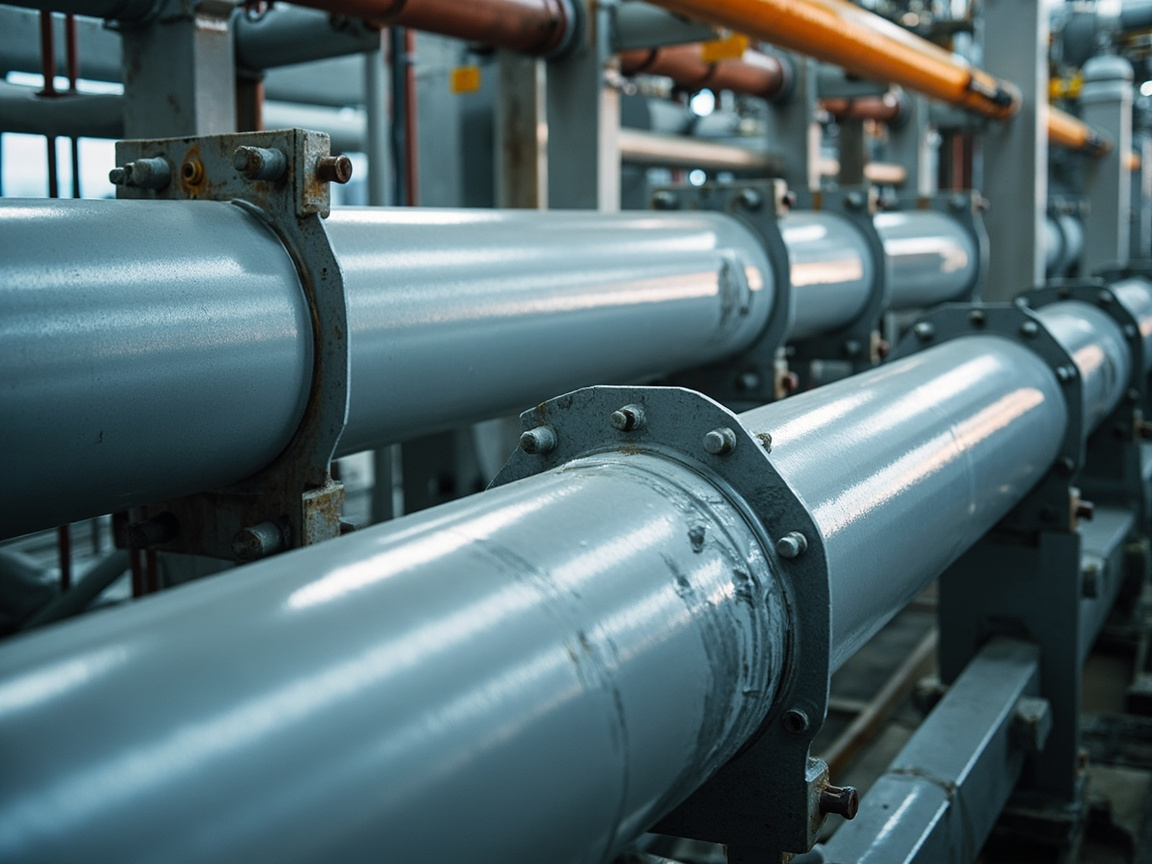
石化高温管道

1. 陰極防食(犠牲陽極)のメカニズム

塗膜の乾燥膜には70%以上の亜鉛粉末が含まれ、連続した導電ネットワークを形成します。亜鉛の標準電極電位(-0.76V)は鉄(-0.44V)より低いため、腐食が発生すると亜鉛が優先的に酸化され(Zn→Zn²⁺+2e⁻)、電子を放出して鋼材を陰極分極させ、免食電位に導きます——たとえ塗膜に3-5mmの損傷があっても、周囲の亜鉛粉末は露出した鋼材に持続的な電気化学的保護を提供し続けることができます。これにより、有機ケイ素耐熱塗料の防食性能は、物理的遮蔽のみに依存する一般的な防錆プライマーをはるかに超えています。
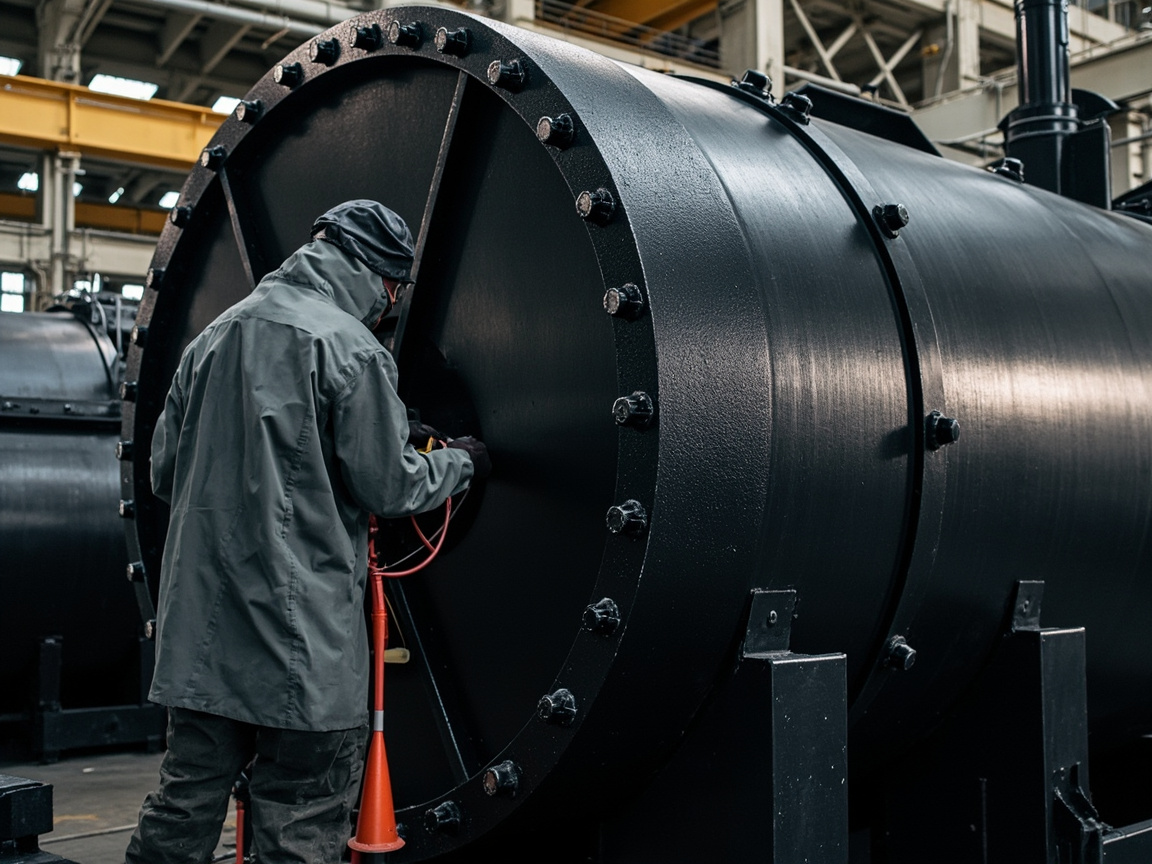
发电厂锅炉外壁

2. 優れた耐腐食性と耐久性

単一コーティングNSS≥400h(HG/T 3668 2類)、エポキシ雲母鉄中間塗料+ポリウレタン上塗りとの組み合わせ後、体系NSS≥1000h。ISO 12944-2のC5-M極高腐食環境(海洋飛沫帯)下での設計使用期間は15~25年。日本の明石海峡大橋は1998年に有機ケイ素耐熱塗料体系を採用し、25年以上経過した現在も塗膜は良好な状態を維持している——実際の使用期間は設計値をはるかに超えている。
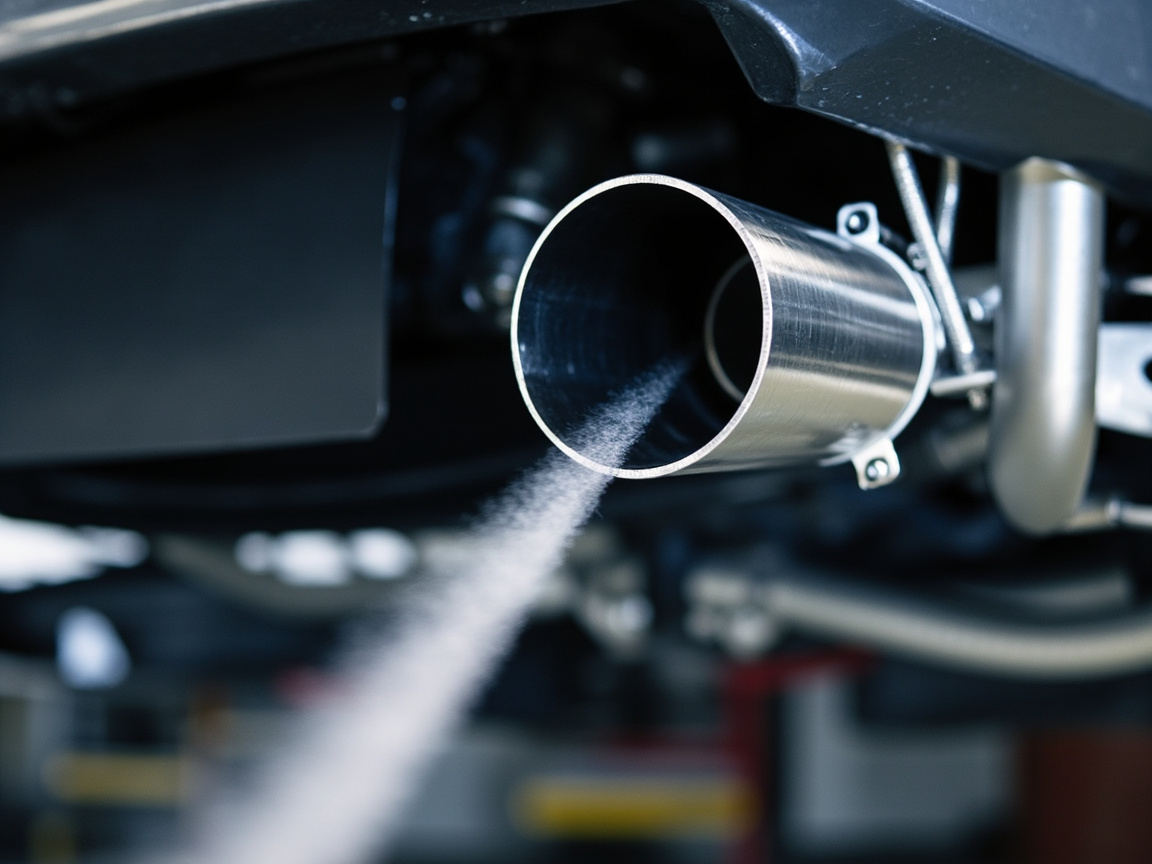
汽车排气管涂装

3. 優れた互換性

エポキシ雲母酸化鉄中間塗料(MIO遮蔽層)、ポリウレタン上塗り(耐候性装飾層)、フッ素樹脂上塗り(超耐候性≥25年)、ポリシロキサン上塗り(高耐候性+高耐薬品性)との間に優れた層間付着性(引張法≥5MPa)を有します。有機ケイ素耐熱塗料+エポキシ雲母酸化鉄中間塗料+上塗りは、ISO 12944-5体系において最も古典的な重防食3層配套方案です——プライマーは陰極保護を提供し、中間塗料は膜厚と物理的遮蔽を提供し、上塗りは耐候性と装飾性を提供します。
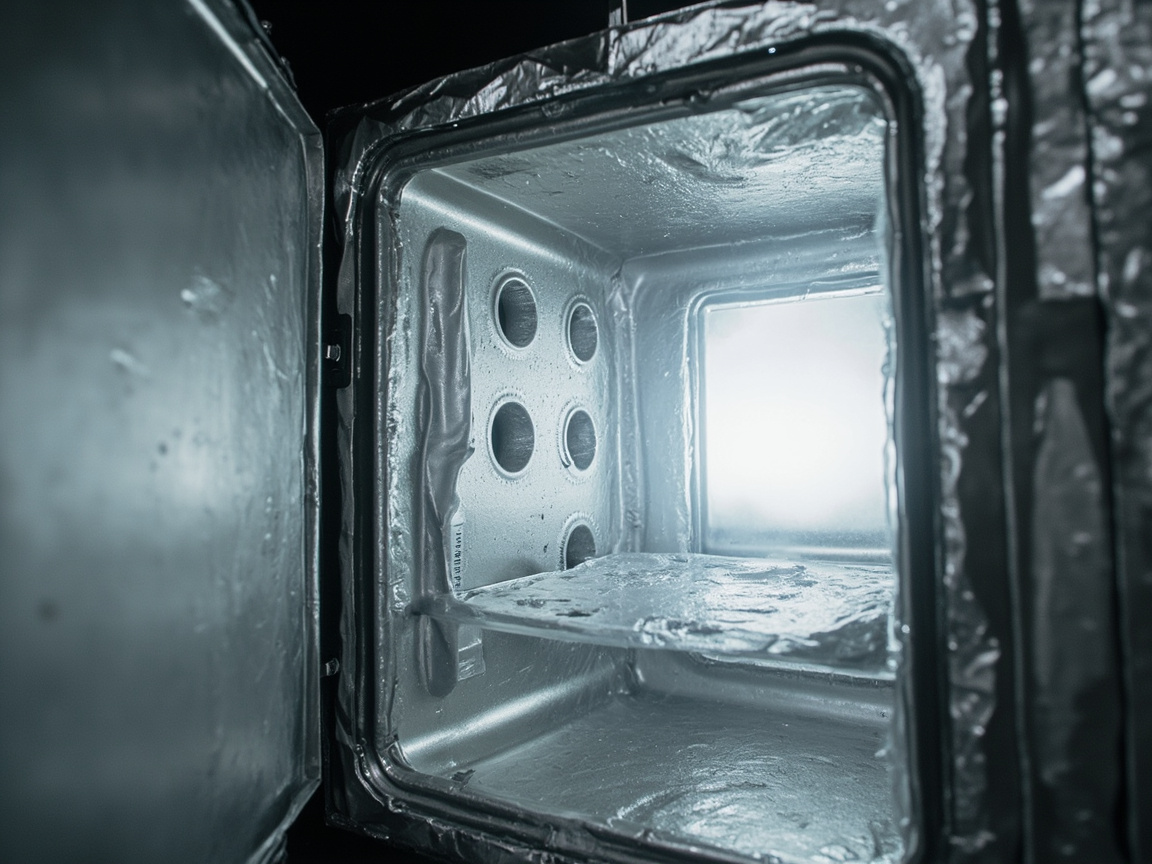
工业烘箱内壁

4. 建設現場への幅広い適応性

エアレススプレー(ノズル0.43-0.53mm、15-25MPa)、エアスプレー、刷毛塗り/ローラー塗り(小面積補修)に対応。1回塗りの乾燥膜厚60-80μm、混合比10:1(重量比)、可使時間4-8時間(23°C)。広い温度範囲での施工が可能(5-40°C)、低温用処方では-5°Cまで対応。スプレー塗装中は亜鉛粉の沈殿を防ぐため継続的な撹拌が必要——エア駆動撹拌機付き圧力タンクの使用により塗料の均一性を確保することを推奨。
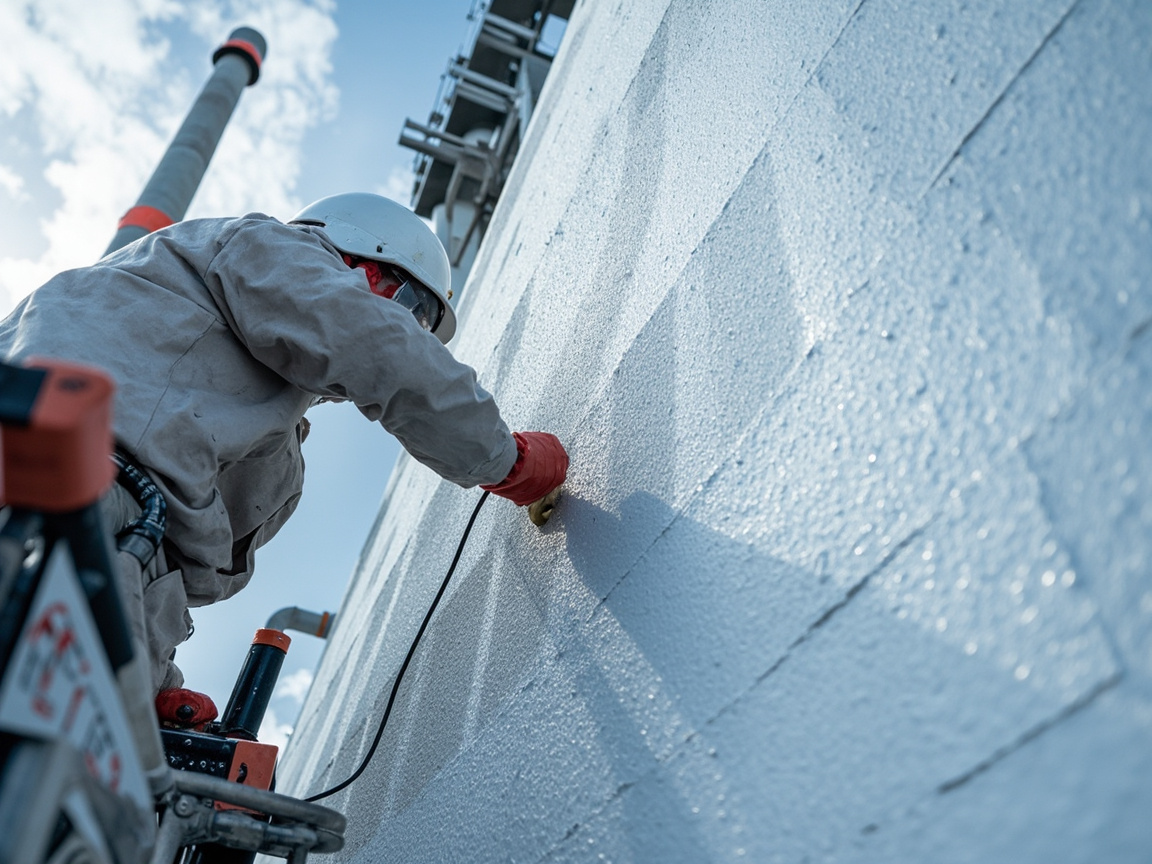
烟囱外壁防腐

5. ショッププライマーのはんだ付け性

Specialized formulation (dry film 15-25μm) can be used as a shop primer—after application in the steel structure prefabrication plant, the steel remains suitable for welding and cutting. Welding fumes comply with occupational exposure limits (GBZ 2.1-2019), and the pass rate of X-ray inspection of welds is not affected. Suitable for automated spray painting on steel structure production lines—parts can be handled and stacked within 3-5 minutes after spraying. Note: Only the specialized shop primer formulation is weldable—the standard type with a dry film thickness of 60-80μm is not suitable for welding.
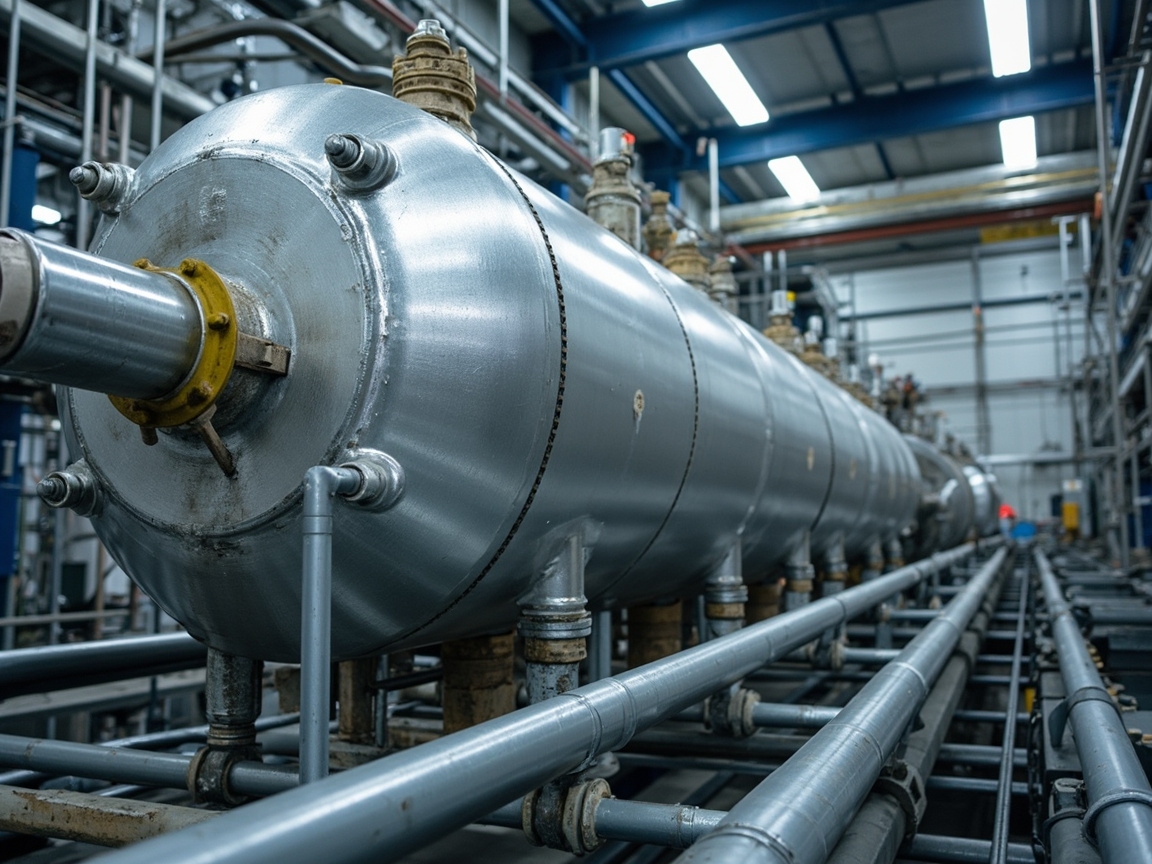
炼油厂反应器

6.環境コンプライアンス・グローバルスタンダード

HG/T 3668-2020(中国)規格クラス2、ISO 12944-5:2019システム番号A2.08/A3.08/A4.08、NORSOK M-501:2022(ノルウェー石油産業)システム1、SSPCペイント20(米国)亜鉛リッチプライマータイプII(亜鉛粉末77%以上)に準拠。VOCs<420g/L(GB 30981-2020),可合格ROHS 2011/65/EU和REACH (EC) 1907/2006コンプライアンスTesting。製品碳足迹约2.8kg CO₂e/kg(摇篮到大门,SimaPro 9.5计算)——低于無機リッチ亜鉛下塗り(3.5kg CO₂e/kg)。

技術Parameters

物理化学パラメータ

製品タイプ2液型エポキシポリアミド/亜鉛粉塗料(2K EP/Zn)
乾燥塗膜中の亜鉛末含有量70%以上(HG/T 3668-2020 カテゴリー2)
体積固形分60±3%(ISO 3233:1998)
質量基準固形分85±3%(GB/T 1725-2007)
密度(混合後)2.10-2.30 g/cm³(20°C)
混合比率(重量)Main agent: curing agent = 10:1
ポットライフ4-8h(23°C)/ 2h(35°C)
推奨ドライフィルム厚さ(DFT)60~80μm/チャンネル
理論塗布率0.17-0.22 kg/m²(75μm DFT)
VOC含有量<420 g/L(GB 30981-2020)
Packaging Specsベース剤30kg + 硬化剤キット3kg

乾燥と性能

指触乾燥時間≤1時間(23℃、GB/T 1728-2020 方法B)
乾燥硬化時間≤24時間(23℃、GB/T 1728-2020 方法A)
完全硬化7日間(23℃、DSC法によりTgが安定)
最小再塗間隔8h(23°C)
最大再塗間隔7 days (23°C; sand removal is required if the expiration date is exceeded)
プルオフ方式付着力≥6 MPa(ISO 4624:2016,dolly Ø20mm)
クロスカット付着≤1レベル(ISO 2409:2020、間隔1mm)
耐衝撃性≥50 kg·cm(GB/T 1732-2020)
中性塩水噴霧(NSS)耐性Single coating ≥400h / Complete system ≥1000h (ISO 9227:2022)
連続使用温度-20°C ~ 150°C
技術パラメータの根拠
• March 2024, National Coatings Quality Inspection and Testing Center Test Report (No.: NTC-2024-0315-ZR)
· HG/T 3668-2020「有機ケイ素耐熱塗料」第2類指標
この表のデータは、標準的な実験室条件下(23±2℃、50±5%RH)における代表値です。実際の値は、基材の状態、施工工程、環境条件によって若干異なる場合があります。バッチごとのCOA(認定証明書)については、テクニカルサポートまでお問い合わせください。

ApplicationProcess

1

表面処理

サンドブラスト処理はSa2.5(ISO 8501-1:2007)まで行い、表面粗さRzは40~75μmとする。手作業による錆除去はSt3以上とする。グリースはSSPC-SP1溶剤を用いて除去すること。プライマー塗布(RH)はサンドブラスト処理後4時間以内に完了すること。<50%可延至8h)。禁忌:雨天/雾天/下地温度低于露点3°C时禁止Application。

2

塗料調合

Stir the main agent for 3-5 minutes until the zinc powder is completely and evenly dispersed. Add the curing agent at a ratio of 10:1 (w/w) and continue stirring for 3-5 minutes. Let it stand for 15-30 minutes (23°C) to mature. Continuously stir during application to prevent zinc powder from settling—a pneumatic mixer is recommended. The mixed usable period is 4-8 hours (23°C). Do not dilute and use materials that have gelled beyond this period.

3

下塗り施工

Airless spraying (recommended): Nozzle 0.43-0.53mm/0.017-0.021", pressure 15-25MPa. Air spraying: Nozzle 1.5-2.0mm, pressure 0.3-0.5MPa. Brush/roller coating is only suitable for small-area pre-coating and repair. Single-coat DFT 60-80μm. Pre-coat welds, free edges, etc.

4

乾燥と塗り重ね

表面乾燥 ≤ 1 時間 (23 °C)、完全乾燥 ≤ 24 時間。最小再塗装間隔 8 時間 (23 °C)。最大再塗装間隔 7 日—この間隔を超えると、表面の亜鉛塩 (塩基性炭酸亜鉛) を除去するためにサンドブラスト (低圧 0.2 ~ 0.3 MPa、非金属研磨材) が必要になります。マッチング: エポキシ雲母状酸化鉄中間コート 100 ~ 150 μm → ポリウレタン/フッ素樹脂トップコート 50 ~ 80 μm × 2。

5

検査・検収

DFT measurement (ISO 2808:2019, SSPC-PA2): 80% of measuring points ≥ specified value, no measuring points<80%规定值。付着性Testing(ISO 4624 プルオフ試験或ISO 2409クロスカット法)。ピンホール検知(湿式スポンジ法,67.5V/90V)。外観検査:无流挂/漏涂/起泡/缩孔/亜鉛粉不均匀。

用途Field/Area

高温漆喷涂施工

Petrochemical high-temperature pipelines

銀色アルミ粉耐熱コーティング、配管設備の保温・防食

管道法兰和阀门

発電所ボイラー外壁

大型ボイラー設備、黒色耐高温コーティング

焚烧炉外壁

Automotive Exhaust Pipe Coating

銀色耐熱コーティング、自動車排気システム部品

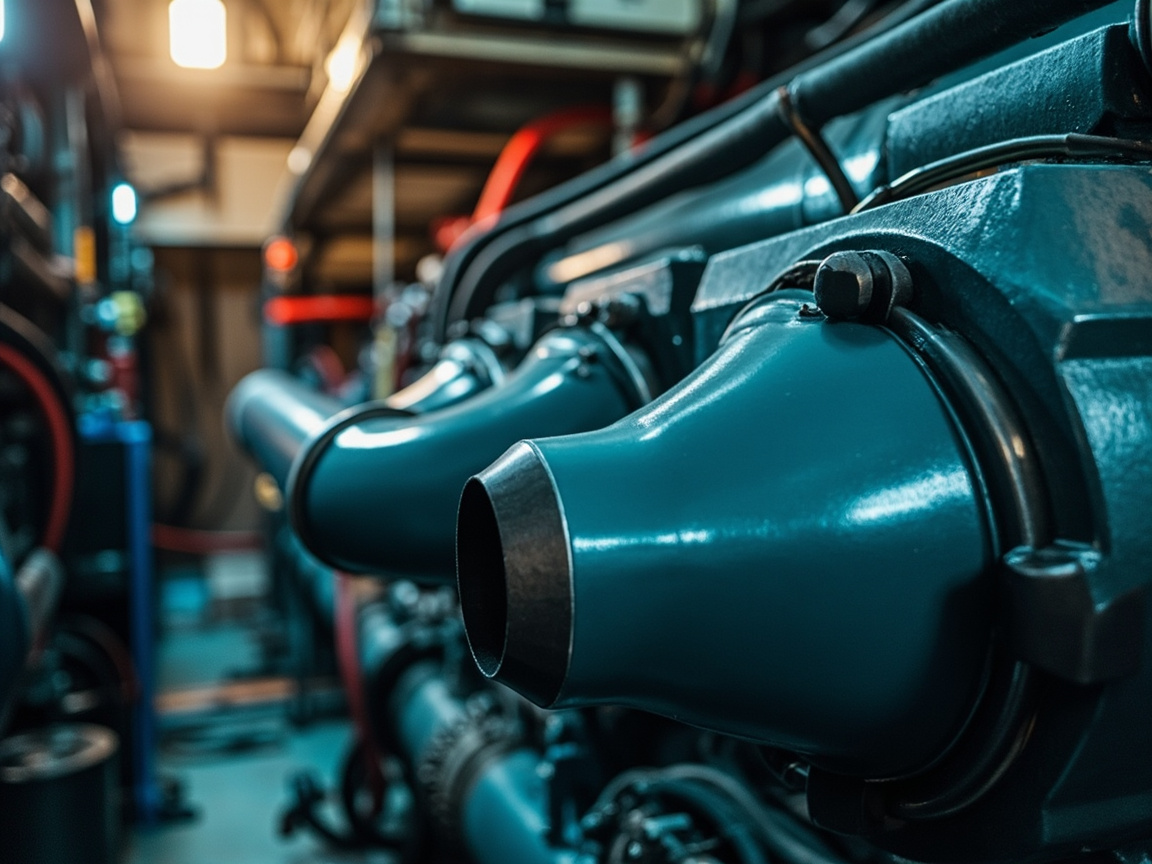
船舶发动机排气管

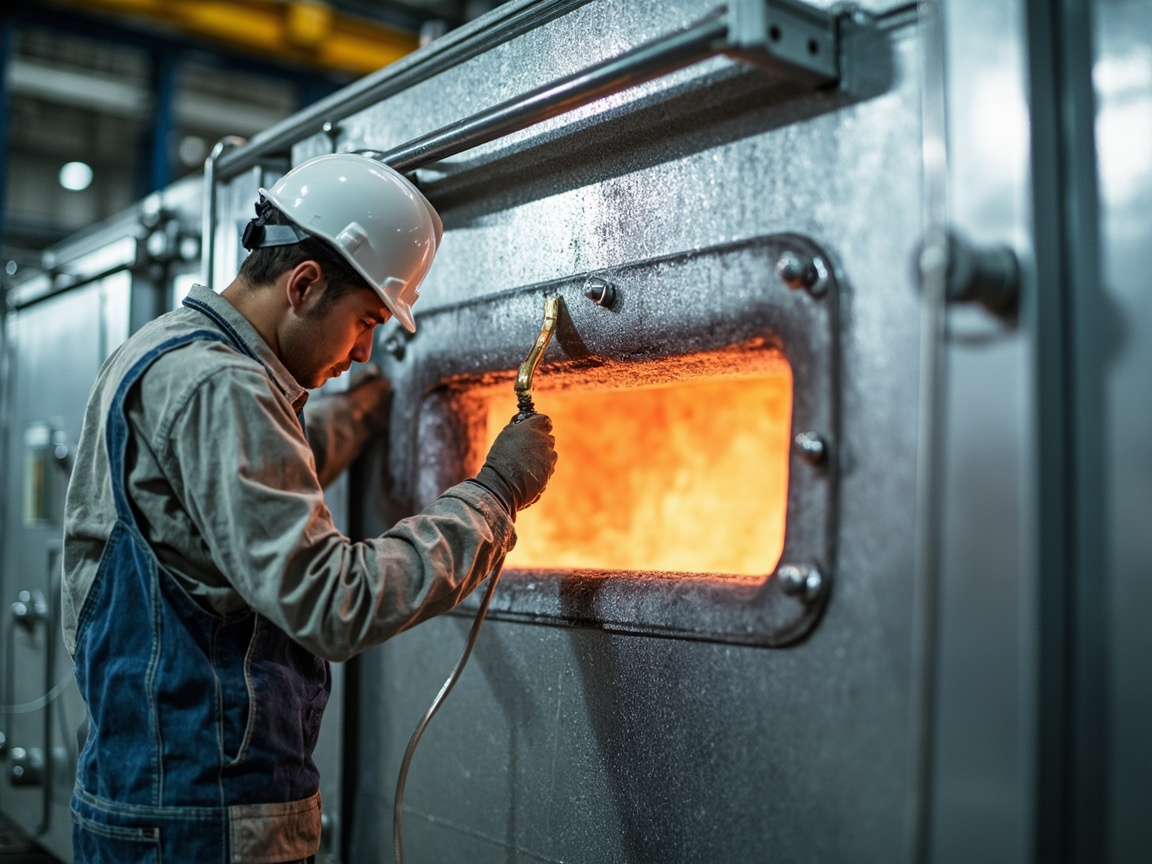
Industrial Oven Interior Walls

高温設備内部の銀色コーティング保護

高温漆生产线

Chimney Exterior Anti-Corrosion

高層煙突構造、銀色耐熱防食コーティング

集中供热管道

Refinery Reactors

大型化学設備、銀色耐高温保護コーティング
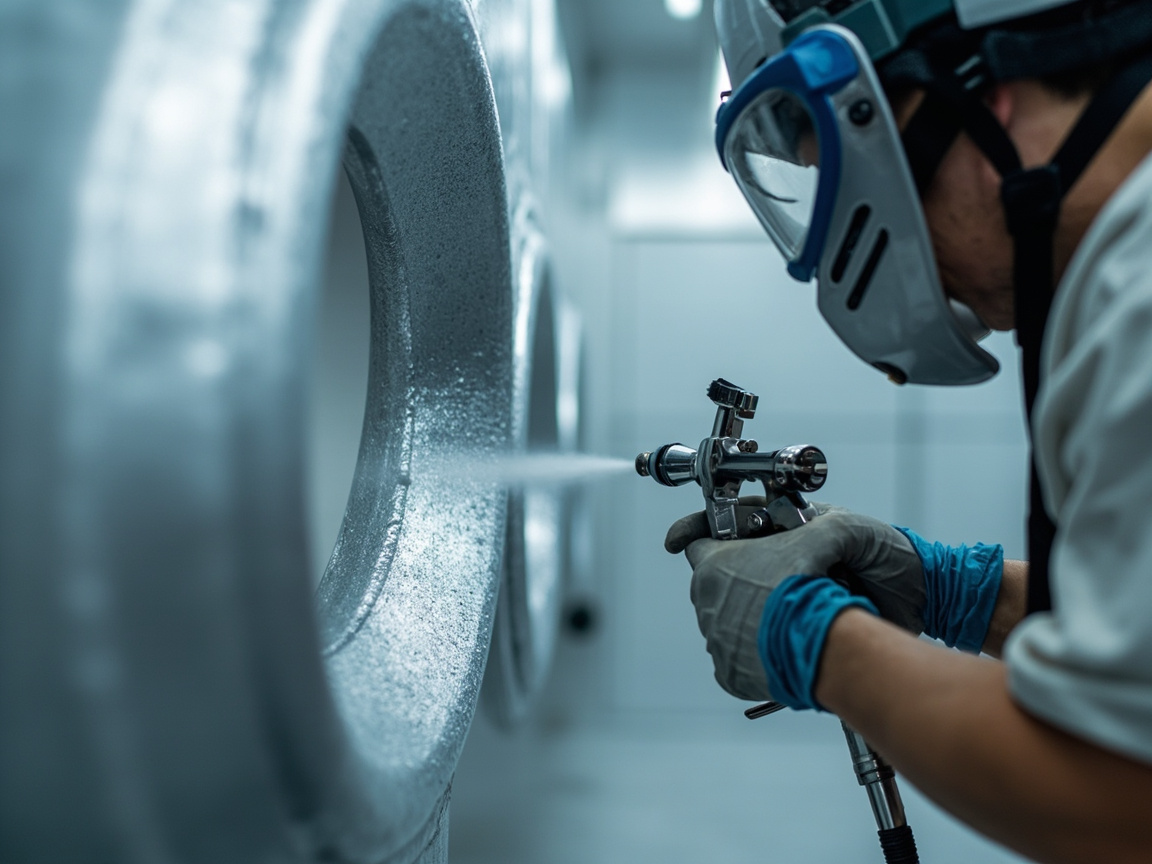
风电塔筒

High-Temperature Paint Spraying Application

スプレーガンで銀色塗料を吹付、作業員保護装備
船舶与海洋工程

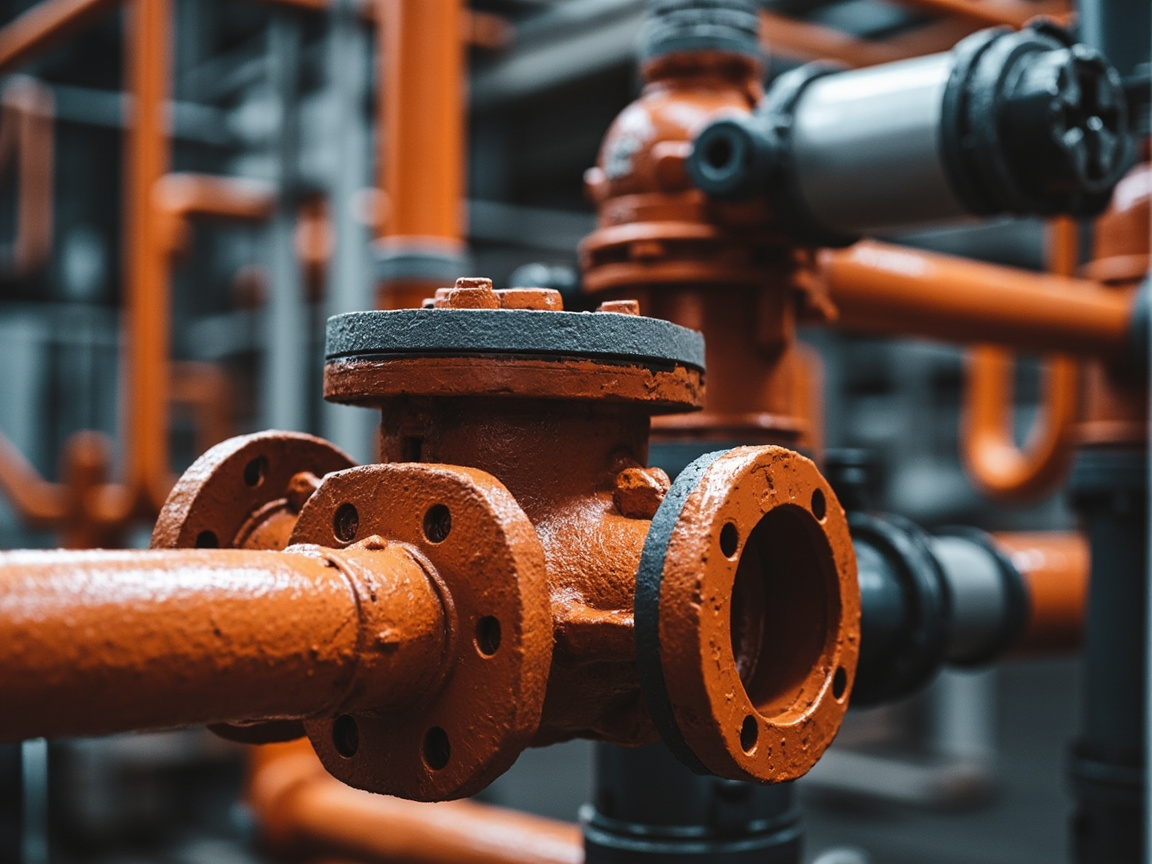
Pipe Flanges and Valves

高温配管継手の耐熱塗装保護
管道防腐

焚烧炉外壁

産業用焼却設備、シルバー耐高温保護

矿山与工程机械

船舶エンジン排気管

Heat-resistant coating for high-temperature equipment in ship engine rooms
化工装置

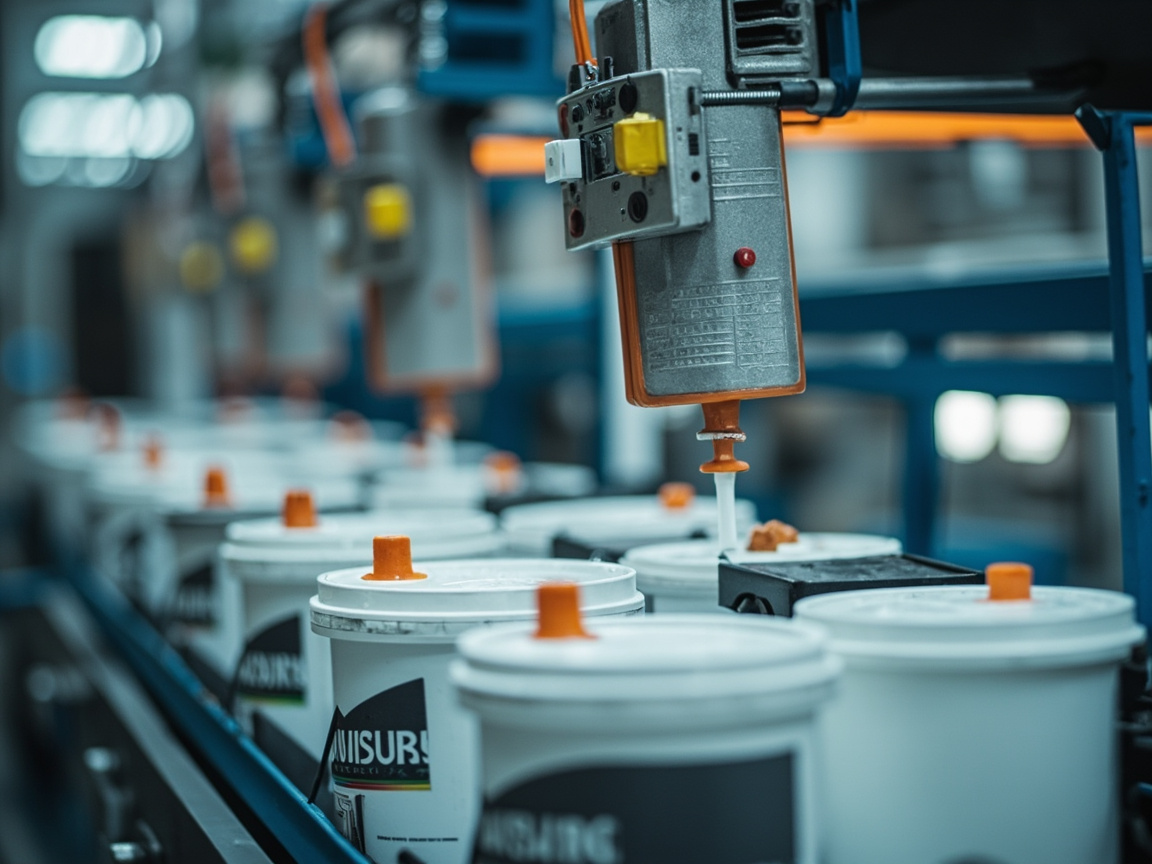
高温塗料生産ライン

Paint bucket filling and packaging, factory production quality inspection
水处理设施

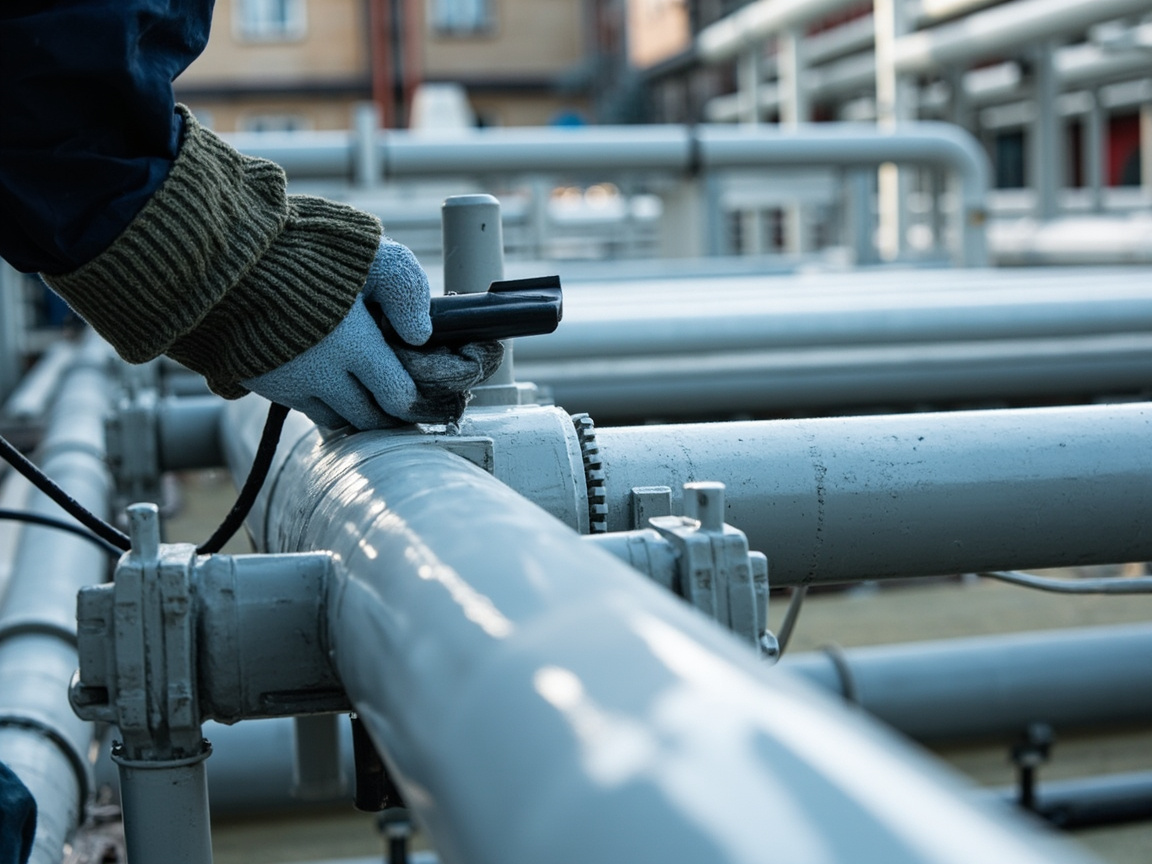
Central heating pipeline

都市熱供給網、シルバー耐高温コーティング

よくある質問

The anti-corrosion mechanism of silicone high-temperature resistant paint is based on the electrochemical cathodic protection principle: the high content (≥70%) of zinc powder particles in the coating forms conductive pathways among themselves and conducts with the steel substrate. Since the standard electrode potential of zinc (-0.76V) is more negative than that of iron (-0.44V), zinc oxidizes preferentially when corrosion occurs: Zn→Zn²⁺+2e⁻. The released electrons flow through the conductive network to the steel surface, causing cathodic polarization—effective protection is achieved when the potential drops below -0.85V (vs Cu/CuSO₄). If the zinc powder content is insufficient (<60%),亜鉛粉颗粒被エポキシ樹脂绝缘包裹无法形成连续导电通路——陰極保護失效——Coating仅剩物理屏蔽功能,Anticorrosive寿命大幅缩短。这就是HG/T 3668規格严格要求亜鉛粉含有量的原因:第1类≥80%(高Anticorrosive),第2类≥70%(規格重Anticorrosive),第3類≥60%(一般Anticorrosive)。
単独では使用できません。Three reasons: (1) A single layer of silicone high-temperature resistant paint exposed to acidic (acid rain pH<5.6)或碱性(コンクリート渗出碱液)Environment中,亜鉛粉会被Quick化学消耗(反应速率较中性Environment快3-10倍),丧失陰極保護能力。エポキシ雲鉄中塗り塗料(MIO板状充填剤层叠排列形成"迷路効果(迂回路効果)")Provides物理屏蔽层——保護亜鉛粉不过早消耗。(2)エポキシ樹脂含芳香醚键——紫外光(290-400nm)照射下3-6か月即开始光氧化降解——粉化/变色/失光。ポリウレタン/フッ素上塗り(含UV吸收剂和HALS光稳定剂)Provides耐候保護。(3)推奨塗装システム总DFT更厚(≥280μm)——Anticorrosive等级更高。ISO 12944-5推荐的重Anticorrosive適合する:シリコーン耐熱塗料60-80μm + エポキシ雲鉄中塗り塗料100-150μm + ポリウレタン上塗り50-80μm×2。
According to HG/T 3668-2020, three types of zinc content are selected: Type 1 (≥80%) — suitable for C5/CX extremely corrosive environments (offshore splash zones, tidal zones, chemical plant acid mist areas) or major projects with a design life >25 years. It offers the highest cathodic protection efficiency, but excessive zinc powder increases internal stress and reduces flexibility (flexibility ≥3mm vs. Type 2's ≥2mm), and has the highest unit price. Type 2 (≥70%) — a general heavy-duty anti-corrosion primer suitable for C4-C5 environments (coastal industrial areas, sea-crossing bridges, petrochemical storage tanks), offering the best cost-performance ratio — an optimal balance between anti-corrosion performance and mechanical properties. Recommended for most industrial projects. Type 3 (≥60%) — suitable for C3-C4 environments (urban atmosphere, ordinary industrial plants) with general anti-corrosion requirements. Can be selected if the budget is limited and the environmental corrosion level is low. Selection suggestion: When in doubt, choose Type 2 (70%) — the safest universal option.
Zinc powder has a high density (7.14 g/cm³) and tends to settle easily in low-viscosity epoxy resin solutions. Solutions: (1) After opening the container, thoroughly stir with an electric/pneumatic stirrer for ≥5 minutes—completely lift the zinc powder from the bottom until no sediment remains. (2) After adding the hardener, continue stirring for 3-5 minutes until the mixture has a uniform color. (3) Maintain continuous low-speed stirring throughout the application process—a pressure tank with a pneumatic stirrer (rotation speed 30-60 rpm) is recommended to prevent zinc powder from re-settling during spraying, which could cause inconsistent zinc content between the initial and final spray. (4) Paint that has settled and hardened into lumps—do not forcibly stir for use (the zinc powder has separated from the resin and may form lumps, leading to pinholes, uneven zinc distribution, and reduced adhesion after spraying). Paint that has exceeded its mixed pot life and shows gelation—must be discarded. It is recommended to prepare the paint as needed (estimate usage within 2 hours), in small, multiple batches.
シリコーン耐熱塗料When exposed to air, surface zinc powder reacts with CO₂ and H₂O to form basic zinc carbonate ("white rust"). After 7 days (23°C, 50%RH), the following treatment is required: (1) Visual inspection — white powdery zinc salts must be removed by sweep blasting using low pressure (0.2-0.3MPa) non-metallic abrasive (garnet/alumina) to remove the zinc salt layer and create 20-30μm roughness. (2) For coatings within 6 months without visible zinc salts — light sanding (180-240 grit hand sanding) is sufficient. (3) If the coating shows extensive chalking/rusting/peeling — complete blast removal and reapplication is required. Prevention: Complete intermediate coat application within the minimum recoat interval (8-24h) when the primer surface still has active amine groups (incompletely crosslinked), achieving optimal intercoat adhesion without sanding.
核心的な違い:成膜物が異なる。Epoxy zinc-rich — organic epoxy resin + polyamide curing agent; inorganic zinc-rich — inorganic ethyl silicate/lithium silicate hydrolysis condensation. Selection comparison: (1) Anti-corrosion performance: Inorganic zinc-rich primer (zinc content ≥85%) offers higher cathodic protection efficiency, certified under NORSOK M-501 and SSPC Paint 20 Type I (inorganic) — Type II (organic). Both can achieve equivalent anti-corrosion grades, but inorganic is slightly superior. (2) Application tolerance: Epoxy zinc-rich >> inorganic zinc-rich. Epoxy can be applied at 5–40°C/RH<85%宽条件Application;无机对RH要求苛刻——RH需50-90%(ケイ酸エチル水解需要水分),低温(<5°C)和低湿(<40%)均无法正常硬化——施工ウィンドウ窄。(3)层间付着性:エポキシ亜鉛富装+エポキシ雲鉄中塗り塗料的层间结合力(>5 MPa) is superior to inorganic zinc-rich + epoxy intermediate paint (possibly due to the porous nature of the inorganic coating increasing the contact area, but also potentially leading to insufficient adhesion due to surface chalking—requiring sweep blasting). (4) Cost: Epoxy zinc-rich is approximately 0.7–0.8 times the cost of inorganic zinc-rich. Selection recommendations: For conventional heavy-duty anti-corrosion projects, choose epoxy zinc-rich (easy application + high cost-effectiveness); for extreme marine environments (splash zone/tidal zone) or top-tier projects with a design life of ≥30 years—choose inorganic zinc-rich + sealer + epoxy intermediate coat + polysiloxane topcoat.

工事事例

中石化镇海炼化高温管道有机硅涂料
Sinopec · 2017

中石化鎮海煉化高温配管用有機ケイ素塗料

顧客Sinopec Zhenhai Refining & Chemical Branch
下地Carbon steel high-temperature pipeline Sa2.5 grade operating temperature 350°C
System有機ケイ素耐熱プライマー+トップコート シルバーピンク色 各50μm
CertificationHG/T 4564-2013 有機ケイ素耐熱塗料規格
AreaApproximately 92,000 m² (catalytic cracking/hydrotreating unit pipelines)
設計耐用年数
华能玉环电厂锅炉外壁有机硅耐高温涂装
Huaneng · 2019

華能玉環発電所ボイラー外壁有機ケイ素耐熱塗装

顧客Huaneng Power International, Inc. Yuhuan Power Plant
下地ボイラー鉄骨構造/外壁 サンドブラストSa2.5級
System有機ケイ素耐熱塗料プライマー+トップコート 黒色 各40μm
CertificationPassed 400°C high-temperature resistance test + GB/T 1735
AreaApproximately 65,000 m² (4×1000MW ultra-supercritical units)
設計耐用年数
上汽集团排气管耐高温漆涂装线
SAIC · 2020

上汽集団排気管耐高温塗装ライン

顧客SAIC Motor Corporation Limited
下地自動車排気管/マフラー 409/439ステンレス鋼
Systemシリコーン耐高温銀粉塗料 単層20-30μm
Certification600°C熱サイクル試験+塩水噴霧試験に合格
Area約500,000本/年(排気管/マフラー/三元触媒ケース)
設計耐用年数自動車と同等寿命(500-800°C排気温度)
中海油惠州石化延迟焦化装置耐高温防腐
CNOOC · 2018

中海油恵州石化遅延コーキング装置耐高温防食

顧客CNOOC Huizhou Petrochemical Co., Ltd.
下地コークスタワー/加熱炉外壁 Sa2.5級
Systemシリコーン耐高温アルミ粉塗料 プライマー+トップコート 各50μm
Certification500°C耐熱 + NACE TM-0404 高温サイクル
Area约38,000 m²(焦化装置+加热炉+Pipeline)
設計耐用年数8 years (480°C + sulfur-containing and coke particle erosion)

シリコーン耐高温塗料·工場直販

無料サンプルテスト・カスタマイズされた技術ソリューション・現場での施工指導・ISO 9001認証工場・48時間以内の迅速対応

無料サンプルテスト
技術ソリューションのカスタマイズ
48時間以内の迅速出荷
ISO 9001認証

関連記事とニュース

関連記事:Kexin新素材の技術記事と業界動向