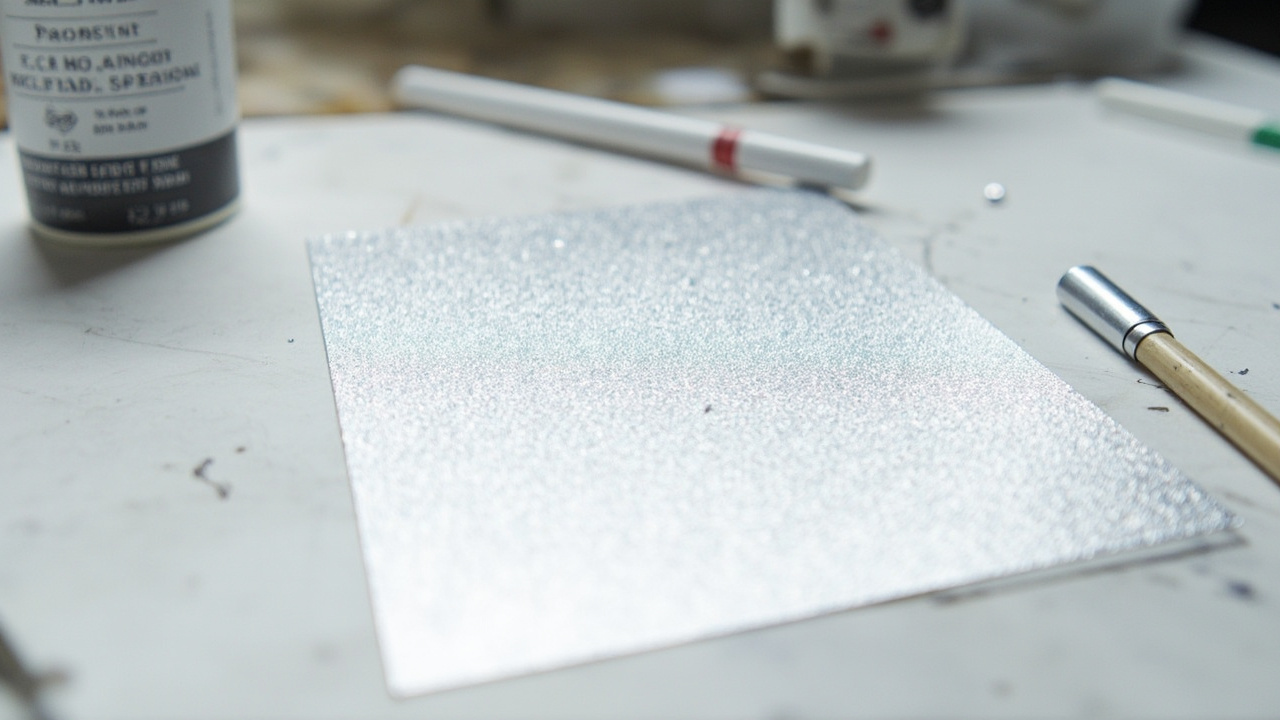
Water-based aluminum paste (commonly known as water-based silver paste) is the "effect pigment heart" of water-based metallic paint, water-based ink, and water-based industrial coating. Its fundamental difference from ordinary solvent-based aluminum paste is that the aluminum flakes must remain stably in water without reacting with it—aluminum slowly hydrolyzes and generates hydrogen when exposed to water, its surface passivates and darkens; mildly, the flop collapses, severely, the can swells and may explode. Therefore, the core technology of water-based aluminum paste does not lie in the "aluminum", but in the "coating": how to dress each aluminum flake in a "garment" that is stable in the aqueous phase yet does not affect its metallic reflection. This article breaks down the coating routes, stabilization mechanisms, application difficulties, and selection of water-based aluminum paste, to help formulators and purchasers avoid pitfalls.
Kexin New Materials (Guangdong) Co., Ltd. has laid out for many years in water-based metallic effect coatings, with systematic experience in the adaptation and batch stability of water-based aluminum paste; its water-based metallic paint production line is precisely built upon a deep understanding of flake coating and interface stabilization. Its production base in Foshan has accumulated extensive process know-how along the full chain of "aluminum flake—coating—resin—application", and can provide stable water-based metallic effect solutions for different pH, temperature, and substrates.
I. Physical and Chemical Nature of Aluminum Flakes
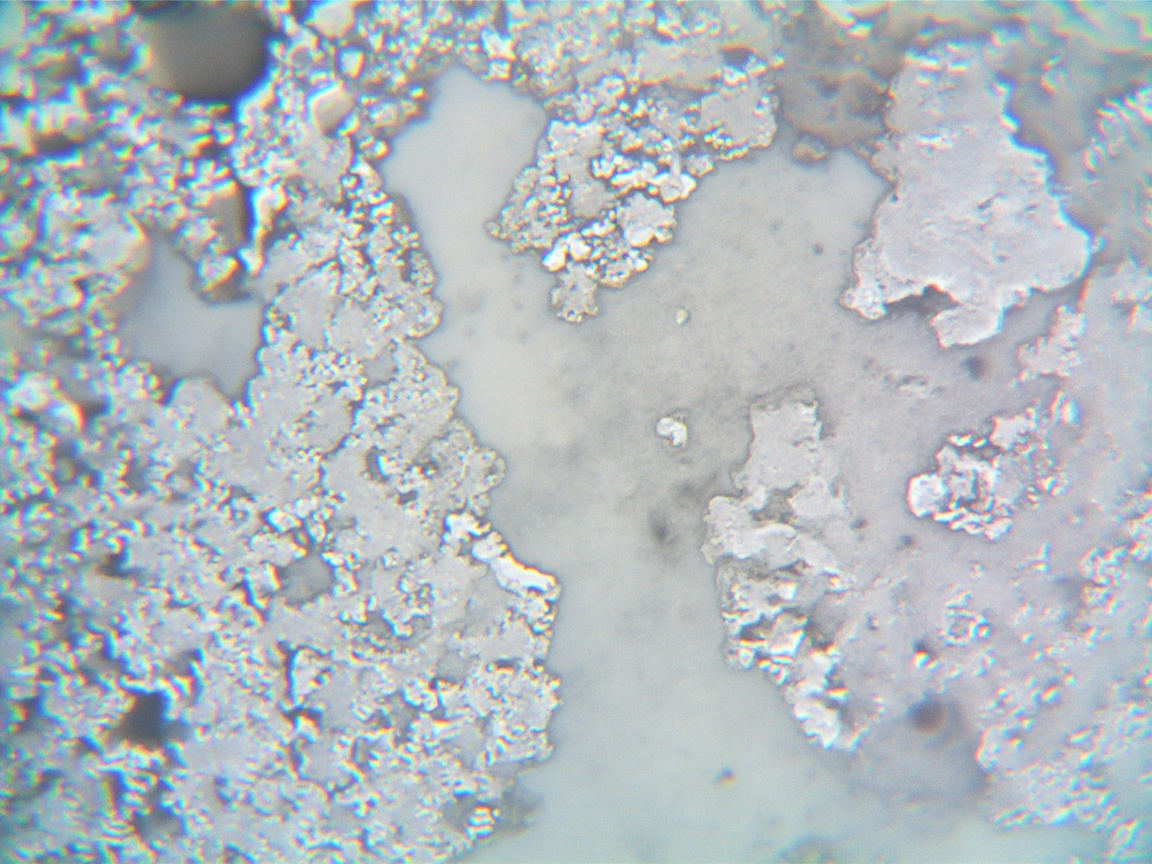
The core of aluminum paste is the aluminum flake, which is made from atomized aluminum powder extended by ball milling or hammer milling into scale-like particles only 0.1–0.5 microns thick, with an aspect ratio (diameter to thickness) often as high as 50–200. It is precisely this extreme flake morphology that allows the flakes to align parallel in the coating film, reflecting incident light directionally like countless tiny mirrors, creating metallic sparkle and angle-dependent color (flop). Aluminum's natural reflectivity is balanced across the full spectrum, especially high in the visible range, thus presenting a neutral silver-white. But aluminum is also one of the most active metals with the highest crustal abundance, with a standard electrode potential of about -1.66 V, thermodynamically extremely prone to oxidation. It spontaneously forms a dense alumina (Al₂O₃) passivation film a few nanometers thick in air, which is exactly why aluminum "seems stable"; however, once this film has defects, cracks, or is locally destroyed in a polar aqueous phase, the exposed aluminum substrate rapidly participates in reactions. Understanding the four attributes of aluminum flakes—"thin, bright, brittle, active"—is the starting point for understanding all difficulties in water-based systems: thin makes it sparkle yet easily broken, bright makes it valuable yet fearful of reactive deactivation, active makes it change upon contact with water, brittle makes it extremely sensitive to shear.
From the manufacturing side, the morphology of aluminum flakes is determined by three stages: "atomization—grinding—polishing". Atomized aluminum powder is produced by high-pressure gas atomization of molten aluminum into spherical particles, then extended into flakes in a ball mill with stainless steel or ceramic ball media; the type of grinding media, filling rate, and grinding duration directly determine the aspect ratio and surface smoothness; the smoother the surface, the stronger the specular reflection and the brighter the flop. A small amount of fatty acid (e.g., stearic acid) is often added during grinding as a lubricant and surface modifier; this natural organic film is actually the prototype of "primitive coating", but it is far from sufficient protection in the aqueous phase and must be followed by water-based specific coating. It is worth mentioning that the thickness distribution and edge flatness of the flakes also affect their charging and flight behavior in an electric field (electrostatic spraying), which is why high-end water-based silver paste requires edge shaping. Kexin New Materials in Foshan has stable control over the particle size and morphology of aluminum flake precursors, effectively moving the defense line of "stability" to the birth of the flakes, rather than remedying only at the coating stage.
II. Why Water Attacks Aluminum: Hydrolysis and Hydrogen Generation Mechanism
The essence of aluminum reacting with water is not "aluminum directly dissolving in water", but aluminum being continuously oxidized by hydrogen ions or protons in water in the presence of water. The most commonly cited overall reaction is 2Al + 6H₂O → 2Al(OH)₃ + 3H₂↑, but the actual process is far more complex. In neutral or weakly alkaline aqueous phases, the alumina film on the aluminum surface undergoes hydroxylation; OH⁻ attacks the Al–O bond, causing local dissolution of the oxide film and exposing fresh aluminum; the fresh aluminum couples electrochemically with water, aluminum loses electrons to become Al³⁺, and water gains electrons to release H₂. The rate of this process is governed by the integrity of the film, solution pH, temperature, concentration of conductive ions (e.g., Cl⁻, Na⁺, Ca²⁺), and oxygen supply. Notably, the reaction is not constant: when local pH fluctuates due to aluminum hydroxide formation, or temperature rises from reaction heat, the rate increases exponentially, showing autocatalytic characteristics. More insidiously, the edges, pinholes, and impact defects of the flakes are "hot spots" for reaction; these sites corrode first, then tear the surrounding passivation film, forming chain destruction. So "water attacks aluminum" is not an occasional accident, but a thermodynamic inevitability of aluminum in aqueous phase; what water-based aluminum paste must do is to completely seal this inevitable corrosion pathway through artificial coating and system buffering.
III. Safety Risks of Hydrogen Generation and Can Swelling
The most direct consequence of hydrogen generation is the accumulation of internal pressure in packaging. Water-based aluminum paste is usually sealed in plastic drums or tinplate cans as high-solid slurry, with a small amount of headspace air and dissolved oxygen in the drum. When the flakes slowly release hydrogen due to insufficient coating or system imbalance, the headspace pressure gradually rises, manifesting as drum bulging and seal lifting, commonly known as "can swelling" or "bulging can". In scenarios such as high-temperature summer transport and container exposure, the drum temperature can reach 50–70 ℃, and the hydrogen evolution rate multiplies; in extreme cases, closed containers have a risk of rupture, which is a hazard that must be strictly controlled in hazardous chemical transport and storage. In addition, if the released hydrogen accumulates to the explosion limit (about 4%–75% by volume) in a closed paint-mixing room, it may cause combustion and explosion upon electrical sparks. Therefore, from factory to terminal application, water-based aluminum paste requires a "gas generation test": seal the sample in a graduated gas burette or pressure-resistant can, record the gas volume under specified temperature and time; the hydrogen evolution of qualified products must be below a threshold (often in mL/100g·day). Kexin New Materials executes strict gas generation and storage validation for each batch of water-based silver paste at its Foshan production line, precisely to suppress can-swelling risk to near zero, which is also the basic threshold for its water-based metallic paint to stably deliver to whole-vehicle and export customers.
IV. Underlying Logic of Coating Technology: Physical Isolation plus Chemical Passivation
The coating of water-based aluminum paste is not simply "painting a layer of paint on the flakes", but built upon the dual logic of "physical isolation + chemical passivation". Physical isolation refers to using a continuous, dense film to separate the aluminum substrate from water, oxygen, and ions, so that corrosive media cannot contact aluminum; chemical passivation refers to inducing or retaining a stable oxide/conversion film on the aluminum surface, pushing the electrode potential of aluminum into the passivation region, thermodynamically suppressing reaction. An excellent coating layer must simultaneously meet several contradictory requirements: first, dense enough to block penetration of water and ions; second, thin enough to not sacrifice flake reflectivity and flop; third, compatible with water-based resin and additives, neither flocculating nor being dissolved by resin; fourth, long-term stable within the application window of pH 7–9 and temperature 40–80 ℃; fifth, heavy-metal-free and compliant with RoHS, REACH, and other regulations. These five constraints determine that the coating process is a typical "multi-objective optimization" problem, and also explain why the quality of water-based silver paste on the market varies greatly—with the same flakes, a slight difference in coating process leads to a huge gap in storage stability and appearance.
V. Organic Coating Routes: Silane and Phosphate Ester
Organic coating is currently the route with the highest market share; the core is using silane coupling agents or phosphate ester compounds to self-assemble a monolayer-to-multilayer hydrophobic film on the aluminum surface. Silanes (such as γ-aminopropyltriethoxysilane KH-550, vinyltrimethoxysilane, etc.) hydrolyze in aqueous or alcohol-water mixed phases to generate silanols, then condense with hydroxyl groups on the aluminum surface, forming Si–O–Al bonds for anchoring, and extending organic long chains outward to provide hydrophobicity and compatibility. Phosphate esters form a phosphate conversion layer on the aluminum surface via P–O–Al bonds, combining passivation and hydrophobicity. The advantage of organic coating is relatively simple process, low cost, and little effect on flop, because the film is extremely thin (often less than 10 nm); the disadvantage is generally poor alkali resistance—the film easily desorbs in systems with pH > 10 or containing strong alkali, and its tolerance to long-term baking at high temperature (>150 ℃) is limited. Therefore, organically coated water-based silver paste is mostly used in room-temperature or medium-low-temperature curing, neutral-to-weakly-alkaline water-based acrylic or PU systems. In formulation, note: if the hydrolyzable groups remaining in silane are not fully condensed, they instead become "channels" for water; therefore, after coating, aging and washing are often required to remove free silanols, which is the technical blind spot where many low-price silver pastes fail in stability.
VI. Inorganic Nano Coating: Silica and Alumina Armor
Inorganic nano coating is the main force in alkali-resistant and high-temperature directions; the typical method is using sol-gel to deposit a layer of silica (SiO₂) or alumina (Al₂O₃) nanoparticles on the flake surface, forming a dense ceramic-like armor. Taking silica coating as an example, tetraethyl orthosilicate (TEOS) is commonly hydrolyzed and condensed under ammonia or acid catalysis to uniformly grow a 20–80 nm SiO₂ layer on the flake surface; this inorganic shell not only completely blocks contact between water and aluminum, but also pushes the temperature resistance limit of aluminum above 200 ℃, and significantly improves alkali and salt-spray resistance. Alumina coating is often achieved by in-situ hydrolysis of aluminate or aluminum alkoxide, homologous to the substrate with stronger bonding. The cost of inorganic coating is: nanoparticles scatter part of the incident light, slightly reducing flake reflectivity and whiteness and lightness (L*), and the purity of flop is also discounted; at the same time, the inorganic shell increases specific surface area, demanding more dispersant, and cost is significantly higher than the organic route. Therefore, inorganic coating is mostly used in electrocoat matching, industrial high-temperature baking, strong-alkali cleaning environments, or heavy-duty anti-corrosion metallic paint with relatively loose appearance requirements. For some industrial heavy-duty anti-corrosion water-based systems, Kexin New Materials specifically recommends inorganic or composite coated silver paste to match the service-life requirements under harsh working conditions.
VII. Chrome-free Coating and Regulatory Drive
Traditional metal anti-corrosion passivation heavily relied on hexavalent chromium (Cr⁶⁺) conversion films, because they form dense films with strong self-healing ability. But hexavalent chromium is a clear carcinogen; the EU's RoHS, REACH, and the automotive industry's IMDS, ELV directives have long listed it as strictly restricted, and China's "Administrative Measures on the Restriction of Hazardous Substances in Electrical and Electronic Products" aligns equivalently. This means the early "chromium-passivated aluminum flake" route has been eliminated in water-based systems. Current mainstream chrome-free coatings shift to: zirconium-titanium systems (Zr/Ti conversion film), silane-rare earth composites, zinc phosphate/calcium phosphate, and the aforementioned silica/alumina inorganic shells. Among them, silane-rare earth (e.g., cerium Ce⁴⁺ inhibition) composites are considered strong chromium substitutes because they combine passivation and hydrophobicity and rare earths are environmentally friendly. Chrome-free is not simply "removing chromium", but after losing chromium's self-healing property, using thicker coating and stricter system control to compensate for the protection gap, which is also one of the fundamental reasons why water-based silver paste relies more on overall formulation synergy than solvent-based. Export-oriented coating enterprises, when selecting water-based aluminum paste, must request chrome-free declarations and third-party test reports to avoid product return due to heavy metal exceedance.
VIII. Composite Coating: Organic and Inorganic Synergy
Composite coating is the evolution direction of high-end water-based aluminum silver paste. The approach is "inorganic primer, organic capping" or "organic primer, inorganic reinforcement". Typical process: first deposit a thin layer of SiO₂ nano shell on the aluminum surface to provide an alkali-resistant and temperature-resistant skeleton, then use silane or a special polymer to coat a hydrophobic organic film on the outside to improve compatibility with the resin and reduce surface energy; or conversely, first passivate the aluminum surface with phosphate, then use sol-gel to supplement an inorganic thin shell to seal defects. The advantage of composite coating is to maximize strengths and avoid weaknesses—the inorganic layer is responsible for "hard protection", and the organic layer is responsible for "soft compatibility". After the two are superimposed, they can survive under high pH and high temperature without significantly sacrificing flop and dispersibility. The difficulty lies in the narrow process window: too thick an inorganic layer damages appearance, too thick an organic layer cannot block strong alkali, and if the interfacial bonding between the two layers is not strong, it will delaminate and peel. Therefore, composite coating requires extremely high equipment precision, reaction temperature, and washing control, and has the highest cost. It is generally used in automotive OEM paint, high-end 3C, and export home appliances where both stability and appearance are highly demanded. Kexin New Materials' accumulated multi-layer coating adaptation experience in the high-end line of water-based metal coating enables it to find a mass-producible intersection between "stable" and "bright" for customers.IX. Coating Thickness, Uniformity, and Particle Size Classification
The thickness and uniformity of the coating layer directly determine the "life or death" of water-based silver paste. Empirically, it is ideal to control the organic film at 5–15 nm and the inorganic shell at 20–80 nm; too thin and water and ions can still penetrate defects, too thick and the aluminum flakes darken, flop collapses, and viscosity spikes. Uniformity is equally critical—local "bare spots" become corrosion hot spots, triggering chain failure of the entire batch, so high-quality water-based silver paste pursues "every flake, every site" being uniformly covered, rather than just meeting average thickness. Achieving this relies on precise coating reaction control (temperature, concentration, stirring shear, aging time) and multi-stage particle size classification. Particle size classification uses centrifugation or hydrocyclone to remove overly coarse, overly fine, and irregular fragments, ensuring complete aluminum flake morphology (stable aspect ratio) and narrowing the particle size distribution, thereby making flop purer and more controllable. Kexin New Materials' classification and surface treatment production line configured at its Foshan base compresses the inter-batch fluctuation of D50 and coating completeness of its water-based silver paste to a very small level, which is exactly the "batch stability" that end customers value most.
X. Water-based Resin Selection (1): Acrylic Dispersion
The resin matrix of water-based metal coating determines the chemical environment in which the aluminum flakes reside. If the wrong resin is selected, even the best coating cannot save it. Acrylic dispersion is currently the most mainstream film former for water-based metal coating, with advantages of high transparency, good weather resistance, friendliness to aluminum flake coating, and moderate cost. But acrylic dispersion is not "inert"—the residual carboxyl groups, initiator fragments from its preparation, and the type of neutralizing amine may all interact with aluminum. Therefore, acrylic dispersion used for metal coating should meet: low residual acid value, no free strong acid that catalyzes aluminum reaction, glass transition temperature (Tg) and minimum film forming temperature (MFFT) matching the application window, and friendliness to aluminum flake orientation (i.e., through controlling rheology rather than strong polarity to "bite" aluminum). In practice, many formulators choose acrylic dispersions specifically labeled "aluminum powder stable type", which are synthesized with consideration of compatibility with effect pigments. When pairing with water-based silver paste, Kexin New Materials often conducts systematic compatibility screening based on acrylic dispersion, validating "resin—silver paste—neutralizer" as a whole rather than evaluating the silver paste alone.
XI. Water-based Resin Selection (2): Polyurethane (PU) Dispersion
Polyurethane (PU) dispersion is used in water-based metal coating to improve flexibility, chemical resistance, and scratch resistance, often blended with acrylic (acrylic-polyurethane hybrid or physical blend). The problem with PU dispersion is that its molecular chain often contains many urethane bonds and residual isocyanate end-capping; some varieties slowly hydrolyze in alkaline aqueous phase, releasing trace alkaline or polar substances that indirectly accelerate aluminum reaction. In addition, the surface tension of PU film is low after film formation, and aluminum flakes easily "sink" into it and are difficult to lie flat for orientation, so flop performance is often inferior to pure acrylic systems. Therefore, water-based silver paste in PU systems relies more on strong coating (inorganic or composite) and dedicated orientation additives for compensation. Another often overlooked point is: if PU dispersion contains tertiary amine catalyst residues, such amines have significant catalytic corrosion effect on aluminum and must be screened out during selection. Overall, water-based metal coating with high PU content has stricter requirements on silver paste stability. Kexin New Materials, in water-based metal coating on soft substrates (such as plastic parts, elastic parts), carefully balances PU content and silver paste coating grade to avoid flop decay during storage.
XII. pH Control and the Double-edged Sword of Amine Neutralizers
The pH of the water-based system is the master switch for aluminum stability. Aluminum is relatively most stable in the pH 4–8 range (passivation film relatively complete); acidic side accelerates hydrogen evolution, alkaline side dissolves the alumina film and re-activates aluminum. Therefore, water-based aluminum silver paste lacquer is usually controlled at a weak alkali/weak acid buffer zone of pH 7.5–9.0, and buffer salts (such as AMP, ammonia, or organic amines) are added to absorb acid produced by reaction and stabilize pH. But the neutralizer itself is a double-edged sword: commonly used ammonia volatilizes fast, has strong odor, and easily causes pH drift; organic amines (such as DMEA, TEA, AMP-95) can stabilize pH, but some tertiary amines (such as TEA) strongly catalyze aluminum hydrolysis, and slight excess causes can bulging. The rule of thumb is: prioritize primary/secondary amine type corrosion-inhibiting neutralizers, avoid highly active tertiary amines; use only "just enough to maintain pH", excess is risk. Kexin New Materials repeatedly emphasizes in formula support: do not just look at the pH meter reading, but pay more attention to the neutralizer type and long-term pH drift curve, because the early signal of aluminum reaction is precisely the slow decline of pH.
XIII. Aluminum Powder Specific Dispersant and Stabilization Mechanism
Even if the aluminum flakes are coated, they still need dispersants in water-based paint to prevent agglomeration, sedimentation, and re-flocculation. Water-based aluminum silver paste commonly uses ammonium polycarboxylate (such as ammonium polyacrylate) or polyphosphate dispersants, which adsorb on the aluminum flake (or coating layer) surface through anchoring group, and the outward stretching polymer chains provide electrostatic repulsion and steric hindrance, making the aluminum flakes "bounce off" each other. There are two pitfalls here: first, if the dispersant contains strong acidic groups or metal ion impurities (such as Na⁺, Ca²⁺), it instead destroys the coating or catalyzes reaction; second, excess dispersant lowers system viscosity and weakens aluminum flake orientation, making flop scattered. The ideal state is "just enough to make aluminum flakes mono-disperse and not sediment", not the more the better. In addition, there is competitive adsorption among dispersant, resin, and neutralizer, and the three need collaborative design. In the silver paste supporting recommendations provided to customers, Kexin New Materials often specifies validated dispersant grades and addition windows, front-loading the compatibility of "silver paste—dispersant—resin" to the selection stage to reduce end-user trial-and-error cost.
XIV. Anti-settling and Rheology Design
Another long-standing difficulty of water-based aluminum silver paste is sedimentation: aluminum flake density is about 2.7 g/cm³, much higher than water and resin continuous phase, and it will stratify and cake at the bottom after standing for hours to days. Mild cases require repeated stirring before use, bringing uneven flop; severe cases cause hard sediment at the bottom that cannot be re-dispersed. Solving sedimentation relies on "rheology + thixotropy" dual approach: add fumed silica, bentonite, cellulose ether, or polyurethane associative thickener to build a weak gel network, letting aluminum flakes "suspend" in the 3D network; at the same time use thixotropy to make the lacquer thin during stirring/spraying and recover when static, balancing application and anti-settling. But excessive rheology modifier sacrifices leveling and flop purity, requiring fine trade-off between "not settling" and "good looking". A smarter approach is to "let the aluminum flakes stabilize themselves"—through narrow particle size distribution and moderate coating, the flakes form a stable parallel suspension state in the aqueous phase, supplemented by mild thixotropy. Kexin New Materials has conducted systematic experiments on storage stratification of water-based silver paste at its Foshan production line, and can provide recommended shaking and pre-application treatment specifications for different package sizes.
XV. Flop Orientation Mechanism: Why Water-based is Harder
Flop (angle-dependent color, orientation/flip-flop) refers to the phenomenon that the brightness and hue of metallic paint change at different viewing angles, and is the soul of metallic effect value. The basis of flop is the parallel arrangement of aluminum flakes in the paint film: the flatter the flakes lie and the more ordered the arrangement, the brighter the front view and darker the side view, and the stronger the flop. Solvent-based systems rely on fast-evaporating solvents to form a "solvent gradient" on the wet film surface to pull aluminum flakes to orient; while water-based systems are naturally disadvantaged: water has high surface tension (about 72 mN/m, much higher than most organic solvents), and the resistance for aluminum flakes to flip and lie flat in the wet film is large; water evaporates slowly and is severely affected by ambient humidity, and the orientation window opens and closes intermittently and unstably; water-based resin strongly coats aluminum flakes, and the mutual "bite force" is large, which instead inhibits their flipping. The triple disadvantage superimposes, making the flop of water-based metal coating generally weaker than solvent-based, and more susceptible to fluctuations in application environment (temperature and humidity). Understanding these three points, formulators can prescribe the right remedy: reduce surface tension, control evaporation gradient, and loosen resin bite.
XVI. Synergy of Orientation Additives and Coalescing Agents
For the water-based flop problem, the industry usually uses two types of additives for remedy. One is orientation aid, mostly polyether-modified siloxane, fluorine-modified leveling agent, or special acrylate, which reduce wet film surface tension, improve aluminum flake wetting and lying flat, and suppress the disorder of aluminum flakes caused by Benard cell. The other is coalescing agent (such as Texanol, DPnB) combined with a small amount of "hammer/orientation solvent", which by adjusting the evaporation gradient creates a brief and stable low-surface-tension layer on the wet film surface, leaving an orientation time window for the aluminum flakes. The two must be synergistic: the orientation aid is responsible for "making the flakes willing to lie down", and the solvent gradient is responsible for "giving the flakes time to lie down". But excess orientation aid brings shrinkage, recoat adhesion, and VOC increase problems; excess coalescing agent prolongs drying and causes sagging. When supporting water-based metal coating, Kexin New Materials, based on specific resin and silver paste particle size, provides the ratio window of orientation aid and coalescing agent, turning flop from "relying on weather" into reproducible process parameters.
XVII. Product Form and Selection Reference
| Form | Features | Application Scenario |
|---|---|---|
| Water-based paste (high solid) | Easy to disperse, versatile, strong ready-to-use | Most water-based metal coating, industrial coating |
| Water-based powder | Stable transport and storage, requires self-dispersion | Systems extremely sensitive to solvent or for long-distance export |
| Inorganic/composite coated aluminum flake | Strong temperature and alkali resistance, long life | High-temperature baking, strong alkali, heavy anti-corrosion |
| Narrow-distribution fine paste | Pure and delicate flop, elegant | High-end 3C, home appliance panels |
| Coarse paste (large particle size) | Strong sparkle, exaggerated metallic feel | Automotive wheels, accent effect use |
| Chrome-like mirror paste | High reflection, near mirror | Chrome-like decoration, bathroom hardware |
Three questions for selection: what kind of flop do you want (fine-elegant or coarse-sparkle)? Under what pH/temperature/alkalinity will it be used? Where are the red lines for VOC, heavy metals, and storage stability? Only after answering these three questions clearly and then deciding the coating type and particle size distribution is it a scientific selection path. Kexin New Materials provides graded selection tables for different industry customers in Foshan, translating the abstract "stable" and "bright" into executable parameter combinations.
18. Quantitative effect of particle size and particle size distribution on flop
The average particle size (D50) and distribution width (Span) of aluminum flakes are the two rulers that determine the flop style. Small particle size (e.g., 5–15 μm) aluminum flakes are densely arranged, bright at normal viewing angle, and show gentle change at side viewing angle, presenting a "fine, white and bright" elegant flop, suitable for mobile phones and home appliances; large particle size (e.g., 30–60 μm or even coarser) aluminum flakes have large single-flake reflection area and obvious sparkle points, presenting a "coarse-sparkle, strong grainy" flamboyant flop, suitable for wheels and sports equipment accents. The narrower the distribution, the purer and more predictable the flop; a wide distribution causes interference between large and small flakes, making the flop look "dirty" and gray. But larger particle size is not always better: overly large flakes are more prone to settling in the wet film, harder to orient, and actually reduce hiding power. Engineering often uses "bimodal distribution"—a small amount of coarse flakes to enhance sparkle, a large amount of fine flakes to maintain the base color, balancing sparkle and uniformity. Kexin New Materials can stably control D50 and Span in the grading process, making the flop of the same grade of water-based silver paste consistent across different batches, which is exactly the technical reason why high-end customers are willing to cooperate long-term.
19. Quick reference for common defects and countermeasures
| Defect | Typical cause | Key countermeasure |
|---|---|---|
| Can swelling / hydrogen generation | Insufficient coating, pH imbalance, neutralizer catalysis | Replace with high-quality coating, adjust pH buffer, avoid tertiary amines |
| Weak/collapsed flop | Aluminum flake orientation suppressed, poor solvent gradient | Add orientation additive, adjust film-forming aid gradient |
| Graying and darkening | Aluminum flake deactivated by reaction, thickened passivation layer | Replace with stable system, control storage and temperature |
| Settling and caking | Insufficient dispersant/thixotropy, overly coarse particle size | Add aluminum-powder-specific dispersant, supplement thixotropic network |
| Agglomeration and flocculation | High-shear damage, poor compatibility, excess electrolytes | Low-shear dispersion, replace resin, remove impurity ions |
| Poor compatibility / cratering | Resin attacks aluminum, additive conflict | Select low-reactivity resin, check additives |
| Poor adhesion | Aluminum flake barrier causes weak interlayer, poor pretreatment | Optimize primer, control film thickness and curing |
| Weathering fading | Insufficient weather-resistant coating, poor UV resistance of base material | Select weather-resistant coating and high-weather-resistant resin |
This table is a "first-aid manual" for on-site problems of water-based aluminum silver paste, but please remember: most defects can be traced back to the imbalance of the four elements of "coating—resin—pH—construction", and single-point repair often treats the symptom but not the root cause.
20. Overall formulation idea of water-based metallic paint
A mature water-based metallic paint formulation can be abstracted into a five-layer structure of "continuous phase + effect pigment + stabilization system + orientation system + application system". The continuous phase is water-based resin (acrylic/PU) and deionized water; the effect pigment is water-based aluminum silver paste; the stabilization system is composed of pH buffer, aluminum powder dispersant, and heavy-metal-free coating; the orientation system consists of orientation additives and film-forming aid gradient; the application system covers viscosity, flash-off and baking window. The formulator's job is to make trade-offs among these five layers: sacrificing some stability for flop, or sacrificing some appearance for zero VOC. A common misconception is "if the silver paste is bad, just change the silver paste", but most on-site problems actually lie in the continuous phase or stabilization system—for example, using a resin containing tertiary amines, or high conductivity of deionized water bringing in ions. The water-based metallic paint technical support provided by Kexin New Materials emphasizes "system verification": putting the silver paste into the customer's real resin system for full-item testing, rather than recommending a silver paste in isolation.
21. Application method: trade-offs between spraying and dip coating
Water-based aluminum silver paste paint is mainly applied by spraying (air spray, electrostatic spray, mixed-air spray), because spraying can use atomization and airflow to help aluminum flakes orient in the wet film, and the film thickness is easy to control. Key spraying parameters are viscosity, atomization pressure, gun distance and gun speed—water-based systems usually have higher viscosity than solvent-based, requiring reasonable addition of water or special thinner to the suitable application range; excessive water will destroy thixotropy, causing scattered flop and sagging. Dip coating is used for full coverage of complex parts and internal cavity parts, but the aluminum flake orientation in dip coating is far worse than spraying, with weak flop, easy flow marks, and the long-term suspension of aluminum flakes in the paint tank makes settling and slow reaction more likely, requiring extremely high silver paste stability, generally only used on industrial parts with low appearance requirements. Regardless of the method, water-based systems require "fast in and fast out, sufficient flash-off"—insufficient flash-off directly into the oven will trap moisture in the film, causing bubbles, blind bubbles and reduced adhesion. Electrostatic spraying also needs to pay attention to the conductivity of the aluminum flakes themselves; excessive silver paste or too thick film will change the electric field distribution of the workpiece, causing abnormal transfer efficiency and edge paint buildup, so electrostatic parameters (voltage, bell rotation speed, shaping air) must be re-calibrated with the silver paste addition amount, rather than applying the process of solid color paint. Kexin New Materials has calibrated the spraying process window of water-based metallic paint for multiple industrial customers in Foshan, reducing the impact of environmental temperature and humidity fluctuations on flop to a controllable range.
22. Key process parameters and window control
The process parameters of water-based metallic paint are more "delicate" than solvent-based. Coating viscosity is usually controlled at 18–35 s (TU-4 cup, depending on application method); too high causes poor atomization, too low causes sagging; flash-off time needs 5–15 minutes, ambient temperature 20–35 ℃, relative humidity 50%–75% is appropriate—too high humidity makes water hard to evaporate, too low makes surface dry too fast for aluminum flakes to orient; baking is generally 80–160 ℃ in stages, first low-temperature leveling then high-temperature curing, avoiding sudden heat causing residual water vapor to boil and form bubbles. Film thickness is also an invisible switch for flop: basecoat film thickness of 10–25 μm gives the best flop; too thick buries the aluminum flakes, too thin gives insufficient hiding and sparse sparkle. Each parameter is not isolated—viscosity affects flash-off, flash-off affects orientation, orientation affects flop, any link deviating from the window is ultimately reflected in the paint film appearance. Kexin New Materials has solidified this set of parameters into an executable work instruction for customers, moving water-based metallic paint from "master's feel" to "process parameter management".
23. Equipment requirements: no copper-zinc contact and de-aeration
Water-based aluminum silver paste, from production to application, has hard taboos on equipment materials: direct contact between aluminum flakes and copper, zinc and their alloys is strictly prohibited. The reason is that copper, zinc and aluminum have potential difference in electrolyte (water), forming a galvanic cell, where copper/zinc as cathode accelerates aluminum anodic dissolution (galvanic corrosion) and catalyzes hydrogen generation; lightly the silver paste quickly deactivates and grays, heavily the on-site can swells. Therefore, stirring shafts, pumps, pipelines, and tank internals should preferably use 304/316 stainless steel, PE/PP plastic or fluoroplastic lining, and never use brass joints or galvanized pipes. Another key equipment is de-aeration: mixing and filling processes entrain air, dissolved oxygen participates in aluminum corrosion reaction, and bubbles form blind bubbles and pinholes in the paint film, so high-end water-based metallic paint production lines are equipped with vacuum de-aeration or online de-aeration devices to minimize oxygen and bubbles in the system. Kexin New Materials has clear regulations on equipment materials and de-aeration in its Foshan water-based metallic paint production line, which is also an important engineering guarantee for its batch stability superior to small-workshop production.
24. Quality control (QC): from gas generation to adhesion
The QC of water-based aluminum silver paste and water-based metallic paint is a combined punch. The first gate is the gas generation test: sample sealed in a pressure-resistant tube, stood at 40 ℃ for a certain time, hydrogen evolution below threshold is qualified; the second gate is appearance and flop: spray standard panel and measure L*, a*, b* and multi-angle spectrophotometry (e.g., 15°/45°/110°) to quantify flop, compare with standard sample; the third gate is storage stability: 50 ℃ accelerated 7–14 days or room temperature 3 months, re-test flop, hydrogen evolution and stratification; the fourth gate is paint film performance: adhesion (cross-cut), pencil hardness, impact resistance, salt spray, weathering (QUV) executed per application standard; the fifth gate is heavy metals and VOC: chromium-free, lead-cadmium-mercury-free, VOC compliant with limits and report issued. Multi-gate linkage ensures "stable at factory, stable on arrival, stable on painting". Kexin New Materials makes the above QC items into dual checklists for incoming and finished products, managing both silver paste and finished paint, forming a traceable quality closed loop.
25. Storage, transportation and shelf-life management
The life management of water-based aluminum silver paste is often underestimated. The paste should be stored at 5–35 ℃, cool and ventilated, away from acid, alkali and heat sources, avoiding freezing (demulsification and stratification) and sun exposure (can swelling). Original package sealing is key—after opening, air and moisture entering will start slow reaction, it is recommended to "small package, fast turnover", and after opening large buckets, repackage as soon as possible and use nitrogen filling or headspace protection. Transportation should prevent high-temperature sun exposure and violent collision; export sea shipping needs heat insulation and ventilation, and truthfully mark the warning of "may generate trace hydrogen" in MSDS. Shelf-life is usually 6–12 months, but this is under the premise of "sealed unopened"; once opened, the actual usable period is greatly shortened. Kexin New Materials attaches storage and activation specifications upon delivery, and recommends a simple gas-generation quick test before activation to block risks before feeding.
26. Application (1): Automotive and wheels
Automotive is the field with the highest technical benchmark for water-based metallic paint. The primer/basecoat of OEM has been largely water-based, and aluminum silver paste must operate within the red lines of high appearance, high weather resistance and zero can swelling, usually using narrow-distribution, composite-coated high-end water-based silver paste, with dedicated acrylic-PU system and precision spraying robots to ensure flop consistency. Refinish paint is still mainly solvent-based, but water-based refinish is also expanding; the difficulty lies in uncontrolled on-site temperature and humidity, small-batch color matching, requiring higher application tolerance of silver paste. Wheels are the home of coarse-sparkle aluminum flakes—large particle size and strong sparkle highlight the metallic texture, but wheels are mostly high-temperature baked powder or water-based baking paint, with harsh requirements for silver paste temperature resistance and alkali resistance (pretreatment alkali wash), almost must use inorganic or composite coating. Kexin New Materials has accumulated mass production experience in high-appearance water-based metallic effects in the automotive and wheel supply chain in South China, able to meet the compliance and appearance standards of OEM and Tier-1.
27. Application (2): Coil and home appliances
Coil coating is another major growth market for water-based metallic paint. Coil lines operate at high speeds (tens of meters per minute), with single-coat single-bake and thin film thickness, requiring the aluminum paste to complete orientation within an extremely short window and withstand instantaneous baking above 200 ℃. This imposes ultimate requirements on coating heat resistance and flop speed; inorganic coating and high-orientation additives are standard. Home appliance panels (refrigerators, washing machines, range hoods) place more emphasis on the "delicate and elegant" fine-paste flop and heavy-metal-free compliance; narrow-distribution fine paste paired with high-transparency acrylic systems is the mainstream. Such applications are extremely sensitive to batch consistency—if panels of the same model appliance from different batches show flop color difference, it is regarded by the end user as a quality incident; therefore, the batch stability of the aluminum paste supplier directly determines customer loyalty. Kexin New Materials' stable supply capability for water-based metallic effects on home appliances is precisely built upon the grading and coating process control described above.
28. Application (3): Industrial and Heavy Anti-Corrosion
Industrial painting and heavy anti-corrosion are the battlefields where water-based aluminum silver paste "prioritizes stability". Pipelines, storage tanks, engineering machinery, and steel structures often serve outdoors or in corrosive environments. Water-based metallic paint must both decorate and protect, with high requirements for salt spray resistance, weather resistance, and alkali (cleaning) resistance of the silver paste. Inorganic or composite coated silver paste with epoxy-acrylic or PU systems is mostly used. Here, flop often gives way to lifespan—appearance just needs to be "bright enough"; the key is no can swelling and no early gloss loss or graying. At the same time, industrial parts have complex shapes and are mostly dip-coated or air-sprayed, so application tolerance must be maximized. Kexin New Materials, located in Foshan serving the South China manufacturing cluster, provides water-based industrial metallic paint solutions that particularly emphasize "on-site fault tolerance": under real working conditions with uneven worker skill levels and large environmental temperature and humidity fluctuations, it can still deliver acceptable stable results.
29. Environmental Regulations: VOC, Heavy Metals and Carbon Constraints
The fundamental reason for the existence of water-based aluminum silver paste is environmental protection. Solvent-based aluminum powder paint can have VOC up to 500–800 g/L, while water-based systems can reduce it to 50–150 g/L, greatly cutting volatile organic compounds and fire risks in painting workshops. Globally tightening regulations continue to squeeze solvent-based space: China's "Technical Requirement for Low Volatile Organic Compounds Content Coatings Products" (GB/T 38597) sets VOC limits for industrial and architectural coatings; the EU Painting VOC Directive (1999/13/EC and its successor) and REACH restrict multiple harmful substances; the automotive industry's IMDS/ELV restrict heavy metals such as lead, chromium, cadmium, and mercury. For these regulations, water-based aluminum silver paste is both a "compliance answer" and a "compliance variable"—if the coating still uses chromium, or the formula introduces banned amines/heavy metals, water-based cannot save compliance either. Kexin New Materials' chromium-free, low-heavy-metal route at its Foshan production line is essentially a response to the compliance needs of export and OEM customers, and also the ticket for its water-based metallic paint to enter the high-end supply chain.
30. Supply Chain, Localization and Cost Structure
The upstream supply chain of water-based aluminum silver paste is aluminum ingot—atomized aluminum powder—ball milling flattening—surface coating; the midstream is coating and grading processing; the downstream is coating factories and end users. In the past, high-end water-based silver paste was long dominated by European, American and Japanese companies (such as Eckart, Silberline, Schlenk, etc.), with high prices and long lead times; recently, Chinese companies have rapidly caught up in coating and grading processes, accelerating domestic substitution, with obvious cost and localization service advantages. In the cost structure, the proportion of aluminum flake raw material is not high; what is truly expensive is the coating process, grading yield, and quality consistency—low yield means large amounts of waste and batch fluctuation, ultimately passed on as customer cost. Relying on the mature aluminum processing and coating industry chain in Foshan and the Pearl River Delta, Kexin New Materials has geographical advantages in localized supply, rapid sampling, and small-batch flexible delivery, helping customers shorten the cycle from selection to mass production. For purchasers, when selecting a water-based silver paste supplier, one should not only look at the unit price, but also evaluate its coating process autonomy, grading capability, batch QC data, and completeness of compliance documents—these "invisible capabilities" determine how much effort you spend firefighting each year. A practical due diligence action is: require the supplier to provide particle size, hydrogen evolution, and flop reports for three consecutive batches of the same grade, and see whether the fluctuation is within an acceptable range, which is more informative than whether a one-time sample is bright or not.
31. Standards, Testing and Third-Party Endorsement
Although there is no single mandatory national standard for water-based aluminum silver paste, trust can be built through multiple related standards and third-party testing. Domestically, one can refer to GB/T coating-related methods (such as VOC determination, heavy metal limits, salt spray resistance, adhesion), and effect pigment-related clauses in HG/T industry standards; internationally, one can align with ASTM (such as aluminum pigment-related standards), ISO general test methods for coatings, and automotive OEM enterprise standards. In terms of third-party endorsement, SGS, CTI, etc. can issue reports on chromium-free, heavy-metal-free, VOC, gas generation, and particle size distribution, which are the "passports" for export and OEM supply chains. When cooperating with high-end customers, Kexin New Materials usually proactively provides batch test reports and third-party compliance documents, turning "verbal stability" into "data stability", reducing customers' verification costs and compliance risks.
32. Future Outlook: More Stable, Narrower, Greener, Smarter
The evolutionmain thread of water-based aluminum silver paste is clear: more stable—composite and multi-layer coating push can-swelling risk toward zero, and storage and application tolerance continue to improve; narrower—precision grading and online particle size monitoring make flop purity approach solvent-based; greener—chromium-free, heavy-metal-free, bio-based neutralizers, lower VOC or even zero VOC systems become standard; smarter—through digital formulas and online QC, "master's experience" is precipitated into replicable process parameters. Another direction worth noting is "diversification of effect pigments": besides aluminum, the coating stability technologies for water-based copper gold powder, water-based pearlescent, and water-based holographic flakes will learn from each other, jointly advancing the water-based metallic effect family. Kexin New Materials continues to bet on the "water-based + stable coating" main line in Foshan, and its technical reserve of water-based metallic paint is the implementation of its judgment on this industrial main line.
33. Electrochemical Corrosion Perspective and the Role of Inhibitors
Viewing the instability of water-based aluminum silver paste within an electrochemical framework makes it clearer: the aluminum flake is the anode, dissolved oxygen in water is reduced at the cathode (intact passivation film sites of the aluminum flake or impurity sites), forming a corrosion galvanic cell; electrons flow from aluminum to oxygen, and aluminum dissolves into Al³⁺ with hydrogen evolution. To break this circuit, either block the anode (coating isolation, passivation), block the cathode (deoxygenation, inhibitor film formation), or increase system resistance (deionized water, low conductivity). Corrosion inhibitor plays a supplementary role here: such as molybdates, rare earth cerium salts, silicates, organic azoles, which can adsorb or precipitate on the aluminum surface to form a protective film, further reducing corrosion current. But inhibitors are "icing on the cake" rather than "timely help"—the coating itself must pass, then the inhibitor can be long-lasting; if the coating has bare spots, the inhibitor will be preferentially consumed at the bare spots and quickly depleted. Therefore, high-end water-based silver paste often adopts "coating + system inhibitor" double insurance. In formula support, Kexin New Materials suggests whether to add specific inhibitors based on the customer's system, and writes the conductivity of deionized water (controlling ionic impurities) as an implicit but critical indicator into the operation specification.
34. Comparison Perspective of Water-Based Ink and Vacuum Metallizing
Water-based aluminum silver paste is not only used in paint; water-based metallic ink (such as water-based gold/silver ink for cigarette packs, wine labels, flexible packaging) also relies on it, except the ink's binder is water-based acrylic or water-based PU emulsion, and requirements for fineness, transferability, and printability are more stringent, mostly using extremely fine narrow-distribution silver paste. In contrast, "Vacuum Metallizing / VMPET" takes another path: first vapor-deposit aluminum layer on film then laminate, with stronger metallic feel but cannot be tinted like pigment. The advantage of the water-based silver paste solution is "printable, sprayable, tintable, wide substrate range", while the disadvantage is that metallic feel and specularity are inferior to vacuum metallizing. In the packaging and building materials industry chain around Foshan, Kexin New Materials often encounters customers choosing between water-based gold/silver ink and water-based metallic paint; its technical team can give "silver paste vs metallizing" comparison advice based on substrate, equipment, and appearance goals, helping customers use the right process rather than the expensive one.
35. Hidden Impact of Substrate Pretreatment on Water-Based Metallic Paint Lifespan
The flop and lifespan of water-based metallic paint are half in the silver paste, half in the pretreatment. Different substrates such as aluminum, zinc, cold-rolled steel, and plastic have huge differences in surface energy, oil stains, and oxide layers; if not degreased, phosphated, or sanded, the adhesion between the silver paste layer and the substrate will collapse, then blistering and peeling under heat and humidity. Especially water-based systems are more sensitive to pretreatment—the strong wettability of water will bring alkali and salt residues from pretreatment into the interface, becoming latent corrosion sources. Therefore, industrial water-based metallic painting generally pairs with a pretreatment line of "degreasing—water wash—conversion film (such as chromating-free treatment with ceramic or zirconium)—drying", turning the substrate into a "low-pollution, high-adhesion" carrier. When working with industrial customers, Kexin New Materials often incorporates pretreatment specifications into the overall solution, rather than just delivering a bucket of silver paste, because talking about water-based metallic paint stability away from pretreatment is the real root of most on-site failures.
36. Selection Decision Tree and Customer Implementation Process
To make the aforementioned content into executable selection, a "decision tree" can be used: Step 1, define flop style (fine elegant / coarse flash / mirror) → select particle size and distribution; Step 2, define use environment (pH, temperature, alkalinity, whether electrophoretic) → select coating type (organic / inorganic / composite); Step 3, define resin system (acrylic/PU ratio, neutralizer type) → verify compatibility and hydrogen evolution; Step 4, define application (spray / dip, temperature and humidity window) → calibrate viscosity and flash dry; Step 5, define compliance (chromium-free, VOC, heavy metals) → request reports. After the five steps, then lab trial, pilot trial, mass production. In Foshan, Kexin New Materials has solidified this decision tree into a "water-based metallic effect selection table" and sampling process; the average verification cycle from customer inquiry to mass production is significantly compressed, which is also where it has more stickiness than peers who simply sell silver paste—it sells "implementable stable effect" rather than "a bag of pigment".
37. Rework, Recycling and On-Site Waste Paint Management
Water-based metallic paint on a coating line inevitably generates waste paint and reworked parts; if not managed properly, these can become hidden corrosion sources. If the old aluminum paste layer on reworked parts is not thoroughly sanded or stripped, the water-based medium in the new paint will penetrate the old layer interface, inducing interlayer reactions and blistering; therefore, before rework, the old layer must be confirmed stable or completely removed. Overspray at the end of the line, if it enters the circulating water, will cause the aluminum flakes to slowly react in water to produce hydrogen and consume the neutralizer, causing the circulating water pH to drift and turn gray, requiring regular skimming and chemical dosing for stabilization. Waste paint sludge is disposed of as hazardous waste or general solid waste according to water-based coating classification; aluminum-containing sludge is managed as heavy-metal-related waste in some regions and must not be dumped arbitrarily. When cooperating with industrial customers, Kexin New Materials reminds them to include "aluminum paste waste paint management" in on-site 5S and environmentalregister (compliance records), to avoid small issues accumulating into compliance accidents—although water-based is green, the chemical activity of aluminum does not disappear because of "water-based". Managing waste paint as a "potential reactant" rather than "ordinary garbage" is one of the signs of maturity in water-based metallic coating.
FAQ
Q1: Can water-based aluminum paste and solvent-based aluminum powder be mixed?
Direct mixing is not recommended. The coating and dispersion system of water-based aluminum paste is designed for the aqueous phase; throwing it into solvent-based paint will cause destabilization, flocculation, or even reaction; and vice versa. Cross-system substitution requires re-validation of formulation and process, and cannot be simply swapped.
Q2: Why is the flop of water-based metallic paint always weaker than oil-based?
Water has high surface tension, slow evaporation, and is affected by humidity, so the aluminum flake orientation window is unstable; water-based resin strongly coats the aluminum flakes, which instead suppresses their flipping and lying flat. The triple disadvantagesuperposition (stacks up), making it naturally weaker, requiring orientation additives and evaporation gradient remedies.
Q3: How long can water-based aluminum paste last after opening?
Sealed, cool, and protected from light, the original package can usually be stored for 6–12 months, but after opening it is recommended to use up as soon as possible to prevent skinning, slow reaction, and headspace oxygen participating in corrosion. Strictly seal after each use, preferably with small packages and fast turnover.
Q4: What happens with high-shear dispersion?
It will break the flake-shaped aluminum into fragments, causing flop collapse, changed hiding power, ruined texture, and the fragments are more prone to reaction and deactivation. Water-based aluminum paste should be dispersed with low shear and slow speed, relying on dispersants and wetting rather than brute force; both ball mills and high-speed dispersers need to reduce speed.
Q5: Can water-based aluminum paste be used in high-alkali environments?
Ordinary organic coating will fail under strong alkali (pH > 10). Alkali-resistant types with inorganic (silica/alumina) or composite coating must be selected, otherwise the aluminum flakes react rapidly, turning gray and bloating the can. Electrophoreticcompatible (matching) and alkali-wash pretreatment parts especially require caution.
Q6: How to judge whether water-based aluminum paste is stable?
Simple method: prepare a small sample, seal and observe whether it balloons, and whether the paint turns gray; professional method measures flop and L* change after storage, hydrogen evolution, and stratification rate. Before batch production, be sure to do both 50 ℃ acceleration and room-temperature long-term storage experiments.
Q7: Is adjusting pH to neutral the safest?
Not necessarily the more neutral the better. Aluminum is relatively stable at pH 4–8, but pure neutral has weak buffering and easily drifts; a weak alkali/weak acid buffer zone (about 7.5–9.0) is more conducive to long-term stability. The key is buffer capacity and neutralizer type, avoiding highly active tertiary amines.
Q8: Why does my water-based metallic paint have craters and orange peel?
Mostly due to additive conflicts or uneven surface tension: excessive orientation additives/film-forming aids, poor resin wettability, and substrate contamination can all induce them. You should check additive compatibility, clean the substrate, and re-verify the compatibility of aluminum paste and resin, rather than just blaming the aluminum paste.
Q9: What special requirements do export products have for water-based aluminum paste?
The focus is compliance: no hexavalent chromium, no lead/cadmium/mercury and other heavy metals, VOC meeting standards, and third-party test reports (SGS/CTI) and IMDS/REACH corresponding documents. When selecting suppliers, be sure to request compliance declarations and batch reports.
Q10: What can Kexin New Materials provide in water-based aluminum paste?
Kexin New Materials (Guangdong) Co., Ltd. has full-chain experience in water-based metallic effect coatings in Foshan, from aluminum paste adaptation, resin—neutralizer—dispersant system verification, to spraying process window calibration and batch QC, and can provide stable water-based metallic paint solutions and localized technical support for customers in automotive, home appliance, industrial and other fields.
Q11: Can water-based aluminum paste be used in electrophoretic paint (e-coat)?
Conventional water-based aluminum paste is difficult to directly enter the electrophoresis tank—electrophoresis is a high-conductivity, strong electric field, high pH environment, where aluminum flakes will undergo severe galvanic corrosion and hydrogen evolution. If electrophoretic parts require metallic effect, a two-stage process of "electrophoretic primer + water-based metallic paint clear coat" is often used, or specially electrophoresis-environment-resistant inorganic-coated aluminum paste must be selected, and validation must first be done under the customer's real electrophoresis parameters; do not directly charge into the tank.
Q12: Why does the same aluminum paste perform very differently at different customers?
Water-based metallic effect = aluminum paste × resin × neutralizer × dispersant × application; aluminum paste is only one of the variables. Different customers have different resin grades, pH, deionized water conductivity, shear and spraying environments, so results naturally diverge. This is exactly why Kexin New Materials insists on "system verification" rather than pushing aluminum paste in isolation—only by running the aluminum paste through the customer's real system can stable delivery be discussed.
Further Reading
- PVD Supportive Coatings — Another technical route for metallization coatings.
- Plastic Plating Pretreatment & Post-treatment Coatings — Pretreatment comparison for plastic part metallization.
- Semiconductor Packaging Protective Coatings — Advanced scenarios for high-reliability metal/protective coatings.